California PD/GWSS Board logo, partnership for winegrape solutions, highlights

June 2024

View as Webpage


  • Critical Catch: Border Station Stops Spotted Lanternfly Eggs


  • Pierce’s Disease Control Program Statewide Containment and Management Updates


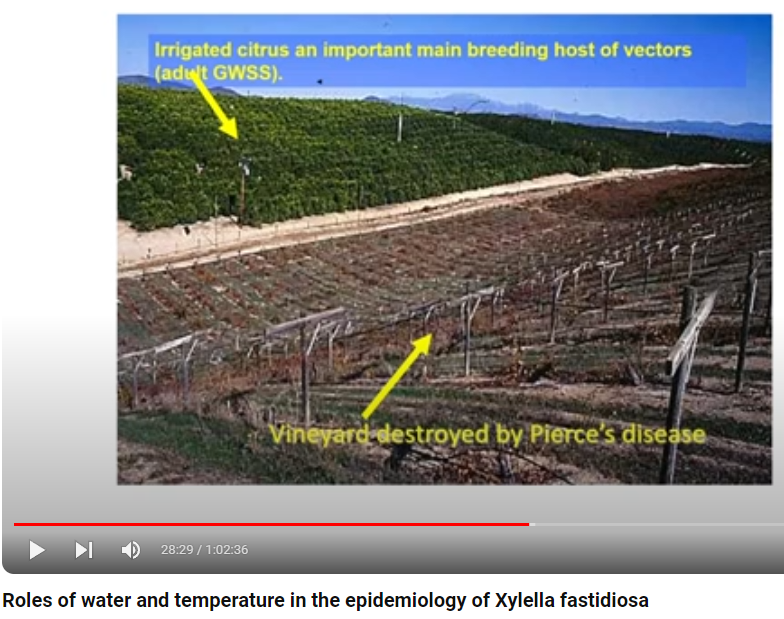
  • Watch Now: Roles of Water and Temperature in the Epidemiology of Xylella fastidiosa


Critical Catch: Border Station Stops Spotted Lanternfly Eggs


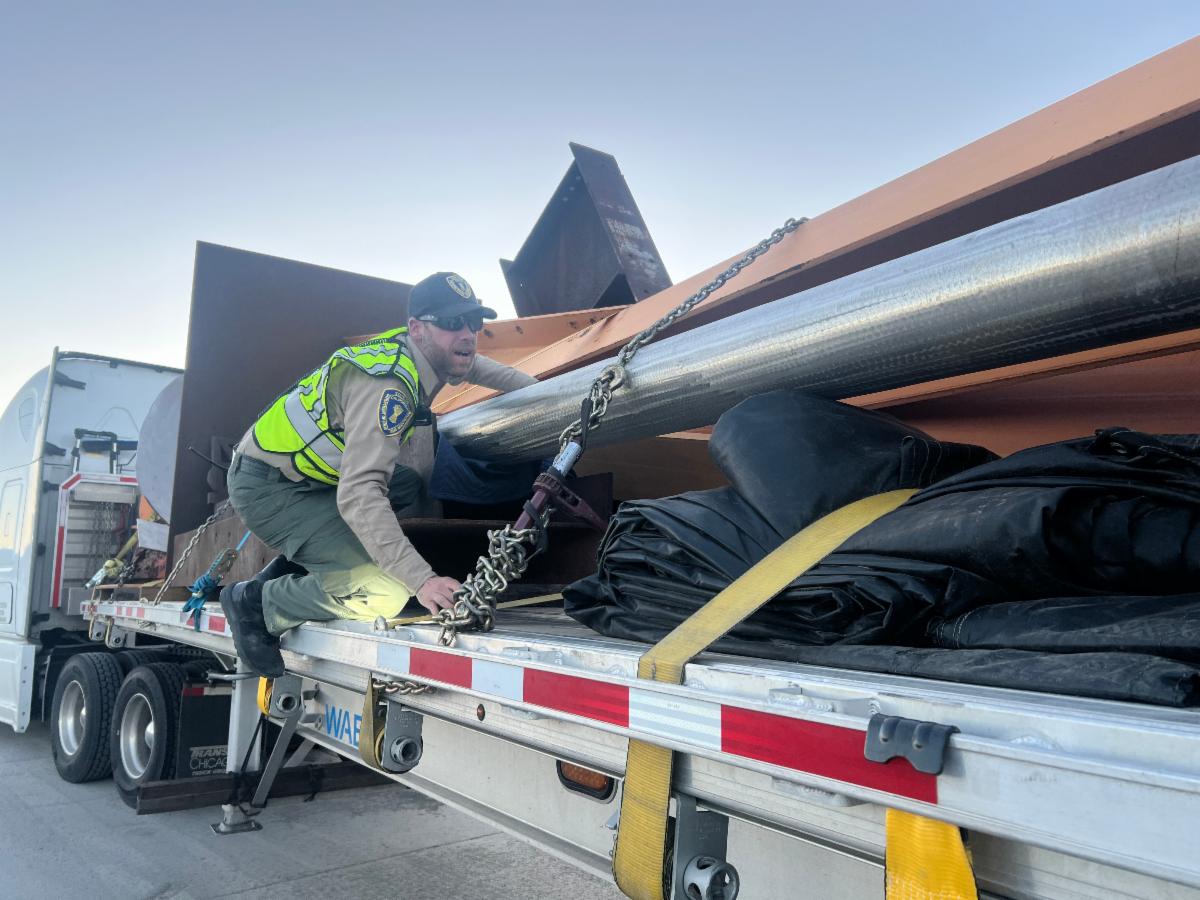
Thanks to vigilant agricultural inspection agents, a truck carrying a 30-foot-tall metal art installation with spotted lanternfly (SLF) egg masses hitching a ride was stopped at the California Department of Food and Agriculture’s Truckee Border Protection Station earlier this year. 


Inspectors found 11 viable egg masses and refused the truck entry, returning it to Nevada for further inspection. Nevada officials found 30 additional egg masses and thoroughly cleaned the truck and its cargo. After passing reinspection in Truckee, the shipment was released to its destination. Once the piece could be unloaded from the truck and repositioned for closer inspection, Sonoma County staff found and destroyed three additional egg masses before clearing the shipment. County staff also confirmed there were not any tree of heaven or grapevines, the SLF’s preferred hosts, at or near the sculpture site.


See what the pest looks like in its various life stages and get free materials, including a poster, flyer, brochure, and images, to use on websites, social media, and in newsletters, at cdfa.ca.gov/pdcp/slf.


Spot it? Capture and kill the insect, snap a picture, and report it. Call the CDFA Pest Hotline at 1-800-491-1899 or report online at cdfa.ca.gov/plant/reportapest.


Photo caption: CDFA Plant Quarantine Inspector N. Finney examining a truck for spotted lanternfly eggs. Photo credit: Adriaan Gilis, CDFA.

Pierce’s Disease Control Program Statewide Containment and Management Updates


Nursery Programs:


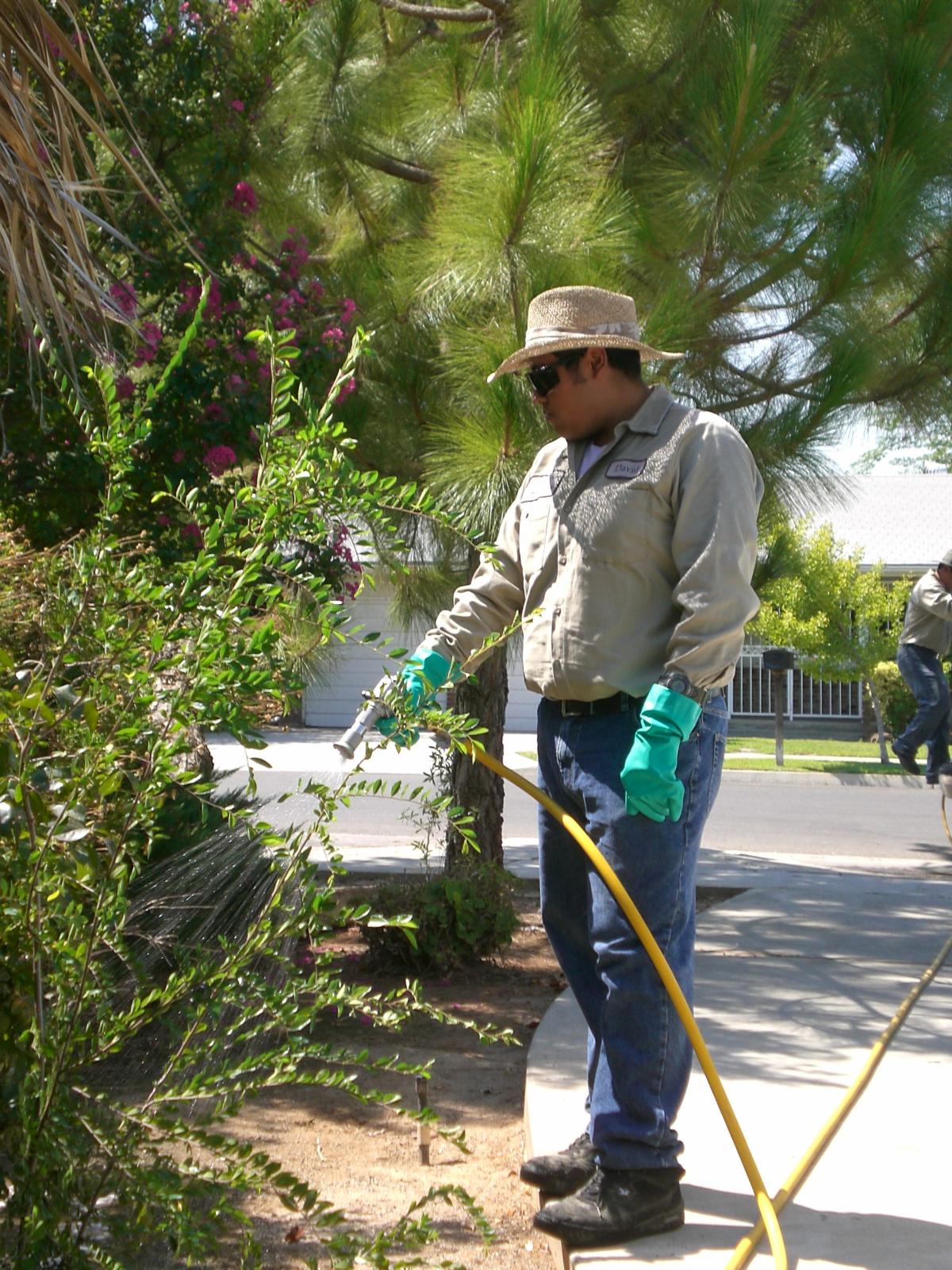
  • Nursery Regulatory Program: 11,473 regulated nursery stock shipments, one GWSS adult found during incoming inspections, and 11 GWSS adults and 26 egg masses stopped during outgoing inspections


  • Nursery Stock Approved Treatment Program (ATP): 2,481 ATP shipments consisting of approximately 513,520 plants and no viable life stages found


Statewide Survey and Detection:


  • Train 400+ county agricultural inspectors from 49 counties every year


  • During the peak of the residential/urban trapping season (May 1 – Oct. 31), about 33,000 traps are set and regularly checked statewide


Rapid Response:


  • No new GWSS infestations have been found since 2021


  • Ongoing monitoring and eradication or suppression efforts in existing GWSS-infested areas in Fresno, Madera, Solano, and Tulare counties

Watch Now: Roles of Water and Temperature in the Epidemiology of Xylella fastidiosa


Click to watch a presentation about Xylella fastidiosa (Xf), a bacterium that causes many plant diseases including Pierce’s disease, given by Professor Emeritus Alexander Purcell, University of California, Berkeley. Learn about general Xf biology and its interactions with climate, irrigation, and temperature, with many examples from California. Knowledge gained through research in California, including some funded by the PD/GWSS Board, is helping the European olive industry as it faces an emerging crisis caused by Xf.

Next Meeting:

June 25, 2024

Research

Reports

PD/GWSS Board

Website

Facebook  Linkedin  Youtube