|
|
|
Connecting
June 19, 2024
Click here for sound of the Teletype
| |
|
Colleagues,
Good Wednesday morning on this June 19, 2024,
This is Juneteenth, and AP reporter Terry Tang explains in this story - The beginner’s guide to celebrating Juneteenth - how best to celebrate the federal holiday. Her lead:
For more than one-and-a-half centuries, the Juneteenth holiday has been sacred to many Black communities.
It marks the day in 1865 enslaved people in Galveston, Texas found out they had been freed — after the end of the Civil War, and two years after President Abraham Lincoln’s Emancipation Proclamation.
Since it was designated a federal holiday in 2021, Juneteenth has become more universally recognized beyond Black America. Many people get the day off work or school, and there are a plethora of street festivals, fairs, concerts and other events.
These items from today's Today in History have significance:
On June 19, 1964, the Civil Rights Act of 1964 was approved by the U.S. Senate, 73-27, after surviving a lengthy filibuster.
And…
In 1865, Union troops arrived in Galveston, Texas, with news that the Civil War was over, and that all remaining slaves in Texas were free — an event celebrated to this day as “Juneteenth.”
TOMLINS ARE SAFE: Our colleague Dave Tomlin reports that his family is safe after wildfires forced evacuation of Ruidoso, N.M. “We’re sheltering in a motel in Alamogordo. We just learned that our neighborhood is still standing even though the fire’s eastern perimeter is right next to it. We live close enough to the fire that we could see it was getting out of hand and since we’re only a few miles directly downwind we decided to get out and beat the rush.
We lead today’s issue with a story in Nieman Reports on the beginnings of the AP’s archive system. Among those quoted in the story are our colleagues Kelly Smith Tunney, Tom Curley and Valerie Komor.
I highly recommend. And I should note, each issue of Connecting is entered into the AP archives to preserve the memories so many of you have shared over the newsletter's 11 years of life.
I particularly liked this excerpt:
While other major news organizations have taken some steps to preserve their records, usually by donating them to libraries, several journalism historians who have used the AP’s corporate archives describe the company’s approach as singular. “They have made sure that they have an in-house expert [Komor], who has such a high level of understanding of their materials and the history of the organization,” said Erin Coyle, associate professor of journalism at Temple University.
“We know in journalism that we don’t throw around the word unique because it means one of a kind,” said Gwyneth Mellinger, professor of telecommunications at James Madison University, whose forthcoming book on journalism and civil rights explores the pressure southern editors put on AP in the 1940s and 1950s to use the word “negro” to identify any Black person in their copy. The AP archives provided Mellinger with an abundance of evidence. “In this particular case, that archive is probably unique,” she said.
Here’s to a great day – be safe, stay healthy, live it to your fullest.
Paul
‘We Had No Place to Save the Stories’
Two decades ago, The Associated Press set out to preserve the organization’s history. What it created is an archive that sheds light on the press as a political institution.
| 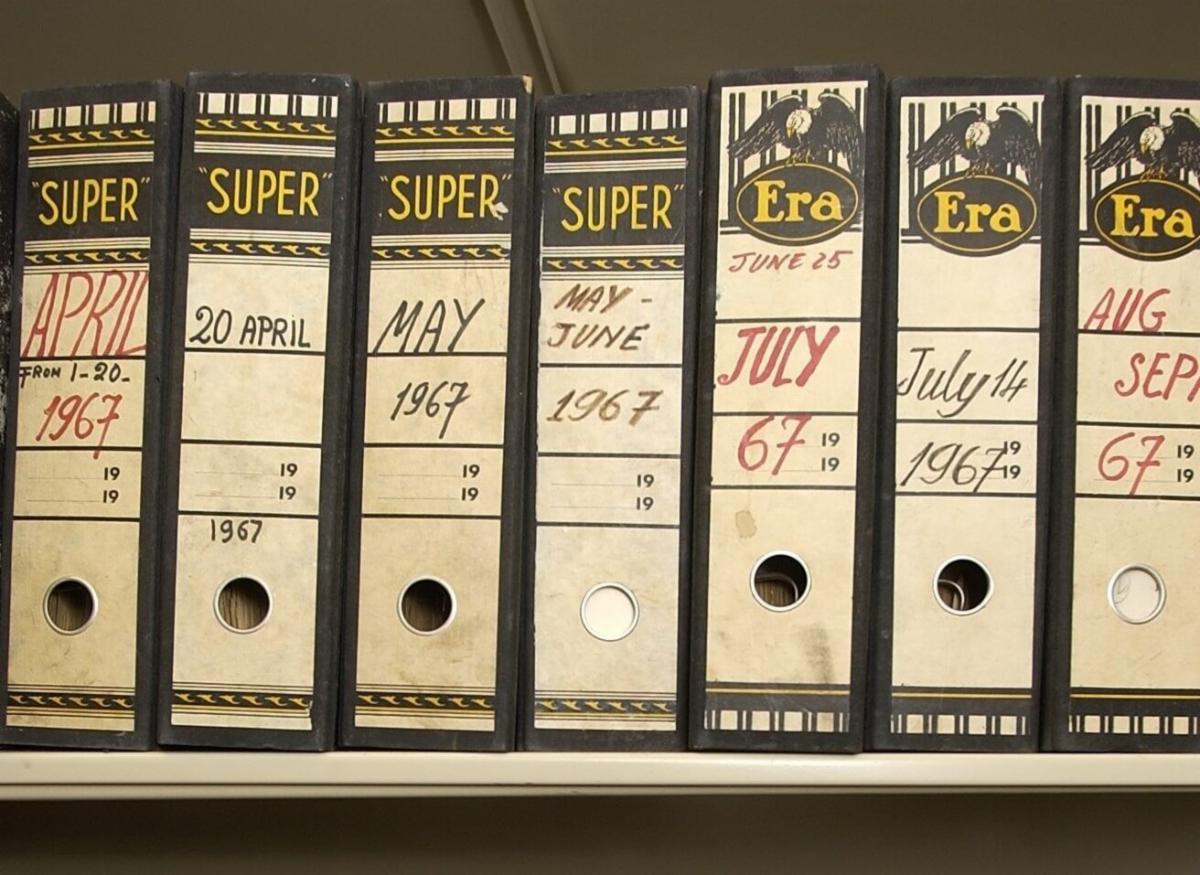 | |
These records from the AP’s Saigon Bureau during the Vietnam War are housed in the company’s corporate archives. The collection includes 10.3 million pages, 12 terabytes. Sam Markham/AP Photo
BY ANN COOPER
Nieman Reports
As a cub reporter at The Associated Press in the early 1960s, Kelly Tunney was captivated by the stories she heard from her older co-workers. There was Frank “Pappy” Noel, her colleague in Tallahassee, a Pulitzer Prize-winning photographer who, on assignment covering the Korean War, was captured and held for nearly three years in a Communist prison camp. Later, in the AP Washington bureau, Tunney worked beside Vern Haugland. On assignment in the Pacific during World War II, Haugland parachuted out of an Army plane that ran out of fuel over New Guinea. When he was rescued after 43 days of hiding in the jungle, he weighed just 95 pounds.
While the veterans gladly shared their tales in the newsroom, Tunney often thought it was a shame that their vivid, sometimes swashbuckling accounts of “how I got that story” were not captured systematically by AP and shared more widely.
“There were all these people with all these stories. And we had no place to save the stories because in the AP it’s a daily run,” Tunney recalled in a recent interview.
Nor were there systematic efforts to preserve and carefully catalog the wire service’s internal communiques, some of them dealing with weighty editorial and ethical issues — like AP’s firing of correspondent Ed Kennedy after he defied a U.S. military embargo on news of the Nazi surrender in 1945. At the military’s request, reporters from Allied countries were still sitting on the news of the war’s end more than 12 hours after the formal surrender, but when Kennedy learned German radio had already reported it, he phoned the AP’s London bureau, which quickly put it on the wire. Years later, Tunney still heard newsroom veterans debating whether Kennedy was right to break the embargo — and whether then-general manager Kent Cooper was right to fire him for doing so.
Kennedy’s dismissal had a fascinating backstory. But for decades it remained largely buried in the bowels of 50 Rockefeller Plaza in New York City, AP’s headquarters for 65 years, where papers saved by AP board chairs, newsroom executives, editors, and correspondents were dumped in boxes and file cabinets, uncatalogued, gathering dust, and forgotten.
Or nearly forgotten, until 2003, when a sequence of events led AP to invest in an unprecedented program to save and organize decades worth of artifacts and papers — old typewriters and cameras, letters, memos, diaries, oral histories, and much more — to document the history of one of America’s major media companies. These materials give important context to both AP’s journalism and to the business decisions taken as the wire service grew and evolved over many decades — particularly in the pre-digital age, when managers and reporters exchanged lengthy typewritten messages, free of concern that their candid thoughts might be shared globally on social media. Archives such as AP’s are also vital in shedding light on issues beyond journalism, especially at a time when layoffs and high staff turnover mean less institutional knowledge across the industry.
Read more here. Shared by Myron Belkind, Kaz Abiko, Linda Deutsch.
Thank you for the memories, Willie Mays
| |
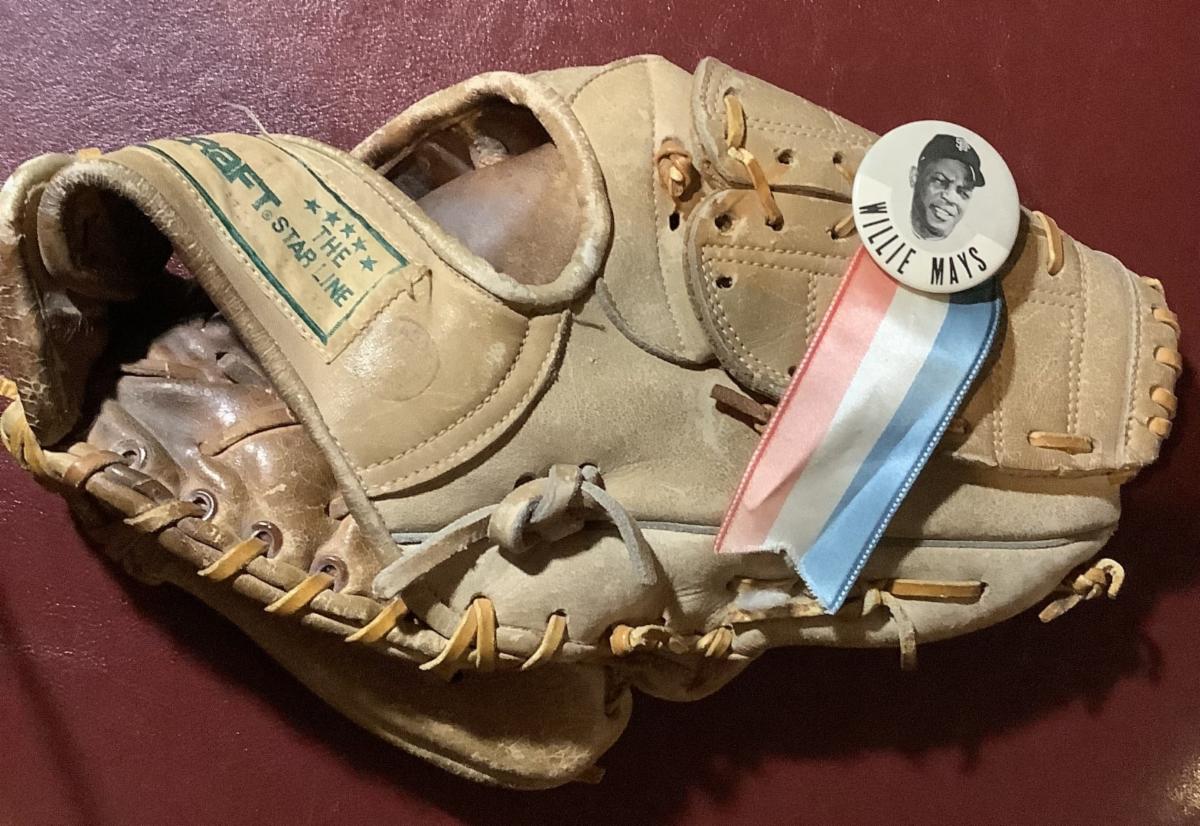
Dennis Conrad - I lived on Hamilton Air Force Base from 1959 to 1965 during my Little League playing days on the other side of the Golden Gate Bridge from San Francisco. No matter whether we rooted for the Giants (I was a Dodger fan) or not, we were always amazed watching Willie Mays play the game. Such joy. Those basket catches. The speed on the base path. His cap flying in the air. The power in his swing. We loved you even when we didn’t root for your team., Willie. You were the best baseball player I ever saw. RIP.
Ironic timing of Google alert
Neal Ulevich - Odd this Google Alert should appear today (Tuesday), my 78th birthday.
Click here.
At the World Cup Opening Ceremony
| |
|
Dennis Conrad - I especially enjoyed Connecting the other day when Mark Mittelstadt added to our memories of what happened on June 17, 1994.
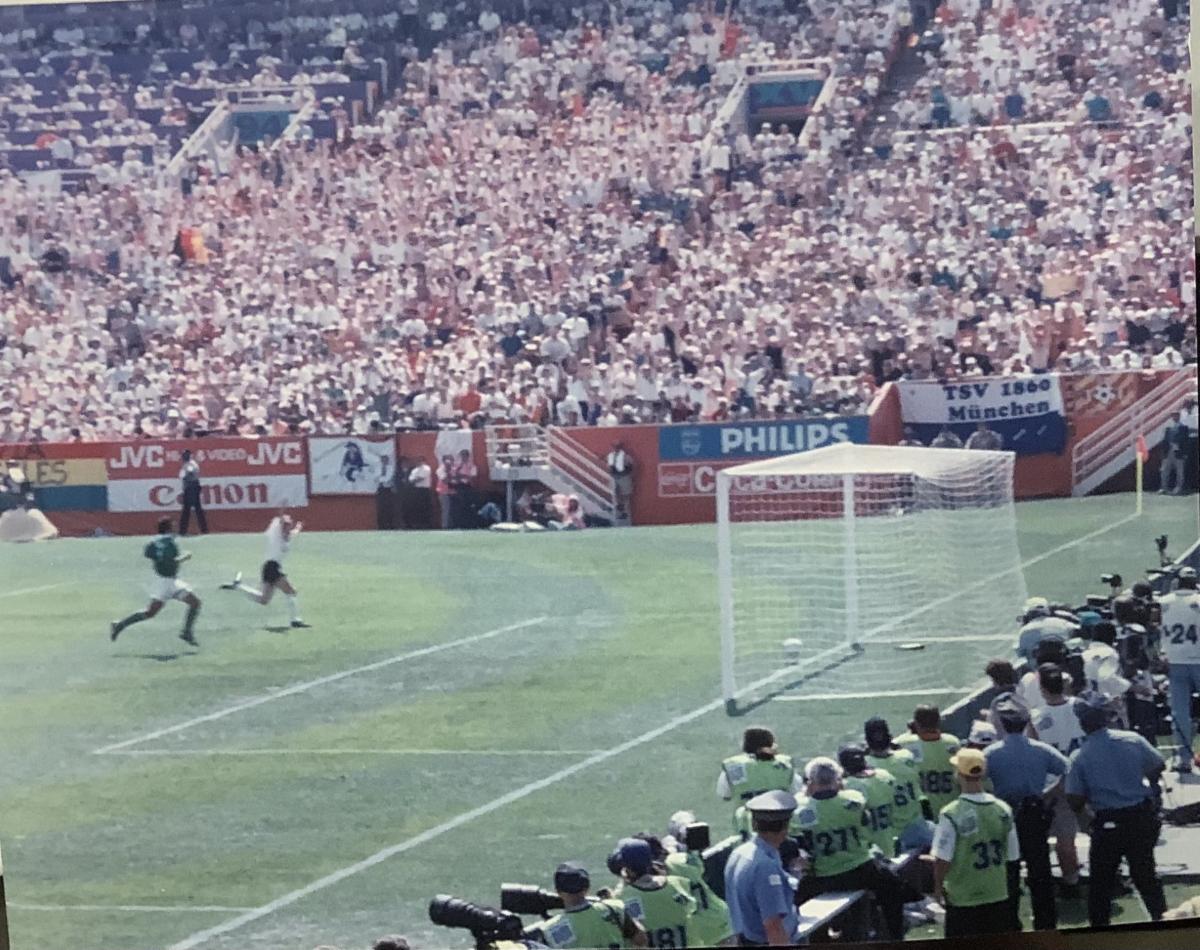
My daughter Julia and I attended the World Cup Opening Ceremony at Chicago’s Soldier Field that day. We had an excellent view of the soccer action as Germany and Bolivia engaged in a battle that led to a 1-0 victory by the European powerhouse.
With my 30-year-old Yashica camera, I captured Juergen Klinsmann’s winning shot as the ball seemingly froze in time mere centimeters from what would be its eventual entry into the net. It’s a most unusual photo of a goal as the goalkeeper is nowhere to be found and Klinsmann is alone on the field except for a single Bolivian defender. We were rooting for the South American underdogs but a referee’s red card against one of their stars, Marco Etcheverry, forced them to play with a man down.
Our 200-mile ride back home to Springfield, where I was an AP newsman at the Illinois Statehouse, was just as memorable as we listened to radio coverage of the police chase of O.J. As we pulled into our own driveway with our minivan, coverage turned to O.J.’s driveway. Truly a made-for-Hollywood ending to a long day.
Thirty years later, I am preparing to go to the UEFA 2024 championship in Germany and my granddaughter who just turned 13 is dreaming about her soccer future after her middle school won yet another local championship and achieved a record of more than 100 consecutive wins.
For UEFA 2024, I have tickets for myself and Romek, the best man from my 1975 wedding in Poznan, Poland, who is now a retired engineer in Dusseldorf, Germany. We will be in Dortmund for the France vs. Poland match on June 25, nearly 50 years to the day after we watched from a packed tv room in a Poznan youth hostel the Polish National Team lose 1-0 to West Germany in the 1974 World Cup semifinal match held in Frankfurt.
Years later, at Tampa Stadium, in Florida, I was able to chat with the captain of that legendary Polish team, Kazimierz Deyna, then playing in the North American Soccer League for the San Diego Sockers. Kaz graciously autographed my copy of a book on Polish soccer history where he figured prominently. For those who don’t recall, Deyna scored five goals in the 1974 World Cup, second to teammate Gregorz Lato’s Golden Boot total of seven, as the Polish team finished third in the tournament after defeating defending champ Brazil, in the consolation match.
Stories of your first bureau
Bob Fick - I started in St. Louis on Dec. 26, 1972, the day Harry Truman died in Kansas City. I got to do the Missouri congressional reaction roundup to Truman's death – a big deal for somebody who was working at The Flint Journal the week before.
-0-
John Kreiser - I had two terms at the AP, so I don't know if I get two "firsts."
I joined the AP in March 1977 as a baseball dictationist (we actually took dictation on stories and box scores in those days) in the Sports Department at Rockefeller Center. Tom Canavan, a Fordham classmate who was a clerk in the sports department (now the longtime sports writer in Newark, and still a friend), was my connection.
Dictationists were temporary, but I was hoping something more permanent would work out, and it did -- largely due to office geography. Sports was located next to the national Broadcast wire, and my No. 1 interest then was radio. Wick Temple, the longtime AP Sports Editor, was friends with the bosses in Broadcast and set me up with a writing test because one of their writers (Bill Strong, I believe) was leaving. I did well, and on the day after the regular season ended, I began a 6 1/2-year stint in Broadcast.
The only reason I left in 1983 was that the department was moving to Washington. I was a New Yorker with a great deal on an apartment and didn't want to move; also, a few weeks before the move was to take place, I met a lovely young nurse from Queens; we got married in 1985 and recently celebrated our 39th anniversary.
I wound up back at the AP two years later after the company I was working for went bankrupt. My second hitch of nearly 10 years began and ended in Special Services with a hitch in sports tucked in the middle.
I thought I had said goodbye to the AP for good when I left in 1995 to join a business/technology magazine. But after 10 years there plus stints at Sports Illustrated for Kids, CBSNews.com and NHL.com, I retired in 2021, moved to Florida -- and wound up covering some Tampa Bay Lightning games for the AP as the backup stringer.
-0-
| |
|
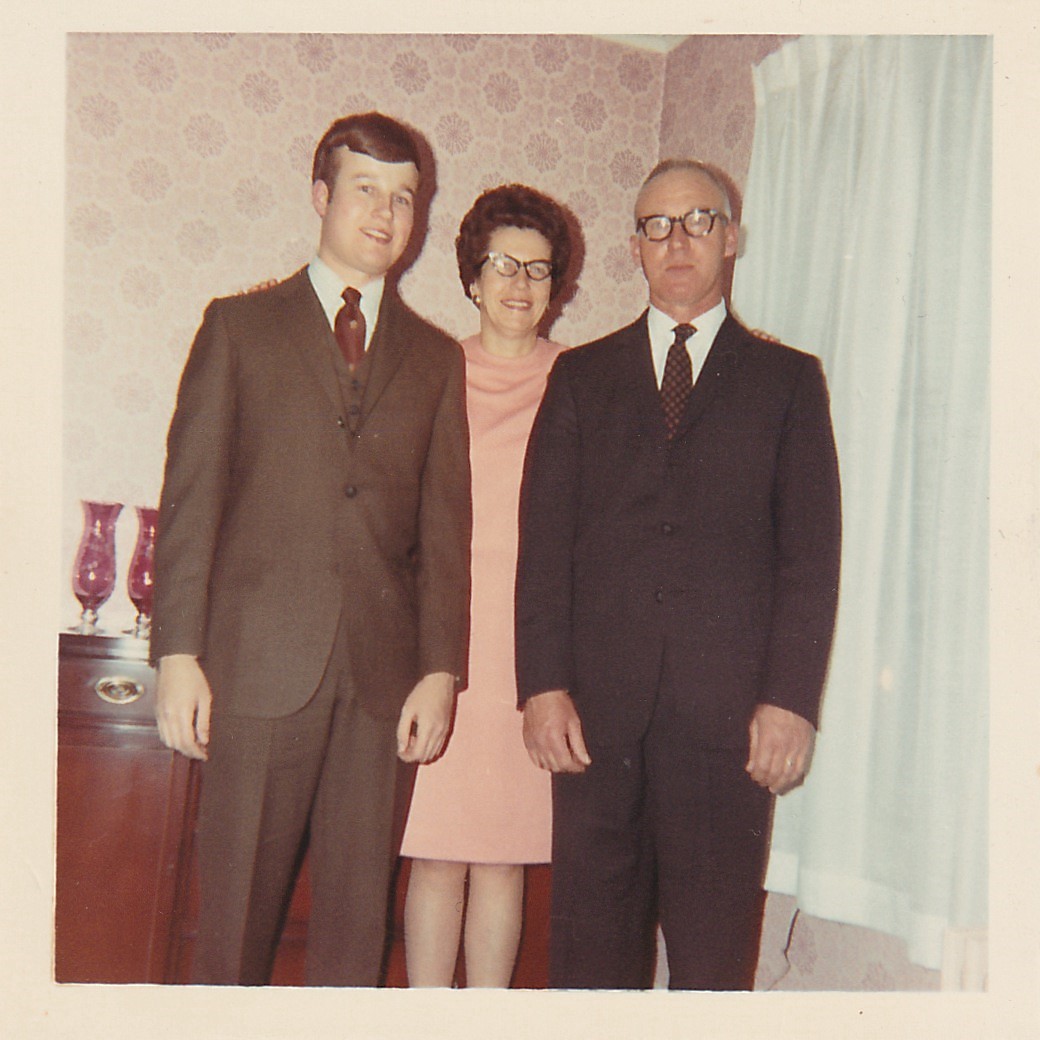
Daniel Haney with his parents, Quentin and Ruth, in Houlton, Maine, where he grew up. Dan adopted the Q in his byline – Daniel Q. Haney – to honor his dad.
Daniel Haney - I worked vacation relief in Portland, Maine, in the summer of 1969. After graduating from Boston University in 1970, I did another vacation stint in Portland, then transferred to Boston in the fall of 1970. I started out on night broadcast. My big break was getting assigned full time to covering the school busing crisis for two years. After that, I discovered that stories about medical discoveries - easy to find in Boston - always made the AAA, usually the bjt, and often the best-seller list. So I worked my way into becoming the AP’s first medical writer, then medical editor and finally special correspondent. I operated out of the Boston bureau the entire time and retired in 2004. As best I can remember, I never had a bad day.
How did I come to use the byline, Daniel Q. Haney?
I started in the Portland bureau on vacation relief the summer of my junior year at BU knowing almost nothing but brimming with self-confidence. Remember those days? The first time I went out on assignment and came back with a story to type up, the very kindly correspondent, Bill Langzettel. said, “How would you like your byline to read?” I asked if I could use my middle initial. I was close to my father, Quentin, and thought it would make him smile. It was a good career move. The odd middle initial made my byline stand out on the wire, and I always fantasized that wire editors ran my stories because they got a kick out of the name.
-0-
Charlotte Porter – Minneapolis, 1976 - I took the test from Gary Clark but by the time I got there Tom Brettigen was news editor under Joe Dill.
They took me on as vacation relief, but after a couple of weeks changed me over to permanent part-time so I would be next in line for a bureau opening. That opening came in Sioux Falls a few months later, and after that I was assigned to Pierre for two years. Then Joe got Burl Osborne to hire me and another General Desk nuisance was born.
Subsequent postings were Atlanta (news editor and ACOB), Phoenix COB, and New Orleans COB. Thanks in part to Darrell Christian and Ruth Gersh, who raised the matter in executive meetings in New York, I was the first woman to have a two-state bureau.
-0-
David Tirrell-Wysocki - As I jolted awake at my desk in the Concord bureau, my first thought was that my first day at the AP would be my last.
It was June 1977. I had flown in the previous night after a week in the Rockies, celebrating my brother’s wedding. After a restless night, I reported to the bureau and was greeted by News Editor Jon Kellogg.
Jon showed me to a computer to introduce me to my new link to the outside world. I was nervous. I had never worked on a computer, having come from a local radio station where we pounded out stories on a typewriter made before I was born. I was concerned that tapping the wrong computer key or hitting two at the same time would blow the thing up.
Jon patiently explained the ins and outs of the terminal, how to file stories and how it all fit in the AP scheme of things. Soon, a week of high-altitude partying, a long flight and a short night took their toll. I fell dead asleep. Maybe it was while trying to digest the differences between coding for the AAA-wire, the state wire, the sports wire, the business wire, the broadcast wire.
I’m not sure if Jon nudged me or if I awoke from the slap of my notebook hitting the floor, but I was horrified and ready to head back to the radio station. Jon was gracious, showed me to the coffee pot and offered to pick up where we had left off – wherever that was.
His instruction must have worked. I spent 33 years at the Concord bureau and not once did I blow up a computer.
Birmingham, Montgomery were both correspondencies
Kendal Weaver - I joined AP in 1971, assigned to Montgomery, Ala., and Hoyt Harwell was in charge of the Birmingham bureau, which had four or five staffers at that time. But the chief of bureau was in Atlanta, as was the assistant chief and the news director for both Georgia and Alabama. In Montgomery, Rex Thomas was the long-time capital correspondent and chief political writer. Over time, staffing shifted to Montgomery and Birmingham became a single-person correspondency, as it was in 1993 when Hoyt retired and Jay Reeves succeeded him. I became the Montgomery correspondent in 1979 when Rex retired, and I received the administrative designation in the mid-1980s (as I recall) since the number of staffers under me required it. But the title of news editor for Alabama remained in Atlanta. As AP’s news structure shifted into regions and multi-faceted staff reporting, I was given the designation of state news editor in the late 1990s by then-CoB Gary Clark. By the time I retired in 2010, staff size in Montgomery was shrinking fast. I understand there is now a single AP news reporter for all of Alabama.
AP sighting
| 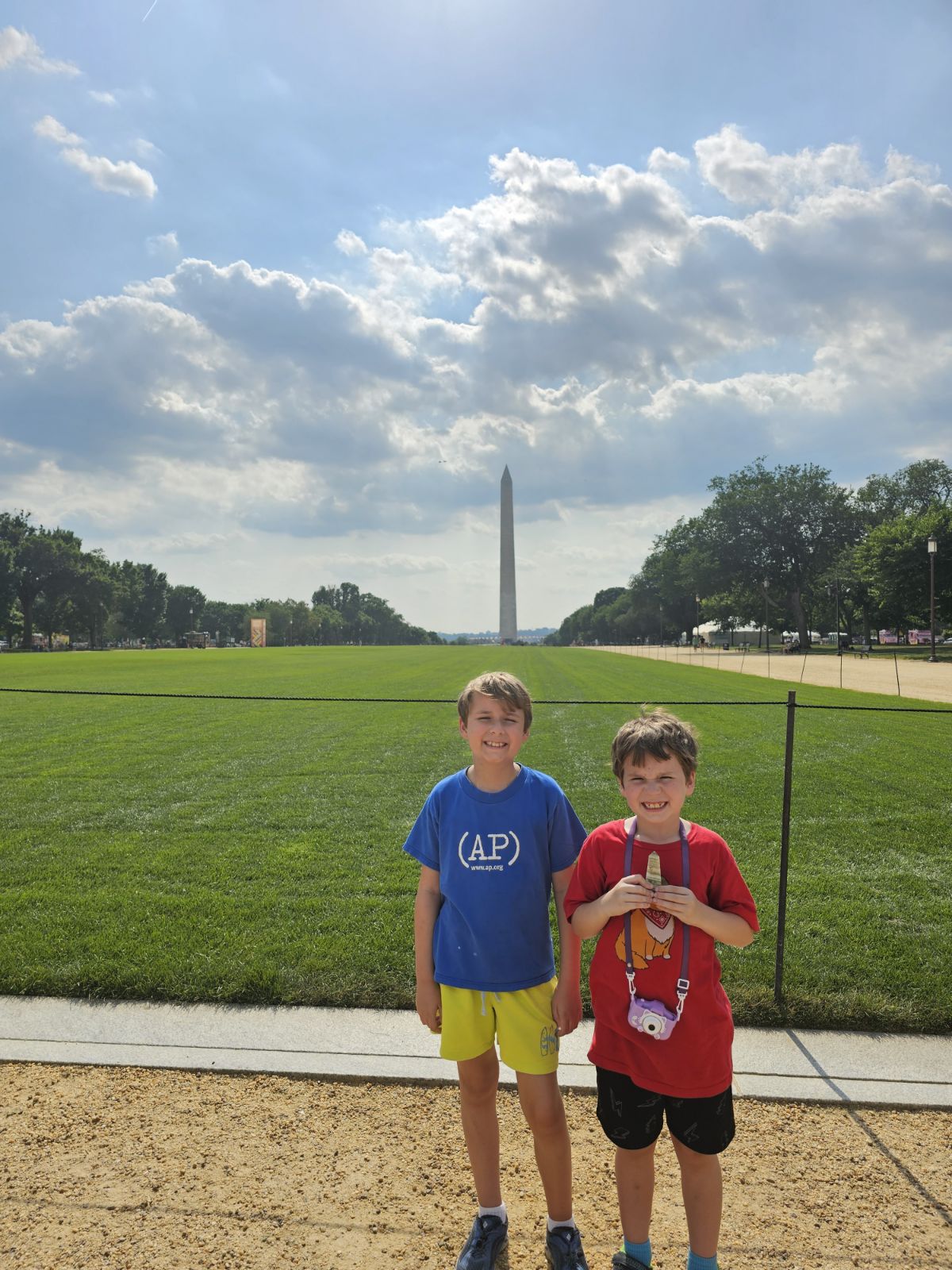 | Kelly Kissel - My grandson Isaac in Washington (with his brother Ethan). My daughter has handed down her AP shirts from when she wore them 25 years ago. | |
Connecting wishes Happy Birthday | |
|
AP classes, by the year...
(EDITOR'S NOTE: This is a listing of Connecting colleagues who have shared with me the year and the bureau where they started with the AP. If you would like to share your own information, I will include in later postings. If your name is listed without a bureau, please send me your first bureau and I'll add. Current AP staffers are also welcomed to share their information.)
1951 - Norm Abelson (Boston)
1953 – Charles Monzella (Huntington, WVa)
1955 – Henry Bradsher (Atlanta), Paul Harrington (Boston), Joe McGowan (Cheyenne)
1958 – Roy Bolch (Kansas City)
1959 – Charlie Bruce (Montgomery)
1960 – Claude Erbsen (New York), Carl Leubsdorf (New Orleans)
1961 – Peter Arnett (Jakarta, Indonesia), Warren Lerude (San Diego)
1962 – Paul Albright (Cheyenne), Malcolm Barr Sr. (Honolulu), Myron Belkind (New York), Kelly Smith Tunney (Miami)
1963 – Hal Bock (New York)
1964 – Rachel Ambrose (Indianapolis), Larry Hamlin (Oklahoma City), Ron Mulnix (Denver), Hilmi Toros (New York)
1965 – Bob Dobkin (Pittsburgh), Harry Dunphy (Denver), John Gibbons (New York), Jim Luther (Nashville), Larry Margasak (Harrisburg)
1966 – Mike Doan (Portland, OR), Edie Lederer (New York), Nancy Shipley (Nashville), Mike Short (Los Angeles), Marty Thompson (Seattle), Kent Zimmerman (Chicago)
1967 – Dan Berger (Los Angeles), Adolphe Bernotas (Concord), Lou Boccardi (New York), Linda Deutsch (Los Angeles), Don Harrison (Los Angeles), Doug Kienitz (Cheyenne), David Liu (New York), Bruce Lowitt (Los Angeles), Chuck McFadden (Los Angeles), Martha Malan (Minneapolis), Bill Morrissey (Buffalo), Larry Paladino (Detroit), Michael Putzel (Raleigh), Bruce Richardson (Chicago), Richard Shafer (Baltimore), Victor Simpson (Newark), Michael Sniffen (Newark)
1968 – Lee Balgemann (Chicago), John Eagan (San Francisco), Joe Galu (Albany), Peter Gehrig, Charles Hanley (Albany), Jerry Harkavy (Portland, Maine), Herb Hemming (New York), Brian King (Albany), Samuel Koo (New York), Karren Mills (Minneapolis), Michael Rubin (Los Angeles), Rick Spratling (Salt Lake City)
1969 - Ann Blackman (New York), Ford Burkhart (Philadelphia), Dick Carelli (Charleston, WVa), Dennis Coston (Richmond), Mary V. Gordon (Newark), Daniel Q. Haney (Portland, Maine), Mike Harris (Chicago), Brad Martin (Kansas City), David Minthorn (Frankfurt), Cynthia Rawitch (Los Angeles), Bob Reid (Charlotte), Mike Reilly (New York), Doug Tucker (Tulsa), Bill Winter (Helena)
1970 – Richard Boudreaux (New York), Richard Drew (San Francisco), Bob Egelko (Los Angeles), Steve (Indy) Herman (Indianapolis), Tim Litsch (New York), Lee Margulies (Los Angeles), Chris Pederson (Salt Lake City), Brendan Riley (San Francisco), Larry Thorson (Philadelphia)
1971 – Harry Atkins (Detroit), Jim Bagby (Kansas City), Larry Blasko (Chicago), Jim Carlson (Milwaukee), Jim Carrier (New Haven), Chris Connell (Newark), Bill Hendrick (Birmingham), John Lumpkin (Dallas), Kendal Weaver (Montgomery)
1972 – Hank Ackerman (New York), Bob Fick (St. Louis), Mike Graczyk (Detroit), Lindel Hutson (Little Rock), Brent Kallestad (Sioux Falls), Tom Kent (Hartford), Nolan Kienitz (Dallas), Andy Lippman (Phoenix), Mike Millican (Hartford), Lew Wheaton (Richmond)
1973 - Jerry Cipriano (New York), Susan Clark (New York), Norm Clarke (Cincinnati), Joe Galianese (East Brunswick), Merrill Hartson (Richmond), Mike Hendricks (Albany), Tom Journey (Tucson), Steve Loeper (Los Angeles), Tom Slaughter (Sioux Falls), Jim Spehar (Denver), Paul Stevens (Albany), Jeffrey Ulbrich (Cheyenne), Owen Ullmann (Detroit), John Willis (Omaha)
1974 – Norman Black (Baltimore), David Espo (Cheyenne), Robert Glass (Philadelphia), Steve Graham (Helena), Elaine Hooker (Hartford), Sue Price Johnson (Charlotte), Dave Lubeski (Washington), Lee Mitgang (New York), Marc Wilson (Little Rock)
1975 – Peter Eisner (Columbus), David Powell (New York), Eileen Alt Powell (Milwaukee)
1976 – Judith Capar (Philadelphia), Dick Chady (Albany), David Egner (Oklahoma City), Marc Humbert (Albany), Charlotte Porter (Minneapolis), Chuck Wolfe (Charlotte)
1977 – Robert Burns (Jefferson City), Charles Campbell (Nashville), Dave Carpenter (Philadelphia), Ken Herman (Dallas), Mike Holmes (Des Moines), Scott Kraft (Jefferson City), John Kreiser (New York), Peter Leabo (Dallas), Kevin LeBoeuf (Los Angeles), Ellen Nimmons (Minneapolis), Dan Sewell (Buffalo), Estes Thompson (Richmond), David Tirrell-Wysocki (Concord)
1978 – Tom Eblen (Louisville), Doug Pizac (Los Angeles), Charles Richards (Dallas), Steve Wilson (Boston)
1979 – Scotty Comegys (Chicago), Brian Friedman (Des Moines), Sally Hale (Dallas), Phillip Rawls (Nashville), Linda Sargent (Little Rock), Robert Wielaard (Brussels)
1980 – Jeff Barnard (Providence), Mark Duncan (Cleveland), Bill Kaczor (Tallahassee), Mitchell Landsberg (Reno), Kevin Noblet (New Orleans), David Speer (Jackson), Hal Spencer (Providence), Carol J. Williams (Seattle)
1981 – Paul Davenport (Phoenix), Dan Day (Milwaukee), John Flesher (Raleigh), Len Iwanski (Bismarck), Ed McCullough (Albany), Mark Mittelstadt (Des Moines), Roland Rochet (New York), Lee Siegel (Seattle), Marty Steinberg (Baltimore)
1982 – Dorothy Abernathy (Little Rock), Al Behrman (Cincinnati), Tom Cohen (Jefferson City), John Epperson (Chicago), Ric Feld (Atlanta), Nick Geranios (Helena), Robert Kimball (New York), Bill Menezes (Kansas City), David Ochs (New York)
1983 – Scott Charton (Little Rock), Sue Cross (Columbus), Mark Elias (Chicago), Diana Heidgerd (Miami), Amy Sancetta (Philadelphia), Cliff Schiappa (Kansas City), Rande Simpson (New York), Dave Skidmore (Milwaukee)
1984 - Wayne Chin (Washington), Jack Elliott (Oklahoma City), Kelly P. Kissel (New Orleans), Joe Macenka (Richmond), Eva Parziale (San Francisco), Cliff Schiappa (Kansas City)
1985 - Betty Kumpf Pizac (Los Angeles)
1986 – Joni Baluh Beall (Richmond), Tom Coyne (Columbia, SC), Dave DeGrace (Milwaukee), Alan Flippen (Louisville), Jim Gerberich (San Francisco), Howard Goldberg (New York), Mark Hamrick (Dallas), Sandy Kozel (Washington)
1987 – Donna Abu-Nasr (Beirut), Dave Bauder (Albany), Beth Harris (Indianapolis), Lynne Harris (New York), Rosemarie Mileto (New York), John Rogers (Los Angeles)
1988 – Peg Coughlin (Pierre), Kathy Gannon (Islamabad), Melissa Jordan (Sioux Falls), Bill Pilc (New York), Kelley Shannon (Dallas)
1989 – Charlie Arbogast (Trenton), Ron Fournier (Little Rock)
1990 – Dan Perry (Bucharest), Sean Thompson (New York)
1991 – Lisa Pane (Hartford), Bill Sikes (Buffalo)
1992 – Kerry Huggard (New York)
1993 – Jim Salter (St. Louis)
1996 – Patricia N. Casillo (New York)
1997 - Pamela Collins (Dallas), Madhu Krishnappa Maron (New York), Jennifer Yates (Baltimore)
2000 – Gary Gentile (Los Angeles)
| |
|
Stories of interest
Jeff Bezos Has Worst Response Ever to Washington Post Turmoil (New Republic)
By EDITH OLMSTED
Jeff Bezos finally broke his silence on the widespread backlash to two new hirings at The Washington Post.
In a memo to the paper’s top personnel on Tuesday, the billionaire technocrat backed the new CEO Will Lewis, a former lieutenant to right-wing media mogul Richard Murdoch, whose controversial appointment at the Post has made waves across the industry in the wake of reporting on his shady journalistic practices.
“I know you’ve already heard this from Will, but I wanted to also weigh in directly: the journalistic standards and ethics at The Post will not change,” Bezos wrote in his message to staff. “To be sure, it can’t be business as usual at The Post. The world is evolving rapidly and we do need to change as a business.”
“You have my full commitment on maintaining the quality, ethics, and standards we all believe in,” Bezos wrote. Unfortunately, those words aren’t the most comforting, as the dirt on Lewis continues to pile up.
Read more here. Shared by Valerie Komor.
-0-
Bezos reassures Post editors in first outreach since Buzbee exit (Washington Post)
By Elahe Izadi
Washington Post owner Jeff Bezos sought to reassure its journalists Tuesday with his first direct outreach to The Post newsroom since the abrupt exit of its executive editor and a swirl of questions about the journalism standards of some newly appointed executives.
“You have my full commitment on maintaining the quality, ethics, and standards we all believe in,” he wrote to about a dozen senior editors in an email, which quickly leaked to reporters who shared it on social media.
The message represents the owner’s most public comment since William Lewis, the company’s publisher and CEO of five months, announced top editor Sally Buzbee’s departure and a dramatic newsroom reorganization two weeks ago.
Since then, multiple recent news accounts, including in The Post, have highlighted allegations that Lewis and Robert Winnett — a British editor who is being brought in to oversee the news division in November — engaged in journalistic practices that run counter to the standards of most American newsrooms.
Read more here. Shared by Dennis Conrad.
-0-
Los Angeles will pay $300,000 to settle a lawsuit against journalist over undercover police photos (AP)
BY JAIMIE DING
LOS ANGELES (AP) — Los Angeles has agreed to pay $300,000 to cover the legal fees of a local journalist and a technology watchdog group that had been sued by the city last year for publishing photos of names and photographs of hundreds of undercover officers obtained through a public records request, the journalist’s attorney said Monday.
The photos’ release prompted huge backlash from Los Angeles police officers and their union, alleging that it compromised safety for those working undercover and in other sensitive assignments, such as investigations involving gangs, drugs and sex traffickers. The city attorney’s subsequent lawsuit against Ben Camacho, a journalist for progressive news outlet Knock LA at the time, and the watchdog group Stop LAPD Spying Coalition drew condemnation from media rights experts and a coalition of newsrooms, including The Associated Press, as an attack on free speech and press freedoms.
Read more here. Shared by Len Iwanski, Linda Deutsch.
-0-
Obituary-Barry May, founder of The Baron
Barry May, who died on June 1, aged 80 after a brave struggle with cancer, had a distinguished career around the globe with Reuters; but perhaps his greatest achievement came after he left, when he founded The Baron website.
May’s life was crammed with multiple roles and achievements after his retirement from Reuters following a 32-year career that took him from Johannesburg to Pakistan, the United States and to his most senior correspondent role as Gulf Bureau Chief.
He will probably be best remembered by his former colleagues for founding The Baron, which he invented and edited with huge commitment over 15 years, keeping old hacks and other Reuters staff connected, and creating an invaluable online community. Friends say May spent two or three hours almost daily working on the website, including when he was on holiday. He also spent many hours and weeks commissioning and then mastering the online editing system.
Even in his final months, Barry showed extraordinary strength and bravery to continue overseeing The Baron.
Read more here. Shared by Mike Reilly.
| |
Today in History – June 19, 2024 |  | |
Today is Wednesday, June 19, the 171st day of 2024. There are 195 days left in the year. This is Juneteenth.
Today’s Highlight in History:
On June 19, 1964, the Civil Rights Act of 1964 was approved by the U.S. Senate, 73-27, after surviving a lengthy filibuster.
On this date:
In 1775, George Washington was commissioned by the Continental Congress as commander in chief of the Continental Army.
In 1865, Union troops arrived in Galveston, Texas, with news that the Civil War was over, and that all remaining slaves in Texas were free — an event celebrated to this day as “Juneteenth.”
In 1910, the first-ever Father’s Day was celebrated in Spokane, Washington. (The idea for the observance is credited to Sonora Louise Smart Dodd.)
In 1911, Pennsylvania became the first state to establish a motion picture censorship board.
In 1917, during World War I, King George V ordered the British royal family to dispense with German titles and surnames; the family took the name “Windsor.”
In 1934, the Federal Communications Commission was created; it replaced the Federal Radio Commission.
In 1944, during World War II, the two-day Battle of the Philippine Sea began, resulting in a decisive victory for the Americans over the Japanese.
In 1953, Julius Rosenberg, 35, and his wife, Ethel, 37, convicted of conspiring to pass U.S. atomic secrets to the Soviet Union, were executed at Sing Sing Prison in Ossining, New York.
In 1975, former Chicago organized crime boss Sam Giancana was shot to death in the basement of his home in Oak Park, Illinois; the killing has never been solved.
In 1986, University of Maryland basketball star Len Bias, the first draft pick of the Boston Celtics, suffered a fatal cocaine-induced seizure.
In 1987, the U.S. Supreme Court struck down a Louisiana law requiring any public school teaching the theory of evolution to teach creation science as well.
In 2013, actor James Gandolfini died while vacationing in Rome at age 51, and country singer Slim Whitman died in Orange Park, Florida at age 90.
In 2014, Rep. Kevin McCarthy of California won election as House majority leader as Republicans shuffled their leadership in the wake of Rep. Eric Cantor’s primary defeat in Virginia.
In 2018, Koko, a western lowland gorilla who was taught sign language at an early age as a scientific test subject and eventually learned more than 1,000 words, died at the Gorilla Foundation’s preserve in California’s Santa Cruz mountains at the age of 46.
In 2023, a submersible known as the Titan imploded in the Atlantic near the wreckage of the Titanic, killing all five people on board.
Today’s Birthdays: Actor Gena (JEH’-nuh) Rowlands is 94. Hall of Fame race car driver Shirley Muldowney is 84. Singer Elaine “Spanky” McFarlane (Spanky and Our Gang) is 82. Nobel peace laureate Aung San Suu Kyi (soo chee) is 79. Author Sir Salman Rushdie is 77. Actor Phylicia Rashad is 76. Rock singer Ann Wilson (Heart) is 74. Musician Larry Dunn is 71. Actor Kathleen Turner is 70. Country singer Doug Stone is 68. Singer Mark “Marty” DeBarge is 65. Singer-dancer-choreographer Paula Abdul is 62. Actor Andy Lauer is 61. British Prime Minister Boris Johnson is 60. Rock singer-musician Brian Vander Ark (Verve Pipe) is 60. Actor Samuel West is 58. Actor Mia Sara is 57. TV personality Lara Spencer is 55. Rock musician Brian “Head” Welch (Korn) is 54. Actor Jean Dujardin is 52. Actor Robin Tunney is 52. Actor Bumper Robinson is 50. Actor Poppy Montgomery is 49. Alt-country singer-musician Scott Avett (The Avett Brothers) is 48. Actor Ryan Hurst is 48. Actor Zoe Saldana is 46. Former NBA star Dirk Nowitzki is 46. Actor Neil Brown Jr. is 44. Actor Lauren Lee Smith is 44. Rapper Macklemore (Macklemore and Ryan Lewis) is 42. Actor Paul Dano is 40. Texas Rangers pitcher Jacob DeGrom is 36. Actor Giacomo Gianniotti is 35. Actor Chuku Modu (TV: “The Good Doctor”) is 34. Actor Atticus Shaffer is 26.
| |
Got a photo or story to share? | |
|
Connecting is a daily newsletter published Monday through Friday that reaches more than 1,800 retired and former Associated Press employees, present-day employees, and news industry and journalism school colleagues. It began in 2013. Past issues can be found by clicking Connecting Archive in the masthead. Its author, Paul Stevens, retired from the AP in 2009 after a 36-year career as a newsman in Albany and St. Louis, correspondent in Wichita, chief of bureau in Albuquerque, Indianapolis and Kansas City, and Central Region vice president based in Kansas City.
Got a story to share? A favorite memory of your AP days? Don't keep them to yourself. Share with your colleagues by sending to Ye Olde Connecting Editor. And don't forget to include photos!
Here are some suggestions:
- Connecting "selfies" - a word and photo self-profile of you and your career, and what you are doing today. Both for new members and those who have been with us a while.
- Second chapters - You finished a great career. Now tell us about your second (and third and fourth?) chapters of life.
- Spousal support - How your spouse helped in supporting your work during your AP career.
- My most unusual story - tell us about an unusual, off the wall story that you covered.
- "A silly mistake that you make"- a chance to 'fess up with a memorable mistake in your journalistic career.
- Multigenerational AP families - profiles of families whose service spanned two or more generations.
- Volunteering - benefit your colleagues by sharing volunteer stories - with ideas on such work they can do themselves.
- First job - How did you get your first job in journalism?
- Most unusual place a story assignment took you.
Paul Stevens
Editor, Connecting newsletter
paulstevens46@gmail.com
| | | | |