|
|
|
Connecting
Aug. 21, 2024
Click here for sound of the Teletype
| |
|
Colleagues,
Good Wednesday morning on this Aug. 21, 2022,
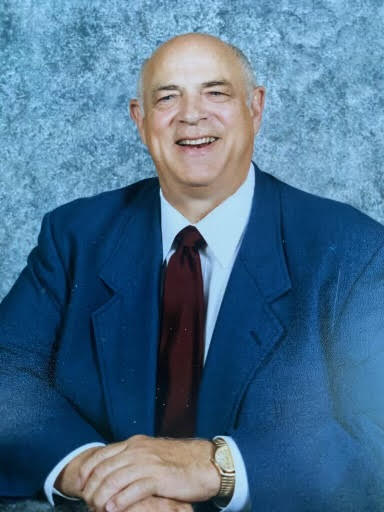
We bring you sad news of the death of our colleague John Schweitzer, who was a newsman, correspondent and broadcast executive in his 22-year career with The Associated Press.
John, who died last Saturday at 87, wrote his own obituary several years ago as he began putting his affairs in order and specifically requested that his family share it with Connecting, according to his friend and fellow BE Richard Shafer. No funeral service is planned.
If you would like to share a memory of John, please send it along.
Here’s to a great day – be safe, stay healthy, live it to your fullest.
Paul
John Schweitzer – a man of the Midwest – dies at 87
John William Schweitzer, 87, passed away on August 17, 2024, after a brief battle with pancreatic cancer. In the last years of his life he lived in Eden Prairie, Minn., but prior to that called an impressive number of places across the Midwest home including Decorah, Davenport, Anamosa, Monticello and Cedar Rapids, lowa; Upper Sandusky, Ohio, Milwaukee, Middleton and Cumberland, Wis., St. Paul, Minneapolis, International Falls and Woodbury, Minn.; Bismarck, North Dakota, Kansas City, Mo., Olathe, Kansas and Glen Ellyn, Ill.
| |
Born in Madison, Wis. on Aug. 4, 1937, to George Edwin Schweitzer and Maisie (Ireland) Schweitzer, he graduated from Murray High School in St. Paul, Minn., in 1955 and went on to study at the University of Minnesota, majoring in journalism and minoring in physics, chemistry and mathematics, receiving his bachelor of arts degree in 1961.
A veteran of the U.S. Army Reserve, he served active duty from 1961 to 1963, assigned as an instructor to the U.S. Army Intelligence School at Ft. Holabird where he was promoted to First Lieutenant and awarded an Army Commendation Medal.
An old-school newspaperman through and through, he began his journalism career at the St. Paul Dispatch and Pioneer Press, where he worked from 1949 to 1961 and again from 1963 to 1967 first as a delivery boy then copy boy and finally as a reporter.
He would go on to serve as managing editor of the International Falls Daily Journal (from 1969 to 1974), a reporter, editor, correspondent and broadcast sales executive for the Associated Press (from 1974 to 1996), and an account executive first for KCRG Radio (1996 to 1998) and then KMRY radio (from 1999 to 2000) where he also worked as a copywriter. In addition, he contributed freelance articles and photographs to the Cedar Rapids Gazette over the years.
During his career as a newsman, he did not join civic groups and community organizations reasoning that it would be a conflict in the event he might have to report on them. After his retirement from the news business, though, he enthusiastically joined several and most enjoyed playing the saxophone in the New Horizons Band and the Dixie Notes Plus swing band. The latter played almost every month at Cedar Rapids Milestones adult-care facility where Schweitzer would introduce the songs.
Other organizations he contributed his time and energy to included the Metco Credit Union of Cedar Rapids, Iowa, (where he was a member, board member and officer), the Koochiching County (Minn.) Humane Society (a co-founder), the Downtown Kiwanis Club of Cedar Rapids (member and former board member), and the Community Concert Association of Cedar Rapids, Iowa (a former board member).
| |
He was a firm believer in "localism" – friends and neighbors running their own institutions such as schools, credit unions and care facilities. He enjoyed fishing and going on fishing trips with his family. As a result of his long journalism career, he knew his way around a good tale and was known as an inveterate teller of stories and sharer of humorous anecdotes. No phone conversation, Zoom or fishing excursion was ever complete without one or more of his tall tales, shaggy dog stories or groaner jokes.
He is survived by a younger sister, Nancy Tschorn, of Sandgate, Vt., as well as nieces, nephews and cousins in Vermont, California, Washington, Minnesota and lowa. He married Hazel Just in 1960; they divorced in 1992. His longtime companion, Martha (Marti) Zobl, predeceased him in March 2023.
My chance meeting with Julian Bond
Dennis Conrad - I was amused to read Charlotte Porter’s recollection of the 1968 Democratic National Convention, especially as how as a 13-year-old she was mesmerized by the effort to nominate Julian Bond to be the party’s vice presidential candidate.
She noted that 20 years later as a news editor in Atlanta when the DNC came there that she spotted the civil rights icon sitting in conversation with someone in the convention. arena. She said she struggled with her herself over whether to approach Bond and tell him how much he meant to her in 1968 but she said she ultimately did not do so.
It just so happened that some 40 years after 1968 I was returning from an assignment on Capitol Hill and on my way back to the AP DC bureau via the Metro when I encountered Bond sitting all by himself in the main entrance area of Union Station.
I immediately recognized Bond, even though he was then about 70 and not the 28-year-old who was too young under the Constitution to serve as vice president. Without hesitation, I approached him and expressed my gratitude for all of his years of service in the civil rights movement. We also had a good laugh about the vice-presidential nomination he politely rejected because he was not yet 35 years old then. I myself was 15.
I can’t think of another time in my life when a similar incident occurred when I was a working journalist and I took time out to tell a person how much they meant to me. Maybe I felt comfortable in doing so that day because it had the appearance of a fleeting moment in time and we were unlikely to ever meet again. What I really liked about our meeting was that Julian Bond seemed to really appreciate what I had to say. Sadly, he didn’t have too many more years to live. I can still see him smiling, though.
Looking for a scoop while covering convention delegations
David Tirrell-Wysocki - There weren’t many surprises at the 1980 GOP convention in Detroit, so I tried to find some sort of scoop while covering delegations from Maine, New Hampshire and Vermont.
It almost happened on the day Ronald Reagan accepted the nomination, but not until after a most traumatic event.
Booming thunder woke me after a very late night of convention speeches and filing stories and audio for all three states. The clock said 8:00 and it was very dark. I bolted to the window. The streetlights were on as traffic moved slowly through the storm.
Sure, I had been exhausted the night before, but enough to sleep through the entire day? The final day of the convention? The day everyone was waiting for?
I flipped on the TV as I searched for a clean shirt and tried to figure out how I was going to explain this to the bureau and to members in three states. Then, “Wait! The Today Show is on. That’s a morning show. What is going on?”
They cut away to a local news segment, where the top story was the storm – a storm so intense and dark that it triggered the streetlights. A storm so intense that power outages were spreading through the area.
Phew! It was 8 a.m. My heart rate dropped back to normal as I realized I had not slept through the climax of the convention. I was not a goner. BUT power outages. Hmmm, maybe I could get a story out of this.
I got dressed, grabbed my notebook and tape recorder and parked myself in an elevator as groggy delegates headed to breakfast or back to their rooms to prepare for the big day. If only the power would go out, I figured I’d be stuck in an elevator full of delegates with stories to tell. (Maine, New Hampshire or Vermont delegates would have been a bonus).
But, NOOOOO. The lights stayed on. The elevator kept working. The delegates went on their way. No scoop. Just a crazy story that only Connecting colleagues might appreciate.
Remembering Bill Saul
Lyle Price - It was about 10 years ago when for the first time since I'd left the AP in 1976 that I saw Bill Saul at a reunion of a number of ex-AP staffers who had once like myself been based at the news service in California in the '60's and '70's. I had been aware that Bill had some know-how about music but was floored when he greeted me (in perfect pitch) by singing a fanciful song I had written whose only line was "Oh, I'm going downhill but I ain't picking up no speed." I used to sing it from time to time around the AP office in Los Angeles--meaning that Bill hadn't heard it for about four decades.
I cite the above because it's certainly the case that Bill Saul - like just about every staffer I ran across in my dozen years at AP - was very sharp and very diligent, but usually there are other things for which they are better remembered or had an involvement in something reflecting what went on in what now is far, far back in the day.
An example of that follows. It seems that in WW II, so I was told, what was known as the Tokyo wire from the Far East was edited in San Francisco, where a daily roundup story was written by staffer Leonard Milliman. I started in that bureau in 1964 when Milliman was still there on staff. The Tokyo wire was received in San Fran even though NY AP had taken over the wire's handling. The Tokyo wire also transmitted all coverage from India and a few other Far East locales. When the San Fran bureau was cut in half and the LA bureau doubled or more in 1967, the auxiliary Tokyo wire was also moved to LA.
So it was that somehow a woman named Dee Snyder found out that LA had like a direct line into the war coverage and started to phone to ask the latest happenings. Crank and pest callers were a fact of life in my experience at LA. On top of that, Dee somehow became convinced that Bill Saul was the one to fill her in. But one day the woman (according to Bill) CALLED HIM AT HOME. (How she got the number may be due to the Yellow Pages still being in business; it is hard to believe any staffer would be clueless enough to do it even as a prank.) At any rate, I told Dee that Mr. Saul had been killed when covering a revolution in Bolivia having to do with tin miners. No, I felt no shame and still don't in telling such a yarn. And at the last get-together of ex-LA hands and others in the San Fran East-Bay in Oct. 2023 (which included Bill), I related that that story again.
Before The Image
|  | |
AP Photo/Stephan Savoia
Stephan Savoia - Fifty-five years ago, three friends and I left the George Washington Bridge bus terminal on the Manhattan side of the Hudson River en route to Monticello NY. Upon arrival, we walked a mile or so out of town. There, at NY State Road 17B, our 11-mile trek northwest began to the tiny and as yet little-known town of Bethel, where Max Yasgur had his dairy farm. It was day one of the Woodstock Music and Arts Fair.
Looking back, my most pointless endeavor was, I actually had purchased tickets. I was 16 years old. Those tickets I still possess.
Tickets for the two-day event were $13. I learned of the festival months prior while listening to the historic New York City progressive rock radio station, WNEW-FM. Originally, the concert was only supposed to run from Saturday, Aug. 16, 1969, through Sunday, Aug. 17. It was several months after the event was announced that the third day, Friday, was added. I did not have a ticket for Friday. No worries, we all quickly realized none was needed.
The purpose of this recollection is not to reminisce about a well-recognized generational event. It is about a lesson learned that weekend. One which would serve me well 25 years later.
Several weeks before the 1994 Woodstock 25th Anniversary concert in Saugerties, NY, I telephoned Tom Stathis at 50 Rock. Tom was the North American Photo Editor. I asked why I hadn’t been assigned to cover the anniversary event. His reply was something to the effect of, “Steph,” you don’t want to go. It’s going to be a crazy mess.
John Gaps and I had several months earlier become the first two AP staff photographers to be issued their newly developed Kodak/ AP NC2000 digital camera as part of our personal gear. We had spent from May through July working out operational kinks and solving issues we encountered. The camera was crude at best. I was an unlikely recipient as my equipment of choice were Leica M cameras. However, I held a chip from a year earlier. It was time to call it in.
I wanted the NC2000 despite being an unlikely digital devotee. Hell, if I had my choice, I would shoot nothing but B&W film through the rangefinder of my Leicas. However, I understood technology was changing the way we worked. If I wanted to practice meaningful photojournalism, I would not be limited by the equipment. The work was all, and only, about the journalism.
Back to the phone call with Tom - I replied I knew what it’s going to be like. I was fairly certain, except for Ron Frem, who shot pictures from a helicopter flying over 17B and Yasgur’s farm, I was likely the only AP staffer who had actually been there, on the ground below Ron’s camera. A tiny indistinguishable speck in the mass of people seen in his images.”
There was silence on the other end of the phone for a short time, until Tom said he had an idea. He decided to send John Gaps (based in Des Moines) and I (out of Boston) to the 25th anniversary event as our own little two-man digital photo team. We were not to be part of the AP film team that was there nor were we supposed to have anything to do with member services. Our role was to cover the event digitally, as if there were no other AP photographers there. It seemed to me from his instructions, this was to be the first real-world test of digital photography’s efficacy in news coverage.
On the first day of the anniversary, August 12, 1994, a Friday just like 25 years earlier, the sun was shining and the weather warm. In my mind, I was brought back to that Friday 25 years before. Also, as it had 25 years earlier, it started to rain that night.
It was still raining Saturday morning and did so throughout much of day with brief interludes. The members, AP staff and John were out in the rain working hard most of that second day. Me... not so much.
The third and final day, Sunday, it rained most of the morning. I spent much of it in the trailer. Finally, about noon, I noticed through a window the rain was beginning to break. The sun peeking through the clouds, members and AP staff began to return with their film. The AP Photos operation became very busy; the trailer was frenetic.
John had sat down next to me to begin editing his disks when I quietly stood up, grabbed my camera, and walked out of the trailer. As I did, I heard a band warming up in the north field. There were two concert fields in Saugerties. I recognized the sound. It was Steve Winwood and Traffic. As I crossed through a hedge row onto a sunlit field, Winwood began singing “Dear Mr. Fantasy - play me a song” the cover hit off Traffic’s 1967 album.
I looked around and saw in front of me a huge puddle of mud. Massive! All alone, standing in the middle of the vast puddle, covered head to toe in mud, was a couple embraced, slowly swaying to the soft melodic soundtrack of Dear Mr. Fantasy.
Easiest photograph I ever made.
I shot maybe 12 frames. At the song’s conclusion I walked through the mud to ask the couple their names. Caption info acquired, I returned to the trailer. It was still hectic inside. I sat down next to John who was filing. I pulled the disk, looked at my take, picked a frame, cropped, toned and wrote the caption, before pulling the trigger. My editing and digital darkroom process completed in less than five minutes. Only thing left to do was sit and wait for the transmission to complete. That over, I checked with the NY desk, hung up and sat back in my chair.
A few minutes later John finished, stood up, walked behind me, intending to exit the trailer and continue coverage. He jested asking if I would ever get up. I replied, "I did, and I’m back.” John turned, looked toward me and saw my computer screen. There was an expletive, followed by, “When did you shoot that?” To which I replied, “When y’all were filing.” John turned to the packed trailer, members included, and shouted, "It’s over!” Everyone should put down their cameras. None of us are getting into play tomorrow - Stephan took care of that.
You see, having been in Bethel 25 years before, I knew unlike those who had only seen the movie, during the 1969 rain - the long relentless rain - all everyone did was shelter from the storm. We huddled under blankets, garbage bags, pieces of plastic, coats, cardboard, anything for cover. It was in between the rain that the stage lights came on, the music played and everyone danced. Rain defined that weekend. The interlude between the rain defined the Woodstock experience.
Looking back I feel compelled to pay homage to a mentor and long-time friend, Bill Haber. I had worked as a newspaper photographer in Baton Rouge before being hired by the AP in Boston. As such, I was one of Bill’s stringers. Bill, my late wife Patti, and I became very good friends. Bill was the person who facilitated my fateful 1990 interview with Vin Alabiso in New York. Years before while covering my first Louisiana hurricane, I had made a stupid mistake that could have gone horribly wrong. It did not. Luck was by my side.
After that hurricane, in my recounting of the experience, Bill impressed upon me an understanding of working smart, as opposed to just working hard. A life lesson which I have learned well.
That said, however, it never hurts to be a bit lucky.
AP sighting
| |
|
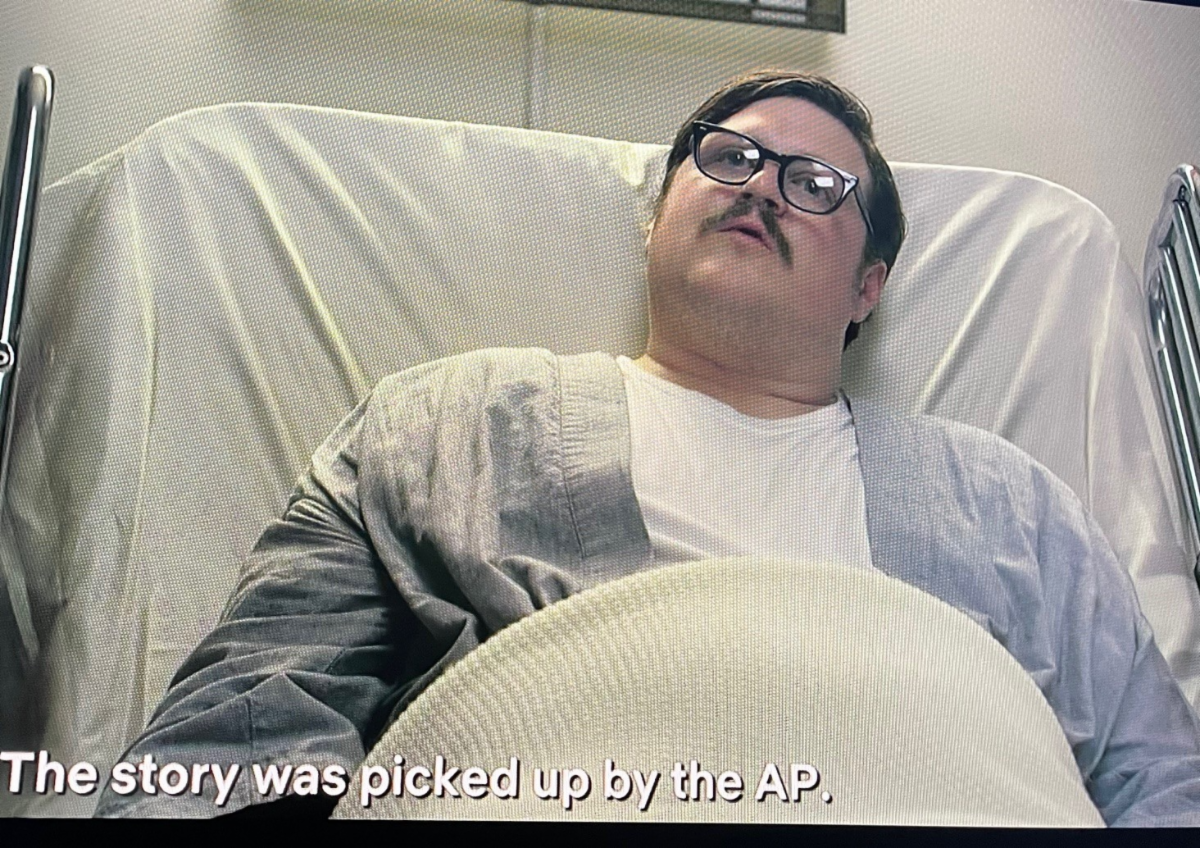
Cliff Schiappa - From the Netflix series “Mindhunter,” actor Cameron Britton is seen in a hospital prison bed portraying serial killer Edmund Kemper as he says “The story was picked up by the AP,” in reference to a piece that first appeared in the Atlanta Journal-Constitution. He was explaining to FBI agent Holden Ford, played by Jonathan Groff, how a local story suddenly became national news.
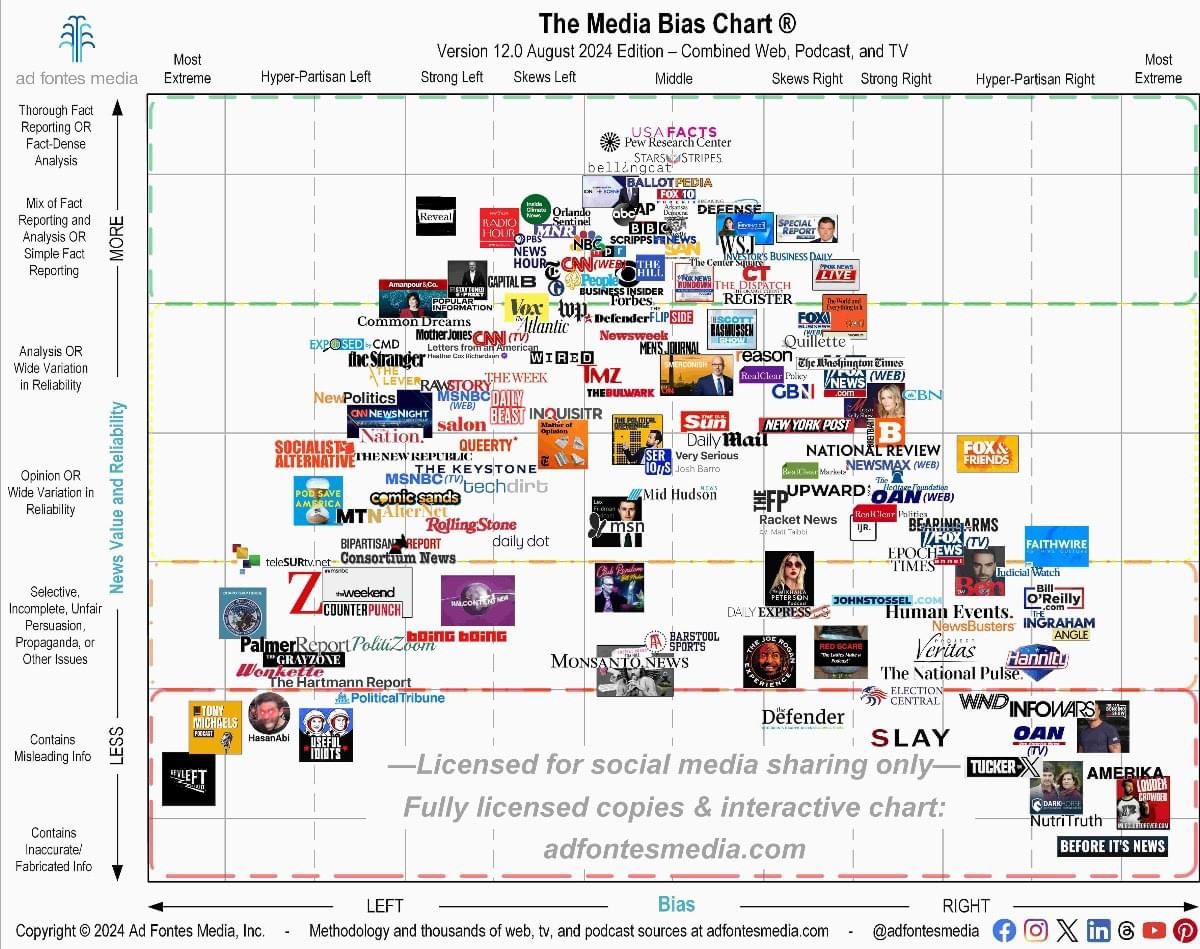
Media bias chart
| |
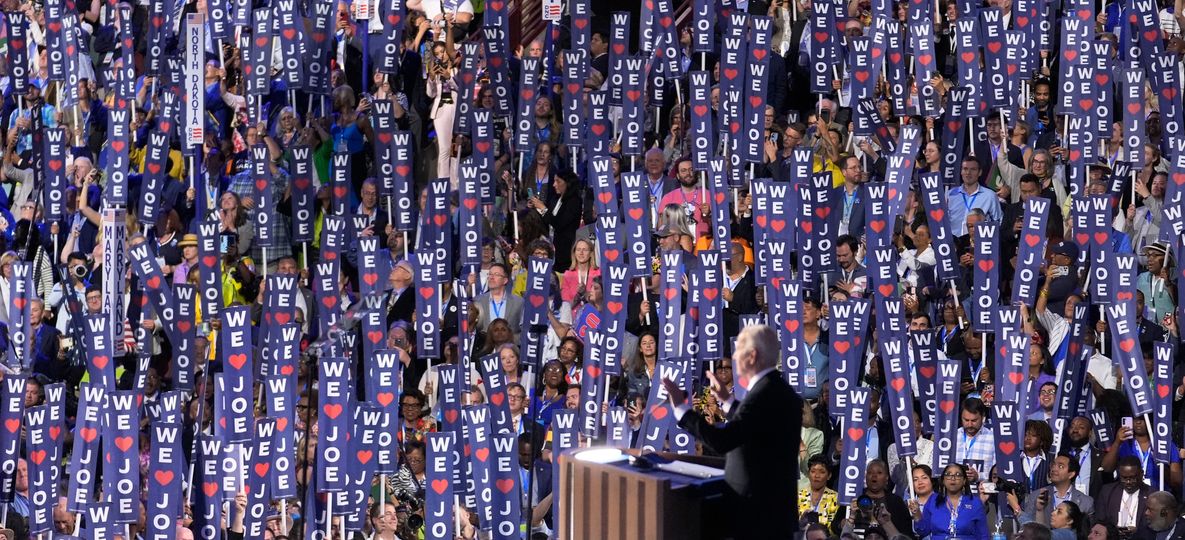
From the Democratic National Convention | |
AP Photo/Charles Rex Arbogast | |
Connecting wishes Happy Birthday | |
|
Stories of interest
Your audience is filled with Republicans. The Democratic convention is underway. How to cover it? (AP)
By DAVID BAUDER
The Democratic convention presents Fox News Channel with a delicate challenge: how to cover a party suddenly enthused about its election chances when much of the network’s audience has a different political viewpoint.
During the Democrats’ first two days, Fox personalities called the proceedings “boring” and filled with “a lot of hate.” There was a focus on demonstrations outside the arena while many of the speakers inside went unheard on the air. Presidential nominee Kamala Harris was given nicknames like “the princess” and “comrade Kamala.”
“We’re at the DNC,” Sean Hannity quipped, “so you don’t have to be.”
It’s Day 3 of the DNC, and there are 75 days until Election Day. Here’s what to know:
Fox’s telecast illustrated the challenges inherent in covering news events on networks that are filled with both breaking news and partisan political talk, sometimes mashed up — where opinion personalities like Hannity, MSNBC’s Rachel Maddow and CNN’s Van Jones freely mix with reporters and blur boundaries. During the GOP convention last month, the liberal-leaning MSNBC cut off Nikki Haley in favor of a discussion about how she debased herself, and ignored Ron DeSantis entirely.
The feel-good Republican gathering gave Fox News the biggest convention audience ever for a cable network, a feat at a time when millions of Americans are pulling the plug on subscriptions, and a staggering audience of 10.4 million people for the opening moments of former President Donald Trump’s acceptance speech, the Nielsen company said.
Read more here.
-0-
Time Magazine Lays Off 22 Staffers Amid Advertising Pullback, Restructuring (Hollywood Reporter)
By Caitlin Huston
Time magazine is cutting 22 roles across departments, including editorial, technology, sales & marketing and Time Studios.
In a memo to staff announcing the layoffs Tuesday, Time CEO Jessica Sibley cited business challenges, including lower advertising budgets, competition and shifts in consumer behavior, and a shift to focus on higher growth coverage areas, which include Climate, AI and Health.
“Like our peers, we continue to face significant challenges — from heightened competition for decreased advertising budgets to drastic shifts in consumer behavior, changes to search and social algorithms, and overall economic uncertainty. We are making changes now across our business to protect against this period of transformation and unpredictability in the media industry,” Sibley wrote in the memo.
Read more here. Shared by Doug Pizac.
-0-
Jewish leader demands NY Times fire reporter who leaked pro-Israel WhatsApp chats — leading to death threats (New York Post)
Story by Ariel Zilber
A senior Australian Jewish leader is demanding that the New York Times fire a Melbourne-based reporter who admitted to leaking the contents of an Israel-backing WhatsApp chat group to a third party, which led to its members being doxxed and harassed by Palestinian sympathizers.
Jeremy Leibler, president of the Zionist Federation of Australia, told the Guardian on Tuesday that the Gray Lady should part ways with Natasha Frost, the journalist whose leak of the chat contents shared among 600 Jewish professionals on WhatsApp resulted in death threats, doxxing and harassment.
The Times said it took “appropriate action” against Frost, who remains employed by the newspaper.
“Yes, I think that this is fundamentally a very egregious breach of trust that resulted in very, very serious harm and damage to many, many people,” Leibler told the Guardian in response to a question over whether Frost should be fired.
Read more here. Shared by Mark Mittelstadt.
-0-
It’s another critical week in this never-ending political news cycle (Poynter)
By: Tom Jones
And we’re off.
The Democratic National Convention got underway Monday in Chicago with speeches from, among others, President Joe Biden, first lady Jill Biden, former Secretary of State Hillary Clinton and New York Congresswoman Alexandria Ocasio-Cortez.
In a perfect headline, The Washington Post wrote, “Biden was to be the headliner. Instead, he’s an opening act.”
In the story, the Post’s Matt Viser wrote of Biden: “By the time the balloons drop on Thursday night before a rapturous crowd in Chicago, he will be long gone. And while he had hoped this week would be about rallying the party around his vision for a second term, he has now reoriented himself around bolstering Vice President Kamala Harris, a recognition that his legacy is deeply tied to whether she can win in November.”
With the torch passed from Biden to Harris, the DNC will continue to ramp up its message, concluding with Harris’ speech Thursday night.
Read more here.
| |
AP classes, by the year...
(EDITOR'S NOTE: This is a listing of Connecting colleagues who have shared the year and the bureau where they started with the AP. If you would like to share your own information, I will include it in later postings. Current AP staffers are also welcome to share their information.)
Newest addition:
Kiki Lascaris Georgiou, New York, 1982
1951 - Norm Abelson (Boston)
1953 – Charles Monzella (Huntington, WVa)
1955 – Henry Bradsher (Atlanta), Paul Harrington (Boston), Joe McGowan (Cheyenne)
1957 - Louis Uchitelle (Philadelphia)
1958 – Roy Bolch (Kansas City)
1959 – Charlie Bruce (Montgomery)
1960 – Claude Erbsen (New York), Carl Leubsdorf (New Orleans)
1961 – Peter Arnett (Jakarta, Indonesia), Strat Douthat (Charleston. WVa), Warren Lerude (San Diego), Ed Staats (Austn)
1962 – Paul Albright (Cheyenne), Malcolm Barr Sr. (Honolulu), Myron Belkind (New York), Dave Mazzarella (Newark), Peggy Simpson (Dallas), Kelly Smith Tunney (Miami)
1963 – Hal Bock (New York), Jeff Williams (Portland OR)
1964 – Rachel Ambrose (Indianapolis), Larry Hamlin (Oklahoma City), John Lengel (Los Angeles), Ron Mulnix (Denver), Lyle Price (San Francisco), Arlene Sposato (New York), Karol Stonger (Indianapolis), Hilmi Toros (New York)
1965 – Bob Dobkin (Pittsburgh), Harry Dunphy (Denver), John Gibbons (New York), Bob Greene (Kansas City), Jim Luther (Nashville), Larry Margasak (Harrisburg), Rich Oppel (Tallahassee)
1966 – Shirley Christian (Kansas City), Mike Doan (Portland, OR), Edie Lederer (New York), Nancy Shipley (Nashville), Mike Short (Los Angeles), Marty Thompson (Seattle), Nick Ut (Saigon), Kent Zimmerman (Chicago)
1967 – Dan Berger (Los Angeles), Adolphe Bernotas (Concord), Lou Boccardi (New York), Linda Deutsch (Los Angeles), Don Harrison (Los Angeles), Frank Hawkins (New York), Doug Kienitz (Cheyenne), David Liu (New York), Bruce Lowitt (Los Angeles), Chuck McFadden (Los Angeles), Martha Malan (Minneapolis), Bill Morrissey (Buffalo), Larry Paladino (Detroit), Michael Putzel (Raleigh), Bruce Richardson (Chicago), Richard Shafer (Baltimore), Victor Simpson (Newark), Michael Sniffen (Newark), Kernan Turner (Portland, Ore)
1968 – Lee Balgemann (Chicago), John Eagan (San Francisco), Joe Galu (Albany/Troy), Peter Gehrig (Frankfurt), Charles Hanley (Albany), Jerry Harkavy (Portland, Maine), Herb Hemming (New York), Brian King (Albany), Samuel Koo (New York), Karren Mills (Minneapolis), Michael Rubin (Los Angeles), Rick Spratling (Salt Lake City), Barry Sweet (Seattle)
1969 - Ann Blackman (New York), Ford Burkhart (Philadelphia), Dick Carelli (Charleston, WVa), Dennis Coston (Richmond), Mary V. Gordon (Newark), Daniel Q. Haney (Portland, Maine), Mike Harris (Chicago), Brad Martin (Kansas City), David Minthorn (Frankfurt), Cynthia Rawitch (Los Angeles), Bob Reid (Charlotte), Mike Reilly (New York), Doug Tucker (Tulsa), Bill Winter (Helena)
1970 – Richard Boudreaux (New York), Sibby Christensen (New York), Richard Drew (San Francisco), Bob Egelko (Los Angeles), Steve (Indy) Herman (Indianapolis), Tim Litsch (New York), Lee Margulies (Los Angeles), Chris Pederson (Salt Lake City), Brendan Riley (San Francisco), Larry Thorson (Philadelphia)
1971 – Harry Atkins (Detroit), Jim Bagby (Kansas City), Larry Blasko (Chicago), Jim Carlson (Milwaukee), Jim Carrier (New Haven), Chris Connell (Newark), Bill Gillen (New York), Bill Hendrick (Birmingham), John Lumpkin (Dallas), Kendal Weaver (Montgomery)
1972 – Hank Ackerman (New York), Bob Fick (St. Louis), Joe Frazier (Portland, Ore.), Terry Ganey (St. Louis), Mike Graczyk (Detroit), Denis Gray (Albany), Lindel Hutson (Little Rock), Brent Kallestad (Sioux Falls), Tom Kent (Hartford), Nolan Kienitz (Dallas), Andy Lippman (Phoenix), Ellen Miller (Helena), Mike Millican (Hartford), Bruce Nathan (New York), Ginny Pitt Sherlock (Boston), Lew Wheaton (Richmond)
1973 - Jerry Cipriano (New York), Susan Clark (New York), Norm Clarke (Cincinnati), Marty Crutsinger (Miami), Jim Drinkard (Jefferson City), Joe Galianese (East Brunswick), Merrill Hartson (Richmond), Mike Hendricks (Albany), Tom Journey (Tucson), Steve Loeper (Los Angeles), Jesus Medina (New York), Tom Slaughter (Sioux Falls), Jim Spehar (Denver), Paul Stevens (Albany), Jeffrey Ulbrich (Cheyenne), Owen Ullmann (Detroit), Suzanne Vlamis (New York), John Willis (Omaha), Evans Witt (San Francisco)
1974 – Norman Black (Baltimore), David Espo (Cheyenne), Dan George (Topeka), Robert Glass (Philadelphia), Steve Graham (Helena), Tim Harper (Milwaukee), Elaine Hooker (Hartford), Sue Price Johnson (Charlotte), Dave Lubeski (Washington), Janet McConnaughey (Washington), Lee Mitgang (New York), Barry Shlachter (Tokyo), Bud Weydert (Toledo), Marc Wilson (Little Rock)
1975 – Peter Eisner (Columbus), Jim Limbach (Washington), Bill McCloskey (Washington), David Powell (New York), Eileen Alt Powell (Milwaukee)
1976 – Brad Cain (Chicago), Judith Capar (Philadelphia), Dick Chady (Albany), Steve Crowley (Washington), David Egner (Oklahoma City), Marc Humbert (Albany), Steven Hurst (Columbus), Richard Lowe (Nashville), Mike Mcphee (Boston), John Nolan (Nashville), Charlotte Porter (Minneapolis), Chuck Wolfe (Charlotte)
1977 – Bryan Brumley (Washington), Robert Burns (Jefferson City), Charles Campbell (Nashville), Carolyn Carlson (Atlanta), Dave Carpenter (Philadelphia), Jim Drinkard (Jefferson City), Ken Herman (Dallas), Mike Holmes (Des Moines), Brad Kalbfeld (New York), Scott Kraft (Jefferson City), John Kreiser (New York), Peter Leabo (Dallas), Kevin LeBoeuf (Los Angeles), Jim Limbach (Washington), Ellen Nimmons (Minneapolis), Dan Sewell (Buffalo), Estes Thompson (Richmond), David Tirrell-Wysocki (Concord)
1978 – Tom Eblen (Louisville), Ruth Gersh (Richmond), Monte Hayes (Caracas), Doug Pizac (Los Angeles), Charles Richards (Dallas), Reed Saxon (Los Angeles), Steve Wilson (Boston)
1979 – Jim Abrams (Tokyo), Brian Bland (Los Angeles), Scotty Comegys (Chicago), John Daniszewski (Philadelphia), Frances D’Emilio (San Francisco), Pat Fergus (Albany), Brian Friedman (Des Moines), Sally Hale (Dallas), Susana Hayward (New York), Jill Lawrence (Harrisburg), Warren Levinson (New York), Barry Massey (Kansas City), Phillip Rawls (Nashville), John Rice (Carson City), Linda Sargent (Little Rock), Joel Stashenko (Albany), Robert Wielaard (Brussels)
1980 – Alan Adler (Cleveland), Christopher Bacey (New York), Jeff Barnard (Providence), Mark Duncan (Cleveland), Bill Kaczor (Tallahassee), Mitchell Landsberg (Reno), Kevin Noblet (New Orleans), Jim Rowley (Baltimore), David Speer (Jackson), Hal Spencer (Providence), Carol J. Williams (Seattle)
1981 – Paul Davenport (Phoenix), Dan Day (Milwaukee), John Flesher (Raleigh), Debra Hale-Shelton (Little Rock), Len Iwanski (Bismarck), Ed McCullough (Albany), Drusilla Menaker (Philadelphia), Kim Mills (New York), Mark Mittelstadt (Des Moines), Roland Rochet (New York), Lee Siegel (Seattle), Marty Steinberg (Baltimore), Bill Vogrin (Kansas City)
1982 – Dorothy Abernathy (Little Rock), Al Behrman (Cincinnati), Tom Cohen (Jefferson City), John Epperson (Chicago), Ric Feld (Atlanta), Kiki Lascaris Georgio (New York), Nick Geranios (Helena), Howard Gros (New Orleans), Robert Kimball (New York), Rob Kozloff (Detroit), Bill Menezes (Kansas City), David Ochs (New York), Cecilia White (Los Angeles)
1983 – Donna Cassata (Albany), Scott Charton (Little Rock), Sue Cross (Columbus), Mark Elias (Chicago), David Ginsburg (Washington), Diana Heidgerd (Miami), Sheila Norman-Culp (New York), Carol Esler Ochs (New York), Jim Reindl (Detroit), Amy Sancetta (Philadelphia), Rande Simpson (New York), Dave Skidmore (Milwaukee)
1984 – Owen Canfield (Oklahoma City), Wayne Chin (Washington), Jack Elliott (Oklahoma City), Kelly P. Kissel (New Orleans), Joe Macenka (Richmond), Eva Parziale (San Francisco), Walt Rastetter (New York), Keith Robinson (Columbus), Cliff Schiappa (Kansas City), David Sedeño (Dallas), Andrew Selsky (Cheyenne), Patty Woodrow (Washington)
1985 – Beth Grace (Columbus), Betty Kumpf Pizac (Los Angeles)
1986 – Joni Baluh Beall (Richmond), David Beard (Jackson), Tom Coyne (Columbia, SC), Dave DeGrace (Milwaukee), Alan Flippen (Louisville), Jim Gerberich (San Francisco), Howard Goldberg (New York), Mark Hamrick (Dallas), Sandy Kozel (Washington), Arlene Levinson (Boston), Robert Meyers (London), David Morris (Harrisburg)
1987 – Donna Abu-Nasr (Beirut), Dave Bauder (Albany), Chuck Burton (Charlotte), Beth Harris (Indianapolis), Lynne Harris (New York), Steven L. Herman (Charleston, WVa), Elaine Kurtenbach (Tokyo), Rosemarie Mileto (New York), John Rogers (Los Angeles)
1988 – Chris Carola (Albany), Peg Coughlin (Pierre), Kathy Gannon (Islamabad), Steve Hart (Washington), Melissa Jordan (Sioux Falls), Bill Pilc (New York), Kelley Shannon (Dallas)
1989 – Ted Bridis (Oklahoma City), Charlie Arbogast (Trenton), Ron Fournier (Little Rock)
1990 – Frank Fisher (Jackson), Dan Perry (Bucharest), Steve Sakson (Baltimore), Sean Thompson (New York)
1991 – Amanda Kell (Richmond), Santiago Lyon (Cairo), Lisa Pane (Hartford), Ricardo Reif (Caracas), Bill Sikes (Buffalo)
1992 – Kerry Huggard (New York)
1993 – Jim Salter (St. Louis)
1995 – Elaine Thompson (Houston), Donna Tommelleo (Hartford)
1996 – Patricia N. Casillo (New York)
1997 – J. David Ake (Chicago), Martha Bellisle (Carson City), Pamela Collins (Dallas), Madhu Krishnappa Maron (New York), Jim Suhr (Detroit), Jennifer Yates (Baltimore)
1998 – Alan Clendenning (New Orleans), Guthrie Collin (Albany)
1999 – Melinda Deslatte (Raleigh)
2000 – Gary Gentile (Los Angeles)
2004 - Jim Baltzelle (Dallas)
2005 – Ric Brack (Chicago)
2006 – Jon Gambrell (Little Rock)
| Today in History - Aug. 21, 2024 |  | |
Today is Wednesday, Aug. 21, the 234th day of 2024. There are 132 days left in the year.
Today in history:
On Aug. 21, 1831, Nat Turner launched a violent slave rebellion in Virginia, resulting in the deaths of at least 55 white people; scores of Black people were killed in retribution in the aftermath of the rebellion, and Turner was later executed.
Also on this date:
In 1858, the first of seven debates took place between Illinois senatorial contenders Abraham Lincoln and Stephen Douglas.
In 1911, Leonardo da Vinci’s “Mona Lisa” was stolen from the Louvre Museum in Paris. (It was recovered two years later in Italy.)
In 1944, the United States, Britain, the Soviet Union and China opened talks at Dumbarton Oaks in Washington that helped pave the way for establishment of the United Nations.
In 1959, President Dwight D. Eisenhower signed an executive order making Hawaii the 50th state.
In 1983, Filipino politician Benigno Aquino Jr. was assassinated as he exited an aircraft at Manila International Airport. (His widow, Corazon Aquino, would become president of the Philippines three years later.)
In 1991, a hardline coup against Soviet President Mikhail S. Gorbachev collapsed in the face of a popular uprising led by Russian Federation President Boris N. Yeltsin.
In 1992, an 11-day siege began at the cabin of white separatist Randy Weaver in Ruby Ridge, Idaho, as government agents tried to arrest Weaver for failing to appear in court on charges of selling two illegal sawed-off shotguns; on the first day of the siege, Weaver’s teenage son, Samuel, and Deputy U.S. Marshal William Degan were killed.
In 1993, in a serious setback for NASA, engineers lost contact with the Mars Observer spacecraft as it was about to reach the red planet on a $980 million mission.
In 2000, rescue efforts to reach the sunken Russian nuclear submarine Kursk ended with divers announcing none of the 118 sailors had survived.
In 2010, Iranian and Russian engineers began loading fuel into Iran’s first nuclear power plant, which Moscow promised to safeguard to prevent material at the site from being used in any potential weapons production.
In 2015, a trio of Americans, U.S. Air Force Staff Sgt. Spencer Stone, National Guardsman Alek Skarlatos and college student Anthony Sadler, and a British businessman, Chris Norman, tackled and disarmed a Moroccan gunman on a high-speed train between Amsterdam and Paris.
In 2017, Americans witnessed their first full-blown coast-to-coast solar eclipse since World War I, with eclipse-watchers gathering along a path of totality extending 2,600 miles across the continent.
In 2018, Michael Cohen, President Donald Trump’s former personal lawyer and fixer, pleaded guilty to campaign-finance violations and other charges; Cohen said Trump directed him to arrange the payment of hush money to porn star Stormy Daniels and former Playboy model Karen McDougal to fend off damage to his White House bid. (Trump was found guilty of 34 felony counts of falsifying business records related to the payments in May 2024.)
In 2020, a former police officer who became known as the Golden State Killer, Joseph James DeAngelo, told victims and family members in a Sacramento courtroom that he was “truly sorry” before he was sentenced to multiple life prison sentences for a decade-long string of rapes and murders.
Today’s Birthdays: Rock and Roll Hall of Famer James Burton is 85. Singer Jackie DeShannon is 83. Film director Peter Weir is 80. Football Hall of Famer Willie Lanier is 79. Actor Loretta Devine is 75. Two-time Heisman Trophy winner Archie Griffin is 70. Actor Kim Cattrall is 68. Former NFL quarterback Jim McMahon is 65. Rock musician Serj Tankian (System of a Down) is 57. Actor Carrie-Anne Moss is 57. Google co-founder Sergei Brin is 51. Singer Kelis (kuh-LEES’) is 45. TV personality Brody Jenner is 41. Olympic gold medal sprinter Usain (yoo-SAYN’) Bolt is 38. Country singer Kacey Musgraves is 36. Soccer player Robert Lewandowski is 36. Actor Hayden Panettiere (pan’-uh-tee-EHR’) is 35. Comedian-singer-filmmaker Bo Burnham is 34.
| Got a photo or story to share? | |
Connecting is a daily newsletter published Monday through Friday that reaches 1,900 retired and former Associated Press employees, present-day employees, and news industry and journalism school colleagues. It began in 2013. Past issues can be found by clicking Connecting Archive in the masthead. Its author, Paul Stevens, retired from the AP in 2009 after a 36-year career as a newsman in Albany and St. Louis, correspondent in Wichita, chief of bureau in Albuquerque, Indianapolis and Kansas City, and Central Region vice president based in Kansas City.
Got a story to share? A favorite memory of your AP days? Don't keep them to yourself. Share with your colleagues by sending to Ye Olde Connecting Editor. And don't forget to include photos!
Here are some suggestions:
- Connecting "selfies" - a word and photo self-profile of you and your career, and what you are doing today. Both for new members and those who have been with us a while.
- Second chapters - You finished a great career. Now tell us about your second (and third and fourth?) chapters of life.
- Spousal support - How your spouse helped in supporting your work during your AP career.
- My most unusual story - tell us about an unusual, off the wall story that you covered.
- "A silly mistake that you make"- a chance to 'fess up with a memorable mistake in your journalistic career.
- Multigenerational AP families - profiles of families whose service spanned two or more generations.
- Volunteering - benefit your colleagues by sharing volunteer stories - with ideas on such work they can do themselves.
- First job - How did you get your first job in journalism?
- Most unusual place a story assignment took you.
Paul Stevens
Editor, Connecting newsletter
paulstevens46@gmail.com
| | | | |