|
The Vantage Point
Glenda Humiston
Vice President
UC Agriculture and Natural Resources
As many of you have heard today, UC President Drake is stepping down at the end of the 2024-25 academic year. On behalf of the entire UC ANR community, I want to take this opportunity to thank President Drake for his support of our research and extension work throughout his tenure. During meetings of the President’s Advisory Commission on Agriculture and Natural Resources, tours of ANR facilities and countless other occasions, I saw firsthand President Drake’s passion for Cooperative Extension and our multi-faceted mission to improve lives across California. We are grateful for his leadership in positioning the UC as a catalyst for meeting the many challenges of our time.
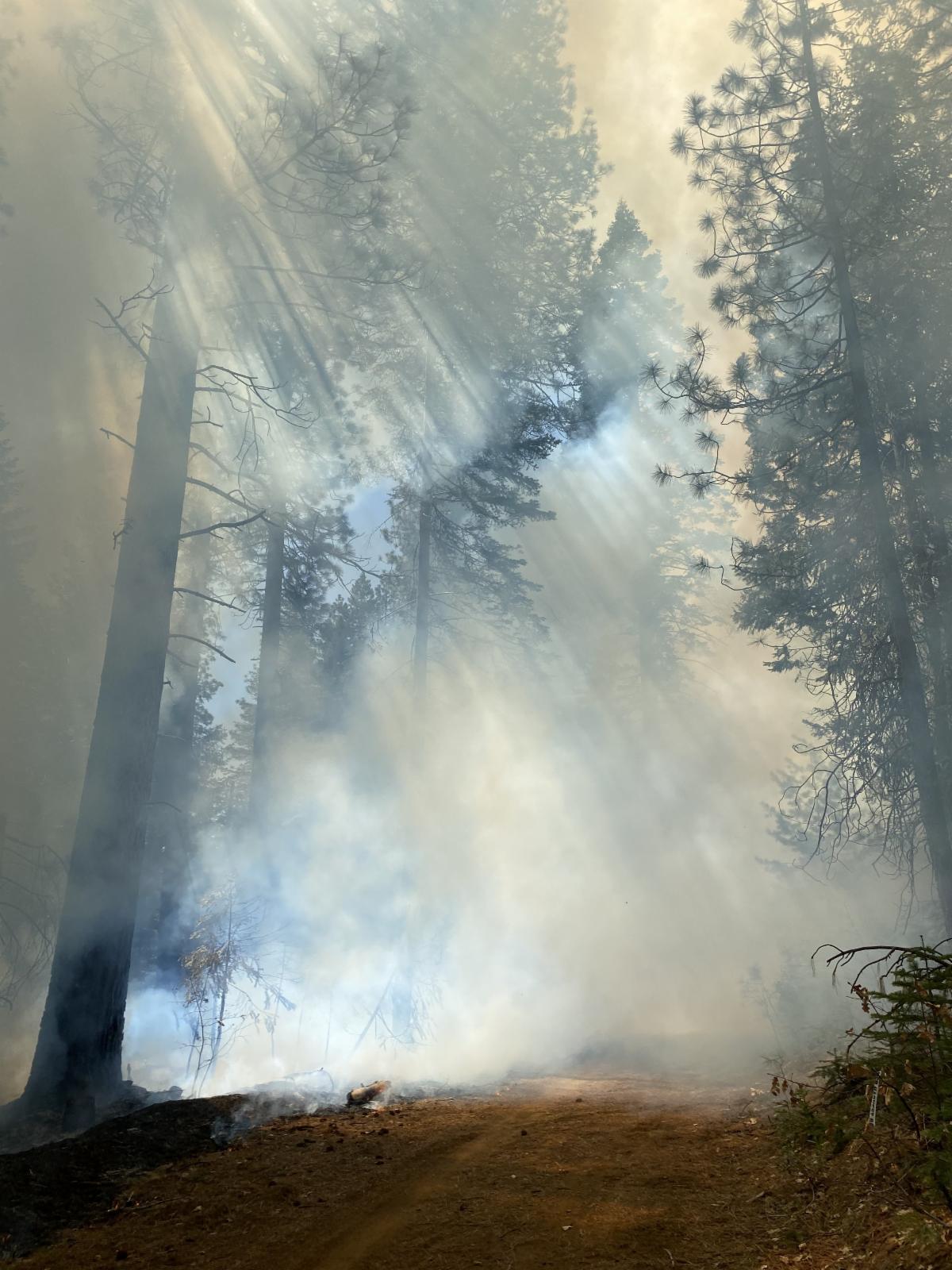
A scorching July broke many temperature records across the state – and created conditions that fueled the enormous Park Fire in Northern California. Our thoughts are with all communities affected by the ongoing wildfires and smoke.
Intense fires and long heat waves serve as visceral reminders that it is imperative we meet the challenge of climate change on multiple fronts. California has one of the most visionary climate action plans in the world, aiming to achieve carbon neutrality by 2045. A key component of that plan is carbon capture and sequestration – a process greatly aided by healthy forest cover.
It was inspiring to read the early positive returns on an experimental pilot program to leverage Emergency Forest Restoration Teams (EFRTs) that help communities and ecosystems recover after high-severity wildfires. These efforts, coordinated by a local lead agency at each fire site, help remove dead trees, plant new trees and expedite work that would otherwise take years to complete. Speeding the restoration of thriving forests is crucial not only for securing long-term community resilience but also for achieving California’s climate goals.
EFRTs have proven to be an effective mechanism in Washington, exemplifying the need for continued sharing and cross-pollination of practical ideas across state boundaries in the western U.S. Earlier this month, I was honored to have the opportunity to speak at the Council of State Governments West meeting in Oregon.
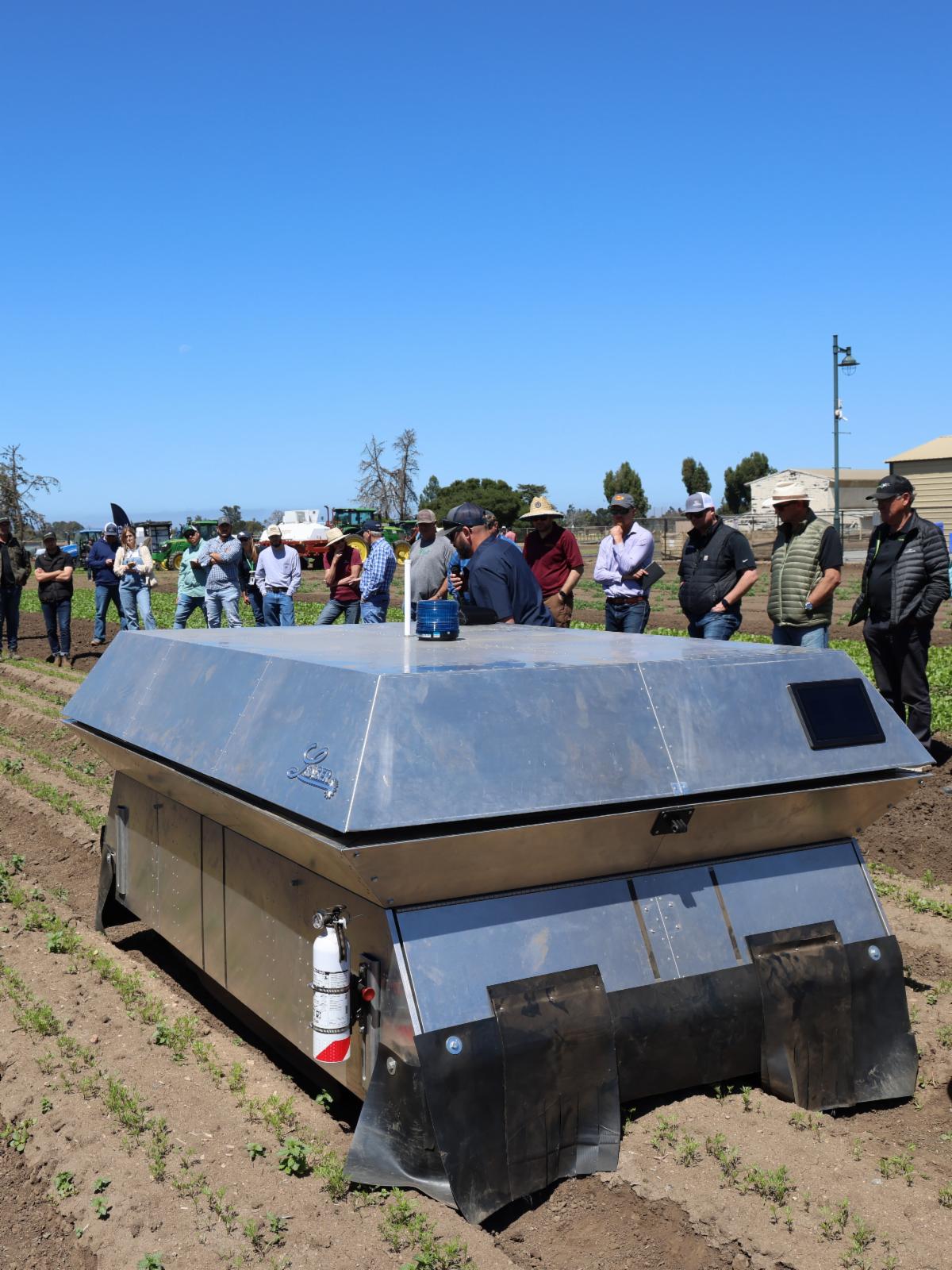
Before a gathering of western state legislators and their staff members, I discussed the potential of AI to dramatically transform agriculture. I specifically highlighted the progress of the Artificial Intelligence Institute for Next Generation Food Systems (AIFS), a collaboration based at UC Davis and comprising six institutions and organizations (including UC ANR).
Given the importance of cross-sector, transdisciplinary research and development of innovative solutions, I also underscored UC ANR’s unique role as a hub, connector and catalyst of these productive relationships. We are proud to be a trusted partner on a host of leading-edge initiatives – nurturing the nascent “circular biomanufacturing” industry that converts agricultural waste into new bioproducts; advancing ag-tech collaborations through the Farms, Food, Future coalition; and supporting food and farm businesses, especially those owned by members of underserved communities.
I was excited to see the U.S. Department of Agriculture Southwest Regional Food Business Center, for which UC ANR is the lead organization, launch a new quarterly webinar series this month. To attain the RFBC’s primary goals of coordinating regional partners, providing technical assistance, and building capacity for historically underserved producers and food businesses, the center is centering equity in making resources accessible to small and mid-size entrepreneurs.
Tracy Celio at UC ANR and Grace Kaufman of Valley Vision have done an excellent job of setting the tone for the center through the first webinar, “Leading with Equity: Tribal Food Sovereignty and Inclusive Engagement.” We extend our gratitude to the speakers, Kimber Lanning and Rafael F. Tapia, Jr., of Local First Arizona; and Thea Rittenhouse, farm equity advisor with California Department of Food and Agriculture.
Lastly, I want to introduce Kimberly Sinclair Holmes, Ph.D., as our new statewide 4-H director. Most recently the assistant extension director and 4-H State Program Leader in the Alabama Cooperative Extension System at Alabama A&M University, Kim brings to UC ANR an impressive record of effective leadership and extensive program development experience. I’m thrilled Kim has joined us, and I encourage everyone to welcome her – and our most recent group of newly hired advisors, specialists and coordinators – to UC ANR. My thanks to you for supporting our work to strengthen research and extension across California!
|