January 2024 | Volume 8, Number 1

The Vantage Point


Glenda Humiston 

Vice President

UC Agriculture and Natural Resources 


In January I’ve been participating in a variety of planning meetings to set priorities and objectives for UC ANR’s work in the new year. One discussion that will have ramifications for many of us, not just in the coming months but for years down the road, is the ongoing dialogue around defining “regenerative agriculture.”


Presently, the term represents a somewhat nebulous but undeniably significant movement toward agriculture that builds soil health, strengthens biodiversity and sequesters carbon for the benefit of people and planet. But more concrete language is necessary to guide future policy, practices and programs; encompass our state’s wide range of ecosystems and soils; and meet the needs of a wide range of stakeholders.


It is imperative we have a sensible, science-based definition. And it needs to work for farmers and ranchers of all sizes, tribes, scientists, businesses and environmental groups – as well as the broader public whose sustenance relies on strong and resilient food systems.


The California Department of Food and Agriculture and the State Board of Food and Agriculture are collecting comments at RegenerativeAg@cdfa.ca.gov and hosting listening sessions in February, April and May on this crucial topic. I encourage you to attend an upcoming session – and spread the word among your colleagues, clientele and community members to share their feedback – so we can work together to craft a definition that is relevant and useful for all.


Regenerative agriculture was a major theme of this year’s EcoFarm Conference, held Jan. 17-20 in Pacific Grove. In addition to engaging in many lively conversations on the future of organic and regenerative ag, I had the pleasure of presenting on a panel about the current Farm Bill negotiations and meeting with many of the UC ANR academics and staff in attendance.


It was inspirational to hear about the research and extension activities of colleagues who work with diverse communities across the state to make agriculture more sustainable, more productive and more reflective of our state’s population. Congratulations to Manuel Jimenez (UCCE small farms advisor emeritus) and Olga Jimenez on their EcoFarm Justie Award, honoring their work to advance social justice as part of sustainable agriculture and food systems. And many thanks to all the ANR folks for sharing your knowledge, staffing our tables and building bridges with forward-thinking growers across California.


Connecting our communities with the latest innovations drives UC ANR’s ag-tech support network The VINE, which launched a new Q&A series this month. The first installment of “VINE Insider Insights” features CDFA Secretary Karen Ross, who discussed the state’s role in catalyzing partnerships that address challenges facing the ag sector – from workforce development to resource conservation to an array of climate impacts. 


I highly recommend you read the entire interview, but I especially appreciate Secretary Ross’ comments about centering people and communities as we co-create and roll out these solutions. Who will be installing or applying the solutions? Who will be affected by those changes, directly and indirectly? And do they have a seat at the table throughout the process, from ideation to implementation?


Secretary Ross graciously highlighted The VINE’s critical role as a key connector of people and research, and I would just add that our entire organization does the same. In the interview, she pinpointed two pressing emergencies in California, the highly pathogenic avian flu and invasive fruit flies – problems for which Cooperative Extension specialists and advisors are proactively sounding the alarm and offering tips to stem the losses. My thanks, as always, to our amazing academics and staff who work with the public to help protect the resources and systems crucial for our nourishment, security and prosperity!

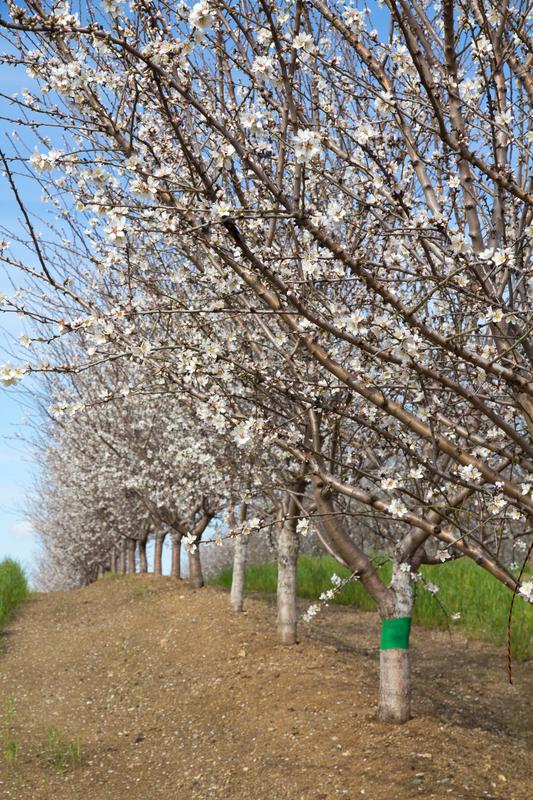
Above: Winter afternoon in the Eastern Sierra, by Dustin Blakey 

Subscribe to Connected

In the News


UC ANR was featured in stories on avian flu, its impact on California's "Egg Basket," LA's greatest trees, ongoing Farm Bill negotiations, benefits of breast milk, drip irrigation in desert lettuce, managing Asian citrus psyllid with IPM, volunteers testing a new poultry app, a Farm-to-Preschool Festival, depletion of California groundwater, almond orchard recycling, roaming dog packs and more.

UC ANR news stories


Food waste, nutrition in prison focus of webinars Feb. 22, 29


Bird owners urged to take precautions for avian flu


New UC study estimates raspberry production costs on Central Coast


Fighting fire with feeding


Fifty years of water research projects in California


More news stories


Read the latest UC ANR staff news here.

Spotlight on Practical Resources

Chicken community ‘coop-eration’ needed

to test UC poultry health app

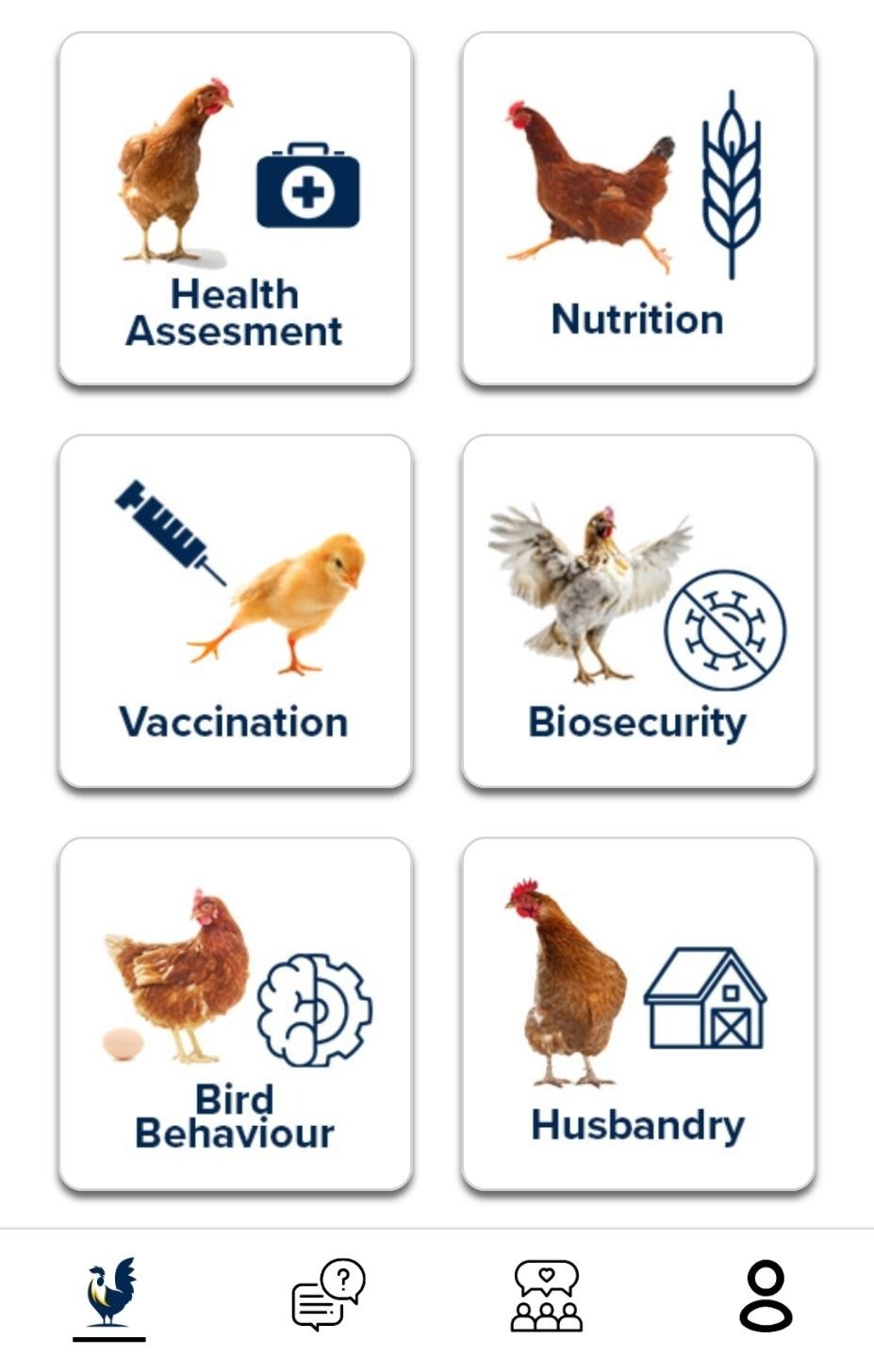
The Poultry Lab at the UC Davis School of Veterinary Medicine is seeking poultry owners to test the UC Community Chicken mobile app. The lab will pay for their participation in a two-week study, with a follow-up survey three months later. The app contains six educational modules with short videos that cover health assessment, nutrition, vaccination, biosecurity, bird behavior and husbandry. It also features chat and feedback buttons so participants can communicate with UC experts and other poultry owners. Learn more.

Notes from the Field

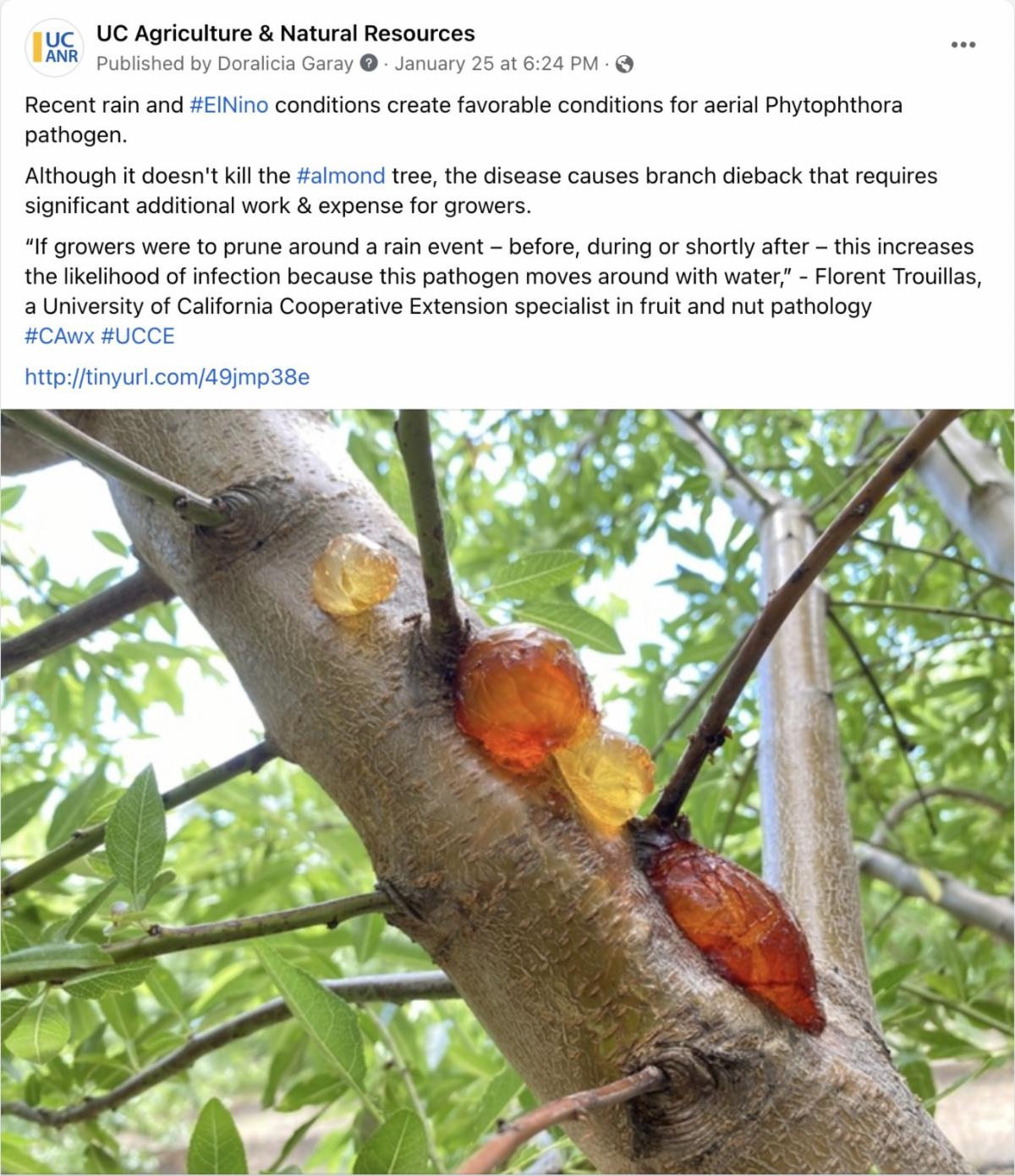
Almond growers should prepare for possibility of unusual disease outbreak

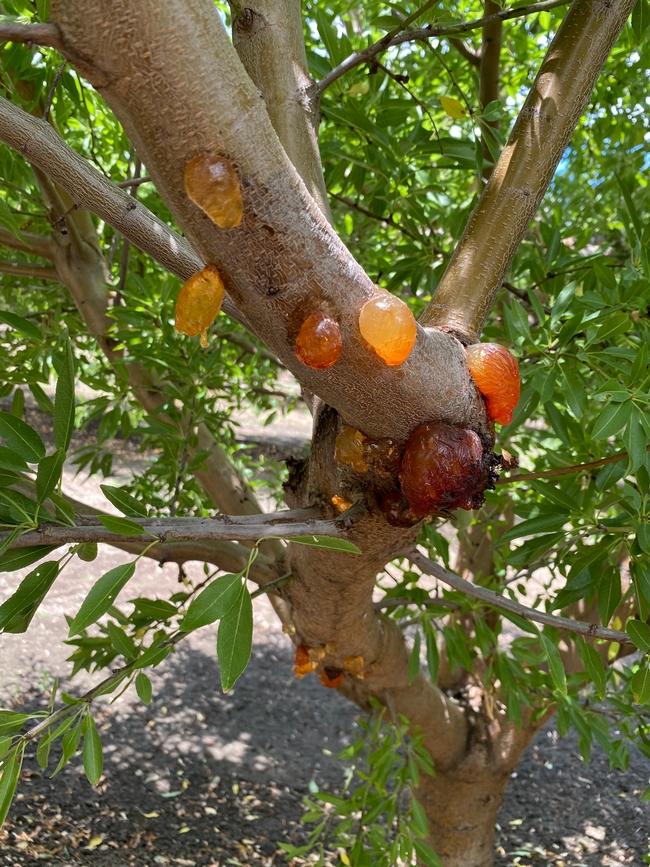
Last year, an unprecedented outbreak of Phytophthora syringae across the state was fueled by a series of atmospheric rivers. With heavy rains returning amid strengthening El Niño conditions, Cooperative Extension plant pathology specialist Florent Trouillas says almond growers should avoid pruning during rain events and look out for early signs of infection. The disease can cause severe branch dieback in orchards, requiring significant additional work and expenses for growers. Learn more.

Productive Partnerships

UC offers resources for urban farmers at EcoFarm

At the EcoFarm Conference this month, the Western Institute for Food Safety and Security showcased its Civic Urban Farmer Program. The program, led by UC Davis assistant project scientist Sara Garcia and supported by UC Cooperative Extension, is a no-cost, 11-week program for new and upcoming urban farmers in the Sacramento region and Bay Area. It covers soil health, composting, pest management, business marketing, food safety, urban policy and more. Details.

Unleash the Dragon: Preserving for the Lunar New Year

Feb. 3, 9 a.m.-Noon

Bethell-Delfino Ag Building

311 Fair Lane, Placerville, CA 95667

Come celebrate the Lunar New Year with UC Master Food Preservers of Central Sierra as we teach you how to prepare and safely preserve Asian-inspired foods. We will explore how these foods symbolize wishes for health, longevity and prosperity as many people across Asia usher in the Year of the Dragon. Learn more and register.


Controlling Springtime Weeds

Online, Feb. 15, Noon-1 p.m.

With winter rains come springtime weeds. During this UC IPM Urban & Community Webinar, learn how to identify common weeds that emerge in the spring and how you can prevent or control them from popping up in your landscape. Details.


Ask a Master Gardener Q&A and Presentations

Online, Feb. 18, 11 a.m.-1 p.m.

Bring your questions for UC Master Gardeners and UC Master Food Preservers of San Bernardino County, and also hear short presentations about starting your spring seeds and the latest on the Oriental fruit fly quarantine. Learn more.


UC California Naturalist: Santa Monica Mountains Fund course

Begins Feb. 29

SAMO Fund is partnering with UC Environmental Stewards to bring you this California Naturalist course, in which participants will engage in service learning and stewardship of natural resources in the Santa Monica Mountains. Students will experience the Santa Monica Mountains National Recreation Area's flora, fauna, and cultural significance through field trips and virtual lectures. Register.

Social Media Posts of the Month

Follow us on X (Twitter), Facebook, Instagram, YouTube and LinkedIn

for more UC ANR highlights!


Subscribe to our Food blog, Green blog and Healthy Communities blog.


It is the policy of the University of California (UC) and the UC Division of Agriculture & Natural Resources not to engage in discrimination against or harassment of any person in any of its programs or activities.Inquiries regarding nondiscrimination policies may be directed to UC ANR, Affirmative Action Compliance & Title IX Officer, University of California, Agriculture and Natural Resources,
2801 Second Street, Davis, CA 95618, (530) 750-1280, tljordan@ucanr.edu.
University of California Agriculture and Natural Resources
2801 Second Street
Davis, CA 95618
Website: ucanr.edu
STAY CONNECTED
Facebook  X  Instagram  Linkedin  Youtube