The Community Preparedness, Recovery, and Resiliency initiative explores and strengthens the efforts of people, organizations, and communities in navigating disasters. | |
|
Community Preparedness, Recovery, and Resiliency Newsletter
Catalyzing Engagement as Disasters Swirl
| |
|
Hurricane Debby Special Edition
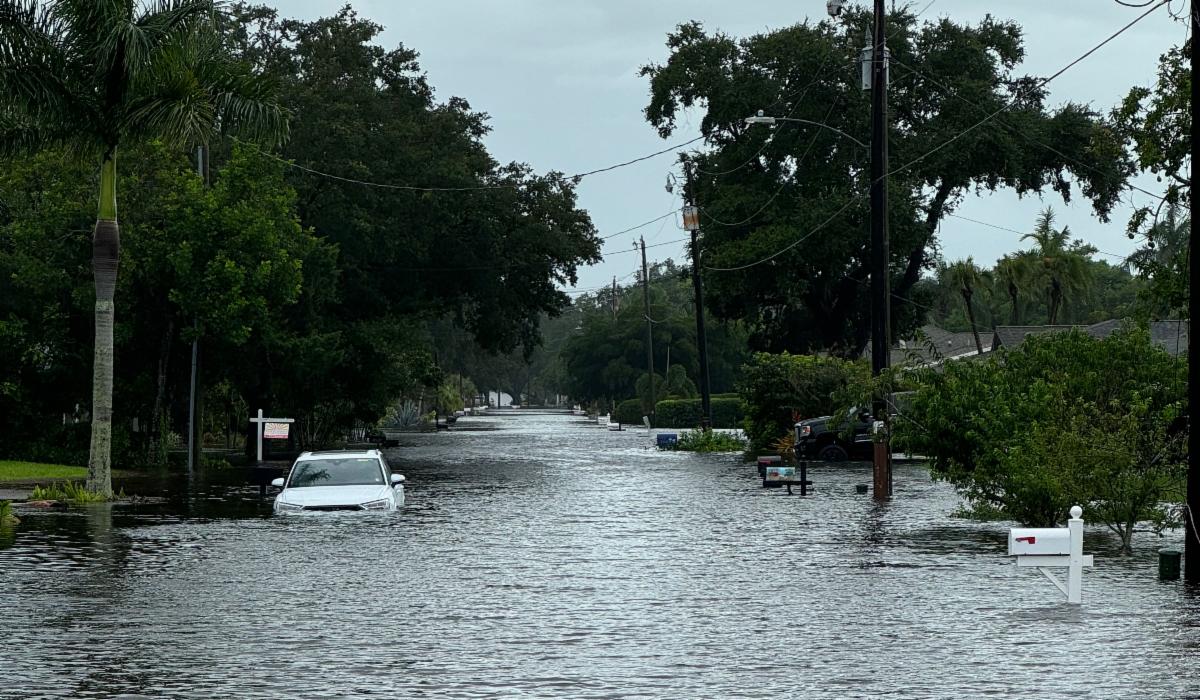
On August 4th and 5th, Hurricane Debby made itself known in the Suncoast region, dumping over eighteen inches of rain in areas of our four-county region. This inundation created a myriad of challenges, ranging from minor street flooding to fully flooded homes and businesses. Although the winds from Hurricane Debby were not the issue in this situation, we again were reminded of the potentially devastating impacts of rising water as we saw rescues from homes and vehicles impacted by the torrential rain.
This special edition of The Patterson Foundations Community Preparedness, Recovery, and Resiliency (CPR-R) newsletter provides information and updates on the impacts of what was anticipated to be a minor event for the Suncoast region.
| |
|
As friends and neighbors affected by Hurricane Debby start to assess the storm's impacts, know that our time-tested and trusted initiatives are here to help.
Season of Sharing assists with housing costs, childcare, utilities, and transportation expenses. Those needing help can call 2-1-1 for assistance.
Suncoast Disaster Recovery Fund supports our nonprofit partners focused on meeting long-term recovery needs such as mental health and legal services.
To support those who are affected by Hurricane Debby, and to learn more about how to contribute to either of these initiatives, please visit the Community Foundation of Sarasota County website.
| |
Just the Beginning of the Season | | |
|
According to Dr. Ryan Truchelut of WeatherTiger's Hurricane Watch, "Debby was a little unusual in that early August landfalls aren't all that common on the eastern Gulf Coast, but as typical of early season storms, its primary impact was flash flooding. Several spots, including near Sarasota, Lake City, and Charleston, saw 15-20" rainfall totals from Debby. Much broader areas of west-central and northern Florida, eastern Georgia, and the central and eastern Carolinas tallied around 10" or more, causing widespread flooding… August marks the transition between the tropical skirmishing of the first third of the season, and the peak two months of severe hurricane risks between mid-August and mid-October. "
This is the time to keep preparedness front and center in our consciousness and not fall prey to complacency!
Special kudos and thanks to the many agencies and organizations that have stepped up to provide disaster relief to those impacted by the flooding from Debby. These include faith-based groups, social groups, informal teams, Suncoast Cares/211, and Rotary District 6960. Without these stellar and selfless efforts, recovery would be much harder .
| | |
 | |
FEMA Assistance
Florida homeowners and renters in Manatee and Sarasota counties who had uninsured damage or losses caused by Hurricane Debby may be eligible for FEMA disaster assistance.
FEMA may be able to help with serious needs, including displacement, temporary lodging, basic home repair costs, personal property loss, or other disaster-caused needs.
There are several ways to apply: Go online to DisasterAssistance.gov, use the FEMA App or call 800-621-3362 from 7 a.m. to 11 p.m. ET daily. Multilingual operators are available. If you use a relay service, captioned telephone or other service, give FEMA your number for that service.
What You’ll Need When You Apply
- A current phone number where you can be contacted.
- Your address at the time of the disaster and the address where you are now staying.
- Your Social Security number.
- A general list of damage and losses.
- Banking information if you choose direct deposit.
- If insured, the policy number or the agent and/or the company name.
If you have homeowners, renters, or flood insurance, you should file a claim as soon as possible. FEMA cannot duplicate benefits for losses covered by insurance. If your policy does not cover all your disaster expenses, you may be eligible for federal assistance.
| |
|
Beware of Scammers
There have been reports of scammers in our area attempting to take advantage of those impacted by the flooding. Be aware of those asking for the bulk of the cost upfront or who have low estimates for the cost of the repairs.
Do your research on the legitimacy of the company and its reputation. Read reviews and ask others for their recommendations. Verify that the company is licensed and insured, and never pay the full amount of the repair until the work is completed. If you think you or a loved one has been scammed, call 866-966-7226. More information is available here (Citizens Services).
| |
|
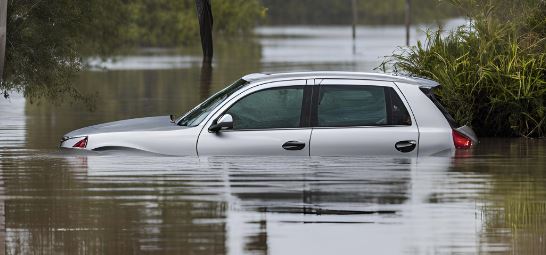
Buying a Used Car?
Follow these tips to check if the vehicle you are buying from a dealer or a private party has been flood-damaged:
- If the vehicle is titled in Florida, you can search the vehicle VIN through the department’s Motor Vehicle Information Check to confirm the vehicle description and check for brands, or visit the National Motor Vehicle Title Information System (NMVTIS) prior to purchasing a vehicle to find information on the vehicle’s title, most recent odometer reading and brand history.
- Use your nose! If a car smells musty, it has likely been exposed to water. If it has a strong smell of air freshener, it may be masking the smell of mildew. Check the carpet and upholstery for strong smells and mold.
- Look for a waterline or signs of mud inside the vehicle. Places often overlooked are the glove box, under the dash, and the trunk.
- Check under the vehicle for signs of rust or corrosion that seem out of place for the vehicle’s age and location.
| |
|
Further Information and Disaster Relief Resources
Local organizations have many resources to share. Check out these organizations as you plan for this hurricane season.
Federal Disaster Assistance
Provides disaster survivors with information, support, services, and access to apply for disaster assistance through joint data-sharing efforts between federal, state, local, and private sector partners
United Way Suncoast (Sarasota, Manatee, Desoto)
United Way of Charlotte County (Charlotte)
Local disaster recovery information and resources.
American Red Cross
The United States’ largest emergency response organization. Site includes a missing person’s registry and a variety of disaster preparation and response materials.
Centers for Disease Control (CDC)
Hurricane Information Federal site includes information on preventing illnesses and infections, food safety, worker response, and other topics.
Federal Emergency Management Agency (FEMA)
FEMA is responsible for responding to national disasters, training first responders, and managing the National Flood Insurance Program and the U.S. Fire Administration. For Hurricane Ian information and claims, go to 4673 | FEMA.gov
Firstgov.gov
The U.S. government’s official web portal. The site includes information on finding loved ones, helping survivors, and other topics.
| |
|
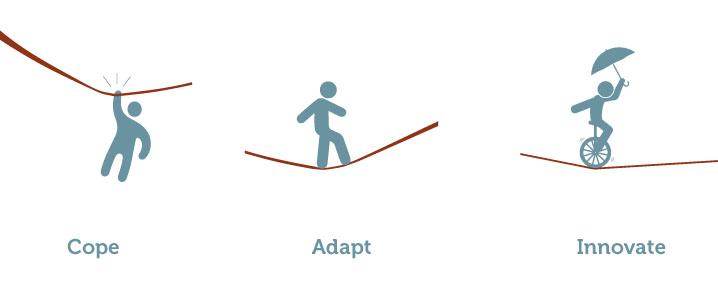
Cope, Adapt, Innovate
The Patterson Foundation understands that the recovery process following a disaster or unexpected challenge includes three distinct phases:
| |
Cope: Following a disaster or unexpected challenge, we first focus on ensuring our safety and addressing the immediate needs essential to survival.
Adapt: Getting accustomed to the reality of living with the situation, we adopt new systems and methods to create stability.
Innovate: Using imagination combined with a possibility mindset, we discover fresh ways to live, work, and play.
| |
|
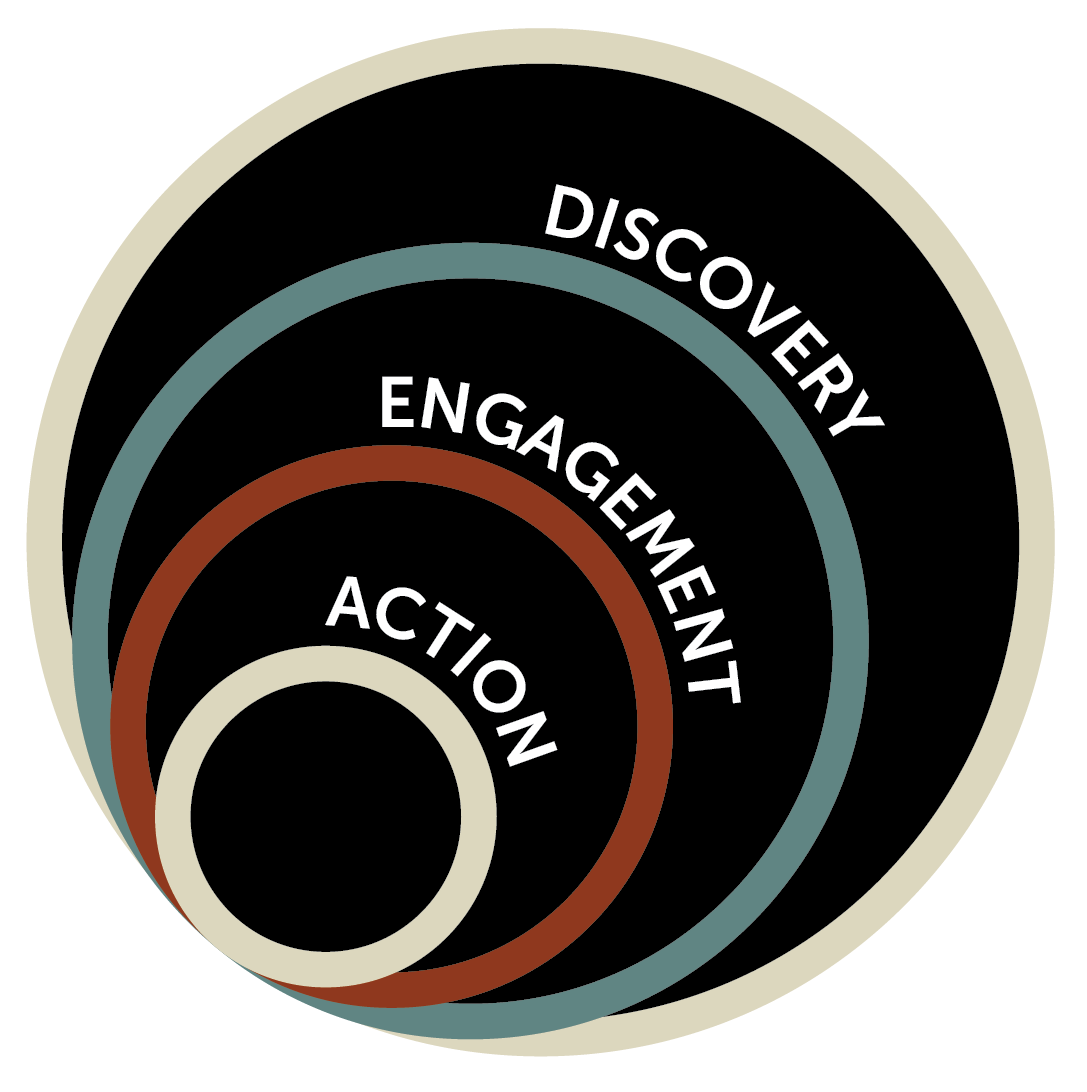
Phases of CPR-R
In the Discovery Phase, we will connect with and learn to identify existing community resources related to community engagement in the disaster preparedness, recovery, and resiliency arenas. Additionally, we will connect beyond our four-county region to identify programs and efforts to be replicated locally and create spaces for others to collaborate.
In the Sharing/Engagement Phase – we will engage people, organizations, and communities as we share our learnings.
In the Action Phase - We will strengthen our communities’ disaster preparedness, recovery, and resiliency in various ways.
| | | | |