|
Whether you became a caregiver gradually, or all the sudden due to a crisis. Whether you are a caregiver willingly, or by default, many unwanted emotions surface when you take on the job of caregiving.
If only we were perfect, we would not feel:
Ambivalence: Wanting-not wanting to be a caregiver. Allow yourself to feel both sets of feelings…there will be good days, and not-so-good days. These feelings will not last, just as the clouds passing over the sun.
Anger: Anger and frustration are normal parts of being around someone who needs help on an ongoing basis, who might not be accepting of that help. It’s not always possible to be in perfect control of your emotions…anger “just comes out” sometimes. Forgive yourself. Walk away. Give yourself a “time out” sometimes. Call a caregiver friend who will listen to you vent, and “get it out of your system.” Anger can evaporate when we give it a “voice” instead of taking it out on others.
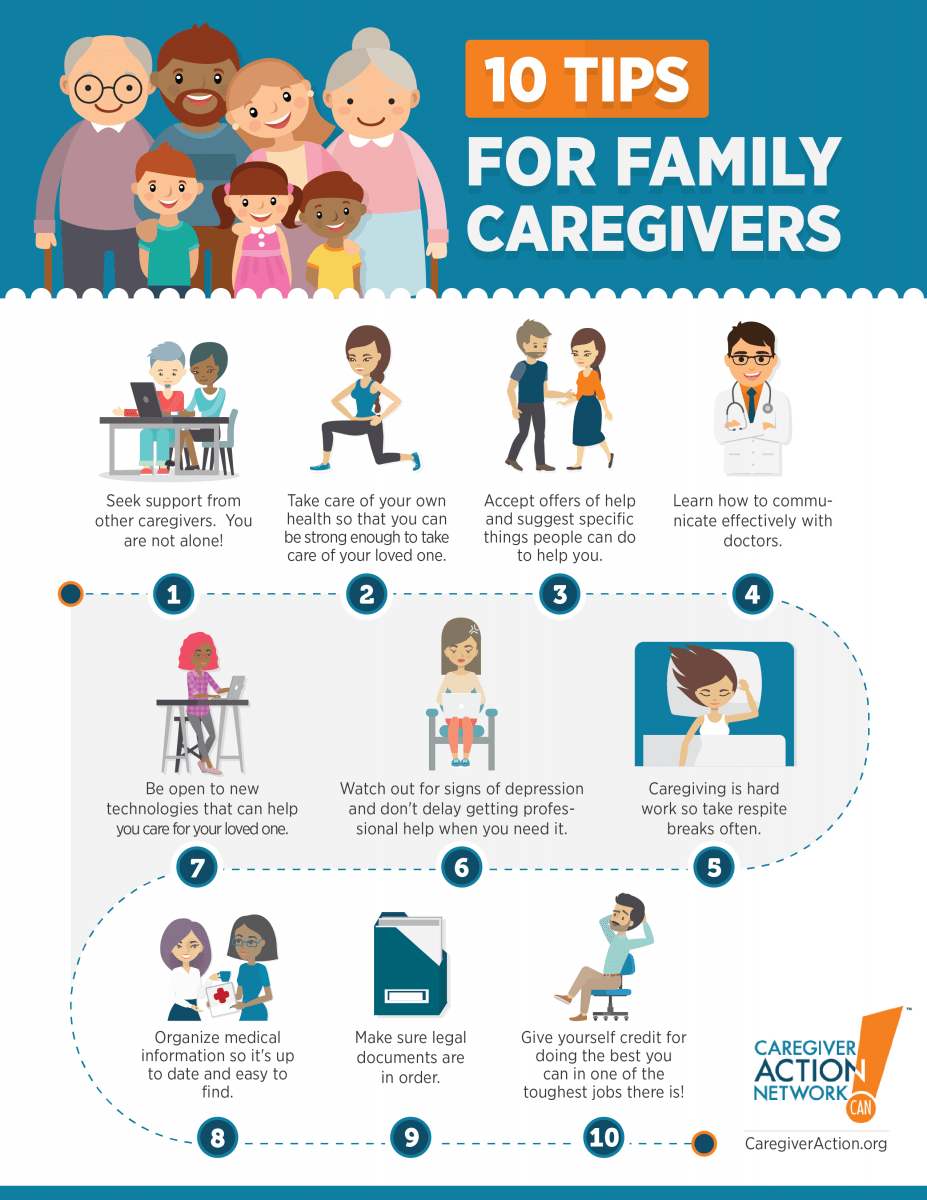
Anxiety: Feeling like things are out of control and not knowing how to bring them back into control can produce feelings of anxiousness. Anxiety can present as a short fuse, an impulse to run away, experience heart palpitations, difficulty sleeping, or have an urge to cry. Stop. Breathe (3 deep inhales, at least). Take a walk. Make some tea. Give yourself a hug, (really).
Boredom: It is easy to become bored when you're stuck at home taking care of someone else and not doing the things that fulfill your own wants and needs. Respite can help. A few hours away to socialize, take a walk, go shopping. Planning “down time” when you can read a book or do an art project being mindful to have time for yourself. Precious “me” time can help increase your resiliency and patience.
Crankiness, Irritability: When tired or stressed out, it is harder to stay in control of things we say and feel. It is essential to take a break, get some rest, keep a journal, talk to an understanding friend or professional to gain equilibrium.
Depression/Sadness: As a caregiver you are at risk of depression. It can be evidenced as hopelessness, helplessness, difficulty sleeping or wanting to get up to face the day. Depression is treatable and should be taken seriously. Professional help is available, find a counselor who understands caregiving. Ask for help from friends and family. Exercise can help considerably.
|