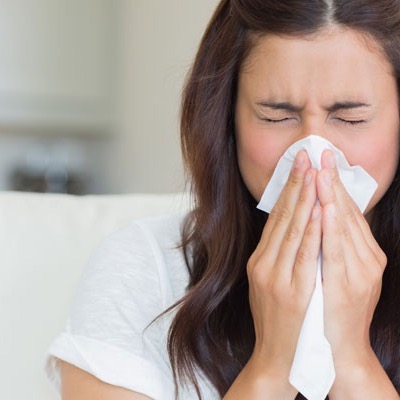
Fall is a time for everything pumpkin and cooler temperatures, but it's also a time for allergies. Improving indoor air quality can help you avoid asthma flare-ups and allergy symptoms and keep you breathing easy through the colder months. While it's probably not possible to eliminate all the allergens inside your home, you can reduce the number, and your exposure to them, by making some simple changes. Here are some strategies you can use to improve air quality inside your home.
Keep it clean.
A clean house is a healthy house. Good indoor hygiene can cut down on dust and animal dander. Your cleaning efforts should focus on strategies to reduce the accumulation of pet dander, mold, and dust lurking in your home. Focus on the following:
- Vacuuming the carpets and area rugs at least once or twice a week with a vacuum cleaner equipped with a HEPA filter.
- Regularly cleaning bedding, drapes, and other items that tend to attract allergens-particularly if you have pets.
- Clearing clutter, because it traps and holds dust that can trigger a reaction.
Keep the greenery outdoors. Indoor plants are pretty, but they can also collect and foster the growth of mold. While some plants are touted as helping to improve indoor air quality because they release oxygen, they are still allergy triggers for many people.
Change your filters. If you have a forced air heating system, be certain to change the filters regularly. Electrostatic filters can help ensure that dust and other airborne irritants get trapped instead of being recirculated throughout your home.
Clean your ducts. Also, consider having your ducts cleaned to remove trapped dust. The average home collects 40 pounds worth of dust a year and that dust could be hiding in your air ducts.
Let the fresh air in. Even in the cold months, open windows from time to time to allow fresh air to move into the house. Also, move potential air contaminants out by using fans in the kitchen to remove cooking fumes.