|
46% OFF
your entire purchase
|
|
|
Be sure to enter code
EAGELS at checkout to save!
| | | | |
|
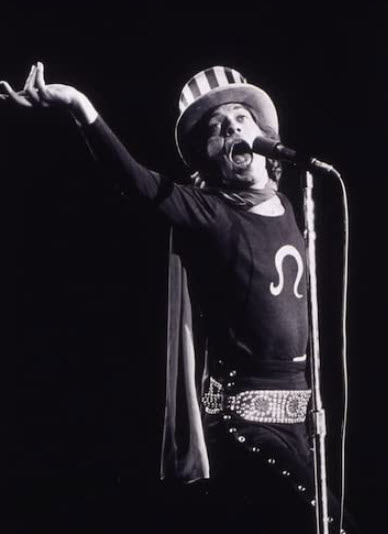
This musical documentary concerns the Rolling Stones and their tragic free concert at Altamont Speedway near San Francisco in early December 1969. The event was all but destroyed by violence that marked the end of the peace and love euphoria of the 1960s. The night began smoothly, with the supercharged Flying Burrito Brothers opening up for the Rolling Stones and performing the truck-driving classic "Six Days on the Road" and Tina Turner giving a sensually charged performance. But on this particular evening, the Stones made the fateful (and disastrous) decision to hire the Oakland chapter of the Hell's Angels motorcycle gang as bodyguards and bouncers. It was a foolhardy, careless choice that turned the night into an unmitigated disaster; halfway through the Stones' act, the Angels killed one black spectator, and injured several others who were present (including Jefferson Airplane's lead singer Marty Balin). In the film, we watch Mick Jagger -- ere an ebullient, charismatic performer of bisexual charm -- reduced to standing on stage like a frightened child with his finger in his mouth in wake of the violence. Unsurprisingly, the Grateful Dead refused to perform after the violence erupted; the picture ends on a despairing note, with the Stones repeatedly watching a film of the murder. Celebrated documentarians Albert and David Maysles directed and Haskell Wexler shot the film, with heightened instinct and control; as a result, this film is considered one of the greatest rock documentaries ever made. Stones songs performed include "Brown Sugar," "Under My Thumb," and "Sympathy for the Devil." | |
| |
|
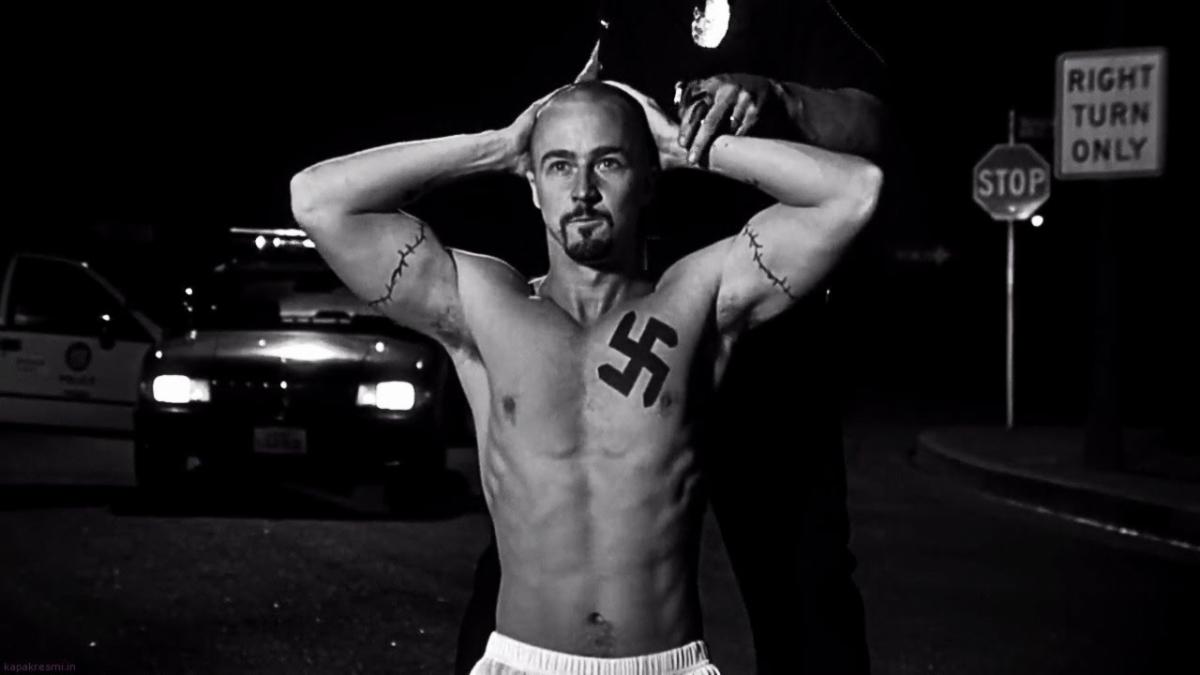
American History X (1998) | Tony Kaye made his feature directorial debut with this dramatic exploration into the roots of race hatred in America. In a shocking opening scene, teen Danny Vinyard (Edward Furlong) races to tell his older brother, neo-Nazi Derek (Edward Norton), about the young blacks breaking into his car in front of the house, whereupon Derek gets his gun and with no forethought shoots the youths in their tracks. Tried and convicted, Derek is sent away for three years in prison, where he acquires a different outlook as he contrasts white-power prisoners with black Lamont (Guy Torry), his prison laundry co-worker and eventual pal. Meanwhile, Danny, with a shaved head and a rebellious attitude, seems destined to follow in his big brother's footsteps. After Danny writes a favorable review of Hitler's Mein Kampf, black high-school principal Sweeney (Avery Brooks) puts Danny in his private "American History X" course and assigns him to do a paper about his older brother, who was a former student of Sweeney's. This serves to introduce flashbacks, with the film backtracking to illustrate Danny's account of Derek's life prior to the night of the shooting. Monochrome sequences of Derek leading a Venice, California gang are intercut with color footage of the mature Derek ending his past neo-Nazi associations and attempting to detour Danny away from the group led by white supremacist, Cameron (Stacy Keach), who once influenced Derek. Director Tony Kaye, with a background in TV commercials and music videos, filmed in L.A. beach communities. | |
| |
|
One thing you can say about Alimony: It tackled a subject that virtually everyone in Hollywood was intimately familiar with. Martha Vickers plays a ruthless young woman who has hit upon a clever (if not original) method of fattening her bank account. She seeks out relationships with wealthy married men, gets them to leave their wives to marry her, then cooks up "alienation of affection" and "adultery" cases against them. As a result, she invariably leaves the divorce court with a huge alimony settlement. Eventually she graduates from breaking hearts to breaking laws, and is thrown in the calaboose for her troubles. | |
| |
|
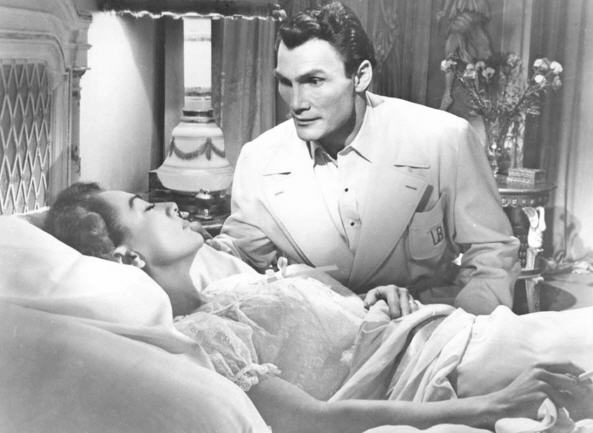
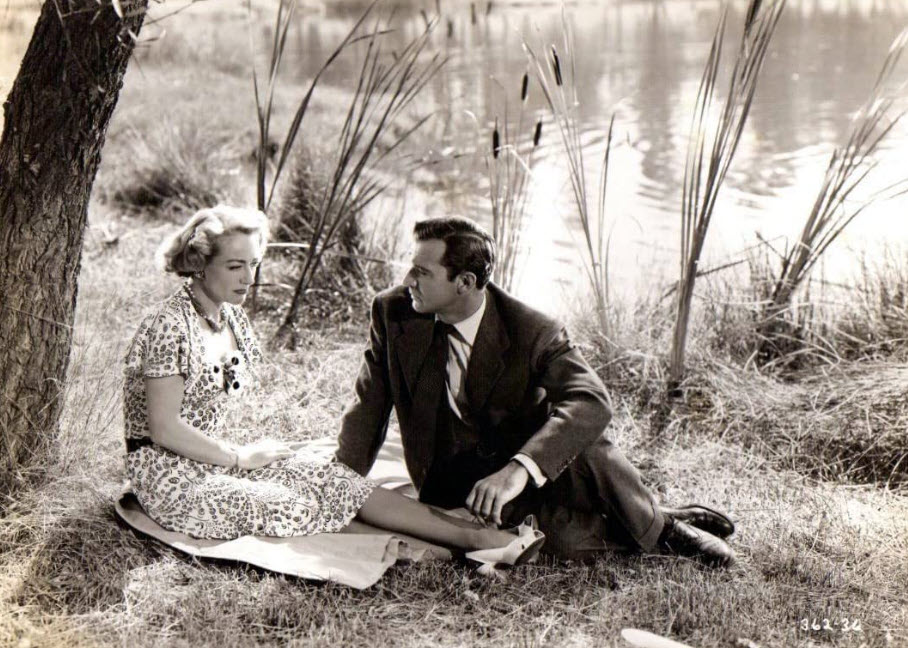
Joan Crawford stars as wealthy San Francisco heiress Myra Hudson, a successful playwright who meets Lester Blaine (Jack Palance) while casting her new play in New York. They meet again on the train ride back, fall in love and marry. Unknown to Myra, Lester is seeing mistress Irene Neves (Gloria Grahame), whom he still loves and has married only for her money. While looking through her study, Irene and Lester learn that Myra has made a will leaving only $10,000 a year to Lester (though if he remarries following her death he receives nothing). Seeing that the will has not yet taken effect, they plot to kill Myra without noticing that Myra's dictating machine is on and recording their conversation. After listening to the conversation and spending a sleepless night, Myra goes to Irene's apartment and steals a gun. Irene then lures Lester to the apartment, intending to kill him. Losing her nerve, she flees the apartment with Lester chasing her. The film has an exciting and surprising climax as all meet unexpectedly during the chase. Joan Crawford gives a fine, if melodramatic performance, and Jack Palance is amazingly effective playing against type as a leading man. Despite a slow start, this is a fine suspense thriller that earned Oscar nominations for Joan Crawford and Jack Palance and a nomination for Charles B. Lang Jr. for his striking black and white photography. | |
| |
|
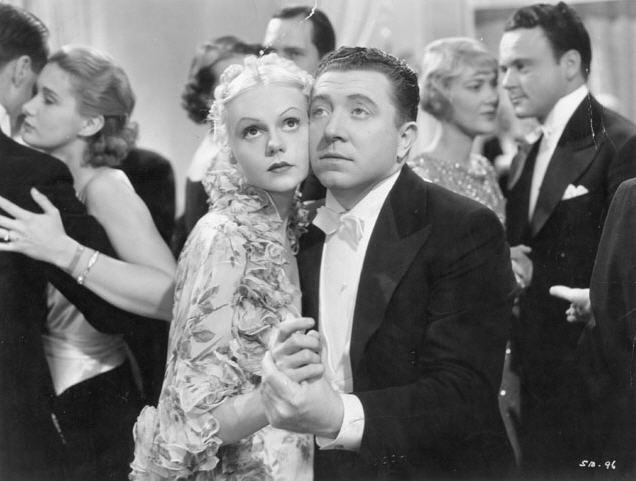
Stars Over Broadway (1935) | This musical chronicles the rise to stardom of a humble bellhop after he is discovered by a talent agent. Though he becomes a very popular singer of contemporary songs, the young man really aspires to a career in opera. At first his manager is appalled and refuses to let him, but when his disconsolate star begins hitting the sauce, he relents and success ensues. Songs and production numbers include "Broadway Cinderella," "Where Am I?," "At Your Service Madam," "You Let Me Down," "Over Yonder Moon," "September in the Rain" (Al Dubin, Harry Warren), "Carry Me Back to the Lone Prairie" (Carson J. Robison), and selections from "Aida" (Giuseppe Verdi), and "Martha" (Friedrich von Flotow). | |
| |
|
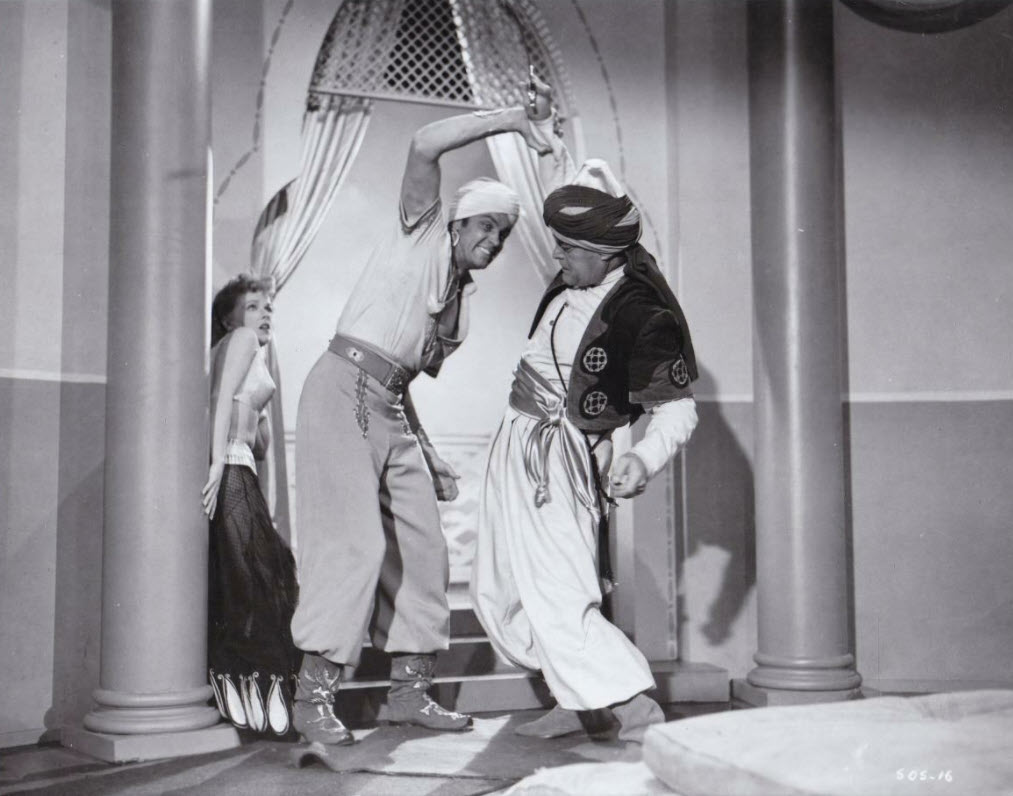
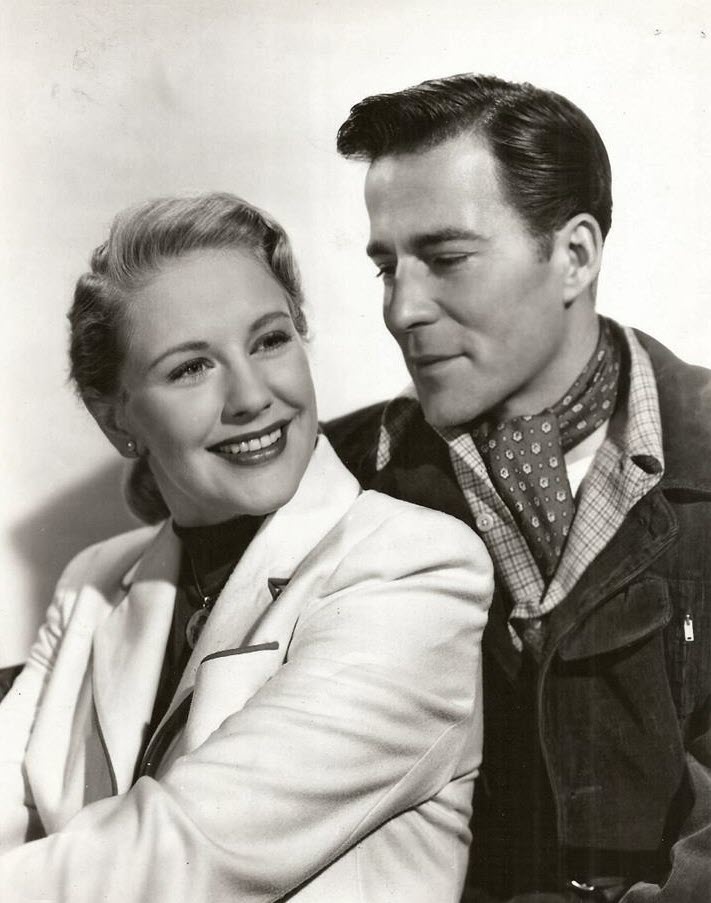
Dale Robertson stars as the Son of Sinbad in this tongue-in-cheek Arabian Nights romp. Hoping to rescue Bagdad from the forces of the dreaded Tamerlaine, Sinbad Jr. enlists the aid of the Khalif (Leon Askin) by promising to deliver the secret of "Greek Fire". To expedite this, he enlists the aid of the lovely Kristina (Mari Blanchard), who has memorized said secret. When the bad guys threaten the safety of hero and heroine, slave girl Ameer (Sally Forrest), who heads the all-female descendants of the original Forty Thieves, come galloping to the rescue. Personally produced by Howard Hughes, Son of Sinbad seems to be a clearing house for all of Hughes' voyeuristic fetishes; at one point, stripteaser Lili St. Cyr performs an exotic (and erotic) dance wearing the equivalent of a postage stamp, earning a Condemned rating from the Catholic Legion of Decency. The overabundance of feminie pulchritude gets a little wearing after a while, and it is up to Vincent Price to steal the show as Omar the Tentmaker, improvising passages of his unpublished "Rubiyat" (with a few anachronistic Shakespearean quotes thrown in) as he tries to keep apace with the hero. Also on hand is an uncredited (and fully clothed) Kim Novak as a handmaiden. More silly than sexy when seen today, Son of Sinbad is acceptable nonthink entertainment. | |
| |
|
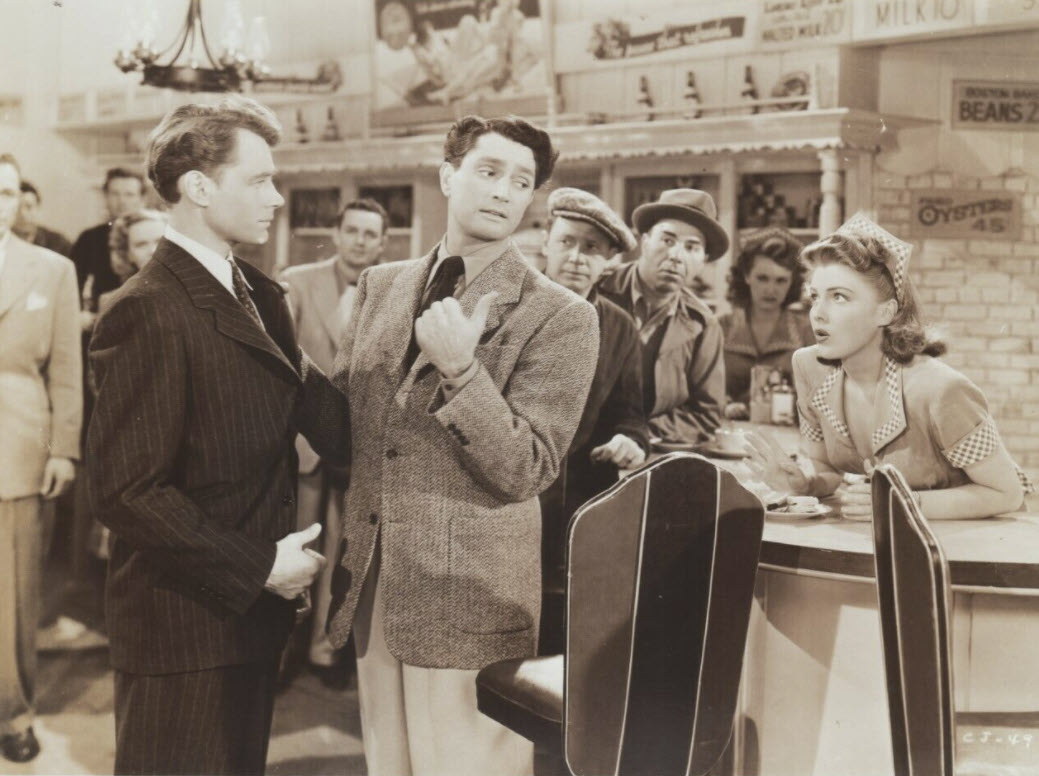
The fourth of Joan Crawford's Warner Bros. vehicles, Flamingo Road doesn't hold up as well as her earlier Mildred Pierce or Humoresque, but there's plenty to please the eye and ear. Sideshow kootch-dancer Lane Bellamy (Crawford), stranded in a backwater town, gets a job as a waitress. Lane begins falling in love with Fielding Carlisle (Zachary Scott), the political protégé of the town's big-daddy sheriff Titus Semple (Sidney Greenstreet). Semple regards Lane as a gold-digging troublemaker, and does his best to break up the romance, framing her on a trumped-up morals charges and having her shipped off to prison. Once out of the "joint," Lane returns to town, seeking revenge against both Semple and Carlisle. She charms political hack Dan Reynolds (David Brian) into marriage, then transforms Reynolds into a "reform candidate" bent on destroying the corrupt Semple machine. Faced with political ruin, Lane's ex-beau Carlisle commits suicide, a fact that Semple uses as a weapon against Reynolds. A showdown is inevitable--but the story is far from over! Flamingo Road later served as the basis for a weekly TV series; both the film and the series were based on a play by Robert and Sally Wilder. | |
| |
|
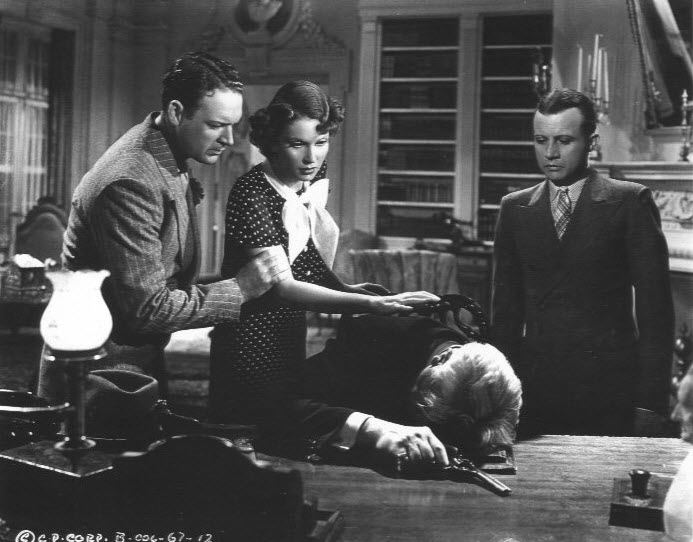
Winchellesque radio commentator Perry Travis (William Gargan) fancies himself a brilliant amateur detective; the cops wish he'd just stick to his microphone and let them do the detecting. This proves impossible when a famed scientist is murdered in Perry's studio, right in the middle of an interview. All the evidence points to Perry as the guilty party, which of course means that he isn't. With the help of the dead man's secretary Lois Allen (Marguerite Churchill), Perry tries to figure out how a man could be murdered in a locked room with no visible weapon or assailant. A hectic car chase winds up this cookie-cutter Columbia mystery, which features appearances by such familiar "B"-picture faces as Gene Morgan, John Gallaudet and Dwight Frye. | |
| |
|
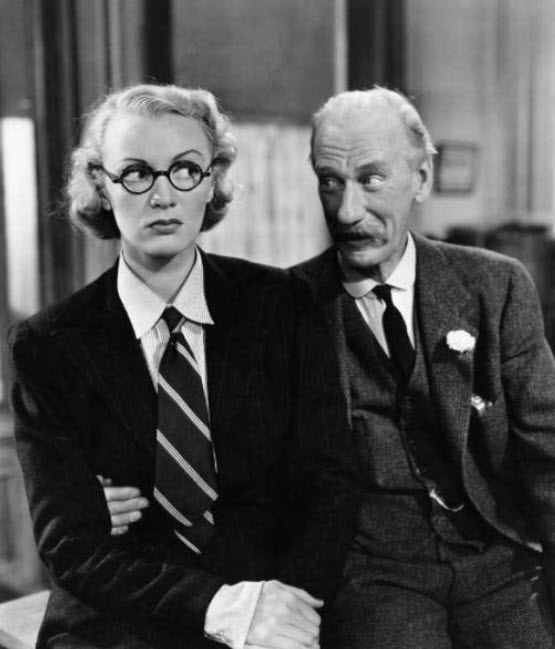
She Couldn't Say No (1940) | Eve Arden played her first bonafide film-starring role in the 1941 Warner Bros. "B"-picture She Couldn't Say No. A brilliant lawyer, Alice Hinsdale (Arden) is obliged to act as secretary to her legal-eagle fiancé Wallace Turnbull (Roger Pryor) because he can't abide the notion that his wife might be smarter than he. Taking on a breach-of-promise suit, Turnbull represents the defendant, only to discover that the attorney for the plaintiff is none other than newly-liberated Alice. Once before a judge and jury, Alice and her female client resort to "women's tricks" to win the case -- proof positive that She Couldn't Say No is a product of its times. The film's basic premise was used to better effect in the 1949 Tracy-Hepburn starrer Adam's Rib. | |
| |
|
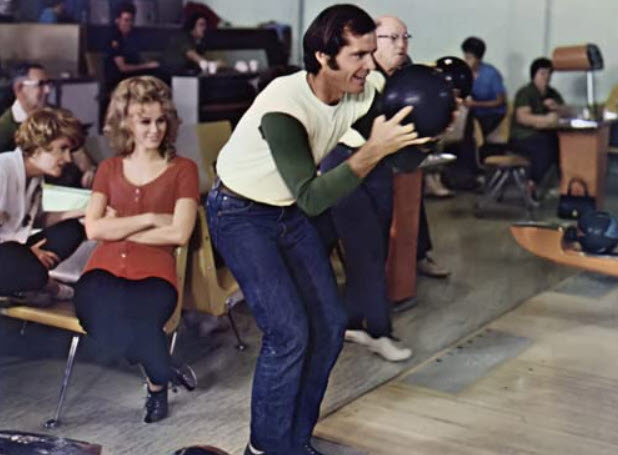
A disaffected man seeks a sense of identity in one of the key films of Hollywood's 1970s New Wave. Once a promising pianist from a family of classical musicians, Bobby Eroica Dupea (Jack Nicholson, in his first major starring role) leads a blue-collar life as an oil rigger, living with needy waitress girlfriend Rayette (Karen Black) and bowling with their friends Elton (Billy "Green" Bush) and Stoney (Fannie Flagg). Feeling suffocated by responsibilities, Bobby seeks out his sister, Tita (Lois Smith), and, discovering that his father is gravely ill, he reluctantly heads back to the patrician family compound in Puget Sound with a pregnant Rayette in tow. After a road trip featuring a harangue from hitchhiker Palm (Helena Kallianiotes) about filth, and Bobby's ill-fated attempt to make a menu substitution in a diner, he tucks Rayette away in a motel before heading to the house. There Bobby seduces his uptight brother Carl's cultured fiancée, Catherine (Susan Anspach), but Rayette shows up unexpectedly. As Rayette's crassness collides with the snobbery of the Dupea circle, Bobby loses patience with both sides. After trying to reconcile with his mute father, Bobby departs, unwilling to give in to either destiny. Director Bob Rafelson and screenwriter Adrien Joyce (aka Carole Eastman) used the creative control afforded by the low budget to craft a European-influenced character study, catching a cultural mood of anomie and resentment as it was embodied in Bobby. Neither older generation nor hippie, Bobby fits in nowhere, and his desire for independence conflicts with his emotional emptiness. Nicholson's nuanced performance of simmering frustration resonated with 1970 audiences caught between Nixon's "silent majority" and the troubled counterculture; a substantial hit, Five Easy Pieces was nominated for several Oscars, including Best Picture and Best Actor, and established Nicholson as a star. Offering no "easy" answers to Bobby's existential crisis, Five Easy Pieces is one of the pre-eminent films in the early-'70s cycle of alienated American art movies, as even the fantasy of rebellion is reduced to merely running away. | |
| |
|
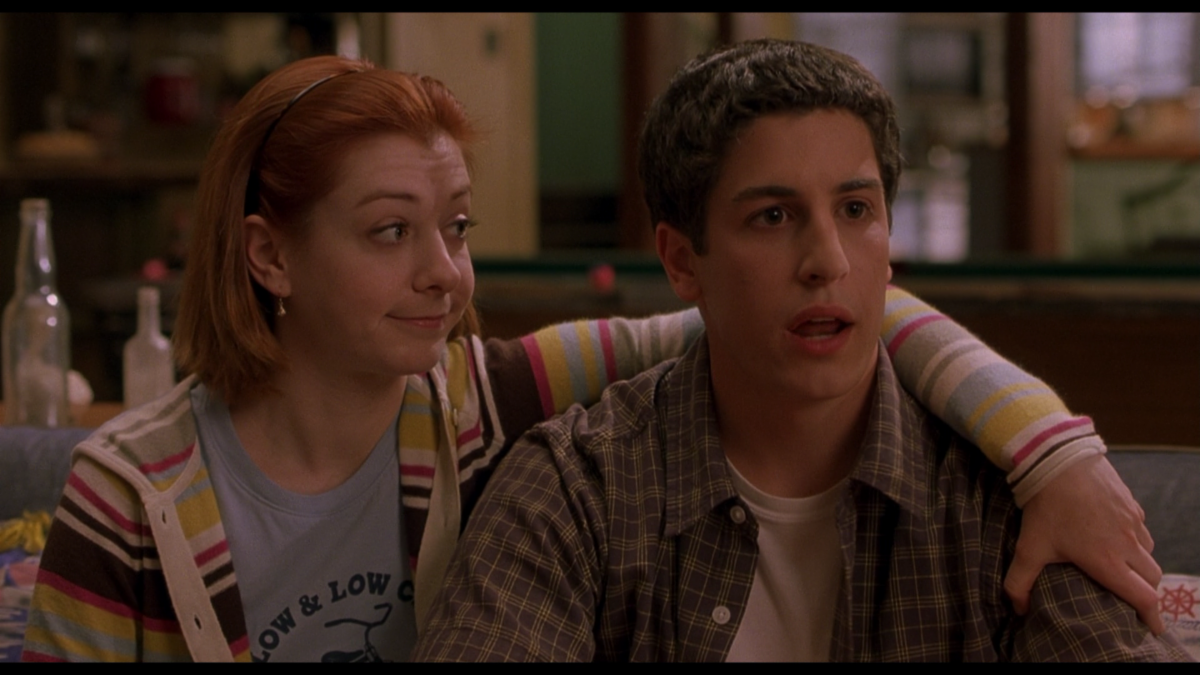
The horny teen heroes of American Pie (1999) return for further raunchy antics in this comedy sequel written by the first film's creator, Adam Herz. Returning home following their freshman year of college, old friends Jim (Jason Biggs), Kevin (Thomas Ian Nicholas), Oz (Chris Klein), Finch (Eddie Kaye Thomas), and Stifler (Seann William Scott) rent a summer house on Lake Michigan where they hope to score romantically. However, complications ensue due to Jim's relative lack of experience, requiring an interlude with a fellow student and a visit to his old friend Michelle (Alyson Hanigan), who's now a band camp counselor, all in preparation for the return of Nadia (Shannon Elizabeth). In the meantime, Oz is separated from Heather (Mena Suvari) by a trip abroad, Finch has another encounter with Stifler's mom (Jennifer Coolidge), and Jim's dad (Eugene Levy) is as clueless as ever about his son's love life. Director J.B. Rogers served as first assistant director on the first film and made his directorial debut with Say It Isn't So (2001). | |
| |
|
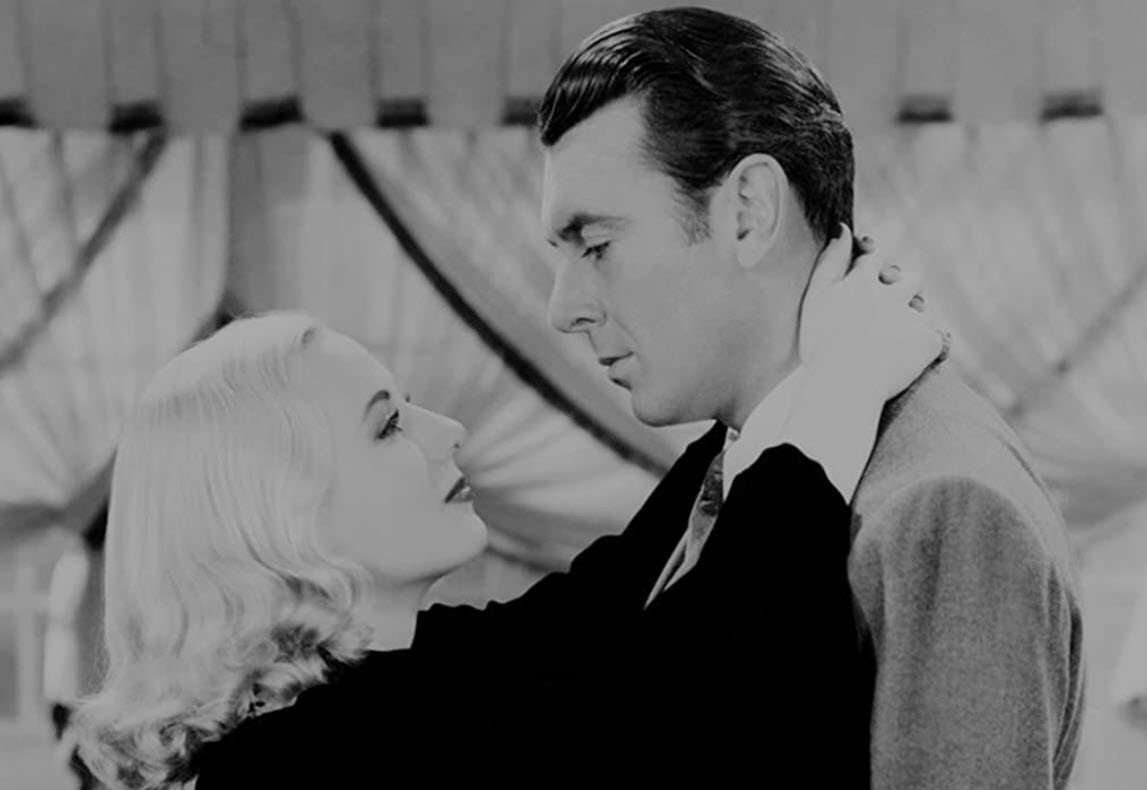
Secrets Of An Actress (1938) | Kay Francis fights off tears, deprivations and a mediocre script in Warner Bros.' Secrets of an Actress. La Francis plays Fay Carter, a popular Broadway star romantically involved with architect Dick Orr (George Brent), who has put up the money for her latest production. Problem is, Dick is already married-albeit unhappily-to selfish Carla Orr (Gloria Dickson). When Carla refuses to give Dick a divorce, he decides to kick over all the traces and sail off alone to Norway. Fay manages to prevent Dick from making this radical move, simultaneously giving him up. Fortunately, Dick's business partner Peter Snowden (Ian Hunter), who isn't married, is waiting in the wings. | |
| |
|
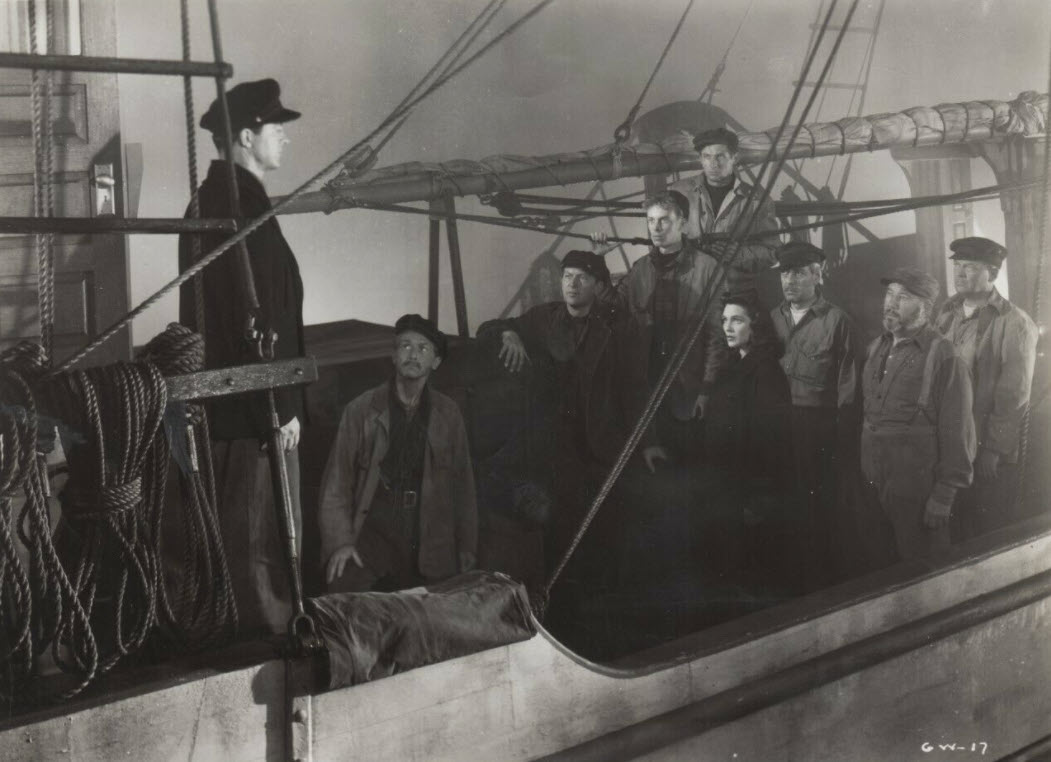
Sealed Cargo was based on The Gaunt Woman, a novel by Edmund Gilligan. Dana Andrews stars as Pat Bannon, a Newfoundland fishing-boat captain during WW II. Coming to the rescue of an endangered vessel, Bannon finds himself in the middle of a nest of Nazi spies. Reasoning that he'll never be able to alert the authorities, Bannon takes it upon himself to scuttle an impending large-scale German submarine attack. Claude Rains is the personification of cultured evil as the head Nazi naval officer, while Carla Balenda co-stars as an innocent bystander who may well lose her life as a result of Bannon's planned heroics. Sealed Cargo was one of several moneymaking films released by RKO Radio during one of the studio's most profitable years. | |
| |
|
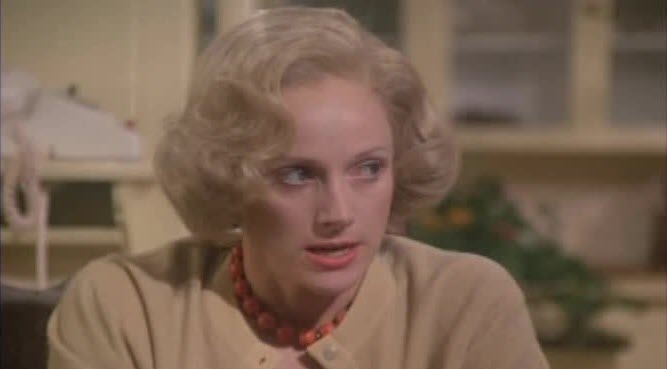
Rosie: The Rosemary Clooney Story (1982) | This for Remembrance, the autobiography of popular singer Rosemary Clooney (1928-2002), was the source for this made-for-TV biopic. Played herein by Sondra Locke, the Kentucky-born Clooney begins her career as one-half of a musical act with her sister Betty (Penelope Milford), performing at the election rallies of her politician uncle (John Karlen). Achieving radio popularity in Cincinnati, Ohio, Rosemary goes on to enjoy nationwide fame in the 1950s with such hit recordings as "Come On A' My House", "Tenderly" and "Hey There". Though her success in movies is negligible (White Christmas notwithstanding), she makes a huge impact on television, hosting several of her own weekly series. All the while, however, Rosemary's private life is in turmoil, due in great part to a tempestuous marriage to actor-director Jose Ferrer (played by, of all people, Tony Orlando). After the assassination of her great friend Robert Kennedy in 1968, Rosemary suffers a nervous breakdown, and it is many years before she is able to make a triumphant comeback on the concert trail. Rosemary Clooney herself serves as the singing voice of Sondra Locke, and also dubs in the tunes performed by the actress playing sister Betty. Had Rosie: The Rosemary Clooney Story aired on CBS a decade or so after its original telecast on December 18, 1982, mention might have been made of the subsequent success of Clooney's actor son Miguel Ferrer and her TV-star nephew George Clooney; there might even have been a re-enactment of Rosemary's third marriage, capriciously staged at a White Castle restaurant in Cincinnati. | |
| |
|
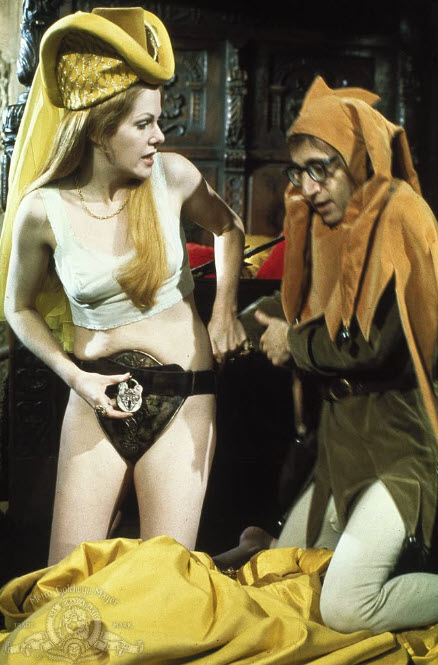
Everything You Always Wanted To Know About Sex (1972) | Woody Allen's in-name-only adaptation of the once notorious sexual reference guide by Dr. David Reuben contains seven episodes based on "helpful" questions answered in the book. In "Do Aphrodisiacs Work?", Allen appears as a court jester who uses a love potion to spark the erotic interests of the Queen (Lynn Redgrave). "What Is Sodomy?" stars Gene Wilder as a doctor who throws away his marriage, career, and position in the community when he falls madly in love with an Armenian sheep named Daisy. "Why Do Some Women Have Trouble Reaching Orgasm?" is a parody of stylish Italian films of the '60s in which a slick playboy (Woody Allen) discovers his wife (Louise Lasser) can climax only when they make love in public places. In "Are Transvestites Homosexuals?," Sam (Lou Jacobi) has his little secret revealed at a most inopportune moment. "What Are Sex Researchers Actually Accomplishing?" features John Carradine in a great parody of his mad-scientist roles as Dr. Bernardo, whose research into human sexuality has led to a fearsome mutation -- a 50-foot tall female breast! "What Are Sexual Perversions?" takes us to a broadcast of the popular game show What's My Perversion?, in which Jack Barry leads a panel of celebrities (including Regis Philbin and Robert Q. Lewis) in guessing the erotic obsessions of their guests. And "What Happens During Ejaculation?" takes the audience inside the body of a man in the throes of passion; The Brain (Tony Randall) guides the body's functions, with the help of his assistant (Burt Reynolds), while Allen plays a nervous sperm cell not sure if he can make the big jump. While the quality of the episodes is uneven, the best rank with the funniest moments of Allen's career, especially Gene Wilder's touching romance with the sheep ("I think we can make this work, Daisy") and the final sequence inside the male body ("What if he's only masturbating? I'll end up on the ceiling somewhere!"). | |
| |
|
Pride Of The Blue Grass (1939) | In this touching drama, a young woman cons her father the Colonel to put their colt in the Kentucky Derby. They do, but the horse fails miserably and his rider is suspended. It is then discovered that the horse lost because it is blind. This does not dissuade the girl and her father who work hard to train the horse who goes on to win the Grand National. The jockey too is subsequently cleared of wrong-doing and is again allowed to race. | |
| |
|
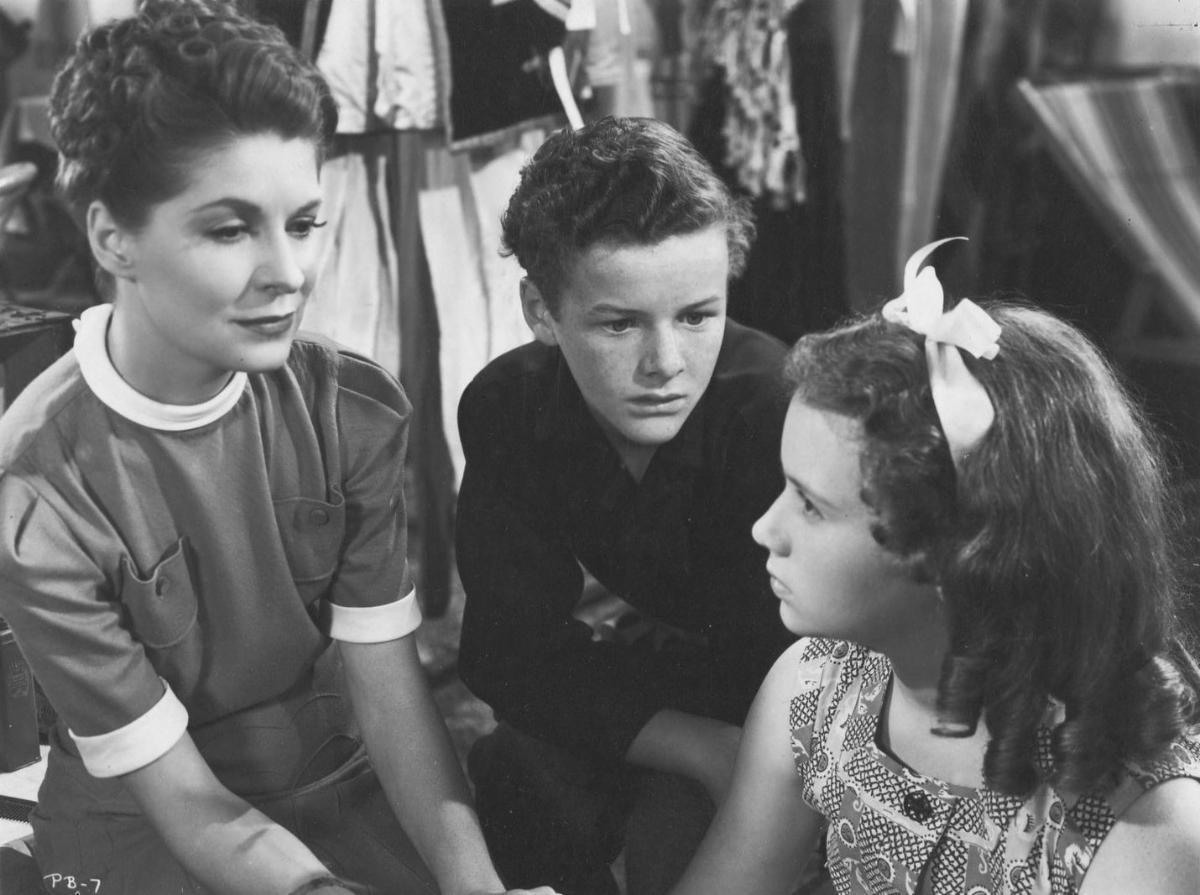
Peck's Bad Boy With The Circus (1938) | Peck's Bad Boy and his gang of mischievous misfits (including Spanky McFarland) make all kinds of trouble around the circus. | |
| |
|
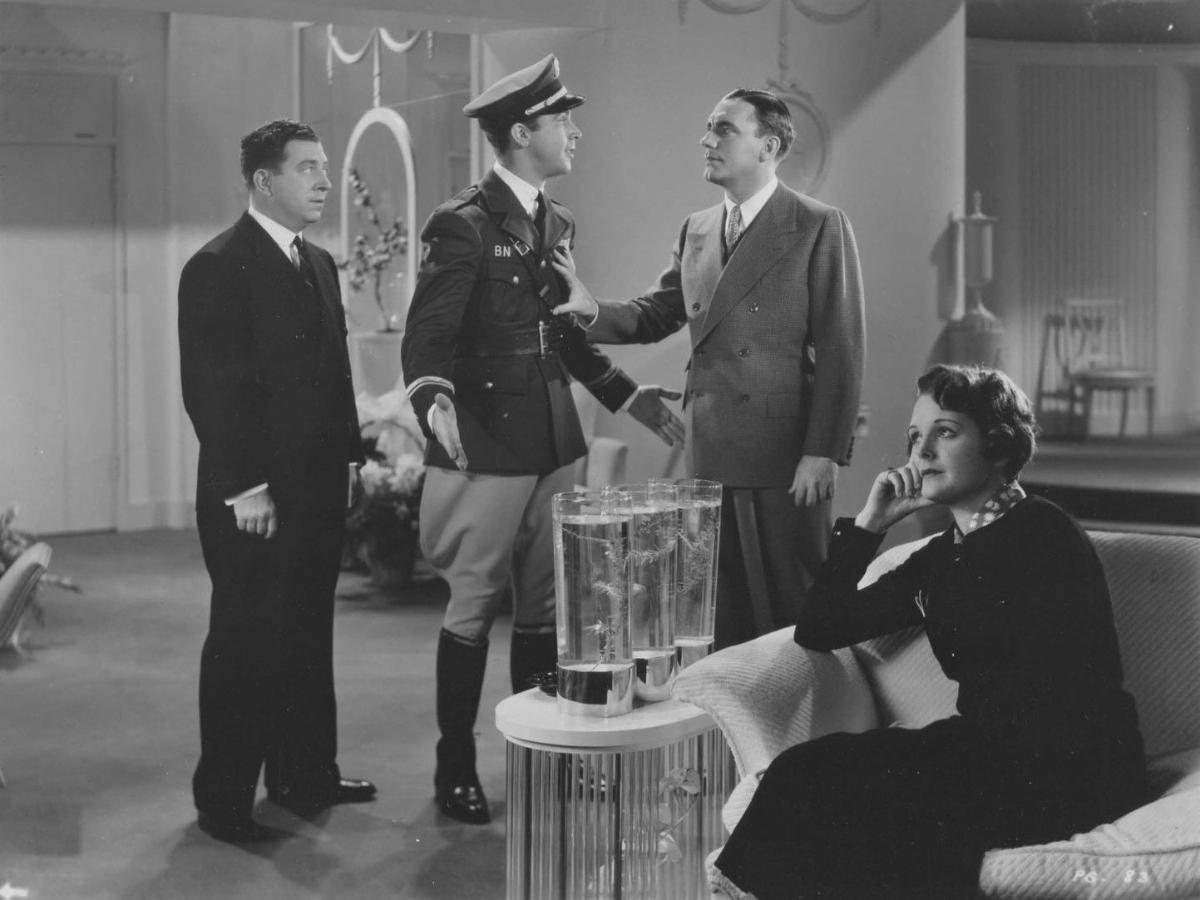
William Randolph Hearst's Cosmopolitan Productions moved from MGM to Warners with Page Miss Glory--along with Cosmopolitan's biggest commodity, actress Marion Davies. The plotline has something to do with a composite photo prepared for a magazine contest: The combined facial attributes of Garbo, Dietrich, Harlow and Kay Francis make up this picture, which wins an award for photographer Pat O'Brien. When pressed to produce his fictional "Miss Glory," O'Brien scours the country in search of the girl whose face matches the composite. And that's where lowly chambermaid Marion Davies comes in. After a dizzying taste of fame and fortune, Davies renounces her new celebrity for the love of Dick Powell. The title song of Page Miss Glory was given a more entertaining showcase in the "art deco" Warner Bros. cartoon Miss Glory. | |
| |
|
Come To The Stable (1949) | A Christmastime TV perennial, Come to the Stable is the gentle saga of two French nuns (Celeste Holm with accent, Loretta Young without) who come to America in hopes of raising funds for a children's hospital. Travelling to a small New England town presciently named Bethlehem, the nuns befriend eccentric painter Elsa Lanchester, who allows them to use her studio (actually a stable) for their base of operations. Utterly ingenuous when it comes to American mores and customs (they tear up a parking ticket, assuming it to be an advertisement), the sisters raise money in a variety of amusing fashions. One of their "agents" is outwardly tough gambler Thomas Gomez, who gives them the land they need and a cash contribution, to the astonishment of his equally raffish pals (who also kick in). And towards the end, the nuns even play a little professional tennis to raise money. Careful not to overwhelm the viewer with sentiment and religiosity, Come to the Stable (based on a story by Clare Booth Luce) is ideal holiday film fare. | |
| |
|
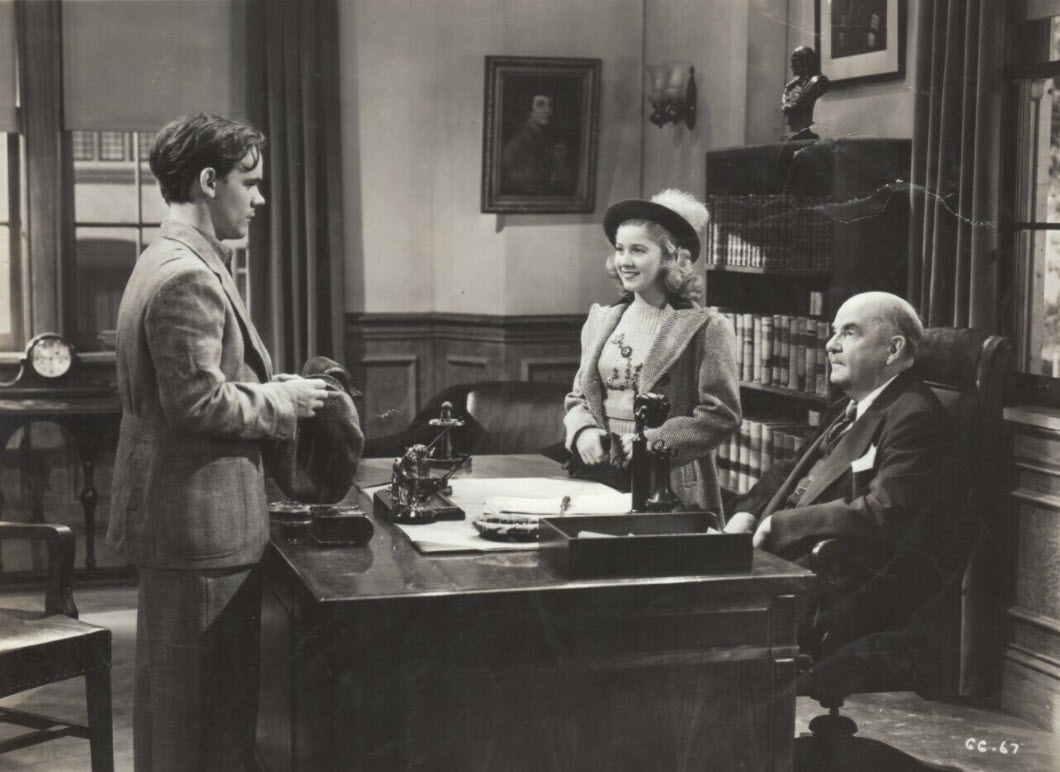
Busby Berkeley directed this lightweight musical comedy in which Judy Jones (Joan Leslie) is informed that she's due to receive a $10 million inheritance, but with one very large string attached: she has to marry an unusually intelligent man. With the call of her checking account ringing loudly in her ears, Judy gives her boyfriend Tommy Coles (Robert Alda), the leader of a dance band, his walking papers. She next enrolls in a (previously) all-male Institute of Technology, where she figures that bright boys will be easy pickings. However, snaring her dream man proves more difficult than she imagined, and she finds out that Tommy is a lot brighter than she originally thought. Sammy Cahn and Jule Styne wrote the songs for this film, which include "You Never Know Where You're Goin' Till You Get There" and "When the One You Love Simply Won't Love Back." | |
| |
|
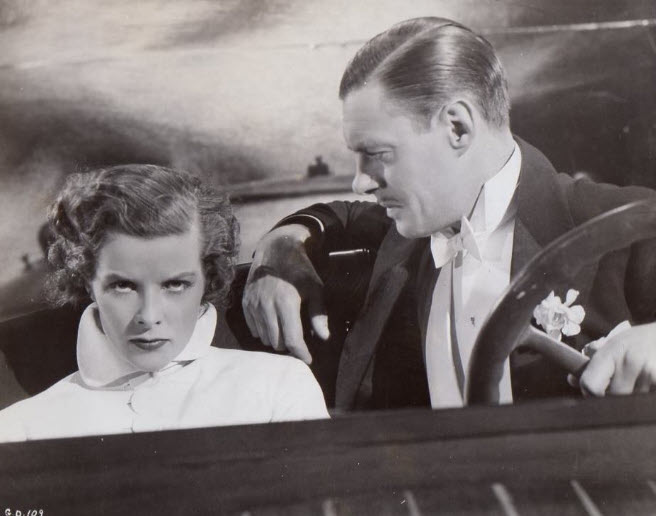
Christopher Strong (1933) | A prize-winning aviator (Katharine Hepburn) falls for the title character (Colin Clive), a British politician who is happily married. Both fall into a tempestuous affair, but are able to resist their urges. | |
| |
|
Addicted To Murder 3 (2000) | It is 1999. Joel Winter, now a vampire hunter, is living in New York. He still hunts vampires in retaliation for them making him into a killer, but he has gained a higher purpose. Through nightly conversations with demons, "the true creatures of the night", Joel is methodically killing vampires in order to pave the way for demons to return to earth. Vampires all over New York are hiding in fear of him. He has even managed to destroy Angie Karnstein, one of the oldest and most powerful vampires of them all. | |
| | | |