Ceramic 3D Printing: Structures and Process Challenges

Ceramic 3D printing materials can be categorized into slurry, powder, and filament based on their form. Slurry materials are typically made by mixing organic liquids with ceramic powders and are mainly used in SLA (Stereolithography) and IJP (Inkjet Printing) technologies. Powder materials consist of a mixture of ceramic powders and organic particles or pure ceramic powders, primarily used in SLS (Selective Laser Sintering) and 3DP (Three-Dimensional Printing) technologies. Filament materials are thermoplastic filaments mainly used in FDM (Fused Deposition Modeling) technology.

1-s2 image

Inkjet Printing (IJP):

IJP deposits ceramic suspensions through nozzles to form parts. It's simple and low-cost but faces challenges like nozzle clogging and height limitations. The key is preparing ceramic ink with the right viscosity, surface tension, and solid content.

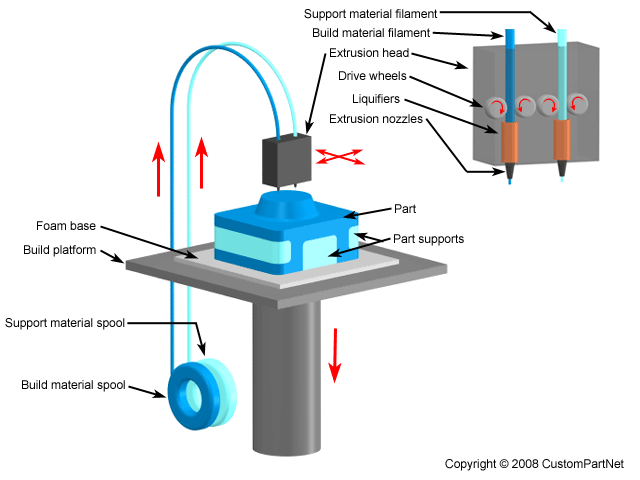
fdm image

Fused Deposition Modeling (FDM): 

FDM for ceramics, known as Fused Deposition of Ceramics (FDC), involves melting and extruding ceramic-polymer composites. It’s cost-effective and easy to operate but requires precise temperature control for quality results.

Stereolithography (SLA/DLP): This high-precision process uses light to cure layers of ceramic resin. Materials must have high solid content and low viscosity. Despite its advantages in producing complex and accurate parts, challenges remain in ensuring uniformity and final part quality.

DLP-and-SLA-FInal-Image image

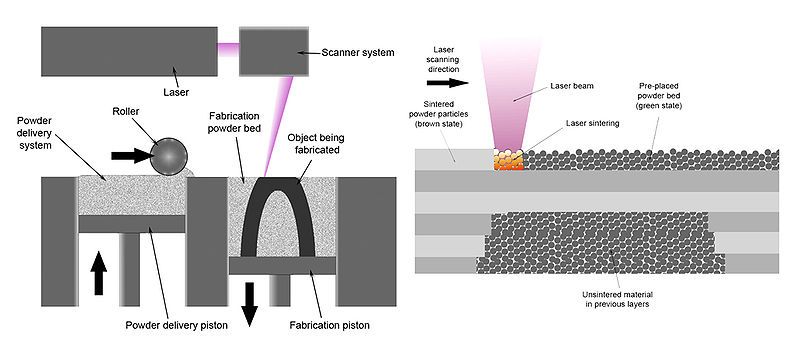
Selective Laser Sintering (SLS):

SLS involves sintering ceramic powder with a laser, either directly or indirectly. It can produce complex parts without support structures, but achieving high density in ceramic parts is a challenge.

FdqSBkaEosNrvCn9Ep49d7-1200-80 image

Three-Dimensional Printing (3DP):

3DP layers ceramic powders with a binder. It's scalable and cost-effective but limited by the binder's strength, affecting the final product's mechanical properties.

Key Challenges:


- Ceramic powder and binder ratios must be balanced to ensure part precision and minimal shrinkage.

- Resins need to flow well and solidify quickly for effective layer formation.

- Laser sintering can introduce thermal stresses, leading to microcracks.

- Improving surface finish and accuracy without compromising efficiency is a critical goal.


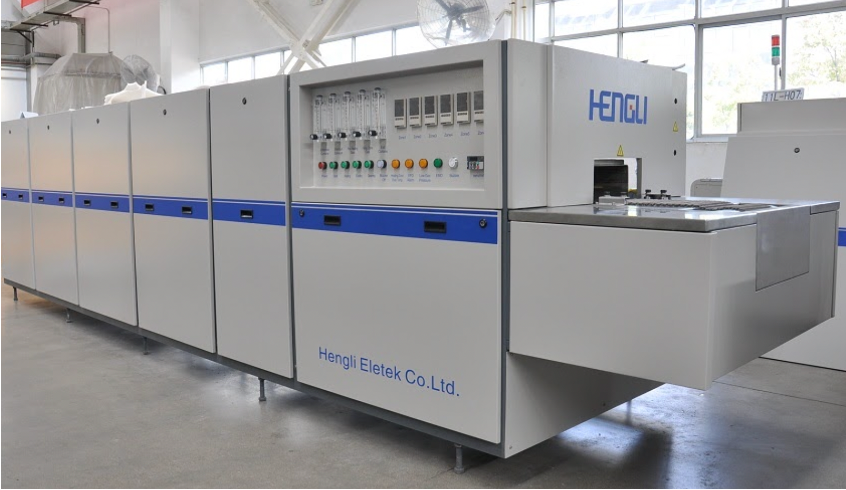
Debinding furnace for 3D printed ceramic materials

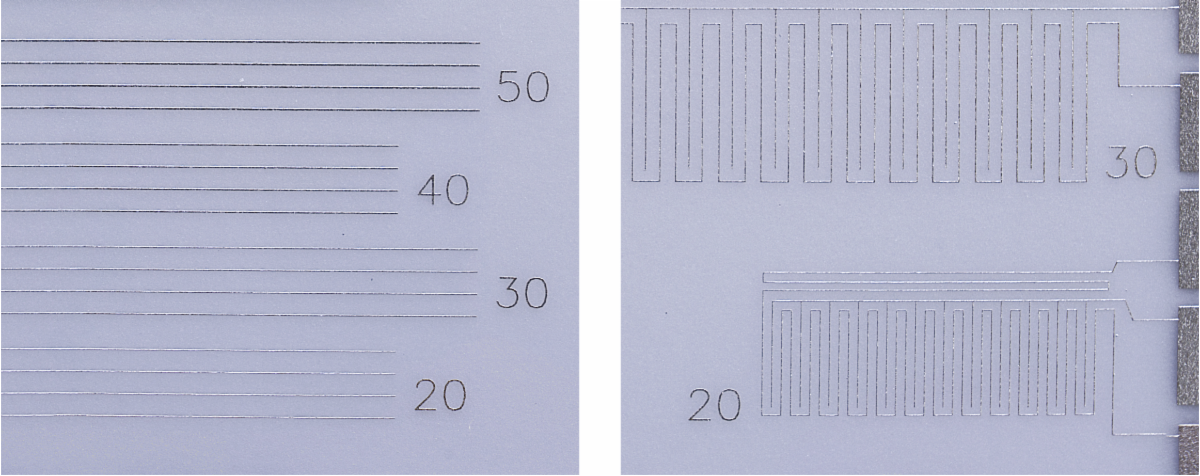
Screen Printer/ Screen Printing line


  • Up to 20 μm with 100 μm standard
  • 400*400 available
  • Manual, auto, semi-auto available
For more information about our belt furnace offerings, please see us at https://www.beltfurnaces.com/furnaces.html

Picture Source:

https://www.johansondielectrics.com

https://www.custompartnet.com/wu/images/rapid-prototyping/fdm.png

https://www.sciencedirect.com/science/article/pii/S2095809916300510

https://manufactur3dmag.com/wp-content/uploads/2018/01/DLP-and-SLA-FInal-Image.jpg

https://cdn.mos.cms.futurecdn.net/FdqSBkaEosNrvCn9Ep49d7-1200-80.jpg

If you want to learn more about our belt furnace, thick film product line, GTMS, LTCC and more,

please leave a message and click here.

Please forward this email to your friends or anyone who you think they might need or like it.


Was this email forwarded to youSign up for our newsletter at our main page!


Looking for HeatsinksClick here - Standard Sizes and more

Looking for MaterialsClick Here - Tungsten, Moly & CuW


Facebook  Twitter  Linkedin  Youtube