Contact Us


Asbestos | Indoor Air Quality | Infectious Disease | Lead | Litigation Support

Mold | Occupational Health & Safety | Site Assessments | Water Quality Testing

Environmental Newsletter

Vol. 13, No. 9 - September 2024

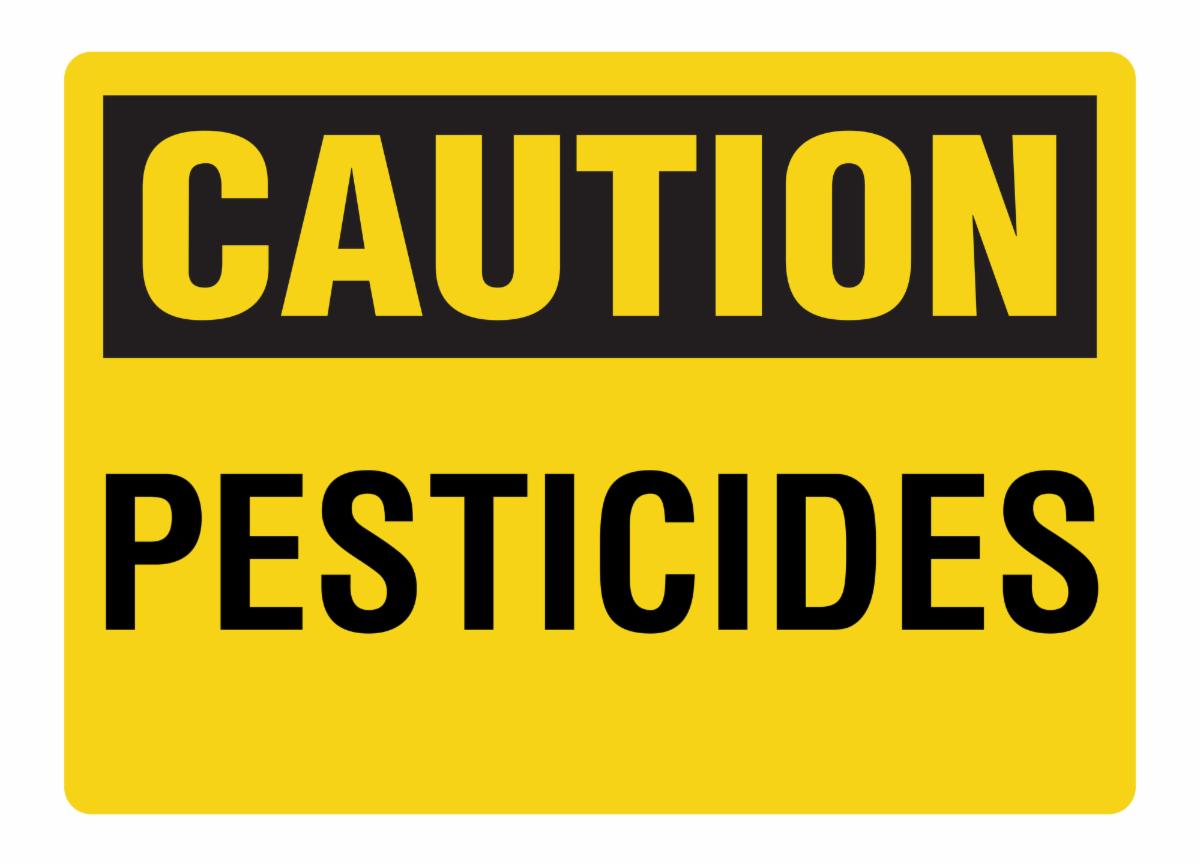
Pesticide Exposure Hazards in the Built Environment


Pesticides are inherently toxic and the U.S. Environmental Protection Agency (EPA) describes them as chemicals used to kill or control pests. These pests may include insects, rodents, bacteria, fungi, and other organisms.


Regarding pesticide use and indoor air quality (IAQ), the EPA shares a study that found 75% of U.S. households used at least one pesticide product indoors during the prior year. Products used most often include insecticides and disinfectants. Another study the EPA mentions suggests that 80% of most people's exposure to pesticides occurs indoors and that measurable levels of up to a dozen pesticides have been found in the air inside homes. These same pesticides are used in schools, offices, and other buildings.


Exposure to pesticides can also occur when contaminated soil or dust floats or is tracked indoors from the outside. Contact could even come from pesticide containers stored indoors, from indoor surfaces that collect and then release the pesticides, and from products with pesticides on them that are brought indoors.


Potential health effects due to pesticide exposure can vary widely. According to the EPA, exposure to pesticides may result in:

  • Irritation to the eyes, nose, and throat
  • Damage to the central nervous system and kidneys
  • Increased risk of cancer


Symptoms may include:

  • Headache
  • Dizziness
  • Muscular weakness
  • Nausea


Chronic exposure to some pesticides can result in damage to the:

  • Liver
  • Kidneys
  • Endocrine and nervous systems


Every few years a “new” pesticide emerges to take the place of an “older” more “dangerous” pesticide. The theory of unity of biology indicates what is bad for bugs is likely bad for people, think lead-based paint, arsenic, DDT, etc. Whether you are dealing with proven pesticides or emerging products, it’s important that families, workers, and building occupants are not exposed to dangerous concentrations. While some pesticides quickly degrade, others may remain a potential threat for a long period.


To identify exposure risks to pesticides and other potentially hazardous substances in the built environment, the industrial hygiene and building science experts at Clark Seif Clark, Inc. (CSC) offer testing, consulting, training, and monitoring services. If a pesticide is found in excess or in undesired locations, our professionals can help develop solutions to prevent, eliminate, or mitigate any current and future exposure risks. CSC also recently sponsored an educational video about pesticides and IAQ that can be seen below. 


For more information on pesticides or other indoor environmental quality issues, call CSC at 800-807-1118. Please visit www.csceng.com to learn about our additional services.

Protecting Building Occupants from Exposure Risks to Norovirus and Other Pathogens 


According to the Centers for Disease Control and Prevention (CDC), norovirus is the leading cause of vomiting and diarrhea, and foodborne illness in the United States. The agency also shares the fact that an infection with one type of norovirus may not protect an individual against other types of the virus.


Norovirus is exceptionally contagious and spreads easily and quickly in different ways. CDC warns that one can get norovirus by:

  • Having direct contact with someone with norovirus, such as by caring for them, sharing food or eating utensils with them, or eating food handled by them.
  • Eating food or drinking liquids that are contaminated with norovirus.
  • Touching surfaces or objects contaminated with norovirus and then putting unwashed fingers in one’s mouth.


“Norovirus is contracted through the fecal-oral route. We hope that gives you the heebie jeebies. Hopefully it motivates you and others to practice good hand hygiene and vigilant aseptic techniques. In other words, wash your hands like mamma told you and keep those hands out of your nose and mouth,” said Derrick A. Denis, Disaster Ready Emergency Preparedness and Infection Control (DR EPIC) Program Industrial Hygienist and Senior Vice President for Clark Seif Clark, Inc. (CSC). “In some settings hand washing and careful contact controls are not enough, such as skilled nursing and childcare daycare settings. Fortunately, there are methods to test surfaces and other environmental samples for norovirus to help identify the source of an outbreak, or to help assess the effectiveness of cleaning and disinfection procedures to prevent infections. To help with these efforts, the professionals at CSC are dedicated to identifying and mitigating indoor exposure risks to norovirus and other environmental pathogens with infection control, industrial hygiene, and indoor environmental quality testing, consulting, and training services.”


CSC also recently sponsored an educational video about norovirus and identifying exposure risks that can be seen below.


To learn more, visit www.csceng.com or call 800-807-1118.    

Clark Seif Clark, Inc. (CSC) is the preferred environmental consultant for healthcare facilities, architects, schools, builders, contractors, developers, real estate professionals and municipalities. CSC provides air quality testing, monitoring, consulting and training services to reduce building occupant exposure to airborne pollutants and optimize indoor conditions.


Asbestos | Indoor Air Quality | Infectious Disease | Lead | Litigation Support

Mold | Occupational Health & Safety | Site Assessments | Water Quality Testing


Contact Us

Clark Seif Clark, Inc. (CSC)

800-807-1118

www.csceng.com

csc@csceng.com

Facebook  LinkedIn  X