Contact Us


Asbestos | Indoor Air Quality | Infectious Disease | Lead | Litigation Support

Mold | Occupational Health & Safety | Site Assessments | Water Quality Testing

Environmental Newsletter

Vol. 13, No. 8 - August 2024

Ways to Protect Your Facilities, Occupants, and Family from Wildfire Smoke


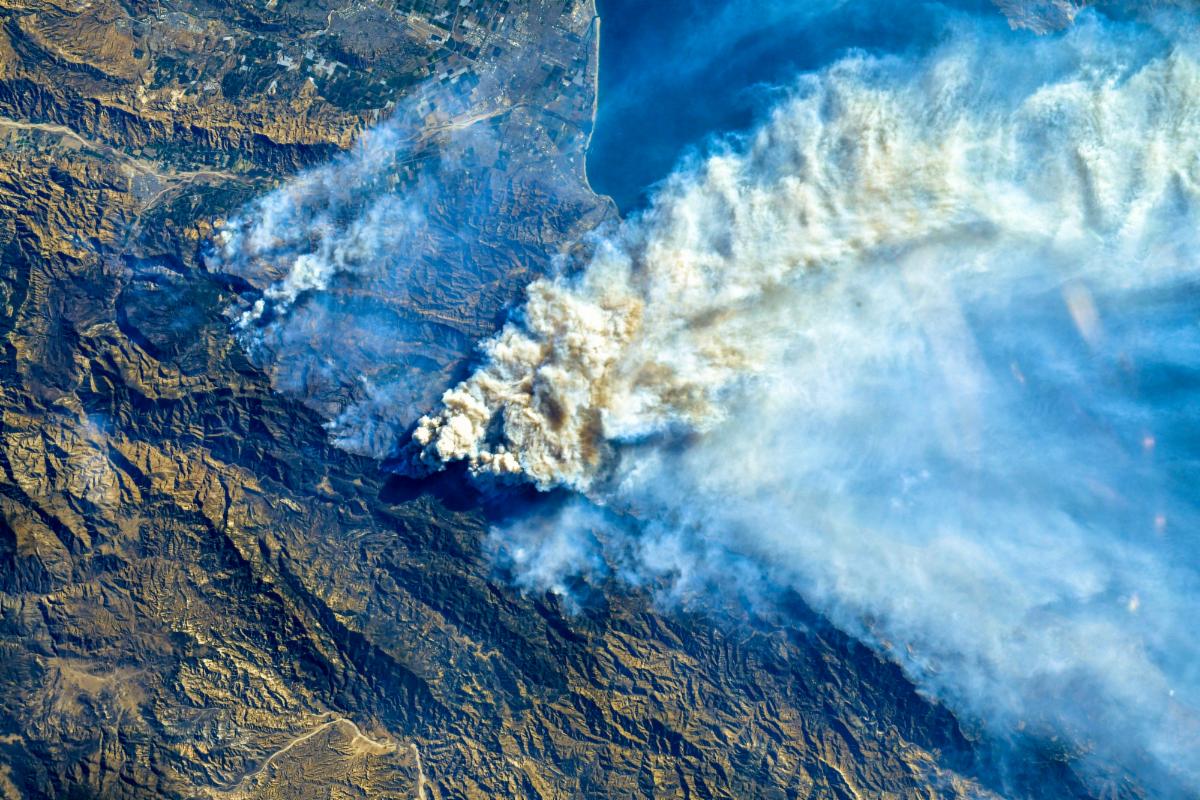
The fourth largest wildfire fire in state history, the Park Fire in Northern California, has scorched more than 425,000 acres and is 40% contained. It is expected to burn for weeks, and smoke-related damage can impact nearby and distant homes and businesses even after the wildfire.


“Smoke from wildland fires and wildland-urban interface fires can contain high concentrations of respirable or inhalable particulates, carbon monoxide, organic acids, PAHs, and more,” said Derrick A. Denis, Senior Vice President of Clark Seif Clark, Inc. (CSC), a leading environmental health, safety, and environmental consulting firm headquartered in California that has specialized in fire and smoke residue domestically and internationally for over 22 years. “Many of the combustion byproducts in wildland fire smoke are reactive and dissipate quickly. But some can endure. Components such as char, soot, and ash can enter your building, settle on surfaces, and persist therein. Whether you vacate and eventually repatriate, or you shelter-in-place, it is important to take efforts to minimize infiltration and to actively address any unchecked infiltration.”


Mother Nature gets a vote, but you are not helpless. Whether sheltering-in-place or evacuating, there are numerous simple steps you can take to protect your facilities, occupants, and family from the impacts of wildfire smoke.


Here are some simple tips to limit wildfire smoke exposure:

  • Minimize Infiltration
  • Close all windows and doors.
  • Temporarily close the outdoor air intakes for air conditioning systems.
  • Cease activities that depressurize the building (e.g. minimize use of kitchen exhaust hoods and limit use of clothes dryers).
  • Actively Address Infiltration
  • Upgrade your HVAC filters to the most efficient style rated for your units.
  • Run AC units in recirculate or set to “on” to allow continuous air filtration.
  • Deploy portable air filtration devices (AFDs), ideally those equipped with HEPA filters, and operate them in continuous recirculation mode.
  • Clean surfaces to prevent settled particulates from becoming re-entrained into the air.


Wildfires can degrade indoor air quality even after the outdoor air has cleared. Particulates can remain in the air and settle on objects for weeks or months after the fire.


Determining the impact of wildfire smoke residues, structural fire damage, fire suppression water damages, fire retardant compound impacts, etc. to a structure often merits professional help. Regulated materials in buildings, such as lead and asbestos, can further convolute wildfire responses and warrant professional guidance, especially during any demolition or renovation activities.


CSC and Fire and Life Safety, Inc., in partnership with the Arizona Health Care Association’s Disaster Ready Emergency Preparedness & Infection Control (DR-EPIC) program, produced a video that includes ways to minimize the impact of wildfire smoke. You can view the video below.


For more information on smoke damage and other indoor air quality issues, call Clark Seif Clark at 800-807-1118. Please visit www.csceng.com to learn about our additional services.

Identifying and Mitigating Vapor Intrusion Risks for Building Occupants


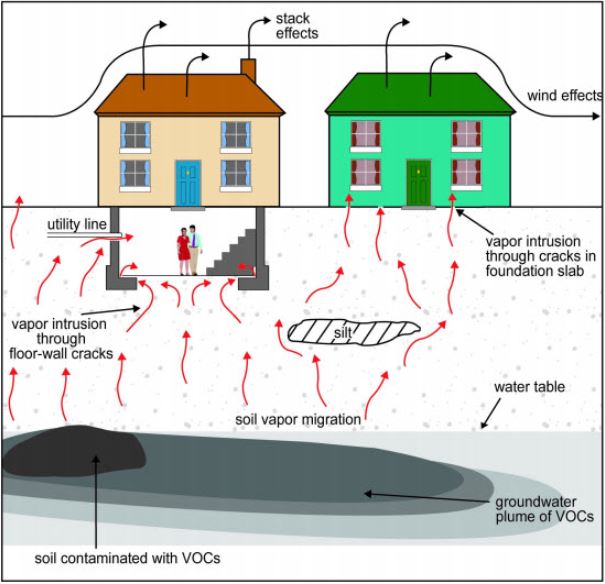
Vapor intrusion occurs when vapor-forming chemicals migrate from a subsurface source into an overlying building. The subsurface source is typically contaminated soil and/or groundwater. These vapor-forming chemicals can cause indoor air quality (IAQ) problems and sometimes pose a health concern for building occupants.


Examples of vapor-forming chemicals listed by the U.S. Environmental Protection Agency (EPA) include:

  • Volatile organic compounds (VOCs), such as trichloroethylene and benzene.
  • Select semi-volatile organic compounds (SVOCs), such as naphthalene.


The agency goes on to warn that in extreme cases, the vapors may accumulate in dwellings or occupied buildings to levels that may pose:

  • Near-term safety hazards (e.g., explosion).
  • Acute health effects.


“Vapor intrusion of soil vapors, from naturally occurring methane to synthetic chemicals into the built environment, is a concern to occupant health. These unwanted compounds can result in acute occupant exposure to high concentrations over short periods and/or chronic exposure to low concentrations over extended period. Both acute and chronic chemical exposure may pose an unacceptable risk of health effects,” said Jeff Bannon, PG, Vice President of Environmental Services for Clark Seif Clark, Inc. (CSC). “Creating a sampling plan, executing that plan, interpreting the results, and assessing occupant risk over both the short and long-term requires consideration of numerous factors. Consideration is given to chemicals used and stored in the structure, building activities, type and concentration of compounds in soil beneath the structure, ventilation, building pressures, and much more. At CSC, our expert staff can identify vapor intrusion risks utilizing the most advanced testing methods, monitoring instruments, and decades of experience. If vapor intrusion issues are found, there are mitigation techniques that can be implemented to improve indoor conditions.”


CSC recently sponsored an educational video about vapor intrusion and indoor air quality that can be seen below.


To learn more, visit www.csceng.com or call 800-807-1118.  

CDC Offers Action Items to Reduce Infection Risks in Schools


In May, the Centers for Disease Control and Prevention (CDC) announced the release of new guidance for preventing the spread of infections in K-12 schools. The agency shared various everyday actions that schools can take to help keep students healthy by mitigating the spread of infections. 


The five actions listed by the CDC are:

  1. Taking steps for cleaner air.
  2. Cleaning, sanitizing, and disinfecting.
  3. Hand washing.
  4. Respiratory etiquette.
  5. Vaccinations.


Cleaner air can reduce the likelihood of spreading disease, particularly respiratory viruses. Strategies listed by the CDC to achieve this include:

  • Ensuring existing HVAC systems are providing outdoor air in accordance with ventilation design codes.
  • Considering ventilation design and/or enhancements when remodeling or constructing new buildings to optimize clean air.
  • Opening windows, when doing so does not create a safety hazard, to increase ventilation.
  • Using portable air cleaners in spaces with low ventilation.


Infection prevention can be as simple as conforming with the design occupancy rate by ensuring no more students occupy a space than the system was designed to handle. Infection prevention can also be complicated, such as struggling to identify the target pathogen, choosing target-appropriate disinfectant for pathogens of concern, mixing cleaning and disinfecting agents according to the manufacturer’s specification, applying agents in compliance with the EPA registration requirements for precleaning, dwell time, rinsing, etc. 


To assist in these efforts, the infection control, industrial hygiene, and indoor environmental quality experts at CSC offer school building assessments and inspections; HVAC system evaluations; 3rd party confirmation of cleaning and disinfection protocols; and air, surface, and water testing for environmental pathogens. These resources support programs by schools and universities to protect their students, teachers, and staff. CSC even provides training services for school administrators and facility managers to help ensure they have the knowledge and tools to optimize indoor conditions in the classroom and other educational facilities.” 


CSC also recently sponsored an educational video sharing the CDC’s everyday action items for schools to prevent and control the spread of infections. It can be seen below.


To learn more, visit www.csceng.com or call 800-807-1118.    

Clark Seif Clark, Inc. (CSC) is the preferred environmental consultant for healthcare facilities, architects, schools, builders, contractors, developers, real estate professionals and municipalities. CSC provides air quality testing, monitoring, consulting and training services to reduce building occupant exposure to airborne pollutants and optimize indoor conditions.


Asbestos | Indoor Air Quality | Infectious Disease | Lead | Litigation Support

Mold | Occupational Health & Safety | Site Assessments


Contact Us

Clark Seif Clark, Inc.

Phone: 800-807-1118

Website: www.csceng.com

Email: csc@csceng.com

Facebook  LinkedIn  X