CLEAN Educator Newsflash

June 25, 2024

Hello CIRES,


This month, we are excited to highlight the Fifth National Climate Assessment (NCA5) Teaching Resources. The NCA5 offers a wealth of actionable science about the causes, effects, risks, and possible responses to human-caused climate change. CLEAN, along with project partners, has developed a series of guides for educators that focus on the regional chapters of the Assessment Report, helping to unpack the key messages of each region and point to related, high-quality online resources.

Learn About the NCA5 Teaching Resources

  • Informational Webinar in partnership with NSTA focusing on CLEAN and the National Climate Assessment
  • Educational Resources and Guiding Questions for each regional chapter
  • CLEAN Curated Pathways to Action for each Region
  • NCA5 Non-Regional Chapter Connections
  • Art × Climate 
Explore the CLEAN Collection

Thank you for subscribing to the Teacher Newsflash. Follow this link if you want to sign up for the newly introduced CLEAN Network Newsflash. 

Sign up for the Network Newsflash

CLEAN and the National Climate Assessment Informational Webinar

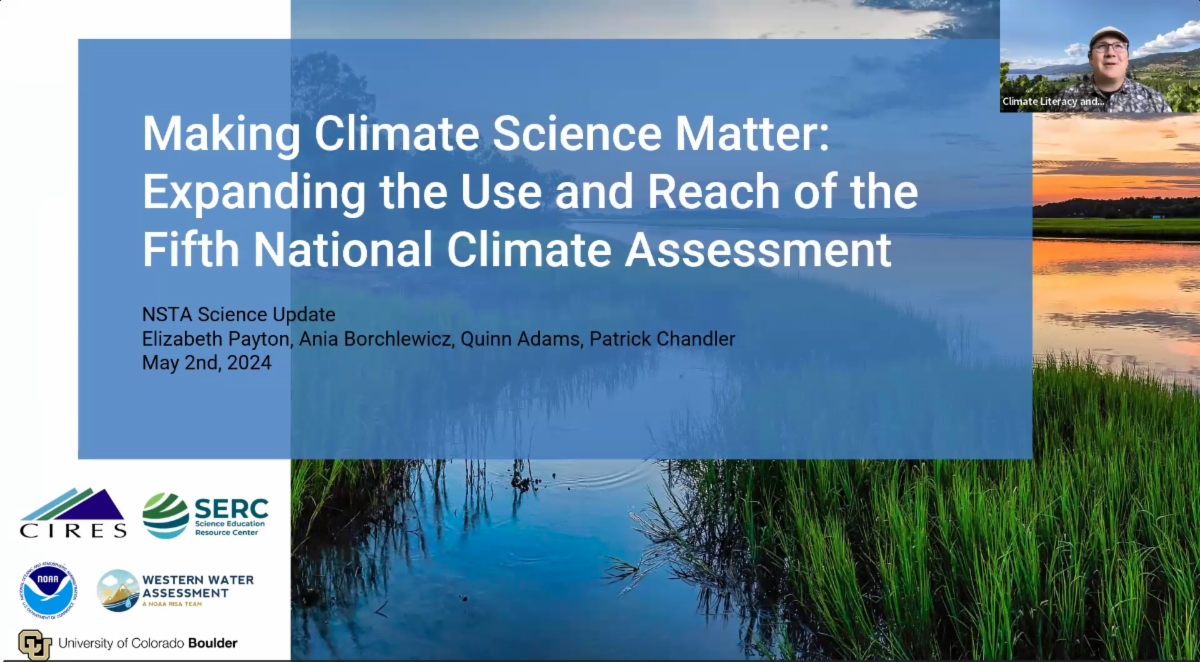
To learn more about CLEAN and the NCA5 Teaching Resources, check out this informational Science Update webinar. This informative session, recorded on May 2, 2024, goes into more depth about the contents of these climate science resources and offers valuable insights for educators on how to effectively use the resources.


Watch the full recording here.

Learn More

Educational Resources and Guiding Questions for each Region

Each NCA5 regional chapter includes four to seven Key Messages that highlight the most important issues for that region. To unpack the key messages and support educators in bringing them to their students, we have included three guiding questions for each Key Message. Guiding questions include example lessons and supporting videos. The lessons were taken from the Climate Literacy and Energy Awareness Network (CLEAN) educational resource database. The videos were selected from reputable sources to support the lessons.


Here's an example from the Southwest Chapter:


Key Message One: Drought and Increasing Aridity Threaten Water Resources

Guiding Question One: What are the sources of water in the Southwest and how will decreasing snowpack impact water use choices?


Example Lesson - Water, Water, Everywhere

National Weather Service

https://cleanet.org/resources/56079.html

Description: This classroom demonstration illustrates the amount of water stored in various parts of the Earth system in a straightforward manner. Students estimate the proportions of water in the oceans, icecaps and glaciers, groundwater, freshwater lakes, inland seas, soil moisture, atmosphere, and rivers. Then they fill beakers with the actual proportion and discuss what elements of the activity were surprising to them. Information on flash floods and flood preparedness and safety are included.

Instructional Time: 20 minutes

Grade Level: Third through eighth


Supporting Video - Water: A Zero Sum Game

University of Colorado Boulder

https://www.youtube.com/watch?v=1tbR0i3hTao

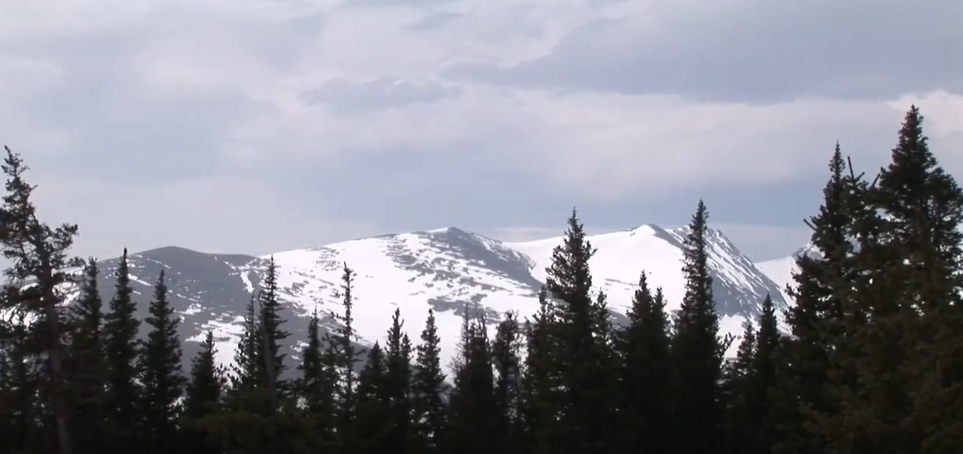
Description: This video takes viewers high into the Rocky Mountain snowpack, where researchers dig snow pits to explore the source of Colorado's water supply. Highlights the importance of snowpack on the supply of fresh water available in western and southwestern states. Snowmelt dynamics are discussed, including the impact of a warming climate.

Video Length: 5:08 minutes


Learn More

CLEAN Curated Pathways to Action for the Region

CLEAN curated pathways to action are actions that include components for taking steps at national, regional, and classroom levels which are meant to support and inspire students and educators to take steps in their schools and communities that address the climate change challenges outlined by the NCA5 for their region.


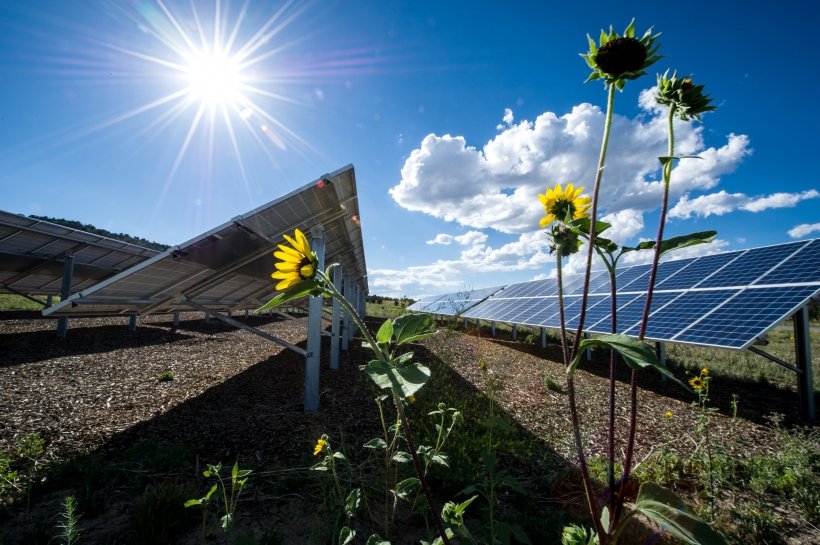
For the Midwest region, one of the actions is "Building Retrofitting" and the classroom-level actions include learning about how your campus can become more energy efficient. To explore the curated pathways for the Midwest click here!

Learn More

NCA5 Non-Regional Chapter Connections

The National Climate Assessment includes multiple chapters on climate change-specific topics in addition to the regional chapters. The topic-focused chapters and key messages offer ways to further engage with the NCA and find out more information related to the challenges the region will face.


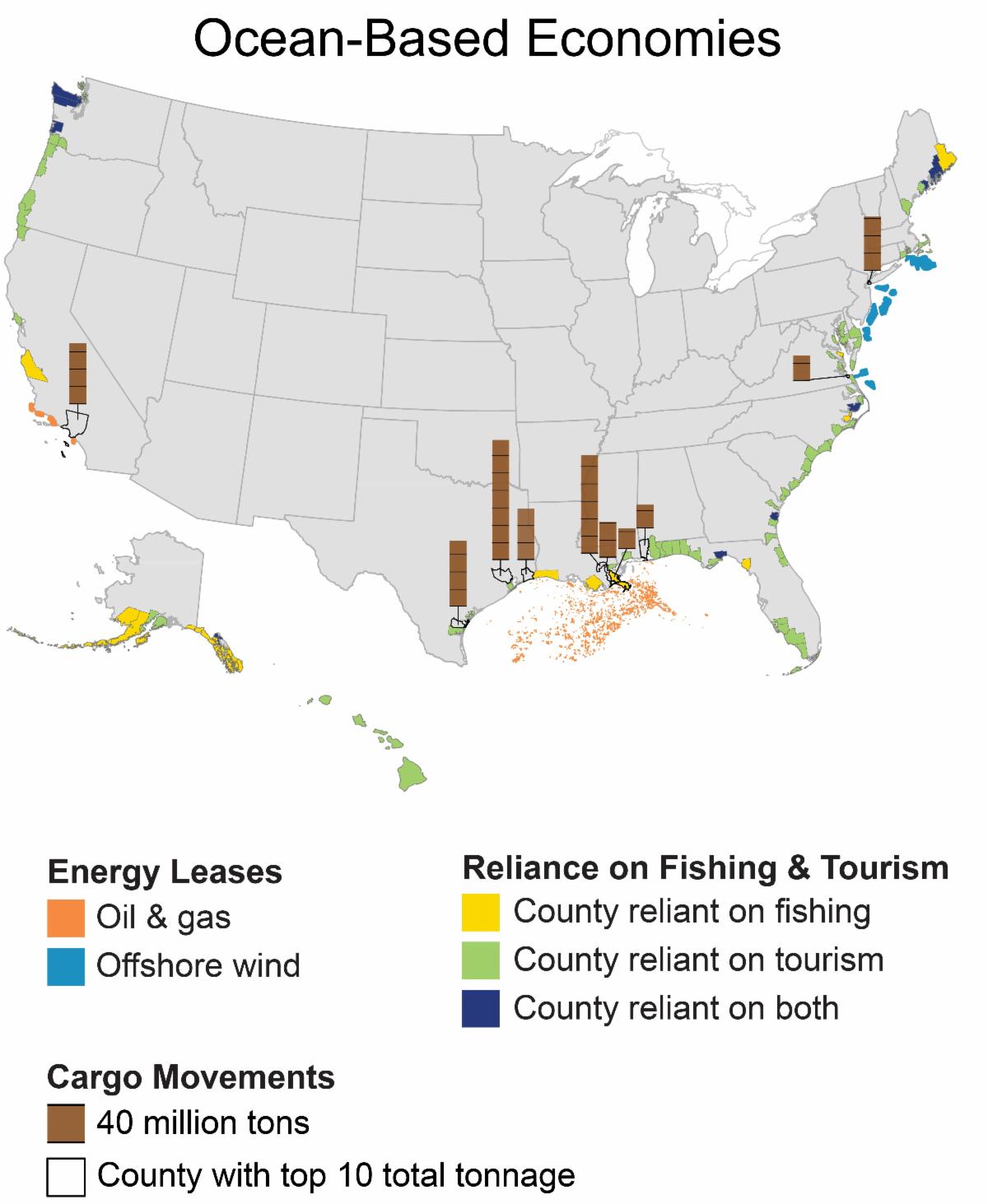
For example, in the Northeast region, one of the chapter connections is Chapter 10 of Ocean Ecosystems and Marine Resources which discusses how climate change is altering marine-related economic activities. Click here to explore the chapter connections for the Northeast.

Learn More

Art × Climate Gallery

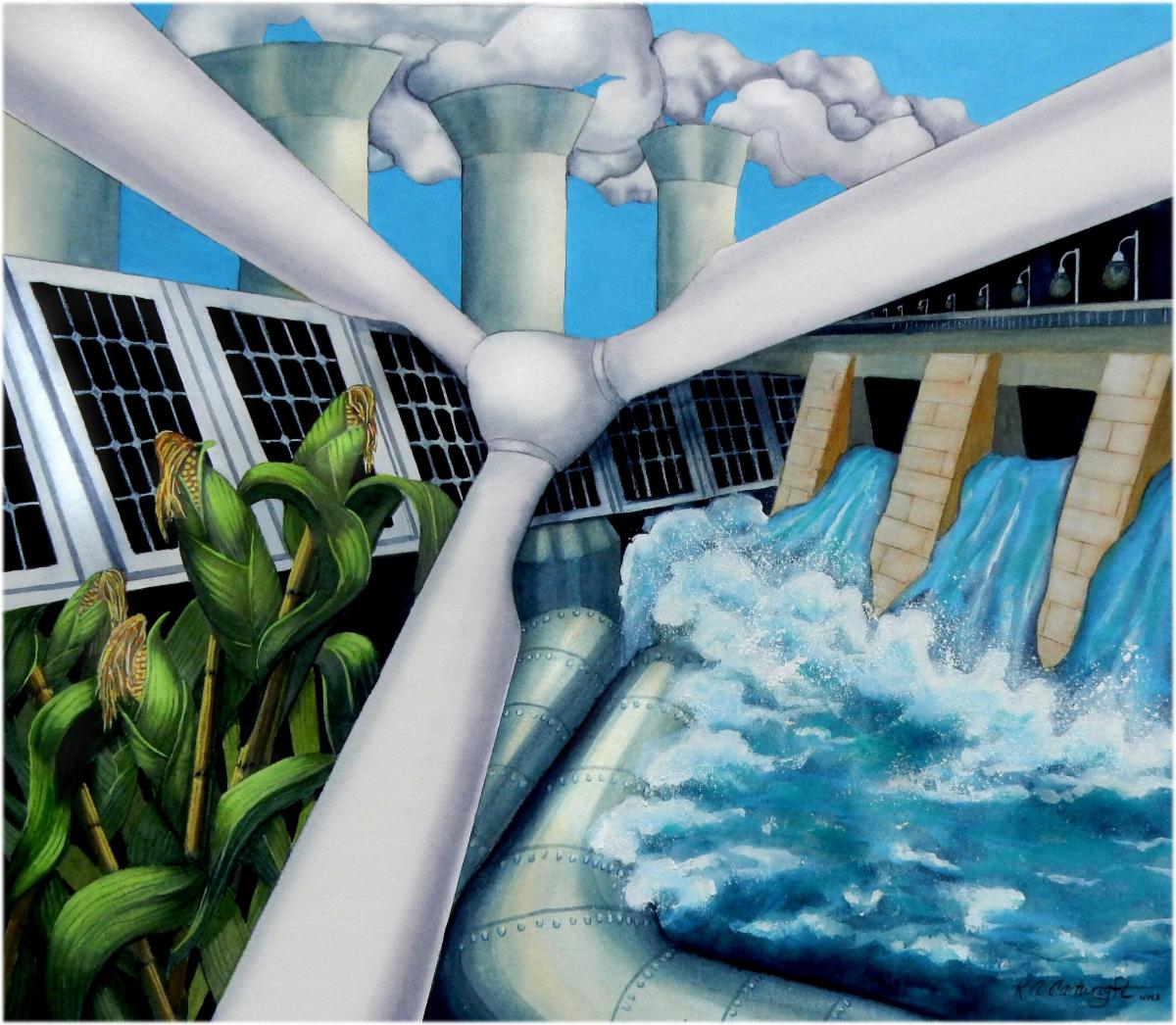
Katherine Cartwright, Alternatives

(2022, WATERCOLOR)


Each of the regional chapters also features art selections from the Art × Climate gallery, the first art exhibition featured in the National Climate Assessment.


Hosted by the US Global Change Research Program, this unique collection showcases 92 artists selected from over 800 submissions. The artworks represent all 10 NCA regions and vividly depict the causes and impacts of climate change in the United States, highlighting the strength of our collective response.


Click here to check out the entire gallery!

Learn More
Other CLEAN Resources
Accurate education about climate and energy topics has never been more important, and it can be challenging to locate reliable, vetted educational materials to use in your classroom. 
Explore the CLEAN collection of climate & energy learning resources

CLEAN supports teaching and learning about climate and energy with nearly 1000 free peer-reviewed, scientifically accurate, and classroom-ready resources.

Browse the CLEAN collection by NGSS topics

CLEAN supports teaching and learning about climate and energy with nearly 1000 free peer-reviewed, scientifically accurate, and classroom-ready resources.

Check out the CLEAN STEM Flash Library of past issues
Facebook  Twitter  Instagram
CLEAN is funded by grants from the National Oceanic and Atmospheric Administration (NA12OAR4310143, NA12OAR4310142), the National Science Foundation (DUE-0938051, DUE-0938020, DUE-0937941) and the Department of Energy.

Any opinions, findings, and conclusions or recommendations expressed in this material are those of the author(s) and do not necessarily reflect the views of the National Science Foundation.

Received this as a forward? Sign up to get future issues sent to your inbox.