Better, Together

CELEBRATING CULTURE ACROSS THE GREAT PLAINS 

National Disability Employment Awareness Month

Oct. 2023 | Issue 7

This month we are celebrating National Disability Employment Awareness Month!


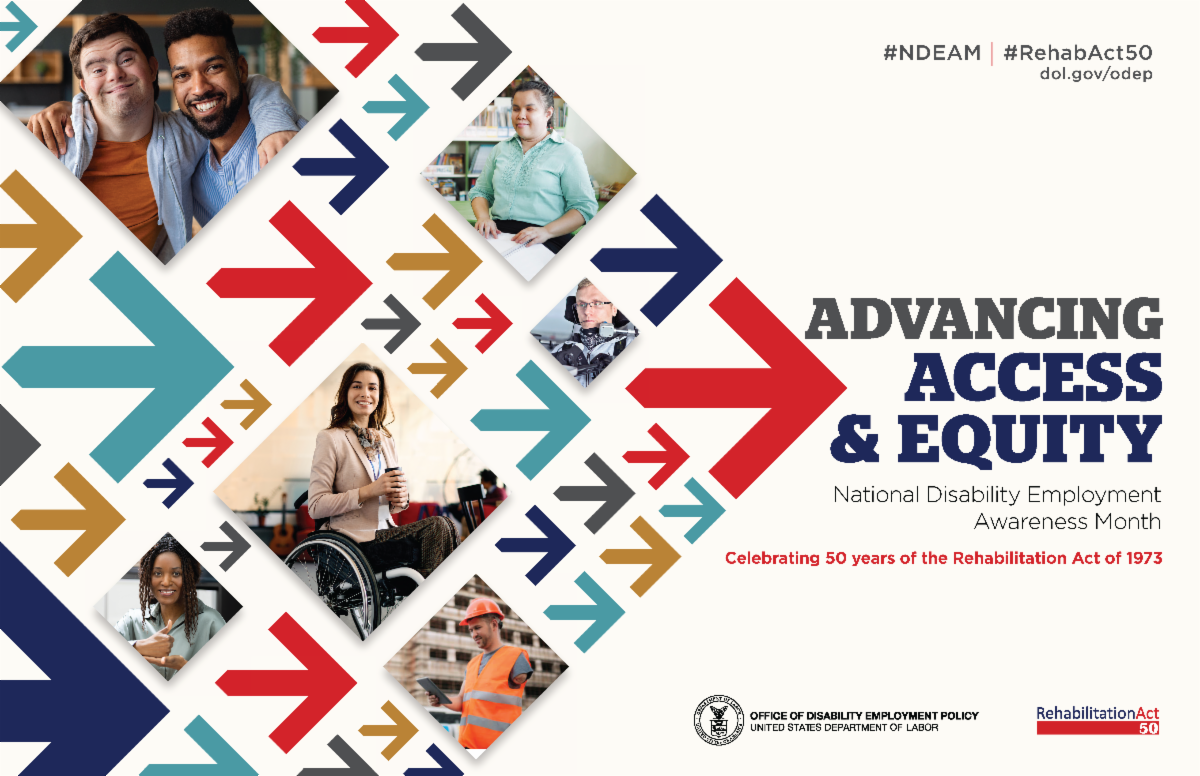
Observed each October, National Disability Employment Awareness Month (NDEAM) celebrates the contributions of America’s workers with disabilities past and present and showcases supportive, inclusive employment policies and practices that benefit employers and employees.

The theme for NDEAM 2023 is "Advancing Access and Equity."

Learn more here

Disability and Work:

Let's stop wasting talent


Drawing on her own experience in the medical profession, Hannah Barham-Brown argues that people with disabilities are an asset more employers need to harness.

Full video here

Removing Obstacles for Disabled Workers Would Strengthen the U.S. Labor Market

Although disabled people saw increased employment rates in 2021, rates continue to lag significantly behind those of their nondisabled counterparts, signaling the urgent need for policy reform across federal and state governments.

Read report here

Supporting Employees with

Seen and Unseen Disabilities

in the Workplace

Employers need to be proactive and intentional about supporting people with disabilities in the workplace, from how they approach recruiting and hiring to ensuring employees feel included and involved once they're on the job.

Read article here

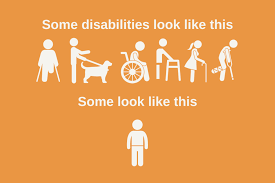
Did you know that many people have physical or mental impairments that may not be immediately apparent to others?


These hidden disabilities are often referred to as ‘invisible disabilities’ and can include chronic pain, sensory and processing difficulties, and traumatic brain injury, among others. Unfortunately, despite the prevalence of invisible disabilities, there is still a lack of understanding and awareness surrounding them.

Learn about common invisible illnesses here

Vocab 101: Ableism


Ableism is the discrimination of and social prejudice against people with disabilities based on the belief that typical abilities are superior.


Five Types of Ableist Comments and How to Respond to Them


At its heart, ableism is rooted in the assumption that disabled people require ‘fixing’ and defines people by their disability. Like racism and sexism, ableism classifies entire groups of people as ‘less than,’ and includes harmful stereotypes, misconceptions, and generalizations of people with disabilities.

Learn how to become an ally here

Implicit Bias Test
Facebook  Twitter  Instagram  Youtube