Village Gardener Express
Official Newsletter of Ebert's Greenhouse Village
W1795 Fox Rd.  Ixonia, WI  53036   (920)-261-5645

Belgian and Garden Mums


September 8th, 2022

Hello Anne,


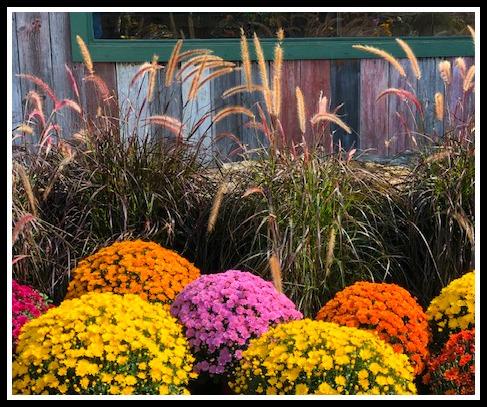
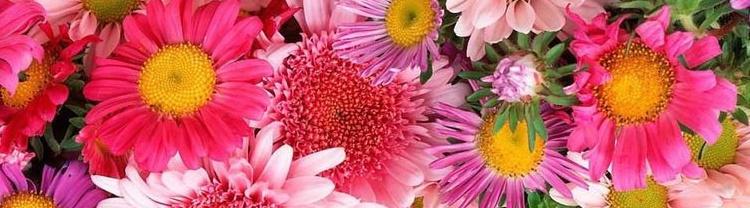
Chrysanthemums have long been a favorite for spectacular fall color and will provide a fantastic show from mid-September until the first killing frost. Whether they are garden mums or Belgian mums, They can be planted in containers or beds and look great when grouped together. Grab a bunch and "pump up the color jam" in your fall landscape!

Yay! It's Mum Season!


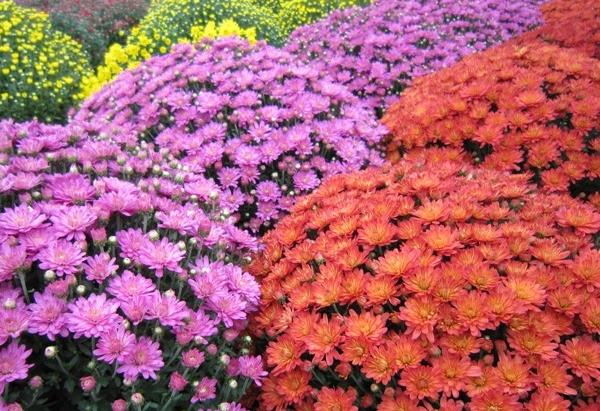
With their tight, mounding growth habit, stunning bloom cover, and wide variety of colors to choose from, Chrysanthemums are a fall favorite for the avid and novice gardener alike! The question often arises: What is the difference between Belgian and garden mums? 


Traditional garden mums are not a perennial and are grown to bloom in the fall. This type of mum has been grown to set buds for September and October blooming, which is where the majority of the energy goes rather than on root development. They are sold as an annual for the fall color show, which is why they don't come back in spring in our zone. The blooms can be "daisy" variety, have petals that have a "spoon" (petal actually looks like a spoon) shape or a "decorative" shape that has long overlapping petals that can curve up or in a downward and out direction.


Belgian Mums are actually a subset of perennial mums and in southern climates are a true perennial. They are named after their country of origin and their buds are more numerous and more prolific than other mum varieties. The blooms are usually large and full and either of the "cushion variety (round blooms with petals throughout the sides) or the "daisy" variety where the center of the bloom is surrounded by longer petals. Belgian mums generally tend to have sturdier stems also, which can withstand wind and rain better than other mum varieties.


 No matter your preference, mums are a gorgeous addition to your landscape when your annuals are done with their show for the summer!


Check out our website for the mums we have available. As always, if you have any other questions, please email or call us anytime - we're happy to help!

Tips for Creating a Stunning Fall Container


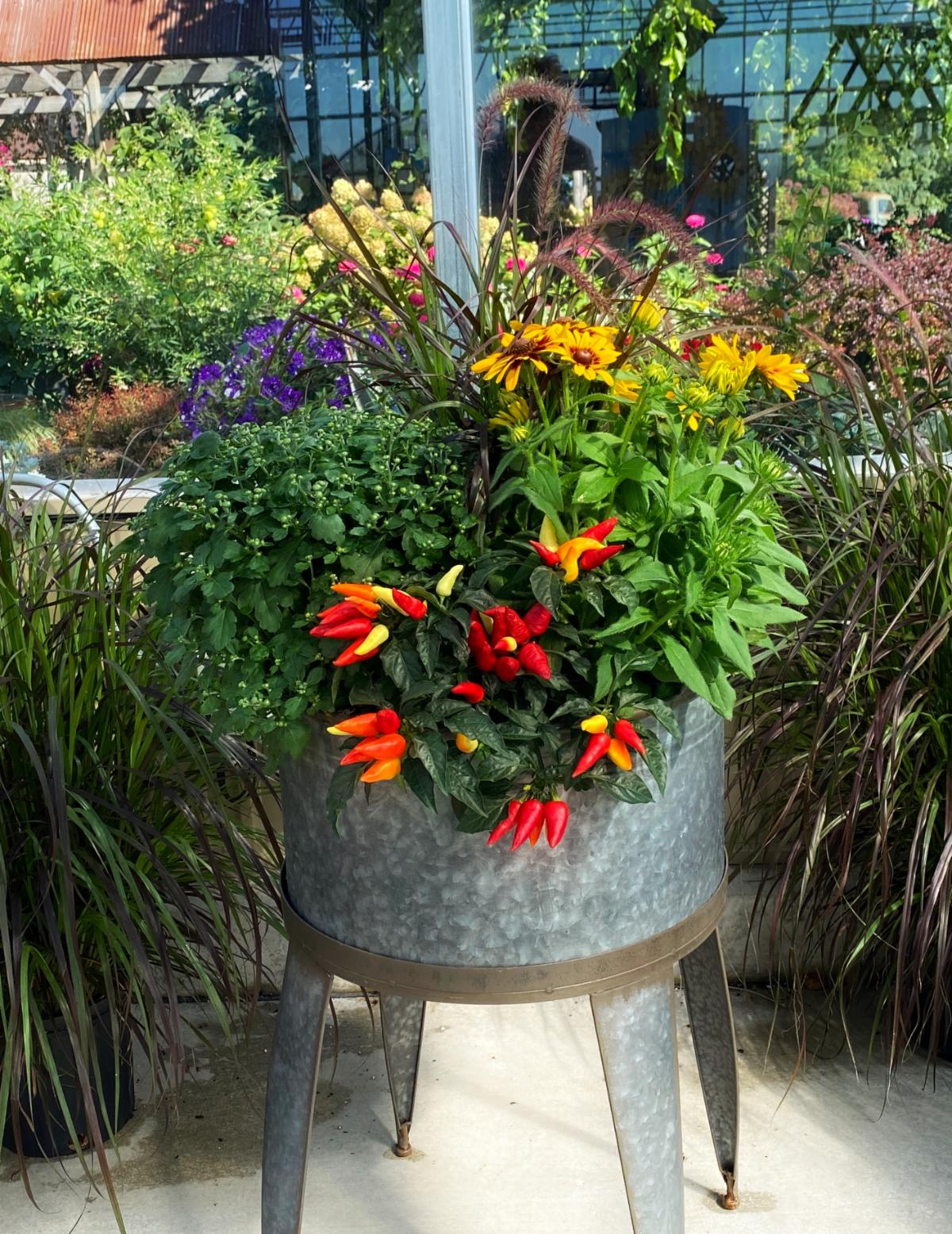
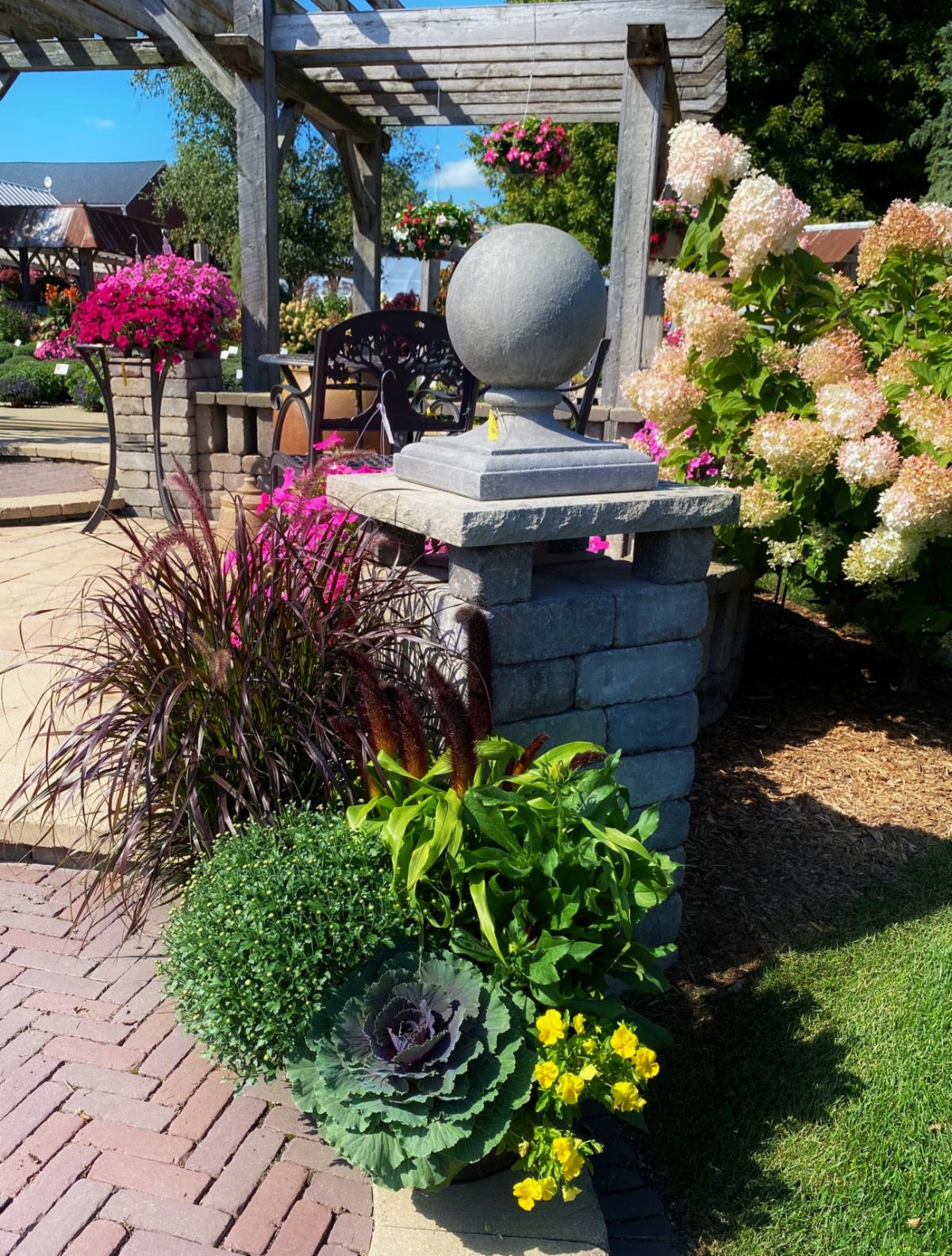
  • Planting your fall containers can be just as fun as planting them in spring. It is also very easy! Here are a few tips to keep in mind as you put together your own stunning fall containers:


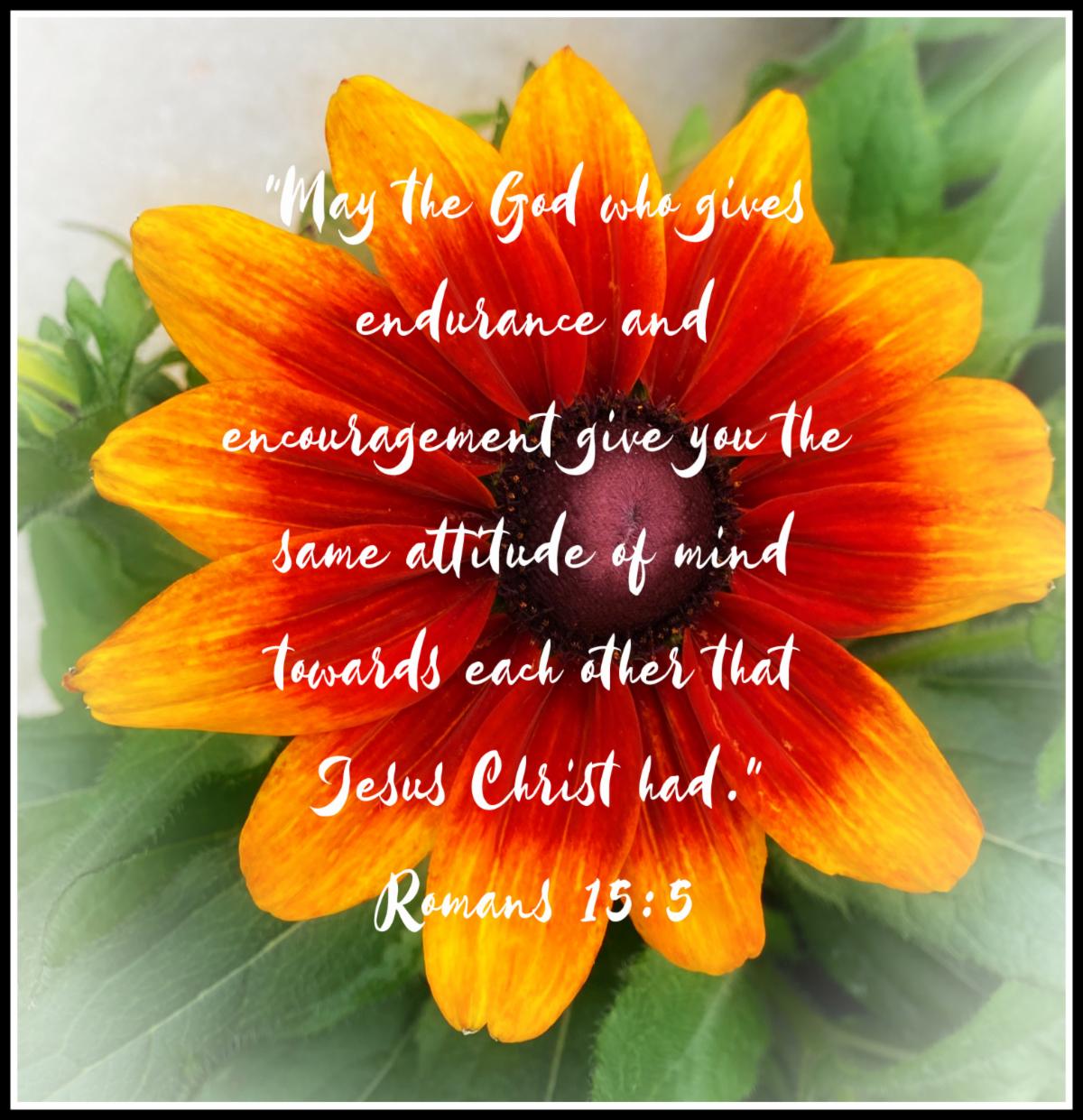
  • Use "easy" plants - these fall plants include Purple Fountain Grass, Garden Mums, Asters, Flowering Cabbage/Kale, Annual Rudbeckia, Ornamental Peppers, and Pansies.


  •  Put taller plants in the center or back: Purple Fountain Grass and tall Rudbeckia work very well.


  • Plant early, mid-season, and late-season mums for continuous fall color.


  • Leave some space on the edge of the container for pansies. They make a very colorful border.


Remember, we are always here to help - just ask one of our team members for ideas and inspiration for choosing and arranging your plants!

Melinda's Choice of the Week  


Viburnum


Flowers, foliage, fall color and low maintenance describe the versatile viburnum.  Use them to create an attractive screen, hedge or mixed border.  Several viburnum varieties make great specimens or small groupings in the landscape.

You and the butterflies will enjoy the lacy or snowball shaped white, often fragrant spring blossoms. As the blossoms fade berry-like fruit begins to develop and matures to red, blue or black. Most viburnums finish the growing season in a blaze of color. Their green leaves turn orange, red, or purple in fall.

Grow them in full sun to partial shade, and moist well-drained soil.  

Melinda's Garden Tip of the Week


Take some time now to reduce insect and disease problems in next year’s garden. Remove and destroy any insect- and disease-infested plants and fruit from the garden as they are discovered and during fall cleanup. These serve as overwintering sites for disease organisms and insects that can re-infest next year’s planting. 

Disposing of these materials can be challenging. Most compost piles do not reach high enough temperatures to kill weeds, their seeds, insects and disease organisms.

Start with a call to your local municipality and ask about disposal options. Many communities allow you to dispose of small amounts of problem and invasive plants in the garbage. 

You can try cooking away these problems by placing the plant material in a clear plastic bag set in a sunny location. Solarization is only effective when the temperatures are hot enough, around 140º F, to kill most of these pests.

Burning is effective but not permitted in many communities and has a negative impact on air quality. Burying diseased material can help reduce the source of future infection of some diseases. Dig a hole away from susceptible plants, fill with plant debris, mix with soil then cover with at least an inch or two of disease-free soil.

All your cleanup efforts this fall will help reduce the risk of problems and extra work in next year’s garden.

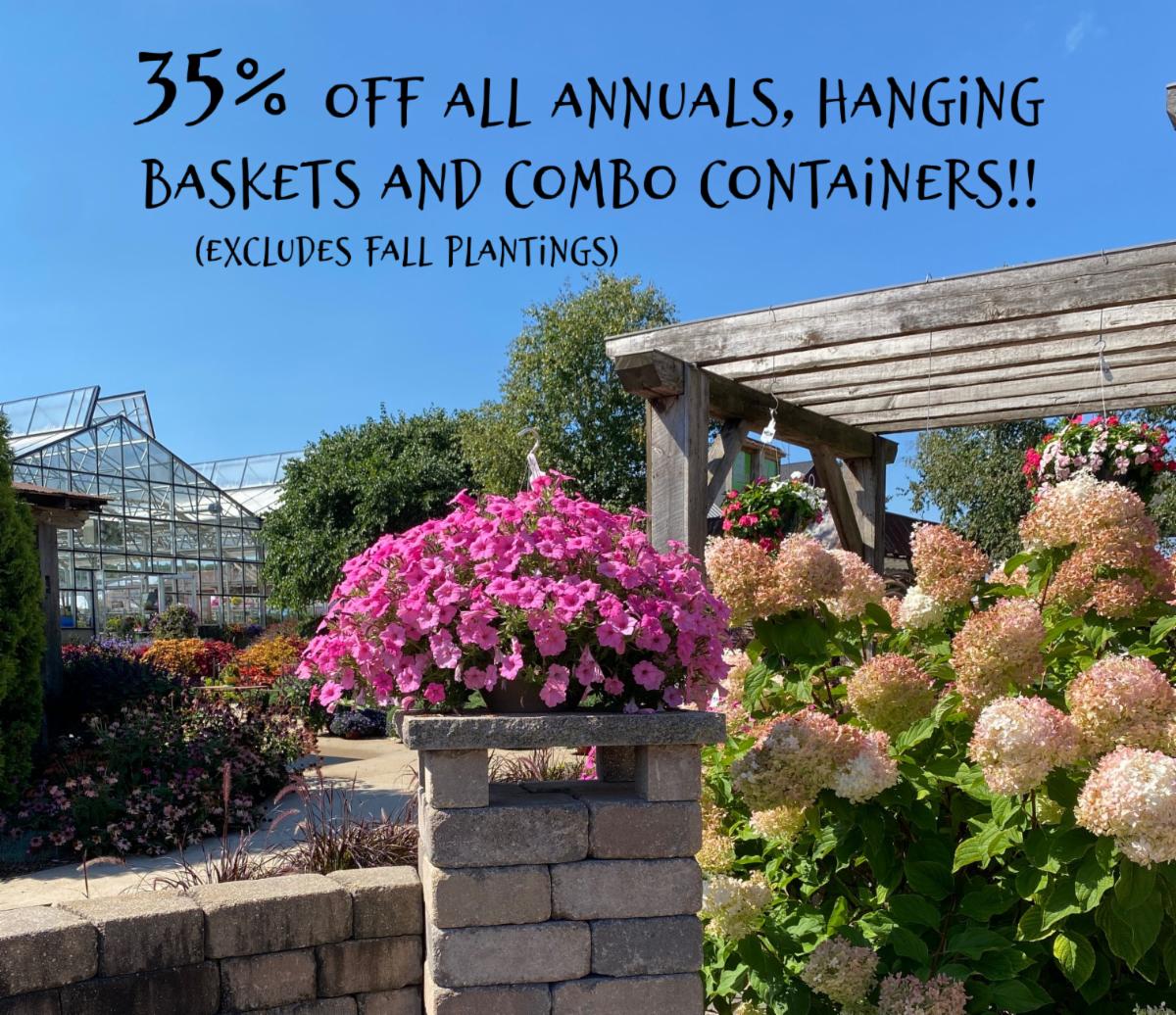
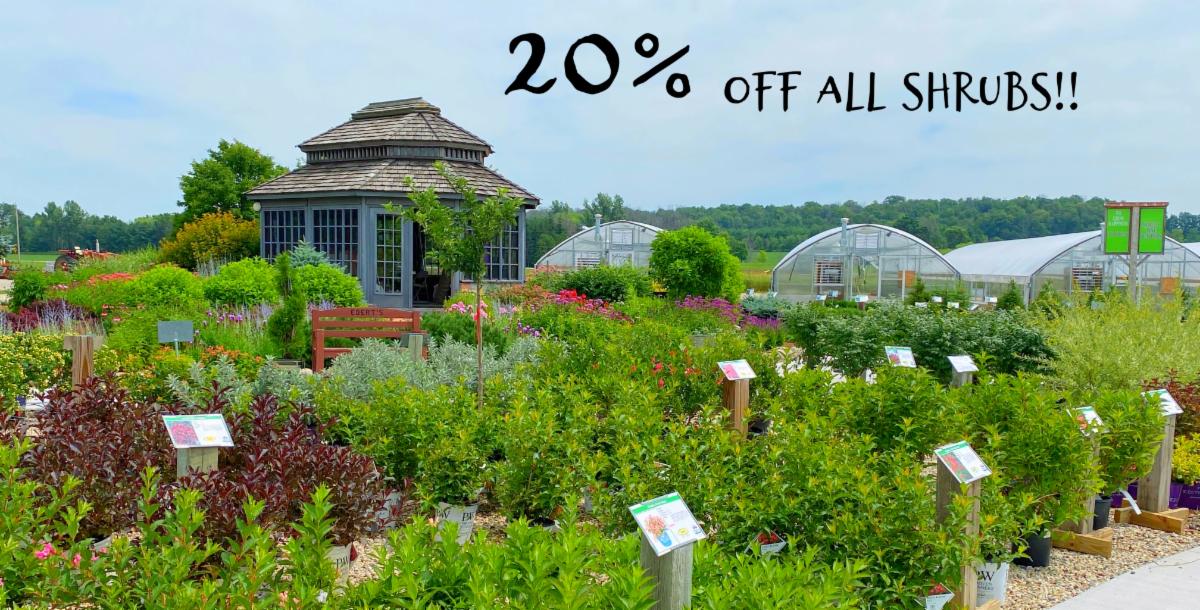
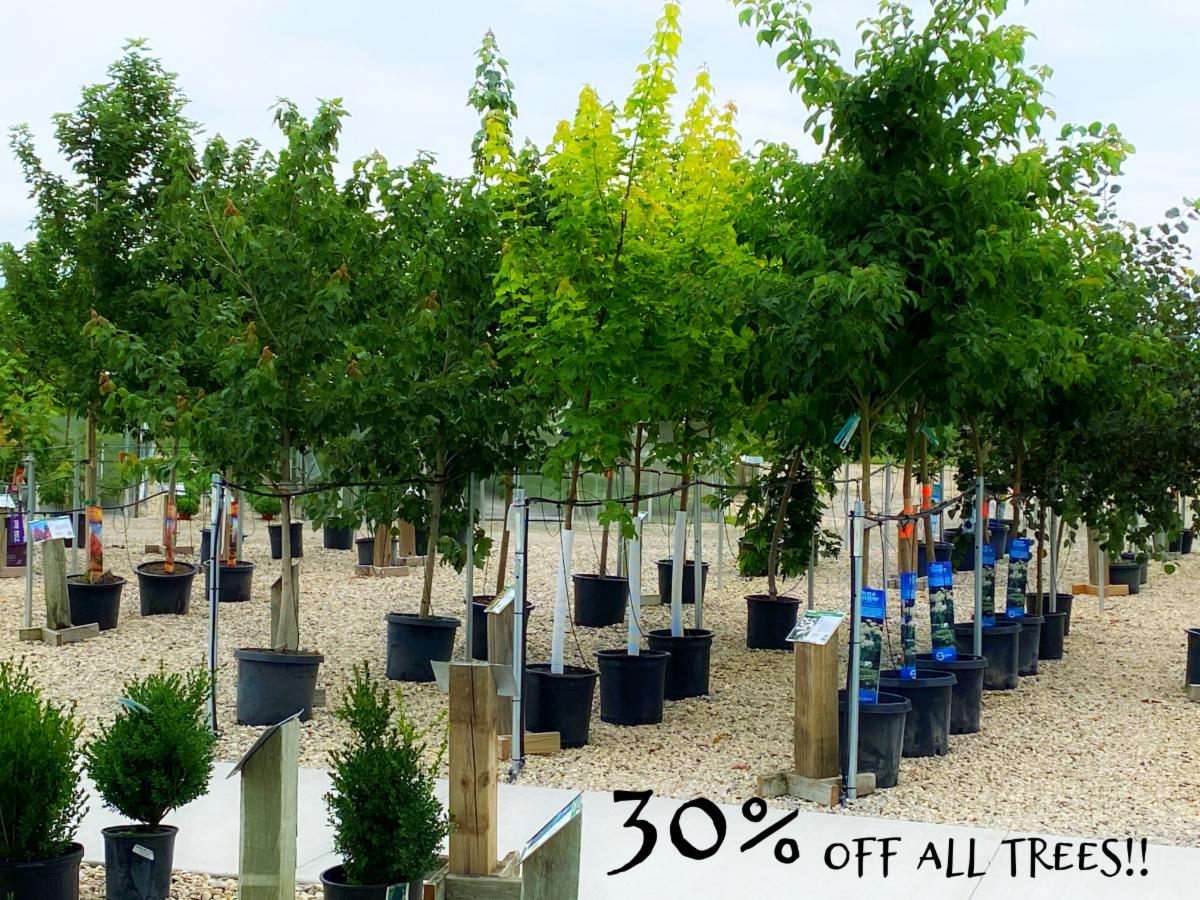
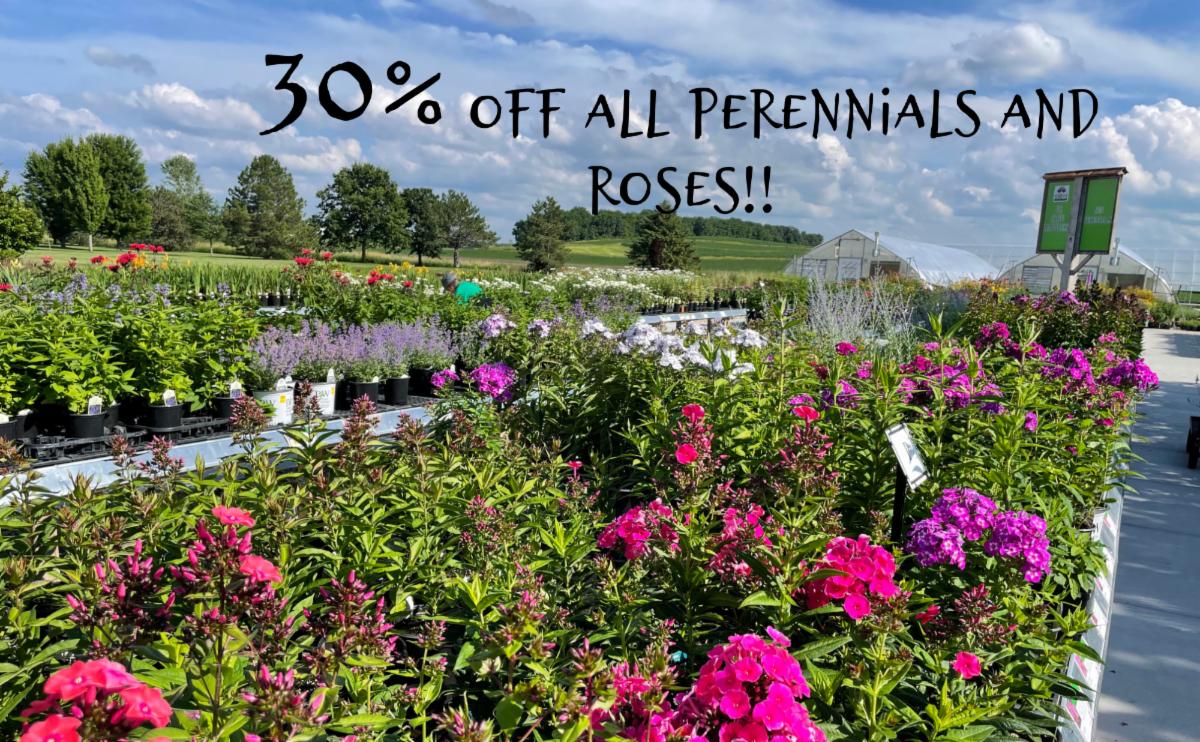
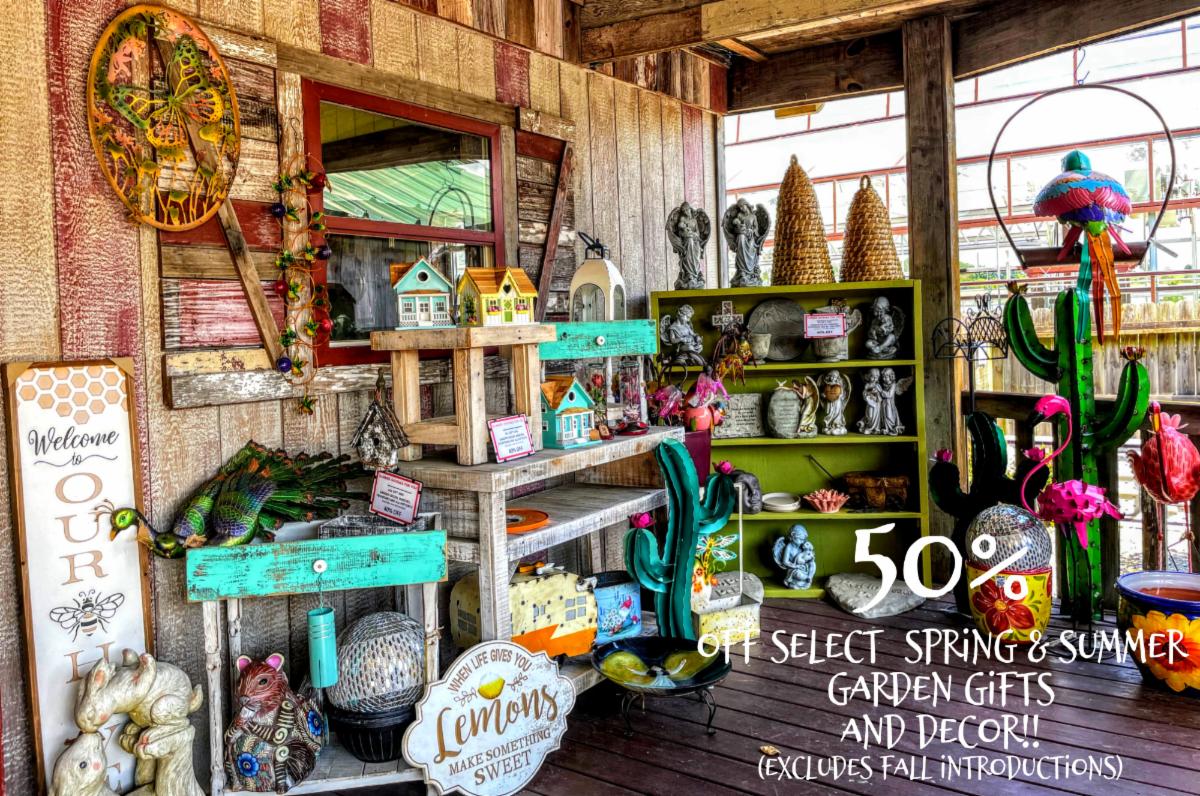
Sale Prices Valid thru Sunday, September 18th

When is the First Day of Fall?


The first day of fall is Sept. 22, the day of the autumnal equinox. The equinox marks a midpoint between the summer and winter solstices — the longest and shortest days of the year.


Final Thoughts...


September brings crisp fall air, cooler temperatures, beautiful fall colors, textures, scents and more. Surround your home inside and out, with all that fall has to offer. We have everything you need to enhance your landscape and home for the fall season.


Take a look at our latest video where you can see what's going on behind the "fall scene" here this time of year.

Start of Fall in the Village - YouTube


God's Blessings to You All!

Your Friends at Ebert's Greenhouse Village

Contact Us
Facebook  Twitter  Instagram  Pinterest