|
DYSKINESIA, DYSTONIA, AND EXERCISE IN PARKINSON’S
Medical Motor Symptoms November 4, 2022
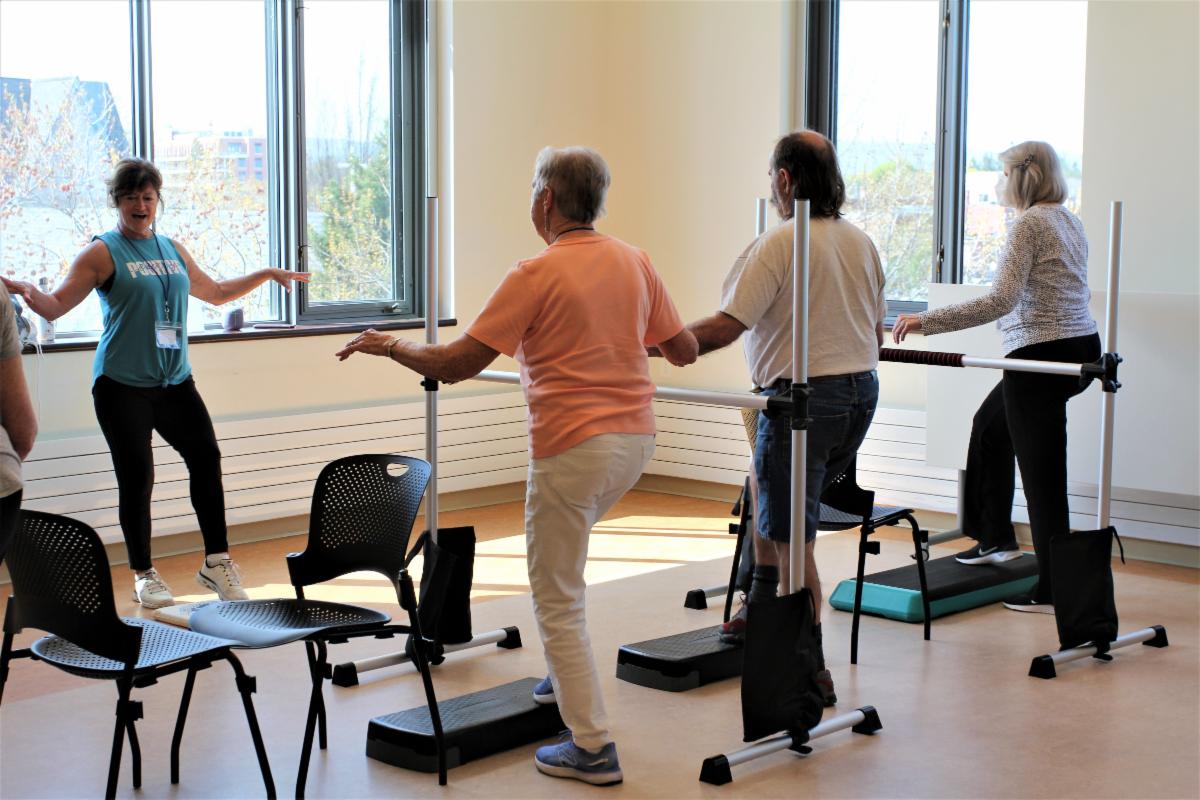
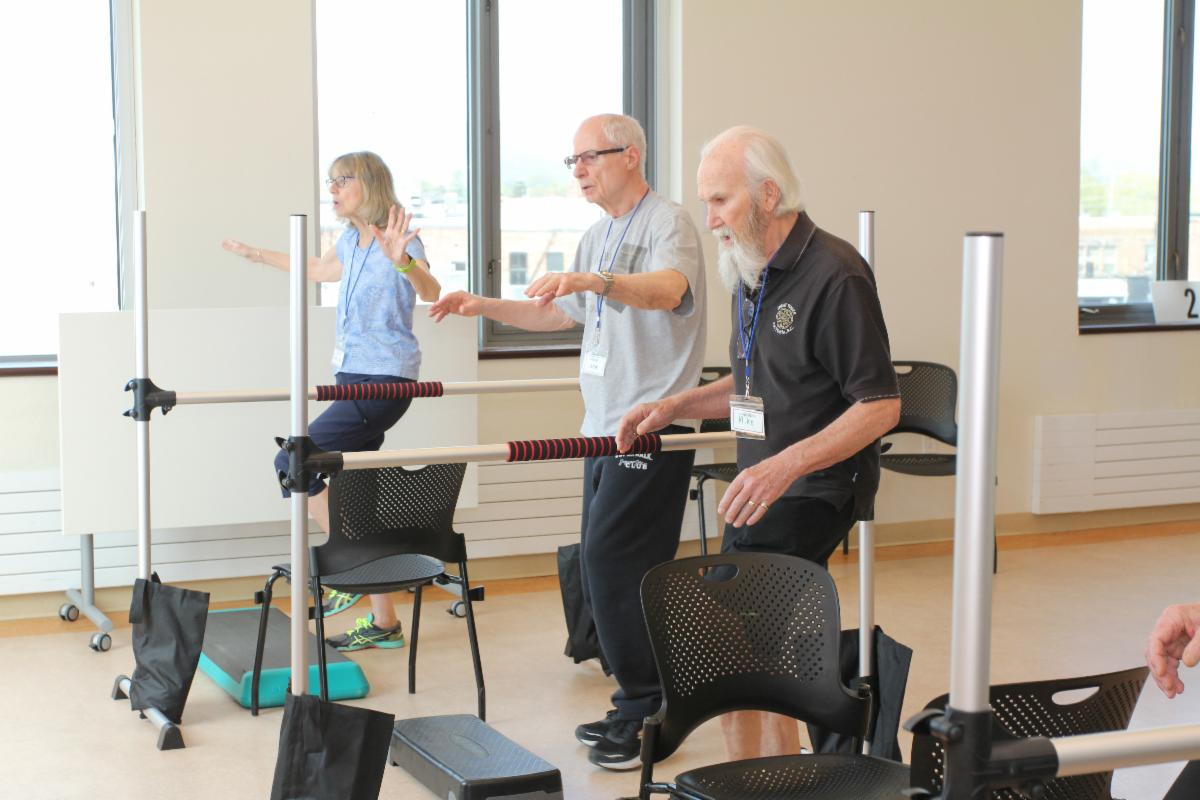
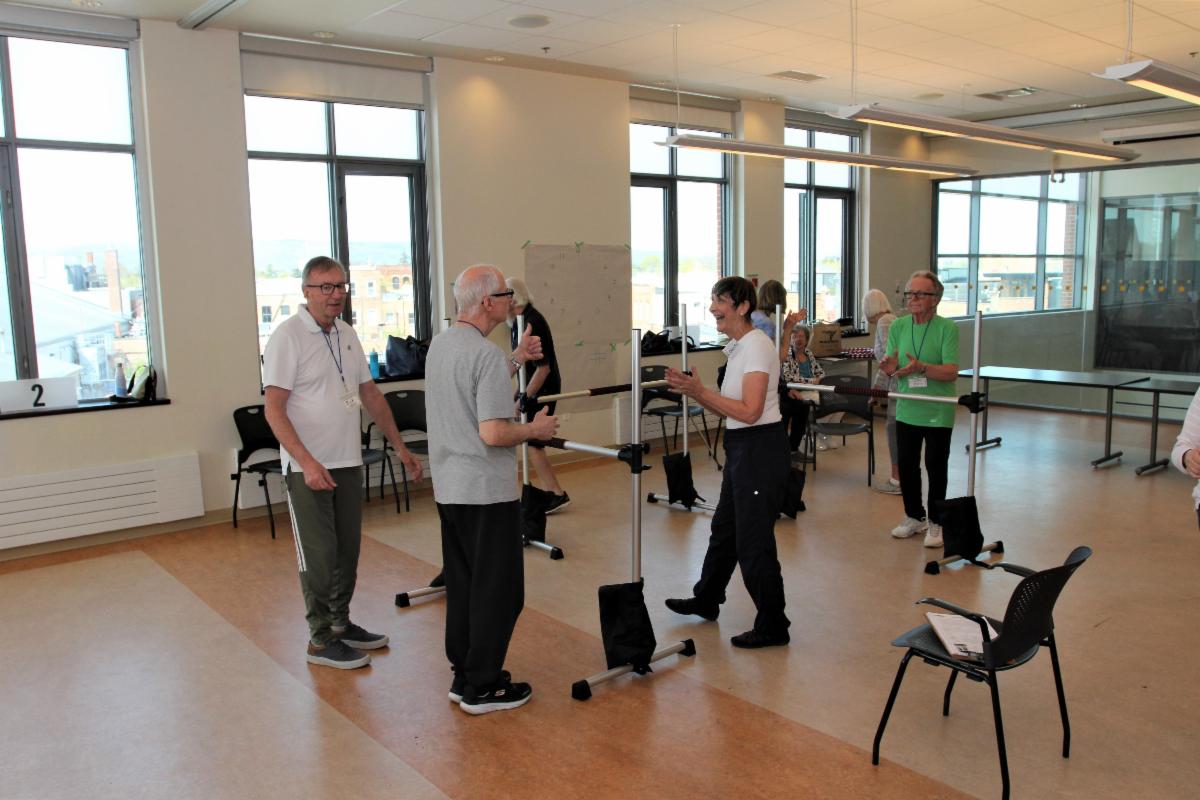
The benefits of exercise for people with Parkinson’s are well-known. Research shows that exercise improves non-motor symptoms such as depression and anxiety and motor symptoms such as dyskinesia, tremor, stiffness, bradykinesia, and freezing of gait. So, if exercise is the magic pill, why are you experiencing worsening dyskinesia or dystonia when you exercise?
Dyskinesia is the involuntary movement of a body part or the entire body that you can’t control. Dystonia is the involuntary stiffening or contraction of a muscle. It can sometimes be difficult to tell the difference between the two, but dyskinesia more often looks like jerky movements of an arm, leg, or face. By contrast, dystonia is a repetitive pattern of muscle movements that can appear across a much wider range of body parts, including the jaw, eyelids, hands, arms, feet, legs, face, and neck. Both are common symptoms of Parkinson’s and can be related to long-term use of levodopa, though dystonia can also be a symptom of Parkinson’s itself and unrelated to medication use.
Research shows that exercise substantially improves levodopa-induced dyskinesia and other motor symptoms in human and animal models. However, for some people, the exact opposite is true. It can be frustrating and challenging to navigate between knowing the many benefits of exercise and knowing the adverse effects it causes on you specifically.
Here are three possible reasons exercise may make your dyskinesia and/or dystonia worse and what to do about it.
1. MEDICATION
Levodopa is the gold standard medication for Parkinson’s because of its ability to help replenish depleted dopamine stores. However, some people develop dyskinesia when staying on high doses of levodopa over an extended period. Most people who experience levodopa-induced dyskinesia (LID) notice it during ON time when their other motor symptoms are well-controlled. However, some notice dyskinesia when they’re OFF.
An essential step to regulating dyskinesia/dystonia while exercising is paying attention to your own biorhythm. When do you notice dyskinesia on typical days – while you’re ON or while you’re OFF? Keep a time log of your medication dosage and frequency, your ON/OFF times, and your exercise times. You might notice that your symptoms get worse when your levodopa dose is wearing off in the morning, but if you’re exercising simultaneously, that can make the problem worse. Discovering your own pattern of ON/OFF time and scheduling exercise around it can maximize the benefits of exercise while reducing adverse side effects like dyskinesia/dystonia. You should also talk to your Movement Disorder Specialist (MDS) about appropriate medication and exercise timing to get the most out of your walk, ride, swim, or any other exercise you do.
2. TOO MUCH STRESS, TOO FAST
It’s strange to think about exercise as a stressor, especially when it’s well-known to relieve stress. But exercise puts stress on your body, and as your muscles and joints try to recover, your motor symptoms can get worse. Dyskinesia, dystonia, freezing, and tremors can all be exacerbated by physical or mental stress on your body. These symptoms can also occur when you push yourself too hard or fast. For example, skipping a stretch before a bike ride or jumping from the couch into 10-mile walks instead of starting with one or two miles can put your body under considerable stress, worsening your dyskinesia and/or dystonia. If you don’t ease into your exercise routine, you may feel exhausted, slow, and increasingly symptomatic.
Starting with small bursts of exercise throughout the day, like taking a 10-minute walk every couple of hours or doing some light stretching when you wake up and before bed, can ease your body into more activity. Creating routines is also essential. Research suggests that, on average, it takes about 66 days to build a new habit. If you can stick with a slow-building exercise regimen in that time, you can limit your dyskinesia/dystonia and address other motor and non-motor symptoms.
You may also consider including other stress balancers like meditation, journaling, art, yoga, and social activities in your schedule. While these aren’t related directly to dyskinesia/dystonia, they can be beneficial for reducing mental stress. And since mental stress often has physiological outcomes, reducing stress in your life can also help combat motor symptoms like dystonia/dyskinesia.
3. UNDERLYING DISEASE
While not very common, you may have an underlying condition causing exercise to worsen your dystonia/dyskinesia. Paroxysmal Exercise-Induced Dystonia (PED) presents as repeated incidents of involuntary movement during exercise like walking or running. PED can be genetic or linked to Parkinson’s and other movement disorders. In fact, PED is sometimes the first symptom that leads to an early-onset Parkinson’s diagnosis. It is rare, but symptoms can appear from early childhood to adulthood. Genetic testing can often reveal PED but visiting your MDS is the best source of information. There is some evidence that Deep Brain Stimulation (DBS) can help with various forms of dyskinesia, and your MDS is the best resource for determining whether you would be a good candidate.
While many aspects of your Parkinson’s, medications, and lifestyle can contribute to worsening dystonia or dyskinesia, leaning on your resources is always important. Members of your care team – especially physical or occupational therapists and movement disorder specialists (MDSs) – can be essential for discovering the cause of your motor symptoms and how to address them. For more information, check out our resources on care teams, the benefits of exercise, and dystonia. You can also watch a recording of our webinar on treating and managing dyskinesia or share your Moments of Victory story to help inspire other people with Parkinson’s to live well.
Movers and Shakers podcast
https://rorycellanjones.substack.com/p/movers-and-shakers-a-parkinsons-podcast
https://www.facebook.com/groups/146780564990635/
"It took me a while to accept help": Wasaga Beach Parkinson’s support group getting the word out.
https://www.simcoe.com/community-story/10869101--it-took-me-a-while-to-accept-help-wasaga-beach-parkinson-s-support-group-getting-the-word-out/
|