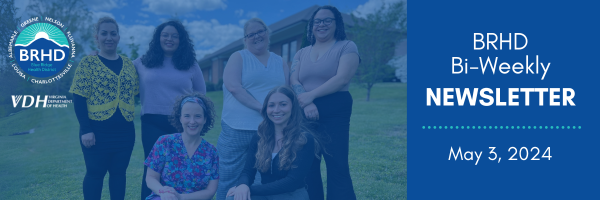
Blue Ridge Health District Bi-Weekly Newsletter. May 3, 2024.

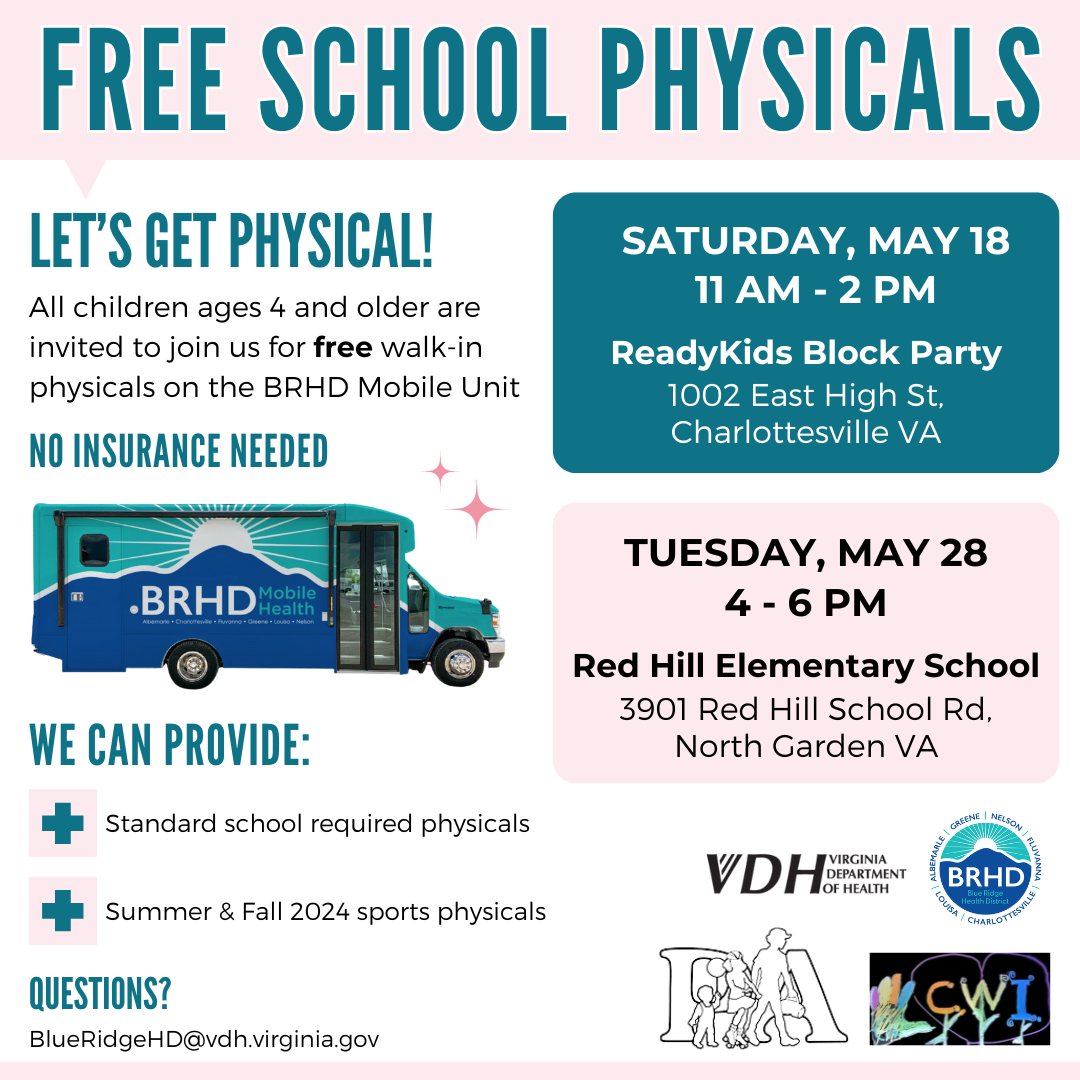
Mobi is on the Move: Let's Get Physical[s]!

Over the next couple months, BRHD will be partnering with Pediatric Associates of Charlottesville and their new nonprofit, Central Virginia Children’s Wellness Initiative (CVCWI) to provide free walk-up school & sports physicals to kids ages 4+ on our Mobile Unit, Mobi. No appointments needed at our May clinics:


  • Saturday, May 18 from 10:30 AM to 1:30 PM ReadyKids Block Party – 1002 E High St, Charlottesville VA 
  • Tuesday, May 28 from 4:00 to 6:00 PM Red Hill Elementary School – 3901 Red Hill School Rd, North Garden VA 


We are also finalizing details for more clinics later this summer, so keep an eye out for more information soon. Along with providing physicals, our pediatrician partners will review each child’s vaccination record and schedule follow-up appointments as needed to ensure they’re ready to start school in Fall 2024. 


To learn more, visit our webpage for school and sports physicals. If you have any questions, please email us at BlueRidgeHD@vdh.virginia.gov. As Olivia Newton-John would say, let’s get physical! 

Beyond the Baby Blues

Did you know that 1 in 5 new mothers experience some type of mood and anxiety disorder during pregnancy and postpartum? Women of every culture, age, income level and race can develop perinatal mood and anxiety disorders (PMADs).  


May is Maternal Mental Health Month, a month dedicated to increasing awareness about screening, support and treatment, and working to reduce the stigma of maternal mental illness. We encourage mental health professionals, friends and relatives of new moms to ask them how they are really feeling and encourage accepting support where able. 


In Virginia, we are lucky to have Postpartum Support Virginia, a network of support groups and host of a warmline for support and referrals. If you have a new parent in your life, take time to learn more about PMADs by visiting their website


Also, the Health Resources and Services Administration (HRSA) hosts a 24/7 Helpline with interpreters to offer immediate support and local referrals. Learn more by visiting the HRSA website or by calling the helpline at 1-833-TLC-MAMA (1-833-852-6262). 

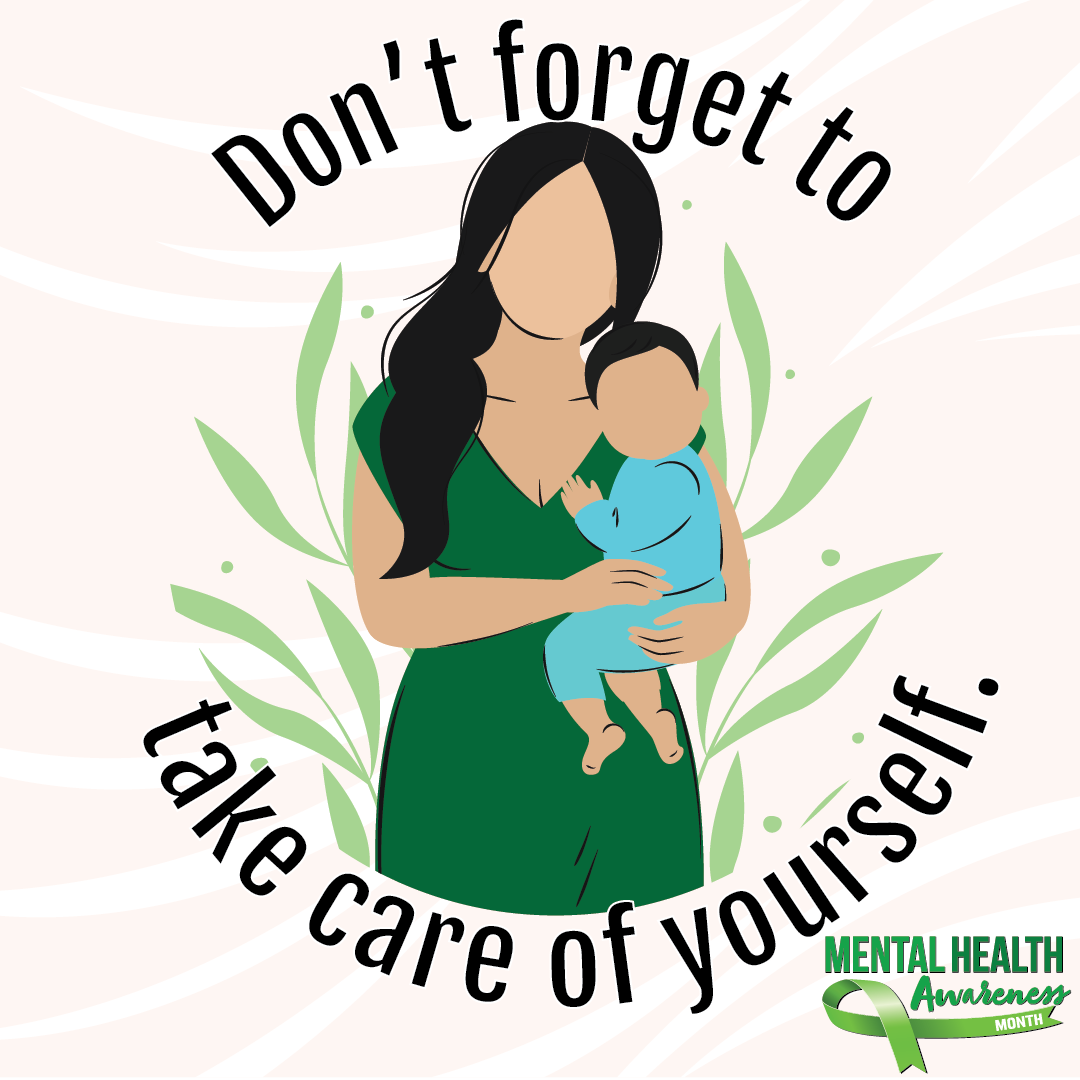
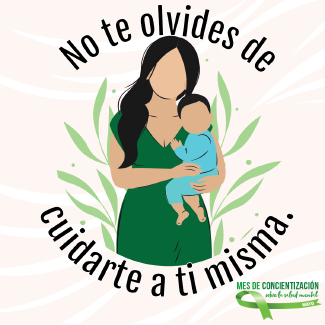
Don’t forget to take care of yourself.
No te olivides de cuidarte a ti misma.

More Back to School Vaccine Clinics Near You

When is the best time to ensure your kiddos are immunized for the next school year? Rights now! That's why we're hosting even more Back-to-School Immunization Clinics throughout the District this month:

Tuesday, May 7 from 8:30-11:30am and 1:30-5:30pm

  • Location: Greene County Health Department (50 Stanard St, Stanardsville)
  • Serving: K-12 students in Greene County
  • By appointment only – call 434-985-2262 to schedule

Tuesday, May 7 from 8:30-11:30am and 1:00-5:30pm

  • Location: Louisa County Health Department (101 Woolfolk Ave Suite 202, Louisa, VA)
  • Serving: K-12 students in Louisa County
  • By appointment only – call 540-967-3703 to schedule

Tuesday, May 14 from 8:30-11:30am and 1:00-5:30pm

  • Location: Fluvanna County Health Department (132 Main St, Palmyra, VA)
  • Serving: K-12 students in Fluvanna County
  • By appointment only – call 434-591-1960 to schedule

Friday, May 31 from 8:30-11:30 AM 

  • Location: Charlottesville/Albemarle Health Department Door #1 (1138 Rose Hill Dr, Charlottesville VA) 
  • Serving: Any rising 7th & 12th graders in Albemarle County & Charlottesville 
  • Walk-in only; no appointments available.  

Please bring a copy of your child’s insurance or Medicaid card if applicable. Uninsured children are welcome! Minors must be accompanied by a parent/guardian aged 18+.


If you cannot make it to any of these clinics, view our full schedule of upcoming clinics on our Back to School Immunizations webpage. 

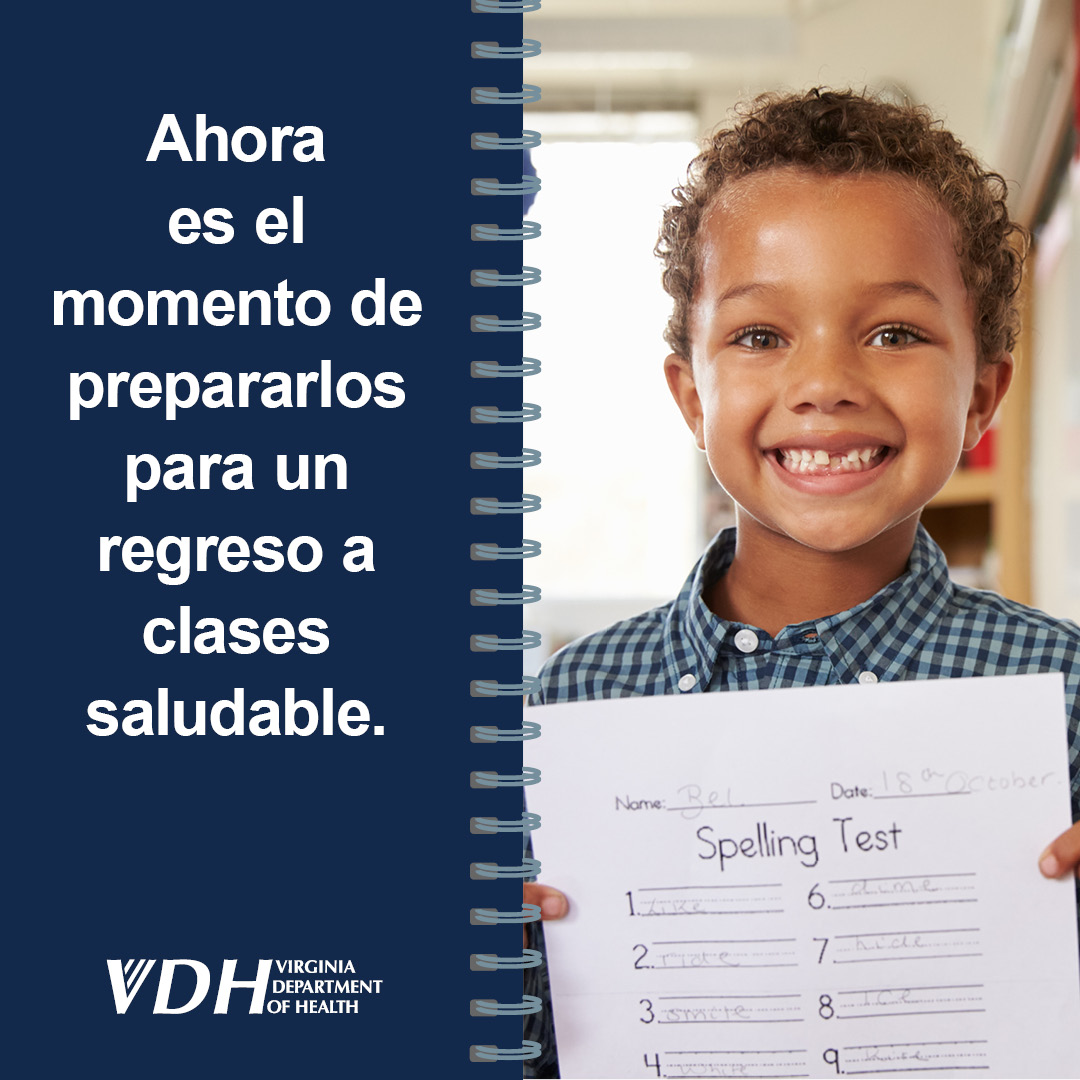
Now’s the time to make sure they’re back to school ready.
Ahora es el momento de prepararios para un regreso a clases saludable.

Employee Highlight: Meet Veronica!

This week, meet Veronica, our CDC Public Health Associate.  


When did you start working at BRHD? November 2023 


What is PHAP? The CDC Public Health Associate Program (PHAP) is a two year paid fellowship program that gives recent graduates, who may or may not have backgrounds in public health, the opportunity to gain hands-on experience and learn skills from public health professionals in the field. These recent graduates (associates) work for the CDC but are deployed to state, tribal, local or territorial public health agencies all around the U.S. and U.S. Territories.  


What do you like about the PHAP? I have always wanted to help people and make a difference in people's lives. I have explored many jobs that have allowed me to do this, but they were not what I wanted to do for the rest of my life. Even though my major is not in public health or anything medical, PHAP has given me the opportunity to explore the public health field and allow me to determine if it is something I would like to pursue in the future. 


Who are you outside of BRHD? Fun fact about me: I am the oldest, youngest, middle child, only child, and only girl in my immediate family. But I have four brothers. Outside of work, I enjoy cooking new dishes, baking sweets, drawing, reading, playing DnD, watching movies, and playing sports. 


Favorite part of working at BRHD? I enjoy the people. Everyone I have met so far has been super nice and helpful! 

May is National Stroke Awareness Month

This month we’re recognizing National Stroke Awareness Month! A stroke, sometimes called a brain attack, happens when blood flow to an area of the brain is blocked or when a blood vessel in the brain bursts. Blood carries oxygen to cells in the body. When brain cells are starved of blood, they die. 


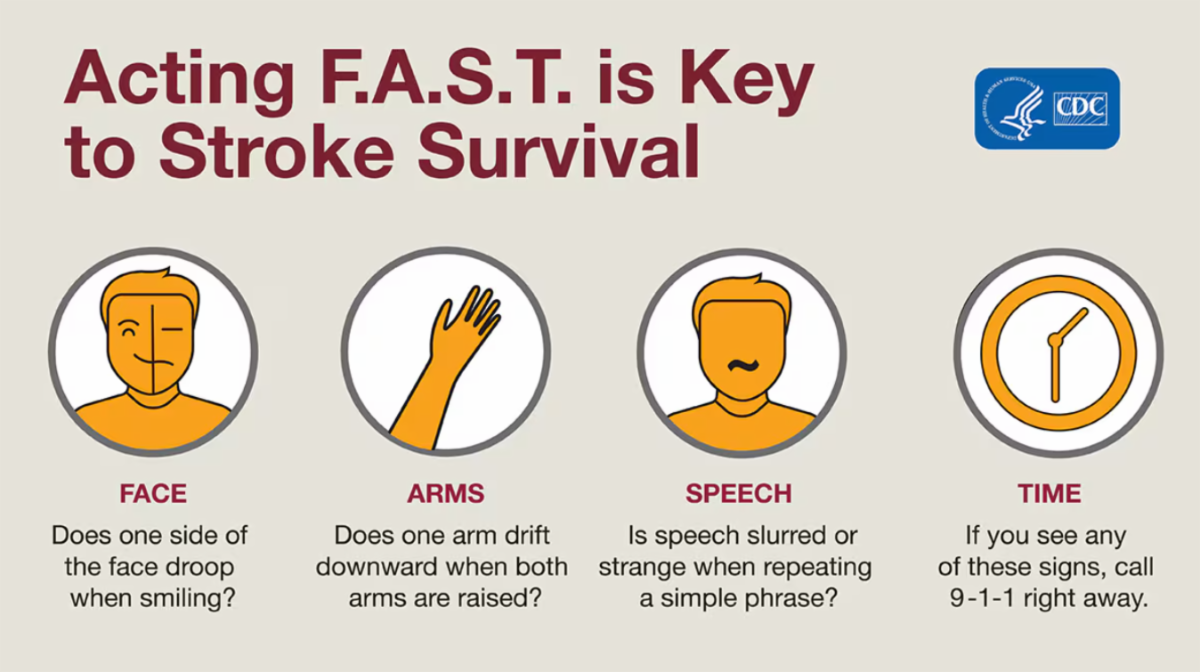
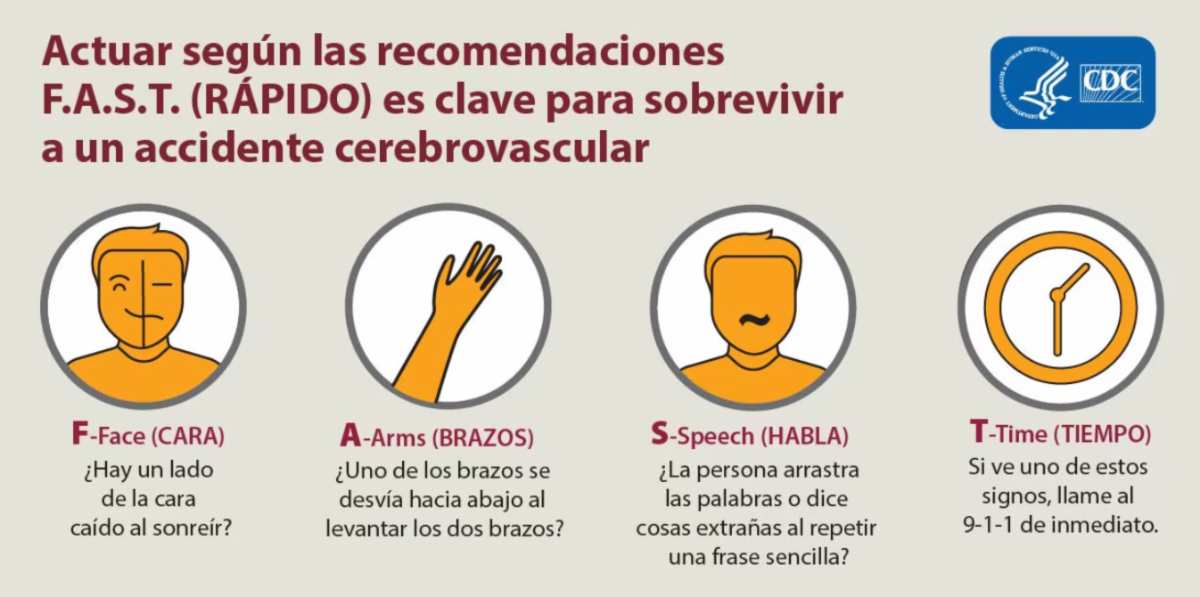
A stroke is a medical emergency. It’s important to act F.A.S.T. and get treatment as soon as possible. 

  • Face- does one side of the face droop when smiling? 
  • Arms- does one arm drift downward after both arms are raised? 
  • Speech- is speech slurred or strange when repeating a simple phrase? 
  • Time- If you see any of the signs, call 9-1-1 right away.  


Some treatments for stroke work only if given within the first 3 hours after symptoms start. A delay in treatment increases the risk of permanent brain damage or death. 

To learn more about how to recognize a stroke, visit the CDC Stroke Signs & Symptoms webpage. For information on how you can lower your risk of experiencing a stroke, visit the CDC Prevent Stroke webpage.

Acting F.A.S.T. is key to stroke survival.
Actuar según las recomendaciones F.A.S.T. (RÁPIDO) es clave para sobrevivir a un accidente cerebrovascular.
JOIN THE BRHD MAILING LIST ⟶
Facebook  X  Instagram