|
Make Mental Health and Well-being a Priority All Year Long
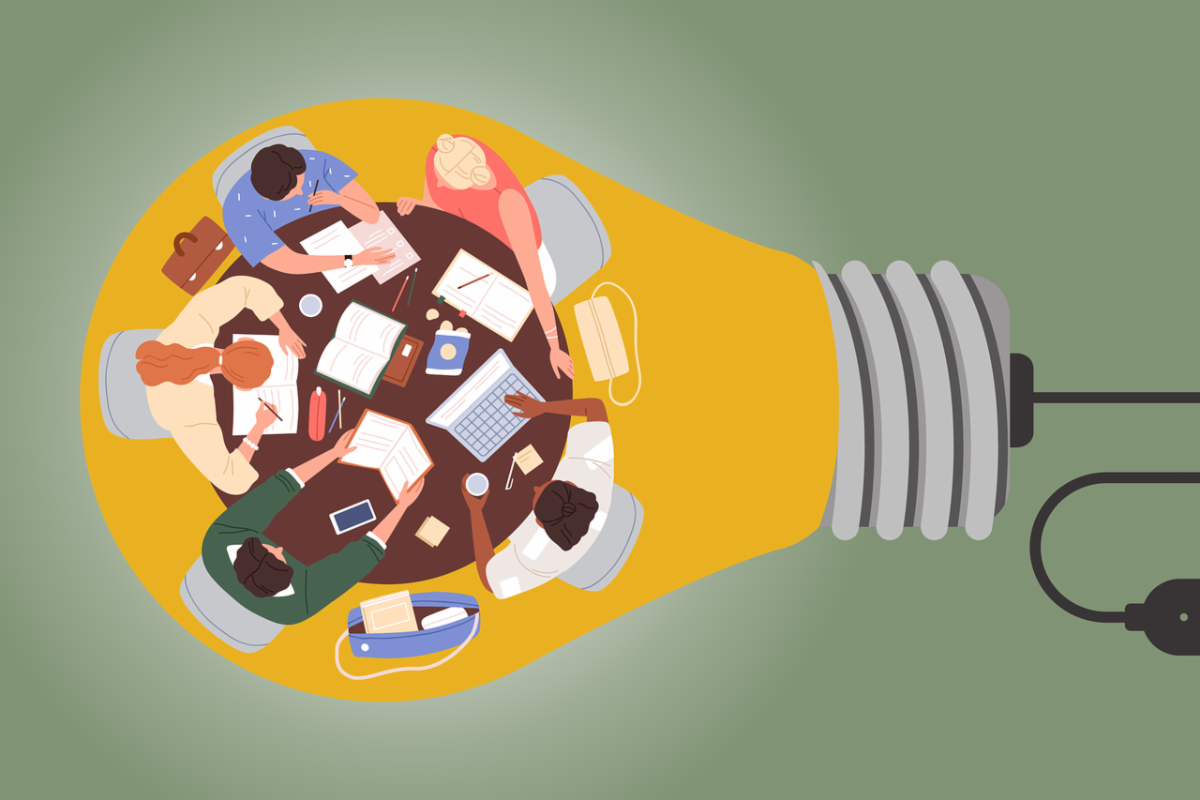
Well-being is not a one-time event. It's an ongoing practice of small, daily acts that allow us to manage stress, be more productive, and feel happier and healthier in our personal life and at work. We spend most of our waking hours at work than anywhere else. The average person will spend 90,000 hours at work over a lifetime; that is 1/3 of a person's life!
So, it makes sense that looking after our well-being is something that we can and should attend to throughout the workday. And most importantly, in the workplace, many factors impact and influence your well-being, including workload and flexibility, your manager, and the culture within your team. But while you may not be able to change organizational processes, you can do some simple, science-backed things to enhance your mental health [fitness] and well-being journey.
Below are a few essential areas to build your mental fitness and well-being all year.
Embrace a Self-Care Mindset.
At its core, self-care focuses on sleep, proper nutrition, exercise, and deeply focusing on our mental state, like actively managing stress, practicing self-compassion, and engaging in mindfulness or meditation. In addition, allow yourself to recharge after work and do things you enjoy doing in your personal life, like dedicating time to reading or gardening, trying a new activity, or investing in a new hobby.
Practicing self-care is no longer seen as a 'selfish indulgence' but critical to our well-being. It is even more vital for caregivers who experience higher rates of burnout because they must take care of themselves to care for others.
Engage in Physical Activity During the Workday and Your Own Time.
The ripping benefits of physical exercise on physical health have been well documented, but its influence on mental health is equally significant. Countless studies have shown that regular exercise can profoundly benefit mental health, offering a natural and accessible approach to improving mood, reducing stress, anxiety, and depression, and enhancing overall well-being. These improvements in mood are proposed to be caused by exercise-induced increases in blood circulation to the brain and physiological reactivity to stress. Some examples of aerobic exercises include jogging, swimming, cycling, walking, gardening, and dancing.
Physical activity triggers the release of endorphins, also known as "feel-good" hormones, and boosts serotonin production, a neurotransmitter contributing to happiness and well-being. These chemicals act as natural stress relievers, promoting a sense of calmness and reducing anxiety levels, and combating feelings of depression. In addition, physical activity has been linked to improved cognitive function, including better memory, focus, and attention, and improved sleep patterns, assisting individuals to fall asleep faster and enjoy more restorative sleep.
Incorporating physical activity into your personal life and workday is critical. Aim for accumulation and increase of moderate-intensity activity throughout the day. Thirty minutes of moderate-intensity exercise, such as brisk walking three days a week, is sufficient to rip the health benefits mentioned above. These 30 minutes don't have to be continuous but can be divided into three 10-minute walks and are considered equally valuable as one 30-minute walk. Rember, a small improvement over time can add up!
So, aim to walk during your breaks and after lunch, take the elevator instead of the stairs, try implementing walking meetings, and participate in walking challenges for extra encouragement and accountability.
Lean into Mindfulness and Meditation.
Taking care of your mental health is essential to your overall well-being. Meditation trains the brain and body to relax and focus on the present—plus, you can do it anytime, anywhere. Even five minutes a day can be helpful.
All meditation practices encourage focused attention, relaxed breathing, and an open, welcoming attitude—you will feel grounded and recharged after completing a short practice.
Below are resources to help keep mental health top of your mind. Click the links below to access each tool.
Mindfulness Workbook
It's an interactive workbook with creative exercises encouraging us to slow down and find moments of gratitude.
Mindfulness Screensavers
You can download and save these to their computer. These screensavers emphasize the importance of taking care of your overall mental well-being with a QR code that directs you to a guided breathing exercise that can help you relax and reset.
Sources:
Exercise for Mental Health:
https://www.ncbi.nlm.nih.gov/pmc/articles/PMC1470658/pdf/i1523-5998-8-2-106a.pdf
WebMD. August is National Wellness Month: https://www.webmdhealthservices.com/blog/august-is-national-wellness-month-lets-make-well-being-a-priority-all-year-long/
Find your reasons to meditate: https://healthy.kaiserpermanente.org/northern-california/health-wellness/mental-health/tools-resources/meditation/find-your-reason
One-third of your life is spent at work - Gettysburg College: https://www.gettysburg.edu/news/stories?id=79db7b34-630c-4f49-ad32-4ab9ea48e72b#:~:text=The%20average%20person%20will%20spend%2090%2C000%20hours%20at%20work%20over%20a%20lifetime.
|