The Wyoming Health Council works to ensure that all people can access equitable, inclusive, high-quality, and affordable reproductive and sexual health care. | |
|
WASHINGTON, DC – The National Family Planning & Reproductive Health Association (NFPRHA) issued the following statement from Clare Coleman, NFPRHA’s President & CEO, in response to the Senate Appropriations Labor-HHS Subcommittee fiscal year (FY) 2025 funding proposal that passed (25-3) out of committee today. (August 1, 2024).
"NFPRHA is frustrated that the Senate has once more missed an opportunity to significantly invest in the nation’s family planning program. If our understanding is correct, the FY2025 Labor-HHS appropriations bill approved today allotted level funding for Title X. If this is the amount at the end of the process, Title X would go into a second decade of level funding. We are in the middle of a devastating crisis in sexual and reproductive health, and this level of funding for Title X contraception and sexual health care services is irresponsible.
“Title X is a lifeline for people who have low incomes and those have been historically marginalized, by ensuring access to preventive health care services, such as cancer screenings, STI and HIV services, and contraception. The reality is that years of chronic underfunding for Title X has forced providers to reduce health center hours, services, and staffing, all of which has resulted in fewer patients being served by the program. By preserving the status quo, the Senate proposal exacerbates an already dire situation for family planning providers and the communities they serve. Safety-net family planning providers urgently need additional resources to protect access to care in their communities.
“We urge Congress to reconsider and increase funding for Title X, recognizing its critical role in ensuring access to affordable reproductive health care for all. An investment in Title X is essential for promoting public health, reducing health disparities, and supporting individuals' ability to make choices about their reproductive lives.”
...............................................................................................................................................
Title X is truly a lifeline for millions of people across the country, the majority of whom have incomes at or below the federal poverty level. In Wyoming more than 4,600 clients turn to Title X for care every year for indispensable contraceptive care and vital sexual health services, such as STI testing, HIV services, and breast and cervical cancer screenings.
Title X funding comes with a required, comprehensive standard of family planning care unlike any other. This essential funding enables our Wyoming Title X Family Planning clinics to stay laser focused on providing the highest quality patient-centered care. Despite the program’s successful track record, Title X has endured a decade of flat funding and other politically motivated attacks such as this House funding bill.
At a time when people are already suffering due to more cruel restrictions on reproductive health access, Congress should be making it easier for people to get the reproductive and sexual health care they need by bolstering funding for the Title X program, not flat funding it, again.
As Wyoming's Title X Grantee, we see the extraordinary impact that contraceptive care and sexual health services can have on people’s health, lives and future. Please let everyone know that Congress must increase funding for Title X, an essential public health program that millions of people rely on.
| |
|
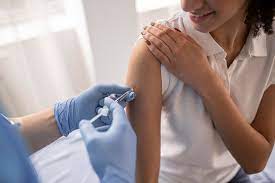
Getting vaccinated against sexually transmitted infections (STIs), or getting started on medicines for prevention, before going to school is a crucial step in safeguarding your health and well-being.
Vaccines, like those for Human Papillomavirus (HPV) can significantly reduce the risk of certain cancers and other complications associated with STDs. Getting started on PrEP, or pre-exposure prophylaxis, can help support people at risk for HIV from sex or injection drug use.
By being proactive about their sexual health, students not only protect themselves but also contribute to the overall health of the school community by reducing the spread of infections. Making this proactive health decision is an important part of preparing for a safe and healthy school experience.
Talk to your healthcare providers about the STIs you may be at risk for and how to prevent them!
| | |
|
Vaccines That Can Prevent STIs
One important prevention tool against sexually transmitted infections is vaccination. Currently, vaccines are available to protect against infection with HPV, hepatitis A and hepatitis B. Other vaccines are under development, including those for HIV and herpes simplex virus (HSV).
| | |
 |
Is Hepatitis a Sexually Transmitted Infection?
Some types of viral hepatitis can be transmitted through sexual contact, in addition to being transmitted via other routes.1 Each type of hepatitis virus has a different risk of being transmitted through sex.
To help reduce your risk of getting hepatitis sexually, use an external condom (also known as a condom that is placed on the penis) during every act of vaginal, oral, or anal intercourse. Internal condoms (also known as condoms placed in the vagina or anus) can also be used. If using an internal condom for anal intercourse, remember to remove the inner ring.
Learn how to use condoms appropriately to prevent body fluid exposure during sex. This will also reduce your risk of other sexually transmitted infections (STIs) such as HIV, gonorrhea, syphilis, chlamydia, and genital herpes.
Talk with a healthcare provider about getting a vaccine for hepatitis A and hepatitis B. These immunizations have been standard for many years. Be aware that while they may reduce your risk for hepatitis, they won't reduce your risk for other STIs. You should still use safer sex precautions as a line of defense against STIs.
| |
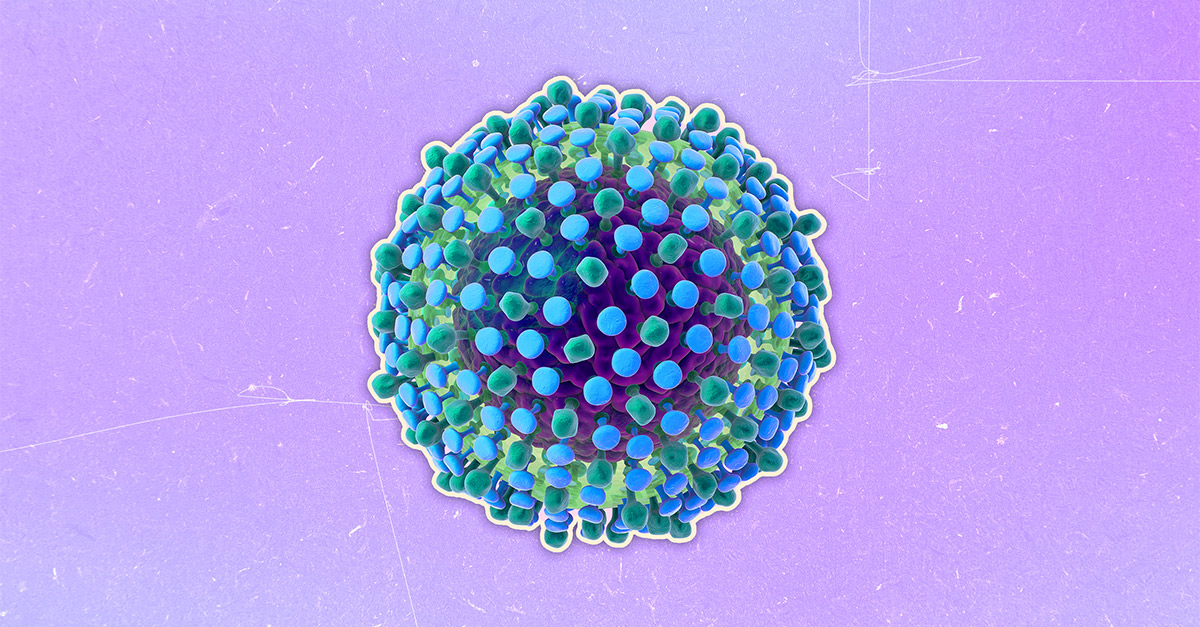
What Is HPV?
Human papillomavirus (HPV) is a group of viruses commonly spread through sexual contact. It is the most common sexually transmitted infection (STI) in the United States, affecting 42.5 million Americans annually.
According to the Centers for Disease Control and Prevention (CDC), most sexually active people will get HPV at some point, and about 13 million new HPV infections occur yearly. There are over 150 strains of HPV, and the types that cause genital warts (painless lumps or growths around your vagina, penis, or anus) differ from those that can cause cancer. Many low-risk strains resolve on their own. High-risk HPV strains can cause certain cancers. But having HPV does not necessarily mean you will get cancer.
This article will review HPV signs and symptoms, transmission, risks, screening, vaccine, prevention, treatment, sex safety, and complications.
| |
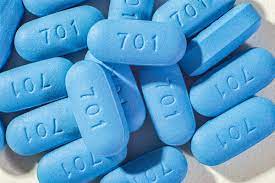
What Is Pre-Exposure Prophylaxis (PrEP) for HIV?
PrEP can help reduce your risk of contracting HIV through sexual contact or injection drug use. PrEP may be taken as a daily pill or administered as a bimonthly injection.
According to HIV.gov, approximately 1.2 million U.S. people ages 13 years and older have HIV. Of this group, about 13% are not aware that they have it.
PrEP can help reduce the risk of transmission between serodiscordant (mixed-status) partners. If you don’t have HIV but are at an increased risk of infection, talk with a healthcare professional about whether PrEP is right for you.
| |
Should You Worry About Rising Mpox Cases?
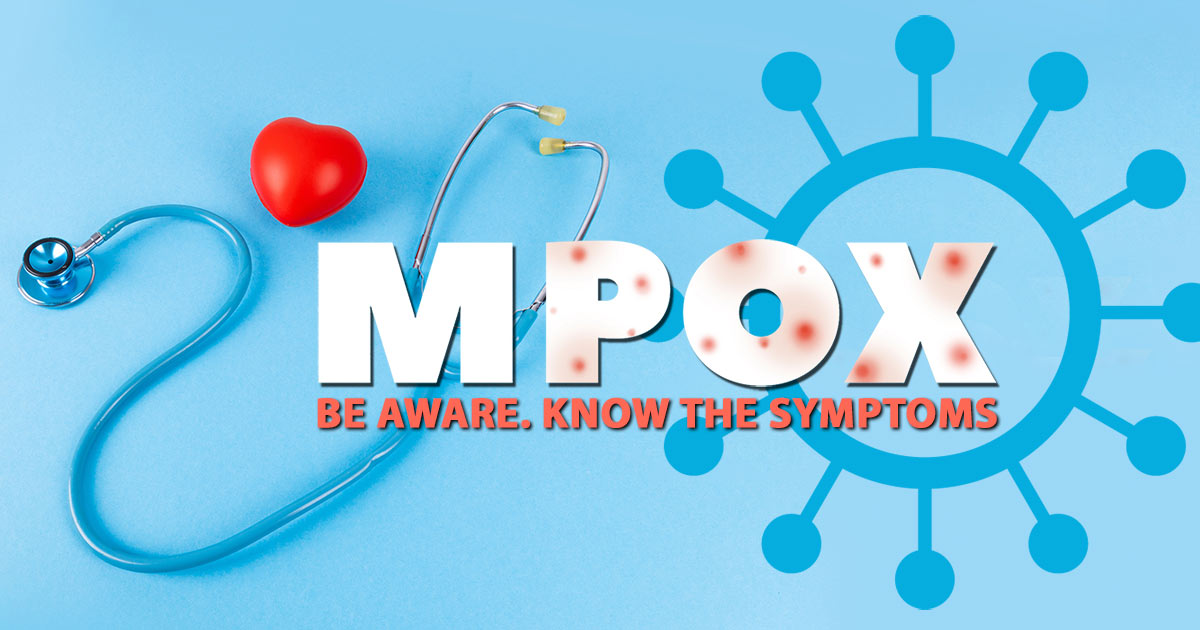
Mpox cases appear to be rising in the United States again.
The Centers for Disease Control and Prevention (CDC) has recorded 656 mpox cases in 2024 so far, doubling the 2023 figure of 306 in the same period. As of March 30, the states with the most infections were New York, California, New Jersey, and Illinois.
While levels are nowhere near the 32,000 cases in the 2022 mpox outbreak, keeping up to date with prevention strategies can help keep you healthy if you’re at risk for mpox.
| |
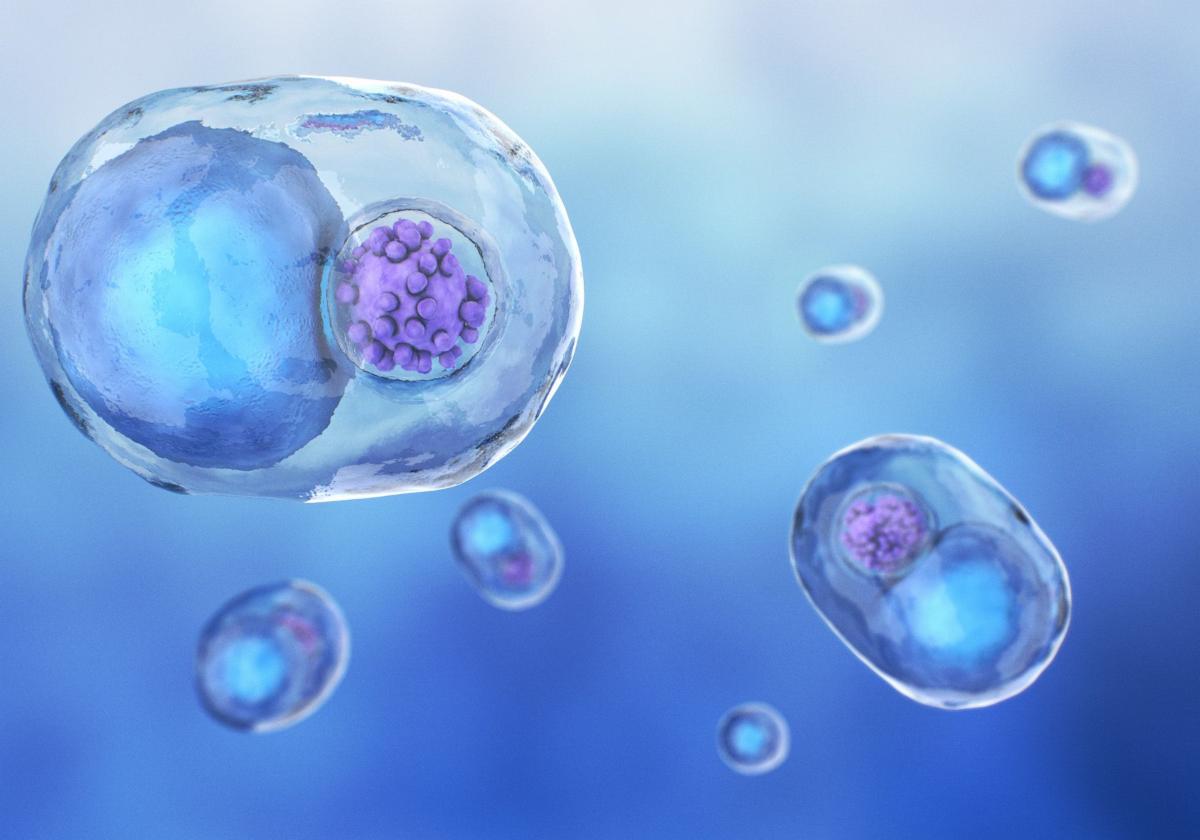 | |
Chlamydia Vaccine Shows Promise in Early Trial
Rates of STIs are surging in the United States. In 2022, there were nearly 1.6 million cases of chlamydia, which can lead to infertility in women.
An early-stage clinical trial yielded promising results for a chlamydia vaccine, researchers reported Thursday in The Lancet Infectious Diseases.
There is currently no vaccine to protect against the sexually transmitted infection, which is the most common bacterial STI in the United States, according to the Centers for Disease Control and Prevention. In 2022, there were more than 1.6 million cases.
Chlamydia remains one of the most common causes of infertility in women, said Dr. Jay Varma, professor of population health sciences at Weill Cornell Medicine in New York City. Untreated, the infection — which usually doesn’t cause symptoms in women — can cause pelvic inflammatory disease, which can lead to scar tissue that makes it harder to get pregnant.
“This is desperately needed,” said David Harvey, executive director of the National Coalition of STD Directors. “We have the highest STI rates in America since the 1950s and possibly beyond.”
| |  |
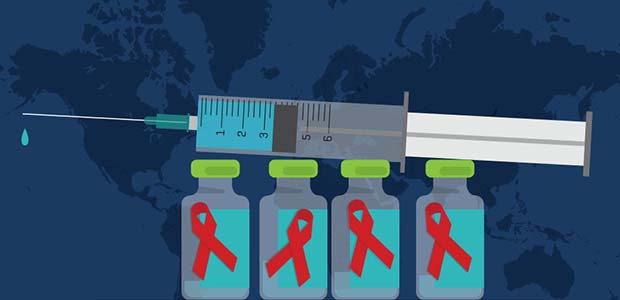 | |
New HIV preventive strategy sparks excitement and protests at AIDS conference
A new way to prevent HIV infection is generating great buzz -- and more than a bit of controversy -- at this week’s AIDS 2024 Conference in Munich.
The treatment consists of a twice-yearly injection of a drug called lenacapavir.
Early trial results were released in June and generated great excitement, indicating 100% efficacy. On Wednesday, July 24, the full peer-reviewed results were released at the AIDS 2024 conference, confirming the preliminary data.
The trial was sponsored by Gilead Sciences, the California-based maker of the drug.
This treatment offers an alternative to the current standard of core for HIV prevention efforts for over a decade: taking a pill like Truvada every day.
In clinical trials, this type of preventive drug, called pre-exposure prophylaxis (PrEP), can be 99% effective in stopping new HIV infections from sex. In the real world, however, that is not always the case.
People don’t always take their pills. In a study in South Africa, women said they felt there was a stigma to the pill -- a sexual partner might assume they’re taking it because they already have HIV or because they have other partners.
The new trial results, released on Wednesday, point the way to a new preventive strategy.
| | |
|
Immunization Month
National Immunization Awareness Month (NIAM) is an annual observance held in August to highlight the importance of vaccines for people of all ages. The month aims to raise awareness about how vaccines can help prevent serious diseases and illnesses, and to protect those who are at high risk from getting sick
| |
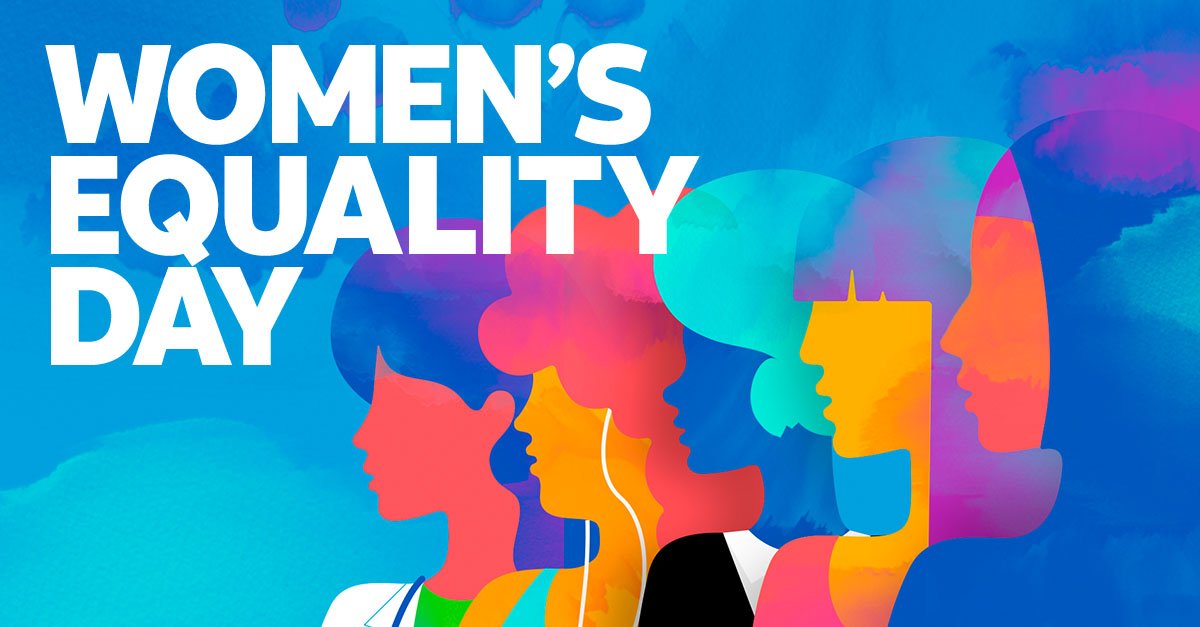 | |
Women’s Equality Day is celebrated on August 26 and commemorates the 19th amendment granting women the right to vote. The 19th amendment states:
“The right of citizens of the United States to vote shall not be denied or abridged by the United States or by any State on account of sex. Congress shall have power to enforce this article by appropriate legislation.”
The 19th amendment was ratified on August 18, 1920, but it actually wasn’t certified until it was signed by a government official eight days later. Secretary of State Bainbridge Colby signed the historic proclamation on August 26, 1920 (a week after its ratification) at 8 a.m. in Washington, D.C., without an audience or any fanfare.
On August 26, 1971, the Unites States Congress declared August 26 Women's Equality Day to honor the importance of the 19th amendment. It was officially passed two years later, in 1973.
The observance of Women’s Equality Day not only commemorates the passage of the 19th Amendment, but also calls attention to women’s continuing efforts toward full equality.
Check out some awesome history!
| |
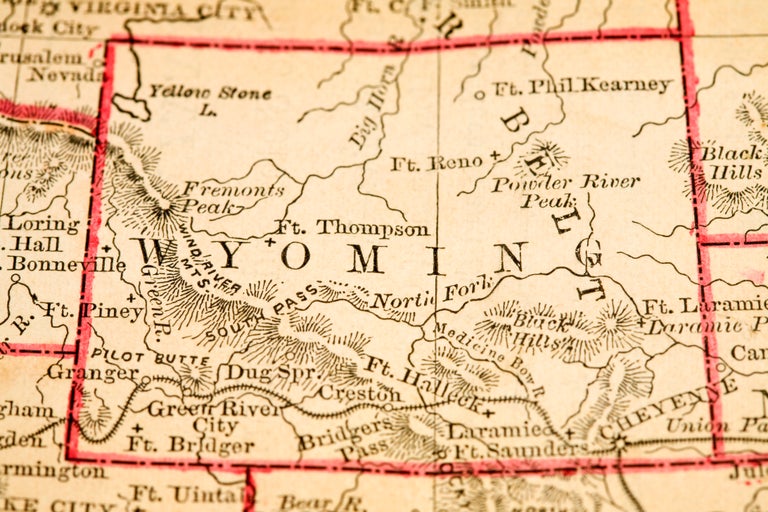
The State Where Women Voted Long Before the 19th Amendment
For 50 years before the adoption of the 19th Amendment, women in Wyoming had full voting rights
When Secretary of State Bainbridge Colby affixed his signature to the 19th Amendment on August 26, 1920, women across the United States gained voting rights. The new constitutional amendment, however, brought no change to one region of the country where women had been casting ballots for decades, one often thought of as a bastion of rugged masculinity and “no place for a woman”—the Wild West.
While the right of women to vote had not been specifically enshrined in the U.S. Constitution prior to the 19th Amendment, it hadn’t been prohibited either.
Women’s suffrage, however, was still nearly nonexistent when in 1869 William Bright, a saloonkeeper and president of the upper house of the Wyoming Territory, introduced a bill granting all female residents 21 years and older the right to vote. According to the Wyoming State Historical Society, the territorial legislature had already passed progressive measures guaranteeing women teachers the same pay as men and granting married women property rights apart from their husbands. Bright’s measure backing universal women’s suffrage, however, would be groundbreaking in the United States.
The bill passed both houses of the all-male legislature and was signed into law on December 10, 1869, by Republican Governor John Campbell. The following September, the 69-year-old Louisa Swain, described by a local newspaper as “a gentle white-haired housewife” became the first woman to cast a ballot under the law in her town of Laramie, Wyoming
Why was this sparsely populated territory on the rough edges of the frontier in the vanguard of women’s rights? While Bright and others believed in ideals of gender equality, the Wyoming State Historical Society says there were other factors as well.
| | |
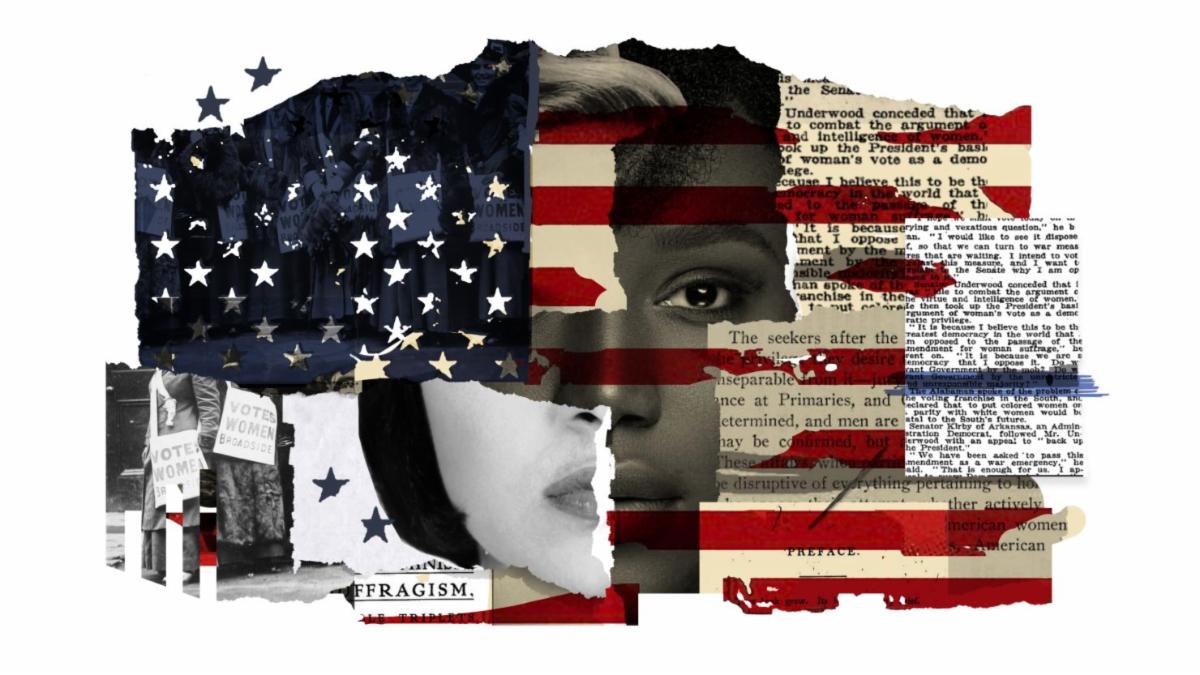
Not All Women Gained the Vote in 1920
For many women, the 19th Amendment was only the beginning of a much longer fight.
When the 19th Amendment became law on August 26, 1920, 26 million adult female Americans were nominally eligible to vote.
But full electoral equality was still decades away for many women of color who counted among that number. The federal suffrage amendment prohibited discrimination on the basis of sex, but it did not address other kinds of discrimination that many American women faced: women from marginalized communities were excluded on the basis of gender and race. Native American, Asian American, Latinx and African American suffragists had to fight for their own enfranchisement long after the 19th Amendment was ratified. Only over successive years did each of those groups gain access to the ballot
| | |
The Day Women Went on Strike
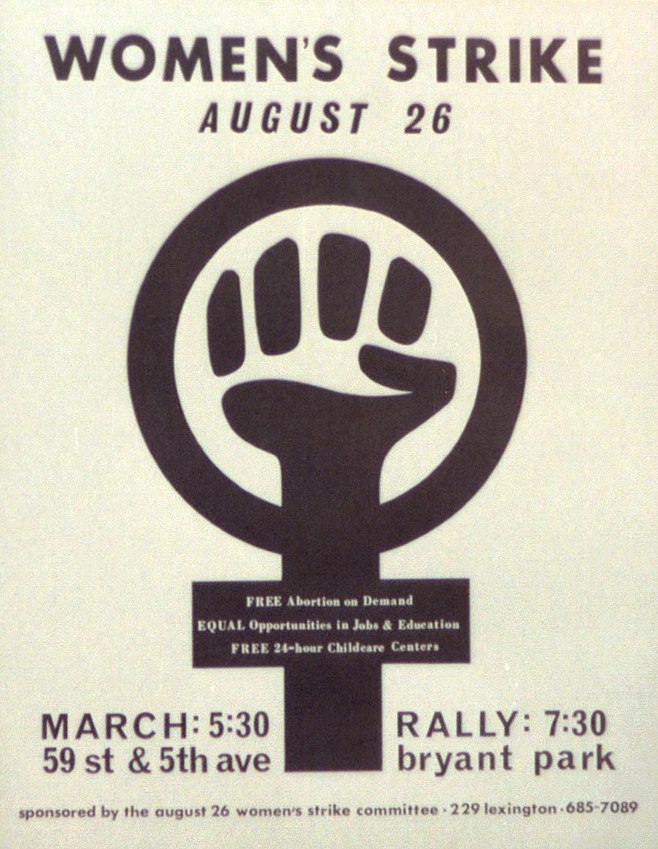
On Aug. 26, 1970, a full 50 years after the passage of the 19th Amendment granted women the right to vote, 50,000 feminists paraded down New York City’s Fifth Avenue with linked arms, blocking the major thoroughfare during rush hour. Now, 45 years later, the legacy of that day continues to evolve.
Officially sponsored by the National Organization for Women (NOW), the Women’s Strike for Equality March was the brainchild of Betty Friedan, who wanted an “action” that would show the American media the scope and power of second-wave feminism.
The organizers of the day’s events agreed on a set of three specific goals, which reflected the overall spirit of second-wave feminism: free abortion on demand, equal opportunity in employment and education, and the establishment of 24/7 childcare centers. Over the next several years, activists would use multiple techniques — from public protest to legislative lobbying — in an attempt to turn these goals into realities.
| | |
|
Bad Romance: Women's Suffrage is a parody music video paying homage to Alice Paul and the generations of brave women who joined together in the fight to pass the 19th Amendment, giving women the right to vote in 1920.
Emmy recipient for Best Informational / Instructional Program
The National Academy of Television Arts & Sciences Nashville/Midsouth Chapter, 2012
| |
|
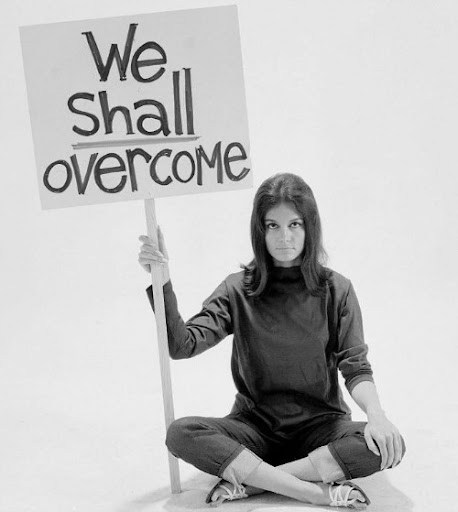
Gloria Steinem
Writer, lecturer, political activist, and feminist organizer
"The voting booth is still the only place that a pauper equals a billionaire and any woman equals any man. It is the only place on earth in which everybody’s equal. If we didn’t fall for the idea that our vote doesn’t count—an idea nurtured by those who don’t want us to use it—we could elect feminists, women of all races, and some diverse men, too, who actually represent the female half of the country equally. It’s up to us. One vote does in fact count."
| | |
|
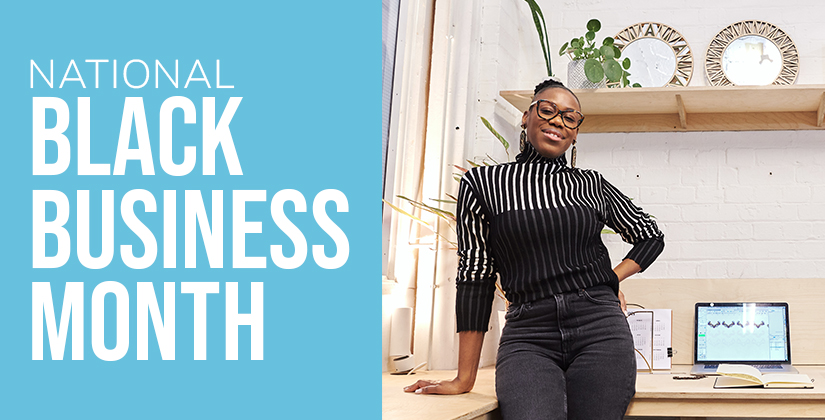
Black Business Month is celebrated in August to recognize Black-owned businesses and the contributions they make to the United States. It also highlights the challenges that minority business owners face and provides an opportunity for people to support local Black-owned businesses.
As of Feb 2024, the US Small Business Administration Office of Advocacy reported that Black business owners own 3.5 million businesses and employ more than 1.2 million people. Small Business: Black-Ownership Statistics 2024
| |
|
Despite facing discrimination and systemic barriers restricting access to entrepreneurial opportunities, Black people made significant contributions to business practices that enriched communities across the United States. The National Negro Business League (NNBL) was founded by Booker T. Washington in Boston, Massachusetts in 1900, and became the largest association of Black business-people and professionals in the country. The National Negro Business League predated the United States Chamber of Commerce by 12 years.
Jim Crow Museum
| |
|
Madam C.J. Walker invented a line of African American hair products after suffering from a scalp ailment that resulted in her own hair loss. She promoted her products by traveling around the country giving lecture-demonstrations and eventually established Madame C.J. Walker Laboratories to manufacture cosmetics and train sales beauticians.
Her business acumen led her to be one of the first American women to become a self-made millionaire.
| |
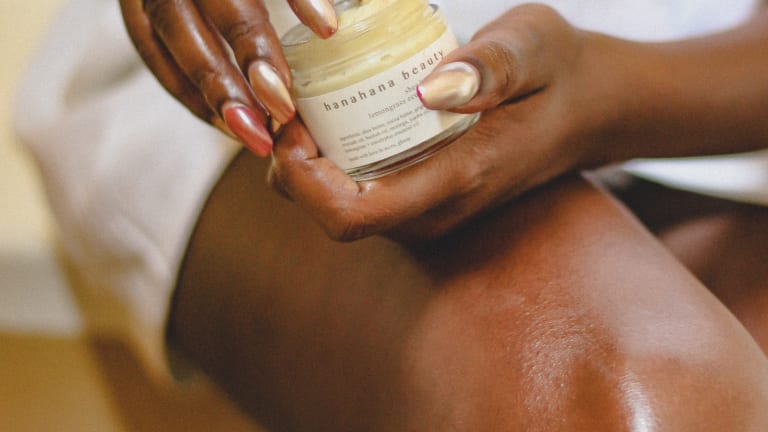 |
11 Black-Owned Health and Wellness Brands to Support
Shopping and supporting these brands not only grows the larger economy, but it normalizes Black-ownership across the health and wellness sector.
Black-owned health and wellness businesses have grown in visibility and popularity since the start of the Black Lives Matter movement. Many of those businesses started off as a solution to a problem commonly faced by underserved communities—like a beauty line that provides better sun protection for more diverse skin tones, or a resource for Black women seeking more accessible mental health care.
These health and wellness businesses are just part of a larger growing industry of Black-owned businesses, which have historically been stifled due to the deep-rooted, systemic challenges in the U.S. Despite their recent growth, there’s still a long way to go.
Here, we’ve gathered 11 Black-owned health and wellness businesses and brands to back this year, to support underserved communities and their continued growth.
| |
10 Black-owned sex wellness brands to check out now
Be an advocate—and feel sexy AF doing it!
Few things in life feel as good as a really great orgasm, but putting your cash where it counts and helping support Black-owned businesses is right up there.
In addition to giving back to charitable organizations, shopping from Black-owned brands like Savage x Fenty, New York Toy Collective, and others is a powerful way to not only take agency in your sex life, but also put money directly in the hands of sex educators and entrepreneurs within the Black community.
So whether you’re trying to restock your goodie drawer with lubes and condoms or just find a really great dildo, here are 10 Black-owned sex and lingerie shops worth checking out to put a sultry spin on social justice and feel more radiant in your own skin.
| |
 |
What It’s Like Doing Olympic Gymnastics During Your Period
“There is that fear of your tampon string hanging out of that thin bit of material.”
The athleticism it takes to be an Olympic-level gymnast is hard to even comprehend. Between the gravity-defying balance required to nail a beam routine and the Hulk-like grip needed for those uneven bars, it’s the stuff superhero movies are made of.
But what if you’re having your period?
As I watched the US women’s gymnastics team (a.k.a. the Golden Girls) earn the gold medal in the Olympic women’s team final this week, I found myself thinking about it. At least some of the 96 female gymnasts competing in what is currently the most stressful competition of their lives have to be dealing with the cramps, fatigue, low back pain, and heavy flow that often forces me—an average person who is by no means a professional athlete—to curl into a fetal position for hours at a time. Flipping, swinging, and catapulting into the air in splits while wearing skintight (and incredibly sparkly) leotards—while you have your period—can’t be easy, right?
Although the current roster of gymnasts haven’t really talked about this, existing research has suggested (and other athletes have confirmed) that, yes, it happens, and it can affect your performance.
| | |
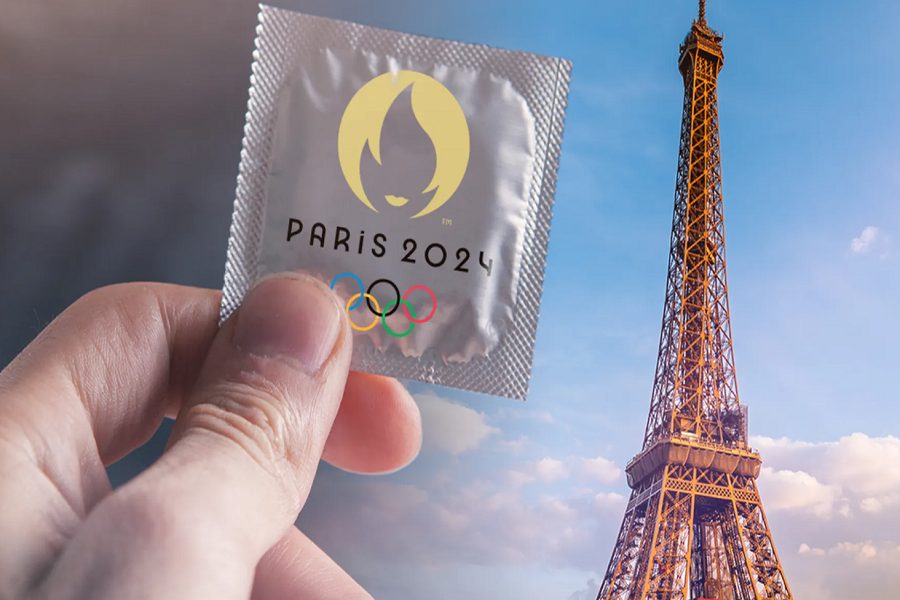 |
The Olympics have long promoted safe sex. Now it wants to focus on pleasure.
The City of Love has a message as it prepares for the Olympics: Performance is not always the priority. Rather, when it comes to sex, pleasure takes first place.
As Paris starts welcoming athletes to the Olympic Village in the coming days, organizers of the 2024 Games are set to launch a comprehensive sexual health campaign that champions pleasure and consent as well as the traditional emphasis on safety.
It is an important message, backed by research, that is rarely endorsed on a stage with a global spotlight as influential as the Olympics.
Prioritizing pleasure in sexual health refers to the approach of celebrating the physical and mental benefits of sexual experiences as well as minimizing the risks. It aims to rewrite fear and shame narratives that cast sex as taboo, with sexual health organizations promoting the sex-positive method as fundamental for unlocking greater agency over sexual rights and well-being.
The decision to focus on pleasure-inclusive messaging at the Olympics is especially significant at a time when sex education is increasingly under attack in many countries. In the United States alone, 2024 has seen a surge in restrictive state-level sex education proposals that aim to limit what can be taught in the classroom, such as by removing guidance around contraception or advocating for abstinence.
History of Sex Ed at the Olympics
Paris’s focus on pleasure and consent is part of the Olympics’ long-running history of promoting safe sex, with organizers of the 1988 Seoul Games first making headline-grabbing hand-outs of condoms to competitors to raise awareness of HIV and AIDS
| | |
WYOMING HEALTH COUNCIL
111 S. Durbin, Suite 200
Casper, WY 82601
Call Us: (307) 439-2033
| | | | | |