Volume 30 | Aug. - Sept. 2022 | |
|
Students, Staff, Faculty, Alumni and Friends,
The beginning of a new academic year always brings excitement, renewed energy and fresh opportunities. I wanted to take this opportunity to welcome you back – or for those just beginning your journey with the University of Oklahoma Dodge Family College of Arts and Sciences, welcome you – as we begin the 2022 fall semester.
Our mission in the college is to master existing knowledge in our fields of study, to create new knowledge of the physical world and new understandings of the human condition through our research and scholarship and to put those new understandings to work to improve the human condition. I am honored to be a part of a college community that is so deeply committed to engaging, mentoring and supporting students. I would like to begin the semester by thanking each of you for the work you have done and are about to do as we continue advance our mission.
This is the first edition of the Dodge Family College of Arts and Sciences newsletter for the 2022-23 academic year. Through the years, our newsletter has provided timely updates on the achievements of our students, faculty and staff. Please join us in celebrating the excellence of our college in the stories of groundbreaking research, scholarship and creative activity, to innovations in the classroom and partnerships in the community.
I wish each of you the very best as you begin the semester. Again, I want you each to know how grateful I am, both personally and on behalf of the college, for your extraordinary efforts in support of our community. Have a safe and productive semester.
Sincerely,
|  | |
David M. Wrobel
Dean, Dodge Family College of Arts and Sciences
| |
|
OKLAHOMA VS. TEXAS RECEPTION TO BE HELD OCT. 7
Dodge Family College of Arts and Sciences Dean David Wrobel and University Libraries Dean Denise Stephens invite you to join our team at the Oklahoma vs. Texas Reception, set from 5:30 to 7:30 p.m. Friday, Oct. 7, at the Omni Dallas Hotel, 555 S. Lamar St. Please respond by Oct. 1 at https://home.oufoundation.org/OUinDallas22 or (405) 325-6438.
| |
|
NOMINATIONS OPEN FOR DISTINGUISHED ALUMNI AWARDS
Each year, the Dodge Family College of Arts and Sciences presents its highest honor, the Distinguished Alumni Award, at our annual Kaleidoscope Evening. We extend the invitation to nominate an outstanding graduate to our entire college community, as you have first-hand knowledge of our graduates who are making a difference in your community.
Nominees must have obtained a degree, bachelor or graduate level, from the Dodge Family College of Arts and Sciences. Nominees for the Distinguished Alumni Award must have graduated a minimum of 10 years ago to be considered. The Young Alumni Award recognizes graduates who earned their degree in the last 10 years. Current members of the Dodge Family College of Arts and Sciences Board of Advocates are not eligible for either award.
Click here to submit your nomination form(s) for the Distinguished Alumni Award by Sept. 14, 2022. Visit the college website for a complete list of past winners.
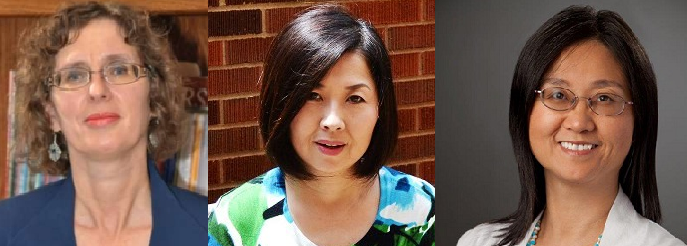
Pictured: 2022 award recipients Mubeen Shakir, Lotsee Patterson and Karen Gaddis with Dean David Wrobel
| |
FACULTY AND DEPARTMENT NEWS | |
|
WELCOME, NEW FACULTY MEMBERS
The college is pleased to welcome and congratulate our new faculty members who will join the university this year. We work hard to identify and recruit the most gifted scholars and teachers from around the country and across the world. Each one brings accomplishments to our university, and we look forward to their contributions to our community for many years to come. Please visit the college website to view a complete list of faculty members who are new to the college.
| |
|
Among the new faculty and staff to the Dodge Family College of Arts and Sciences this year is Jake Skeets, an assistant professor in the Department of English. He is a decorated writer and poet, winning multiple awards for his book, Eyes Bottle Dark with a Mouthful of Flowers. Skeets attended the University of New Mexico, where he earned bachelor’s degrees in Native American Studies and English in 2014. In 2018, he earned his master’s degree in creative writing at the Institute of American Indian Arts. Prior to joining OU, he served as a faculty member at Diné College. READ Q AND A WITH ASSISTANT PROFESSOR SKEETS
| |
|
The Dodge Family College of Arts and Sciences at the University of Oklahoma has announced the formation of the School of Biological Sciences. By reorganizing the college’s current life sciences units, the school will accelerate faculty research and graduate training, and better serve undergraduate students by creating a set of unified, modernized degree programs. This new structure will position the biological sciences to help drive OU’s strategy of becoming a top-tier public research university. Currently, the biological sciences are served by three independent units: the Department of Biology, the Department of Microbiology and Plant Biology, and the Oklahoma Biological Survey. Through the reorganization, the two departments will be integrated within the school to better align the graduate programs and research organization with existing faculty strengths and the OU Norman Research Strategic Verticals. The Oklahoma Biological Survey, a state agency and a unit within the college, will remain an independent entity. However, many of its faculty will hold appointments and teach within the School of Biological Sciences. By bringing the units under the same umbrella, the school will be able to provide new undergraduate curricula, broaden its research portfolio scope and profile, and spearhead new and impactful graduate training programs. The recommendation to establish a new school of biological sciences, which has been approved by the OU Board of Regents and the State Regents for Higher Education, was made following an external review by a team composed of four internationally renowned biological scientist. This fall, the Dodge Family College of Arts and Sciences will launch a national search for the inaugural director of the School of Biological Sciences. READ MORE
| |
|
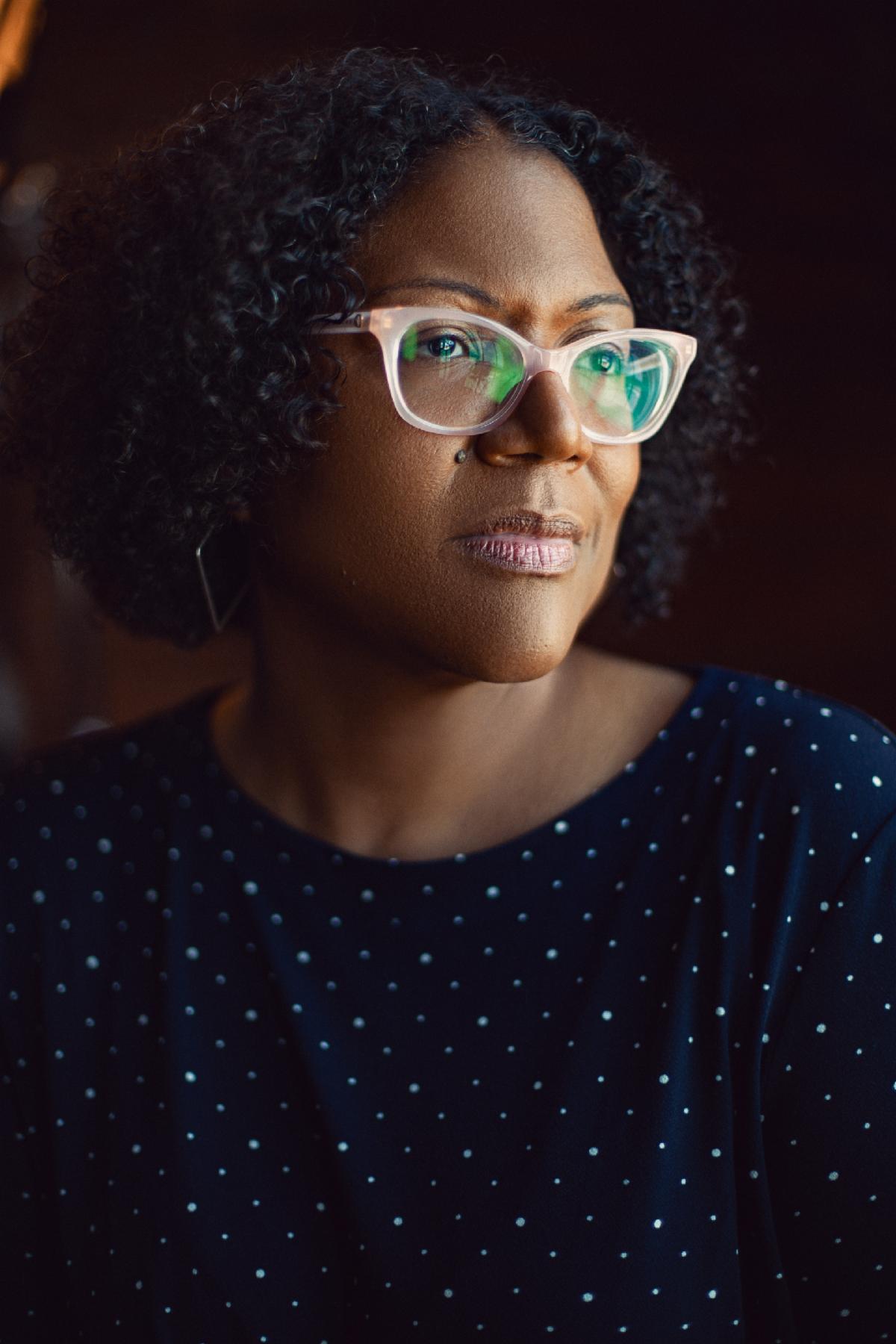
The college congratulates Honorée Fanonne Jeffers (professor, English) on winning the First Novelist's Award from the Black Caucus of the American Library Association. The awards recognize excellence in adult fiction and nonfiction by African American authors published in 2021, including an award for Best Poetry and a citation for Outstanding Contribution to Publishing. The recipients will receive awards during the 2022 American Library Association Annual Meeting in Washington, DC. Jeffers won the award for her debut novel, The Love Songs of W.E.B. Du Bois. The novel is a phenomenal coming-of-age story that will linger with readers, painting the intergenerational portrait of Avery Pearl Garfield. Jeffers pens a character who idealizes her older sisters and idolizes her elders, with a history framed by the experiences of land and ancestors in the Deep South. Spanning Avery’s childhood in a Northern city through the experience as an undergraduate HBCU legacy student, she ultimately engages in revelatory research in graduate school. Additionally, this summer Jeffers published an essay with Harper’s Magazine titled Almost Home.
| |
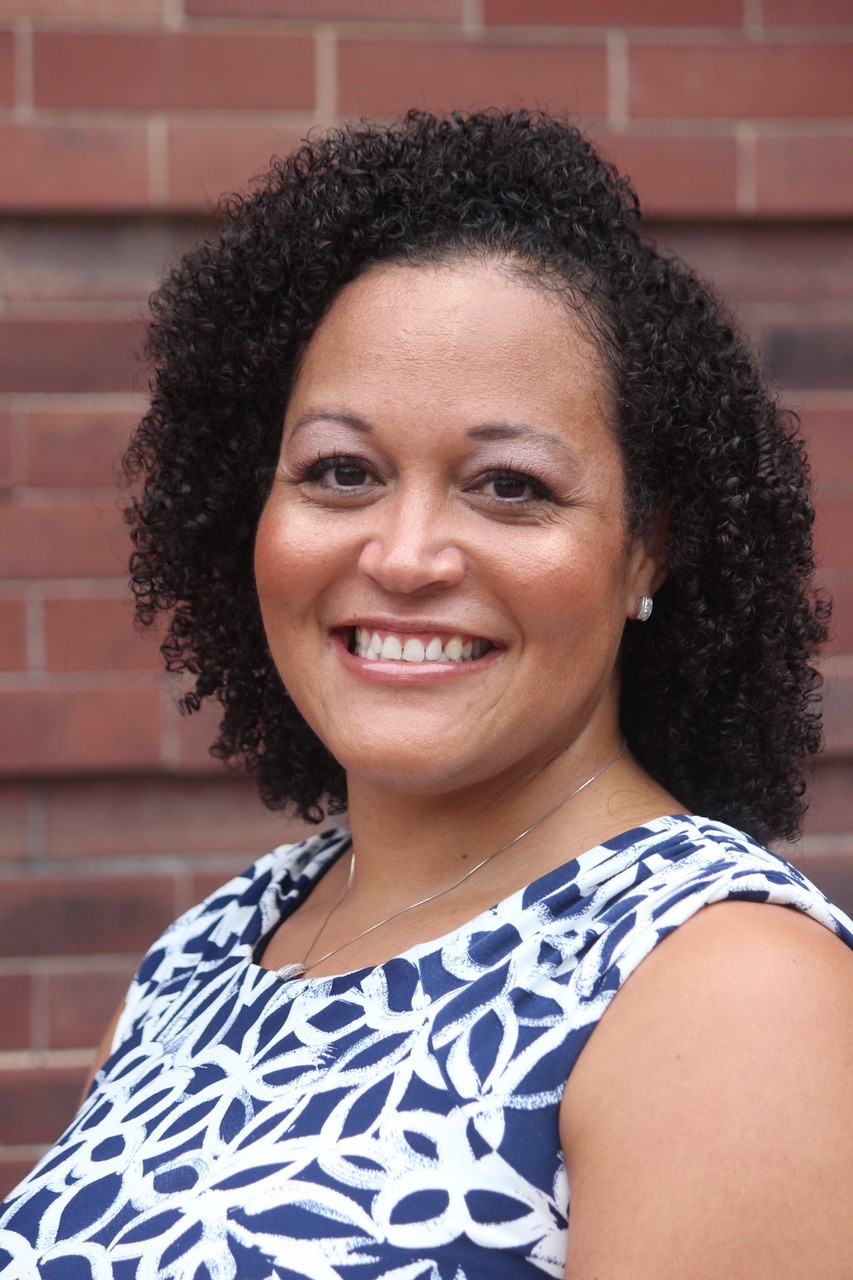
On July 19, the Oklahoma City Council passed an ordinance to reestablish the human rights commission for the first time in more than a quarter century. The Human Rights Commission will be responsible for addressing alleged harm to people who have been discriminated against because of their race, color, religion, creed, sex, gender, national origin, age, familial status, genetic information, or disability related to employment, housing and public accommodations under the Oklahoma Anti-Discrimination Law. Plans for the commission were formed with the help of a task force formed by Mayor David Holt in the summer of 2020. Andrea Benjamin, Ph.D., an associate professor in the Clara Luper Department of African and African American Studies, served as the co-chair of the task force, along with Maurianna Adams and council member Nikki Nice. In addition, Benjamin wrote a piece for the Washington Post discussing a steady push for racial justice across the country, including the background on how the task force originated.
| |
Congratulations to Professor Lucas Bessire in the Department of Anthropology, who was named the recipient of the 2022 Robert B. Textor and Family Prize for Excellence in Anticipatory Anthropology from the American Anthropological Association for his book, Running Out: In Search of Water on the High Plains (Princeton University Press). The Textor Prize is a prestigious national award that aims to “encourage and reward an excellent contribution in the use of anthropological perspectives, theories, models and methods in an anticipatory mode. Such contributions will allow citizens, leaders and governments to make informed policy choices, and thereby improve their society's or community's chances for realizing preferred futures and avoiding unwanted ones.” Running Out: In Search of Water on the High Plains recounts Bessire’s journeys back to his hometown in Western Kansas to make sense of aquifer loss. His search for water across the drying Plains brings the reader face-to-face with the stark realities of industrial agriculture, eroding democratic norms and surreal interpretations of a looming environmental disaster. The book draws on personal and family histories to move beyond words and genres through which destruction is often known. The journey into the “morass of eradication” offers a series of unexpected discoveries about what it means to inherit the troubled legacies of the past. The book also asks how we can take responsibility for a more inclusive and sustainable future.
| |
|
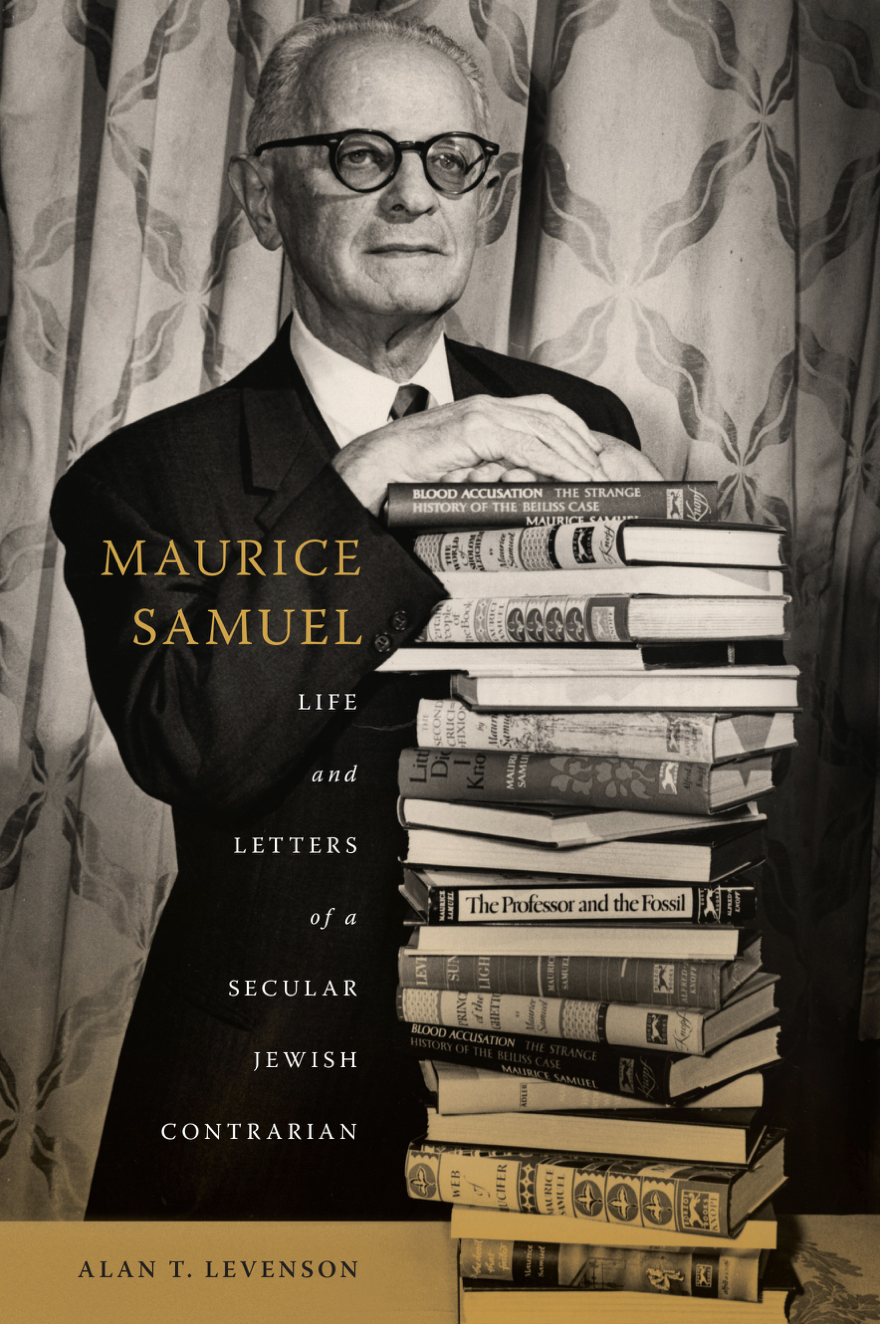
Alan T. Levenson, Schusterman/Josey Chair in Jewish History and director of the Schusterman Center for Judaic and Israel Studies, has published Maurice Samuel: Life and Letters of a Secular Jewish Contrarian (University of Alabama Press). Levenson captures the life, works and milieu of the Romanian-born, English-educated, American belletrist Maurice Samuel. A diaspora intellectual – or a rooted cosmopolitan, as Levenson describes him –Samuel made an indelible mark on many features of contemporary Jewish thought and culture. A generalist in an age of experts, an independent scholar in an age of rabbis and professors, Samuel was one of the most productive and visible members of the group dubbed the “other” New York Jewish intellectuals. Drawing on Samuel’s vast literary opus, as well as previously unexplored archival material from three continents, this study writes Samuel back into the history of mid-20th-century American letters. Levenson argues that Samuel’s varied and substantive contributions demand reconsideration of our assumptions about the means and ends of cultural transmission, and merit him a place as one of 20th-century American Jewry’s most significant cultural and intellectual voices.
| |
|
MEET DAVID KYNCL
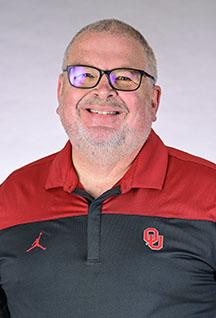
For nearly 25 years, David Kyncl has served the University of Oklahoma. This summer, his passion for hospitality led him to a new career opportunity at OU as the events coordinator for the Dodge Family College of Arts and Sciences. Kyncl started his OU journey in 1998 as the executive director of the 2:8 House and the OU Nazarene Student Center. Since then, he has served in many capacities at the university, including adjunct instructor for the college, as well as an academic advisor for University College and the Gibbs College of Architecture. You can find he and his wife, Associate Dean of Students Rhonda Kyncl, in Headington Hall as Faculty-In-Residence members. In his new role, Kyncl will host events for the college and serve as a guiding resource for departments looking for additional assistance with planning and running their events. READ Q AND A WITH DAVID KYNCL
| |
|
$3M NSF GRANT PLANS TO TRANSFORM OU'S FACULTY ANNUAL EVALUATION PROCESS
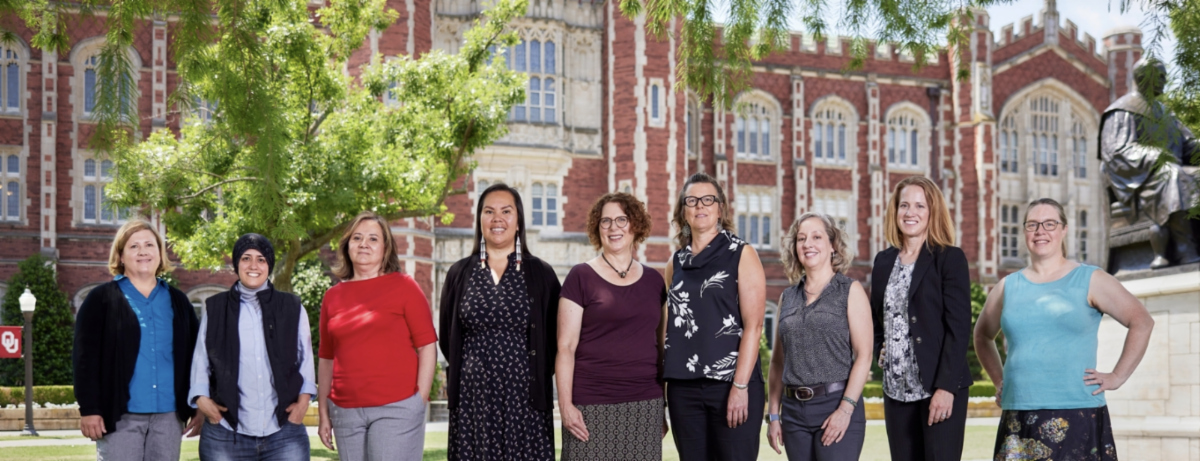
OU received a $3 million research grant from the National Science Foundation’s ADVANCE program. The five-year project, “OU Elevate: Implementing Equitable Multi-Context Faculty Evaluations and Workload Distributions,” was developed by an interdisciplinary team of OU faculty representing several colleges and academic units. Lori Anderson Snyder, Ph.D., a professor of psychology in the Dodge Family College of Arts and Sciences and the lead principal investigator on the grant, will serve as the director of OU Elevate. “We are incredibly proud of Dr. Snyder and her colleagues for developing this project, and we are immensely grateful to the National Science Foundation for recognizing the value of equitable faculty annual evaluations,” said OU President Joseph Harroz Jr. “Transforming how we evaluate faculty toward a more holistic model that captures all aspects of faculty activity and engagement helps measure the true impact we’re having on our students and research efforts. This brings us closer to ensuring that OU is a place of belonging and growth for all people, as well as an environment where innovative research flourishes.” LEARN MORE
Pictured: OU Elevate team outside Evans Hall (from left) Lori Anderson Snyder, principal investigator and director of OU Elevate, with Mashhad Fahes, Georgia Kosmopoulou, Natalie Youngbull, Keri Kornelson, Sarah Ellis, Carol Silva, Amy Cerato, and Megan Elwood Madden. (OU Photo by Travis Caperton)
| |
OU PHYSICISTS RECEIVE $1 MILLION GRANT TO EXPLORE QUANTUM SYNCHRONIZATION
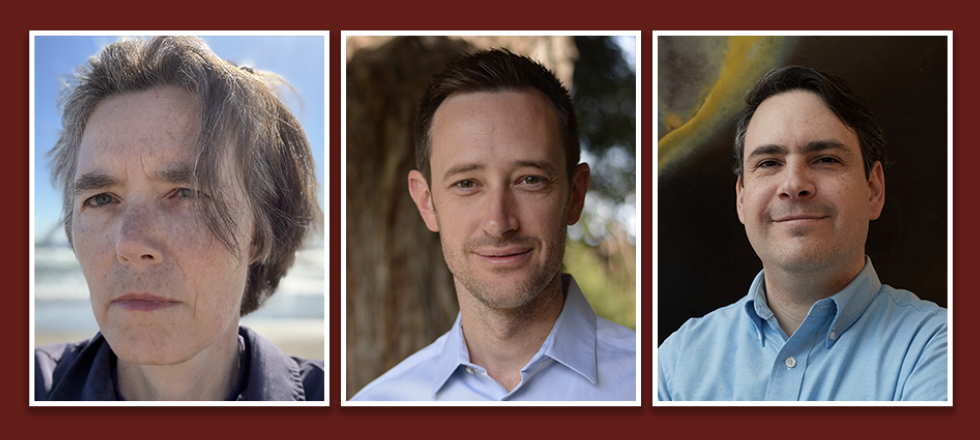
Every summer, fireflies light up the night sky searching for their mates, but something interesting happens when the number of fireflies in a given area reaches a certain density – their flashes synchronize. Rather than isolated flashing, each glowing firefly in a swarm luminesces together. This kind of naturally occurring synchronization has physicists interested in how to replicate the phenomena at the quantum level using atoms and light. With potential implications for network synchronization over fiber optic and wireless channels, like how a smartphone can connect to a laptop, or even improving electrical power systems, the ability to create synchronization is the aim of a new research project led through the Homer L. Dodge Department of Physics and Astronomy and the Center for Quantum Research and Technology. The three-year project is funded through a $1 million grant from the W. M. Keck Foundation and is led by Professor Doerte Blume, Ph.D. Blume is working with CQRT researchers Grant Biedermann, Ph.D., and Alberto Marino, Ph.D., with the support of postdoctoral researchers and graduate and undergraduate students, to develop quantum synchronization and quantum organization, combining both theory and multiple experimental approaches. Blume is providing the theoretical expertise that underpins the project’s multiple experimental approaches, one using optical tweezers and one involving quantum light. She is also leading the network modeling that will attempt to bridge these experimental approaches. READ MORE
Pictured: Doerte Blume, Grant Biedermann and Alberto Marino
| |
|
OU HISTORIAN RECEIVES NEH PUBLIC SCHOLARS AWARD FOR BOOK ON INTERRACIAL FAMILIES IN JIM CROW-ERA MISSISSIPPI
Kathryn A. Schumaker, Ph.D., associate professor and the Edith Kinney Gaylord Presidential Professor in the Department of History, Dodge Family College of Arts and Sciences, has received a highly competitive award from the National Endowment for the Humanities. The one-year $60,000 NEH Public Scholars Award will support the writing and revision of a book providing new history and insight on the color line in Mississippi as told through the stories of interracial families. The term color line refers to the racial segregation, enforced by state and local laws known as Jim Crow laws, that were particularly common in the Southern United States following the abolition of slavery. Schumaker’s project, “Interracial Families in Jim Crow Mississippi,” will explore how interracial families experienced the rise of Jim Crow and how they responded. MORE INFORMATION
| |
|
OU PROFESSOR WORKING TO DISCOVER NEW TREATMENTS FOR TUBERCULOSIS
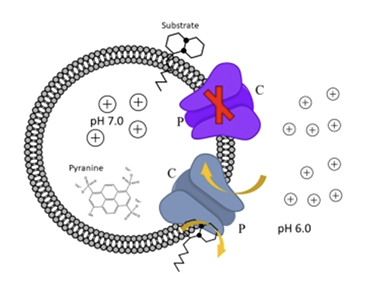
Mycobacterium tuberculosis, the causative agent of tuberculosis, remains the leading cause of infectious disease worldwide, affecting approximately a quarter of the globe’s population. Treatment of infections is problematic due to the emergence of drug-resistant strains; however, University of Oklahoma professor Helen Zgurskaya, an expert in antibiotic resistance, is leading research on new potential therapeutic treatments for the disease.
Zgurskaya, a George Lynn Cross Research Professor in the Department of Chemistry and Biochemistry in the Dodge Family College of Arts and Sciences, is the corresponding author of the article “Proton transfer activity of the reconstituted MmpL3 is modulated by substrate mimics and inhibitors,” published in Proceedings of the National Academy of Sciences. READ MORE
Illustration: MmpL3 is the major target for discovery of new anti-tuberculosis drugs. Zgurskaya and co-authors isolated this target from bacterial cells and reconstituted it in artificial membranes. This creates a powerful tool to characterize and develop new drugs.
| |
|
OU PROFESSOR WORKING TO CO-LEAD NEW NSF-FUNDED INSTITUTE FOR EMERGING VIRUS RESEARCH
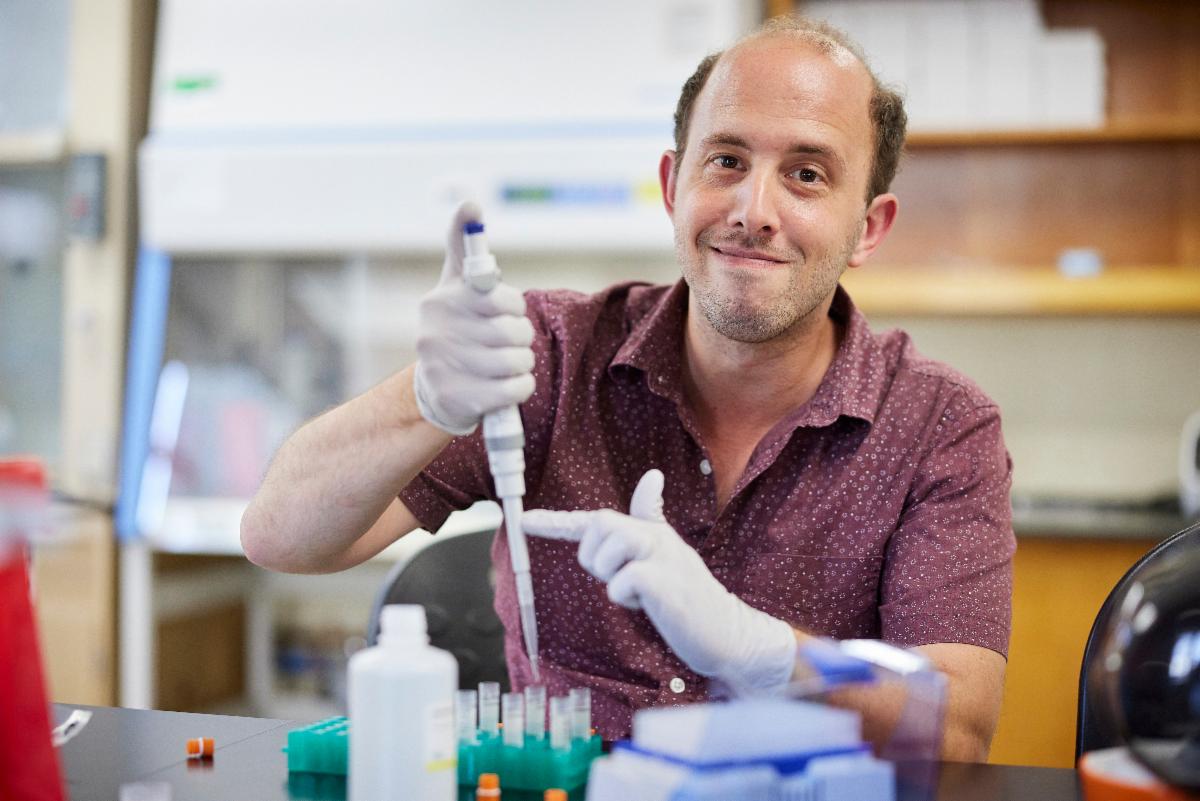
Daniel Becker, Ph.D., an assistant professor in the Department of Biology in the Dodge Family College of Arts and Sciences, is joining a global team of scientists as co-lead investigator for a new National Science Foundation-funded institute designed to advance research and education around viral emergence – the process of viruses jumping from animals to humans. The Verena (Viral Emergence Research Initiative) Biology Integration Institute aims to advance a cross-disciplinary research agenda that targets significant sources of emerging infectious diseases. The institute, based at Georgetown University’s Center for Global Health Science and Security, will also train scientists at all career stages in the science of the host-virus network, as well as core scientific skills in data fluency and boundary spanning, creating the next generation of viral emergence-focused researchers. Becker will lead a particular foci of work within the institute: the coevolution of host immunity and the global virome. This component will study the evolutionary forces that have shaped the immune systems of virus hosts and their vectors, focusing especially on bats and mosquitoes. READ MORE
| |
|
RESEARCHERS RECEIVED TWO GRANTS FROM THE INSTITUTE OF MUSEUM AND LIBRARY SERVICES
June Abbas, Ph.D., a professor in the School of Library and Information Studies and the interim director of the Data Scholarship Program, is the principal investigator of two awards received from the Institute of Museum and Library Services National Leadership Grants for Libraries program.
One of the awards began with seed funding supported by the Data Institute for Societal Challenges in 2021 for their project, “Creation of a Sustainable and Holistic Refugee Resettlement Model,” to investigate the issues faced by refugees and the ways the community assists their transition.
The research team interviewed business owners and members of nonprofit organizations, church organizations, schools and libraries in or near the Vickery Meadow refugee community in Dallas.
As a result of this preliminary work, the Institute of Museum and Library Services National Leadership Grants for Libraries program has awarded Abbas, along with coinvestigators Chie Noyori-Corbett, Ph.D., associate director of research in the Anne and Henry Zarrow School of Social Work, and Jiening Ruan, Ph.D., professor from the Jeannine Rainbolt College of Education, a two-year planning grant for $149,994 that will help the team identify the library services most needed by refugee communities.
| |
|
Additionally, Abbas and coinvestigator Yong Ju Jung, assistant professor from the School of Library and Information Studies, received a three-year grant for $296,685 from the same IMLS NLG program to develop practical and applicable inclusive programming within the public library system for youth with disabilities and to develop training programs that will help library professionals create their own inclusive programs.
| |
The Institute of Museum and Library Services is the primary source of federal support for the nation's libraries and museums. We advance, support and empower America's museums, libraries and related organizations through grantmaking, research and policy development. Their vision is a nation where museums and libraries work together to transform the lives of individuals and communities. To learn more, visit www.imls.gov.
Pictured: top: June Abbas, Chie Noyori-Corbett and Jiening Ruan; below: Yong Ju Jung
| |
|
Stephen Weldon, Ph.D., associate professor in the Department of History of Science, Technology and Medicine, recently received a fifth term as the History of Science Society’s bibliographer. The grant by the HSS was for $386,000 over five years. During the last 20 years of his tenure, Weldon has edited an annual print volume of the Isis Current Bibliography, the largest and oldest bibliography in the field (going back to 1913). Each volume contains citations to over 5,000 recent publications in the field of history of science. In addition to the print volume, Weldon manages an online resource containing 50 years worth of bibliographic data: IsisCB Explore. This discovery service is under continual development, and this past year, Weldon, with the assistance graduate student Paul Vieth, completely updated and redesigned the public interface, making it more aesthetically interesting, dynamic and responsive to users. The Explore service was built under Weldon’s direction in 2014-15 with the help of a large grant from the Alfred P. Sloan Foundation. The project is supported by the History of Science Society, the OU Department of History of Science, Technology, and Medicine, the OU History of Science Collections, the Dodge Family College of Arts and Sciences and the OU Libraries.
| |
|
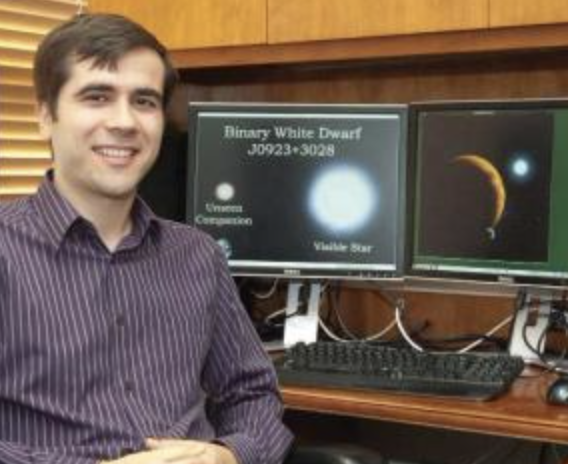
MUKREMIN KILIC – HOMER L. DODGE DEPARTMENT OF PHYSICS AND ASTRONOMY
$368,640 – NATIONAL SCIENCE FOUNDATION
CONSTRAINING THE EVOLUTIONARY PATHWAYS FOR WHITE DWARFS: CRYSTALLIZATION, COOLING ANOMALIES AND MERGERS
Age is a fundamental parameter for stars, yet the only stellar age we can reliably measure is that of the Sun through the long-lived isotopes in the solar system. Professor Kilic and his collaborators are trying to change that by improving our understanding of the physics of white dwarf stars. White dwarfs are the dead remains of stars like the Sun, and they simply get cooler and cooler over billions of years. During this process, their interiors, made up of carbon and oxygen, crystallize. This crystallization process releases extra heat and keeps the star young. This NSF grant will enable PI Kilic and collaborators to create a complete spectroscopic sample of white dwarfs within 300 light years of the Sun, and improve their cooling physics. Kilic is working with Co-I Warren Brown (Harvard Smithsonian Center for Astrophysics) on this project.
| |
|
KIMBALL MILTON
HOMER L. DODGE DEPARTMENT OF PHYSICS AND ASTRONOMY
$80,000 – NATIONAL SCIENCE FOUNDATION
ADVANCES IN CASIMIR-POLDER INTERACTIONS BETWEEN ATOMS AND SUBSTRATES
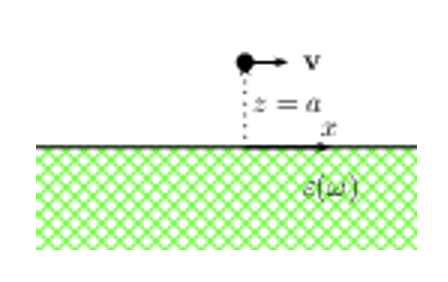
In this research project, carried out with Ph.D. student Xin (Michael) Guo, and remote collaborators Gerard Kennedy (Southampton), Steve Fulling (Texas A&M), Nima Pourtolami (Montreal), Li Yang (Nanchang), Prachi Parashar (Logan College) and others, researchers are studying and predicting effects that arise because the quantum vacuum, in which particles and antiparticles pop into and out of existence, is an active medium, undergoing quantum and thermal fluctuations. This is what gives rise to the Casimir effect, which is the experimentally observed attractive force between closely spaced metallic plates in vacuum, predicted by Hendrik Casimir in 1948. Researchers are currently focusing their efforts on Casimir friction, the friction between bodies undergoing relative motion even though they are not in contact and are separated by vacuum. Even an atom or nanoparticle moving through empty space experiences a very small frictional drag, which was predicted by Albert Einstein 112 years ago. These small effects have not been observed in the laboratory, but researchers are developing ideas to enhance the size of the friction, and to look for novel signatures of effect of the quantum vacuum on the nanoparticle, such as an increase in its temperature. There may also be exciting quantum mechanical signatures, such as entanglement.
Illustration: This diagram shows an atom or nanoparticle moving parallel to a surface of a metal or other solid. Because of quantum and thermal vacuum effects the particle experience friction. The friction persists even if the surface is not present.
| |
|
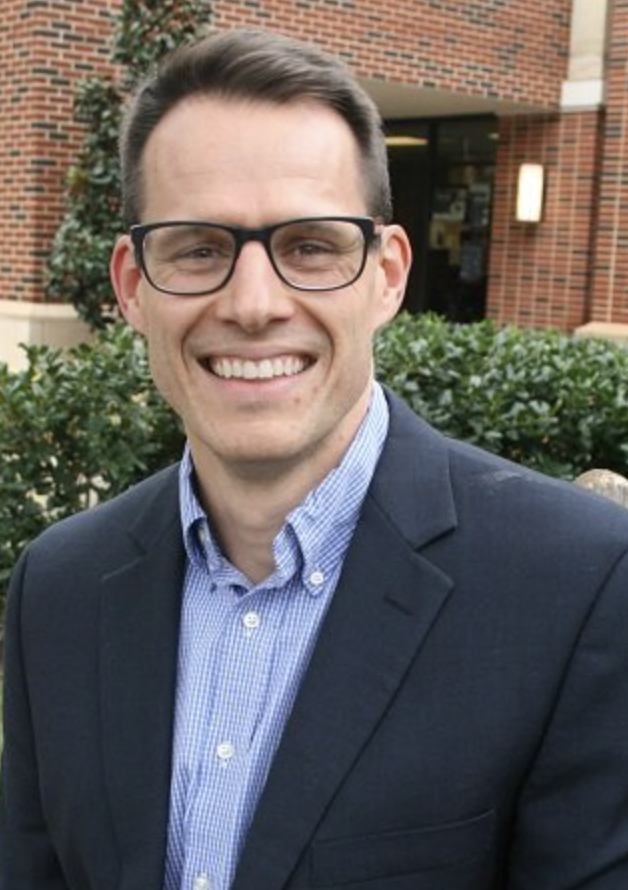
Samuel Perry, an associate professor in the departments of Sociology, Religious Studies, and Women and Gender Studies, was recently featured on CNN to explain Christian Nationalism in response to our current national socio-political climate. In addition, Perry has been invited to be the keynote speaker at the annual conference for the National Council of Urban Educators in December. Perry is among the nation's leading experts on the ways American religious nationalism is intensifying partisan polarization.
| |
|
Bringing OU innovation to the world is the goal of Boyd Street Ventures, a one-of-a-kind venture capital firm based in Norman whose mission is to provide funding and guidance for promising startups within the OU ecosystem.
The firm has created the first fund that allows alumni to support OU by investing in affiliated early-stage businesses created within OU or founded by OU alums.
The story of the Boyd Street Ventures starts with founder and managing partner, James Spann, who graduated from OU in 1982 with a bachelor of arts degree in business administration. He went on to earn an MBA from Indiana Wesleyan University. Additionally, he completed the executive management certificate in mergers and acquisitions at Northwestern University’s Kellogg School of Management and from The Wharton School, where he completed the executive management program.
During his 30 years working at the C-Suite level in fields related to health care, Spann also served the university through several committees and alumni activities. During his visits to campus, he saw how many startups were being developed within the OU ecosystem. Spann was also aware of several supportive organizations on campus, including the Office of Innovation and Corporate Partnerships, the Ronnie K. Irani Center for the Creation of Economic Wealth and the Tom Love Innovation Hub. In visiting with the leaders of these groups, however, he realized there was a problem: Too many startups had great ideas and supporting research but were unable to raise the funding necessary to launch their innovations.
Spann and I-CCEW Executive Director Jeff Moore decided the solution was to start a private venture capital firm that would exist primarily to support startups within the OU ecosystem – and to benefit numerous OU constituencies like students, faculty and staff in the process. Spann serves as the founder and managing partner, while Moore is the co-founder and strategic advisor while continuing to run I-CCEW.
BSV partners with startups in growing industries that also happen to be also areas in which OU excels from the research side: aerospace and defense, weather technology, energy technology, life sciences/biotech and fintech. BSV brings a combination of resources, including a board of strategic advisors that provides guidance in any area needed from improving efficiency, outsourcing manufacturing, or putting together a salesforce to finding the best way to position a brand in the marketplace. BSV works in concert with the three campus organizations mentioned above to help startups eliminate risk, shorten their time to market and ultimately see profit success.
For investors, including non-OU alums, BSV partners identifies under-the-radar startups from the OU ecosystem that don’t get the attention of similarly promising startups from East and West Coast universities and hence are less likely to be overbid and overpriced. Additionally, since BSV and the other three campus organizations can help decrease risk, the odds increase that these companies are successful and earn good returns.
Boyd Street Ventures has several events planned for the grand opening of their new offices in conjunction with Labor Day Weekend, including the following:
Friday, Sept. 2
Ribbon-Cutting Ceremony: 9 – 10 a.m.
Invitees include Oklahoma Gov. Kevin Stitt, OU President Joseph Harroz, Jr., all the OU deans and Norman Mayor Larry Heikkila.
RSVP
Open House: 3 – 6 p.m.
Check out the new headquarters
RSVP
Saturday, Sept. 3
Game Day Open House: 10 a.m. – 2 p.m.
Stop by to say hello and grab a breakfast burrito prior heading to watch the debut of the Coach Venables era of OU football.
RSVP
| |
|
Aug. 31
CASFAM Staff Meeting, 9 a.m.
Sept. 1
Junior and Senior Faculty Fellowship reports due to Terri Smith via email at terrismith@ou.edu.
| |
|
September 8
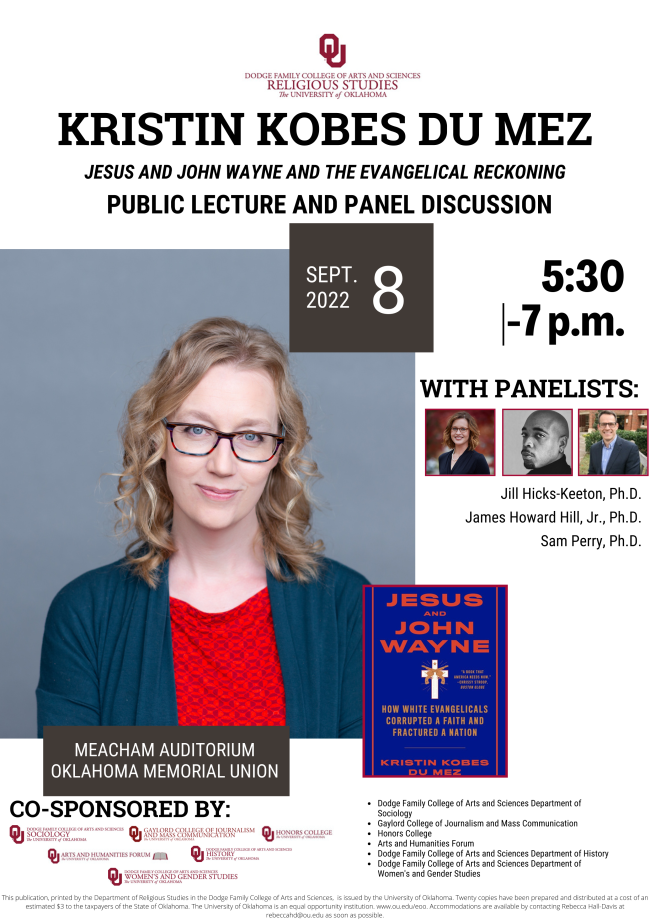
The Department of Religious Studies (along with Sociology, Honors College, Gaylord College of Journalism and Mass Communication, History, Women's and Gender Studies and the Arts & Humanities Forum) will welcome noted religious scholar Kristin Kobes Du Mez, who will discuss "Jesus and John Wayne and the Evangelical Reckoning," followed by a panel discussion with Jill Hicks-Keeton (RELS), James Howard Hill, Jr. (RELS) and Sam Perry (SOC).
| |
Sept. 21
The Institute for the American Constitutional Heritage will hold its constitution event at 3 p.m. in Meacham Auditorium, Oklahoma Memorial Union. The speaker will be Vincent Phillip Munoz of Notre Dame, whose presentation will be "Religious Freedom, Natural Rights, and Our Forgotten Principles of Constitutional Liberty."
Sept. 26
Deadline to submit new graduate degree programs or graduate certificates (using State Regents forms) to the Dean’s office.
Sept. 27
Chairs and Directors meeting, 10 a.m.
Sept. 28
CASFAM Staff meeting, 9 a.m.
Sept. 30
Sabbatical leave reports from fall 2021 and spring 2022 (two-semester sabbatical or spring 2022 only) are due to the Dean’s office.
Oct. 3
Deadline to submit new undergraduate degree programs (effective fall 2022) to the Dean’s office.
| |
If you have information or announcements for News & Updates, please submit to the College communication office.
| | | | | |