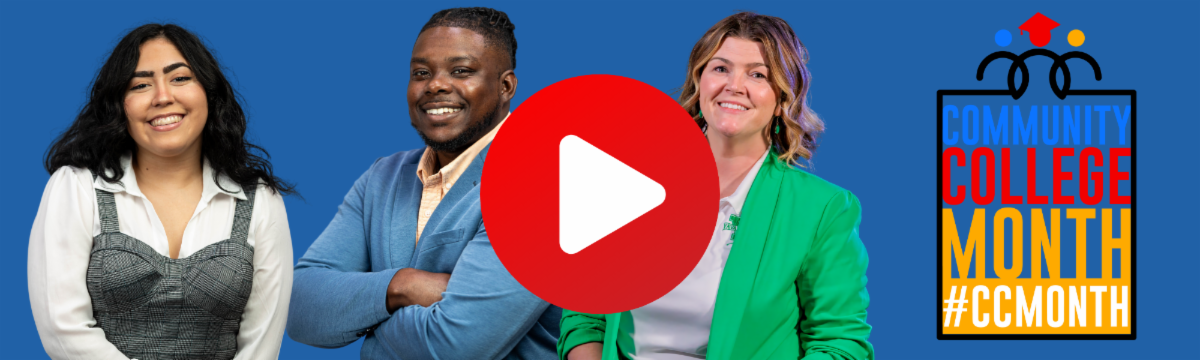
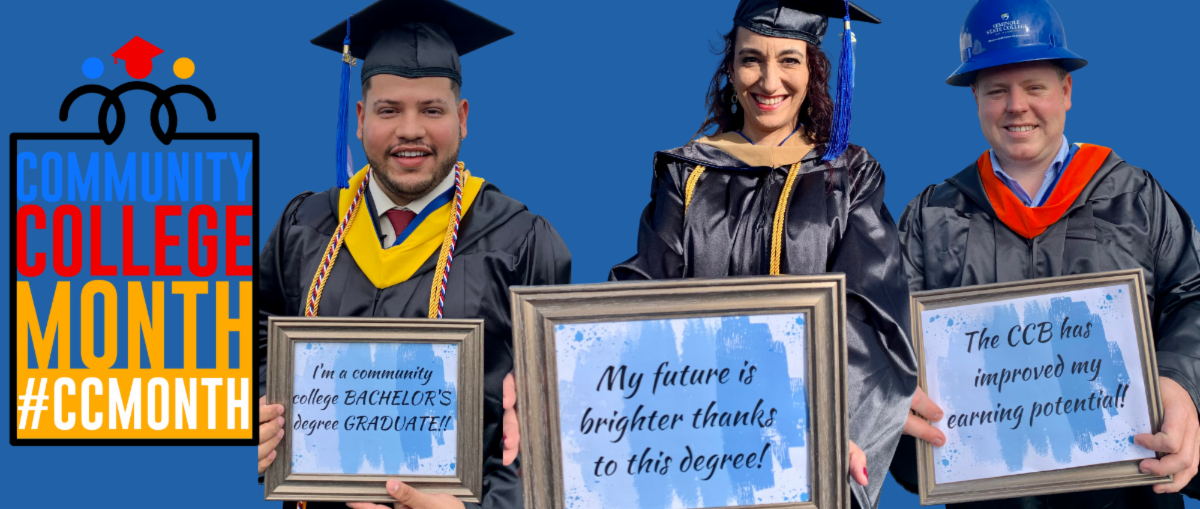
April is Community College Month!
Celebrate with CCBA
Take Action Today!
We Want Your CCB Promising Practices!
Now Accepting 2024 Applications
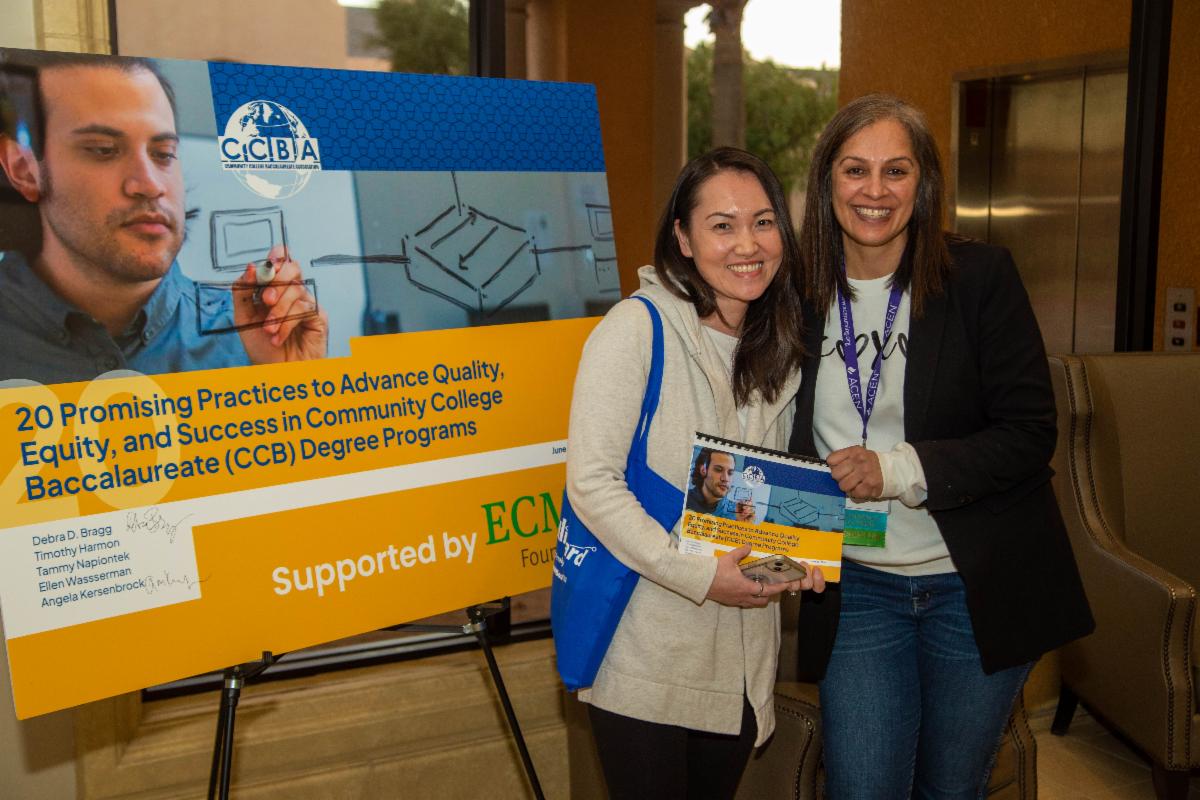
Is your CCB program utilizing effective strategies that have resulted in positive CCB student outcomes? The CCBA is now accepting applications for our 2024 Promising Practices database.

A Promising Practice is a proven strategy that promotes adult and underserved learner success in community college baccalaureate (CCB) programs. Rooted in the knowledge and experience of practitioners like you, these practices contribute to equitable education and employment opportunities for your graduates and communities.

The CCBA, with the support of ECMC Foundation, is now accepting applications for its third generation of innovative and effective practices.

Finalists will be included in CCBA's Promising Practices Searchable Database, recognized during the 2025 CCBA conference and earn conference break-out session priority. 

Applications must be submitted on or before May 20, 2024.
Meet the 2024 Debra D. Bragg Dissertation Award Honoree
Dr. Tammy Sanders
The prestigious Debra D. Bragg Dissertation Award annually recognizes an individual who sheds new light on broadening access and advancing equitable outcomes for community college students who are historically underserved.

Dr. Tammy Sanders' groundbreaking research “Equity-minded Recruitment of Latinx Students into Community College Baccalaureate Programs,” explores innovative approaches to inclusive pathways and promising recruitment practices.

"Dr. Sanders’ study shows how the intentional design of critical processes such as recruitment and communications, including website design, help to ensure Latinx students thrive in community college bachelor’s degrees," says award namesake Dr. Debra Bragg.
Follow Us On Social Media
Since 1999, the Community College Baccalaureate Association (CCBA) has been the nation’s only organization dedicated to promoting baccalaureate degrees on community college campuses as a means of closing racial, ethnic, and economic gaps by providing its members access to research data and strategic guidance as they develop and implement their baccalaureate degree programs.