|
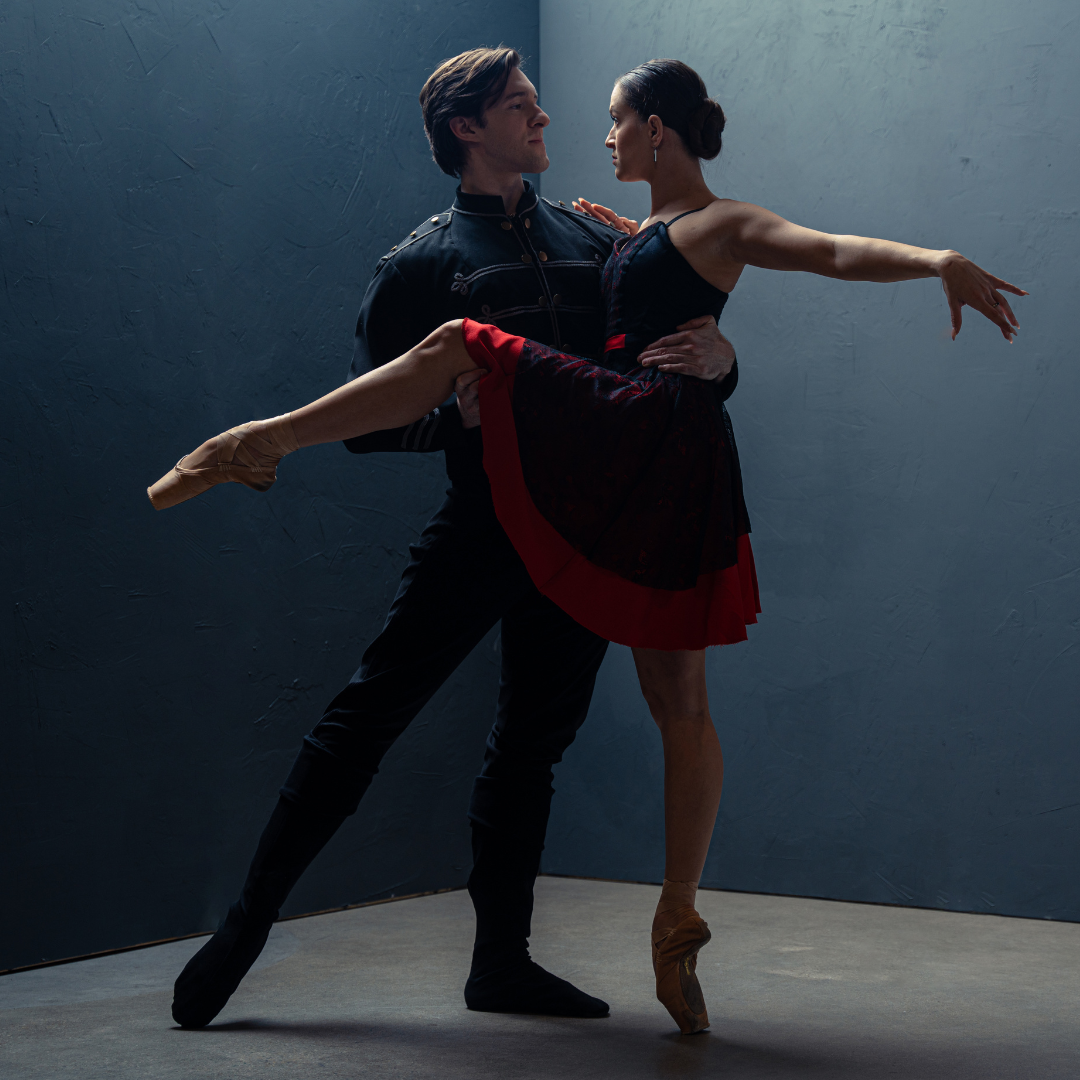
CM: You brought sections of your Carmen to Ballet Idaho for a collaboration with the Boise Philharmonic a couple of years ago and you’re back now, choreographing the full ballet. What is your version of this ballet like?
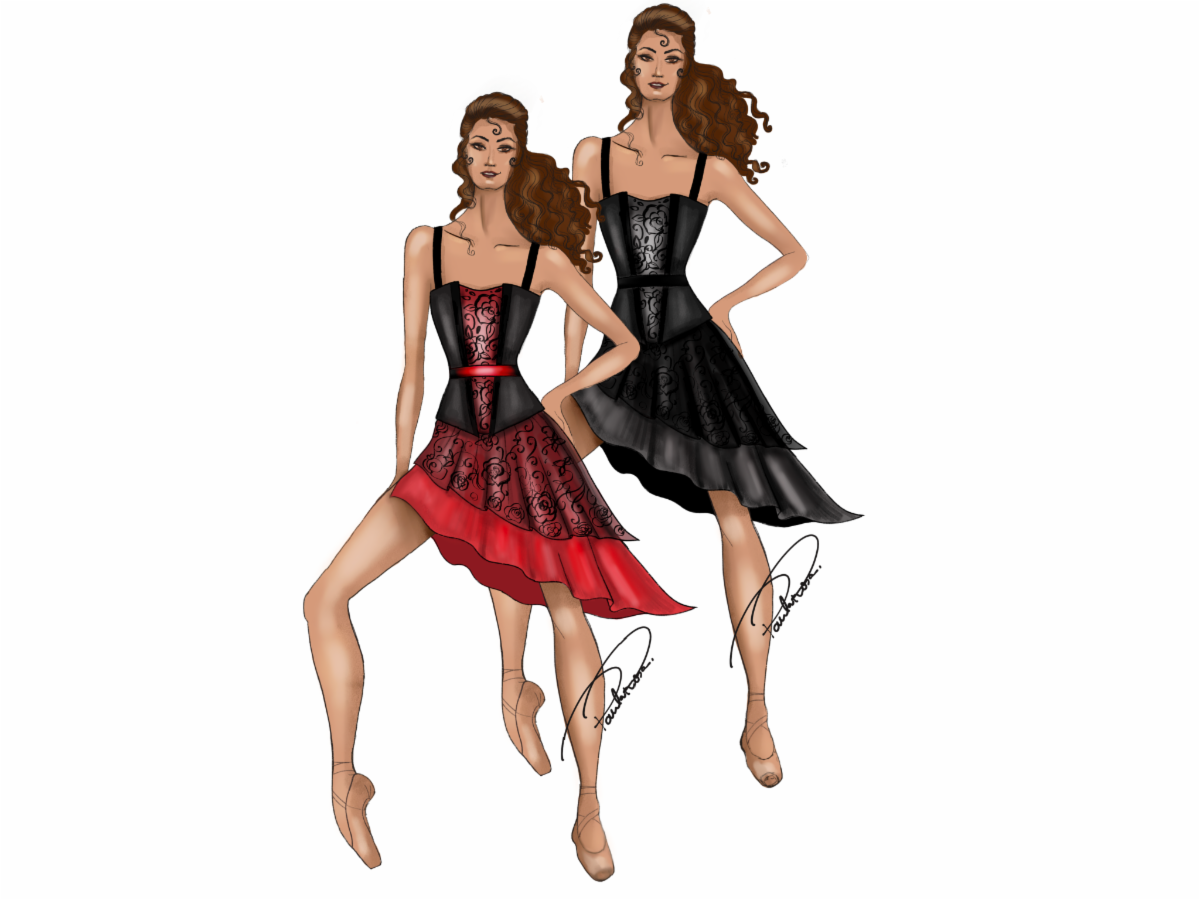
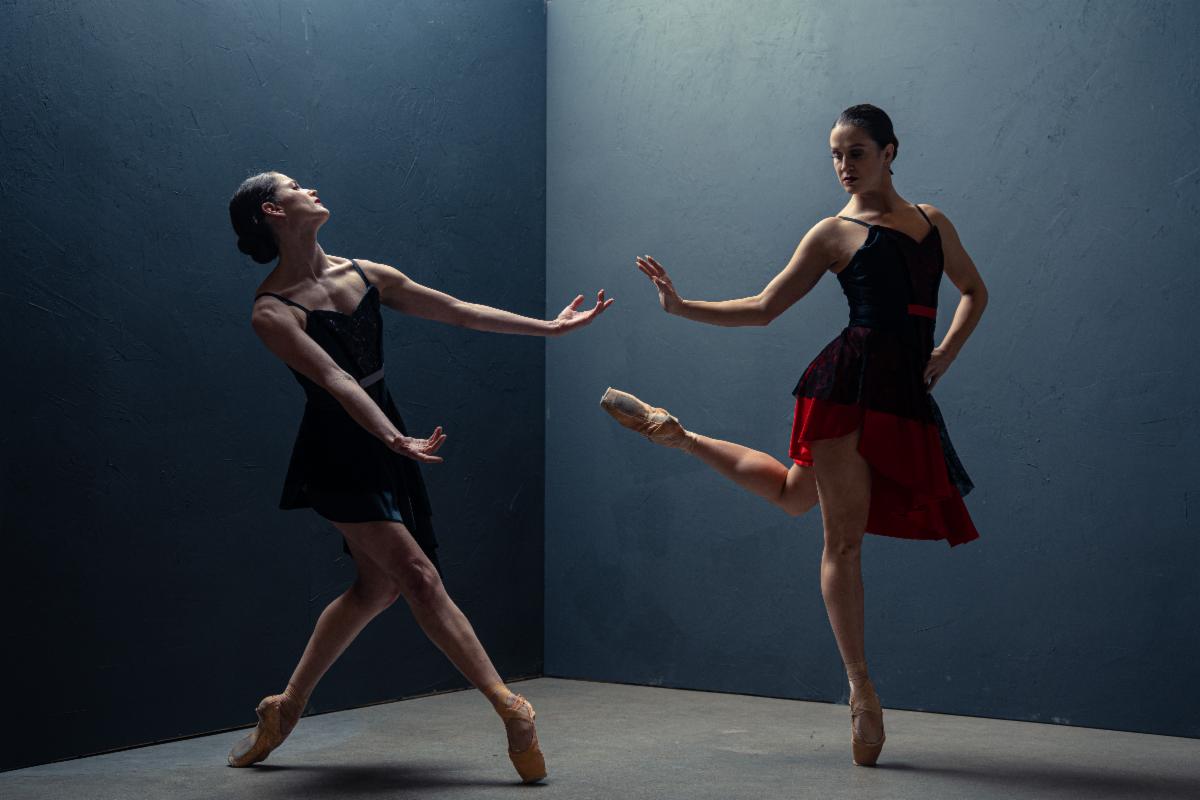
RA: Well, because the ballet version is a condensed story, every choreographer tries to make it their own, to adapt it according to the audience, and decide which part of the character is shown. Some accentuate the toreador, some people more on Don Jose’s character, and some more on Carmen. I’m basing my Carmen on Carmen.
CM: Tell me more!
RA: Well, I make it Carmen’s story and how seductive she is, how attractive she is. She wants to be the center of attention and play with all these men. The focus is this love triangle- she sees Don Jose, and she wants Don Jose, then she meets the toreador and wants him. She sees all the men in town and she wants to play with them. And this is leading to fights. The women get angry with her because she’s flirting with all the men, causing all this chaos in Seville. This is scandalous for this time period and so she is arrested and in prison, she seduces again and asks Don Jose to release her. And he does. But he can’t be in the army anymore because of what he has done, so he gives all that up, throws his uniform on the floor, and joins Carmen’s gang. But then she falls in love with the toreador. She goes to the bull fight, and Don Jose follows her to the ring, infuriated, and she is killed simultaneously with the bull.
CM: In the opera version, there is another main female character named Micaela and in the ballet version, you have a character named Destiny. But they aren’t the same at all are they?
RA: I took the character of Micaela and transformed her into Destiny. And Destiny is Carmen’s best friend but she’s representing her alter ego. Only Carmen sees Destiny.
CM: So is she real?
RA: I don’t know.. She may look real…
CM: It’s like a little Black Swan nod.
RA: Exactly. I don’t think she’s real.. I think Destiny is Carmen’s psyche... I believe that Carmen has the same character, the same fearlessness as the bull. And Destiny is her subconscious. Carmen knows deep down that the decisions she's making will cause trouble for her. And in the last scene, it will be Destiny representing the bull. So Destiny, who is the bull in that scene, and Carmen will die at the same time.
CM: Is there anything about choreographing Carmen that surprised you? Anything unexpected?
RA: I guess it wasn’t unexpected but there is a lot of seduction and because it's a short ballet, I wondered how am I going to make her seduce all these men and not be repeated, not have it get old, so it was a bit challenging to make each new seduction fresh. And it is going to be a very difficult role for the dancer of Carmen because she has to show this irresistible seduction, people have to understand her character, and why she feels so proud of who she is.
CM: Did you give Carmen a backstory or do you let the dancer go through that internally?
RA: Of course, we talked a lot, we played a lot.. I gave her visuals and ideas. We try to put the feeling on it. Because the movements, the choreography from me always comes from a reaction of a feeling. So we create this movement based on that feeling. I ask the dancer, “How would you do this, or how would you express that?” I tell her “I’d do it like this but how would you do it?” And so it becomes a natural way to tell the story.
CM: It seems like your choreographic process allows freedom of personality.
RA: I try! Because it has to come from the artist. I create a lot… I do say that I want this, and that, and that. But I always work with the dancers for it to be a good process.
CM: Which reads better onstage.
RA: It definitely reads better. And if the dancers are enjoying themselves and feeling comfortable in what they are doing, the audience will enjoy and understand better.
CM: Tell me about your journey to choreographing. You danced in Brazil and then studied with the National Ballet of Cuba and English National Ballet?
RA: Yes, and after English National, I got my first professional job at Paris Opera Ballet, which for me, oh my God, I couldn’t believe it. It is considered one of the best companies in the world and it was my first job. I was in shock. I had started ballet considerably later, at 12 years old. I worked so hard from 14 years old to 18. Not one day free, I worked hard. And by 18, I was at Paris Opera.
CM: WOW.
RA: Yeah, I danced there for two years and I loved it. I loved it. I thought maybe I’d stay in Paris forever. But because it was my first job, and it was a huge company, I worried I would stay forever in the corps de ballet, and not get a chance to develop. So I decided to go to the Youth Ballet of France, a renowned company that took dancers from all over. This company did an amazing repertory… we toured the world. But you can only stay a year, so after that year, I got a job in Belgium at the Royal Ballet of Flanders and moved up the ranks to soloist. In 2008, they began doing choreographic projects where the dancers would choreograph a piece. And I wanted to be a ballet master, a rehearsal director. I was always coaching people, helping people to dance better. So I thought if I choreographed a piece, the directors would see how good I am at coaching, and see that I could be a rehearsal director. So I did this ballet. And it was a huge success. The director immediately took my piece for the repertory of the company. And something clicked- I thought maybe I should be a choreographer, not a ballet rehearsal director. And then I didn’t stop choreographing.
CM: It was Destiny.
RA: It was.
|