The Wyoming Health Council works to ensure that all people can access equitable, inclusive, high-quality, and affordable reproductive and sexual health care. | |
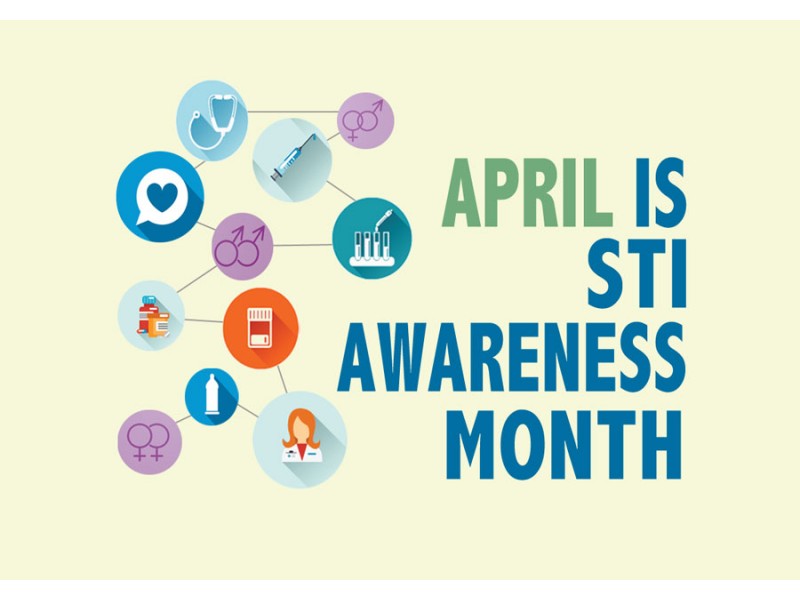
STI Awareness Month provides an opportunity to raise awareness about sexually transmitted infections (STIs) and how they impact our lives; how to reduce STI-related stigma, fear, and discrimination; and ensure people have the tools and knowledge for prevention, testing, and treatment! | |
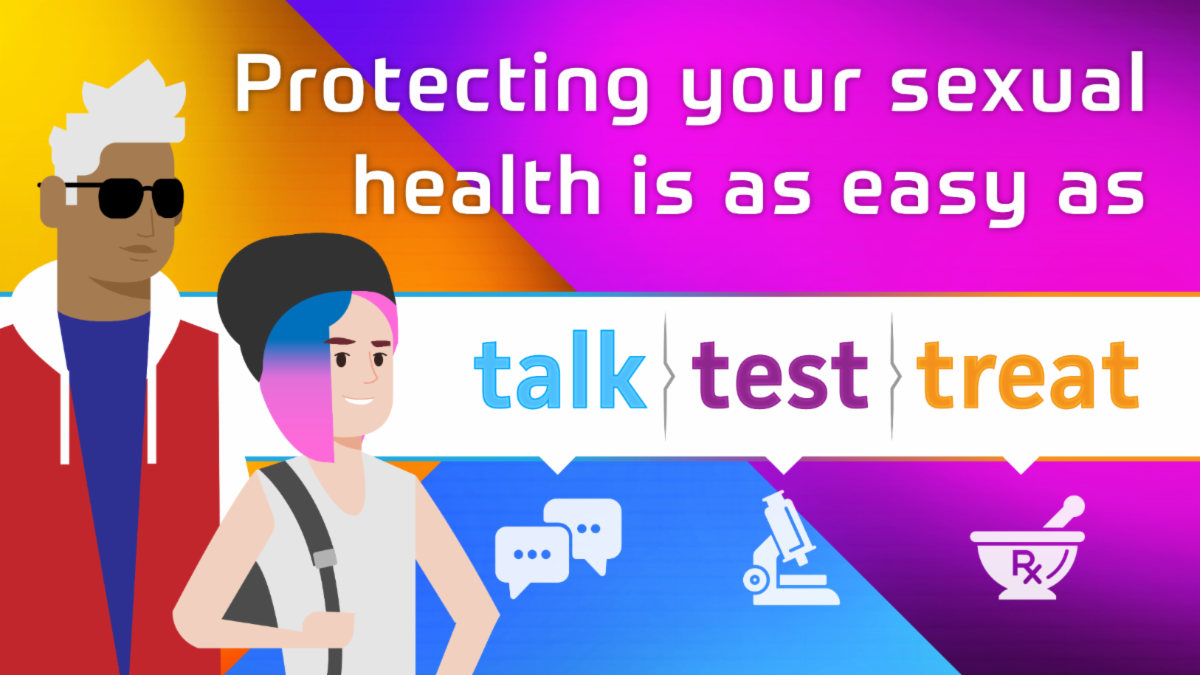
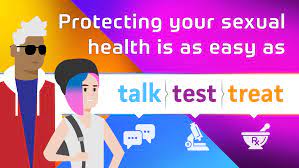
The CDC marks its own STI Awareness Week in April with the theme Talk, Test, Treat.
It’s a good framework to think about STIs and your sexual health.
Let’s break it down!
| | |
|
Talking openly and honestly about sex and sexual health makes for relationships that are more fun and satisfying. STIs are one part of that talk—when you were last tested for STIs, which ones, and what the results were. You can also talk about how often you get tested and whether you’ve had any partners since your last test. Having an open and honest conversation about STIs before you become sexually intimate is ideal.
But there’s so much more to talk about! What safer sex precautions do you want to take? Are you interested in a monogamous relationship or not?
| |
Evalene Dacker, MD, is a physician and sexual health educator who has created a great model that helps guide the conversation—the STARS Model. STARS is an acronym that stands for : Sexual Health and STI Status, Turn-Ons, Avoids, Relationship Intentions and Expectations, and Safety Needs and Safer Sex Etiquette. | |
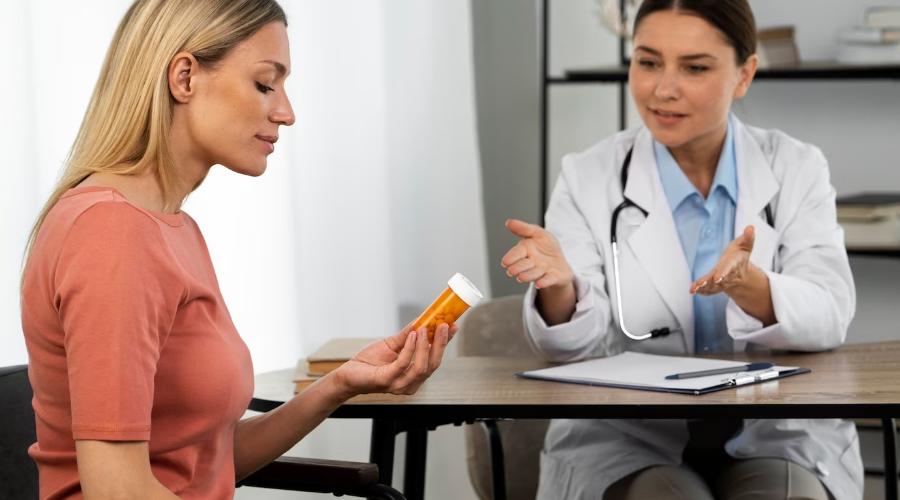
STD testing isn’t always part of your regular checkup or gynecologist exam. So make sure to ask for STD testing. Be honest with your nurse or doctor about your sex life, so they can help you figure out which tests are best for you. | |
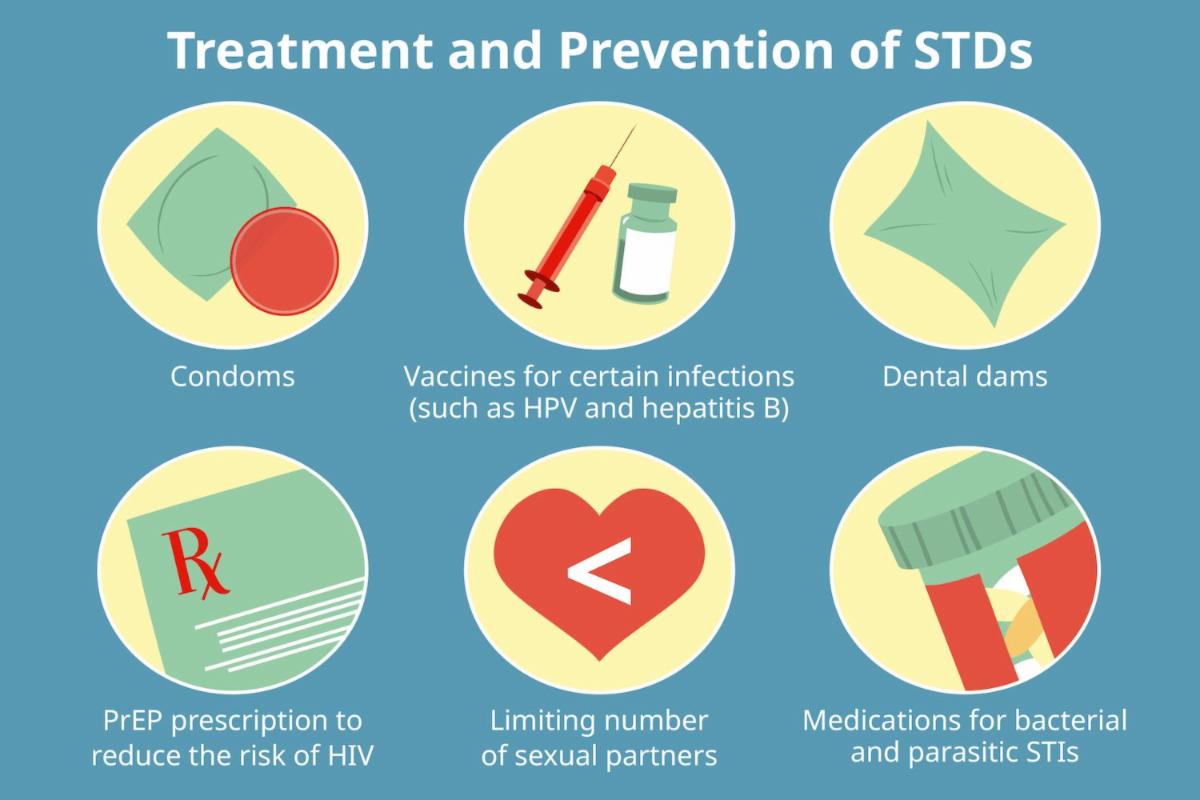
Here’s the good news—many STIs are curable and all STIs are treatable. There are some STIs caused —like chlamydia or trichomoniasis—that can be treated and cured with antibiotics. Viral STIs like herpes and HIV can’t be easily cured with medication, but they can be treated. Treatment for these infections can also help reduce the possibility of passing the infection on to a partner.
| |
Your Guide to Bringing Up Sexual Health With Someone New
We promise it doesn’t have to be awkward
Are you splashing around in the dating pool right now? Whether you’re looking for longer-term connections or exploring physical relationships with new sexual partners, there’s so much fun to be had.
But with the excitement of the new and mysterious come the complexities of the new and mysterious.
Discussing sexual health isn’t as taboo as it used to be, but some people may still feel awkward bringing it up or may worry that it’s a vibe killer. We get it–grown-up conversations are hard. But the issues that can come from not having this conversation are the ultimate vibe killer. These talks are essential and there are ways to approach them that won’t bring your sexy rapport to a screeching halt. Here’s what you need to know.
| |
|
How Does STI Testing Work?
Your nurse or doctor will help you figure out which tests you need. You’ll talk about:
- Any symptoms you’re having
- If you or your partner has ever had an STD before
- The number of people you’ve had sex with
- The kind of sexual contact you’ve had — like oral, anal, or vaginal sex, or anything that involves skin-to-skin genital contact or passing sexual fluids
-
How often you use protection, like condoms and
dental dams
- Other things you do that increase your chances of getting certain infections (like sharing needles)
This will help your nurse or doctor figure out which STD tests make the most sense for you. Make sure you’re open and honest with them, so you can get the care you need. Try not to feel embarrassed: Your doctor is there to help you, not to judge you.
| |
 | |
Why It's Easy To Get Help For An STD
A positive sexually transmitted disease (STD) result can bring up a flurry of frantic questions. Who gave it to me? Have I given it to someone else? Am I going to be OK?
While those worries are warranted, it’s important to know that—despite how isolating your results might feel—you’re far from alone.
Roughly 20 million new sexually transmitted infections are diagnosed and reported to the Centers for Disease Control and Prevention (CDC) each year in the United States.
And better news: Your outlook for treatment is pretty good.
All STDs are either curable or manageable once diagnosed, says Jenelle Marie Pierce, executive director of TheSTIProject.com. Some can be cured with a single dose of antibiotics. And although some STDs can last a lifetime, most symptoms can be easily managed through medication.
If you suspect you have an STD or have engaged in sex recently, it’s important to get tested. And if you do come back with a positive diagnosis, you can take control. Here’s your four-step plan.
| |
Wyoming clinics offer comprehensive sexual health risk assessments to determine the most appropriate plan of STD testing based on the individual client's risk factors. Our Wyoming clinics offer a multitude of testing options for sexually transmitted diseases. | |
|
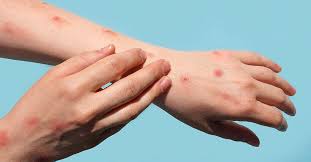
Mpox cases in the US are on the rise as vaccination rates lag and new threats loom
Mpox cases in the United States are twice as high as they were at this time last year, and experts are stressing the importance of improving vaccination coverage as transmission risks rise.
There have been 511 cases reported this year through March 16, according to data from the US Centers for Disease Control and Prevention — compared with fewer than 300 cases by late March 2023.
| |  |
|
Syphilis cases are rising in babies. Illinois has a potential solution
Illinois' Perinatal Syphilis Warmline
Launched in November 2023, the phone line is designed to answer questions about perinatal syphilis from medical professionals across the state.
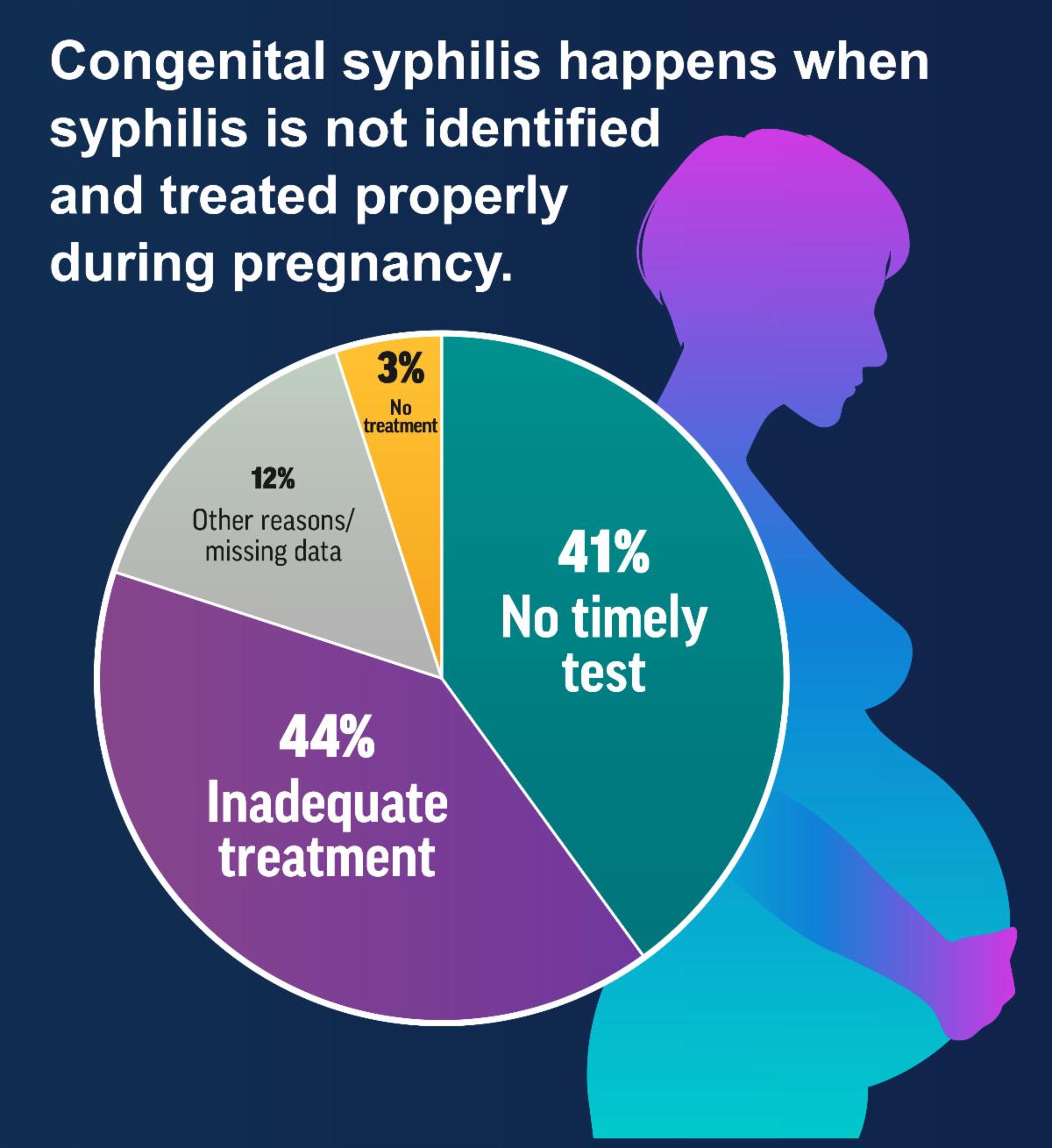
The phone line was started in response to a dramatic increase in Illinois – and nationwide – in congenital syphilis cases, which occurs when the syphilis infection is passed from mother to baby during pregnancy. There were roughly 4,000 babies born with syphilis in the United States in 2022 – in 2012, that number was 335.
| | |
Welcome to the 2024 STI Prevention Conference!
The STI Prevention Conference is a biennial conference that brings together international leading researchers with government experts, clinical STD care providers, and state and local public health administrators. The 2024 STI Prevention Conference is organized by the American Sexual Health Association, the American Sexually Transmitted Diseases Association, the Centers for Disease Control and Prevention, and the National Coalition of STD Directors. Join more than 1,200 conference attendees September 16-19, 2024, in Atlanta, Georgia, for four days of scientific updates and cutting-edge sessions on science, program, and policy. We hope to see you there!
| |
|
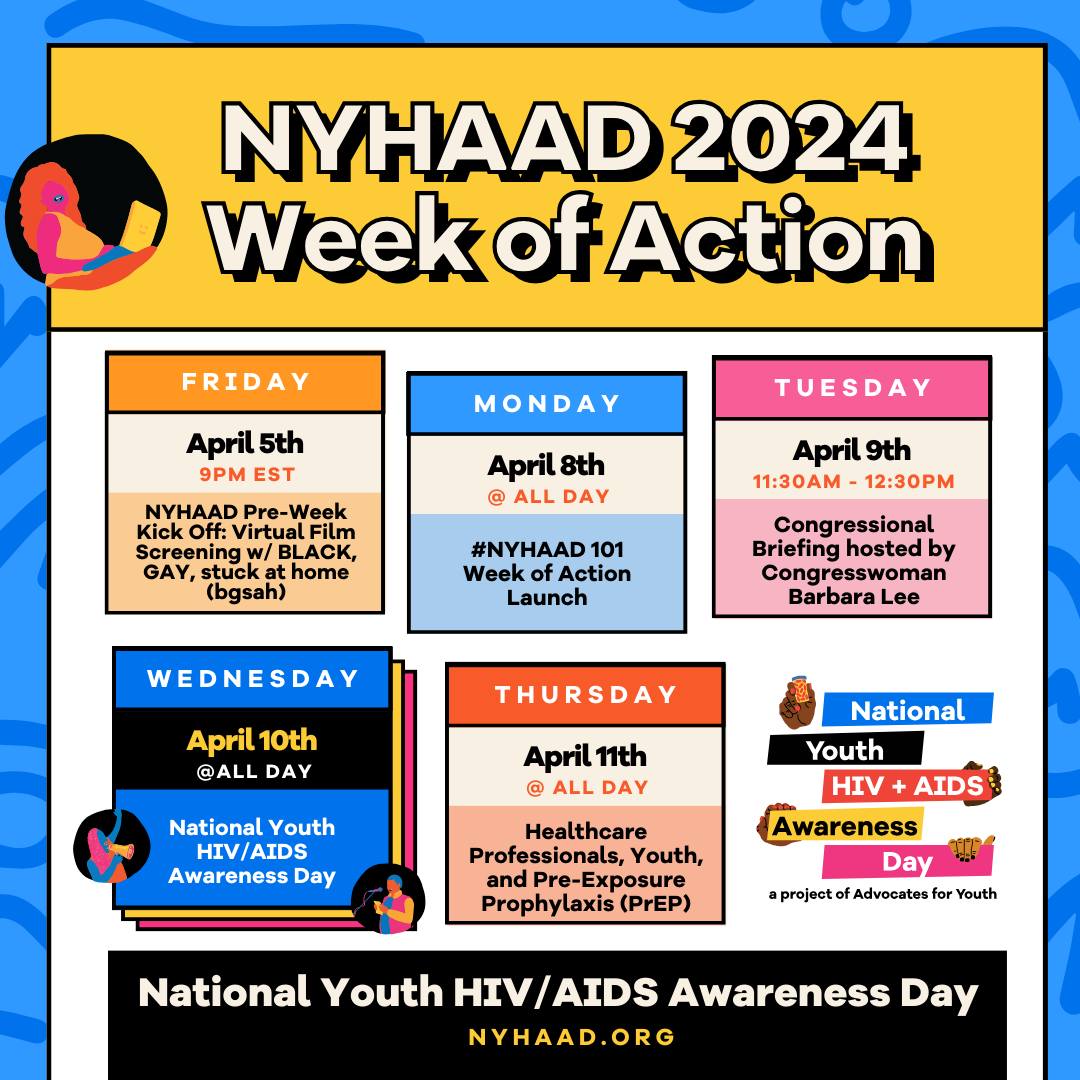
Today’s young people are the first generation who have never known a world without HIV and AIDS. The Centers for Disease Control and Prevention (CDC) reports that in 2020, young people aged 13–24 accounted for 20% of all new HIV diagnoses in the United States.
Young people living with HIV are the least likely of any age group to know their status, be retained in care and have a suppressed viral load.
April 10th National Youth HIV/AIDS Awareness Day (NYHAAD) is a great time to address the impact of HIV on young people and emphasizes the importance of young people having access to affirming, culturally competent, and medically accurate resources and tools.
| |
|
Click on the image above to learn more!
Advocates For Youth has a whole week of events leading up to National Youth HIV & AIDS Awareness Day!
| |
|
What were you wearing? A project to end victim-blaming
“What were you wearing?” is one of the most common questions victims of sexual violence endure. It suggests that somehow the victim could have prevented their assault. It is never the victim’s fault. To combat victim-blaming, 360 Communities, a nonprofit out of Minnesota, recently launched a campaign to collect stories from survivors and present them along with the clothes they wore at the time of their assault.
Trigger warning: These true stories are difficult for anyone to hear, especially victims/survivors of sexual violence.
We realize that watching this and recalling your assault may be triggering. Please take the time and space you need to process anything you are feeling and practice self-care.
| |
|
As long as there have been people who care about making the world a better place, there have been individuals advocating for sexual assault prevention.
In the United States, movements for social change and equality began to gain traction in the 1940s and 50s with the civil rights era. Although open discussion of the realities of sexual assault and domestic violence were limited at these times, activists for equal rights began to challenge the status quo.
Efforts during this time were championed by Black women and women of color. Advocates like Rosa Parks worked at the intersections of race-based and gender-based violence (a framework that years later in 1989, advocate and professor Kimberlé Crenshaw would call “intersectionality”).
Wide social activism around the issue of sexual assault continued into the 1970s, bringing with it support for survivors and heightened awareness. The first rape crisis center was founded in San Francisco in 1971, the same city where the first U.S. Take Back the Night event was held seven years later.
| |
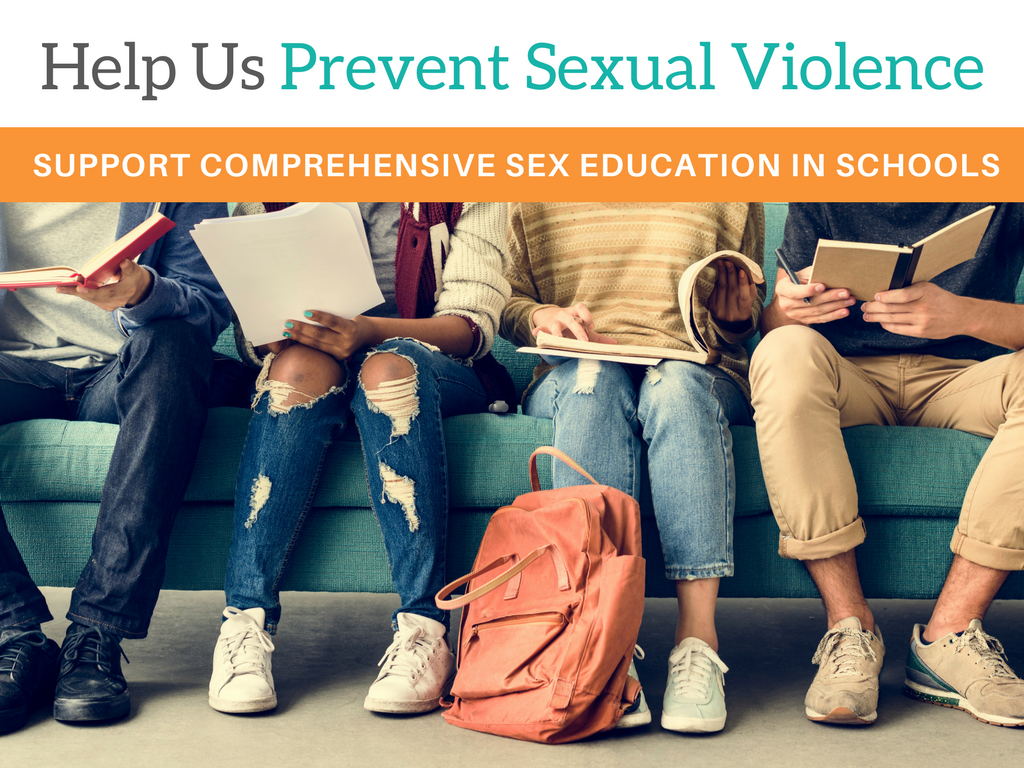 | |
Preventing Sexual Violence Through Comprehensive Sex Education
In the United States, one in three youth will experience a form of abuse (physical, sexual, emotional, etc.) from a partner before the age of eighteen. Increasingly, violence prevention education is being incorporated into comprehensive sex education curriculum.
The main goal of this is to give youth the tools and information they need to make informed and responsible decisions pertaining to sexual, romantic, and social relationships.
In learning about healthy relationships, young people learn about positive expressions of intimacy, boundaries, and strategies for avoiding and/or ending unhealthy relationships. Primary themes in comprehensive sex education can include healthy relationships, gender equality, the detrimental impacts of bullying, identity development, and body confidence. Sex education reduces the risk of gender-based violence and bullying through teaching about the impacts these things can have on them or their peers. The programs are designed to build on and draw on skills learned previously. Beginning education about healthy relationships, consent, and personal boundaries with younger children allows educators to develop behavioral standards in order to proactively lower the rates of interpersonal violence.
| |
 |
What My Assault Taught Me About How I Will Speak to My Children About Consent
When I was 12 years old, I was assaulted—and I had no idea how to deal with the storm of emotions brewing inside of me.
No one in my family knew how to help or respond to me either. They stayed quiet while I suffered in silence. My parents, both of whom had been abused as children, were never given any tools to help them heal. Desperately trying to avoid their own pain from their untreated abuse and trauma, dealing with mine was too painful for them.
A trauma-informed approach is one that aims to understand behavior—not label it, blame someone, or accidentally shame them. Telling people that it's OK to not feel OK, sharing with them that they are not alone, and telling them that you believe them are all powerful ways to offer a young person a safe space to navigate confusion around trauma...
It’s important to start conversations with your kids about their bodies and consent when they are young. Through these discussions, kids can learn what is right and wrong and empower them to say “no” and seek help when they need to.
| |
|
What is Denim Day?
Denim Day is a nationally and internationally recognized movement to bring awareness to remind people that there is no excuse and never an invitation to sexually assault someone. The Denim Day campaign began in 1999 as part of an international protest of an Italian Supreme Court decision to overturn a rape conviction because the victim was wearing jeans. The Head Judge argued, "Because the victim wore very, very tight jeans, she had to help him remove them..." The judgment sparked a worldwide outcry. Denim Day is a symbol of protest against misconceptions that surround sexual assault.
Each April the University of Wyoming encourages the community to wear denim and post on social media that #CowboysWearDenim to show that violence is not tolerated and that everyone is expected to do their part in preventing it!
This year on the University of Wyoming Campus Denim Day will be April 24th, 2024.
| |
|
Celebrated every year in April, National Minority Health Month: Builds awareness about the disproportionate burden of premature death and illness in people from racial and ethnic minority groups.
This year's theme, Be the Source for Better Health: Improving Health Outcomes Through Our Cultures, Communities, and Connections, is about understanding how the unique environments, cultures, histories, and circumstances (known as social determinants of health, or SDOH) of racial and ethnic minority and AI/AN populations impact their overall health.
| | |
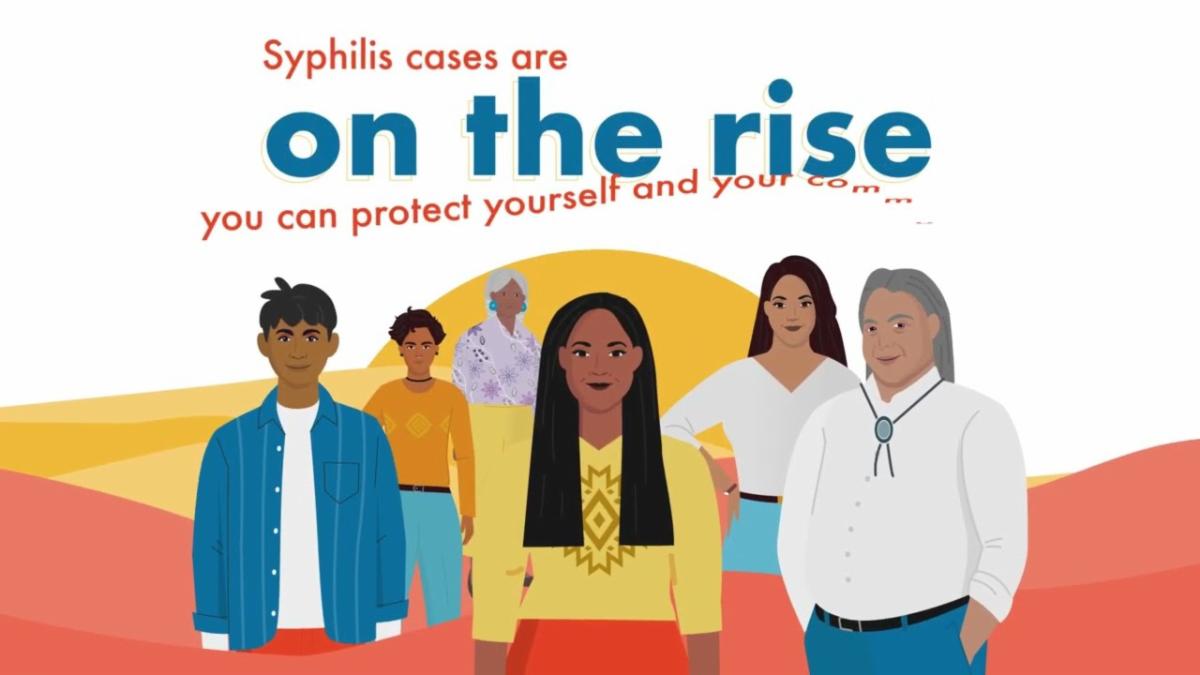 | |
Rapid Rise in Syphilis Hits Native American Hardest
Syphilis infections nationwide have climbed rapidly in recent years, reaching a 70-year high in 2022, according to the most recent data from the Centers for Disease Control and Prevention. That rise comes amid a shortage of penicillin, the most effective treatment. Simultaneously, congenital syphilis — syphilis passed from a pregnant person to a baby — has similarly spun out of control. Untreated, congenital syphilis can cause bone deformities, severe anemia, jaundice, meningitis, and even death.
In 2022, the CDC recorded 231 stillbirths and 51 infant deaths caused by syphilis, out of 3,761 congenital syphilis cases reported that year.
And while infections have risen across the U.S., no demographic has been hit harder than Native Americans. The CDC data released in January shows that the rate of congenital syphilis among American Indians and Alaska Natives was triple the rate for African Americans and nearly 12 times the rate for white babies in 2022.
“This is a disease we thought we were going to eradicate not that long ago, because we have a treatment that works really well,” said Meghan Curry O’Connell, a member of the Cherokee Nation and chief public health officer at the Great Plains Tribal Leaders’ Health Board, who is based in South Dakota.
Instead, the rate of congenital syphilis infections among Native Americans (644.7 cases per 100,000 people in 2022) is now comparable to the rate for the entire U.S. population in 1941 (651.1) — before doctors began using penicillin to cure syphilis. (The rate fell to 6.6 nationally in 1983.)
| |
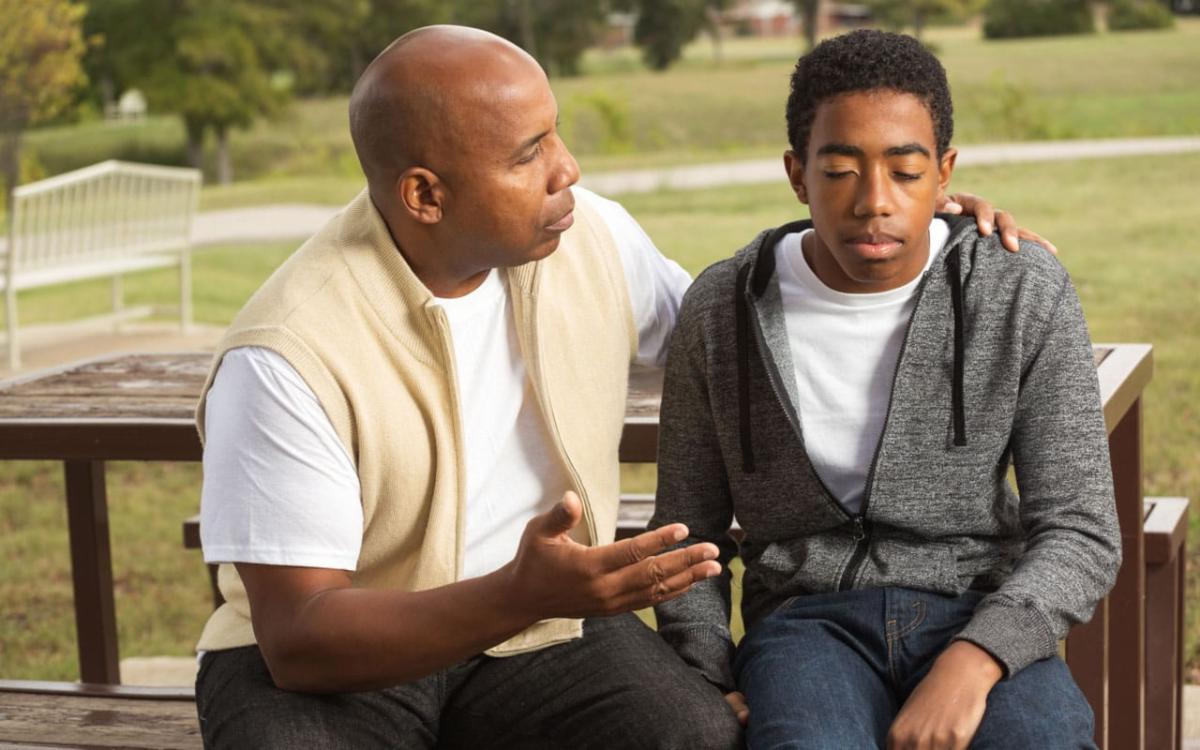 | |
Latino and Black Dads Often Underestimate When Teen Sons Are sexually Active, Delaying Safe Sex Advice
Fathers' perceptions of when their sons are ready for sex correlate with their advice on condom use, but that often doesn't match their teens' experiences.
Latino and Black fathers often underestimate when their teenage sons become sexually active, resulting in delayed education about safe sex practices, a new study found.
The research paper published in the Annals of Family Medicine explored the link between what fathers know about their adolescent sons’ sexual behavior and their guidance on safe sex.
They found that fathers’ perceptions of when their sons are ready for sex correlate with their advice on condom use, which often doesn't match when their sons actually begin engaging in sexual activity.
Researchers from the Johns Hopkins School of Nursing went into the Mott Haven neighborhood of the South Bronx and surveyed 191 Latino and Black teenagers, from 15 to 19, as well as their fathers, on the teenagers’ sexual behavior and knowledge.
They found that many Latino and Black fathers often underestimated their sons’ sexual readiness. In addition to age, fathers considered other markers for maturity, such as reaching certain milestones and preparedness for safe sex, before giving guidance on condom use.
“Fathers tended to underestimate that their adolescent son was sexually active, so that isn’t a good predictor. Because it means that the adolescent boy, the young person 15 to 19, could have already started having sex and their dad doesn’t realize that,” said Vincent Guilamo-Ramos, the study’s lead researcher and executive director of the Institute for Policy Solutions at the nursing school, who is also a nurse practitioner.
| |
 |
Beyond the Numbers: Access to Reproductive Health Care for Low-Income Women in Five Communities
In Washington, DC, and in state capitols across the nation, policy debates over the future of access to reproductive and sexual health services are shaping the range of services and providers available to low-income women. Access to these services, including contraceptive care, sexually transmitted infection (STI) prevention and treatment, obstetrical care, and abortion services, have a profound impact on women’s lives. While instructive, national statistics can mask wide regional and local variation, as well as disparities across socioeconomic, racial, and ethnic groups. In order to understand what is happening at the local level, we went beyond the statistics to see how these policies are playing out in diverse communities across the United States.
Service availability and policies related to health care, contraception, and abortion vary significantly across and within states. State policymakers determine whether to expand Medicaid coverage to low-income adults under the Affordable Care Act (ACA), establish and fund family planning programs for uninsured residents, and adopt rules that regulate abortion services. These state policies also intersect with local factors; the number and distribution of family planning and safety net providers, the content of school-based sex education, cultural traditions of local populations, and underlying social determinants of health all shape access to reproductive health care at the community level.
Shifting federal policies and priorities add to already complex state and local dynamics. New federal rules related to the Title X family planning program, for example, directly affect which organizations can receive funding to provide family planning services to low-income and uninsured women, and indirectly affect the availability of other basic health services.
| |
 | |
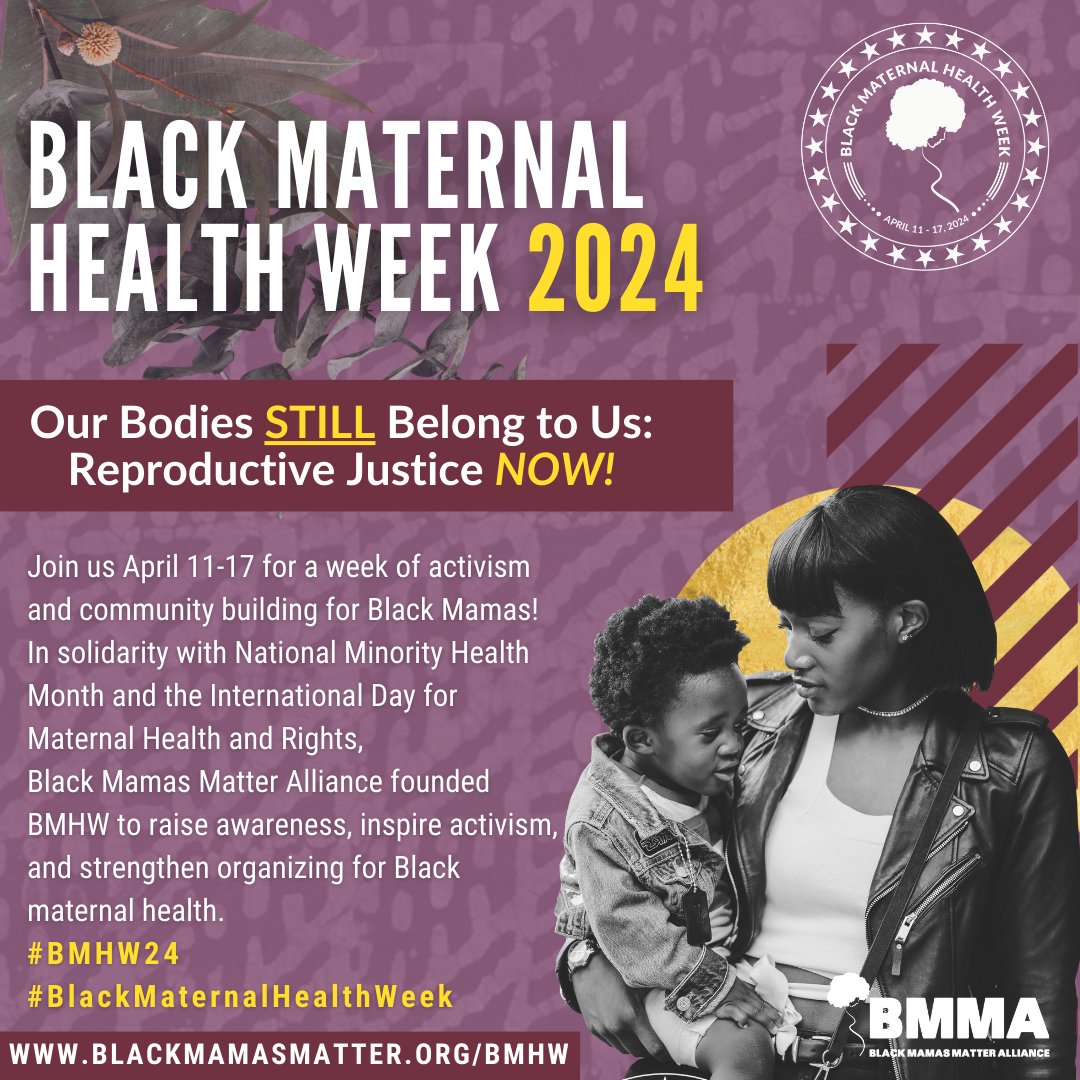
For some Black women, the fear of death shadow the joy of birth
This feels like a horrible nightmare. We were so excited to meet Baby Boy Carter. Until we meet again, my sister.
There the woman was in the maternity photos shared on Facebook, visibly pregnant, smiling broadly and nestled in her husband’s arms. Four days later, she was gone. So, too, her baby. And here Anderson was, newly pregnant and unable to set aside the intrusive thoughts.
As a young, Black, female attorney whose roots also were in Louisiana, Anderson said she saw herself reflected in the 34-year-old’s life — and a cautionary tale in her death: Pregnancy while Black can be fatal.
“To live in fear as you plan for a joyous event,” she remembers thinking, “there’s some kind of paradox there.”
According to public health officials, there is.
In the United States, the deadliest place to give birth among high-income nations, Black women die at two to three times the rate of their White, Asian and Latina peers. Not only are Black women more likely to die from cardiovascular issues — blood clots, hemorrhages, high blood pressure — while pregnant and after giving birth, they are more likely to experience the discrimination and disrespect that contribute to maternal deaths, research also shows.
And so, as word of pregnancy-related deaths and near misses reverberates through the news alerts, social media timelines and minds of many Black women, anticipating the beginning of life too often brings fears of its end. A sense of foreboding that exacts a price.
| | |
 |
Giving Black Women The Births They Deserve
Amid growing interest – and outrage – about racial disparities in childbirth, one mother in the US has taken steps to positively shape her experience
In this photo, a woman in the US gives birth, supported by her mother, father and sister, plus midwife, doula and birth assistant. It was important to her to have a midwife and doula from her own community, people who would respect and value her experience as a woman of color.
In 2021, the maternal mortality rate for black women in the US was 69.9 deaths per 100,000 live births. For white women, it was just 26.6. It’s a similar story in the UK, with black women four times more likely than white women to die in pregnancy or childbirth.
The reasons for this disparity are many and varied, but a key piece of the puzzle is systemic bias in medicine that leads to worse treatment for women of color.
Solving this maternal health crisis is far from straightforward but better representation in healthcare can help, say those involved in the fight for birth equity.
“Black women deserve dignified births,” says doula Amara Ali, who helped at this birth in Dallas, Texas, last year, at which the whole family was present to support the mother in labor.
“As a black birth worker, I am committed to being a safe space for my community. Together we can make an impact on the black maternal and infant mortality rates and change the narrative. We do that by educating, advocating, supporting, providing evidence-based options and being a resource for our community.”
| | |
|
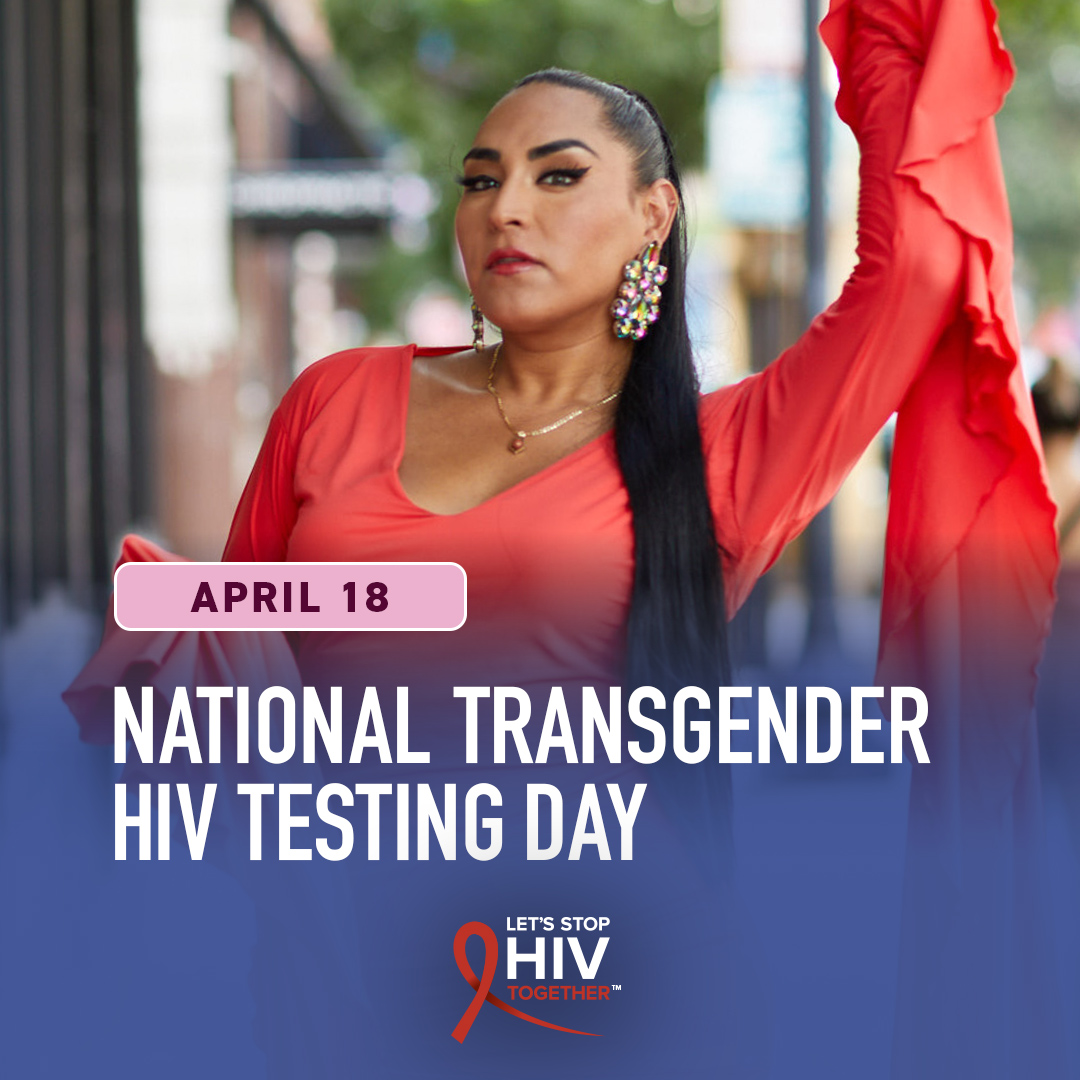
National Transgender HIV Testing Day
April 18
This day recognizes the importance of routine HIV testing, status awareness, and continued focus on HIV prevention and treatment efforts in people who are transgender or gender nonbinary.
| |
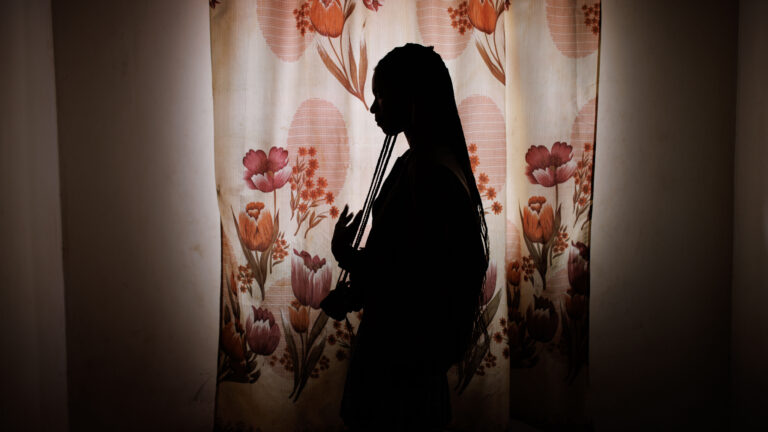 | |
Transgender women’s higher risk for HIV is influenced by discrimination, CDC finds
Transgender women, in particular those belonging to marginalized racial and ethnic groups, have disproportionately high rates of HIV. Yet so far, no standardized surveillance system has collected data that could provide insight into the factors that put people at higher risk for contracting the virus.
A survey of transgender women, developed by the Centers for Disease Control and Prevention, aimed to gather and assess behavioral data in relation to HIV prevention and risk for the first time. An analysis of the survey results, published Tuesday in the CDC’s Morbidity and Mortality Weekly Report, points to the high levels of social and economic marginalization that trans women experience as potential factors in the group’s higher risk for HIV.
“It is no secret that trans people, trans women, and especially trans women of color face immense barriers in HIV prevention,” said Joseph Osmundson, a clinical assistant professor of biology at New York University and queer health advocate, who did not work on the report. “This new research not only formalizes this knowledge but addresses some of the underlying reasons, including increased rates of homelessness and transactional sex.”
| | |
 |
Why are trans men invisible in HIV prevention & care?
Shawn Demmons confronts the hard truth that trans men are overlooked in HIV prevention efforts—and explains how we can change this.
I have been working in HIV prevention at a variety of nonprofit, community and research institutions for over 20 years. If you are similarly part of these spheres, it may not surprise you to hear that transgender men are seldom, if ever, included in discussions about HIV prevention. I oftentimes find myself wondering—how does this research finding, new technology, development about PrEP (or whatever) apply to trans men? In so many ways, the sexual health needs of trans men simply aren’t being met.
Trans people make up a small percentage of the population of the U.S., (1.4 million individuals or 0.6% of the population, by one estimation) which may be one (unjustifiable) reason they are overlooked in HIV prevention and glossed over in sexual health care. Estimates of HIV prevalence among trans men are relatively low (0-8%), at least when compared to the staggeringly high rates among trans women (22-28%).
There are also myths and misinformation that pervade public health’s understanding of trans men’s bodies, sexuality and lives.
Unfortunately, common myths like “trans men are not at risk for HIV” or “trans men only have sex with cisgender women” exist and continue to inform HIV prevention and care efforts for trans men. The truth is, the sexual orientations, preferences and behaviors of trans men are just as diverse as those found among cis men.
Trans men who have sex with cis men (TMSM) may be just as likely to have condomless vaginal and anal sex with people who are living with HIV or people whose HIV status is unknown as cis men who have sex with other cis men. If cis men are a priority for HIV prevention and sexual health care, so too should TMSM.
| | |
What Is Lesbian Visibility Week? All You Need To Know About Celebrating This Week and Lesbian Visibility Day
There are more times than just Pride Month to honor your lesbian friends and family.
Lesbian Visibility Week is a week at the end of April that is meant as a time for lesbians to be seen, heard and celebrated. Just like any other week to commemorate different groups in the LGBTQ+ community, Lesbian Visibility Week is a great time to reflect on how lesbians are treated within the LGBTQ+ community and in everyday life.
Lesbians exist in a somewhat unique intersection of misogyny and homophobia, because their lives and relationships don’t revolve around men (outside of living in a patriarchal society, of course). This can make their relationships seem less viable or worthy of respect to others. This is perfectly displayed when someone says a variation of, “Well, maybe you just haven’t met the right guy yet” (or something more vulgar), which every lesbian or sapphic person has heard at least once in their lives.
| | |
You Asked It: Do Lesbians Get STIs?
I’m a lesbian. What are the ACTUAL chances of me getting an STD? Does anyone really use dental dams?
Great question! Taking care of your sexual health is super important no matter who you’re attracted to. There’s a myth that lesbians don’t get sexually transmitted infections (STIs), but that’s just that– a myth. Lesbians can get STIs.
Some STIs can be transmitted through skin to skin contact, and there are still often bodily fluids involved in sex between two people who have vaginas. The risk of STIs is generally lower with sex between two people with vaginas, but there’s still a risk.
The only way to be 100% safe is to not have partnered sex. If/when you decide you want to have sex, it’s important to understand how to effectively reduce your risk.
Different sex acts carry different risks. Below, we talk through what you should know about different sex acts, and how to make them safer.
| | |
How does autism affect sexuality and sexual relationships?
Autism does not affect sexual development, and autistic people can have a fulfilling sex life. However, individuals may have varying approaches to romantic relationships due to differences in sensitivity and communication.
Autism can affect how a person communicates, learns, behaves, and socially interacts with others.
It does not require a cure. Being autistic can simply mean a person’s brain works in a way that is different from what society expects.
Autism is known as a spectrum disorder as it can affect people in different ways. Some autistic people require higher levels of support than others. This can mean they require assistance with daily tasks or skills such as language and behavior.
Other autistic people may need low levels of support or no support at all.
Autism frequently causes a person to have difficulty with social interactions. This may provide some challenges when it comes to forming relationships.
Read on to learn more about autism and sex, including how autism affects the development of sexuality and how to help an autistic person understand their sexual feelings.
| |
|
How To Have Great Sex on The Autism Spectrum
Even though conversations about autism tend to focus on what autistic people struggle with, I’m a firm believer that being autistic makes me better at pretty much everything I do—and this very much includes sex. Since the rules of interpersonal connection haven’t always come easily to me, I’ve read all about how to be a phenomenal partner. And being hypersensitive to certain sensory stimuli can come in handy in the bedroom: Sometimes a partner just breathing on me is exciting.
I wasn’t diagnosed with autism until age 31. It would have been nice to have known I was autistic when I first started having sex, because I might have understood (and accepted) that my sexuality wasn’t the same as everyone else’s. For instance, I may have understood that the irrational rage I experience when my skin is lightly grazed isn’t necessarily the result of, say, repressed childhood trauma—for autistic people, anger or dismay in response to sensation can simply be a sign of sensory overload.
Autistic people, like allistic (that is, non-autistic) people, are having amazing sex every day, but a lot of us could probably be having even better sex if we received advice that was geared specifically toward us. Toward that end, here are some tips from autistic people, experts, and those who fall into both categories on how to have an incredible time in bed when you’re on the autism spectrum—or if you want to be more sensitive to an autistic partner.
| |
|
In The News
.....Click on links....
| |
WYOMING HEALTH COUNCIL
111 S. Durbin, Suite 200
Casper, WY 82601
Call Us: (307) 439-2033
| | | | | |