|
If you’ve ever experienced a person or dog suffer from a seizure it can be a scary event. Seizures are a neurological issue where the brain has bursts of electrical signals leading to involuntary muscle spasms that may last seconds to several minutes.
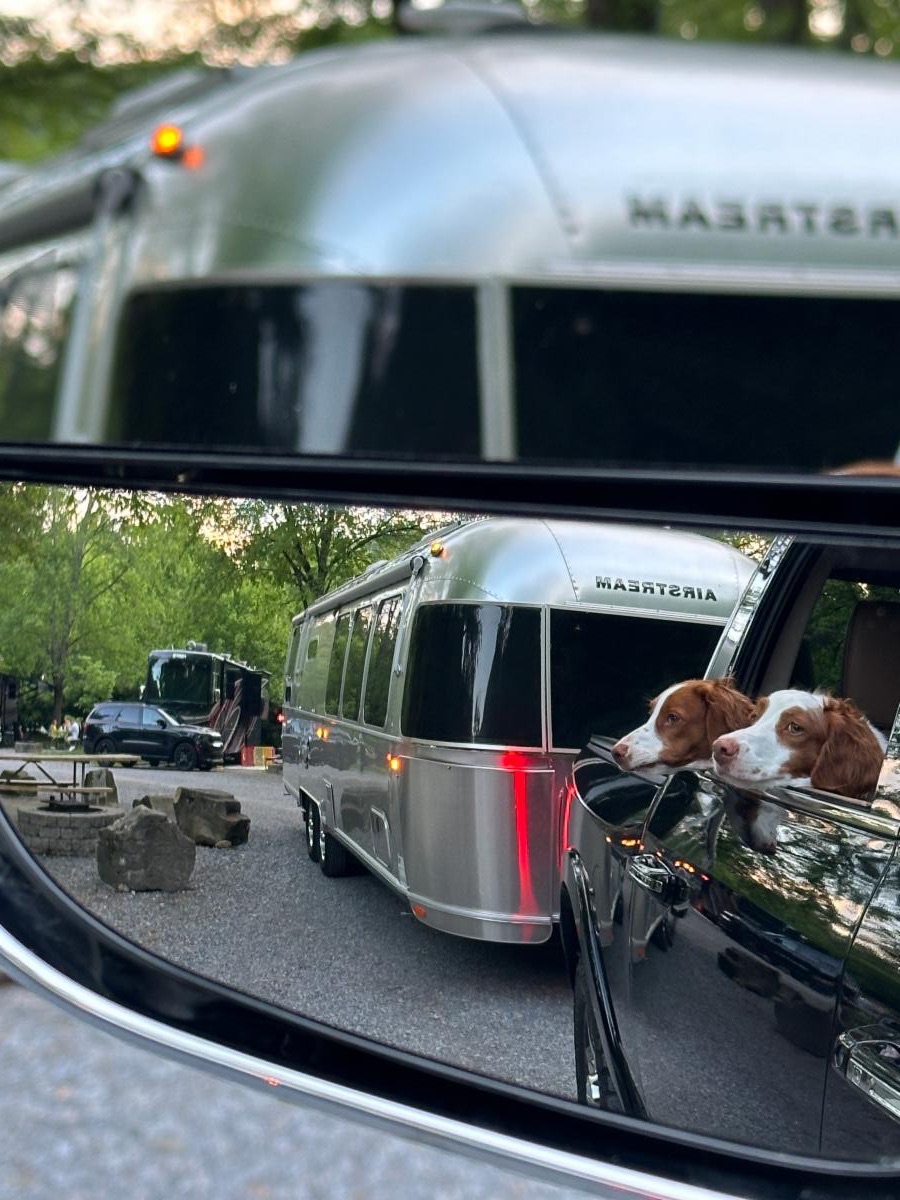
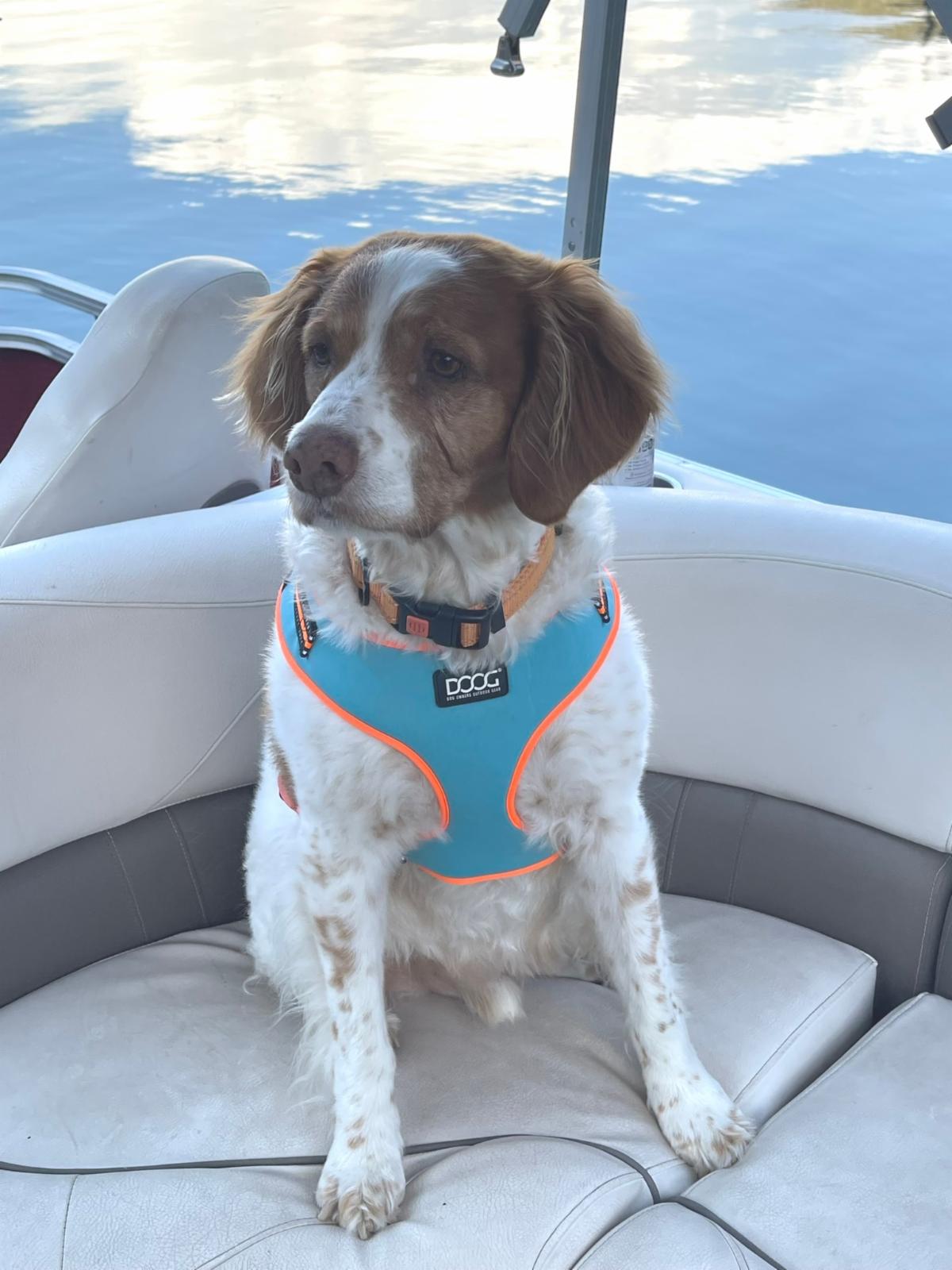
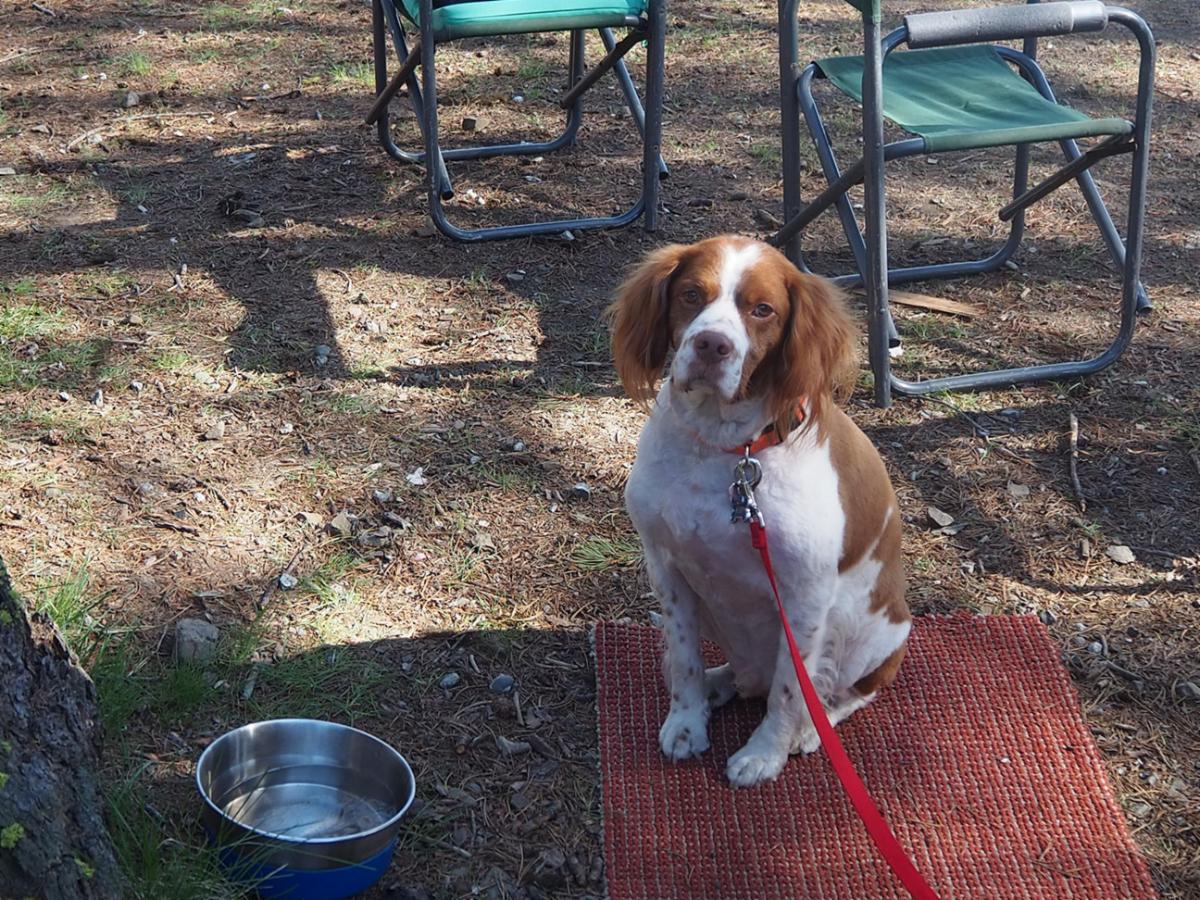
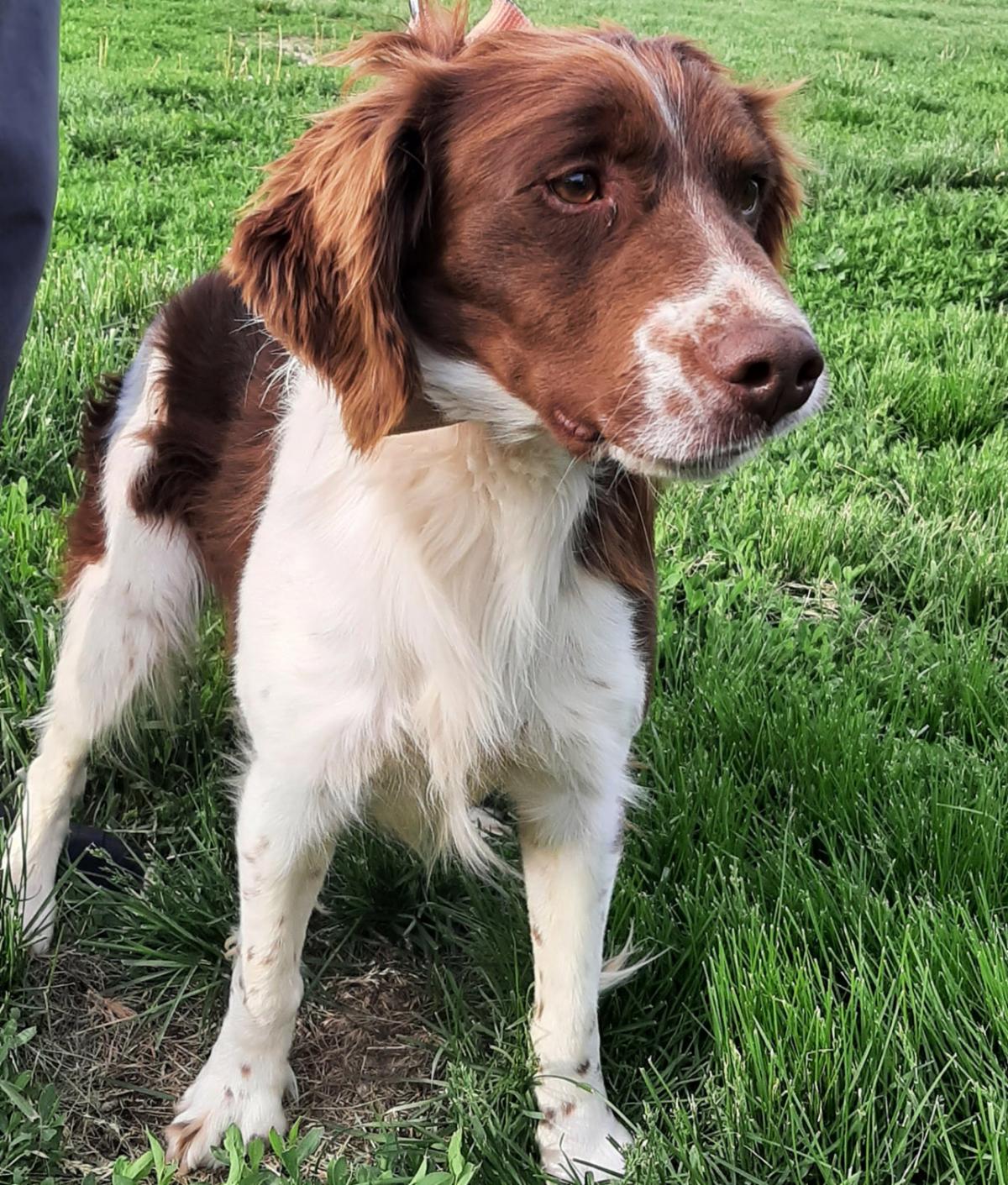
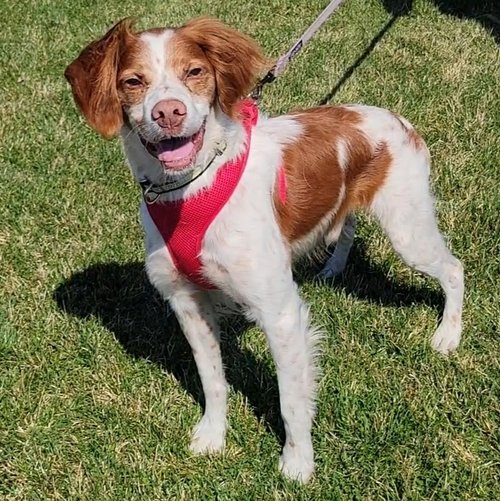
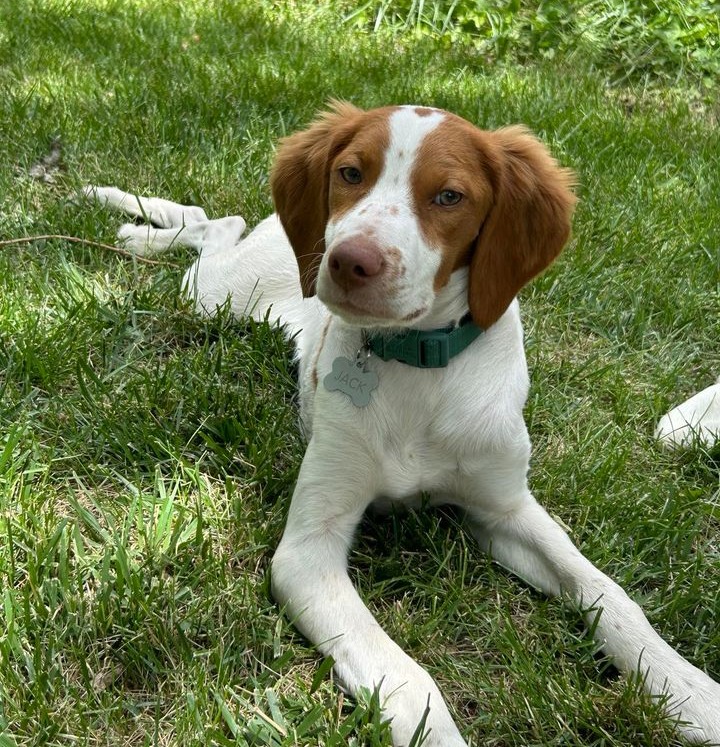
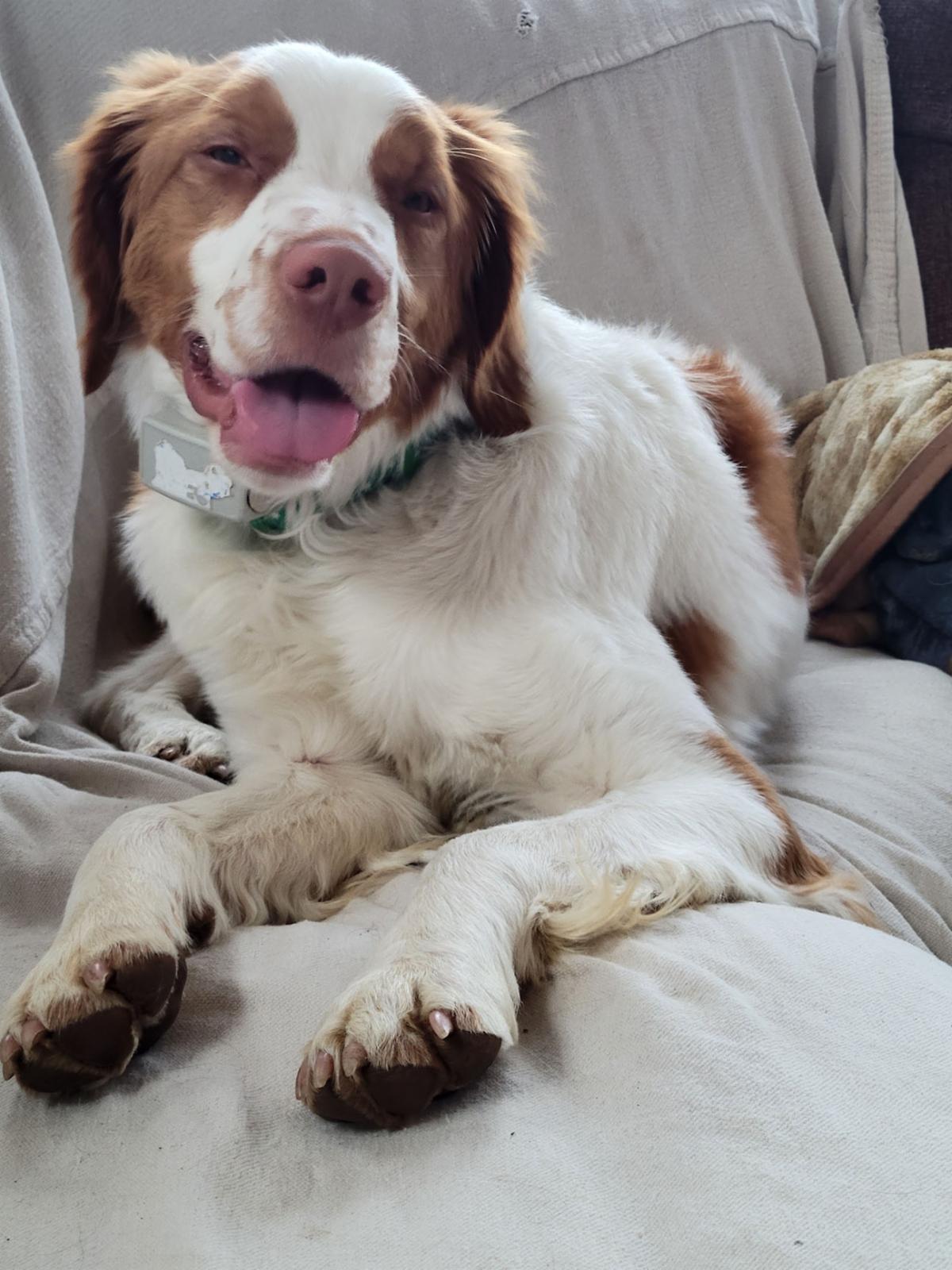
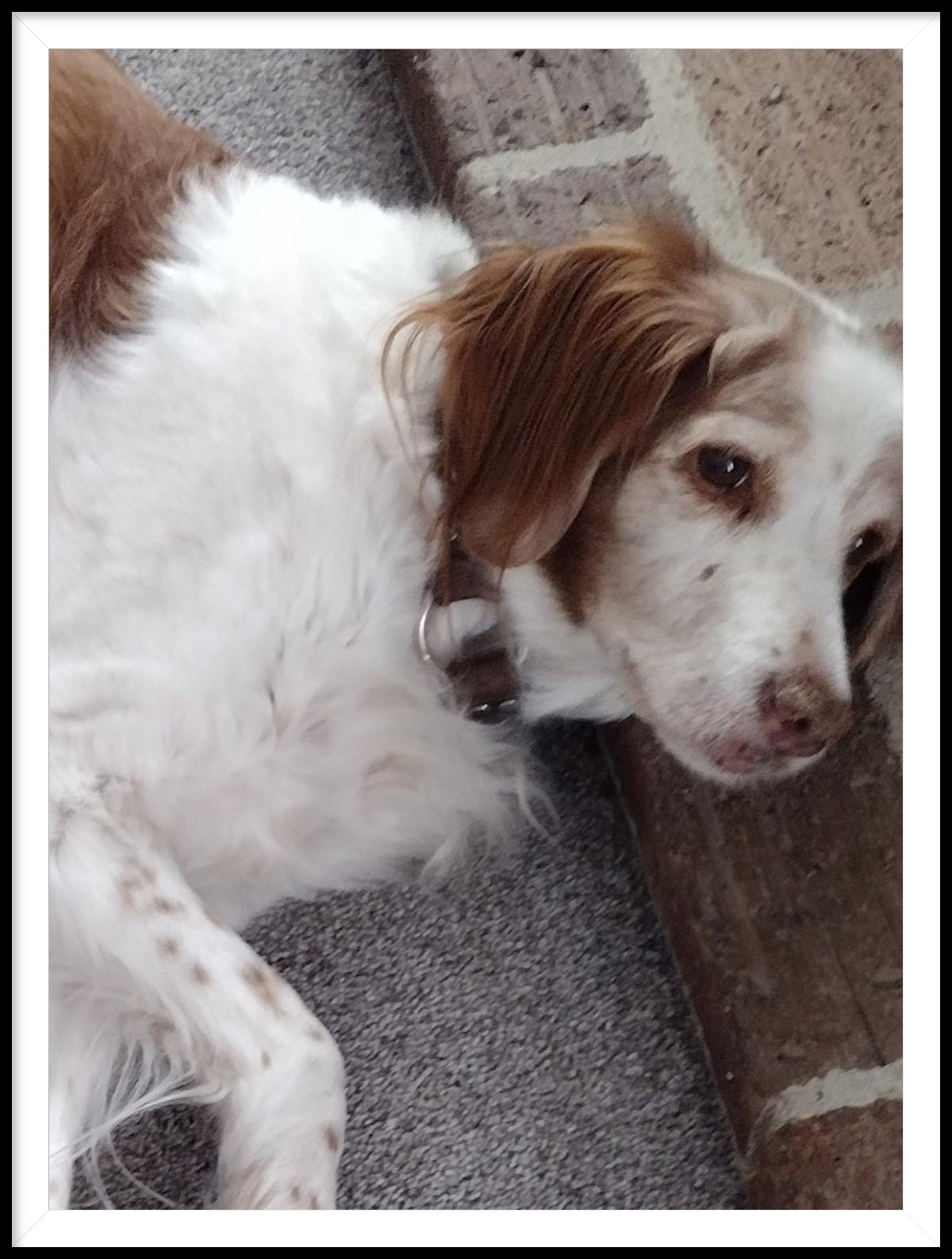
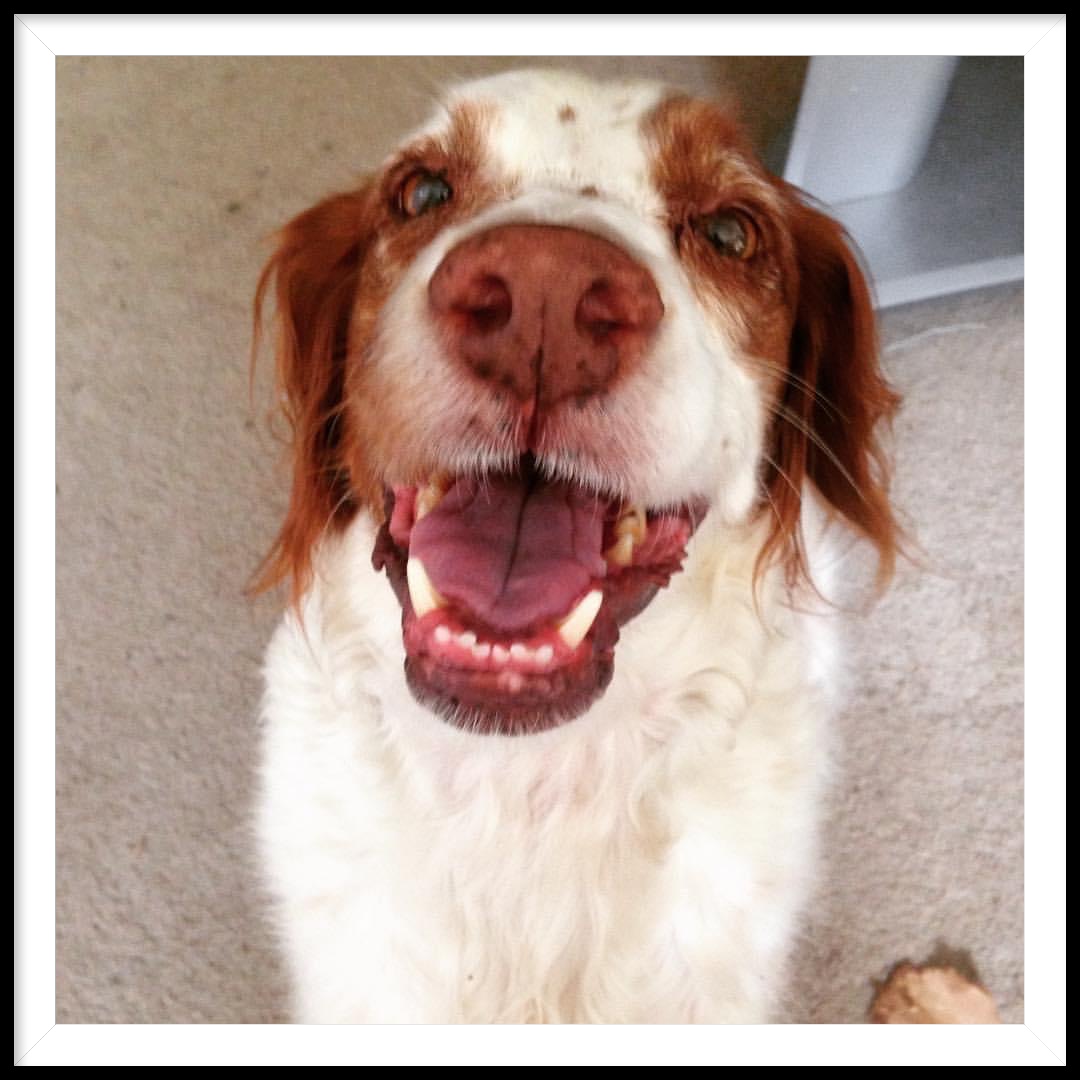
Seizures can be caused by several issues, including kidney and liver disease, brain tumors, ingesting toxins, head injury and stroke. However, most are idiopathic epilepsy- meaning we do not know the underlying cause. Although uncommon, occasionally Britts that come through ABR have epilepsy. Bo and Logan are two such Britts.
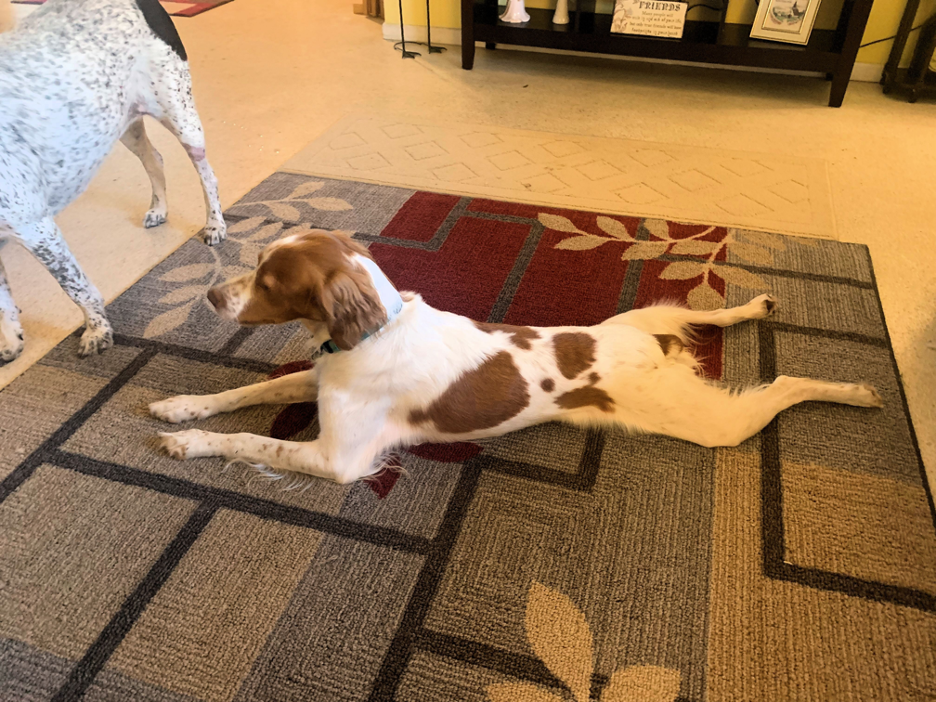
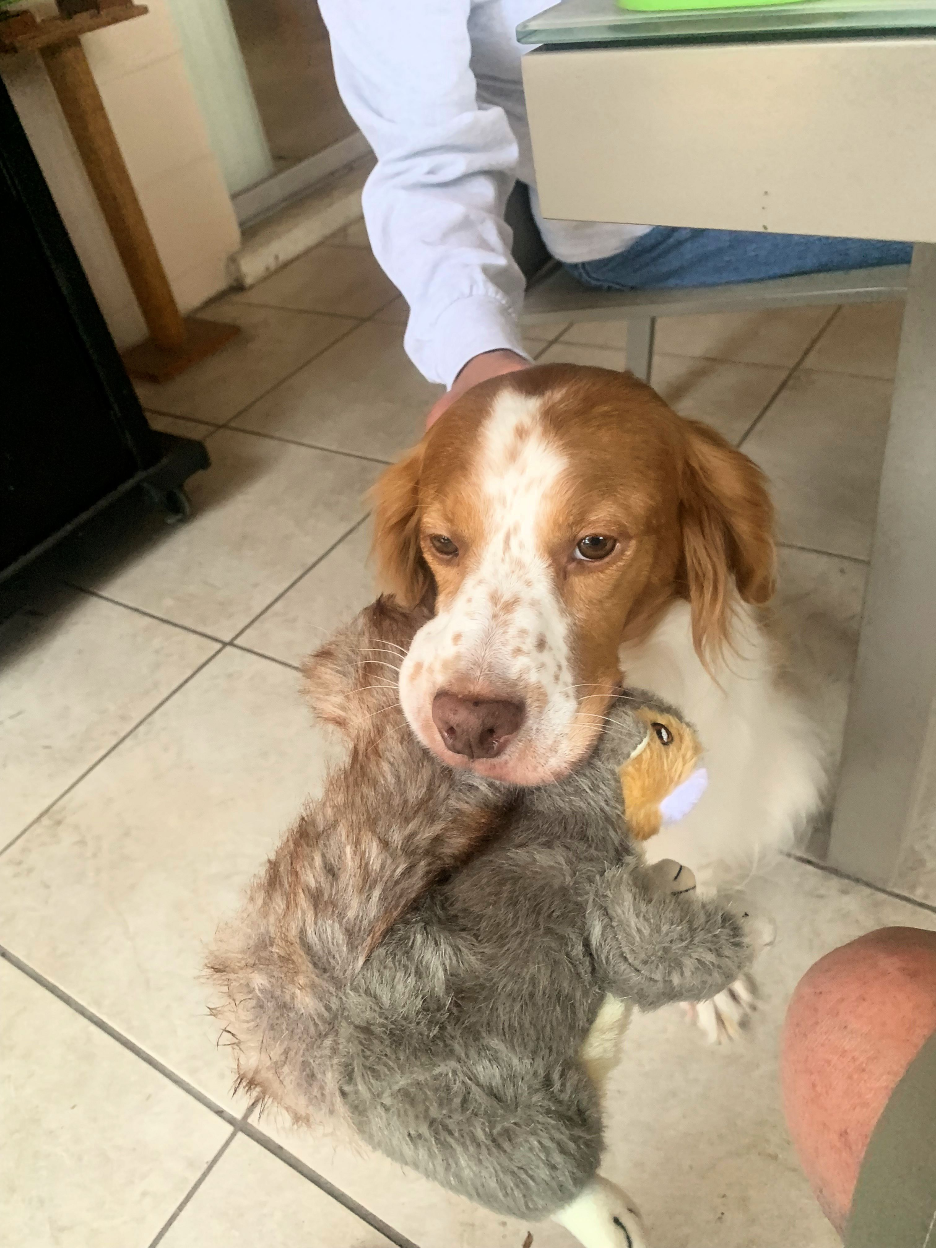
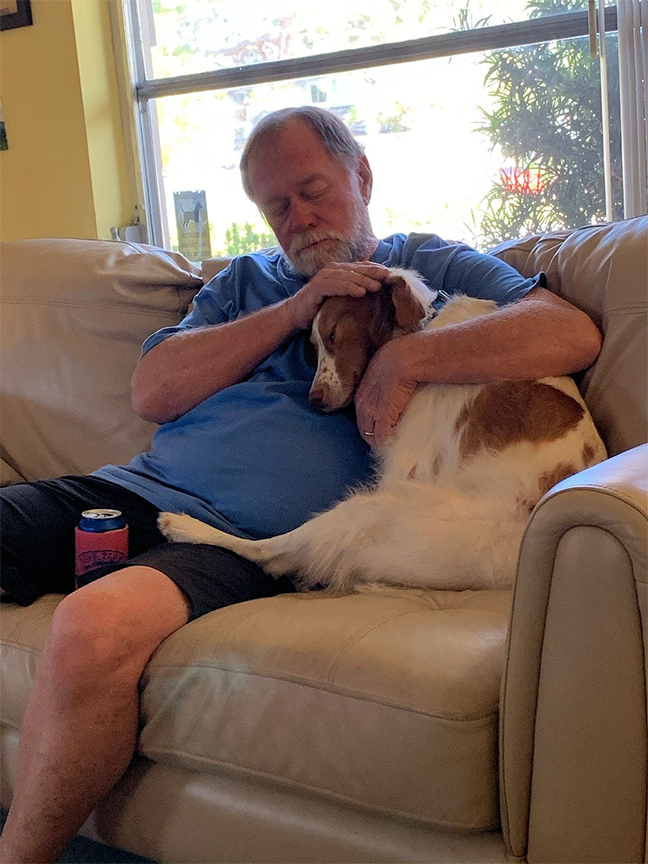
Bo is a loving Britt that made his way into ABR foster care, but just days before his transport to his forever home, he had a seizure. Transport was postponed so his foster mom could get him evaluated. His forever family knew they still wanted to adopt Bo and were ready to take on the responsibility that came with it. His first few seizures were very upsetting to the family, but they were committed to providing Bo the best possible life.
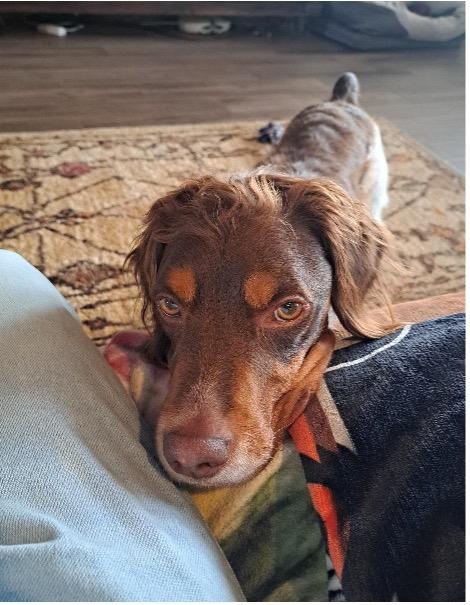
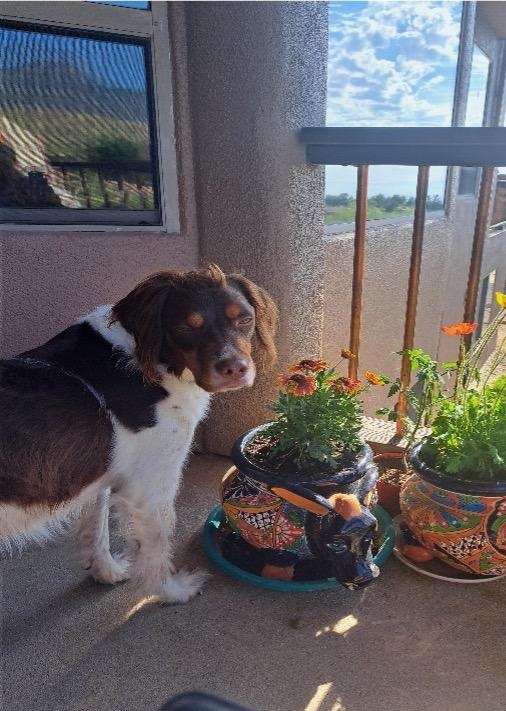
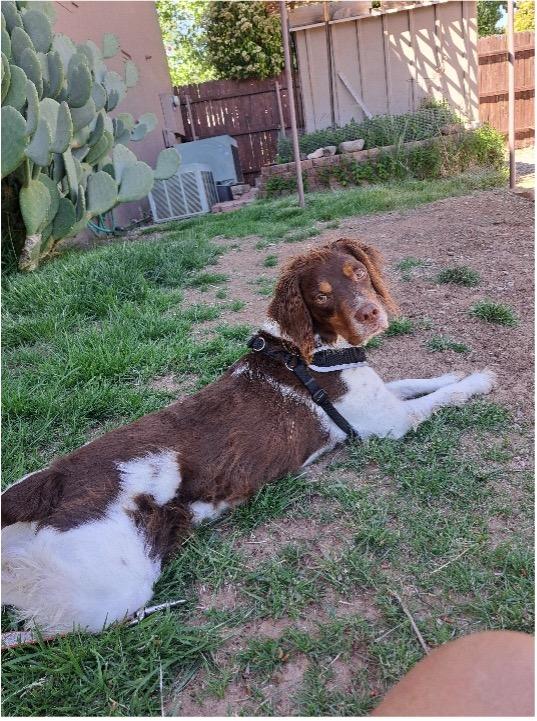
Logan is a 5-year-old fun-loving Brittany who started having seizures at the age of four. His new mom Patti adopted Logan knowing that she was going to need to learn more about epilepsy. She joined a Facebook group Dogs with Epilepsy to help learn more about the disease from others going through the same thing. When Logan first arrived, he had a series of cluster seizures, which means they occurred back-to-back. He’s since had four grand mal seizures.
A common trigger for seizures is stress, and while it is impractical to think we can prevent all stress for our dogs, it is good to note triggers for your dog to help better manage their seizures. For instance, Bo is triggered by thunderstorms and fireworks, so his family draws the blinds, turns up the TV, and makes sure to have his medications ready to support him. Logan, on the other hand, is anxious more often so his vet has prescribed regular medication to help keep him calm.
Bo was averaging seizures about every six weeks. His seizures are now well controlled with a veterinary-prescribed treatment plan of a therapeutic diet, supplements, and medication. Logan is also managed with medication and veterinary prescribed supplements (CBD), and his family is working with a veterinary nutritionist to develop a customized diet. Logan’s family keeps emergency medication on hand to help stop a seizure if it goes too long.
What to do if your dog has a seizure:
- Stay calm.
- Check the surroundings and try to move any obstacle that could hurt them.
- Stay away from their mouth and head to prevent an accidental bite; don’t worry about them choking on their tongue- that is not an issue for dogs.
- Try to time the seizure to provide information to the vet.
- If the seizure continues, place an ice pack on their back.
- As they come out of a seizure try to keep the dog calm and keep a close eye on them as they may be disoriented and unsteady on their feet.
- It is important to call your vet immediately after the seizure ends (if not diagnosed). If a seizure lasts more than two minutes or your dog has several in a row, this can lead to further complications.
- After diagnosis, your vet will help you develop a full treatment plan of environmental changes, medications, diet and supplements, and tips and tricks for dealing with seizures.
If you have a dog with epilepsy, make modifications around your home to keep them safe when alone. Patti says options include padded kennels, cameras to monitor, gated stairs, moving furniture that could cause a safety hazard, and use of pet sitters.
Bo and Logan’s families are learning what triggers their Britts’ seizures and are figuring out how to help their dogs still enjoy life to the fullest. After settling into his full treatment plan, Bo has been seizure free for seven months! Logan was only adopted three months ago, so his family is hoping his anxiety will continue to decrease but he’s been seizure free for 53 days!
“We love Logan,” Patti says. “He is our family member and if you get a chance to adopt a special needs dog, if you can arrange a way to afford them and give them time, they need you!! They often are the last to be adopted and they need the love more than others!!!”
“Bo is a wonderful Brittany, one of the best we've ever had as far as personality,” Bo’s dad Rick writes. “He is loving-- and a little bit bossy when it comes to treats!”
For More Information:
AKC: Seizures in Dogs
WebMD: Seizures in Dogs: Causes, Symptoms, & What to Do
|