Magnolias at Stillman
Stillman Institute, authorized by the General Assembly of the Presbyterian Church in 1875, held its first classes in 1876. Founded by Dr. Charles A. Stillman, pastor of the First Presbyterian Church of Tuscaloosa, Alabama, the institute was established to educate southern African American ministers. Over time, Stillman Institute evolved into Stillman College, which has thrived for over 147 years at its present-day location at 3601 Stillman Blvd.
Throughout its history, Stillman has served various educational purposes, including a seminary, grade school, high school, junior college, trade school, hospital, and now a four-year college. Known for its 105 acres of beautiful grounds, adorned with many magnolia trees, Stillman College has become a cherished part of the community, holding many stories and secrets about the magnolia trees shared by students, faculty, and staff, both past and present.
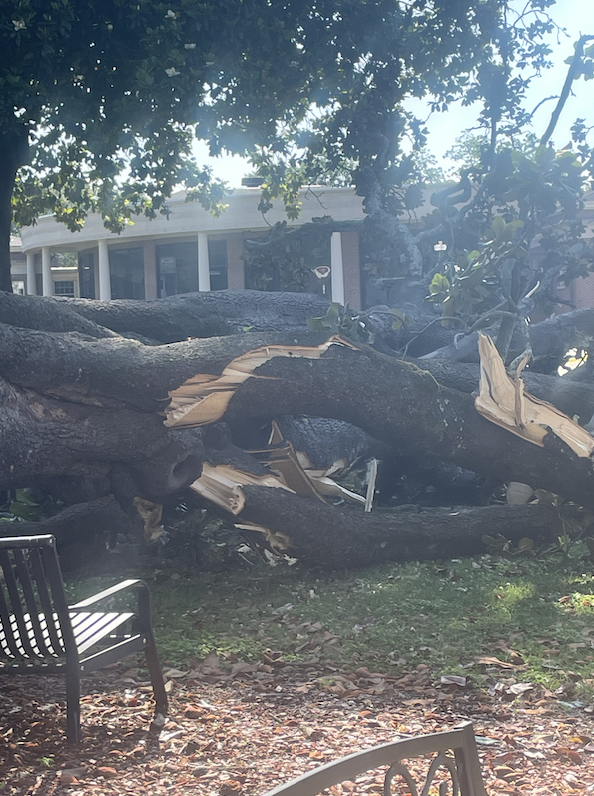
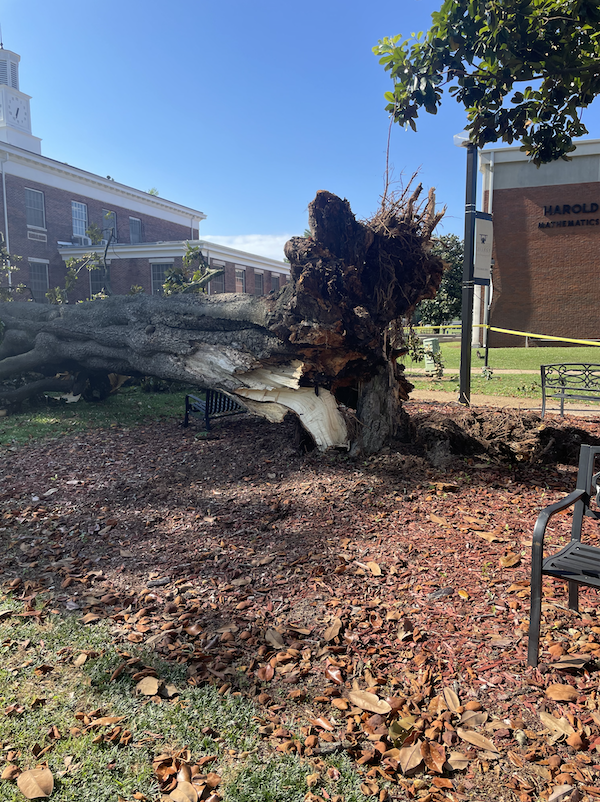
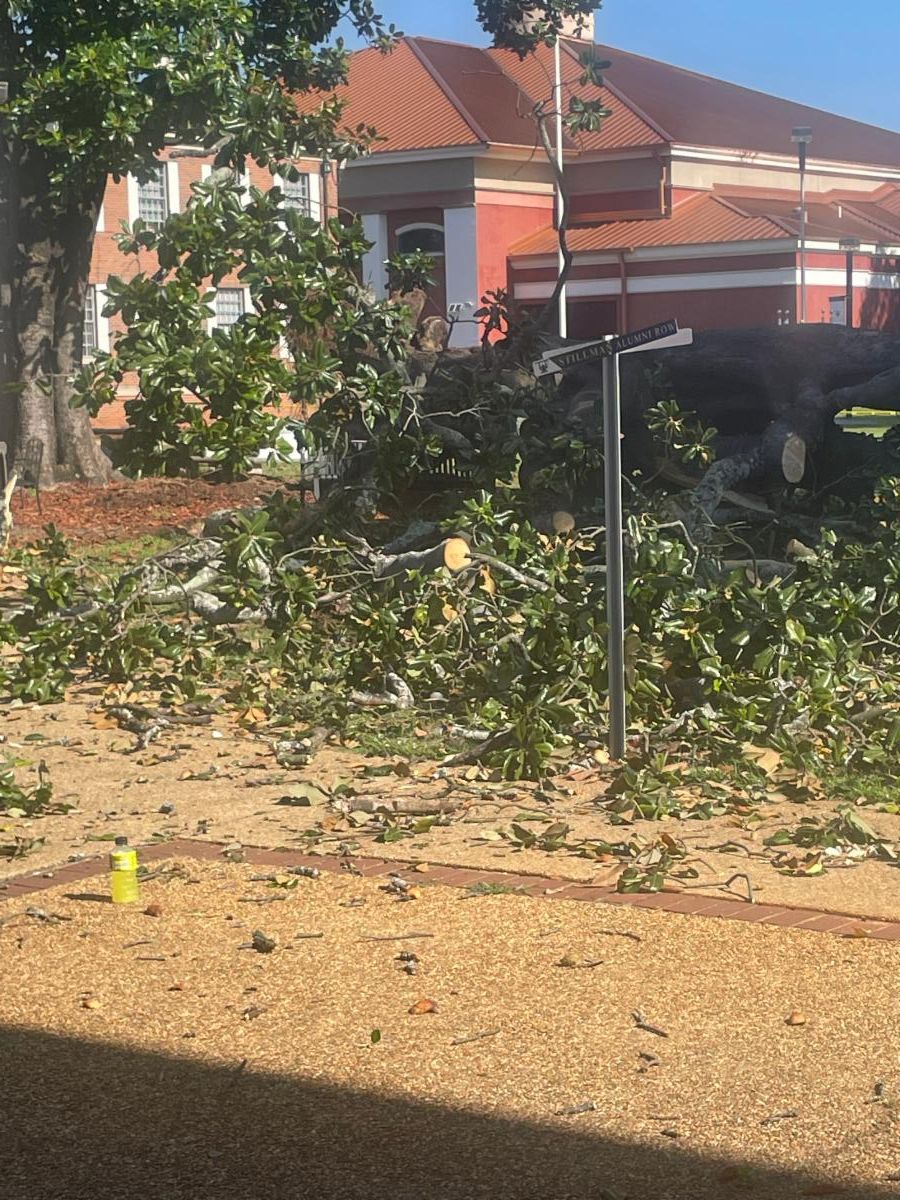
In 2008, Stillman experienced the loss of one of its majestic magnolia trees on the quad of Shepherd Lawn, near the college library (Sheppard Library), which shocked many. Recently, another magnolia tree (between Sheppard Library and Stinson-Math and Science Building), known as one of the "twin towers," was blown over by high winds or simply succumbed to age. Fortunately, no one was injured as the students were home for the summer, nor did it interrupt the buildings. The fallen tree was a significant part of campus life, and its loss sparked a wave of memories and shared stories among the community.
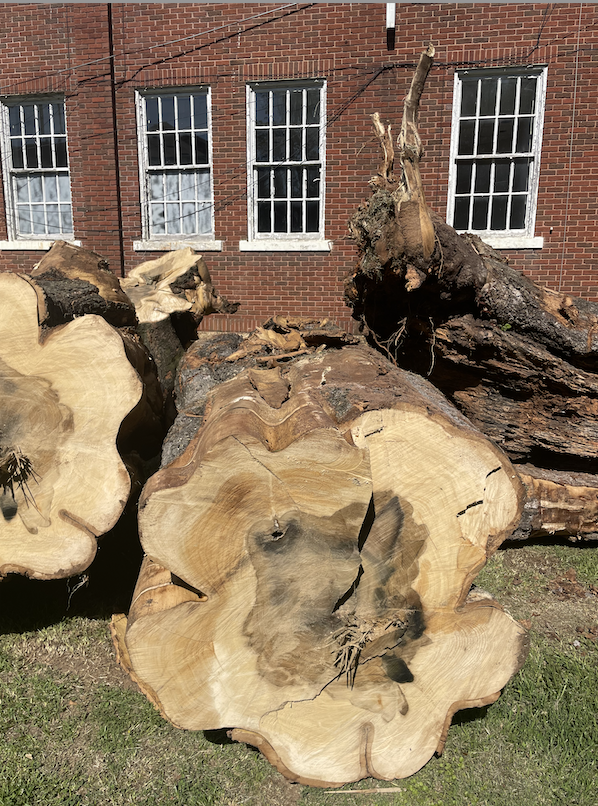
Currently, research is being conducted to determine the exact age of the magnolias. In a 2008 report by the Tuscaloosa News, staff writer Adrienne Nettles and former Stillman College Historian, Robert Heath (retired alumnus) estimated the trees to be over 200 years old. Although the precise age is unknown, the magnolias hold a special place in the hearts of those at Stillman. Plans are underway to create wooden items from the fallen tree's trunk after its growth rings are tested to confirm its age.
#Still-Magnolias
|