|
FAMILIAR FACES (16th edition)
Hello DWS Alumni from the 70's and 80's! Welcome to our sixteenth edition of Familiar Faces. With DWS alumni spanning the globe, we thought it would be fun for you to see what everyone is up to and to have the opportunity to re-connect with your DWS community.
| |
|
A Retrospective Look at nearly 50 years at the Detroit Waldorf School
By Candyce Sweda
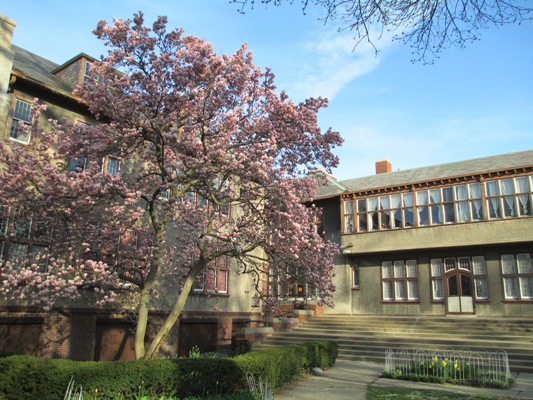
Little did I suspect when I walked up the terrace stairs at the Detroit Waldorf School in 1974 with my 4-year old son Sean in hand that I was beginning a nearly 50-year history with the school. My involvement at the school as parent, board member, fundraiser, administrator, and teacher has proven to be one of the longest relationships in my adult life - and one of the most enriching. It all began with a talk given by Amelia Wilhelm. Seated in a room with about 20 other parents, Amelia gave an overview of the school and then acknowledged how difficult it was to make the best possible decision for our children. She then gave us a rather piercing look and said that the decision we made about bringing our child to the school might be the most important one we ever made. Ahem! Amelia never gave any wiggle room!
| |
|
Eventually both of my sons, Sean and Jon-Paul, were enrolled in the school. I began the usual parent trajectory: class parent, garden parent, parent committees such as the St. Nicholas Festival, and finally board member. My experience there as a city planner and vice - president of Stroh’s River Place Properties helped to connect the school to the political and economic life of the city at large. Then destiny struck - or rather Rudy Wilhelm struck. In 1988, I received a call from Rudy asking me to become the first administrator at the Detroit Waldorf School. I politely demurred, explaining that I wasn’t looking for a job. Rudy of course never took no for an answer and asked me to think it over. Destiny also doesn’t take no for an answer. The Stroh Companies had run into financial challenges with their various investments and decided to close down River Place. I was in fact then looking for a job. Rudy asked me to meet with a group of teachers at the school. There, surrounded by people whom I deeply respected and admired, I came to realize how incredibly difficult their job really was. For in addition to teaching their classes, all faculty members were responsible for student recruitment, fundraising, and running the school. One teacher, with a twinkle in her eye, ran around a chair and told me that was a faculty run school! I realized in that meeting how utterly important it was to find one’s life work with people whom you love and respect and with whom you can co-create a worthwhile vision of the future.
| |
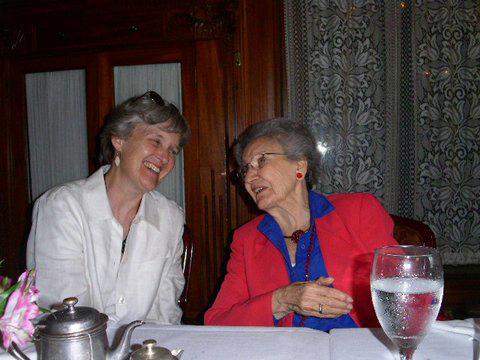
With Amelia Wilhelm in 2005
Thus, I simultaneously became an administrator, an enrollment coordinator, a fundraiser, a liaison with parents, and a teacher of woodworking. Big challenges lay outside the school community. While making initial visits to foundations, I was shocked to learn that the school had a reputation for being an artsy, hippie hangout, and I was told outright that the school was not respected. We weren’t accredited. We didn’t have any high profile community members on our board. And nobody had a clue what Waldorf education really meant. With the help of Dina Winter, board president, we devised a five year campaign to change those assumptions. I began by getting a foundation to support the cost of becoming accredited. We set about adding community members to our board and broadening our visits to community organizations and foundations to explain Waldorf education. These efforts repaid themselves when a local foundation agreed to include the school in a 50/50 challenge to begin an endowment fund. To be successful in this campaign, it was also important to build bridges to our alumni and alumni families which culminated in a 25th Anniversary Celebration. Many of the alumni and their teachers who have contributed to Familiar Faces were present at that event. Thanks to the generosity of our families and foundation friends, money was raised to begin our first endowment fund.
| |
|
I left the school for three years in 1997 to help Bart Eddy start Detroit Community Schools after which I returned to Detroit Waldorf as head of development and, as my favorite role, a teacher in the Educational Resource program. As a development professional, it has always seemed to me that Detroit was a boom and bust town and that the fortunes of the Detroit Waldorf School rose and fell with those of the city. There was a fairly predictable pattern in the school where enrollment would dip precipitously, and with all hands on deck and many prayers, the school was able to recover and re-grow. The most ominous threat that nearly closed the school was the aftermath of the 2008-9 Great Recession. Enrollment fell by nearly half, and so did revenue. Interestingly, one of the most treasured aspects of the Detroit Waldorf School became the solution for saving the school. Social, economic and racial diversity within the student and parent body was always one of the most potent features of the school community. The fact that the school had always embraced the idea that every parent who chose a Waldorf education for their child should be helped to afford it created a mindset of openness and inclusiveness, allowing the school to attract families who genuinely respected and committed to the school and its teachers. When in 2009 the school realized that it would need to combine classes to survive economically, parents and faculty did not flee the school and instead doubled down with the Sustainable Tuition program, realizing that every tuition dollar was equally valued and needed to keep the doors open.
| |
|
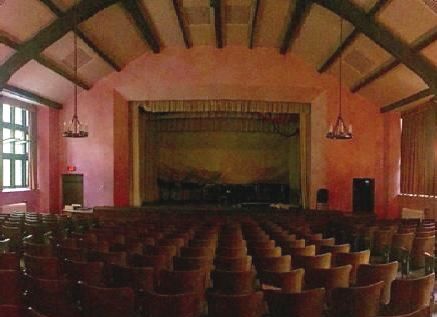
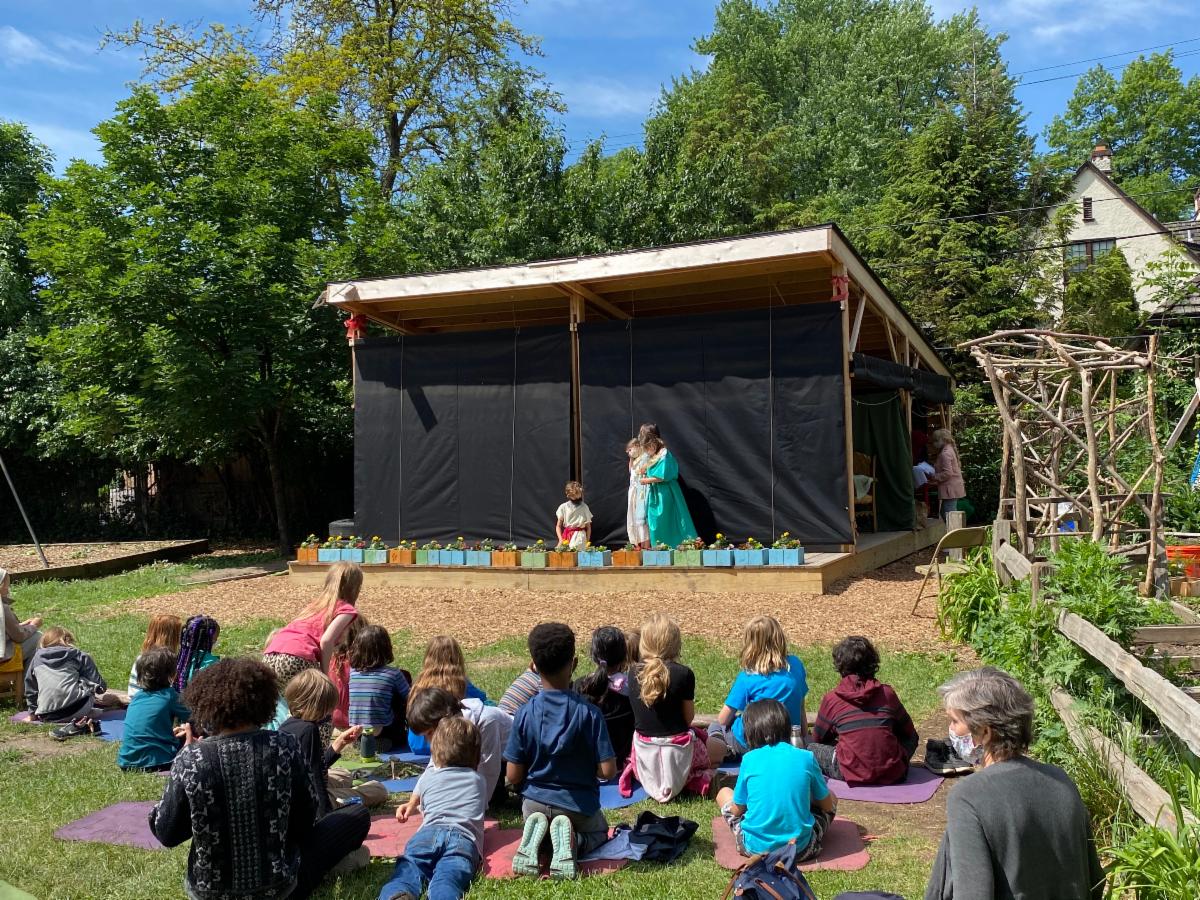
Third grade performing their class play, spring 2021.
Another remarkable challenge presented itself in 2020 with the outbreak of the COVID epidemic. While other schools closed their doors to in-person learning, or closed altogether, the resolve of the Waldorf community led parents and teachers to build outdoor classrooms so that students could continue in- person learning with their classmates. Times like these have tested the courage, faith and flexibility of our community to remain a viable institution. And this can only occur when each family can find a place for themselves and feel genuinely included in the larger community of the school. That lesson is one that must remain forever at the core of the Detroit Waldorf School, for there will be more boom and bust cycles ahead.
| |
|
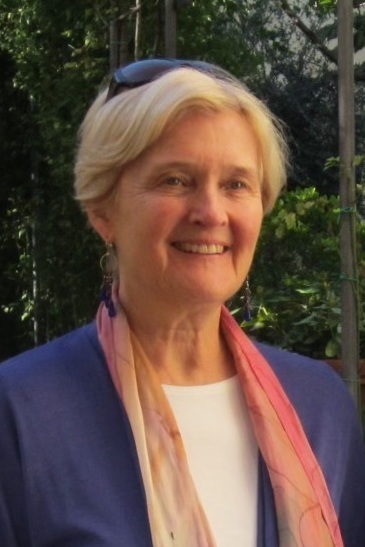
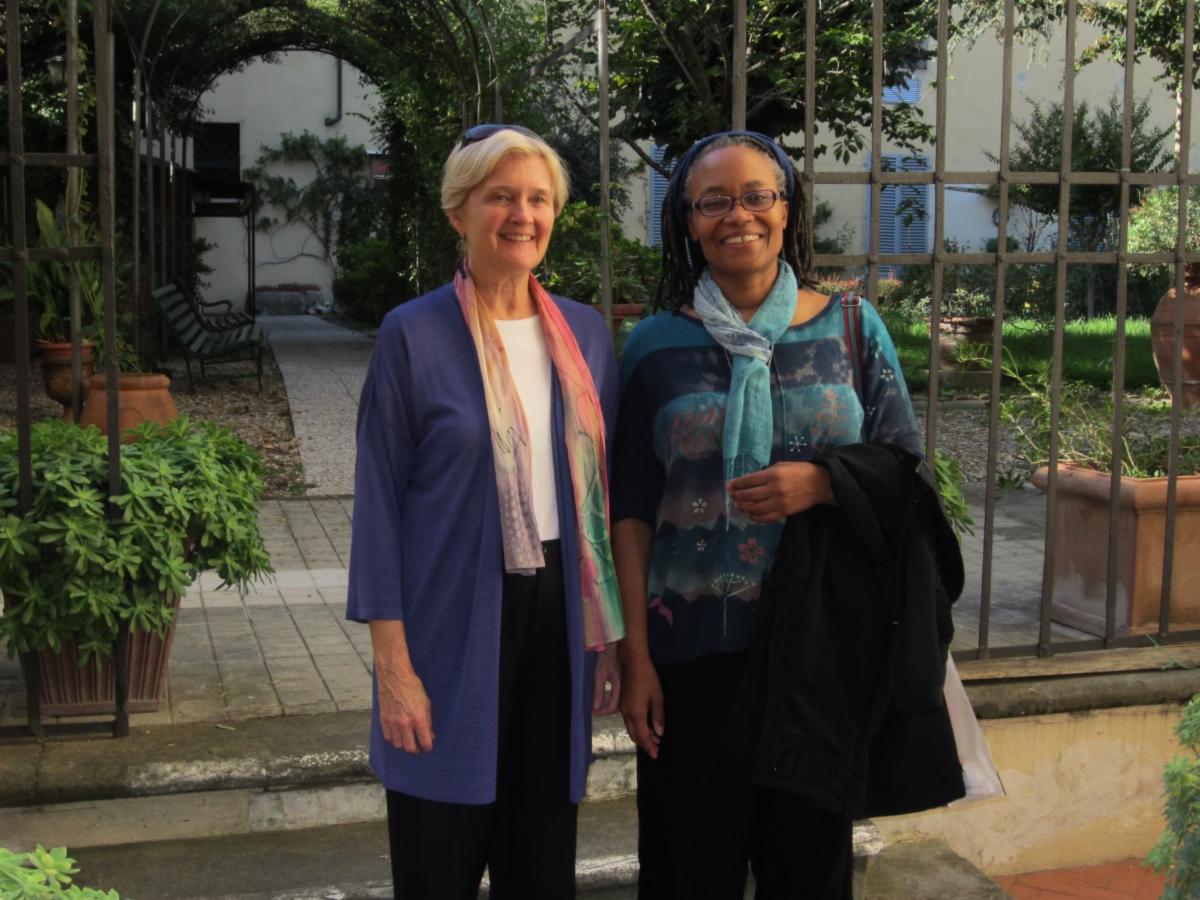
With Linda Williams
As to the future, I am observing the extent to which the Detroit Waldorf School is contributing to the on-going development of Waldorf education nationally and internationally. Our work of learning how to create inclusive communities has necessarily led to the work of creating inclusive curricula. This at times necessitates challenging some of the Waldorf pedagogical orthodoxy which was inevitably part of the origins of Waldorf philosophy and pedagogy in Europe. Growing schools in North America have challenged teachers here to find the basis for the American Waldorf curriculum, the American Waldorf school. Teachers at the Detroit Waldorf School have made this pursuit a work in progress for many decades as they have researched and included the natural, cultural and historical roots of our location and threaded those into the lessons that awaken students to their responsibilities as global citizens. In this way, the Detroit Waldorf School has become integrally involved in the movement to create a curriculum for 21st century America: a pedagogy of belonging.
| |
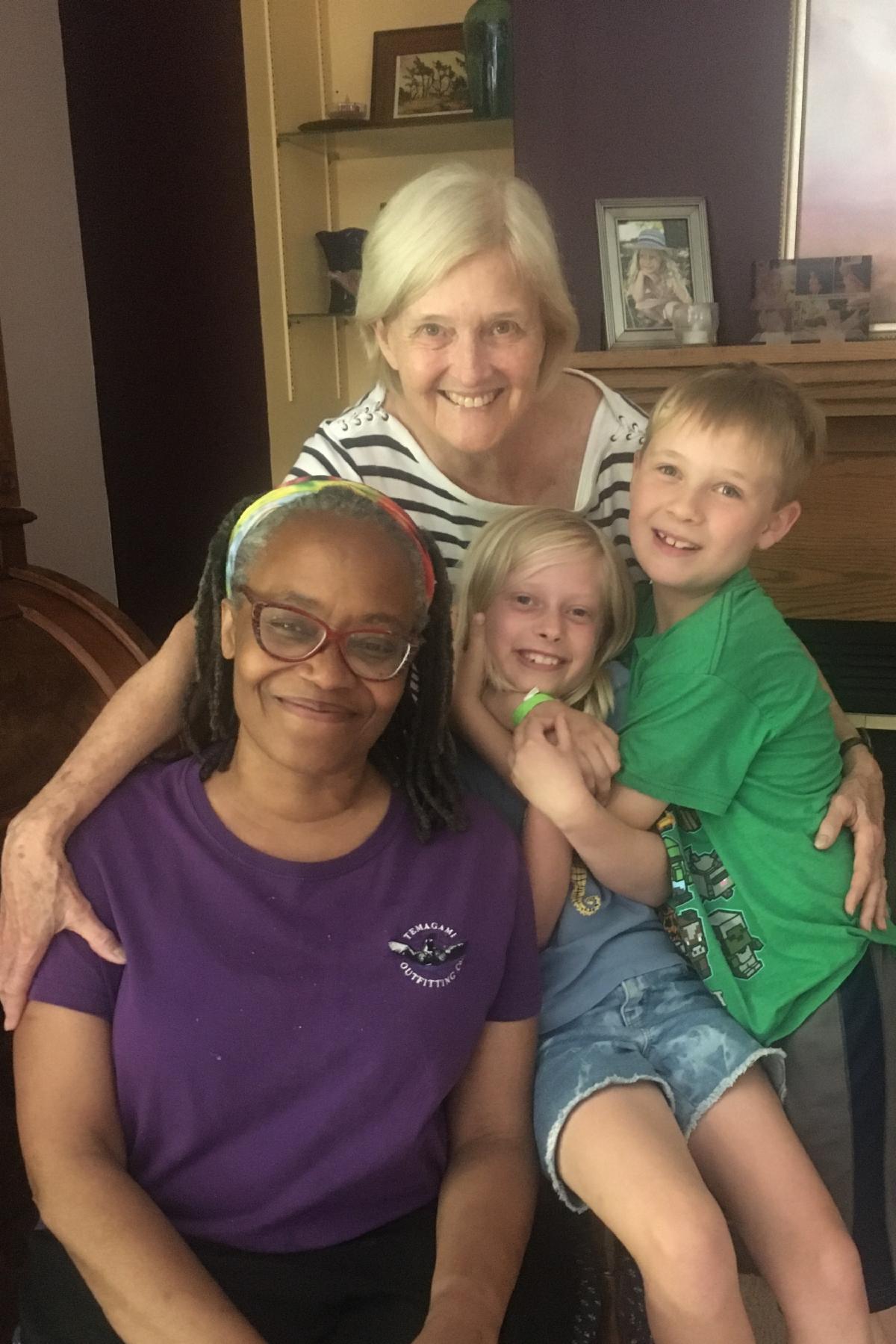
With Linda and my grandchildren, Olive and Nicholas
I am retired now from the school. My love for the school in the past has been, and still is, rooted in the deep respect and admiration that I have for the faculty of the school, their creativity and responsiveness to the needs of the students, and their respect for the community of parents and friends which surrounds and holds our school. In all ways, the school affirms for me the potential for human beings to love past their self-interest and to invest tirelessly in a commonly held vision of the future. Detroit Waldorf School is ready, so bring on the next 50!
| |
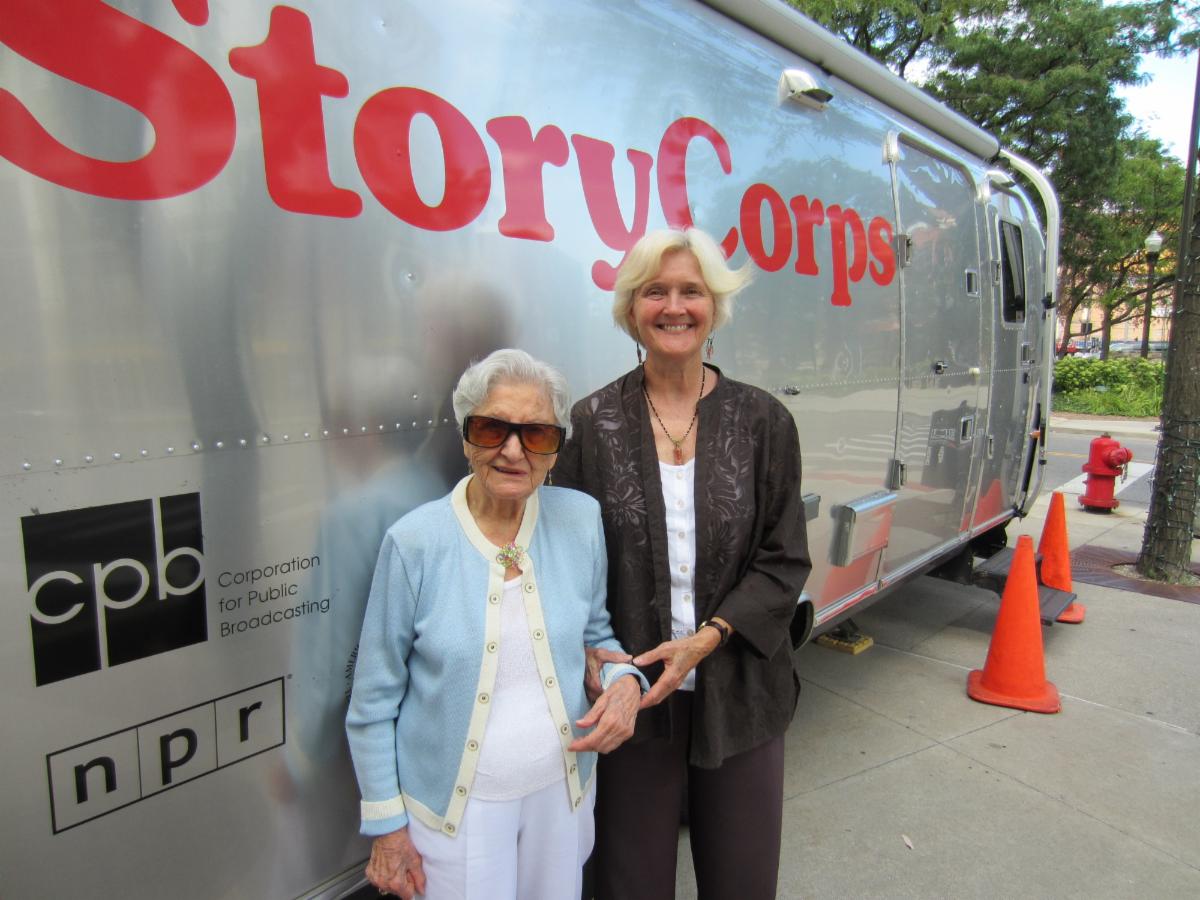
Listen to Amelia Wilhelm with Candyce and Linda on StoryCorps | |
With Amelia Wilhelm on the day the interview was recorded, July 29, 2012. | |
|
|
Thank you to Claudia Valsi, our Alumni Outreach Volunteer Coordinator, for having the foresight and enthusiasm to preserve a written history of our school and for working tirelessly to produce the first sixteen editions of Familiar Faces!
Are you a 90's alum and would like to help with future 1990's Familiar Faces editions? Please reach out to Rachel Ornstein at rachelornstein@detroitwaldorf.org.
|
| | | |