Navigating fiscal challenges in an election year | |
|
Global fiscal concerns persist despite recent improvements, urging governments to prioritise sustainability. With a record number of countries facing elections in 2024, fiscal discipline is crucial to mitigating spending pressures. Moderate fiscal tightening is anticipated but may not stabilize public debt in many nations. Structural reforms and revenue-enhancing measures are essential for long-term sustainability. A medium-term approach to budget planning and international cooperation are vital for building resilient public finances. Governments must act decisively to safeguard sustainable fiscal positions and ensure long-term economic stability. Click here to read full article by the IMF Blog based on Chapter 1 of the April 2024 Fiscal Monitor
| |
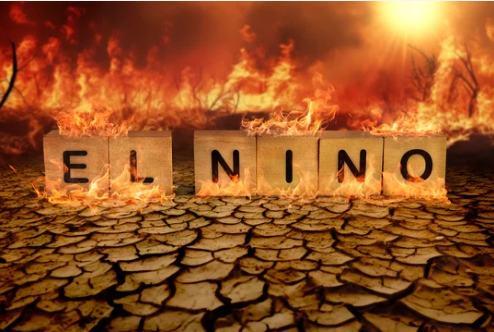
El Niño has ended but the full wrath of its economic and social impact is still to come | |
|
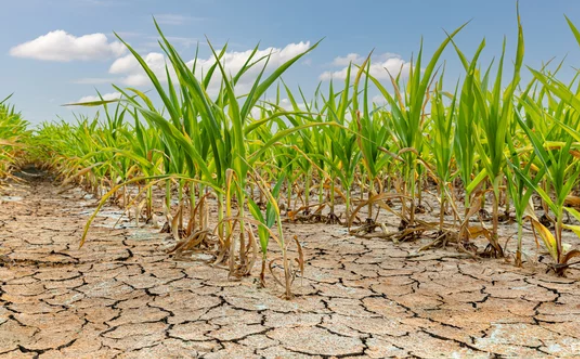
El Niño is dead, but its legacy will be long lived. Australia’s Bureau of Meteorology said on Tuesday, 16 April, that the weather phenomenon, triggered by a warming of surface temperatures in the eastern Pacific, had ended. This heralds what is known as the El Niño-Southern Oscillation (ENSO) neutral phase. “The tropical Pacific Ocean has returned to ENSO-neutral according to the latest monitoring,” the service said, though its statement had yet to be confirmed by other weather organisations. The other phase in this trifecta of global climate patterns is La Niña, which arises from a cooling of surface temperatures in the eastern Pacific. La Niña typically brings drenching rains to southern Africa, and the last prolonged one was a key reason why South African commercial maize and other farmers had three bumper harvests on the trot. Click here to read full article by Ed Stoddard first published in Daily Maverick.
| |
Paying Africa's Climate Bill | |
A global approach to climate change requires private sector financial firepower The world’s poorest countries, especially those in Africa, are struggling to pay for a climate crisis they cannot afford. More public debt is not the answer: climate investment needs exceed the lending capacity of multilateral finance institutions, and many African countries are already in a funding squeeze. What’s needed are novel solutions—chiefly stepped-up private sector investment for climate action in poor countries. And these efforts cannot be simply country-based. They must be geared to achieve global goals for net zero greenhouse gas emissions. The stakes in Africa are heightened because the continent will contribute the most to human population growth in coming decades. This will increase the need for funds to mitigate climate-warming emissions. Click here to read full article derived from imf.org.
| |
Unilateral rules undermine the importance of sustainability |
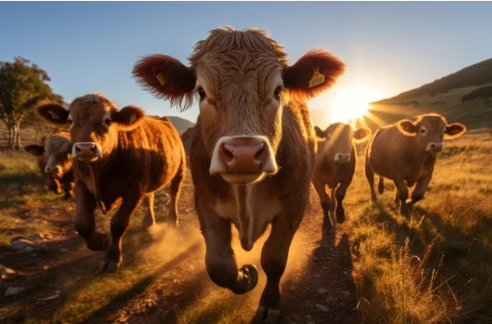
 |  | Last year, the European Parliament adopted regulations aimed at slowing down the rate of deforestation around the world. From December this year, companies that export cattle, cocoa, coffee, palm-oil, soya, rubber, charcoal or paper products to the EU will require a comprehensive set of documents proving that the supply of these products to not contribute to deforestation in their country of origin. Make no mistake, deforestation is a global challenge and research indicates that an area the size of Europe was stripped of its forests between 1990 and 2020. Aside from pressures brought by growing populations, commercial deforestation is largely market-driven and the regulations seek to reverse the trend through an intervention in the European market. As an environmentalist myself, I fully appreciate the need for sustainable use. However, the decision will have unavoidable economic consequences for various developing countries. Read full article by Agbiz CEO Theo Boshoff for Farmers Weekly here.
| |
Workshop Report: Buffering against instability | |
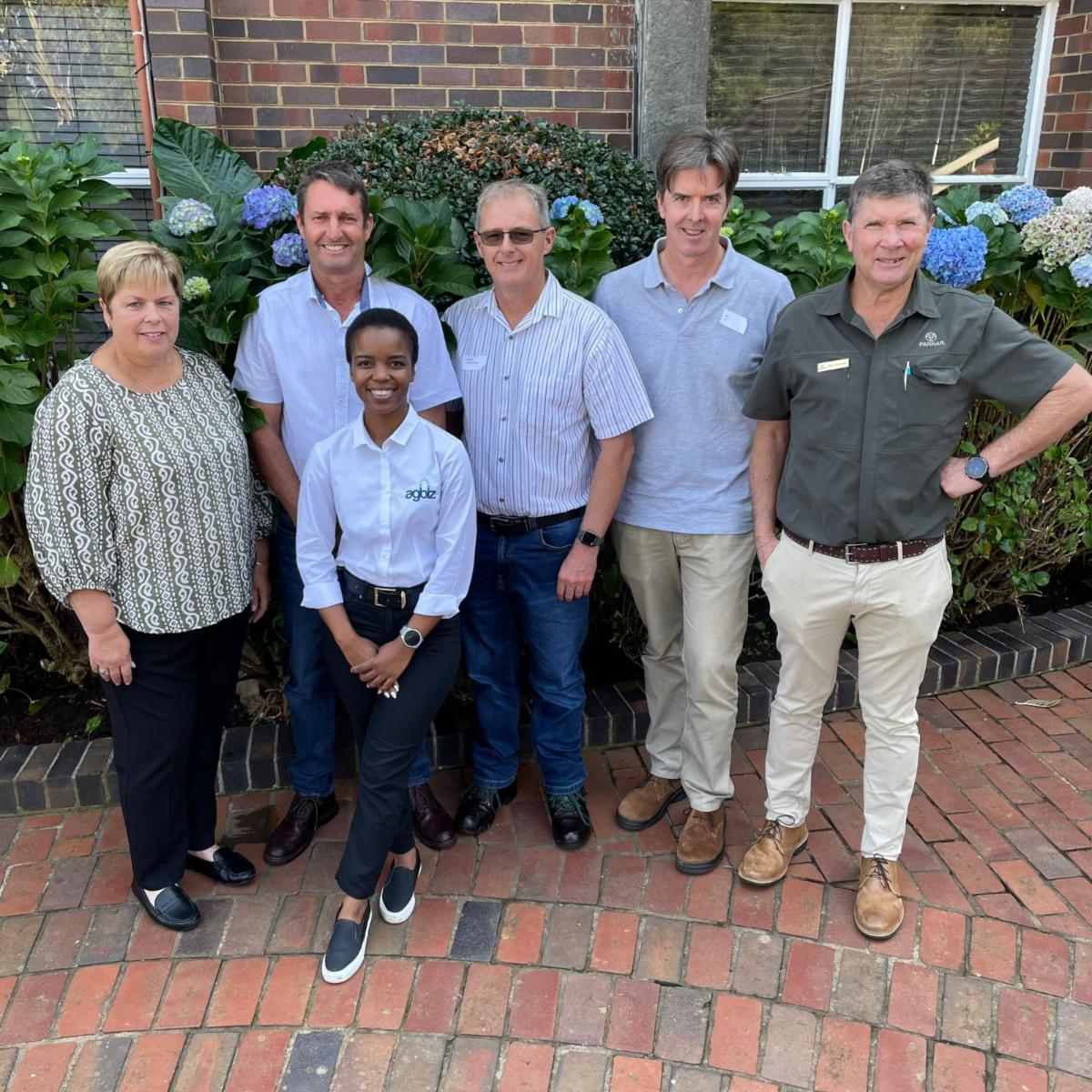
Agbiz, in partnership with Kwanalu, organized a workshop aimed at equipping members of the farming community with strategies to cope with instability and unrest, drawing from the experiences of the July 2021 unrest in KZN. The workshop sought to facilitate learning from past challenges and foster collaboration to build resilient communities capable of addressing and preventing future upheavals. Pannar Seed kindly hosted and sponsored the workshop. Sandy la Marque from Kwanalu provided insights into the events of the July 2021 unrest, emphasising the pivotal role played by organised agriculture during the crisis. Click here to read full report by Agricultural Economist and Policy Analyst Thapelo Machaba.
| |
South Africa's agricultural policy after the elections | |
Recent electoral polls continue to suggest that no single political party will win an outright majority in South Africa's 2024 national elections due to take place on 29 May. This creates uncertainty regarding the national government, which will emerge from any possible coalition discussions. Regardless of its composition, the seventh administration of democratic South Africa may have to refresh its economic policies when it assumes office. For some sectors of the economy, such a review may be necessary. The global environment in which we operate has changed significantly in recent months, partly because of the rising geopolitical tensions and their associated economic risks. In our view, agricultural policy does not require a review. The sector needs a sharper focus on implementing the existing programmes. Click here to read full article by Wandile Sihlobo.
| |
SA’s food inflation falls to lowest level since September 2020 | |
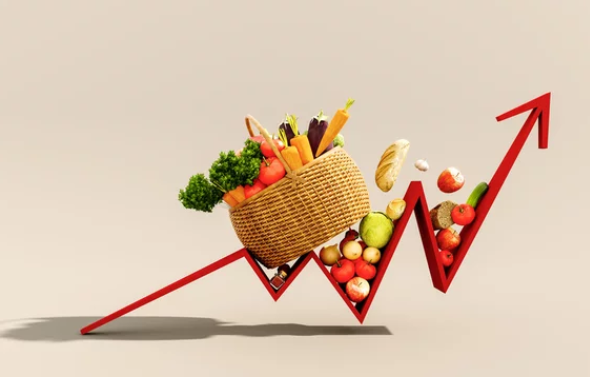
Food inflation remains a topical issue in SA. The drought in some regions of the country has raised fears of a potential upside in food prices. Fortunately, the available data continues to paint a better picture of the food price conditions. For example, the recent data from Stats SA shows that the country’s consumer food inflation decelerated to 4.9% in March 2024 (from 6% in the previous month). This is the lowest level since September 2020 and was underpinned by the deceleration across most food products, except for fish, which lifted mildly from the previous month. While it has been quite dry across the country, vegetable and fruit production has not taken a significant strain because all commercial production in SA is under irrigation and load-shedding has been mild. Moreover, meat prices rose at the end of 2023 due to supply constraints of poultry products on the back of avian influenza. Read full article by Wandile Sihlobo for heraldlive.co.za here.
| |
Agricultural machinery sales down | |
I have previously stated on these pages that South Africa’s agricultural machinery sales will probably be weak this year. The recent data continue to support this view. For example, in March, tractor sales were down 26% year-on-year, with 498 units sold. The combine harvester sales were down 33% year-on-year, with 26 units sold. This moderation of the South African agricultural machinery sales should not worry us much. It primarily reflects the normalisation of sales after a few years of robust activity. To remind us of such excellent years, consider the 2022 South African tractor sales: they amounted to 9,181 units, up 17% year-on-year. This was not an issue of a base effect. The previous year’s sales were also solid. Click here to read full article by Wandile Sihlobo for mg.co.za.
| |
South African white maize price climbs again due to heatwave and lack of summer rain | |
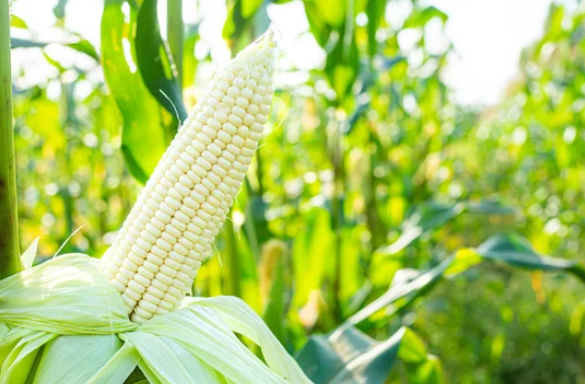
The SA spot price for white maize gained another 2% on Monday (April 15), bringing the increase so far this year to about 36%, sparking fears of the effect it will have on food prices and inflation. By market close the spot price of white maize on the SA exchange had risen R110 to R5,450 a tonne. Beyond the effect at the farm gate, the higher prices will put consumers under pressure while they are already battling high interest rates and inflation. While it may be a few months before consumers feel the effects, white maize is a staple crop for most South Africans, primarily low-income households, where it is used in the form of maize meal and samp. The extreme heat and prolonged dryness in February and March destroyed maize fields and other crops in various regions of the country. Click here to read full article written by Wandile Sihlobo for Business Day.
| |
SA must continuously improve capacity for animal disease control | |
|
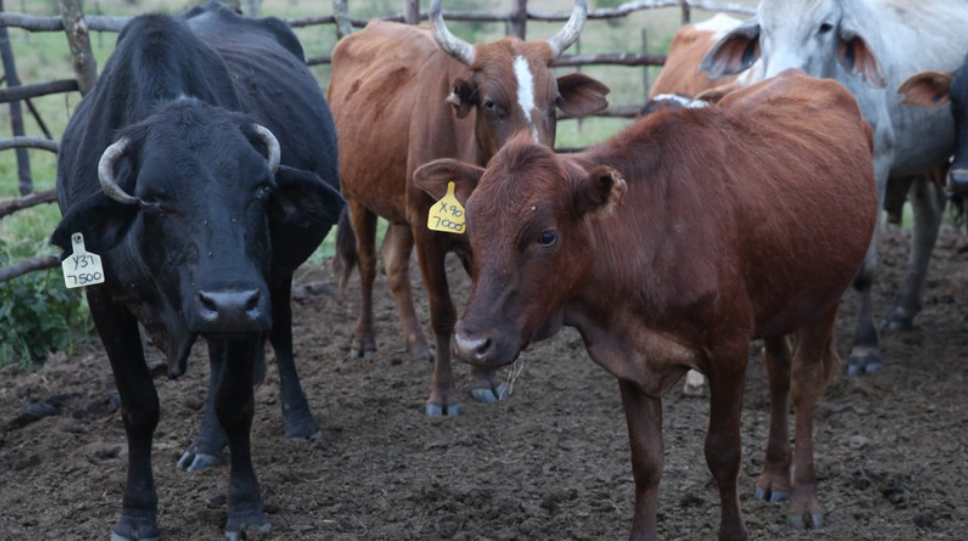
With SA focused on expanding its red meat and livestock product exports, strengthening biosecurity is essential to this ambition. This refers to the measures in place to reduce the risk of infectious diseases transmission to livestock and poultry. In part, the weaknesses in surveillance and control of disease contributed to the spread of various animal diseases that SA farming businesses suffered in the past few years. The temporary closure of certain export markets was costly to beef farmers and wool growers. The upside of the difficulty was the realisation that the government and the private sector must work collaboratively to enhance the country’s biosecurity system. This effort is now under way, and exports are recovering. Click here to read full article written by Wandile Sihlobo for Business Day.
| |
Navigating complexities: First quarter review of agricultural sector | |
As South Africa's agricultural sector traverses the nuanced terrain of policy, infrastructure challenges, technological advancements, and market uncertainties, Agricultural Business Chamber chief economist, Wandile Sihlobo provides an in-depth review of the sector's journey in the first quarter of 2024. The first quarter saw the agricultural industry grappling with systemic infrastructure deficiencies, ranging from deteriorating roads and railways to bottlenecked port facilities. Sihlobo underscores the critical need for long-term solutions, emphasising collaborative efforts between Transnet and the private sector to enhance network efficiencies and infrastructure investments. While challenges persist, constructive dialogues offer glimmers of hope for revitalising crucial transport hubs vital for agricultural trade. Click here to listen to full interview by ofm.co.za.
| |
Recent rains in South Africa will improve grazing veld and winter crops | |
South Africa has experienced two months of extremely dry and hot weather —February and March. The impact of harsh weather conditions on agriculture across the country is visible through crop failures. The 2023/24 summer grain and oilseed production is down 21% year-on-year, estimated at 15.8 million tonnes. We are now at an advanced stage of crop development where there would be minimal to no improvement, even if it rains. Indeed, if one reflects on the past few days, we have received some excellent rainfalls in various regions of South Africa, but this has had minimal benefit on crops. The soil moisture is enhanced, but this will unlikely improve our summer grain and oilseed production outlook. However, the grazing veld for the livestock will be improved somewhat. Click here to listen to full episode of the Agricultural Market Viewpoint by Wandile Sihlobo.
| |
Insurance claims to spike on El Niño effects | |
South Africa is already experiencing some extreme weather conditions and the onset of El Niño is likely to exacerbate these issues in the months ahead. The shift in weather conditions is also likely to affect the supply of food both at the local and global level that could push prices significantly higher. CNBC Africa is joined by John Hudson, Head, Agriculture, Nedbank Commercial Banking and Wandile Sihlobo, Chief Economist, Agricultural Business Chamber of South Africa. Click here to watch full interview.
| |
Step by step closer to a transport solution | |
South Africa’s Road network faces strain, but solutions like the Freight Logistics Roadmap offer promise if implemented effectively. The plan, approved by the Cabinet in 2023, aims to transform the rail freight sector through institutional reforms and private sector involvement. Key priorities include establishing an infrastructure manager and involving Agbiz Grain in prioritizing branch lines. The roadmap emphasizes private sector participation, particularly through the network access statement and encouraging private companies to maintain branch lines. These proposals offer agribusinesses a cost-effective alternative to road transport. Agbiz and its members are actively contributing to improving the rail transport environment. Click here to read full article by Agbiz Grain General Manager, Wessel Lemmer.
| |
Secure your spot at the 2024 Agbiz Congress for agricultural innovation |  | Emerging from the COVID-19 pandemic in 2020, the hope for an extended period of global stability was swiftly shattered as a conflict erupted in the Black Sea region. Subsequently, we have witnessed escalating global conflicts that have triggered significant shifts in the geopolitical landscape. This has prompted nations to reassess measures that disrupt worldwide trade, including export restrictions and pricing controls that impact global supply chains. Concurrently, the international community grapples with combating critical plant and animal diseases while grappling with the looming spectre of climate change. However, the imperative remains for businesses to persevere and adapt to the evolving global terrain. In echoing Charles Darwin's theory, it is not the strongest species that survives, but rather those that prove most adaptable to change. In light of these challenges, the 2024 Agbiz Congress theme intentionally recognises the evolving global panorama and redirects its focus towards sustaining growth in this uncertain environment. Esteemed speakers will share their perspectives on how to navigate and adapt to the complexities posed by geopolitical, environmental, and social instability. Aligned with Agbiz's ethos, the Congress aims to seek solutions that will propel the sector towards prosperity. To learn more and register for the event, we have launched our 2024 Agbiz Congress website, where you can find comprehensive information and details about this vital gathering. Visit the website to stay updated and secure your spot at this essential event. Learn more and register for the 2024 Agbiz Congress here. | |
Central Banks must remain vigilant along the last mile of disinflation | |
In Tobias Adrian's analysis, optimism reigns as financial markets anticipate the end of the inflation battle. However, challenges persist, with geopolitical tensions and strains in commercial real estate threatening progress. Some economies are experiencing a stall in disinflation, raising concerns about market repricing and volatility. Expectations for future inflation remain elevated, challenging central bank targets. The risk of upside inflation surprises could tighten global financial conditions, particularly impacting emerging markets. Central banks are urged to maintain their commitment to disinflation, resisting premature easing. Preserving financial stability demands rigorous stress tests and adherence to prudential standards. Central banks must intervene early to address any signs of financial sector stress. Click here to read full report for imf.org.
| |
El Niño-linked drought to spur a surge in import needs and intensify food insecurity | |
Production prospects for the 2024 cereal crops across Southern Africa have taken a sharp downturn since the beginning of the year. This reflects an extended period of widespread and substantial rainfall deficits in February, exacerbated by record high temperatures, a particularly damaging combination for crops. Considering the harvest period is expected to commence in May, the likelihood of a recovery is negligible. Cereal harvests, predominantly made up of maize, are therefore expected at below-average levels in 2024, with several areas likely to experience extensive crop failures. Drought emergencies have already been declared by the governments of Malawi, Zambia and Zimbabwe. Click here to read full report by Food and Agriculture Organization of the United Nations (FAO).
| |
Unpacking challenges faced by the SA wine industry | |
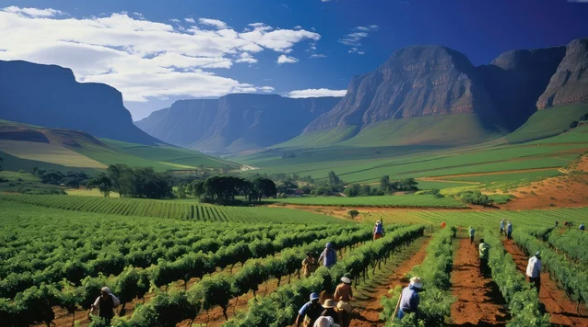
Wine is one of the key strategic industries prioritised in the Agriculture and Agro-processing Master Plan to address economic growth, competitiveness, job creation and inclusivity. South Africa is among the top ten global wine producers and exporters. According to South African Wine Industry Information and Systems (SAWIS), globally, the South African wine industry ranks sixth (accounting for 4.1%) in terms of wine exports and eighth (accounting for 3.9%) in terms of wine production volumes. The domestic wine industry is vital to the economy because it contributes to the country’s gross domestic product (GDP), creates employment and generates foreign earnings. In 2022, the industry contributed R56 billion (0.9%) to the country’s GDP, with more than 270 000 people employed in the entire wine value chain (of which more than 85 000 are employed in farms and cellars). Click here to read full article by Economists Bhekani Zondo and Kayalethu Sotsha for Business Report.
| |
African Growth and Opportunity Act: mutually assured construction | |
A revamped agreement must factor in modern geopolitical and trade dynamics, and constraints facing African producers. The African Growth and Opportunity Act of 2000 is a trade agreement between the United States (US) and Africa. The current agreement ends in 2025, necessitating discussions on renewal and changes to the structure. This report highlights the agreement’s key outcomes, challenges and opportunities. It also looks at the extent to which the agreement promotes the US agenda to the detriment of the ideological and political autonomy of African states. Click here to read full report by the Institute for Security Studies.
| |
Challenges and opportunities in South Africa's supply chain and international trade |
 | | This update provides a comprehensive overview of the South African supply chain and global trade dynamics. Despite operational constraints from adverse weather, port performance improved slightly. However, dense fog in Cape Town and equipment issues in Durban caused delays. Globally, manufacturing's contribution to GDP in major African economies is declining due to various challenges, impacting multinational corporations' investment decisions. Container trade statistics for February show a significant decrease, with South Africa's share declining. Air cargo industry trends indicate a slight decline compared to last year, with global rates remaining stable despite disruptions in Dubai. The regional road freight trade faces challenges with increased transit times and border delays, particularly at SADC borders. To address these challenges, South Africa must focus on improving operational efficiency, investing in infrastructure, fostering competition between ports, and enhancing collaboration among stakeholders. Read the full update in the latest BUSA Cargo Movement Update.
| |
Dying crops, food and water shortages — drought affects millions in southern Africa | |
The southern African region is experiencing one of its worst droughts in decades and an estimated 20 million people now face “crisis levels of acute hunger” and water shortages amid a growing climate crisis, fuelled by the El Niño weather phenomenon. The drought has affected critical crops and livestock, exacerbating already persistent high food prices. A new study by the World Weather Attribution, presented on 18 April 2024, has found that the severe drought was driven primarily by El Niño, rather than human-caused climate change, and that with these El Niño conditions, droughts of this severity would likely be happening at least twice in every decade. Click here to read full article by Kristin Engel for dailymaverick.co.za.
| |
Agricultural success deserves celebration as the country reflects on 30 years of democratic gains | |
Among the crucial reforms that the new democratic government undertook between 1994 and 1998 were the liberalisation of agricultural trade, the privatisation of rural finance, the removal of farm subsidies, and the deregulation of agricultural markets and inputs. Following the reforms was the restructuring of state institutions, which led to the abolishment of Agricultural Marketing Boards and the emergence of Farmer Commodity Associations. Farmer co-operatives were turned into agribusinesses while the Land Bank slowly lost its market share in the agricultural financing space, giving rise to commercial banks. The closure of the Agricultural Credit Board and the Land Bank’s weakened ability to provide credit to small-scale and subsistence farmers are perhaps the most important reforms that ensured South Africa remains with two agricultures, as articulated by Wandile Sihlobo in his latest book. Read full article by agricultural economist Sifiso Ntombela for Business Report here.
| |
Get the latest news from the FPEF | In the latest edition of Keeping it Fresh, the Fresh Produce Exporter's Forum (FPEF)'s newsletter, you will get a summary of the most pertinent information as well as reminders of important upcoming events. Please click here to peruse. | |
The Citrus Growers' Association of Southern Africa (CGA), shares the latest news in the citrus industry in its weekly update, From the desk of the CEO. Please click here to peruse. | |
|
Agbiz Congress 2024
The Agricultural Business Chamber (Agbiz) invites you to attend the Agbiz Congress 2024, 5-7 June 2024 in Sun City, to explore the challenges facing us in a global economy under the banner of ‘sustaining growth in changing global landscape’. Click here to learn more.
Showcase Beefmaster
22 & 23 May 2024 | Stellenbosch Airshow
Learn more
South Africa Wine Conference 2024
23 May 2024 | CCICT, Cape Town
Learn more
Berries ZA Annual Technical & Trade Symposium
30-31 May 2024
Learn more
Agbiz Congress 2024
5-7 June 2024 | Sun City
Learn more
Africa Agri Tech 2024
25-27 June 2024 | CSIR Convention Centre, Pretoria
Learn more
International Fresh Produce Association (IFPA) Southern Africa Conference
5-6 August 2024 | Century City Conference Centre, Cape Town
Learn more
96th Congress of the South African Sugar Technologists Association
13 – 15 August 2024 | ICC Durban
Learn more and register
| |
- Agbiz is the only organisation that serves the broader and common over-arching business interests of agribusinesses in South Africa.
- Agbiz addresses the legislative and policy environment on the many fronts that it impacts on the agribusiness environment.
- Agbiz facilitates considerable top-level networking opportunities so that South African agribusinesses can play an active and creative role within the local and international organised business environment.
- Agbiz research provides sector-specific information for informed decision-making.
- Agbiz newsletter publishes members' press releases and member product announcements.
| |
THIRD-PARTY WEBSITE LINKS TO THIS NEWSLETTER | |
The Agbiz Newsletter may contain a few links to websites that belong to third parties unrelated to us. By making these links available, we are not endorsing third-party websites, their content, products, services or their events. Agbiz seeks to protect the integrity of its newsletter and links used in it, and therefore welcomes any feedback. | | | | |