ACCESS HEALTHCARE SOLUTIONS NEWSLETTER
Securing Tribal Sovereignty Through Wellness
April 2016
|
April includes National Public Health Week (April 4-10).
National Public Health Week is organized during each full week of April by the American Public Health Association for purposes of highlighting issues that are important to improving the public's health. This is an opportunity for each of us to focus on key areas to improve the Tribe's health and well being, namely: diabetes care, heart health & stroke prevention, cancer prevention and weight management.
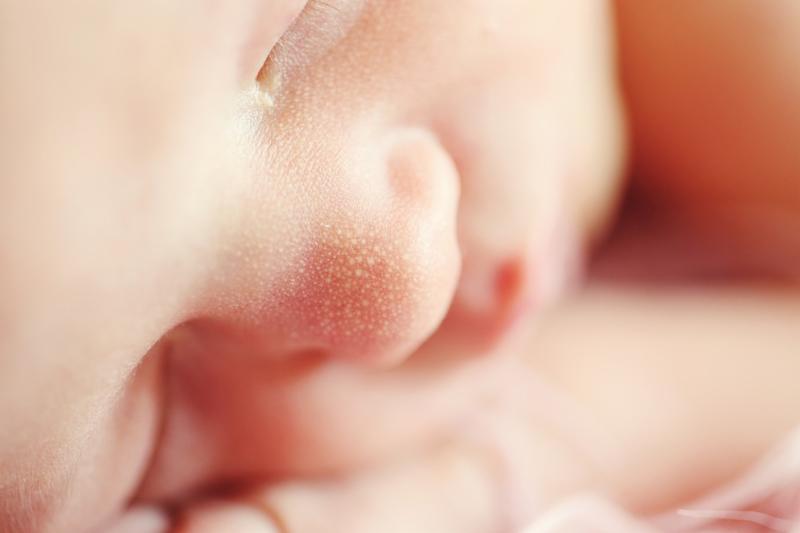
This month also includes National Infant Immunization Week (April 26-May 3), a yearly observance for purposes of promoting the benefits of immunizations and to improve the health of children two years old or younger. As the Tribe is a growing, sovereign nation with new families each year, it is vital that its newest citizens receive the immunizations they need to allow for a full life free of the diseases that plagued so many for so long, such as measles, mumps, diphtheria, polio, hepatitis A&B, etc.
This edition of the Access Healthcare Solutions Newsletter is dedicated to helping the Tribe spotlight the key public health areas and infant immunizations needed for a life of health and wellness, reflecting our long held belief, "Health of body and mind is a great blessing ..."
To your health!
Dr. B.
Access Healthcare Solutions
|
|
|
April 4-10 Is National Public Health Week.
Recommit To A Life of Wellness & Take The Necessary Steps
To Guard Against These Common Health Threats in Indian Country.
|
|
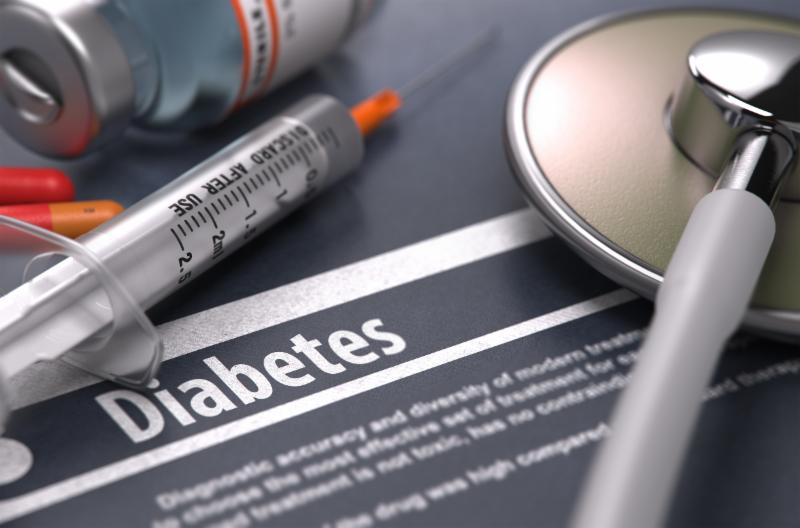
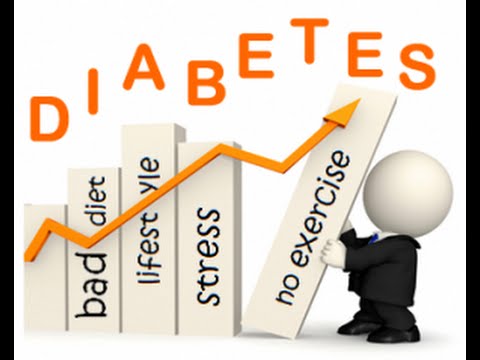
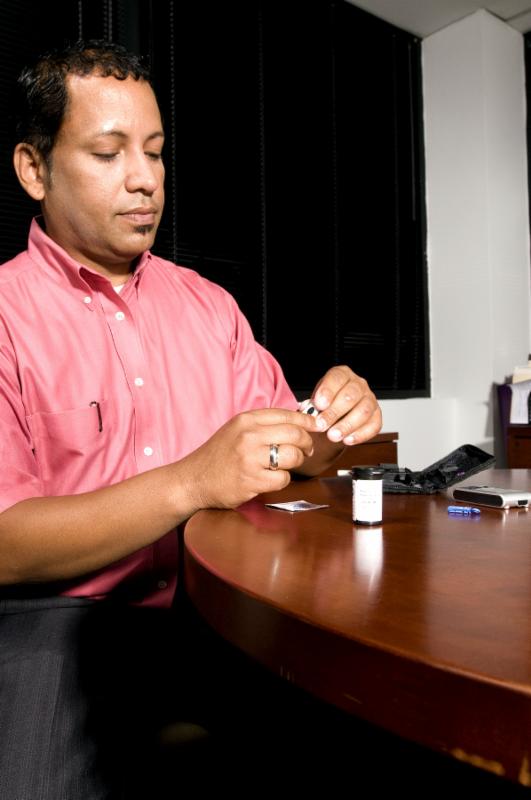
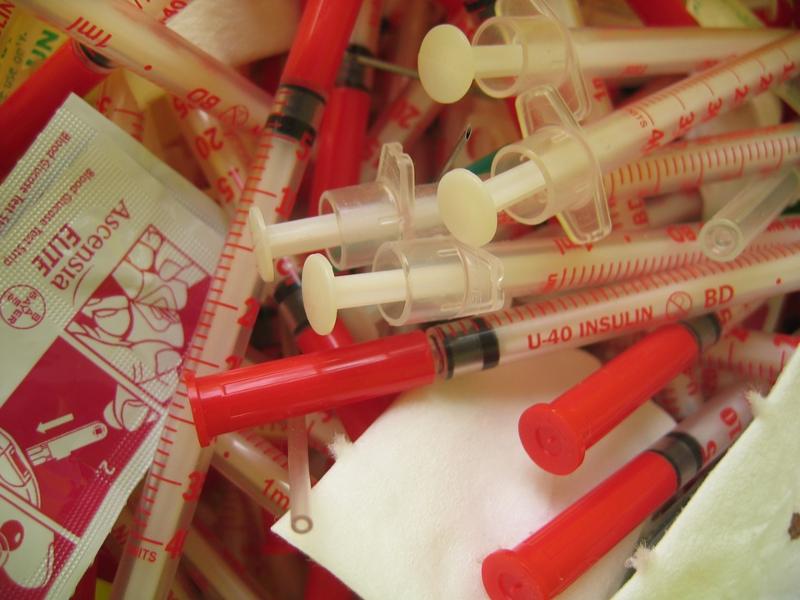
DIABETES:
According to the Department of Health & Human Services, American Indians/Alaska Natives are more than twice as likely to be told by a physician that they have diabetes as their non-Hispanic white counterparts. They also are almost twice as likely to die from diabetes as non-Hispanic whites. Consider the following:
- American Indian/Alaska Native adults are 2.5 times as likely as white adults to be diagnosed with diabetes.
- American Indians/Alaska Native women were 2.3 times more likely than non-Hispanic whites to die from diabetes in 2010.
- In 2010, American Indians/Native Americans were 2.7 times more likely to be diagnosed with end stage renal disease than non-Hispanic whites.
|
|
|
 |
|
What You Can Do To Avoid Diabetes:
According to the Mayo Clinic, lifestyle changes can be an important step toward diabetes prevention. It's never too late to start. Consider these tips:
Diabetes prevention is as basic as eating more healthfully, becoming more physically active and losing a few extra pounds - - and it's never too late to start. Making a few simple changes in your lifestyle now may help you avoid the serious health complications of diabetes down the road, such as nerve, kidney and heart damage.
|
|
|
Tip 1: Get more physical activity
There are many benefits to regular physical activity. Exercise can help you:
- Lose weight
- Lower your blood sugar
- Boost your sensitivity to insulin - - which helps keep your blood sugar within a normal range
Research shows that both aerobic exercise and resistance training can help control diabetes, but the greater benefit comes from a fitness program that includes both.
|
|
|
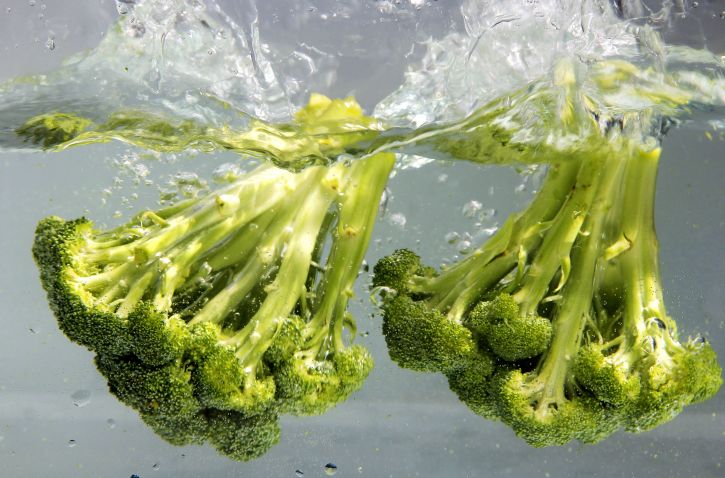
Tip 2: Get plenty of fiber
It's rough, it's tough - - and it may help you:
- Reduce your risk of diabetes by improving your blood sugar control
- Lower your risk of heart disease
- Promote weight loss by helping you feel full
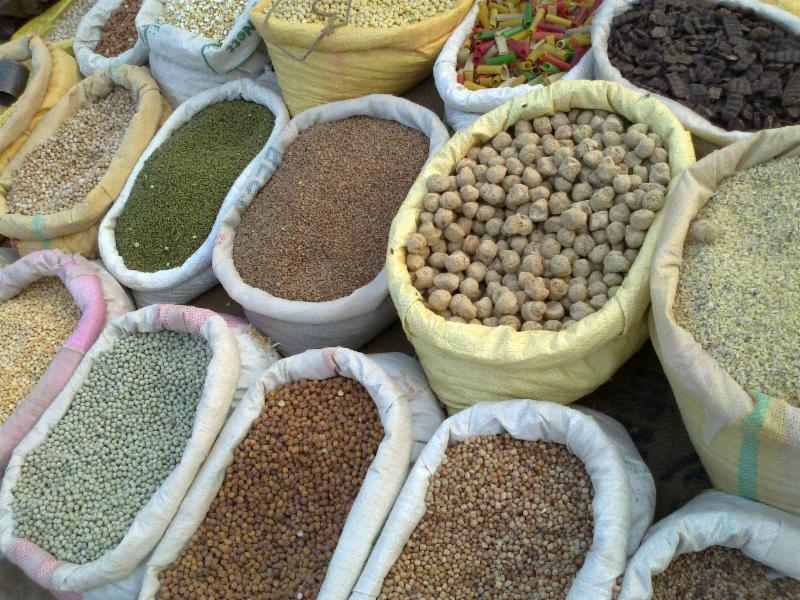
Foods high in fiber include fruits, vegetables, beans, whole grains, nuts and seeds.
|
|
|
Tip 3: Go for whole grains
Although it's not clear why, whole grains may reduce your risk of diabetes and help maintain blood sugar levels. Try to make at least half your grains whole grains. Many foods made from whole grains come ready to eat, including various breads, pasta products and many cereals. Look for the word "whole" on the package and among the first few items in the ingredient list.
|
|
|
Tip 4: Lose extra weight
If you're overweight, diabetes prevention may hinge on weight loss. Every pound you lose can improve your health, and you may be surprised by how much. Participants in one large study who lost a modest amount of weight - - around 7 percent of initial body weight - - and exercised regularly reduced the risk of developing diabetes by almost 60 percent.
|
|
|
Tip 5:
Skip fad diets and just make healthier choices
Low-carb diets, the glycemic index diet or other fad diets may help you lose weight at first, but their effectiveness at preventing diabetes isn't known nor are their long-term effects. And by excluding or strictly limiting a particular food group, you may be giving up essential nutrients. Instead, think variety and portion control as part of an overall healthy-eating plan.
|
|
|
When to see your doctor
If you're older than age 45 and your weight is normal, ask your doctor if diabetes testing is appropriate for you. The American Diabetes Association recommends blood glucose screening if:
You're age 45 or older and overweight
You're younger than age 45 and overweight with one or more additional risk factors for type 2 diabetes - - such as a sedentary lifestyle or a family history of diabetes
|
|
|
What If I Already Have Diabetes?
Four Steps For Living A Full Life & Thriving With Diabetes:
|
Step 1: Learn about diabetes. What is diabetes?
There are three main types of diabetes:
- Type 1 diabetes - Your body does not make insulin. This is a problem because you need insulin to take the sugar (glucose) from the foods you eat and turn it into energy for your body. You need to take insulin every day to live.
- Type 2 diabetes - Your body does not make or use insulin well. You may need to take pills or insulin to help control your diabetes. Type 2 is the most common type of diabetes.
- Gestational (jest-TAY-shun-al) diabetes - Some women get this kind of diabetes when they are pregnant. Most of the time, it goes away after the baby is born. But even if it goes away, these women and their children have a greater chance of getting diabetes later in life.
How to learn more about diabetes.
- Take classes to learn more about living with diabetes. To find a class, check with your health care team, hospital, or area health clinic. You can also search online.
- Join a support group - in-person or online - to get peer support with managing your diabetes.
- Read about diabetes online. Go to http://ndep.nih.gov/External NIDDK Link.
Why take care of your diabetes?
Taking care of yourself and your diabetes can help you feel good today and in the future. When your blood sugar (glucose) is close to normal, you are likely to:
- have more energy
- be less tired and thirsty
- need to pass urine less often
- heal better
- have fewer skin or bladder infections
You will also have less chance of having health problems caused by diabetes such as:
- heart attack or stroke
- eye problems that can lead to trouble seeing or going blind
- pain, tingling, or numbness in your hands and feet, also called nerve damage
- kidney problems that can cause your kidneys to stop working
- teeth and gum problems
|
|
|
|
Step 2: Know your diabetes ABCs.
Talk to your health care team about how to manage your A1C, Blood pressure, and Cholesterol. This can help lower your chances of having a heart attack, stroke, or other diabetes problems.
A for the A1C test (A-one-C). What is it?
The A1C is a blood test that measures your average blood sugar level over the past three months. It is different from the blood sugar checks you do each day.
Why is it important?
You need to know your blood sugar levels over time. You don't want those numbers to get too high. High levels of blood sugar can harm your heart, blood vessels, kidneys, feet, and eyes.
What is the A1C goal?
The A1C goal for many people with diabetes is below 7. It may be different for you. Ask what your goal should be.
B for Blood pressure. What is it?
Blood pressure is the force of your blood against the wall of your blood vessels.
Why is it important?
If your blood pressure gets too high, it makes your heart work too hard. It can cause a heart attack, stroke, and damage your kidneys and eyes.
What is the blood pressure goal?
The blood pressure goal for most people with diabetes is below 140/90. It may be different for you. Ask what your goal should be.
C for Cholesterol (ko-LESS-tuh-ruhl). What is it?
There are two kinds of cholesterol in your blood: LDL and HDL.
LDL or "bad" cholesterol can build up and clog your blood vessels. It can cause a heart attack or stroke.
HDL or "good" cholesterol helps remove the "bad" cholesterol from your blood vessels.
What are the LDL and HDL goals?
Ask what your cholesterol numbers should be. Your goals may be different from other people. If you are over 40 years of age, you may need to take a statin drug for heart health.
|
|
|
|
Step 3: Learn how to live with diabetes.
It is common to feel overwhelmed, sad, or angry when you are living with diabetes. You may know the steps you should take to stay healthy, but have trouble sticking with your plan over time. This section has tips on how to cope with your diabetes, eat well, and be active.
Cope with your diabetes.
- Stress can raise your blood sugar. Learn ways to lower your stress. Try deep breathing, gardening, taking a walk, meditating, working on your hobby, or listening to your favorite music.
- Ask for help if you feel down. A mental health counselor, support group, member of the clergy, friend, or family member who will listen to your concerns may help you feel better.
Eat well.
- Make a diabetes meal plan with help from your health care team.
- Choose foods that are lower in calories, saturated fat, trans fat, sugar, and salt.
- Eat foods with more fiber, such as whole grain cereals, breads, crackers, rice, or pasta.
- Choose foods such as fruits, vegetables, whole grains, bread and cereals, and low-fat or skim milk and cheese.
- Drink water instead of juice and regular soda.
- When eating a meal, fill half of your plate with fruits and vegetables, one quarter with a lean protein, such as beans, or chicken or turkey without the skin, and one quarter with a whole grain, such as brown rice or whole wheat pasta.
Be active.
- Set a goal to be more active most days of the week. Start slow by taking 10 minute walks, 3 times a day.
- Twice a week, work to increase your muscle strength. Use stretch bands, do yoga, heavy gardening (digging and planting with tools), or try push-ups.
- Stay at or get to a healthy weight by using your meal plan and moving more.
Know what to do every day.
- Take your medicines for diabetes and any other health problems even when you feel good. Ask your doctor if you need aspirin to prevent a heart attack or stroke. Tell your doctor if you cannot afford your medicines or if you have any side effects.
- Check your feet every day for cuts, blisters, red spots, and swelling. Call your health care team right away about any sores that do not go away.
- Brush your teeth and floss every day to keep your mouth, teeth, and gums healthy.
- Stop smoking. Ask for help to quit. Call 1-800-QUITNOW (1-800-784-8669).
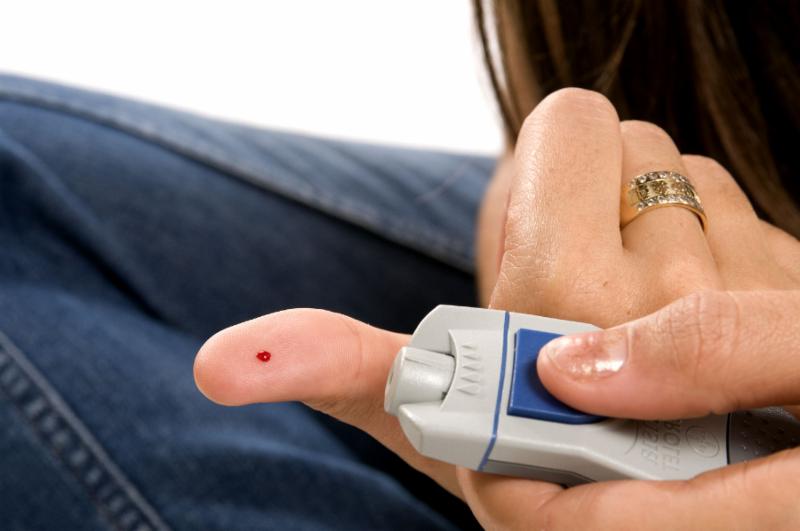
- Keep track of your blood sugar. You may want to check it one or more times a day. Use the card at the back of this booklet to keep a record of your blood sugar numbers. Be sure to talk about it with your health care team.
- Check your blood pressure if your doctor advises and keep a record of it.
|
|
|
|
Step 4: Get routine care to stay healthy.
See your health care team at least twice a year to find and treat any problems early.
At each visit, be sure you have a:
- blood pressure check
- foot check
- weight check
- review of your self-care plan
Two times each year, have an:
- A1C test. It may be checked more often if it is over 7.
Once each year, be sure you have a:
- cholesterol test
- complete foot exam
- dental exam to check teeth and gums
- dilated eye exam to check for eye problems
- flu shot
- urine and a blood test to check for kidney problems
At least once in your lifetime, get a:
- pneumonia (nu-mo-nya) shot
- hepatitis B (HEP-uh-TY-tiss) shot
For more information, the National Institutes of Health (NIH) offers a complete guide on managing your diabetes for life here:
http://1.usa.gov/1UwL4re
|
|
|
|
|
|
INJURIES:
According to the Center For Disease Control and Prevention (CDC), more Native Americans die by injury by the age of 44 than any other cause. The Indian Health Service's data shows that, compared to white Americans, Native people are twice as likely to die in a car crash, three and a half times more likely to die as a pedestrian, twice as likely to die by fire and three times more likely to drown. Key factors are both alcohol and the long distances from reservations to emergency care.
Despite crime falling in certain areas nationwide, violent crime on many reservations has skyrocketed - - due to a lack of law enforcement resources and underfunded tribal courts - - also contributing to the high rate of injuries on reservations.
|
|
|
|
|
|
|
TUBERCULOSIS (TB):
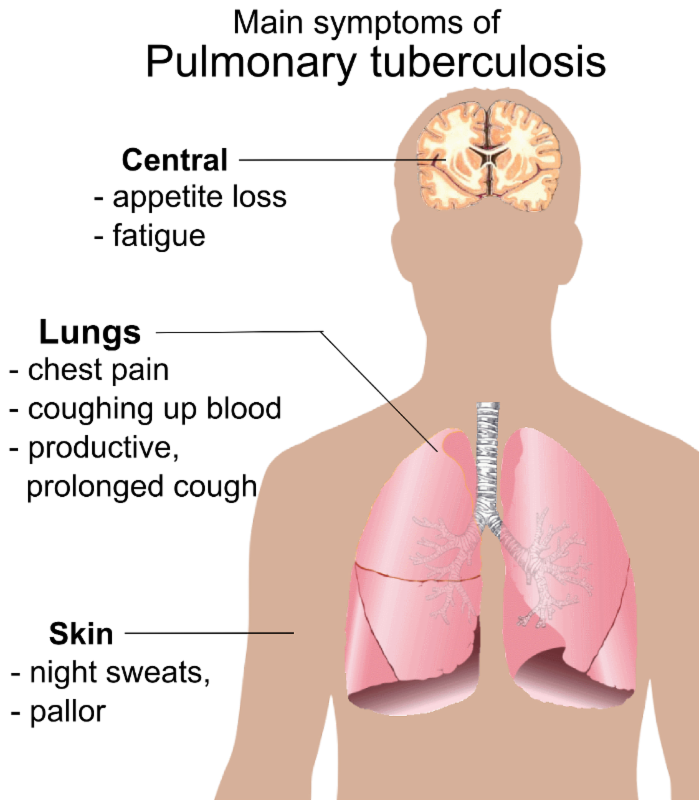
National Institutes of Health data points to an unacceptably high rate of tuberculosis on Indian reservations. The figures show that in 2008, tuberculosis rates among Native Americans and Alaska Natives was five times higher than for non-Hispanic whites. Factors contributing to these high rates include poor nutrition, inadequate medical care, diabetes and alcohol and tobacco use.
According to WebMD, take these measures to avoid getting an active TB infection:
Do not spend long periods of time in stuffy, enclosed rooms with anyone who has active TB until that person has been treated for at least 2 weeks.
Use protective measures, such as face masks, if you work in a facility that cares for people who have untreated TB.
If you live with someone who has active TB, help and encourage the person to follow treatment instructions.
Regarding the TB vaccine ... A TB vaccine (bacille Calmette-Guerin
, or BCG) is used in many countries to prevent TB. But this vaccination is almost never used in the United States because:
- The vaccine is not very effective in adults who receive it.
- The BCG vaccine may cause a tuberculin skin test to indicate a TB infection even if a person is not infected with TB. This complicates the use of the tuberculin skin test to check people for TB.
|
|
|
|
|
OBESITY:
According to the CDC,
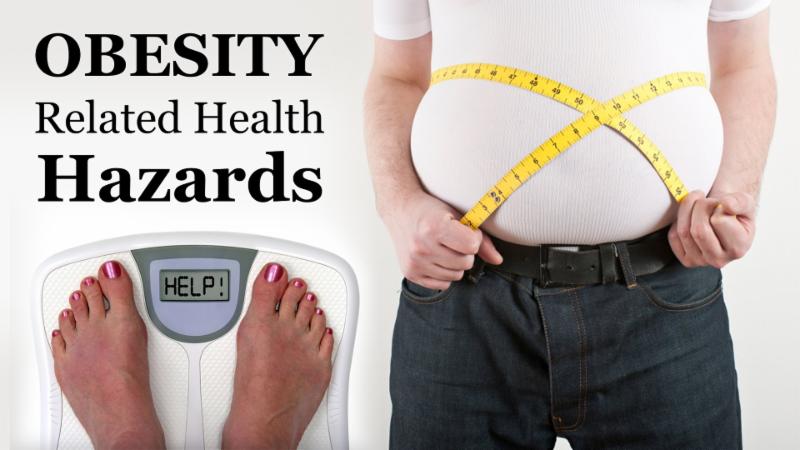
American Indian/Alaska Native women are 30% more likely than non-Hispanic White women to be obese, American Indian or Alaska Native adults are 60% more likely to be obese than non-Hispanic Whites and American Indian or Alaska Native adults are 50% less likely than white adults to engage in regular leisure-time physical activity.
The Mayo Clinic recommends these six tips to prevent unhealthy weight gain and related health problems. Not surprisingly, the steps to prevent weight gain are the same as the steps to lose weight: daily exercise, a healthy diet, and a long-term commitment to watch what you eat and drink.
|
|
|
|
|
|
Exercise regularly.
You need to get 150 to 300 minutes of moderate-intensity activity a week to prevent weight gain. Moderately intense physical activities include fast walking and swimming.
- Follow a healthy eating plan. Focus on low-calorie, nutrient-dense foods, such as fruits, vegetables and whole grains. Avoid saturated fat and limit sweets and alcohol. Eat three regular meals a day with limited snacking. You can still enjoy small amounts of high-fat, high-calorie foods as an infrequent treat. Just be sure to choose foods that promote a healthy weight and good health most of the time.
- Know and avoid the food traps that cause you to eat. Identify situations that trigger out-of-control eating. Try keeping a journal and write down what you eat, how much you eat, when you eat, how you're feeling and how hungry you are. After a while, you should see patterns emerge. You can plan ahead and develop strategies for handling these types of situations and stay in control of your eating behavio.
- Monitor your weight regularly. People who weigh themselves at least once a week are more successful in keeping off excess pounds. Monitoring your weight can tell you whether your efforts are working and can help you detect small weight gains before they become big problems.
- Be consistent. Sticking to your healthy-weight plan during the week, on the weekends, and amidst vacation and holidays as much as possible increases your chances of long-term success.
|
|
|
|
|
|
|
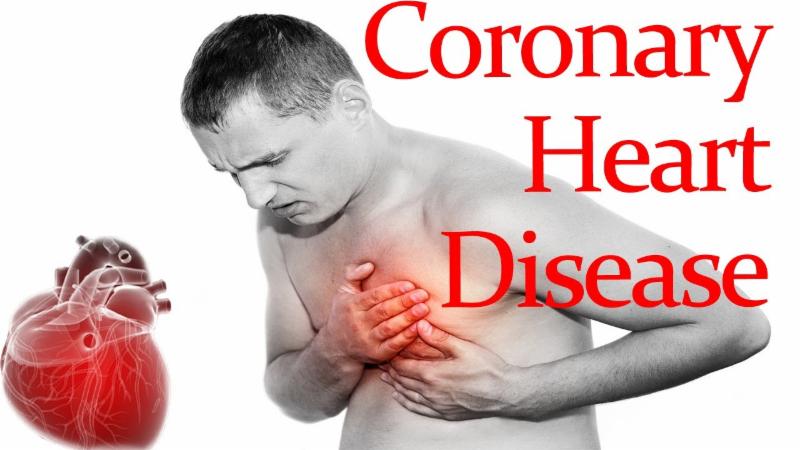
HEART DISEASE, STROKE & HYPERTENSION:
Data from the CDC indicates that American Indians/Alaska Natives, on average, are more likely to be diagnosed with heart disease than their white counterparts. In addition, American Indians/Alaska Native adults are more likely to be obese than white adults, more likely to have high blood pressure, and they are more likely to be current cigarette smokers than white adults - all risk factors for heart disease.
American Indian/Alaska Native men are 20 percent more likely than white men to be current cigarette smokers.
American Indian/Alaska Native adults are 30 percent more likely than white adults to have high blood pressure and are twice as likely to have a stroke as their white adult counterparts.
|
|
|
|
Monthly Guidance on Internal Medicine
|
|
|
|
What You Can Do To Lower Your Chances of Heart Disease & Stroke:
1.Exercise A Little Each Day
Moderate physical activity lowers your chances of getting a heart attack by 30% to 50%. Aim for 30 minutes of exercise that gets your heart pumping at least 5 days a week. Brisk walking or swimming are some good choices. On the other 2 days, do strength training, like lifting weights. If you've got a tight schedule, break your exercise routine into small chunks. Try a 15-minute walk in the morning and another before lunch.
2.Set a Reasonable Goal for Weight Loss
If you're overweight or obese, you don't have to get thin to reduce your risk for a heart attack or stroke. If you lose 5% to 10% of your weight, you'll improve your cholesterol numbers and lower your blood pressure and blood sugar levels.
3.Take Your Heart Medicine
It sounds like a no-brainer, but don't skip your meds. A lot of people don't take their medications the way their doctor told them to. Figure out what keeps you from taking your medicine -- such as side effects, cost, or forgetfulness - and ask your doctor for help.
4.Eat Well
If you stick to a healthy diet you could lower your odds of getting heart disease by 25%. Fill your plate with different kinds of fruits, veggies, whole grains, fish, and lean meats. Stay away from processed or prepared foods that often are high in salt and filled with preservatives.
5.Drink Some Alcohol, but Not Too Much
If you drink, any type of alcohol helps your heart, but use caution. Too much raises your risk of high blood pressure, heart attack, and stroke. To get the benefit without the risk, limit yourself to one drink a day if you're a woman and two if you're a man.
6.Eat a Little Chocolate
Several studies show that people who eat it more than once a week lower their risk of heart disease by almost 40% and stroke by about 30%. Go for dark chocolate, and make sure the ingredients are at least 70% cacao. It's filled with nutrients that help protect your ticker. Keep your portions small so you don't gain weight and work your heart harder.
7.Don't Smoke
Smoking dramatically raises your risk of heart attacks and strokes, so talk to your doctor about how to quit. You'll also be doing your friends and family a favor, since secondhand smoke can also lead to heart disease.
8.Pay Attention to Your Symptoms
Don't just hope they'll go away. See your doctor if you feel anything unusual, like shortness of breath, changes in your heart rhythm, or extreme tiredness. Also watch for pain in your jaw or back, nausea or vomiting, sweating, or flu-like symptoms.
|
|
|
|
|
CANCER:
See these stark Native American cancer statistics compiled by the Intercultural Cancer Council ...
American Indians/Alaska Natives have a high incidence rate of HPV, and also more likely to have HPV caused by high-risk oncogenic serotypes not covered by the new HPV vaccine. They are also less likely to receive PAP smears, which contributes to their having the highest cervical cancer mortality of any population in the United States.
The highest proportion of men receiving no treatment for prostate cancer was observed in Native Americans (40%) when compared to non-Hispanic/Latino whites (25%). Screening rates for breast, colorectal, prostate, and cervical cancers were lower among American Indians/Alaska Natives than non-Hispanic/Latino whites.
Cervical cancer mortality is particularly high among American Indians who reside in the Northern Plains and Southwest regions of the United States.
Lung cancer is the second most common cancer occurring in American Indian and Alaska Native men (51.40 cases per 100,000), behind prostate cancer (60.66 per 100,000).
American Indians/Alaska Natives have a higher incidence of kidney, stomach, liver, cervix and gallbladder cancers compared to the non-Hispanic/Latino white populations.
Nearly 10% of American Indian/Alaska Native men and 15% of American Indian/Alaska Native women in California, age 40 and over, report being diagnosed with some type of cancer.
American Indians have the highest rate of gallbladder cancer of any ethnic group.
The most common types of cancer for American Indians/Alaska Natives are cancer of the breast (28%), colon and rectum (13%) and lung (10%).
American Indians and Alaska Native youths aged 12-17 had the highest smoking rates compared with other racial groups.
American Indians and Alaskan Natives have the highest percentage of distant stage lung, breast,
prostate and colorectal cancer at diagnosis compared to non-Hispanic/Latino whites.
|
|
|
|
|
Cancer Prevention: What Can You Do To Lower Your Risk?
The American Institute for Cancer Research recommends the following cancer-prevention steps.
Limit consumption of calorie-dense foods, particularly processed foods high in added sugar, low in fiber, or high in fat.
Avoid sugary drinks.
Eat more of a variety of vegetables, fruits, whole grains, and beans.
Limit consumption of red meats such as beef, pork, and lamb, and avoid processed meats.
Limit consumption of salty foods and foods processed with sodium.
Dietary supplements for lowering cancer risk are not recommended.
Be as lean as possible without becoming underweight.
Be physically active for 30 minutes or more every day.
Limit alcohol intake - - no more than 1 drink per day for women and 2 for men.
Don't smoke. If you do, quit smoking immediately.
|
|
|
April 26-May 3 is National Infant Immunization Week! Protect The Health of Your Family & The Tribal Community by Getting Your Baby Vaccinated
It is a Blessing that the Tribe is growing each year. A nation that repopulates itself ensures its future, and each birth is a further commitment to shepherd the Tribe's customs and heritage to the next generation.
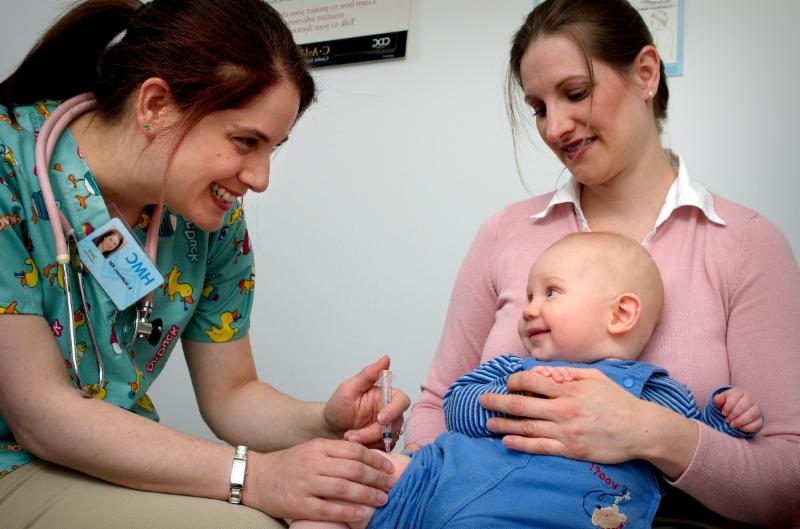
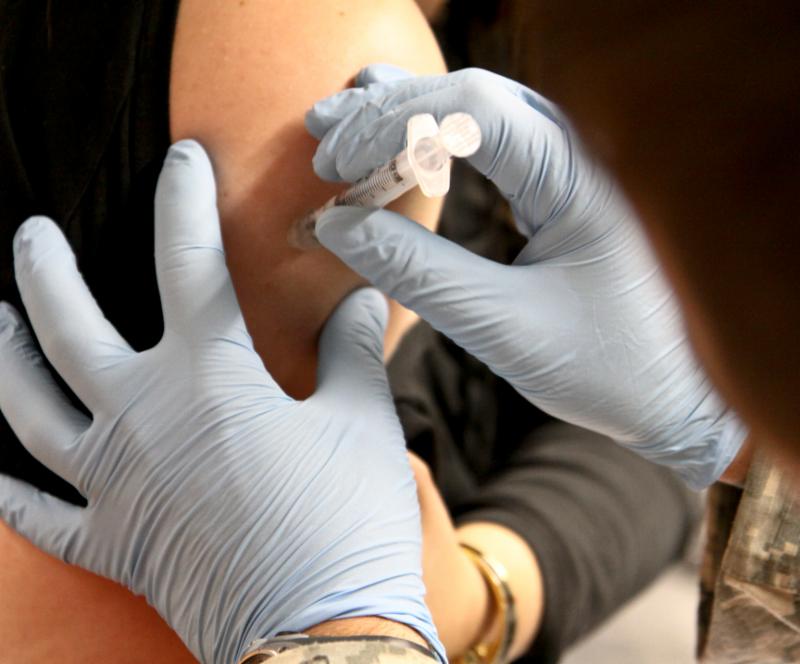
Secure your child's health by getting the key vaccinations needed to immunize against preventable disease. Click here for the CDC's recommended childhood immunization list and schedule: http://www.cdc.gov/vaccines/parents/downloads/parent-ver-sch-0-6yrs.pdf
Additionally, the California Department of Public Health offers the following information and guidance on ensuring that your baby is fully immunized against 14 vaccine-preventable diseases:
|
|
|
|
|
Immunization Basics and Schedules
National Infant Immunization Week is April 26-May 3. It's a great time to check your child's immunization record to see if they are up-to-date on their recommended immunizations.
Your child may be healthy, but if they are not up-to-date with shots, they are at risk for dangerous diseases like measles and whooping cough.
Vaccines have drastically reduced infant death and disability in the U.S. Without diligent efforts to maintain high immunization levels, vaccine-preventable diseases would remain an ongoing threat to our children.
Vaccines protect babies from devastating diseases. Don't take chances with your baby's health. Get your baby vaccinated on time.
|
|
|
|
Give Your Baby a Healthy Start - - Get Immunized During Pregnancy!
The American College of Obstetricians and Gynecologists (ACOG), the American Academy of Pediatrics (AAP), and the Centers for Disease Control and Prevention (CDC) recommend that all pregnant women get a:
- Flu Shot: Get vaccinated as early as possible during the flu season (August-May) every year.
- Whooping Cough (Tdap) Shot: Get vaccinated during your third trimester - - 27 to 36 weeks of pregnancy - - even if you got the shot before becoming pregnant. You will need to get the Tdap shot during every pregnancy.
Millions of Californians get the flu each year, and about 1,300 babies under 6 months of age are hospitalized due to flu in California.
In 2010, and again in 2014, nearly 10,000 people were diagnosed with whooping cough in California; tragically, 10 babies died in the 2010 outbreak.
Getting flu and Tdap vaccines while you are pregnant can help protect you and your baby against these serious diseases.
The protection you get from the vaccines passes to your baby in the womb. This will help protect your baby until she's old enough to get her own vaccines to build her own protection.
Your baby will be old enough to get the first flu shot at 6 months of age and the first whooping cough (DTaP) shot at 6-8 weeks of age.
|
|
|
|
Maximize the Protection around Your Baby
We know that babies need immunizations to be protected against diseases, but immunizations aren't just for babies. Parents, babysitters, older siblings and grandparents also need to be up-to-date!
Whether at home or traveling abroad, immunizations are the best defense for everyone in the family against vaccine-preventable diseases.
|
|
|
|
|
Measles
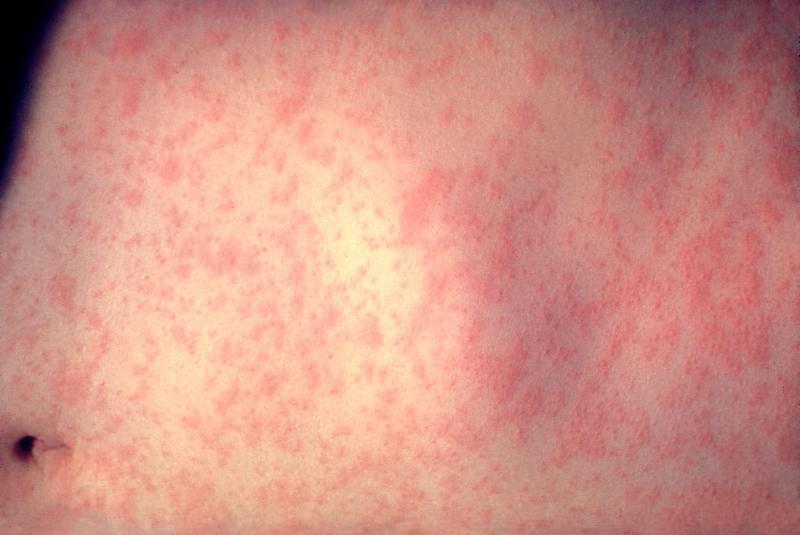
High immunization rates can help to prevent outbreaks of childhood diseases like measles. Measles spreads easily in families, schools and communities where immunization rates have declined.
Measles is very contagious and can result in severe complications. Infants can be especially vulnerable to measles if they come into contact with infected siblings, friends, or other children in childcare settings.
Large measles outbreaks are ongoing in Asia, Europe and Africa. International travelers can bring measles to the U.S., where it can spread for a while, especially to unimmunized persons. Measles can still occur in California - - The MMR vaccine can protect your family.
|
|
|
Hepatitis B
Hepatitis B is a serious disease that can be transmitted from mother to baby during birth or from people at home, but babies can be protected by a safe and effective vaccine at birth.
|
|
|
|
Vaccine Safety
Immunizations are given to millions of babies every year to protect them against dangerous diseases.
More than 500,000 babies are born in California each year. Help keep them safe and healthy by vaccinating them on time, every time.
Immunizations, like all medicines, must meet a high level of safety standards. Safety and research studies are continually in progress to ensure vaccines are safe and effective.
Immunizations are safe and effective in preventing serious diseases.
Side effects from vaccinations are usually minor and temporary, such as a sore arm or mild fever.
Children are more likely to be harmed by avoiding vaccinations than by being vaccinated.
Vaccines are just as safe and effective when given together as they are when given separately. Multiple vaccinations do NOT increase the risk of harmful side effects.
Vaccines are safe and effective for most individuals with a mild illness. In most cases, it's safe for a child with a mild illness such as a low fever or cold to get immunized.
|
|
|
|
|
Immunization Resources
Your doctor or clinic can help you understand when shots are recommended for your babies. If you have questions or concerns about immunizations, talk with a respected health care provider.
|
|
|
Where to get Children Immunized
Pediatricians, family doctors' offices, local health departments, community health centers and local pharmacies are all places where you can get your child immunized.
|
|
|
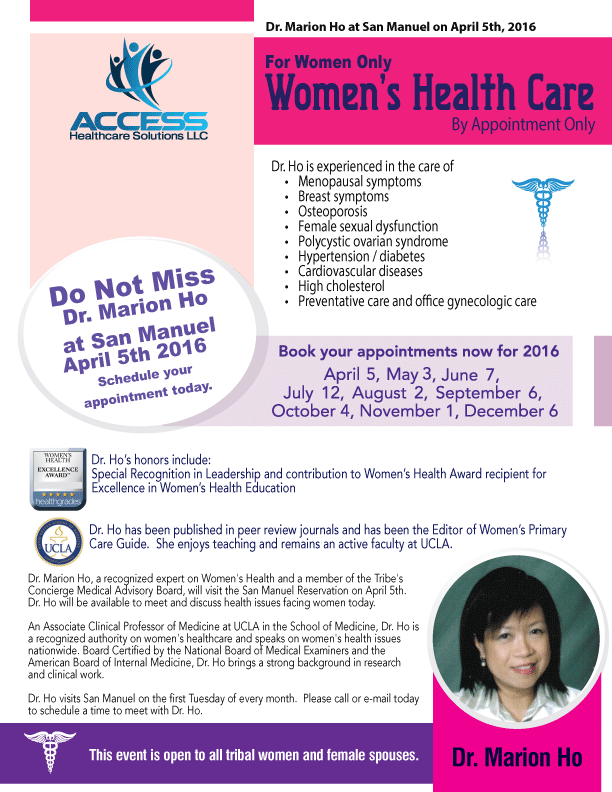
April 5th: Dr. Marion Ho at the San Manuel Community Center - - FOR WOMEN ONLY
Dr. Marion Ho, a recognized expert on Women's Health and a member of the Tribe's Concierge Medical Advisory Board, will visit the San Manuel Reservation on April 5th. Dr. Ho will be available to meet and discuss health issues facing women today.
An Associate Clinical Professor of Medicine at UCLA in the School of Medicine, Dr. Ho is a recognized authority on women's healthcare and speaks on women's health issues nationwide. Board Certified by the National Board of Medical Examiners and the American Board of Internal Medicine, Dr. Ho brings a strong background in research and clinical work.
Dr. Ho visits San Manuel on the first Tuesday of every month. Please call or e-mail today to schedule a time to meet with Dr. Ho.
|
|
|
|
|
|
|
Please take advantage of this opportunity to learn more about these vital topics of health and wellness.
Enrollment is quick and easy, involving the completion of a simple form.
|
|
|
|