Romanosky Automotive Weekly Gazette

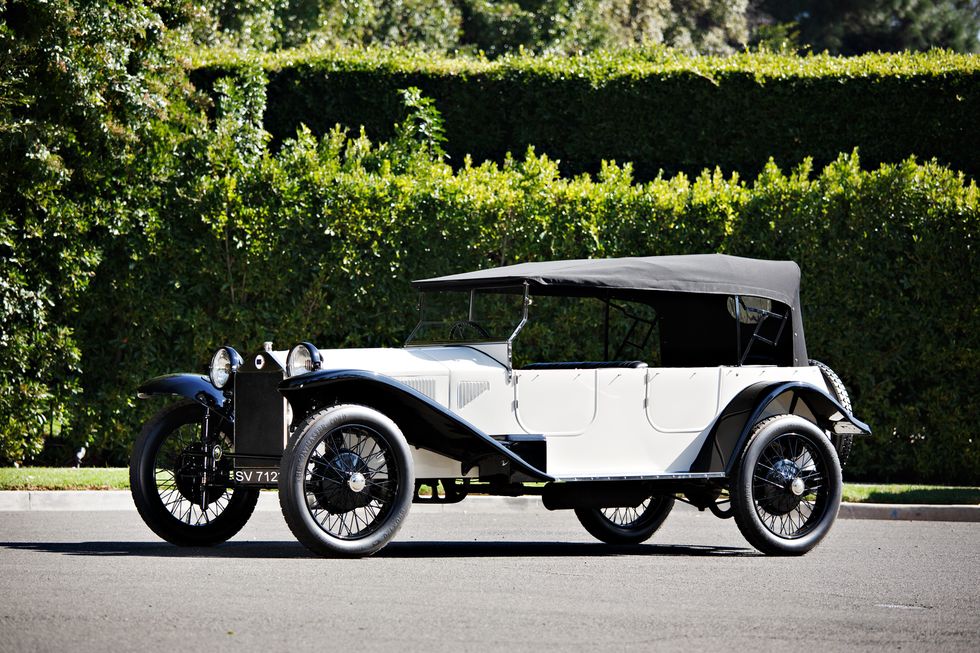
Lancia's 1922 Lamda was a technical 'tour de force' with monocoque construction, efficient narrow angle V4 engine, and independent sliding pillar suspension - but does anybody care today?

A Brand By Any Other Name...


In 1908 Henry Ford started producing the Model T and William Durant created General Motors, starting the modern Automobile business as we know it. About 50,000 vehicles were made in that year. By 1920 there were over five hundred companies that produced about 1.5M motor vehicles annually, mostly in America, with Ford accounting for over 800k. Today, there are fourteen automotive conglomerates that produce about 70M vehicles annually under the nameplate of some sixty different brands.

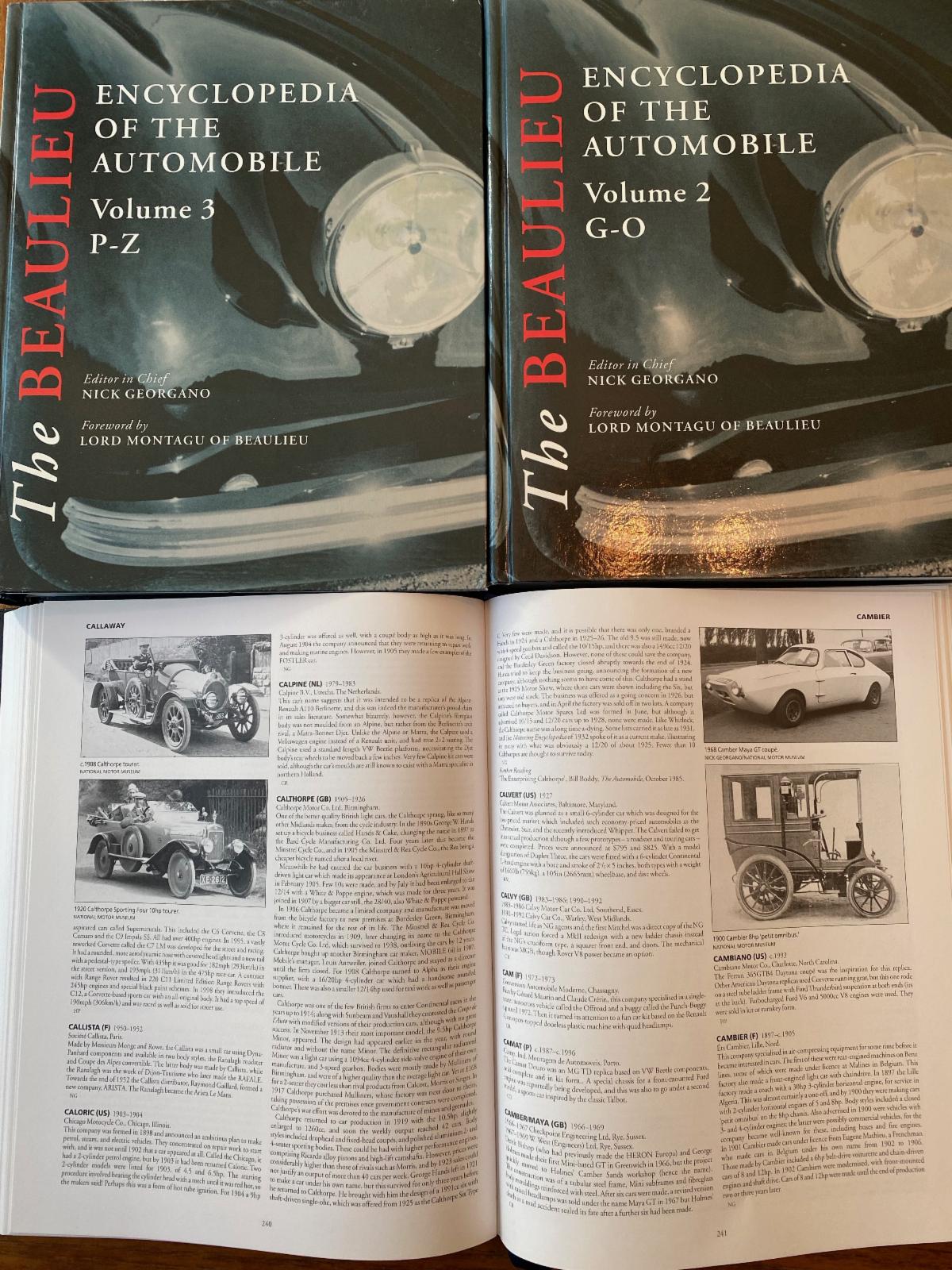
My "Beaulieu Encyclopedia Of The Automobile" lists thousands of manufacturers in a two-thousand page, three-volume set. I recognize the names of maybe 250 of them. Of the sixty active brands being sold today, perhaps only half of them are being produced in significant numbers.


So, what then makes a brand worth keeping, and when we talk of 'brand equity', what does that mean? For brands that still have meaningful equity, but are under-performing or dormant, should they be allowed to die, or can they be resurrected? Which brands have the most potential?


Manufacturers have now all but stopped development of internal combustion engines. Current ICE platforms are now being phased out in favour of BEV 'skateboard' designs. With the battery pack making up the floor, and compact motor-generator units in line with the axles, designers have more freedom than ever before. Software, not mechanical elements, contribute the most to driving dynamics. Many of the things that used to define a brand like the engine, gearbox and powertrain are not differentiating anymore. Exhaust note, shifter precision, and acceleration times have given way to connectivity and data services in terms of purchase criteria.


Distribution models are changing, and it is not not necessary, or even desirable, to purchase a car through a car dealership anymore. There are good dealers out there, but most still have an adversarial buying process that, given the choice, customers will avoid.


It seems to me then, that this is a good time to re-think brand portfolios as well as update the purchase process.


Take Stellantis, which is the world's 4th largest manufacturer with 8M vehicles sold annually. Stellantis was formed in 2021 after a merger between Italian-American FCA and the French PSA Group. Together they hold fifteen brands: AbarthAlfa RomeoChryslerCitroënDodge, DS, Fiat, Jeep, Lancia, Maserati, Opel, Peugeot, Ram and Vauxhall. While many of these nameplates have contributed greatly to the advancement of the automobile, their sales and marketshare have been on a downward trajectory for quite some time.


The Alfa Romeo brand was re-launched in North America with a new business plan and a 400,000 vehicle per year forecast - about 33% more volume than Porsche. Alfa sold 28,000 units in 2021. In 2014, the late Sergio Marchionne confidently predicted Maserati sales at 75,000 per year, but assured everybody that they wouldn't go over that amount to preserve brand exclusivity. Maserati did have one year (2017) at over 50,000 units, but have slipped below 20,000 for the last several years. Lancia's only car is an old hatchback called the Ypsilon, which is sold only in Italy, mostly on incentives - they sold 27,000 of them in 2021. The DS is a premium brand for Citroen and sells in similar (low) numbers.


These are all great brands with a combination of the first supercars (Alfa Romeo 8C), greatest racing victories (Fangio in a Maserati 250F at the Nurburgring in 1957), revolutionary technical advancements (Citroen's front wheel drive Traction Avant and hydro-pneumatic suspension in the DS, Lancia's monocoque construction in the Lamda and V6 engines and rear transaxle in the Aurelia) to name a few. The only problem is that if you are under 50, chances are you probably haven't heard of any of these cars. These brands deserve better.


Porsche wants to convert its dealerships into 'experience centres', and get away from the showrooms looking like parking lots. They want the showrooms divided into modules that will each focus on part of the brand's identity: History, Motorsport, Sustainability, Customization etc. They want the customer to walk in the showroom and be immersed in everything Porsche. And, of course, not feel like they are prey for a bunch of desperate salesmen.


I think what Stellantis should do is come up with a couple versatile hybrid and BEV platforms, and use them as a basis for re-invigorating each of these brands. Then house them under one roof as experience centres, similar to what Porsche wants to do.

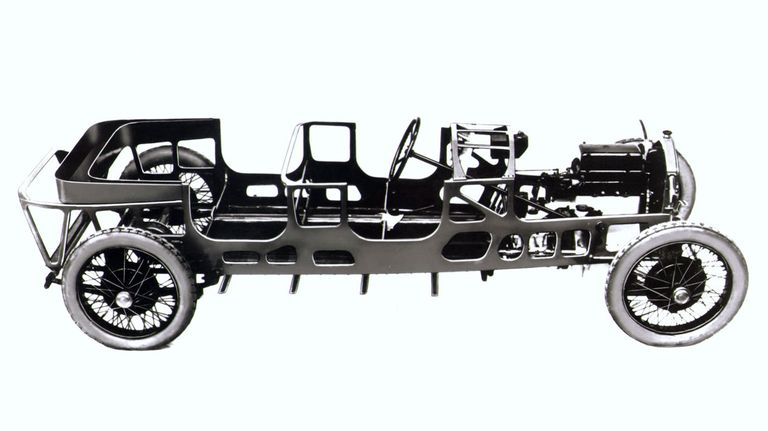
Monocoque construction of the 1922 Lancia allows the car to be lighter, with a lower centre of gravity for better handling. High-revving (for the time) narrow angle V4 engine gives the sedan sports car performance.

Lancias, at least before the mid-1970's, were all about innovation and engineering. The most famous cars like the Stratos and the 037 were rally cars, but the most significant were the passenger cars that were safer, lighter and more space efficient with monocoque construction that Lancia pioneered in the 1920's.

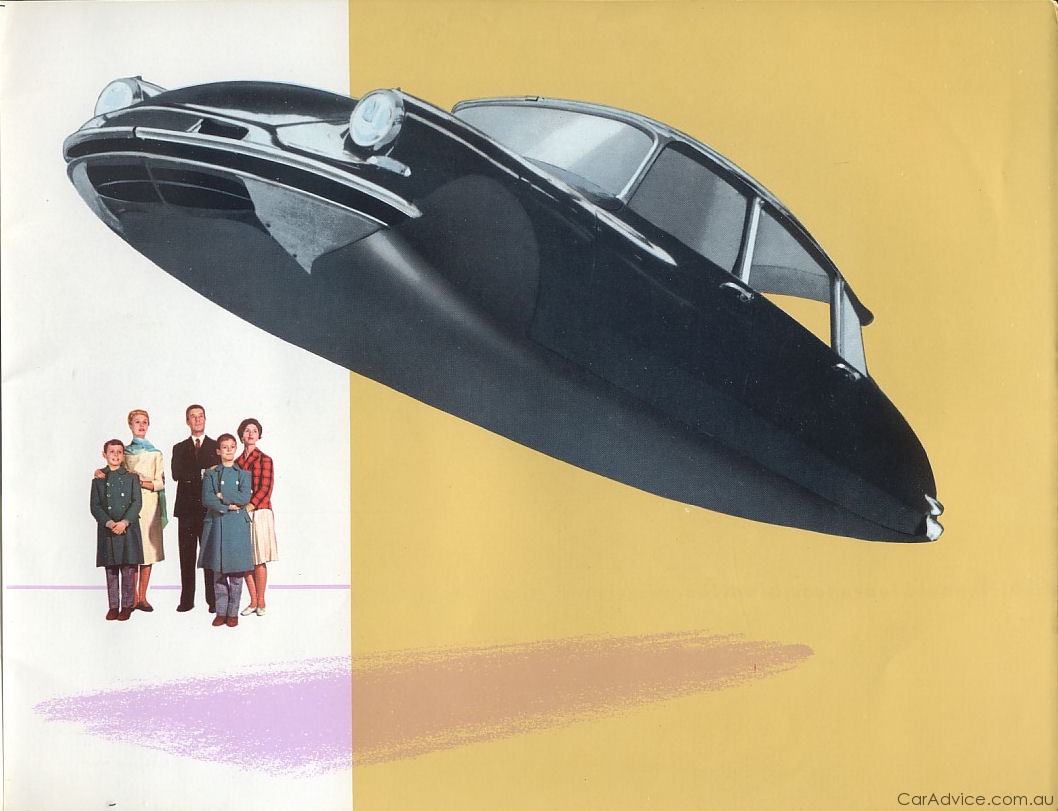
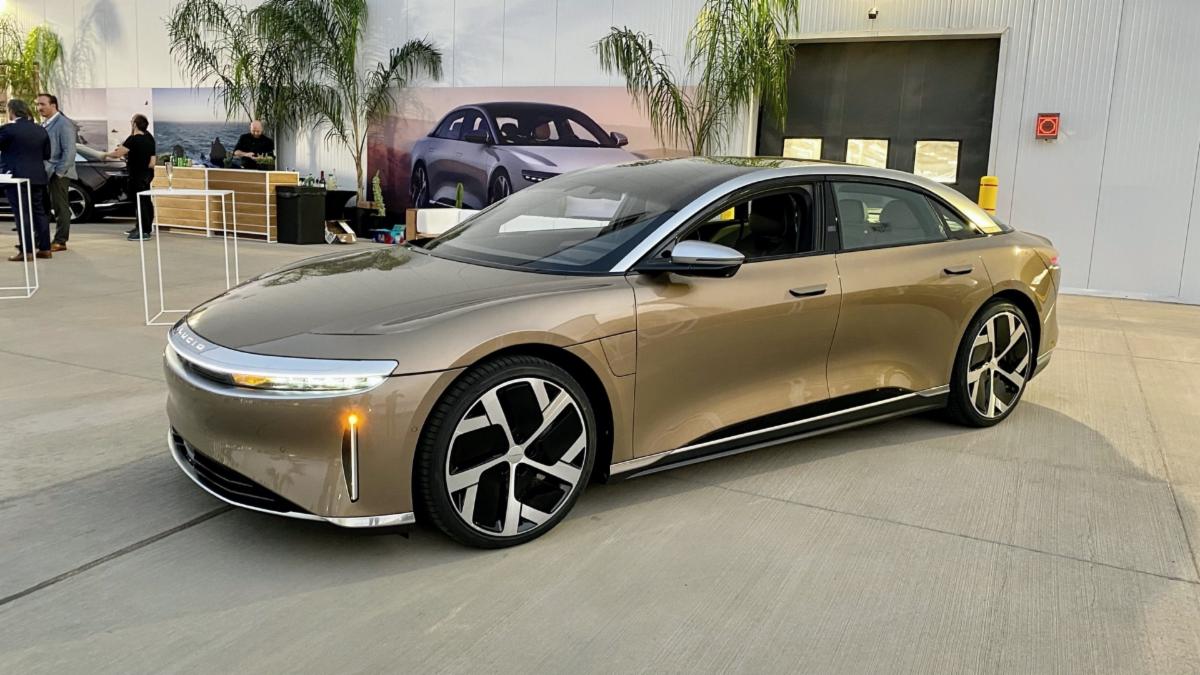
Avant Garde Citroen advertisement for the DS emphasizes its aerodynamic shape. There are many similarities between the new Lucid EV (below), and Citroen's 1955 design.

Citroen was one of the pioneers of front wheel drive, advanced suspension systems and vehicular aerodynamics. A space-efficient packaging that allowed a larger interior than what the car's footprint would normally allow, and a focus on ride comfort allowed them to sell over 1M DS and ID sedans between 1955 and 1975. The new Lucid, made in Arizona, shares a lot of these Citroen brand values in a modern EV platform, proving that it is possible to take the inspiration and purpose of a 1950's design, and translate it to 2022 e-mobility. After all, ride comfort and space efficiency are just as relevant today as they were in 1955.

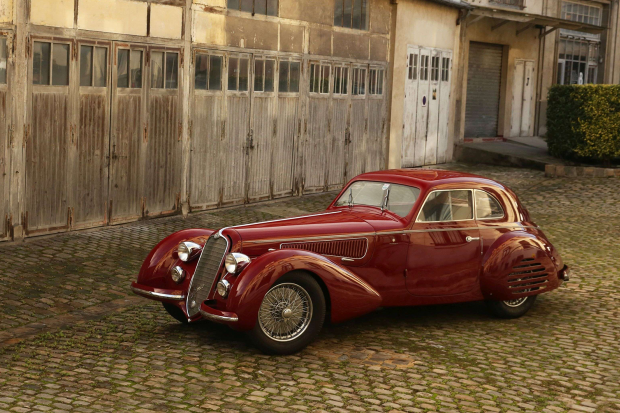
1939 Alfa Romeo 8C 2900B, powered by a Vittorio Jano designed straight 8 supercharged engine, sells for 14M Euros in 2019 - the first Supercar?

Alfa Romeo has always been about driving dynamics. There is an opportunity to explore an EV with four motors, and advanced torque vectoring. This technology was built into the Rivian truck and Rimac Nevera hypercar, and is being experimented with at Porsche. There is an opportunity to develop it into a smaller, more agile machine.


There is a well developed Alfa Romeo and Maserati dealer network - but they aren't selling enough cars (despite what they may tell you). There is a lot of great automotive history to share with Alfa, Lancia, Maserati and Citroen. So how about channelling Andre Citroen, Vincenzo Lancia, and Vittorio Jano (the famous Alfa, Ferrari and Lancia engineer) and create a BEV platform with 4 motor propulsion and an advanced suspension system? This could underpin everything from a new Citroen DS, Lancia Aurelia or Stratos, Alfa GTV or Maserati GT car.


A common EV platform should cure the poor reliability and difficult servicing that have always held these brands back, especially in North America. With the right platform, and more importantly tuning, these brands could be brought back to life.

Scheduled

Bring-A-Trailer Auctions

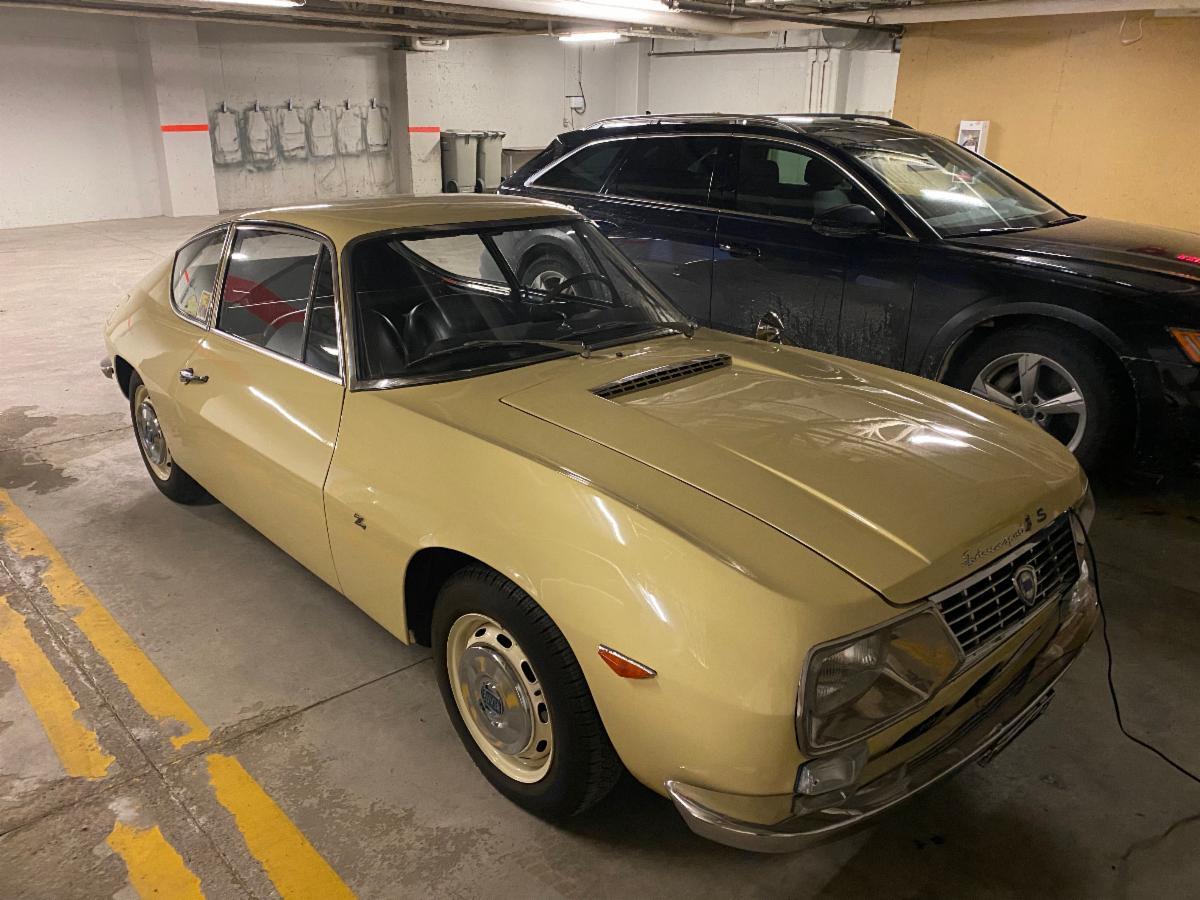
1970 LANCIA FULVIA SPORT 1.3S ZAGATO

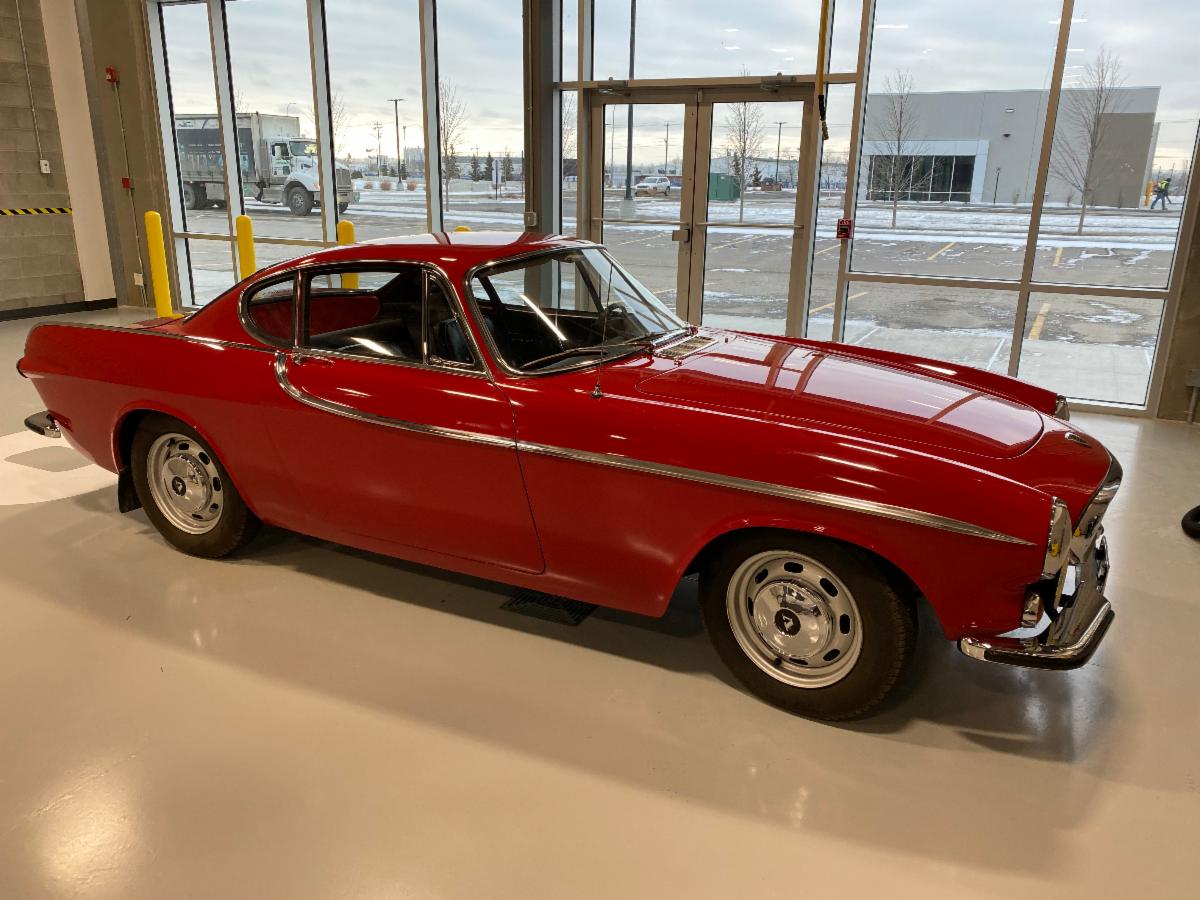
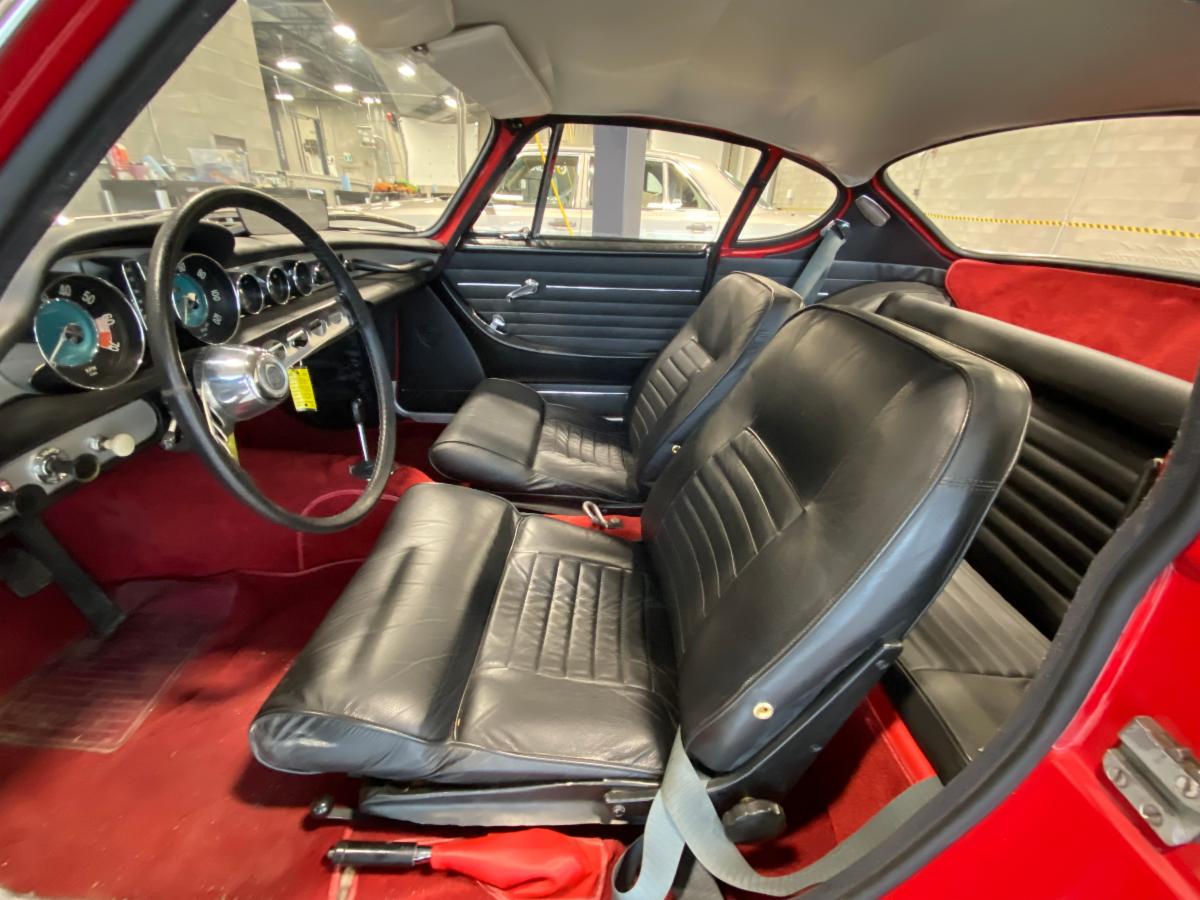
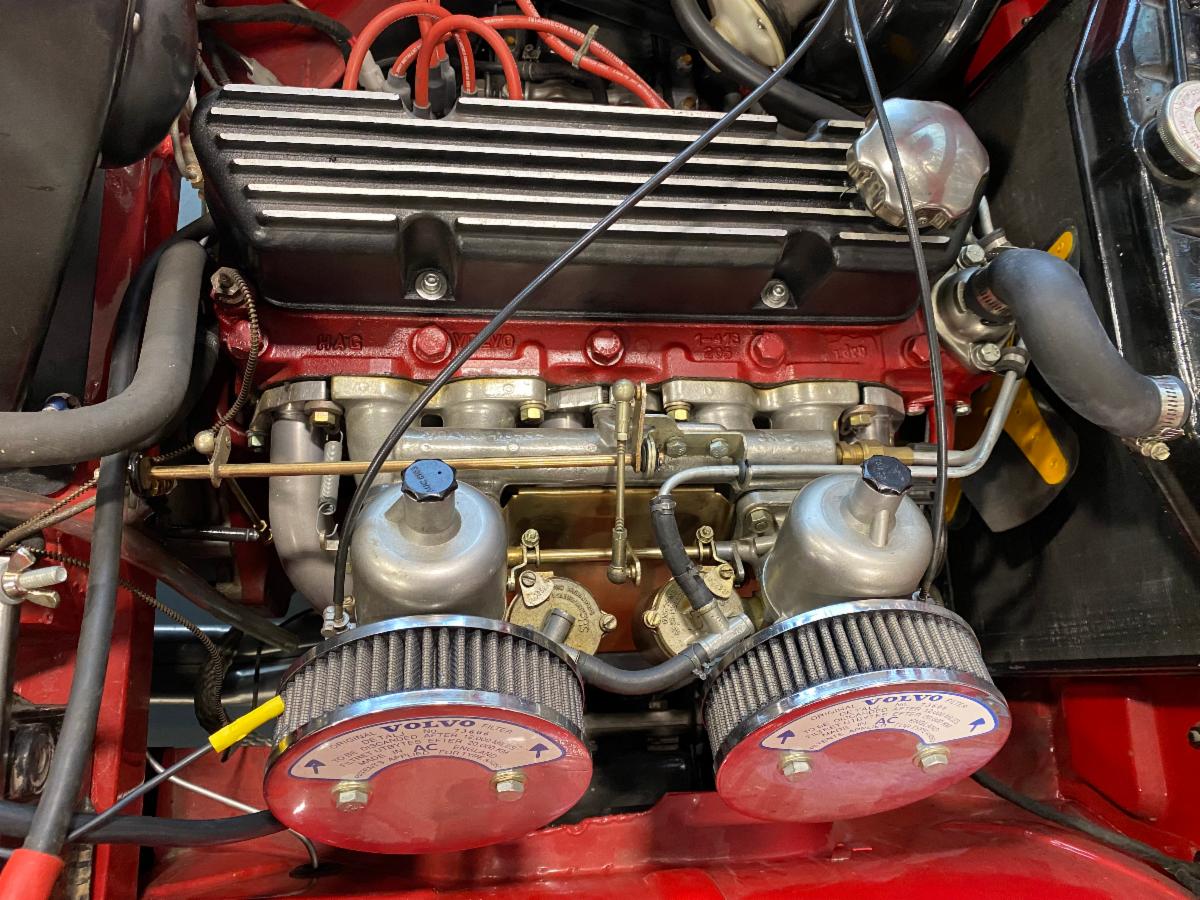
1965 VOLVO P1800S

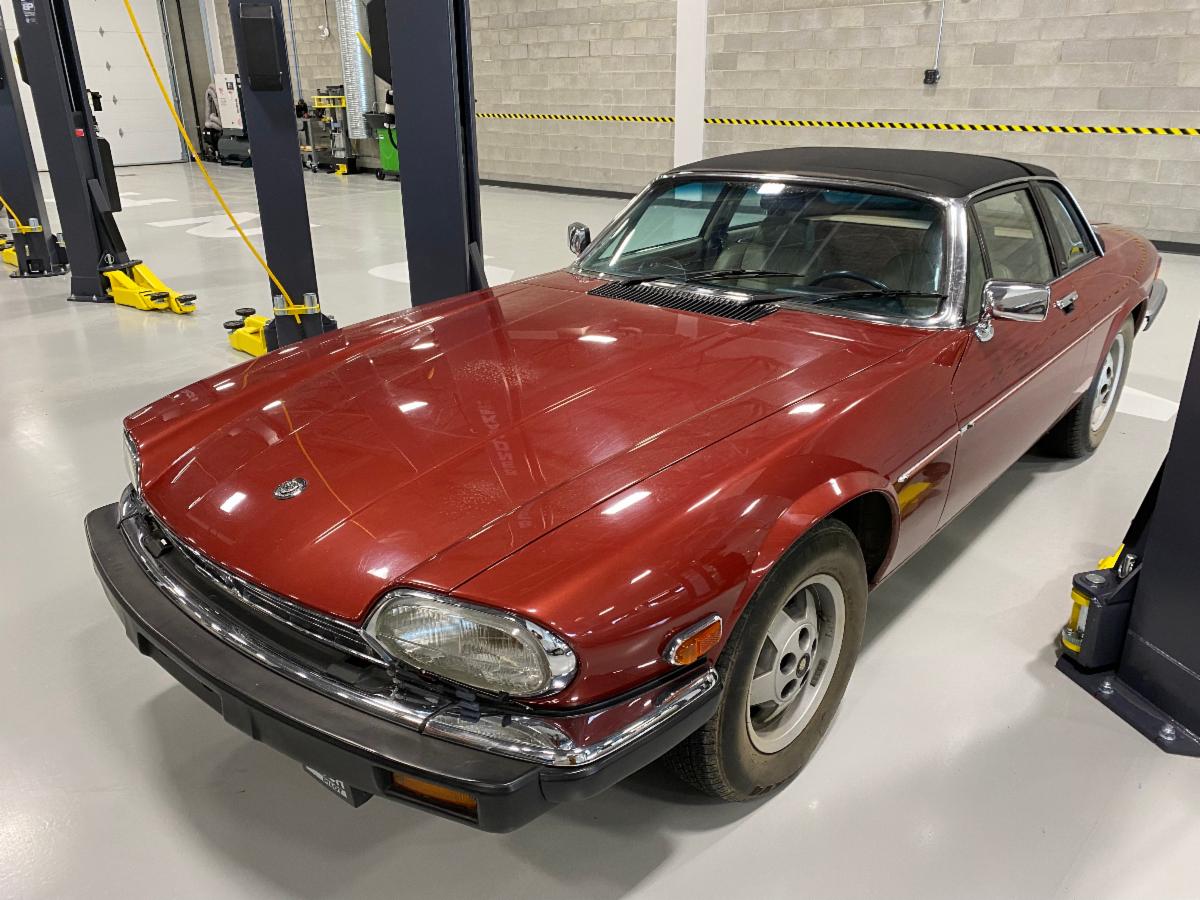
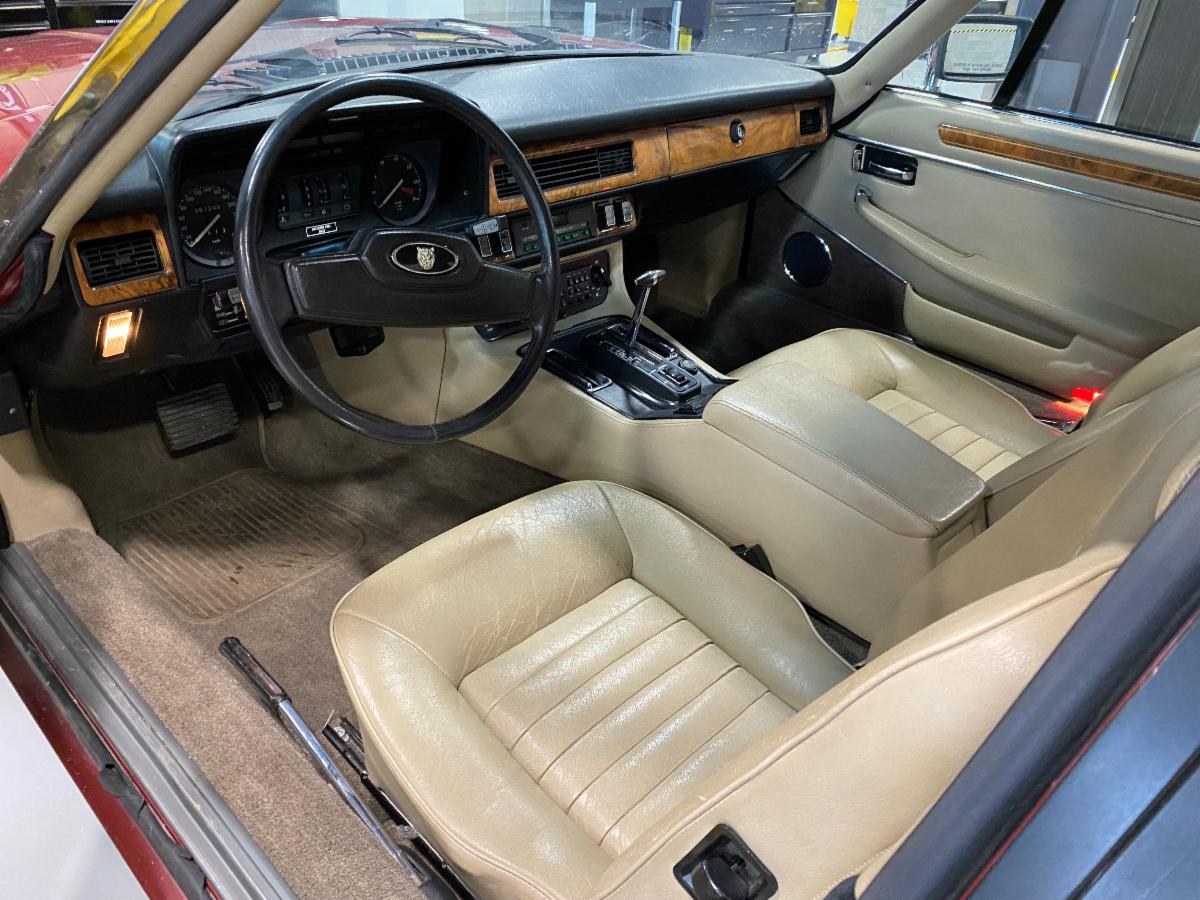
1986 JAGUAR XJ-SC CABRIOLET

Past Columns From Romanosky:


Grace, Space, Pace: Jaguar's Future


Max Hoffman: World's Best Car Salesman


2021: A Year Of Living Safely


PORSCHE DNA: More Than Just Sports Cars


Vive la Difference


The Noble Cause


Update on Electric Vehicles in Alberta


Automotive F&I - The Good, The Bad, and the Awful


Restored or Original - Which Is Better To Drive?


Romanosky on Aston Martin


The Best Car In The World


Memories Of The Alfa Romeo GTV


Concours, Resto-mod or Original


Porsche, Ludvigsen & Collier: Excellence Is Expected


Tesla & Me: From Burning Man To The School Run


DC Disappointment: The Alberta DC Charging Infrastructure


Out Of Stock: What Is Going On With Retail Automotive?


Tales Of A Car Salesman Part 2: Having A Ruf Time


Tales Of A Car Salesman: Risky Purchases, Part 1


Road & Track Magazine: The Rise And Fall Of America's Great Automotive PublicationOn-


Line Collector and Specialty Car Auctions: How BaT Changed Everything


CSI And Google Reviews: The Good, The Bad, And The Ugly


On-Line Automobile Sales - Where Does This Leave Sales Managers and Salesmen?


Porsche + Bugatti + Rimac = ?


What About Hybrids?


Telsa's Head Start


Jaguar Get's Some Love


Camping With An Electric Truck: How Far Can We Go?


1000hp Tesla Plaid: Nobody May Have Asked For It, But We're Glad It's Here


Rimac Nevera - Not A Concept Anymore


Upcoming EV's: 400V or 800V - Why Does It Matter?


Will Electric Trucks Save The Planet?


Soleil EV Weekly Gazette

1949 WILLYS JEEPSTER

One owner last 30 years, restored 20 years ago, recommissioned, 6 cylinder Lightning engine.

For Sale @ $25,000


RETAIN LAWRENCE FOR GUIDANCE WITH ANY AUTOMOTIVE TRANSACTION
Interested in listing your vehicle on-line?
 Comment or Question for Lawrence?  
LinkedIn Share This Email
                   WWW.SOLEILEV.COM            
Soleil EV Buyer's Guide Digital Magazine
Romanosky Automotive YouTube Channel