| |
 |
 |
 |
 |
 |
 |
 |
 |
| Advent Reflections: Third Sunday of Advent |
|
 The Bishop and Canons will offer a reflection each week during Advent and Christmas, t
hrough the Feast of the Epiphany. This year, the reflections are based on the themes found in the weekly collects.
The "collects" of the prayer book follow a formula. Each prayer contains 3 parts: an address to God ("Almighty Father") attached to an attribute ("your Son Jesus Christ came to visit us.../shall come again..."); a petition ("give us grace to...") with a hoped-for result ("that in the last day...we may rise to life immortal"); and a conclusion in which we ask for Jesus to intervene on our behalf ("through him..."). Usually the parts follow this order, but as the Advent collects demonstrate, there is some variation.
The Collect of the Day
Stir up your power, O Lord, and with great might come among us; and, because we are sorely hindered by our sins, let your bountiful grace and mercy speedily help and deliver us; through Jesus Christ our Lord, to whom, with you and the Holy Spirit, be honor and glory, now and for ever. Amen.
The Lessons
Meditation
|
Canon Amy Real Coultas
N.T. Wright writes about the difficulty of really understanding what we mean when we talk about the "coming of Jesus." (You can read a full exploration of this in his book "Surprised By Hope.")
Most of our language and images around this come not from clear teachings in scripture but from stories of how the people of God feel as they experience nearness or distance from God, and especially how followers of Jesus make sense of his death, resurrection and ascension.
At one end of the spectrum are Christians who are overly fixated on the imminent return of Jesus who will snatch the righteous away from this sin-filled world and leave the rest behind. At the other end is an over-spiritualization of Jesus' return that says since his presence is felt often through a variety of experiences (scripture, the Eucharist, prayer, lives of the poor) there is no real "second coming" to consider.
But grappling with the meaning of "Christ will come again" is at the core of the Gospel: Hope. Not hope as an abstract proposal of an imagined utopian future, but 'capital H' Hope: the message that "history was going somewhere under the guidance of God and that where it was going was toward God's new world of justice, healing, and hope. The transition from the present world to the new one would be a matter not of the destruction of the present space-time universe but of its radical healing." (Wright, p. 122).
God is working out the redemption of all of creation. Jesus's annunciation, birth, life, death, resurrection and ascension is the beginning of that new life of creation. The redemption will be complete "when heaven and earth are joined together at last" (Wright, p. 123). Jesus's appearing will be "like meeting face-to-face someone we have only known by letter, telephone, or perhaps e-mail." (Wright p. 123).
This is the Hope of the world we are expecting and preparing for: to be present with Jesus, here, now. It will certainly involve the 'stirring up of power' and a setting aside of sin in a flood of grace and mercy, as our collect describes. As we will sing in the traditional Christmas hymn: "The hopes and fears of all the years are met in thee tonight!"
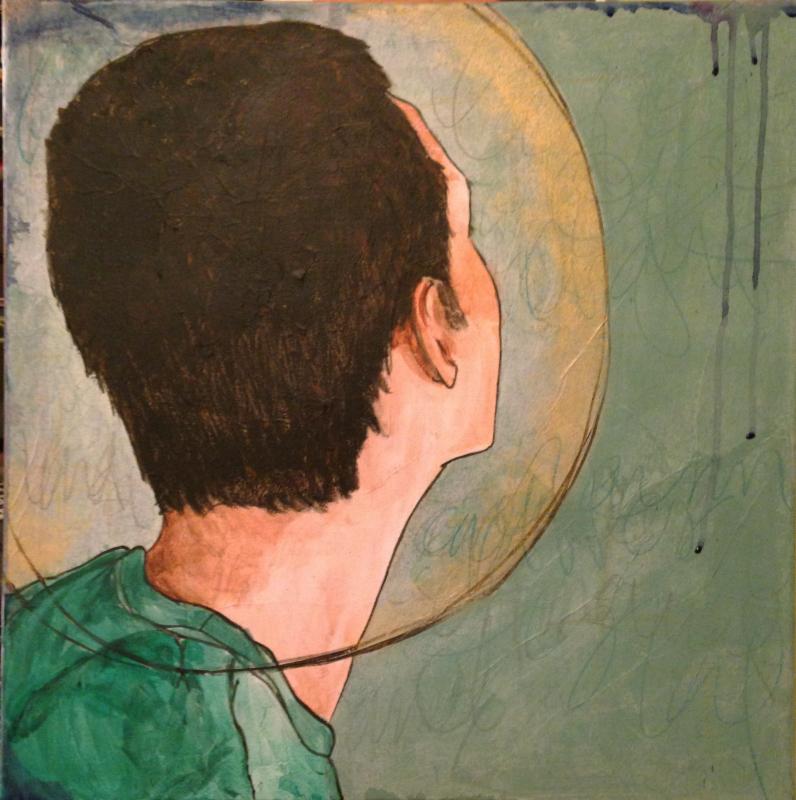
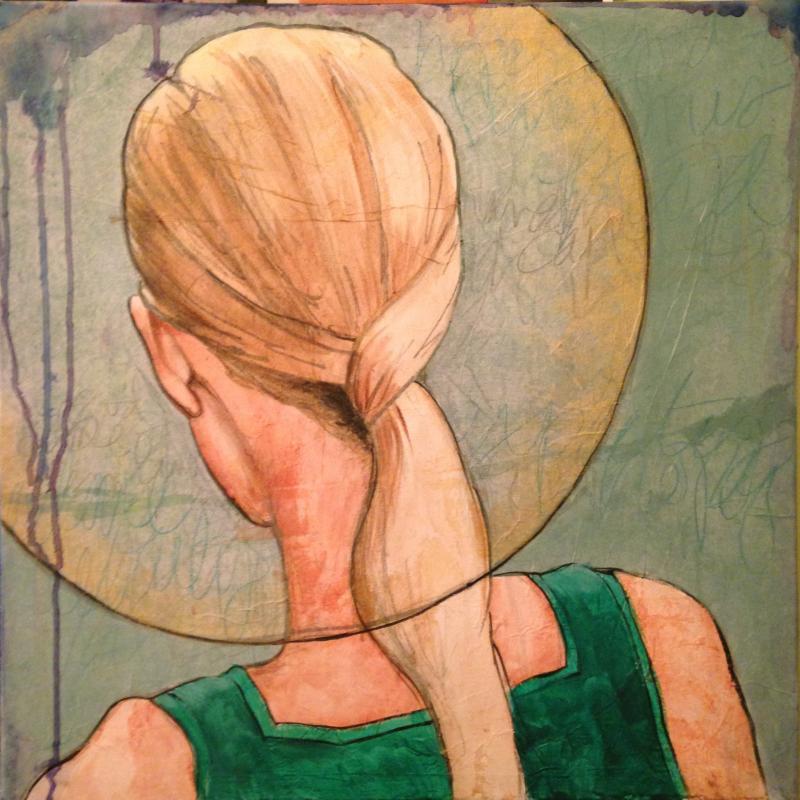
Two paintings for the Advent season from Canon Coultas' series: "Non-Finito"

Advent Blessing
Christ, the Sun of Righteousness shine upon you and scatter the darkness from before your path; and the blessing of God Almighty, the Father, the Son, and the Holy Spirit, be among us, and remain with us always. Amen.
|

The Reverend Canon Amy Real Coultas
Canon to the Ordinary
Diocese of Kentucky
|
|
| |
|
|
 |
 |
 |
 |
 |
 |
 |
 |
|
|
|
| |
|
|