Partner Profile: Michael Carus


"It is clear what needs to be done, the technologies exist and many companies are willing to invest in renewable solutions. What is missing now are smart policies to build the bridge between now and 2050 for companies to remain competitive in the sustainability transformation."


This newsletter issue features Michael Carus, Founder and managing director, nova-Institut GmbH.

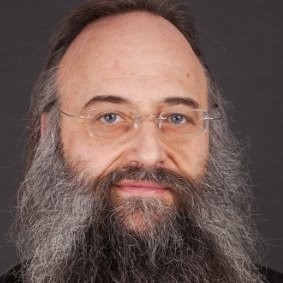
German physicist Michael Carus is founder and managing director of the nova-Institute and has worked for over 20 years in the field of bio- and CO2-based economy, researching biomass and CO2 feedstock, processes, chemical building blocks, polymers, plastics, fibers and composites. His broad career experience includes university faculty, journalist, systems manager, and managing director of the "European Industrial Hemp Association (EIHA)" as well as serving on numerous committees and associations. He is currently writing a book: "111 reasons to smoke cannabis." In his free time he loves playing the French strategy game Risk, which he has played over 1,000 times with friends.

How did nova-Institut GmbH come into existence?


The nova-Institute was founded in early 1995 by 6 scientists as a spin-off of the Cologne Catalysis Institute, which went through difficulties, but eventually gave birth to various institutes in the Cologne area.


Can you explain what nova-Institut GmbH does?


With research and science-based consultancy, the nova-Institute helps companies and policymakers to free the large field of chemistry, plastics and the entire material world from fossil carbon. Building a new industry on renewable carbon, i.e. carbon from biomass, CO2 and recycling.

Could you explain the difference between decarbonization & de-fossilization?


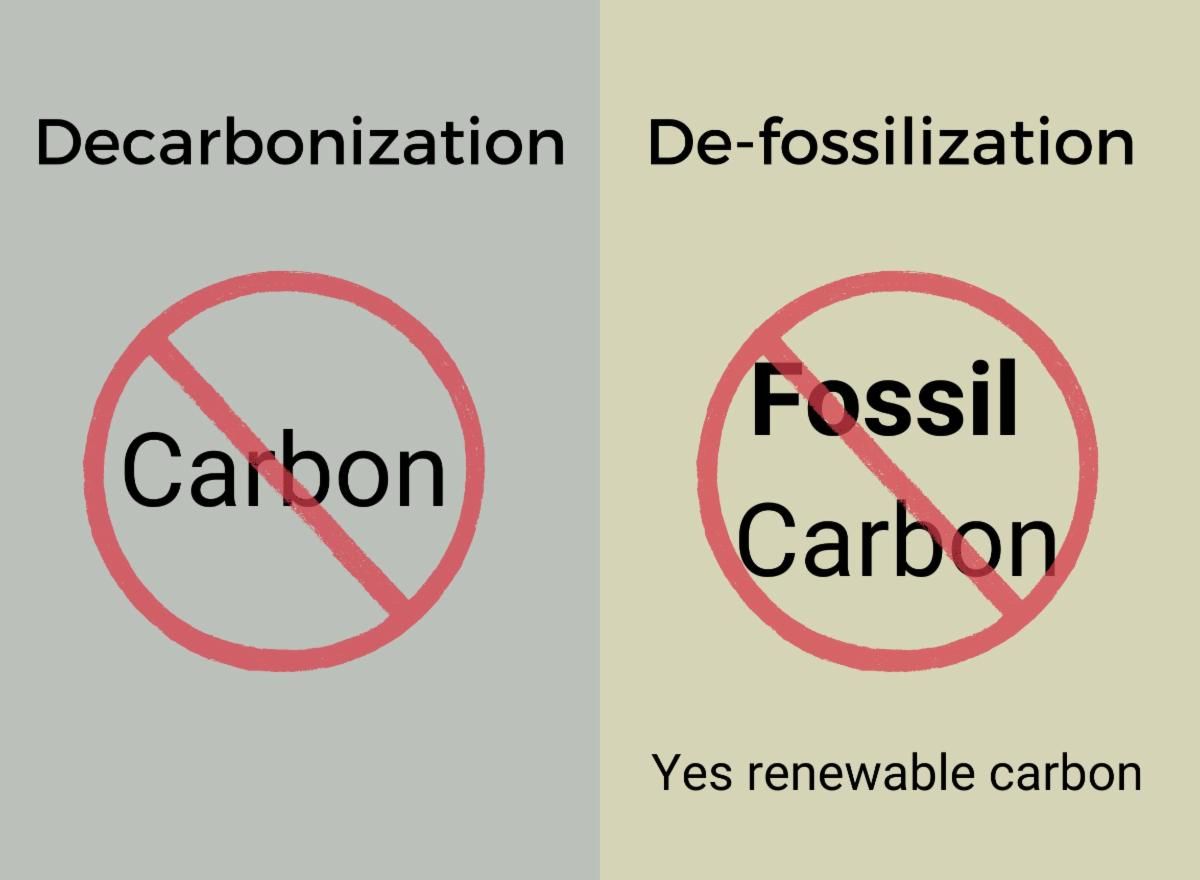
Strictly speaking, decarbonisation means finding solutions without carbon. In the energy sector, this is achieved with solar and wind energy, renewable electricity and hydrogen. Biofuels are often included here, but they contain carbon, so they do not technically fit in the decarbonisation category.


However, there are large areas of industry (e.g. chemicals and plastics) and large parts of the material world in general that rely on embedded carbon. Here it is not about replacing carbon, but about switching from fossil to renewable carbon. This is called defossilisation.

The idea of “renewable carbon” plays a central role in some of your previous presentations. Can you explain what it means?


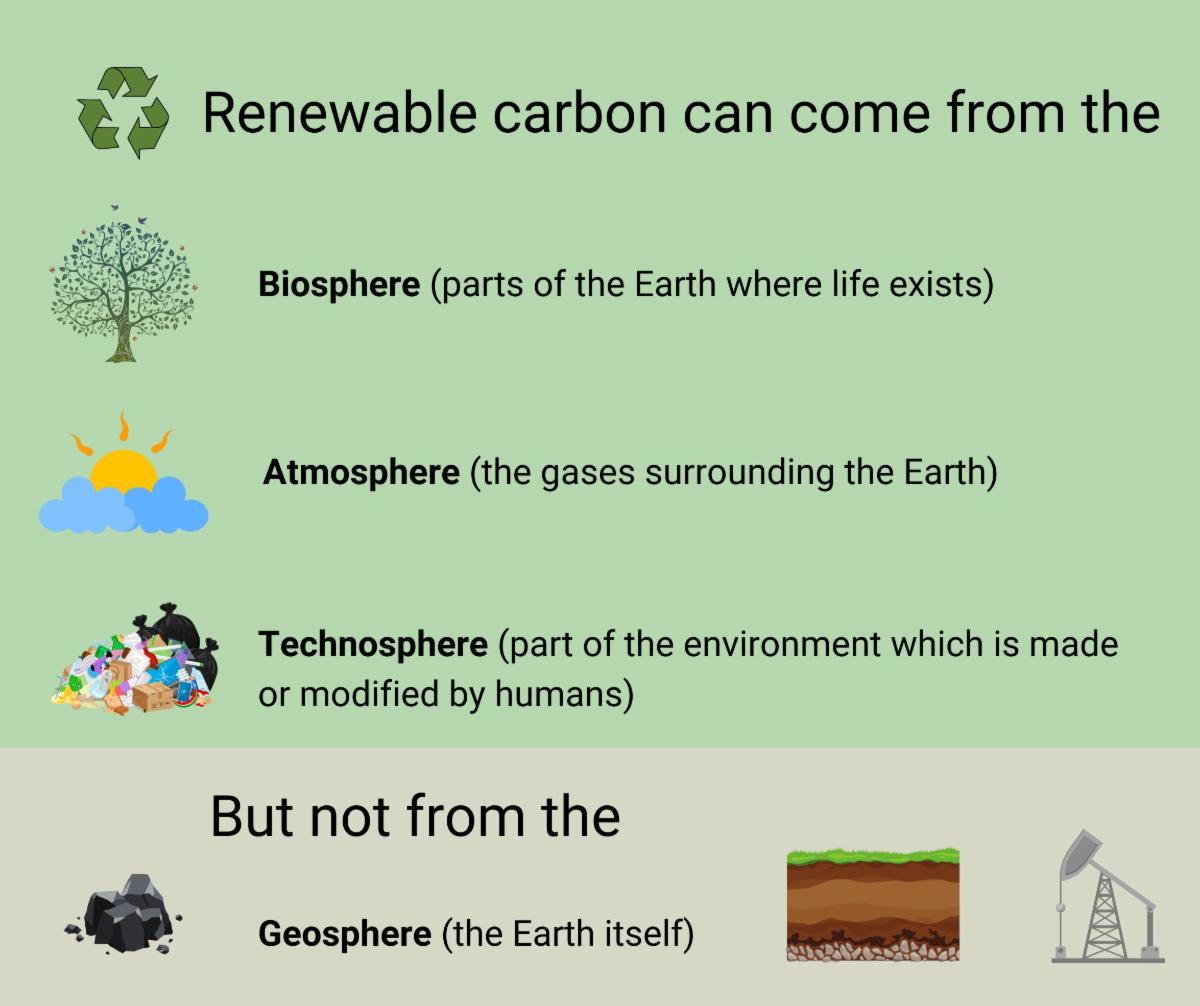
This is the definition according to the nova-Institute (2018) and the Renewable Carbon Initiative (RCI) (2020): "Renewable Carbon entails all carbon sources that avoid or substitute the use of any additional fossil carbon from the geosphere. Renewable carbon can come from the biosphere, atmosphere or technosphere–but not from the geosphere. Renewable carbon circulates between biosphere, atmosphere or technosphere, creating a carbon circular economy."

What are some of the misconceptions that you have encountered in your work?


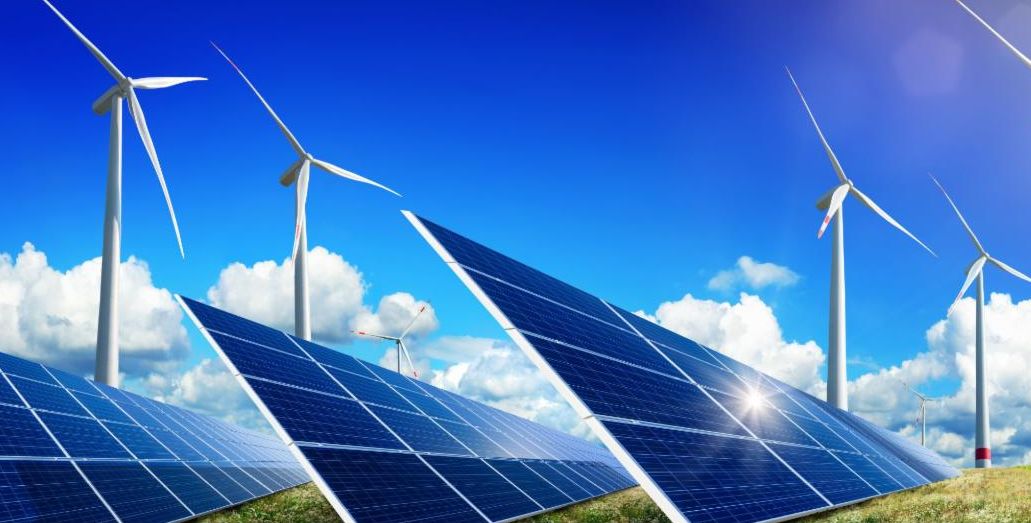
The political discussion, especially in Europe, is very focused on energy. Here there are good concepts and clear goals that can substitute fossil energy with renewable energy, e.g. through the rapid expansion of solar and wind energy or, in certain areas, the use of biomass as a transitional solution.


In the industrial sector, on the other hand, there are hardly any political concepts and goals; the importance of transforming the chemical and material industries to renewable carbon, the greatest challenge since the industrial revolution, is hardly understood and not well planned out. With fossil carbon in its products, industry can never become sustainable, nor can it reduce its so-called Scope 3 emissions. There is much for RCI to do here!

When thinking about the field of sustainability, what gives you hope for the future and what gives you cause for concern?


It is clear what needs to be done, the technologies exist and many companies are willing to invest in renewable solutions. What is missing now are smart policies to build the bridge between now and 2050 for companies to remain competitive in the sustainability transformation.

News in a Nutshell

Rewriting the Story of CO2 – Call for Innovations “Best CO2 Utilisation 2023”


The State of Carbon Dioxide Removal report available.


How to accelerate a clean, secure and just energy transition


Study: Amendments to insurance and international environmental laws needed for carbon capture, use and storage


U.S. Energy Department to spend $3.7 billion on carbon removal

Imminent Events

AirMiners Launchpad Batch 8 Applications Due

February 10, 2023


Initiated with partners XPRIZE and Creative Destruction Lab, this 6-week Launchpad helps founders ramp up their value proposition development, customer discovery efforts, and technoeconomic assessment capabilities, while connecting to a network of fellow startup founders.

Save the date!


The Global CO2 Initiative will again be holding an LCA/TEA workshop this year on May 16-18, 2023 in Ann Arbor, Michigan. More details to follow.

Keep in touch


We want to hear from you! Is there something or someone that you would like to see featured in a future issue? Let us know!

Visit our website
Twitter  LinkedIn  YouTube
LinkedIn Share This Email