"The breadth and depth of the expertise at the university is phenomenal as are our talented students. There is a lot of flexibility and support here for faculty members to pursue their passions."


~Dr. Dan Cooper, Assistant Professor in Mechanical Engineering, University of Michigan College of Engeineering; Associate Director of the Global CO2 Initiative (GCI)

In addition to being the new Associate Director at GCI, Dan is also the Director of the Resourceful Manufacturing and Design (ReMaDe) group at the University of Michigan (U-M). His research focuses on making impactful contributions to the areas of manufacturing and sustainability. In his relatively short career, Dan has already been awarded the 2020 ASME Ben C. Sparks Education Medal and the 2020 SME Outstanding Young Manufacturing Engineer Award as well as published dozens of papers. He holds a BEng, MEng, and PhD (Mechanical Engineering) from University of Cambridge and has completed a post-doc position at the Massachusetts Institute of Technology. Dan has embraced cross country skiing in an attempt to acclimatize to the Michigan winters, but by his own admission still spends most of his time in rather than on top of the snow.


What is a very simplified explanation of your job? 


Engineered materials are all around us and have made the modern world; however, making lots of stuff is helping to drive climate change. I study engineering solutions that let us have prosperous lives while making less stuff, typically by being more efficient in how we use, reuse, and recycle materials.

Why did you become interested in this area? 


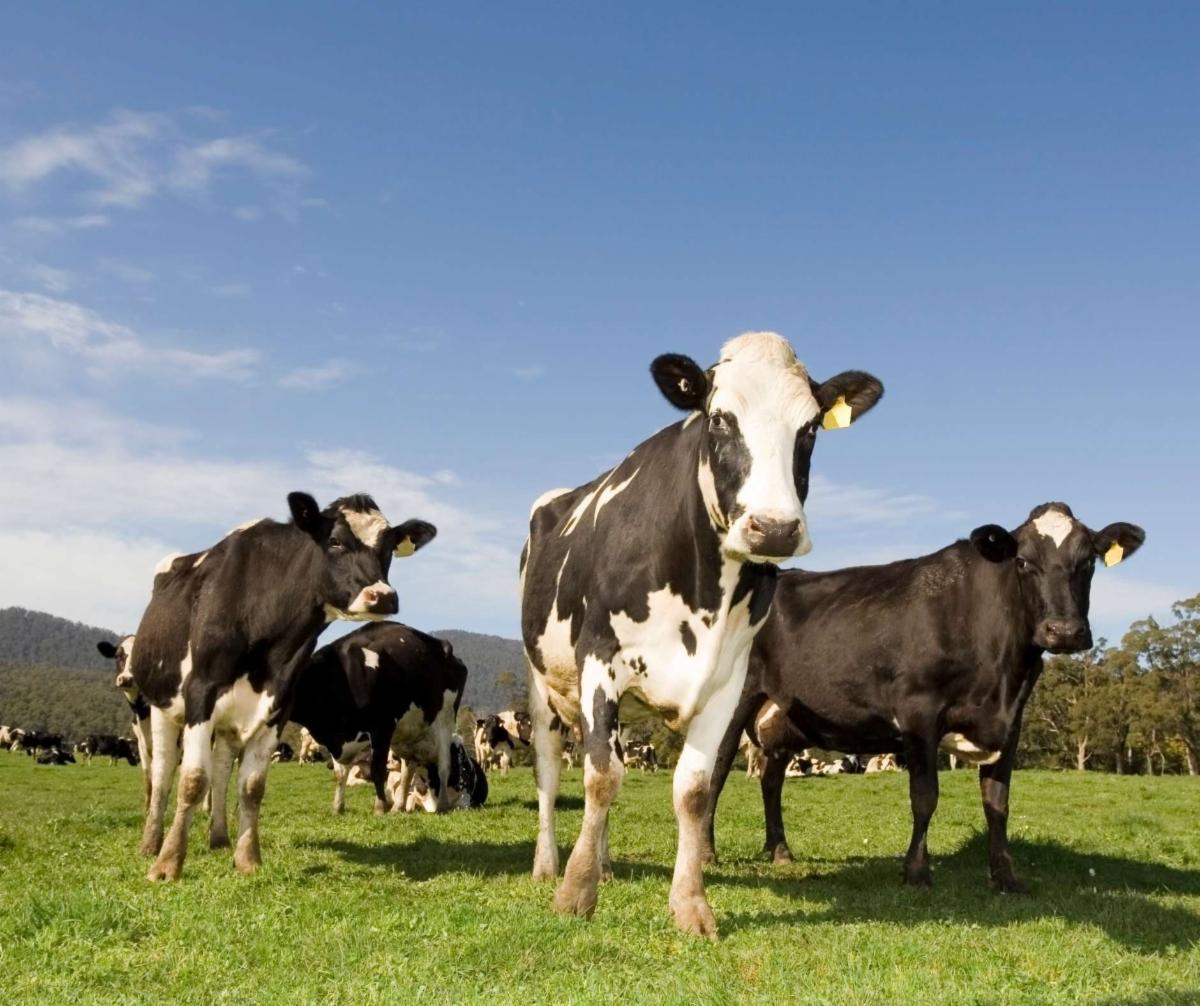
I began cultivating my love of engineering on my family’s dairy farm on the outskirts of Bradford, England. On the farm, the equipment was decades old and the barns were built in 1600. I first became interested in how things work by helping to fix the equipment and maintain the buildings.


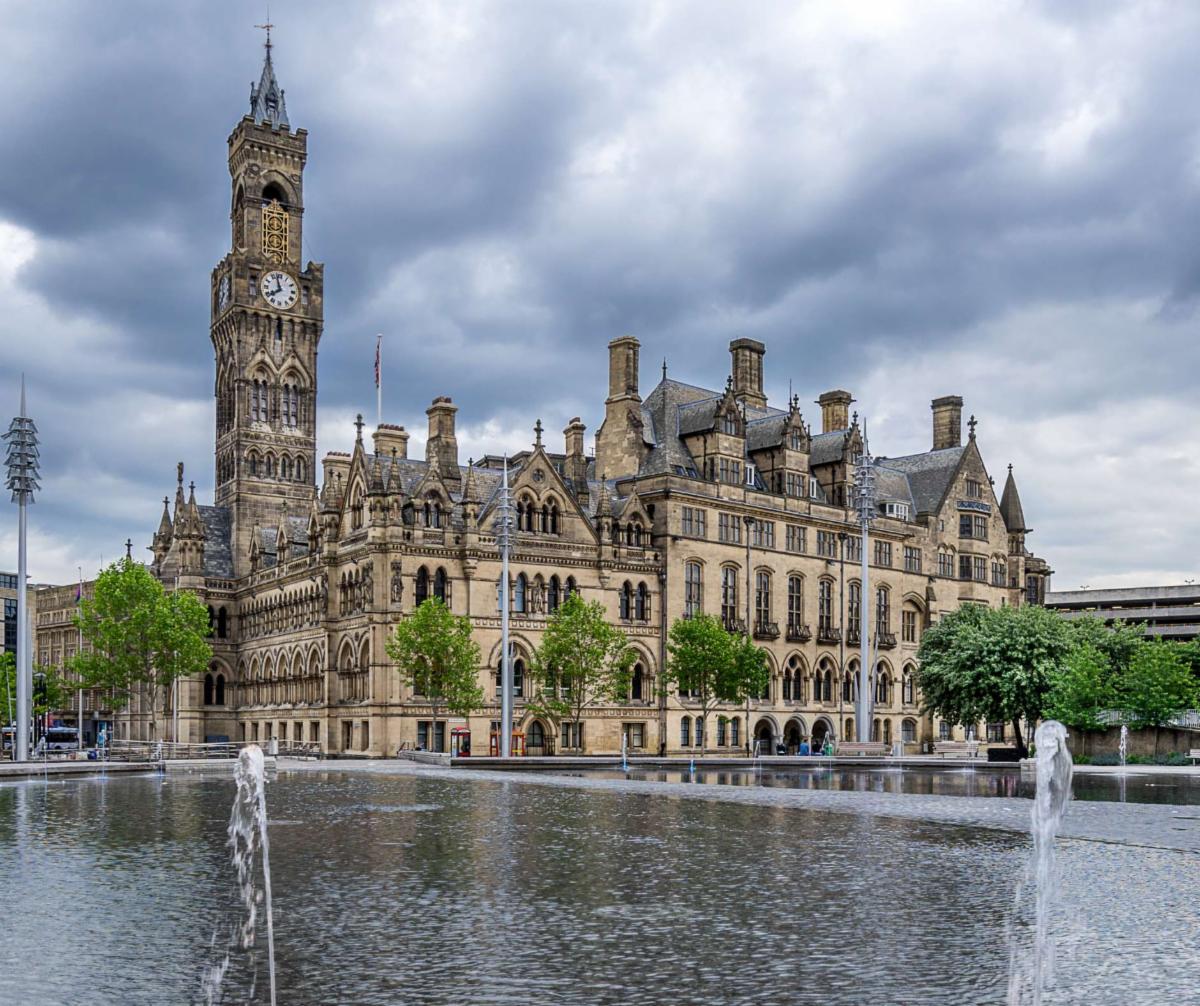
The history of my home city also fired my interest in manufacturing and ultimately, environmental sustainability.

Bradford brims with the legacy of grand Victorian engineering with towering mill chimneys and stone viaducts. It was clear how manufacturing had transformed the area from a rural market town to a booming city, but also how it could affect the environment. My Dad would tell me stories of his youth when the chimneys still smoked and the smog would stop the buses from running. I suppose I was always interested in how things work from the mechanics of a machine to how that machine then affects society.*


My parents supported my thirst for engineering without applying any pressure to succeed. They always encouraged me to do well in school but with no particular expectations. I was constantly fascinated by how engineering changes society.

How did you happen to come to the U-M?


U-M is ideally placed to research industrial sustainability. The breadth and depth of the expertise at the university is phenomenal as are our talented students. There is a lot of flexibility and support here for faculty members to pursue their passions. Outside of the campus, U-M is still ideally placed.The midwest put the world on wheels, and it is still an industrial powerhouse and a prime location for studying how industry and manufacturing can continue benefiting society without negative environmental, and ultimately human, costs. 


In what ways does your research interest overlap with the work of GCI? 


We are both striving to develop the knowledge base that will underpin scalable and pragmatic solutions to reducing atmospheric greenhouse gas concentrations. 


Do you have a little known fun fact about yourself that you can share?


Like many children growing up in England, I assumed I'd be a soccer superstar. When I realized that wasn't going to happen, I thought I'd give mechanical engineering a go instead. 


*Part of Dan’s answers originally appeared on the website belonging to the Integrative Systems + Design at the University of Michigan’s College of Engineering.

News in a Nutshell

DOE Releases First Ever Federal Blueprint to Decarbonize America’s Building Sector


U.S. Steel Launches Project to Capture 50,000 Tons of Carbon per Year at Steel Plant


Using Carbon Capture to Replace Fossil-Based Polyester Feedstocks with LanzaTech and On


DOE Announces $1.5 Million Toward Carbon Dioxide Removal


Milestone for the Transition to Sustainable Carbon in the European Chemical Industry

Imminent Events

Harmonizing Assessments of Carbon Management Approaches 

May 21-23, 2024


This annual workshop addresses open issues and future directions related to environmental, economic, and societal assessments of carbon dioxide capture, conversion to products, use for other purposes, or sequestration in their many forms. Registration for virtual attendance is still open.

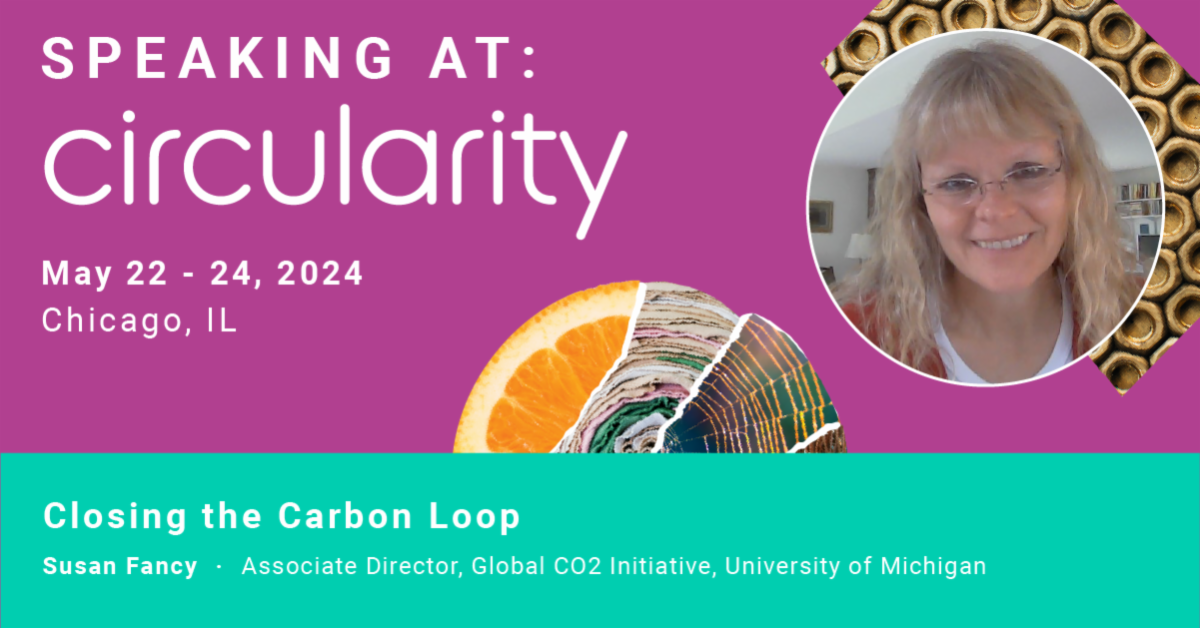
Circularity 24: Accelerating the Circular Economy

May 22-24, 2024


Circularity 24 offers thought-provoking keynotes, actionable breakouts, a solutions-oriented expo and unparalleled networking opportunities for leaders implementing circular solutions.

Keep in touch


We want to hear from you! Is there something or someone that you would like to see featured in a future issue? Let us know!

Visit our website
LinkedIn  Instagram  Twitter  YouTube
X Share This Email
LinkedIn Share This Email