View as Webpage

zep_logo_horizontal_3.0.png
zep_header_3.0_tilted.png

Teach the Struggle

for Voting Rights

To help students prepare for local and national elections in November, teach outside the textbook about voter suppression.


In many places, that requires defying anti-history education laws. As Kimberlé W. Crenshaw said:


You’ve heard about gerrymandering our vote and gerrymandering our districts.


Now they’re gerrymandering our history to undermine our ability to link our present to the past.


Below are resources for teaching about voting rights. We’ll send you a people’s history book in appreciation for teaching stories about any of these lessons.

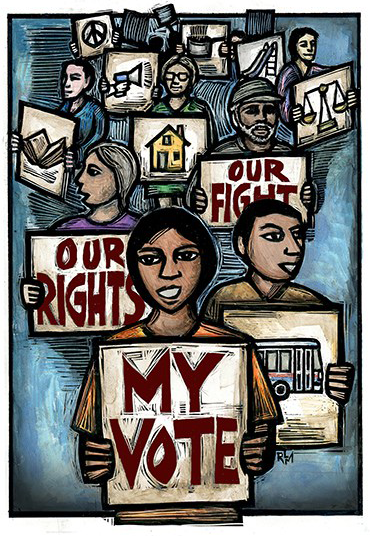
morales_myvote image

Artwork by Ricardo Levins Morales, available as a poster.

Voting Rights Unit

Who Gets to Vote?

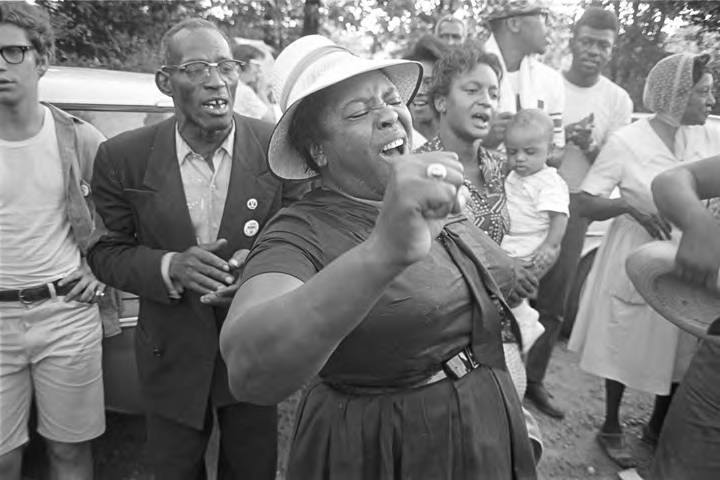
Fannie-Lou-Hamer-Zinn-Education-Project image

Fannie Lou Hamer at the 1966 “March Against Fear.” By Jim Peppler, Alabama Department of Archives and History

A unit with three lessons by Ursula Wolfe-Rocca provides essential historical context for today’s struggle against voter suppression and for voting rights


The first lesson considers who should vote. Students share thoughts on what makes a “qualified” voter, then reconsider after reading an oral history by Fannie Lou Hamer. Born in 1917, Mrs. Hamer was 45 the first time she attempted to register to vote in Mississippi.


Here is an excerpt from that oral history interview:

Hamer: Well, when I first tried to register it was in Indianola. I went to Indianola on the 31st of August in 1962; that was to try to register. When we got there there was 18 of us went that day so when we got there, there were people there with guns. We went on in the circuit clerk’s office, and he asked us what did we want; and we told him what we wanted. We wanted to try to register. He told us that all of us would have to get out of there except two.

Learn More and Download Lesson

Black Elected Officials

Echoes of Reconstruction

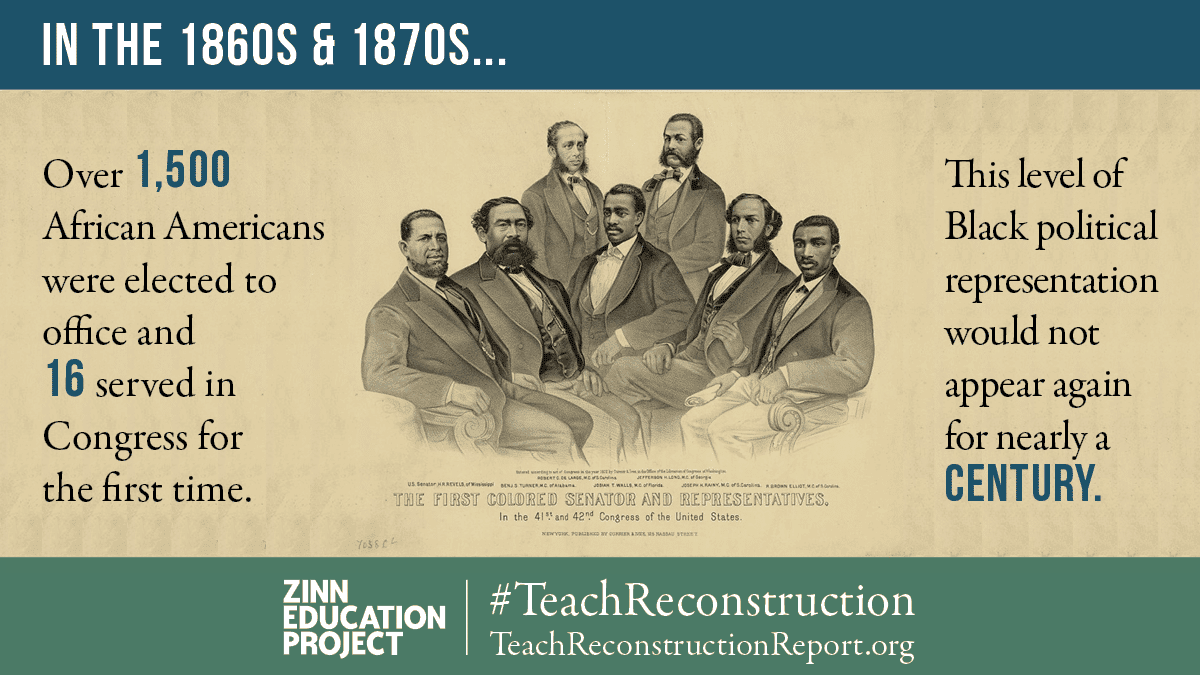
Reconstruction-politics image

During Reconstruction, more than 1,500 African Americans took office — many hailing from Southern districts with majority-Black populations who voted for the very first time.


To stamp out this surge in democracy, white supremacists seized power and enacted literacy laws, grandfather clauses, poll taxes, and violence to suppress voting rights for generations to come. The level of Black political representation achieved in the 1860s and ‘70s would not appear again for nearly a century. 


Today, the right wing uses similar tactics to crush the democratic process — from imposing voter suppression laws to “guarding” ballot drop boxes.


People who lived through Reconstruction would recognize these strategies for what they are: efforts to protect white supremacy and wealth above all else. Learn more about this history and its legacies in our national report on teaching Reconstruction.

Teach Reconstruction Report

Teaching with Vanguard

How Black Women Broke Barriers, Won the Vote, and Insisted on Equality for All

Martha S. Jones’ Vanguard: How Black Women Broke Barriers, Won the Vote, and Insisted on Equality for All includes profiles of more than two dozen Black women who organized for voting rights.


In this lesson, students read excerpts from Jones’ book to learn about these women, share their knowledge with each other, and use what they’ve gathered to analyze Jones’ provocative title: In what sense did these women constitute a “vanguard” and why?

Download the Lesson

Rosa Parks

Fight for Voting Rights

In 1943, Rosa Parks tried to register to vote. White officials denied her application. In 1944, she and her mother joined a group led by labor and civil rights activist E. D. Nixon.


They succeeded, although as Martha Jones explains in Vanguard, the city required them to pay back poll taxes, including for all the years they were denied the right to vote.

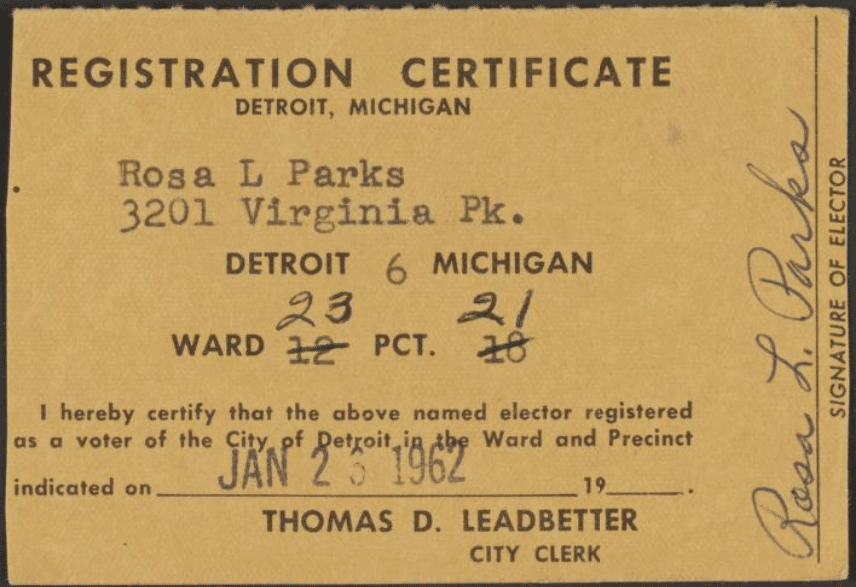
RParks-voter-registration-card image

Parks continued to vote when she moved to Detroit.

Learn more about Parks from the young adult book, The Rebellious Life of Mrs. Rosa Parks, the film of the same name, and accompanying lessons. 

Book, Film, and Lessons

Books on Voting Rights

snccnewabolitionists9781608462995-192x300 image

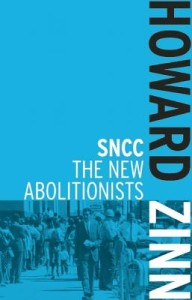
SNCC: The New Abolitionists


Howard Zinn, born this month in 1922, wrote about the brave, young voting rights activists in SNCC who broke the “cotton curtain” in Mississippi. 

Evicted-by-Alice-Faye-Duncan-300x381 image

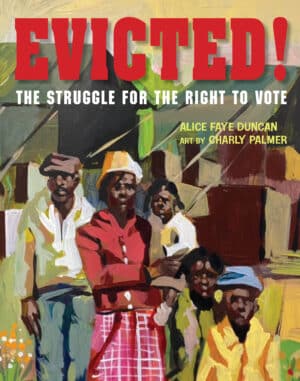
K–12 Titles on Voting Rights


Check out the Social Justice Books list of recommended titles for all grades and adults on the long and on-going struggle for voting rights.

Teaching for Black Lives

Study Groups on TikTok

Danny Vuong, a 5th-grade teacher in Washington, explains why Teaching for Black Lives study groups are invaluable. Take one minute to watch and share the TikTok.

TikTok Feature

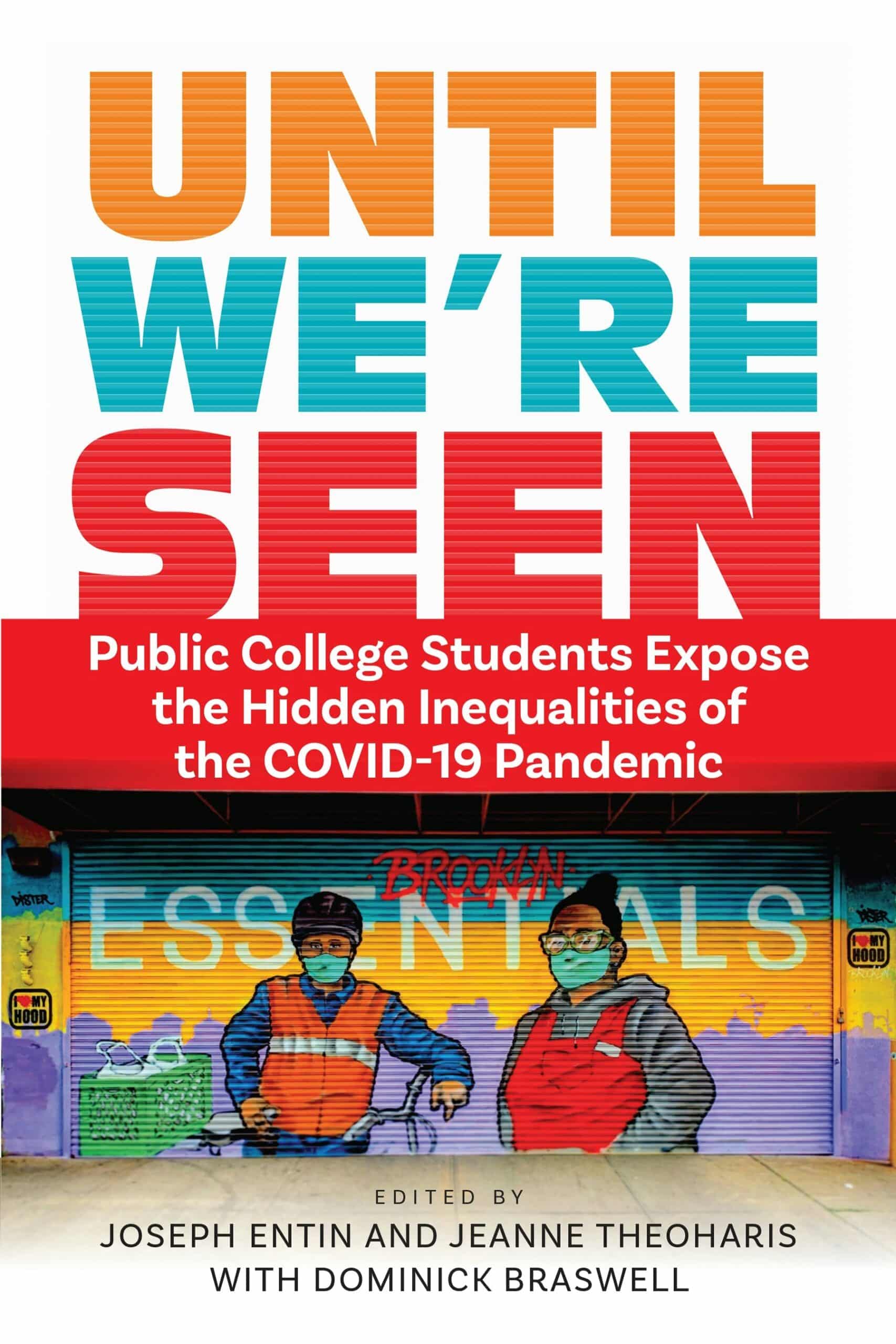
Until We’re Seen

Firsthand Stories from the COVID-19 Pandemic

The first months of the COVID-19 pandemic were filled with talk of heroes, the frontline workers who kept the country functioning. That spotlight was short-lived.


Until We’re Seen offers a firsthand people’s history of COVID-19’s devastating and disproportionate effects on working-class communities of color. The collection is edited by Joseph Entin and Jeanne Theoharis with Dominick Braswell.


This is an excellent companion text to the lesson by Caneisha Mills, Who’s to Blame? A People’s Tribunal on the Coronavirus Pandemic.

until_were_seen_theoharis_covid_book-scaled image
Read More

Conferences and Classes

maxresdefault image

Check out events hosted by the Zinn Education Project and our colleagues, including the Change the Ref 2024 Road Tour (through Sept. 10), SNCC Legacy Project Voting Rights Roundtable Discussion (Sept. 12), We Refuse: A Forceful History of Black Resistance (Sept. 16), Global Climate Strike (Sept. 20), Indigenous Peoples’ Day Curriculum Teach-In (Sept. 28), and more.

More Events

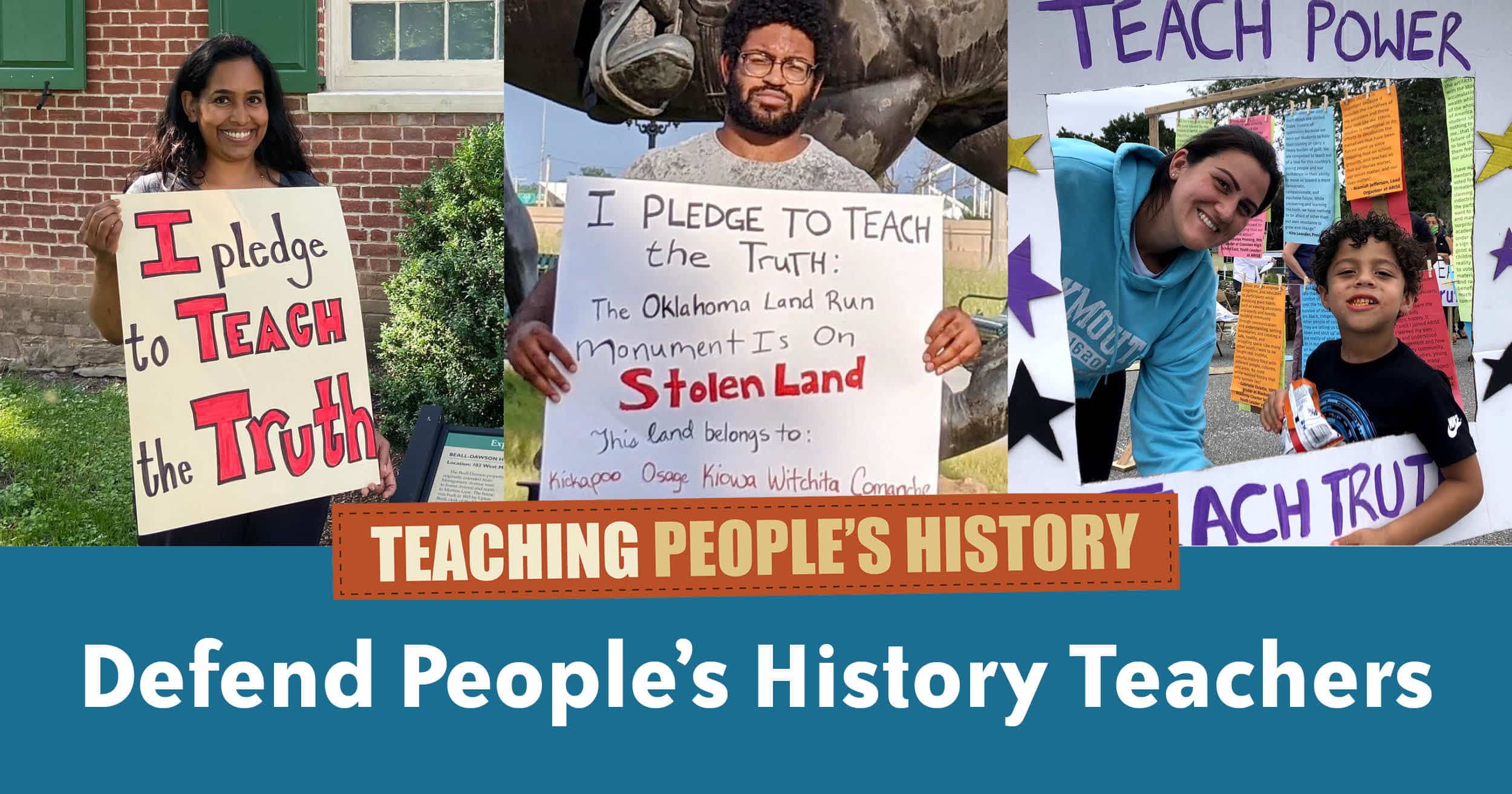
Support Teaching People’s History

Defend-Teachers-5 image

The main support to sustain and grow the Zinn Education Project comes from individual donors like you.

Donate Today
zep_logo_stacked.png
Donate Now

COORDINATED BY:

rethinkingschools_logo.png
TFC-Banner-2019-Update-2048x269.png

PO BOX 73038, WASHINGTON, D.C. 20056 

202-588-7205 | zinnedproject.org


Facebook  Twitter  Instagram