
How to Relieve Seasonal Allergies
with DIY Herbal & Natural Remedies
By Candice Brunlinger, Herbalist
Awe.....Spring is in the air and along with it comes gentle breezes, strong winds and pollen. This year, most of the United States is experiencing medium to high pollen counts bringing havoc on our immune and respiratory systems. Not everyone experiences seasonal allergies but for those who do, they can attest pollen allergies bring discomfort and can be a great inconvenience and very frustrating especially in serve cases.
Unfortunately, there is not much we can do to limit the pollen in the air except try to minimize our exposure during times when the pollen counts are high; however, there are ways we can support our immune and respiratory systems so we are more resilient and have less symptoms. First, let's talk a little about what seasonal allergies are and the common symptoms many people experience.
There are many types of allergies and ways the symptoms manifest throughout the body but we will be focusing this article on allergies which result from being sensitive to plant pollens.

An allergy is "an exaggerated or abnormal reaction (as by sneezing, itching,
or rashes) to substances, situations, or physical states that do not have such a strong effect on most people." Basically, when an allergen, such as plant pollen, enters the body it can trigger an immune reaction of increased histamine or anti-body production for those who are sensitive and predisposed. These anti-bodies irritate the tissues to create an environment to expel and remove the pathogen (in this case pollen) from body which results in a runny nose; sneezing; watery eyes; itchy nose, throat or eyes; coughing; difficulty breathing; puffy, red or inflamed skin; sinus headaches, etc. There are many factors which influence a person's predisposition or level of sensitivity including genetics, diet, stress, environment, toxin exposure, etc.
Using Herbs to Prevent Seasonal Allergies
There are some herbs which can help prevent or reduce the overall symptoms and duration of pollen allergies especially when used consistently at least 2-3 months before seasonal allergies are expected to occur. These herbs support allergies by building and strengthening the resilience of the immune and respiratory systems so you are not as sensitive and reactive to pollen; therefore, reducing the histamine response. These building herbs include any adaptogen or immune tonic such as
medicinal mushrooms (especially reishi and coryceps), astragalus, American ginseng, eleuthero, codonopsis, schisandra berry, yerba mate, tulsi basil, etc.
Using respiratory tonics or herbs which specifically support the functions of the respiratory system and restore the lungs are also beneficial such as
mullein, stinging nettle, lungwort lichen, licorice, marshmallow, rooibos, tulsi basil, reishi and cordyceps. These herbs are especially beneficial for those who allergies tend to trigger asthma.
Astragalus (
Astragalus membranaceus)

Astragalus is highly praised as an immune and respiratory tonic supporting and enhancing the functions of the lungs and reducing the histamine response. This allergy and asthmatic supporting herb builds resilience and strength and is most effective when used regularly over time. It also supports and heals the digestive system so it can address the underlying cause of many allergies (more info about that below). It is very gentle and safe for all ages. Use astragalus root in tea, make an extract, mix the powder in your food or simmer the roots in broth, soups and stews. The flavor is very mild and pleasant making it enjoyable and convenient to use.

Cordyceps Mushroom (
Cordyceps)
Cordyceps mushroom is praised throughout Asia for its amazing benefits for the lungs and how it supports breathing. Many professional athletes rely on this mushroom to build resilience throughout the respiratory system and improve overall endurance. Many claim that cordyceps improves the lung capacity, allowing deeper breathing so it can be very supportive for those who have shortness of breath and asthma. Use this mushroom powder mixed into smoothies or food or take a good quality supplement or extract.
Reishi Mushroom
(Ganoderma sinense)

The Reishi mushroom is praised for numerous reasons and it is believed that when you take reishi overtime it will support a long and healthy life. In Japan it is called the "mushroom of immortality" for this reason. Reishi is an amazing lung restorative and enhances the functions of the lungs, building resilience and strength. It is great for anyone who is prone to asthma, allergies, has weak lungs and/or is prone to respiratory infections, colds and flu. It brings balance to the immune system, regulating an overactive histamine response. It also protects and strengthens the cells throughout the body and helps to drain excess mucous. Include reishi in your broths or try reishi honey tea, mixing the powder into smoothies and food or doing a "Medicinal Mushroom Double Extract", all of which are beneficial ways of incorporating this mushroom into your life. See recipes below for making your own reishi extract and how to prepare it in your broths.

Schisandra Berry ("
Wu We Zi", Schisandra chinensis)
This berry is highly praised for its endless benefits and how it supports the entire body and all our body systems. It builds and strengthens resilience while enhancing the functions of all our organs, including our lungs. It is commonly used throughout Chinese and Ayurvedic medicine for anyone who has allergies and asthma. It is best when used over time but results can typically be noticed within a month for some individuals. The intense flavor makes this berry a little hard to palate so many prefer to use a tincture extract, syrup or supplement but this berry can also be used small amounts to make tea and berry sauces, compote or jam.
Using Herbs to Reduce Allergy Symptoms
Since most allergy symptoms are the result of the body's histamine response, herbal anti-histamines such as
nettle, eye bright, echinacea, chamomile, ambrosia (rag weed), reishi mushroom, parsley, thyme, oregano, basil, tulsi basil, butterbur, green tea, etc. would be beneficial. These herbs are especially helpful when there is hay fever, sinus congestion, excessive sneezing, a runny nose and watery, inflamed eyes as they help reduce and drain mucous congestion; however, they will also help reduce the histamine response triggering asthma too. If you have an allergy to the Asteraceae family (also referred to as the chrysanthemum, sunflower, daisy or composite family) you should use caution or avoid ambrosia (rag weed), chamomile and butterbur.
Additional herbs to help drain excess mucous and drain the sinuses include
peppermint, yerba santa, yerba manza, horseradish, wasabi and any hot pepper like cayenne.
 If the pressure from your sinus congestion triggers migraines or headaches, try using
peppermint and butterbur which both help to drain sinus congestion, relieve sinus pressure and soothe headaches. Or incorporate a little
lavender, peppermint and/or Melissa (lemon balm) essential oil. Diffuse the oils throughout the room, add a couple of drops onto a tissue and wear it on you, inhaling as needed, or add the drops to the collar of your shirt, sweater, jacket or on a scarf. Just avoid the undiluted essential oils from coming into contact with your skin. See recipes below for directions on how to use these essential oils to make your own headache relief balm or steam.
If your allergies result in asthmatic symptoms, you can work with mullein which supports and improves the functions of the lungs and aids with difficult breathing along with other bronchial dilators such as
yerba santa, yerba manza, elecampane, lobelia (low frequent doses; can be toxic in high doses), grindelia (low dose; avoid using long term) and eucalyptus essential oil (use the same way as mentioned above).
Anti-spasmodic herbs such as
ginger, mullein, yerba santa, thyme, oregano, basil, tulsi basil, red clover, elecampane, lobelia (low frequent doses; can be toxic in high doses), etc. help to break up congestion and excess phlegm from the lungs and help with reducing asthmatic and allergy coughs.
Alterative herbs such as n
ettle, burdock, dandelion, chickweed, cleavers, red clover, milk thistle, etc. help the body clear out the allergen and the metabolic waste from the histamine response while cleansing the blood, lymph, liver and/or kidneys.
Anti-inflammatory herbs such as
nettle, chickweed, turmeric, ginger, eyebright, licorice, meadowsweet, marshmallow, etc. can also support allergies by reducing the inflammatory response. Some of those herbs, especially
licorice, meadowsweet and marshmallow also heal and protect the tissues against any potential harm resulting from the allergen, histamine response and the metabolic waste from the anti-bodies.
Lobelia (
Lobelia inflata)

Lobelia is praised for its use as an "herbal inhaler" and has immediate results for many who use it to aid with breathing and dilating the bronchial airways. Most use the tincture and start with taking 3-5 drops on the tongue for mild cases and 5-10 drops for severe asthma attacks. Then wait about 3-5 minutes (or about 1 minute for a severe asthma attack) and repeat the dose if needed until symptoms subside. If you start to feel nauseous, stop taking as lobelia can be an emetic and cause vomiting in moderate to high doses.

Mullein is one of the most common lung restorative herbs and is great for anyone who needs respiratory support whether you have a cough or cold, congestion, allergies, asthma, get sick frequently, have difficulty breathing, have shortness of breath, etc. It helps to open the airways, breaks up phlegm and congestion, expectorates mucous, reduces an unproductive cough, rebuilds lung tissue and strengthens the overall functions of the respiratory system. Mullein is another gentle herb which is safe for all ages. You can enjoy the benefits of this herb in tea, as a tincture, in a supplement or even by smoking the leaves or smoldering the plant and inhaling the smoke. It is generally advised to limit or avoid smoke when you have irritation in the lungs especially with allergies and asthma but mullein can be an exception to that recommendation as the smoke can provide soothing relief for some with seasonal allergies and asthmatics. If the smoke causes more irritation or aggravates symptoms, discontinue and use mullein in another form instead.
Stinging Nettles (
Urtica sp.)

This amazing nourishing plant has many benefits to support allergies as it reduces the histamine response, is anti-inflammatory, nourishes and builds resilience in the lungs, reduces mucous congestion, etc. It is most effective when used preventatively overtime as well as during acute flare-ups to reduce the symptoms. I have seen many people with allergies praise nettle for gradually reducing their allergy symptoms every season they use it so they are more manageable and in some cases even completely diminished. Most notice benefits when used at least 2 months before allergy season; however, more results can be seen if you use it all year long.
The fresh plant is most effective for allergies because the stinging nature acts as a counter-irritant to maintain a healthy immune and allergy response but it significantly diminishes when the plant dries. If you use a supplement be sure it is made using a fresh freeze dried process. Or try using the fresh plant blanched or sautéed in food, cooked in soups and stews, juiced, in vinegar infusions, fresh tincture extracts, etc. Check out the "Nourishing Nettles" herbal monograph in this month's newsletter for more information about the amazing benefits this super weed provides and for many recipes to inspire you to incorporate nettle into everyday life.

Yerba Santa (
Eriodictyon trichocalyx)
I have
seen this aromatic plant do wonders for those heavily congested and for those who are having a difficult time breathing. There have been a handful of situations when customers have walked into our store, unable to talk because they are having an asthma attack and are not able to breath because they forgot their inhaler. I always immediately get a little pinch of the yerba santa leaves and give it to them to chew and suck on. Usually within 20-30 seconds the person calms down and can take deep breaths again. Not only does this plant open the airways to help with breathing, it also breaks up and clears out phlegm making it a great remedy for those who have sinus infections or asthma. Even though the resinous flavor of this plant is not very pleasant tasting, most do not care because it works so well and can have an immediate effect. You can chew on the leaves, drink it in tea, use a tincture or even smolder and burn the leaves to inhale.
Misc. Natural Remedies
There are other natural remedies which can support the body during allergy season. Try incorporating the following:
 Neti Pot
 - This is an Ayurvedic tradition from India which consists of using a small pot filled with saline solution and tipping it into the nose at the right angle to flush the solution through the nostrils and out the other side of the nose. This nasal flush can help reduce the histamine response and clear out the pollen, metabolic waste and excess mucous congestion from the sinuses. There are many resources online with more information about neti pots and video tutorials on how to correctly use one. Refer to the recipes below to learn how to make your own saline solution.
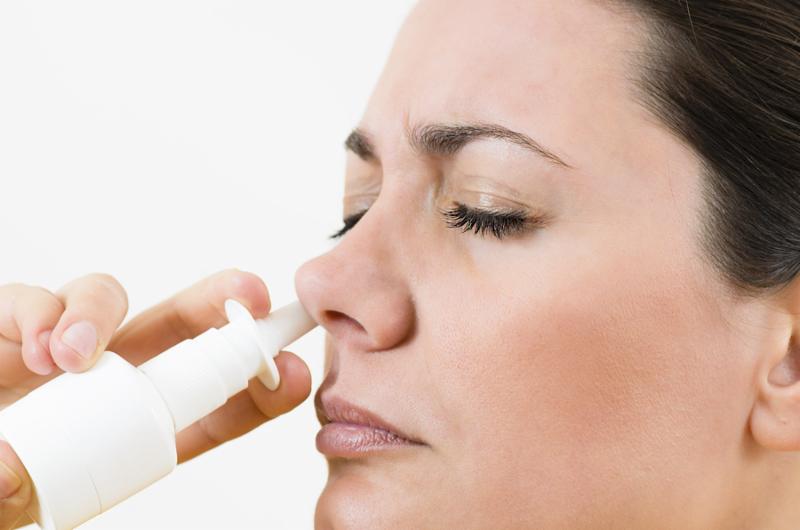
Nasal Sprays - There are many types of nasal sprays on the market to help relieve allergy symptoms in the sinuses. Many have a saline solution and some also include herbal extracts, homeopathy, essential oils and/or colloidal silver to support and reduce allergy symptoms.

Homepathic Remedies
There are many homeopathic remedies to support and prevent allergies. Some of them use the approach of introducing an allergen or plant pollen which commonly triggers allergies. This prepares the body so when we are exposed our defenses are already stimulated and ready to handle the allergen, minimizing overall symptoms. Other homeopathic remedies help by reducing the actual symptoms. Keep in mind most people tend to get the best results when using a formula which addresses multiple factors to reduce allergies. For optimal result using a homeopathic single plant remedy is to refer to the energy profile that remedy helps with and use it if it describes your state.
* Euphrasia officinalis - Eye bright is most beneficial when there is sinus congestion, runny nose and sneezing accompanied by watery, red, itchy and inflamed eyes. It is especially beneficial for those who tend to get easily irritated and aggravated with their allergies and take it out in their personal lives as well. Or for those who are sort of melancholy in nature and who may be prone to daydreaming or get easily distracted by their surroundings and those around them.
- Allium cepa - Red onion can also benefit a person who has red, itchy and inflamed eyes, especially if they also tend to have anxiety, a fear of pain, and almost a dullness of the mind at times with their allergies.
- BioAllers Pollen Hay Fever - This homeopathic blend is a great overall remedy for allergies especially with sinus pressure and congestion, sneezing, a runny nose and itchy, watery eyes. BioAllers also offers other allergy remedies including a nasal spray, a formula for children and specific remedies for tree and grass pollen allergies.
- Homeopathic Eye drops Similasin - These eye drops are using a homeopathic preparation of eye bright to help sooth watery, red, itchy and inflamed eyes.
Vitamin Rich Diet - it is believed that allergies can be triggered by or more severe for people who are nutritionally deficient. Here are some highlights of vitamins and minerals essential to support and prevent allergies. Refer to more info about how diet affects allergies below.
 Vitamin C - Eating foods and herbs rich in vitamin C (i.e. citrus fruits, berries, rosehips, nettles, chickweed, dark greens, etc.) help reduce inflammation throughout the body and support a healthy immune response. Vitamin C - Eating foods and herbs rich in vitamin C (i.e. citrus fruits, berries, rosehips, nettles, chickweed, dark greens, etc.) help reduce inflammation throughout the body and support a healthy immune response. - Vitamin B, Calcium and Magnesium - Eating foods and herbs rich in vitamin B, calcium and magnesium (i.e. spirulina, nettle, chickweed, oatstraw, horsetail, leafy greens, etc.) are beneficial when allergies become more severe or are triggered by stress. These nutrients can help reduce tremors, twitching, nervousness, anxiety and depression, all of which are common symptoms for some individuals with severe allergies.
- Quercetin - This anti-oxidant is commonly found in fruits and vegetables such as onions, cirrus fruit, grapes, apples, dark berries, olives and blue green algae as well as olive oil, red wine, green tea, elderberry, hawthorn, rosehips, horsetail, shepherd's purse, etc. Quercetin inhibits the histamine response and can provide relief for watery, inflamed eyes, runny nose, congestion and swelling in the face. Recent studies suggest quercetin may inhibit an enzyme that causes swelling in the airways and it relaxes the airways smooth muscles acting as a bronchial dilator. Bromelain should be taken with quercetin to increase its effectiveness.
Diet and Inflammation
 An allergy can be looked at as a sign that our bodies are imbalanced and inflamed. A majority of our immune system resides in our gut, so when there is inflammation present throughout our digestive tract it can cause our immune system to be hyperactive and more sensitive to our environment triggering seasonal allergies. Many believe that when we heal the gut and reduce excess inflammation throughout the body we can address the underlying imbalance and help strengthen resilience against allergens.
Many who suffer from seasonal allergies can find relief in their symptoms by doing a temporary elimination diet and removing foods which are triggering allergy symptoms. Here are the steps:
- Start a daily food journal documenting all food and liquid intake, bowel movements and how you felt overall (i.e. how is your mood, what were your energy levels like, did you feel tired, sluggish or lack motivation, what allergy symptoms did you have (i.e. headaches, itchy skin or tissues, congestion, sneezing, coughing, difficulty breathing, etc.) For any symptoms note a number next to it indicating how severe the symptom is on a scale from 1-10, 10 being most severe. Do this for 1 week if possible to establish a base line for how you currently feel without any changes.
- Temporarily eliminate as many foods which are commonly known to cause allergies and inflammation such as gluten, wheat, corn, dairy, soy, eggs, nightshades, nuts, seafood, citrus fruits, etc. Eat a whole food diet rich in fruits, vegetables, fiber, protein and healthy fats. Eat at least 3 different colors with every meal and try to consume the entire rainbow spectrum of colors throughout the day if possible to ensure you are receiving a diverse diet. Limit or avoid processed foods. Do this for 2-3 weeks continuing with the food journaling and documents symptoms using the 1-10 scale.
- After taking a break slowly re-introduce each food you eliminated one at a time every 3 days. For example, after 3 weeks of the elimination diet add corn into your diet in small amounts and note how you feel. Is there any change? After 3 days, add dairy and note any changes. Wait another 3 days and introduce another food until you have re-introduced each food back into your diet.
- Look back through your journal and look at any patterns. Did you notice less overall symptoms during the elimination diet? Did any of the foods you re-introduced after taking a break seem to influence your allergy symptoms? If so, it is best to limit or avoid that food. It is common for dairy to increase mucous production so many with allergies tend to do better when dairy is limited or removed from the diet. If there was no correlation, then you can continue to eat that food but keep in mind you many need to continue food journaling and periodically repeat this process for accuracy and because the body can continue to change.
- While you are food journaling also keep track of your environmental exposure to see if there is a correlation with chemicals and toxins influencing your allergies. (i.e. household cleaning products, agricultural spraying, contact with grass and plants which are sprayed, chemical exposure in manufacturing or factory work, smog exposure, etc.
In my experience, integrating herbal support with food journaling, the elimination diet and a gut healing protocol (which consists of avoiding foods you are sensitive or allergic to while working with herbs, foods, probiotic cultures and enzymes to heal the gut) has the most significant results in treating and preventing seasonal allergies.
DIY: Natural Remedies to Relieve Seasonal Allergies
Allergy Supporting Teas:
Green Tea

Bring some water to a boil. Remove from heat and allow to sit for 5 minutes or so to slightly cool off. The optimal water temperature is 180º. Pour 8 ounces of the hot water over 1 tbsp of green tea leaves and allow it to steep for 3-5 minutes. Remove the herbs and enjoy the anti-inflammatory, anti-histamine and nutrient rich beverage to help relieve allergy symptoms. Green tea contains mild levels of caffeine.

Peppermint Tea
Add 1 tbsp of dried peppermint leaves or about ¼ cup of chopped or bruised fresh peppermint leaves to 12 ounces of recently boiled water. Cover and allow to steep for 15-20 minutes. Strain or remove the leaves and enjoy the refreshing, decongesting, anti-inflammatory and anti-histamine tea to help relieve your allergy symptoms.
Sinus Tea Blend
1 part peppermint or chamomile (depending on your personal preference)
½ part each eye bright & nettle
¼ part each yerba santa & thyme
Mix together herbs until well blended and store in a jar or container with a tight seal. Add 2 tbsp of the tea blend to 16 ounces of recently boiled water. Cover and let it steep for 20 minutes. Strain out the herbs or remove your tea ball/basket. Add some honey if desired and slowly sip on it throughout the day. If you drink too much too fast it may overly dry the sinuses so frequent small doses throughout the day usually has the best results.
(if 1 part = 1 cup, recipe will yield 2 ½ cups of tea blend and approximately 20 servings)
Lung Supporting Tea Blend
1 part each of astragalus (shredded), mullein, nettle
½ part of marshmallow
1/4 part licorice root or fennel (do not use licorice if you have high blood pressure or are on heart medications)
Use 2 tbsp of tea blend for every 16 ounces of water. If making a hot tea use recently boiled water, cover and allow to steep 20-30 minutes. If making a cold tea or if you like overnight tea infusions, you can add cold water to the herbs instead and allow it to steep 6-12 hours.
A cold infusion yields a sweeter and more demulcent tea with a lubricating texture which coats and sooths the tissues. Drink this tea at least 3-5 times a week throughout the year or at least 2 months before and all throughout allergy season to strengthen and improve resilience in the lungs.
(if 1 part = ½ cup, recipe will yield less than 2 cups of tea blend and approximately 15 servings)
Breathing in an herbal steam refreshes and soothes irritated sinuses and clears out congestion. Anti-spasmodic and expectorant herbs can also help break up and expel mucous from the lungs and ease an unproductive cough.
Try any of the following in an herbal steam:
chamomile, mullein, thyme, oregano, sage, bay leaf, basil, tulsi basil, yerba santa, yerba manza, elecampane, peppermint, eucalyptus, etc. Feel free to use any of those plants fresh from the garden if you have them. Otherwise, use a handful of the dried herb. Or try adding 2-3 drops of an essential oil to the water along with 1-2 tsp of salt and inhale. Use eucalyptus, thyme, oregano and/or basil essential oils to clear out congestion from the sinuses and lungs or use peppermint and/or lavender essential oil for headaches.
Boil several cups of water and pour it into a big bowl or a plugged sink. Add 1-2 handfuls of your herbs and 1-2 tsp of a mineral rich salt like grey sea salt, Utah salt or Himalayan pink salt. Stir, lean carefully over the bowl or sink and cover your head with a towel. Breathe in the aroma and steam for 5 to 10 minutes. When you're finished breathing in the steam and the water cools to a luke warm temperature, you can take a washcloth and soak it in the mixture to make a compress. Hold the cloth on your sinuses (to the sides of your nose, below the eyes, and above the eyebrows). Use caution if you added any essential oils to the water as they may be too strong or irritating for the face and eyes. Repeat the steam and compress as often as needed.
If you have a humidifier or diffuser you can use a towel and sit in front of it for a respiratory steam but the warm-hot steam from the other method also helps to sooth and break up congestion.
Herbal Vapor Balm/Oil

Take one ounce of oil (olive, grapeseed, sunflower, avocado, almond, melted coconut, etc.) and pour it into a bottle or a jar if using coconut oil. Add 8-10 drops of essential oil(s) into the container and stir or cover and shake to mix well. Use thyme, oregano, eucalyptus, bay, basil, mint and/or camphor to help clear sinus and lung congestion or use peppermint and lavender to ease headaches.
If you would like to make a balm gently warm some oil and beeswax in a small crock pot or double boiler. For every ounce of oil by volume add 3 grams of beeswax by weight. Once it is fully melted, turn off the heat and add your essential oils. Stir well and immediately pour mixture into a mason jar or salve containers.
Add a very small amount of your aromatic oil or vapor balm to the temples, forehead, along the sides of the nose, under the nose or on the chest, being sure to avoid the eyes. Allow the essential oils to penetrate through the skin and breath in the aroma to help sooth allergy symptoms.

Eye Wash or Compress
Add 2 tsp each of calendula and eye bright into a mason jar. Pour 8 ounces of recently boiled water over the herbs, cover and allow to sit for 30-45 minutes. When the tea is at room temperature, strain or remove the herbs through a coffee filter to ensure no herbal particulates are present. Use as eye drops by dropping in 2-3 drops of the solution into each eye. Or use the tea as an eye wash by adding the solution to an eye wash cup or a shot glass. Lean over a sink and position the cup over the eye. Tilt your head back securely holding the cup in place so the liquid does not pour out. Blink your eyes repeatedly to help the mixture flush the eye. You can also do a compress by taking a small towel or cloth and soaking it in the leftover infusion. Lay down and place the soaked cloth on the sinuses and eyes. It is important to make a fresh batch of tea daily. Using leftover or day old tea can potentially introduce harmful bacteria or mold into the eye.
Saline Solution

Flushing the nose with saline solution (salt water) may help soothe upper respiratory allergies by removing pollen and other allergens that become lodged in the nose and cause inflammation. It can also break up and flush out excess mucous and clear away dead cells from the inflammation and histamine response.
You can purchase saline solution from any drug store, however, it is simple to make yourself. Mix a teaspoon of salt in a pint of warm, distilled water and add a pinch of baking soda. Bend over a sink and sniff a bit of solution into one nostril at a time or use a neti pot to flush the solution though the nasal cavity. Allow the mixture to drain back out through the nose or mouth. Do this once or twice a day during allergy season or as needed to help reduce congestion.
Immune Boosting Broth

3 parts of chopped shitake mushrooms, nettle leaf
1 part of parsley, astragalus root c/s
¾ part burdock root
½ part dandelion leaf, dulse flakes
¼ part rosemary, sage, thyme, oregano, wakame flakes
1/8 part kelp granules
Make a large batch of the immune boosting recipe and store in a jar. Add up to a cup of the blend per gallon of soup, broth or other savory dishes and gently simmer for at least 30 minutes but ideally up to 6 hours. You can leave the herbs in the broth or strain them out. I love to add this blend to my homemade bone and vegetable broths as well. Use the broth as a water substitute in soups, stews, for cooking beans, grains, vegetables, stir fries, gravies, etc. Store unused broth in the fridge for up to 3 days or freeze for future meals. You can freeze herbal broths in ice cube trays to conveniently add a small amount to your meals as needed.
You can use any combination of Mediterranean herbs (i.e. oregano, thyme, rosemary, marjoram, bay, etc.) along with nutritive herbs such as nettle, dandelion leaf and/or burdock root. Include immune enhancing mushrooms (shitake's have the best flavor), astragalus and seaweeds. Chop up and sauté some onion and garlic (as much as you can palate) and incorporate chicken or other meat for protein, if desired. If you use reishi mushrooms in your broths, then it would be most beneficial to simmer the mushrooms and even the astragalus by themselves for 6-12 hours as it takes a long simmer and cooking them for a while to release their medicinal benefits. Then add all the remaining ingredients and continue simmering for at least another 30 minutes.

Reishi Medicinal Mushroom Double Extract
Fill a 16-ounce mason jar about ½ full of dried reishi mushrooms broken into pieces. Fill the jar with vodka, rum or everclear so the mushrooms are covered and free flowing. Leave a ½ inch of space at the top of the jar to allow the liquid to expand if needed. Allow the extract to steep 4-6 weeks, shaking daily. Strain using muslin or cheese cloth. Pour the alcohol infusion into another mason jar, seal and set aside.
Take the mushrooms you strained out and add them to a sauce pan to prepare the water extraction. Bring a quart of water to a boil and pour it over the mushrooms and simmer, covered, for about 2 hours or until the water has reduced down to 8 ounces. Add more water to the stock pot if needed while the mushrooms simmer. Once finished, allow the tea to cool and strain out the mushrooms. Combine the water extract with the alcohol extract. The alcohol percentage should be somewhere between 25-35%, making it shelf-stable and able to store unrefrigerated. Add a little honey to taste if desired.
This double extract process yields very strong and well balanced medicine, optimally extracting the water and alcohol soluble properties from the mushrooms. Take 2-3 droppers full or about ½ tsp 2-3 times a day all throughout the year or at least 2 months before allergy season to build resilience and strengthen the immune system and lungs.
Fire Cider

Grate a medium to large piece of ginger, a small piece of horseradish and a small-medium piece of turmeric. Chop 1 head of garlic, 1 small onion, 2-3 small hot peppers or more to taste. Measure out a small handful of fresh or dried nettle leaves and a bundle of various fresh culinary herbs such as parsley, oregano, marjoram, thyme, rosemary, basil, cilantro, sage, bay, etc.
Add all ingredients into a mason jar, filling it no more than ¾ of the way full. Add apple cider vinegar with a small amount of honey to taste until all ingredients are completely covered and move freely throughout the liquid. Allow the vinegar and herbs to infuse for 4 weeks, shaking daily. Strain using cheese cloth or muslin. Taste the fire cider and add more honey to taste if desired.
Fire Cider is great for stimulating the immune and digestive systems, clearing out sinus and lung congestion, warming the body, increasing circulation, preventing or relieving coughs, colds and flu and peak fevers. Use culinary in salads, stir fries, marinades, sauces, salad dressings, etc. Or take up to a tbsp 1-2 times daily as a tonic or more frequently with allergy symptoms.

Golden Milk
Turmeric is a powerful anti-inflammatory and healing herb. It can be very beneficial to support a healthy immune response and allergies.
Turmeric Paste:
Combine ¼ cup turmeric powder, ½ tsp ground black pepper and ½ cup of water in a sauce pan and mix well. Turn heat on medium and stir constantly until the mixture becomes a thick paste (about 5 minutes). Allow the paste to cool and store in a glass jar in the fridge.
Golden Milk
: Mix 1 cup of milk or milk substitute with 1 tsp of coconut oil, ghee or sesame oil and ¼-½ tsp of turmeric paste in a saucepan and heat to just under a boil, stirring frequently. Remove from heat, add honey to taste and enjoy the delicious and highly medicinal beverage to help support you through allergy season.
Horseradish Sauce

Finely grate the fresh horseradish root using a hand held grater. Your eyes will start to water and sinuses will start to clear as you grate the root and inhale the oils. Fill a mason jar about ½ full with your grated horseradish. Pour apple cider vinegar and honey to taste into the jar until the root is completely saturated and moving freely in the vinegar. Store the jar in the fridge for up to 6 months taking 1-2 tsp daily to support allergies and sinus congestion. You can also add it to stir fries, soups, and other meals.
(Recipe from Rosemary Gladstar's Herbal Recipes for Vibrant Healtherbal Recipes for Vibrant HEalth)
Lime or Grapefruit Water

Lime and grapefruit are great remedies to help treat any kind of allergy. Squeeze half of lime or a ¼ of a grapefruit in lukewarm water and sweetened it by adding honey. Drink at least once a day, preferably first thing in the morning. This remedy flushes out the body toxins and also acts as anti-allergic and anti-histamine agent.
Refer to the "Nourishing Nettles" article below for recipes using nettle which can be used to support and reduce allergy symptoms (i.e. fresh nettle tincture, vinegar infusion and ways of using it as an edible green).
[1]
Meriam Webster Word Center - Student Definition of Allergy
http://www.wordcentral.com/cgi-bin/student?book=Student&va=allergy
[2] Home Remedy Central - Homeopathic Remedies, "Allium Cepa/Allium/All-c"
http://www.homeremedycentral.com/en/homeopathic-remedies/homeopathy/allium.html
[3] Home Remedy Central - Homeopathic Remedies, "Euphrasia/Euphr"
http://www.homeremedycentral.com/en/homeopathic-remedies/homeopathy/ euphrasia.html
[4] Herbal Extracts Plus - "Quercetin"
http://www.herbalextractsplus.com/quercetin.html
[5] Mountain Rose Blog - "DIY: Double Extraction Method for Medicinal Mushrooms" by
Mason Hutchison
http://mountainroseblog.com/mushroom-double-extraction/
[6]
Rosemary Gladstar's Herbal Recipes for Vibrant Health
erbal Recipes for Vibrant HEalth, by Rosemary Gladstar
"Horseraddish Sauce for Sinus Congestion"; Page 307; Copyright 2008
Nourishing Nettles
By Candice Brunlinger, Herbalist
Many people have an aversion to the weed known as Stinging Nettle (
Urtica dioica
) especially if they have been a victim of the fine stinging hairs while hiking, going for walks, gardening, etc; however, this plant is a food rich in various vitamins and minerals with numerous health benefits. Although it does not have a strong reputation as a "Superfood" in mainstream nutrition, I believe it is, especially since it is thought to have the highest nutritional density of any leafy green.
Properties of Stinging Nettle
- Highly Nutritive
- Anti-Inflammatory
- Anti-Histamine
- Alkalizing
- Detoxing & Blood Cleansing
- Astringent
- Bone, Joint and Connective Tissue Tonic
- Respiratory Tonic
- Reproductive Tonic
- Diuretic & Urinary Tract Tonic
- Galactagogue
- Anti-spasmodic (mild)
- Expectorant (mild)
- Hemostatic
- Counter-Irritant
Health Benefits of Nettle (Urtica dioica)
Stinging nettle has a long historical use in many cultures, primarily as a highly nourishing food source, but it is also used to enhance energy and vitality, to strengthen the body, for numerous health benefits, as a textile, in bath and body care, etc.
The leaves are so rich in a wide variety of vitamins and minerals that "100 grams of dried pre-flowering nettle can contain up to 30 grams of protein, almost 3,000 milligrams of calcium, 680 milligrams of phosphorus, 32 milligrams of iron, 650 milligrams of magnesium, 20 milligrams of beta carotene, and 3,450 milligrams of potassium along with chlorophyll, silica, zinc, and vitamins A, C, D and the B complex."
[1]
These nutrients, especially calcium, magnesium and silica, help
 support and strengthen healthy bones, joints, muscles, tendons, ligaments, hair, skin and nails. It can help with muscle spasms and cramps, recovering from surgery or an injury and help prevent or support osteoporosis and arthritis. Vitamin C and zinc support the immune system and vitamin C also aids with the absorption of iron, making nettle a great remedy for anemia. The B-complex and protein are great for nourishing the nervous system while reducing stress and nervous twitching. Nettle is also thought to have the highest source of plant based protein making nettle a whole food multi-vitamin with bio-available and easy to absorb nutrients.
The chlorophyll gives the plant its dark and rich green color and also provides an alkaline pH which is very beneficial for the overall health of our body, cellular metabolism and the functions of many of our organ systems.
Nettle reduces inflammation body-wide so it is a great remedy for arthritis, gout and skin inflammatory conditions such as eczema, psoriasis and hives. The detoxing and blood cleansing actions also aid with these conditions as it helps to flush uric acid build up and metabolic waste aiding with symptomatic relief of pain and inflammation while also cleansing toxins from the blood which try to release through the skin. Along with its blood cleansing, nettle is also a diuretic which helps flush the body of excess water and toxins. It supports and tones the entire urinary tract system and kidneys.
Nettle strengthens the respiratory system making it a great remedy for frequent sinus or lung infections, asthma and allergies. The mild anti-spasmodic and expectorant actions aid with coughs, congestion and asthma. It also has anti-histamine effects which can be used to prevent or reduce the symptoms of allergies. Nettle is most effective when taken regularly especially the season before allergies are expected or before you are exposed to an allergen.
The astringent nature of nettle pulls dampness from the body and tightens boggy tissues to facilitate detoxing. It helps dry out excess mucous from the sinuses and lungs and tones various organ systems, especially reproductive. Nettle has a long historical use to support male and female reproductive health. The leaves strengthen, tone and nourish the uterus which supports women's cycles, irregular bleeding, preparing for pregnancy, pre and post natal care, menopause, etc. Nettle root and seed are thought to be more specific for male reproductive and prostate health.
Stinging nettle is thought to help with mild liver support, regulate blood sugar levels, reduce appetite and food cravings and aid those who are fasting, dieting or those with eating disorders.
Even though most people find the sting from handling or touching fresh nettle a nuisance, the topical counter-irritating nature can be medicinal and soothing for deep pain from achy bones, joints, arthritis or gout. The temporary skin irritation does act as a distraction but also increases circulation to help ease pain and stiffness.
Other Uses of Nettle
 Beauty Care Beauty Care
Drinking and eating nettle regularly can strengthen and stimulate healthy hair, skin and nails. In addition to the internal nourishment being reflected through these features, you can also use nettle tea, juice or extract topically as a liniment, in a bath or as a skin or hair rinse. Another option is to add nettle tea, juice or vinegar infusion into a spray bottle and mist directly on the skin, scalp, and hair. A nettle oil infusion can also be massaged into the hair, scalp, nails and skin. Natural shampoo, conditioners and soaps are commonly found with nettle or try to make you own beauty care recipes.
 Textile Textile
Nettle has a very long history in the textile industry and is considered a more sustainable, durable and higher quality source for fiber than cotton. Nettle has a short growth cycle, is low maintenance, does not require many resources to grow and has natural resistance so it can be easily cultivated without chemicals. Nettle fiber has a similar texture to flax and hemp. Nettle fiber became widely used by the German army during the First World War when there was a shortage of cotton for the soldiers' uniforms. The uniforms for Napoleon's armada were also made from nettles.
[2]Nettles were among the most important fiber plants for many Native Americans.
[3]
 Natural Dying Natural Dying
The juice of the stems and leaves or a strong tea infusion have been used to produce a natural green dye. If you simmer the roots, it yields a natural yellow dye. The dye can be used on clothes, linens, crafts, Easter egg dying, natural food coloring, homemade natural paints, etc.
Gardening
The highly nourishing properties of nettle can be very beneficial for the garden. Plant and grow nettle to re-mineralize the soil and replenish nitrogen levels. Use it in companion and biodynamic gardening to make neighboring plants more resistant to disease and attacks by insect pests. When grown with aromatic herbs such as Valerian and Mint, it is said to increase their production of aromatic oils.
[4] Add nettles to your compost especially for the high silica and nitrogen. Make a strong compost tea using fresh or dried nettle which can be used as a foliar spray or as natural nutrients when watering.
Nettle for Pets
Animals love nettle and can really benefit from the nutritional properties of the plant. You can sprinkle nettle powder in your pet's food as a whole food multi-vitamin. It's one of the primary ingredients in the
Pet Vitamin Powder that Humboldt Herbals makes.
Nettle will help your pet heal from an injury, strengthen weak bones or joints, ease arthritis, reduce general inflammation, treat and prevent allergies, help with urinary weakness and frequent urinary tract infections, mild detoxing and blood cleansing. Use ½ tsp of nettle powder per pound of food for dogs, up to 1/3 teaspoon of powder per meal for cats and feed the dried leaves to herbivore farm animals.
[5]You can also make a tea/broth and have them drink it or mix the infusion into their food.
Make a strong tea and either spray on or use as a wash on your animals coat to help reduce skin dermatitis. Nettle can be especially beneficial for animals allergic to fleas.
Skin Dermatitis Spray (Anti-inflammatory and Anti-histamine)
Have your pet take it internally and make a strong tea to spray on the coat to sooth topical skin dermatitis. I like to use 1 part nettle, comfrey leaf and calendula with ½ part eye bright and yarrow in a tea to sooth and heal any irritation from dermatitis.
Growing/Harvesting Nettle
You will commonly see Nettle growing in thick patches in fertile damp soil and semi-shaded areas such as near river beds, creaks, ponds, lakes, along forest trails and sometimes in your yard or garden. It can be found throughout North America, Europe, Africa and Asia. It is an herbaceous perennial with single stocks growing anywhere between 2-10 feet tall. The leaves are dark green with serrated edges. Some varieties have round shaped leaves while others are narrow and long but they all form a sharp tip and have stinging hairs especially on the underside of the leaves. The green or purplish stems are square with opposite leaves.
[6] In early to late summer the plant starts to produce tiny pearl-like cream colored flowers which bloom under the leaves and attract a wide variety of bees, butterflies, moths, lady birds and many other insects.
Late winter and early spring are the most ideal times to harvest nettle. You want to harvest the new growth and tender tops of the plant before the plant starts to flower. Avoid harvesting this plant while in bloom as the plant develops cystoliths which are gritty particles that can irritate the kidneys.
[7]
The fine hairs do contain formic acid which causes skin dermatitis and
 minor stinging for an hour or two so be sure to wear gloves, long sleeves and jeans or thick pants when harvesting or hiking through it. Clip the plant about 1/3-1/2 way down with pruners and place in a basket or paper bag. You can cook with the fresh leaves, freeze them, juice them or make fresh vinegar and tincture infusions. Otherwise, dry the leaves to store and use throughout the year. The stinging acid degrades quickly in the drying process or with heat making it safe to consume and handle.
You can propagate stinging nettle if you provide it with rich moist soil and semi-shade. Re-plant the root/rhizome or lightly sprinkle the seeds in your yard, bed or in a pot. You may need to contain it to prevent it from taking over your yard or garden. Also try and keep it away from the reach of young children.
Using Fresh Nettle
Fresh nettle can be used just like you would use any other green such as spinach or kale. You just need to slightly cook it to diminish the stinging properties from the plant. Lightly blanch, steam, bake or boil for about 15-20 minutes and nettle will be ready to eat. A vigorous blend into a puree will also diminish the sting making nettle safe to eat uncooked. Use along with or in place of your usual greens in soups, stews, stir fries, cooked salads, casseroles, pasta, lasagna, pesto, hummus, quiche, etc. You can even freeze the fresh leaves and thaw them out as needed.
Nettle Juice
Take fresh leaves and put in your juicer. Drink immediately or freeze in ice cube trays and/or small containers to thaw out as needed. You can also preserve the fresh juice with 25% alcohol and store in the fridge for up to 6 months.
[8] If you have access to other fresh edible herbs and greens you can also include them with the nettle.
Wild Herb Juice (all fresh herbs)
1 part nettle leaves
½ part chickweed, cleavers
¼ part dandelion greens and flowers, plantain leaves
Add a fresh sprig of rosemary, some fresh ginger or mint for added flavor and health benefits.
Place all ingredients in your juicer and enjoy this delicious and highly nourishing juice. If needed, freeze or preserve the juice as mentioned above.
Nettle Pesto (Pesto d'urtica)
1-2 cups olive oil (use less for a dip or spread and more for a sauce)
½ cup pine nuts
2-3 cloves of garlic
3-4 cups of fresh nettle greens
1 cup dandelion flowers (optional)
¼ cup grated parmesan
Salt and Pepper to taste
Combine oil, nuts and garlic into a blender or food processer and blend until creamy. Slowly add fresh nettle greens and puree well. Remove from blender and mix in parmesan cheese, salt and pepper.
Steamed Nettle Greens
Steam fresh nettle leaves until fully cooked, usually about 15 minutes. Toss with olive oil, fresh lemon juice and either feta or goat cheese. Add salt and pepper to taste.
Sautéed Garlic Nettles
Gently sauté fresh nettle greens with sliced or minced garlic and butter or your favorite cooking oil for 15 minutes. Add a splash of lemon and salt and pepper to taste.
Nettle Salad
Steam or sauté fresh nettle leaves with red bell peppers and carrots. Toss with olive oil, balsamic vinegar and goat cheese. Add dried cranberry, walnuts, sunflower seeds and/or pumpkin seeds if desired.
Pickled Nettles
Pickled nettles are a great and delicious way to preserve and eat fresh nettle without the sting. Loosely fill a mason jar about ½ - ¾ full with the fresh young leaves of the plant. I also really enjoy adding a couple cloves of garlic, sprigs of fresh thyme and rosemary, 1-2 bay leaves, some peppercorns and a pinch of salt for added flavor. Fill the jar with your choice of food grade vinegar making sure the nettle leaves are free flowing and completely covered. Let it sit for 8-12 weeks. Eat the pickled leaves as they are or add to salads, stir fries, cold pasta dishes, etc. Use the leftover vinegar in salad dressings or marinades.
Fresh Nettle Tincture
Loosely fill a mason jar ¾ full of fresh nettle leaves. You can use whole leaves or chop into smaller pieces. Fill the jar with your alcohol of choice (i.e. vodka, rum, brandy, grape, grain, etc) leaving about an inch from the top. Stir the leaves and release any air bubbles. You want the herb to be able to move freely in the jar. Seal and store in a cool, dark and dry place for 4-6 weeks, shaking daily. Strain using cheese or muslin cloth or a fine stainless steel mesh strainer. Store your extract in a colored glass dropper bottle. Take anywhere from a few drops up to 3 droppers full 1-3 times a day for general support. If using to reduce an allergic reaction take every 1-2 hours or as needed until symptoms subside.
Nourishing Vinegar
1 part nettle, horsetail
½ part rosemary, dandelion leaf
¼ part alfalfa, dandelion flowers (if available), calendula
Optional: Add additional culinary herbs and a small amount of garlic and onion
To make: chop all herbs into a mason jar and completely saturate with apple cider vinegar until there is at least 1 inch of extra vinegar covering the herbs. Let it sit for 2-3 weeks shaking daily. Strain the herbs using a stainless steel mesh strainer, cheese cloth or muslin and use as a marinade or incorporate into your cooking and salad dressings. Use fresh herbs when available; otherwise, the dried herbs will be great to use as well.
Vinegar Hair and Skin Rinse
1 pt each nettle, horsetail
½ pt each sage, rosemary
¼ part mint
Fill a jar about ¾ full of chopped herbs and cover completely with apple cider vinegar. Stir to release air bubbles and make sure all herbs are saturated. Let it sit for 1-2 weeks, shaking daily. Strain the herbs using a stainless steel mesh strainer, cheese cloth or muslin. Use the vinegar infusion as a hair wash/rinse or store it in a spray bottle to spray in the hair and on your skin. Overtime, the herbs will strengthen and stimulate healthy hair, nail and skin growth. Use fresh herbs when available; otherwise, the dried herbs will be great to use as well.
Using Dried Nettle
Dry your nettle harvest and store in jars for use all year long. You can also
purchase dried nettle from any herb store, many natural grocery stores and online. Add dried nettle directly into your food. I especially like to add handfuls of the leaves in my soups, stews, sauces, beans, lentils and grains. Try sprinkling a small amount in eggs, potatoes, on salads, pizza and pasta dishes. Mix in with cream cheese or goat cheese spreads and serve on a bagel, wrap, crackers or in cream cheese puffs. You can make nettle tea and use it as a water substitute in your general cooking or mix nettle leaf powder in your smoothies, juice, yogurt, hot cereals, nut butter balls, etc. The culinary possibilities are endless for this delicious and nutritious plant.
Nettle Tea
Bring water to a boil and remove from heat. Add 1-1 ½ tbsp of dried nettle or 2-3 tbsp of fresh leaves per 8 ounces of water depending on how strong you like your tea. Cover and let it sit for at least 20 minutes. Strain out or remove the leaves and enjoy a delicious, rich and nourishing cup of tea. You can allow the tea to infuse overnight or up to 8 hours for an even stronger and more nourishing beverage. If you enjoy sun teas, let the tea infuse in the sun. Allowing a longer steep will infuse even more vitamins and minerals from the nettle. You can always gently warm the tea up on the stove until you start to see steam rise if you prefer to drink your tea hot.
Calcium Tea
1 part nettle, oatstraw
½ part horsetail
¼ part rooibos, comfrey leaf
You can also add a small amount of mint, cinnamon or ginger for added flavor.
Follow instructions above for making tea infusion.
Nutritive-Rich Tea
1 part nettle, oatstraw
½ part red clover, red raspberry, rooibos, rosehips, marshmallow root
¼ part alfalfa, dandelion leaf
You can also add a small amount of mint, cinnamon or ginger for added flavor.
Follow instructions above for making tea infusion.
Iron Syrup
¼ cup nettle leaf
2 tbsp dandelion leaf, rose hips
1 tbsp Alfalfa, yellow dock, dandelion root, orange peel
Bring 20 oz of water to a boil on the stove and add yellow dock and dandelion root. Cover, reduce heat and simmer for 20-30 minutes. Remove from heat. Add all other herbs and more water if needed. All herbs should be completely covered and be able to move freely in the pot. Let the infusion sit covered for 6-8 hours. Strain and add ¼-1/3 part honey. You can also add molasses for added iron, calcium and potassium support. Store in the fridge and take 1 tbsp 1-3 times daily.
Nutritive Oil
1 part nettle
½ part burdock root, parsley
¼ part rosemary, thyme, dandelion leaf
1/8 part sage, oregano, alfalfa
Add all herbs into a mason jar and completely saturate with your favorite cooking oil (i.e. olive oil, avocado oil, etc) until there is at least 1 inch extra oil covering the herbs. Let the herbs infuse for 2-3 weeks shaking or stirring daily. Strain and incorporate into your cooking or salad dressings. After straining, you can also include a small amount of more nutritive and omega rich oil(s) such as flax, hemp or pumpkin seed but keep in mind these oils are more easily perishable and heat sensitive and would be most appropriate for cold food recipes such as salad dressings, pasta salad, pesto, hummus, etc.
Nettle Powder
You can easily and creatively add nettle leaf powder to many meals including smoothies, juice, yogurt, oatmeal or other hot cereals, baked goods such as breads and desserts, crackers, cream sauces, nut butter spreads, herbal nut butter balls, honey, etc. Or try the following Superfood Powder Recipe below...
Superfood Powder Blend
1 part nettle powder
½ part dandelion lf powder, astragalus root powder, maca root powder (optional for energy)
¼ part alfalfa powder, raw cacao powder
1/8 part spirulina powder and ginger or cinnamon powder for flavor (optional)
Nettle Butter Crackers
1 ½ cups whole wheat flower
½ cup oats, ground
½ tsp salt
½ cup creamy peanut or almond butter
1/3 cup water (or substitute nettle tea for added nutrition)
2 tbsp nettle powder
½ tsp cinnamon powder
1 tbsp molasses (optional)
Honey to taste
Preheat oven to 325 degrees and mix together all ingredients. Roll dough out on wax paper until it is as thin as you can get it. Use cookie cutters to cut out fun shapes or cut into bite sized pieces. Place on cookie sheet and cook for 5 minutes. Flip and bake for 2-3 minutes or until golden brown.
Fun Facts and Nettle Lore
[9]
The Latin name of the nettle
Urtica comes from the word 'uro' which means to burn. The latin name of the plant
dioica means 'two houses'. This refers to the fact that the male and female flowers are normally carried on separate plants. It is possible that the 'nettle' is derived from
Noedl meaning a needle, referring to the stinging mechanism in the nettle plant. Others suggest that it comes from the Latin
nere and other similar old European verbs meaning to sew.
If you get stung by nettle when harvesting it, apply the milky sap from inside the stem to reduce and neutralize the irritation.
Roman soldiers posted in Britain were reputed to have brushed their limbs with nettles so the stings would warm them in the cold climate.
Native American braves would flog themselves with nettles to keep themselves awake while on watch.
Nettles were often hung in bunches in larders because of their fly repellent properties.
Horse breeders have often added nettle seeds to horse feeds to give the animals a sleek coat.
"Within the Buckingham Palace gardens nettles play an important role in the wildlife habitat areas providing a valuable food source for caterpillars."
Mark Lane - Head Gardener, Buckingham Palace
Interesting and Fun Nettle Quotes
"When in doubt, use Nettle"
David Hoffman at the International Herb Symposium
[10]
"Out of this nettle, danger, we pluck this flower, safety."
William Shakespeare
"Tender handed stroke a nettle, and it stings you for your pains; Grasp it like a man of mettle, and it soft as silk remains."
Aaron Hill
"For the courage of greatness is adventurous and knows not withdrawing, but grasps the nettle, danger, with resolute hands, and ever again gathers security from the sting of pain."
Vera Brittain
[1] Herbs for Pets: The Natural Way to Enhance Your Pet's Life, Second Edition; Page 153
By Gregory Tilford and Mary Wulff; Copyright 2009
[2] CONE: Be Nice to Nettles Week
[3] Green Man Publishing; Excerpts from "Uses of Wild Plants"
[4] Green Man Publishing; Excerpts from "Uses of Wild Plants"
[5] Herbs for Pets: The Natural Way to Enhance Your Pet's Life, Second Edition; Page 153
By Gregory Tilford and Mary Wulff; Copyright 2009
[6] Medicinal Plants of the Pacific West; Page 186
Michael Moore; Copyright 1993
[7] Edible and Medicinal Plants of the West; Page 210
Gregory L. Tilford; Copyright 1997
[8] Medicinal Plants of the Pacific West; Page 188
Michael Moore; Copyright 1993
[9] CONE: Be Nice to Nettles Week
[10] Rosemary Gladstar's Medicinal Herbs: A Beginner's Guide; page 176
Rosemary Gladstar; Copyright 2012
About the Author:
Candice Brunlinger has been studying herbal medicine since 2004. She has studied with Christa Sinadinos through the Northwest School of Botanical Studies and with Jane Bothwell at the Dandelion Herbal Center. She has also had the honor of briefly studying with many other herbalists through small workshops and classes. She graduated Humboldt State University with a Bachelor of Science degree in Business Management, has a small clinical practice and an herbal product line, Herbal Infusions. She has had the amazing opportunity to work at Humboldt Herbals over the last 5 years helping to bring herbal healing to the community. She has a passion for teaching and does Herbal and Qi Gong classes including the Intro to Herbalism workshop series at Humboldt State University. Candice is inspired by plants and integrating a holistic lifestyle. She loves to make medicine, cook, garden, be in nature and practice Tai Chi and Qi Gong.
|


