Facebook  Twitter  Linkedin  Youtube  
DONATE

Announcing $300,000 in Seed Grants to Fund Novel Research Studies

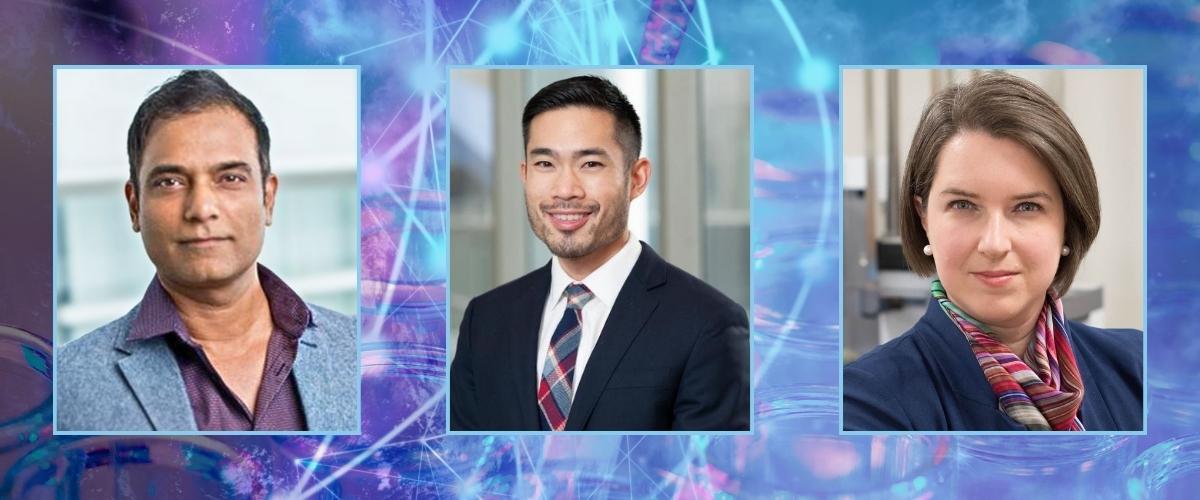
A primary obstacle encountered by researchers with new, promising strategies to combat gastric cancer is securing financial support for early-stage research. The Gastric Cancer Foundation recently announced three $100,000 seed grants to bridge this funding gap and support research that may lead to innovative treatments. Research will be conducted at Case Western Reserve University, Columbia University and Massachusetts General Hospital.


A $100,000 grant was awarded to Dr. Kishore Guda, Assistant Professor of Oncology at Case Western Reserve University, where he specializes in the treatment of gastroesophageal cancer.  

“Our idea is to test whether TGF-β is active in gastric cancers and whether blocking this molecule could be an effective therapeutic strategy.”


Kishore Guda, DVM, PhD

Dr. Guda's research project is centered on understanding the causes and development of aggressive types of gastric cancer, which are known to be challenging to treat effectively and have low survival rates. The primary focus of this research is to investigate a potential treatment strategy that targets a signaling protein in the body called transforming growth factor beta (TGF-β).


“In past research on esophageal cancer, we have found that targeting this molecule tends to be effective in specific tumor contexts,” Dr. Guda explains. For this reason, Dr. Guda is exploring the therapeutic potential of vactoserib, a drug that inhibits TGF-β activity in esophageal cancer patients.


“Our idea is to test whether TGF-β is similarly active in gastric cancers and whether blocking this molecule could be an effective therapeutic strategy,” Dr. Guda said. Specifically, his research delves into the crucial role of a protein called HNF4A in predicting treatment response. His previous research showed that the presence of HNF4A in tumors predicted their sensitivity to vactoserib treatment. He hopes his research will shed light on the potential of HNF4A as a biomarker that could be used to predict which patients are most likely to respond to TGF-β targeted therapy. Read more about Dr. Guda's research here.

A $100,000 seed grant was also awarded to Dr. Ryan Moy, Assistant Professor of Medicine and medical oncologist at Columbia University’s Irving Medical Center where he specializes in the treatment of gastrointestinal malignancies, with a focus on esophageal and stomach cancers.

His innovative project employs a novel approach involving immune cells known as T cells that have been engineered to carry receptors that are specific to a protein called Claudin18.2. “We know that Claudin18.2 is a viable biomarker in a substantial portion of advanced gastric cancer cases. If we target it with antibodies, it can improve survival outcomes for patients,” Dr. Moy explains. Targeting gastric tumors with T cells could provide an alternative to Claudin18.2-targeting drugs.


Dr. Moy’s strategy is aimed at enhancing the longevity of T cells and improving their tumor-penetrating capabilities by using special T cells. These T cells are engineered to express T cell Antigen Coupler (TAC) receptors which recognize Claudin 18.2 and leverage existing natural cell-signaling pathways.

“We are grateful for this support. Being involved with this foundation is really helpful to me as a researcher, and it is also very meaningful to me as a healthcare provider.”


Ryan Moy, MD, PhD

READ THE FULL ARTICLE

Try the Clinical Trial Finder

Are you searching for a clinical trial but find the process daunting? Help is just a click away. Our Clinical Trial Finder offers online access to information about cutting-edge clinical studies that could increase the treatment options available to you. If you want more assistance, personalized support is available by phone to answer your questions and guide you along the way.


We teamed up with Carebox, a platform that specializes in connecting patients with trial options, to offer this free and confidential service. Our new website makes it easier than ever to find a trial that is right for you. Click the link below to begin your search:

FIND A MATCH

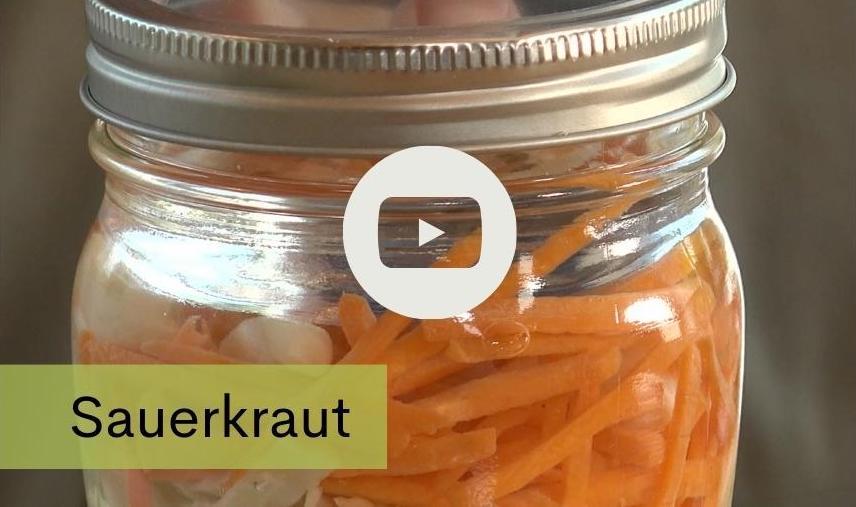
When it comes to making foods that support your overall wellness, go with your gut! Lacto-fermented foods like sauerkraut and kimchi are loaded with gut-friendly bacteria to support good digestion and the immune system. Choose from a wide variety of available products out there - or make your own with Chef Hans! This can be a fun way to preserve some of the bounty of those veggies you may have on hand.

DOWNLOAD RECIPES
WATCH THE EPISODE

Research Roundup

Researchers across the globe are making new discoveries in understanding gastric cancer:


A research team in China correlated high levels of a protein called SMC1A with poor overall survival in gastric cancer, concluding that the protein contributes to gastric cancer cell proliferation, migration and invasiveness.


A phase 3 trial published in the journal Gastric Cancer concluded that S-1 plus docetaxel is superior to S-1 alone in stage 3 gastric cancer patients post-surgery.


Researchers have identified a potential mechanistic link between H. Pylori and gastric cancer, deepening our understanding of how this infection may contribute to development of the disease.

Quick Links to Resources
JOIN THE REGISTRY
FIND CLINICAL TRIALS
OUR ONLINE COMMUNITY
Special Thanks to Our
National Sustaining Sponsors
Spread the word. Share the Gastric Cancer Foundation Newsletter.
X Share This Email
LinkedIn Share This Email
DONATE