Based on feedback from a cross-section of stakeholders, a people-driven and sequential Global African Diaspora Agenda, from Washington, DC 2016 to Dar res Salaam, Tanzania 2017, is updated. With the benefits of instant information communication technology, geography is not a barrier. Skype meetings and Teleconferences facilitate exchange ideas and participation.
Saturday October 29, 2016: 10:00am to 3:00pm
DIASPORA LEADERS' STRATEGIC FORUM:
Organizations with no representatives in the US can Skype in with presentations.
Venue: University of the District of Columbia, Washington, DC
NEEDS ASSESSMENT:
Leading change and generating opportunities depend, to significant extents, on creating and channeling the collective capacity of change makers in timely, precise, and relevant manners to overcome barriers and achieve tangible, sustainable solution. It requires functional organizations collaborating on common goals.
PURPOSE:
The purpose of the Diaspora Leaders' Forum is to convene an assembly of hands-on and functional organizations that are currently contributing to developments in Africa or addressing a cause, business leaders with interests in African markets; and Pan African institutions with a specific focus for cooperation to develop a concise and coherent agenda for the African Diaspora Stakeholder Convention on December 2016.
The agenda will consider follow-up on the AU ECOSOCC Global African Stakeholder Diaspora Convention and sensitization of the Global African Diaspora Summit in Dar es Salaam, Tanzania on May 24-27, 2017, working relationship with AU organs and Member State Diaspora Offices. The process is designed to support the identification of a model coalition of functional organizations and documentation of expertise.
WHO SHOULD ATTEND:
Organizational leaders, professionals and business owners are the primary target population. Organizations without representatives in the US may make their presentations through Skype.
WHAT TO BRING or SUBMIT
A two page double-side information about the organization and business with accomplishments or market. An an email version that should be submitted.
FORMAT: There would be two plenary discussions on Organizational Collaboration for Collateral Leverage and concurrent round-table discussions on Diaspora Policies; Academic Exchange; Women and the Girl Child; Youths and Inter-generational Dialogue; Arts and Creative Industries.
REGISTRATION: $100 per organization. What is the purpose for the fee? The fee will cover the development of the profiles of functional Diaspora organizations and accomplishments in a "One Stop Portal" and links to their websites, if available. This will facilitate the identification of the array of organizational expertise available for consultations, people-to-people, and public-private partnerships.
Learn more on why this is important and to register:
REGISTRATION
Gown and Town
Research. Application. Leadership. Academic Exchange
Discourse and Resource
This Round-table fosters collaborative relationship between the community (town) and the educational institutions - college or university (gown) in order to contribute to the overall quality of life in society. This is a free registration and Round-table Discussions moderated by Dr. Samuel Doku.
|
|
Evening Schedule: 7:30pm to 11:30pm
Living Legacy Dinner and African Traditions
The Cultural Soirée is chaired by His Majesty King Joseph Du Bois. It honors the legendary of pioneers who continue to influence the narrative on Africa's development and her place in the World.
|
DECEMBER 2-3, 2016
Washington, DC Metropolitan Area
SMART African Diaspora Stakeholder Convention.
Concept Paper will result from the Outcomes of the Africa Diaspora Leaders' Forum on October 29, 2016.
Outcomes from Convention 2016 will contribute to the contents, outreach and sensitization of the Global African Diaspora Summit 2017 in Dar es Salaam, Tanzania.
|
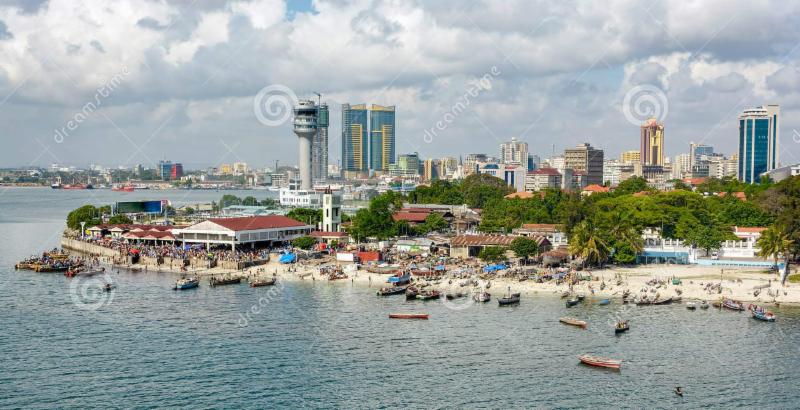
Come with the Substance and Enjoy the Splendor of Dar es Salaam, 'Haven of Peace', the largest city and capital of Tanzania and an economic hub in East Africa.
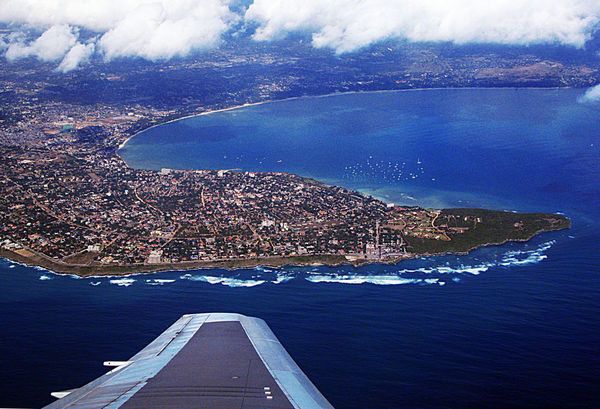
Sitting in the tranquil bay off the Indian Ocean coast, the modernity blends with ancient charms. The city's melting pot flavor with Arabic, Asian and European variety projects the world in miniature as you experience the authentic warmth, tolerance, and hospitality of people of Dar es Salaam.
One more thing. There is no visa requirement for East Africans living on the Continent and in the Diaspora. Being also a Member of SADC, some nationals from SADC countries need no visa. Well, in 2018, visa for AU Member State citizens living in Africa and in the Diaspora will be a thing of the past.
Get the pictorial narrative of Dar es Salaam at the end of the e-Newsetter.
|
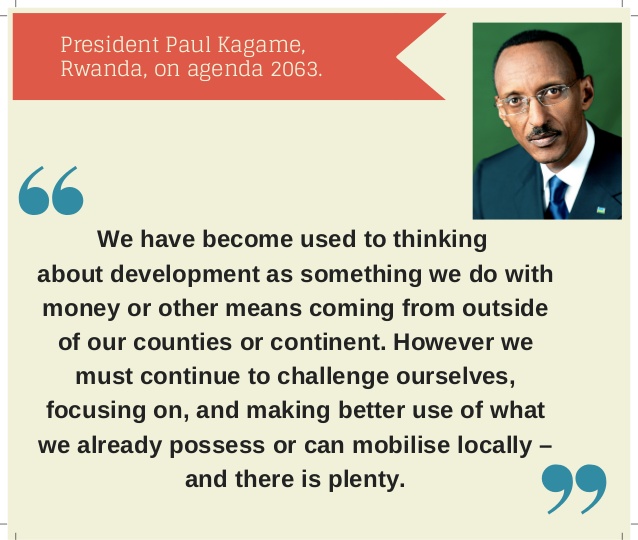
PRESIDENT PAUL KAGAME,
GUEST OF HONOR, RWANDA DAY.
September 24, 2016 in San Francisco, USA
"Rwandan culture is the glue that holds us together." -Kagame
Thousands of Rwandans from across the United States, Canada, Europe, and Rwanda assembled in Francisco, USA, the host city of the 2016 Rwanda Day. President Kagame was the guest of honor. The program was organized under the theme of celebrating the richness of the Rwandan culture. President Kagame highlighted the significance of culture to any society, which he said glues together people as they work for their common good.
Enjoy the richness, Click on:
Pictorials and Narration of the Program
Read Program.
Members of Sustainable Development Goals (SDGs) Center for Africa Board present at the meeting included President Patrice Talon of Benin, President Filipe Nyusi of Mozambique, President Alpha Conde of Guinea Conakry, Jeffrey Sachs and business leader Aliko Dangote, co-chair of the board.
On Tuesday September 19, 2016, at the margins of the UN General Assembly in New York, President Kagame chaired the 3rd board meeting for the SDG Center for Africa. The center is currently established in Kigali aims to support the achievement of the SDGs in all parts of Africa. The SDGs are embedded in Agenda 2063, both are mutually coherent. Agenda 2063 is more enhanced because it has specific goals.
READ MORE
In his opening remarks, President Kagame called on Heads of State and board members to recommit their support towards the SDG Center for Africa, emphasizing the need to put at the forefront the continent's common development goals:
"The Global Goals add value to our respective national development plans, and Africa's efforts to foster inclusive growth and prosperity. We are keen to work closely with all of you, to mobilise the support, commitment and enthusiasm needed, for Africa to maximise the benefits of this important agreement."
President Kagame also took note of the pivotal role all AU Member States' citizens and private sector must play in spearheading the success of the Center and its ambitious development goals:
"Citizen ownership and involvement, gender equality, increased collaboration with the private sector, and technology, particularly Internet broadband, are key to accelerating progress." But we have a lot to share, about what works in improving the lives of our citizens. We also want to learn from innovations and successes in other sectors, and other parts of the world."
|
"MEET THE PRESIDENT"
Zambian President Edgar Lungu interfaced with Zambian Living in the Diaspora
September 18, 2016, New York, USA
The Presidential couple began the day began by attending a church service.
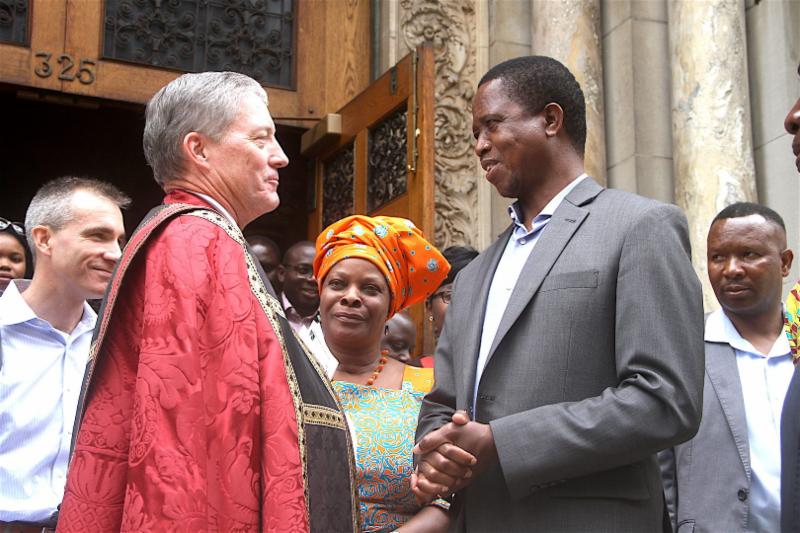
President Lungu and First Lady Esther Lungu with St Bartholomew Interim Rector Rev. Dr Robert Dannals during service at St Bartholomew Anglican Church.
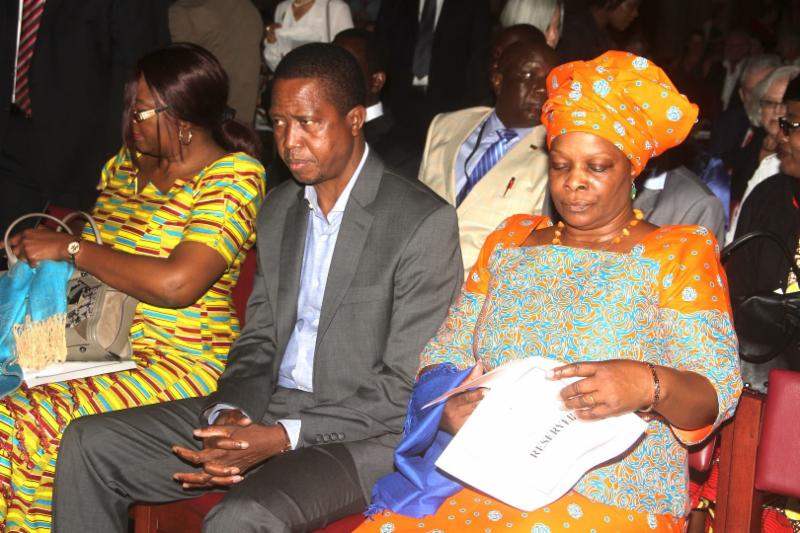
"Meet the President" Dinner Program
Contemporary Africa Diaspora is a hotbed where members demonstrate their partisan stripes proportionate to the political brouhaha and heated rhetoric in homeland. Zambian Diaspora was no different in the fiercely contested Presidential polls on August 11, 2016. The narrow victory was challenged in court. President Lungu got a full term lease to the Presidency when his re-election was upheld by the court. He was sworn in on September 13, 2016.
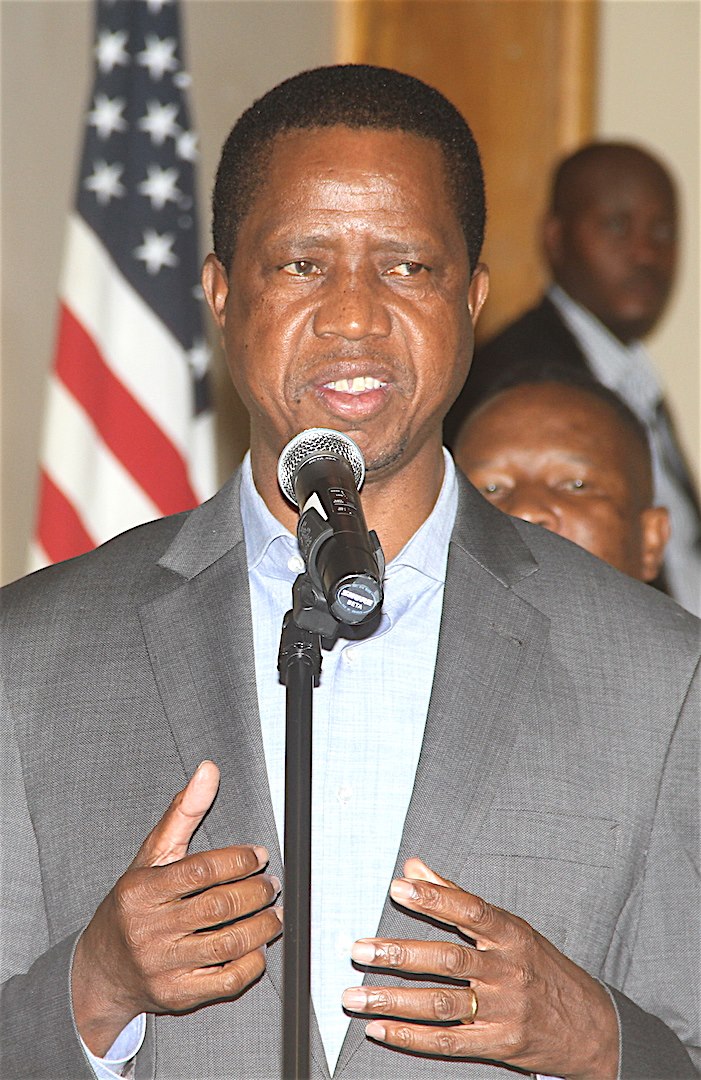
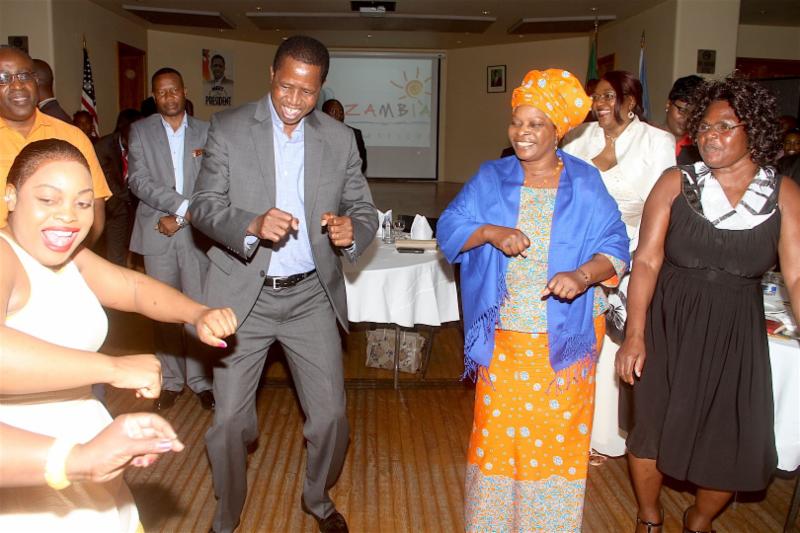
On September 18, 2016, on the sidelines of the UN General Assembly, President Lungu embraced all Zambians in a meeting with Zambians living in the Diaspora. The Meet the President program was hosted in his honor by the Zambian community in the US. In his address, President Lungu decried tribalism and regionalism in politics, noting that both are cancer that exist only among political players seeking political office. He cautioned Zambians against entertaining leaders who divide the country for personal gains.
He further argued that tribalism and regionalism as vices only promoted by some (few) politicians during campaigns but that will end when people become united regardless of where they come from. He explained that such tribalism does not exist even among political leaders, in social gatherings, for examples, football matches, drinking places, marriages and other spheres of life.
"Lets remain as united Zambians, you have seen how other countries have been without unity. For those who want to be here for good, I have made it for you through the provision of a clause in the constitution to enable your dual citizenship," he added. The President urged interested citizens to follow up the matter with the Ministry of Home affairs. The Zambian government granted dual citizenship in January 2016.
Like other AU Member States' leaders do, he cautioned Zambian nationals living in the Diaspora to be disciplined and follow the laws of the host countries.
President Lungu Zambians living in the diaspora to channel their concerns and their grievances through the Ministry of Foreign affairs and other relevant government institutions in order to address the issues. He assured stakeholders that his government will treat all Zambian nationals equally regardless of their base and pledged his government's commitment in including Zambians living in the Diaspora in national development.
As he was speaking, attendees began embracing each other with cries of "One Zambia, One Nation."
The crowd requested for a song and invited the president to the dance floor. When the song "Dununa Reverse" was played, the crowd went wild. It was a moment of contagious excitement.
Zambians in Diaspora Community Chairperson representative, Dr. Cynthia Chirwa, told President Lungu that Zambians in the Diaspora have embraced the One Zambia One Nation motto and want peace, unity and development to flourish in Zambia. She thanked the president for supporting the dual citizenship clause in the constitution because it will help Zambians living abroad to participate fully in the national affairs of the country.
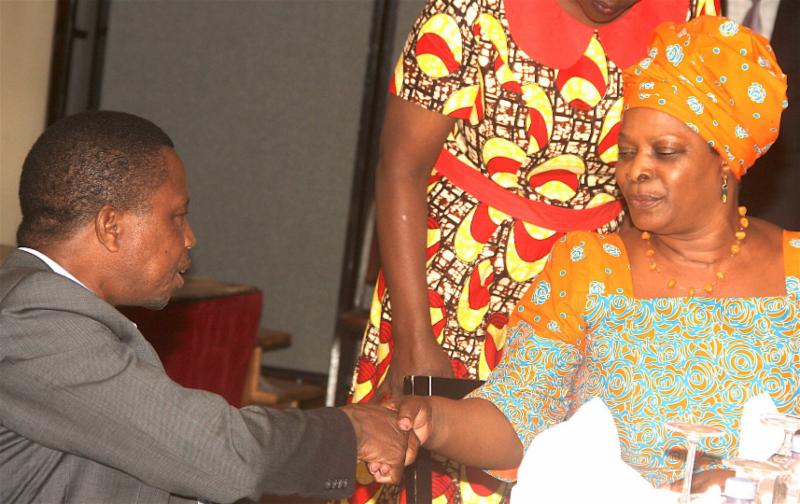
The President congratulated the First Lady after her speech.
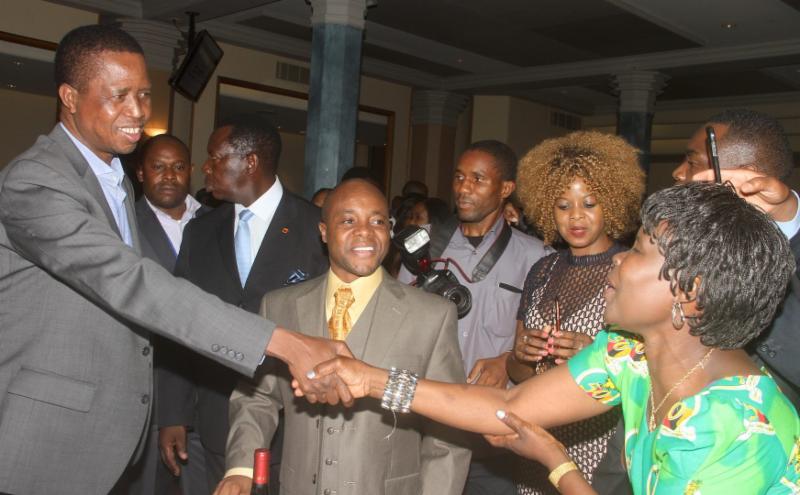
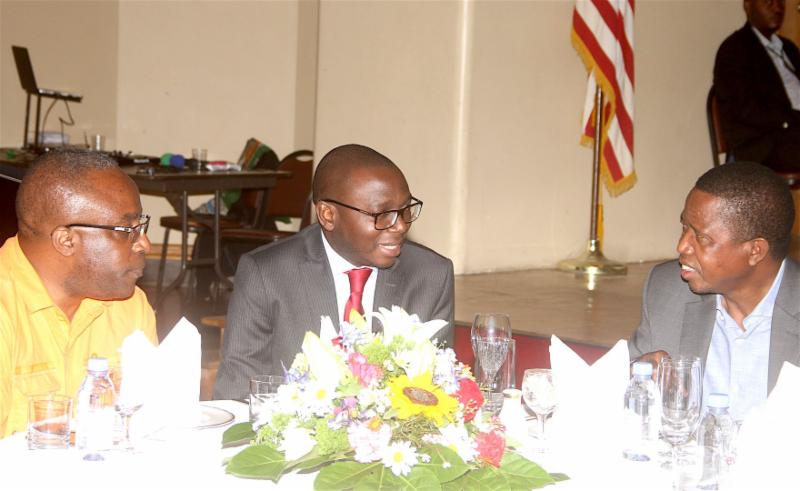
President Lungu talks to Foreign Affairs Permanent Secretary Chalwe Lombe (C) and Acting Zambia's Ambassador to the USA Joseph Chilaizya.
In her congratulatory address to President Lungu on his re-election, the Permanent Representative of Zambian Mission to the United Nations, Dr. Mwaba Kasese Bota, noted that democracy is a game of numbers. Accordingly, Lungu scored the majority and retained the presidency. He won by at least 100,000 votes. Dr. Bota said her office maintains a good working relationship with members in the Diaspora who are also keen to work with the government to foster national development.
|
Tanzanian Government Assures Tanzanian Diaspora of Government Support at the Third Diaspora Conference in Zanzibar, Tanzania on August 24-25, 2016.
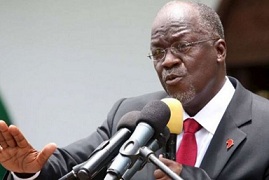
Tanzanian President John Magufuli
|
|
| Tanzanian Diaspora Conference in Zanzibar in 2016 |
Karibu Zanzibar!
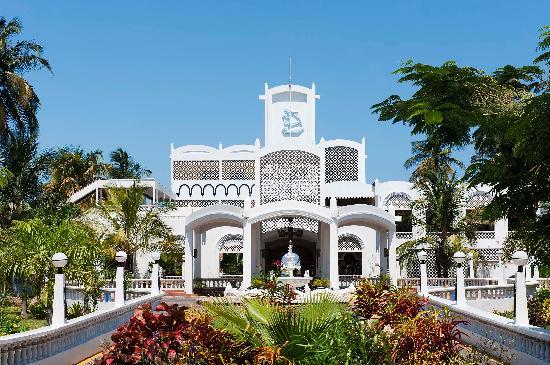
The Third Tanzania Diaspora Conference was held at the Zanzibar Beach Resort on August 24-25, 2016. It was co-organized by the Ministry of Foreign Affairs and East Africa Cooperation and the Zanzibar President's Office under the theme: "Bridging Tanzania Tourism and Investment: A New Outlook."
The second conference was held under the theme "Creating Linkages between the Diaspora and Local SMEs in Tanzania. The first conference was organized under theme Connect, Engage, Inform and Invest.
President John Magufuli indicated that his government remains committed to working with the country's Diaspora in making the country's development agenda successful. He said the government has been taking different measures, including improvement of the infrastructure aiming at creating an enabling environment that will allow members of the Diaspora to invest in national development.
The Minister of State in-charge of Union Affairs and Environment, Mr January Makamba, in a statement read on behalf of the President acknowledged the role of Tanzanian Diaspora.
"We recognise your role in social and economic development, but urge you to do more for the country. We still have many opportunities for investment alongside supporting your individual families at home."
"You have been doing a lot sending remittances to your home to support in education, health, business and other social needs, but we need to have 'Diaspora policy', and these remittances be structured." The President indicated that remittances contribute significantly to economical development, "but we have to move beyond by using the Diasporas' skills, knowledge and expertise to positively contribute to the growth of our economy."
He reiterated the government's call for close relations with the Diaspora, citing the example of the annual conferences as some of measures taken to encourage Diaspora engagement in the country's economic growth.
President Magufuli assured the conference that both the Union and Zanzibar governments would address challenges facing the Tanzania Diaspora, saying "Diaspora diplomacy is now one of the crucial areas to focus on should the country need to speed up its development" and indicated that a Diaspora policy is in the offing.''
Underscoring the importance of security and political stability in attracting investment from the Diaspora and other international investors, the President affirmed that the country is stable, President Magafuli urged them (Tanzania Diaspora) to avoid getting involved in criminals' acts abroad.
Prior to Dr Magufuli's speech, the Minister for Foreign Affairs and East African Cooperation, Dr Augustine Mahiga, urged Tanzanian Diaspora to fully understand that terrorism, drug and human trafficking were real global threats.
Dr. Mahiga's call applies to the Continental Africans. With a reputation for being the most educated population in countries outside Africa, especially in the entire Europe and USA, and hard working, these positive attributes should not be countered by negative activities in the Diaspora.
|
|
President Jakaya Kikwete Opens Diaspora Conference in Canda in 2012
|
|
| Former President Kikwete speaks in Swahili at Tanzania Diaspora Meeting in UK in 2014 |
|
|
Somali Government Reaches Out to the Diaspora.
The President Sees Diaspora Driving Growth.
|
|
|
Somali President Hassan Sheikh Mohamud
|
By Abdirahman Yabarow
Somali President Hassan Sheikh Mohamud says he wants more young Somalis living in the Diaspora to return and help rebuild the country.
He spoke one-on-one with VOA Somali chief Abdirahman Yabarow in Mogadishu early this month after taking questions from Somalis in a VOA-sponsored town-hall meeting
Saturday September 3, 2016. The program was the first of its kind to connect Mogadishu, the capital of Somalia, with St. Paul, Minnesota - home to the largest Somali community in the United States.
The president said the Somali diaspora is responsible for many of the new businesses that have taken root in the Somali capital since al-Shabab lost its hold on the city in 2011.
"Today in Mogadishu, the best hotels, the best supermarkets, the best other services that are run here are all, or most of them, run by young people from the diaspora," he said. "And to encourage them to come back, we have outsourced some government services to those professionals and their small companies to do. And they're doing a very good job in providing these government services to the public."
In August-September 2015, the Somali government included consultations with Somali Diaspora in addressing the Draft Citizenship Bill.
The aim was to explain, al listen to all segments of the citizenry, which includes Somali Diaspora, to listen all gather perspectives on who shall be considered a citizen of Somalia Republic, the ways of acquiring Somali citizenship, meaning of dual citizenship, rights of the citizens as well as obligations and responsibilities of the citizens, and how citizenship can be lost. This gives Somali communities in diaspora the opportunity to participate in the drafting of a citizenship law that would, in turn, encourage them to have more vested stakes in national development.
|
Zimbabwe's Diaspora Remittances Reach $1bn
Diaspora remittances to Zimbabwe reached $1-billion, approximately the same amount being generated in the informal system, the Reserve Bank of Zimbabwe (RBZ) said on Wednesday, September, 2016.
RBZ director of exchange control, Morris Mpofu, said the government was putting in place measures to ensure all remittances were done through the formal system.
"Given the importance of remittances to the country, the Reserve Bank of Zimbabwe in close collaboration with the Ministry of Finance and Economic Development, and the Ministry of Macroeconomic Planning and Investment Promotion will continuously review policies that govern the remittance industry with a view of promoting sustainability of the remittance sector," he said.
Remittances, he said, were a stable and significant source of financing for developing countries and overshadowed external development assistance, private debt and portfolio equity.
"Remittances provide much-needed foreign exchange and alleviate liquidity challenges, especially in Africa and mitigate social vulnerabilities as they have the propensity to increase flow to countries facing economic hardships," he said. Mpofu said the RBZ would provide `the necessary oversight support to ensure the product complied with the country's exchange regulations.
Zimbabwe's leading mobile operator, Econet, has partnered with South Africa's Mukuru Money Transfer (Mukuru) in a move aimed at increasing cross-border remittances.
Econet chief executive Douglas Mboweni said the partnership between Mukuru, a key player in the South African remittances space, and EcoCash, which has the largest last-mile distribution footprint in Zimbabwe, marks an important milestone which will bring significant benefits not only to companies and customers, but also to the economy.
|
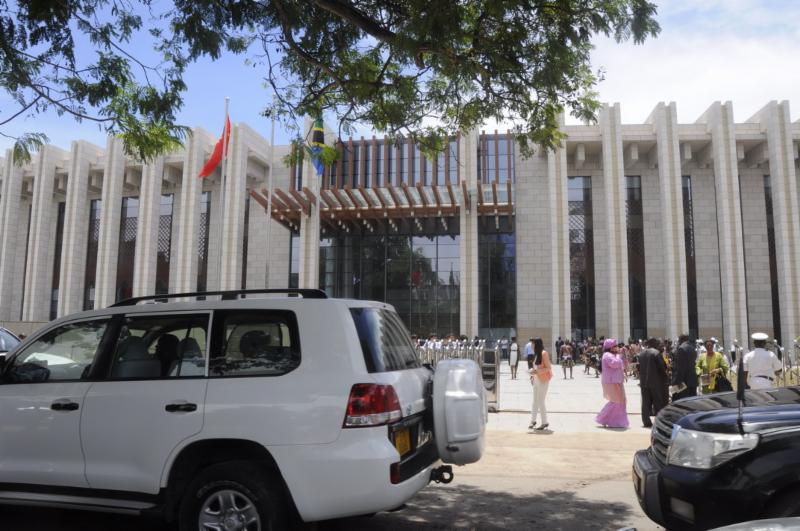
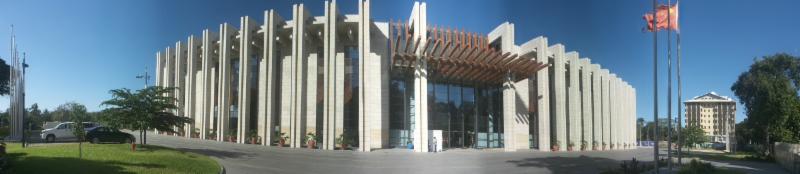
Julius Nyerere International Conference Center (JNICC) is named for the first president of Tanzania
, the late Mwalimu Julius Kambarage Nyerere.
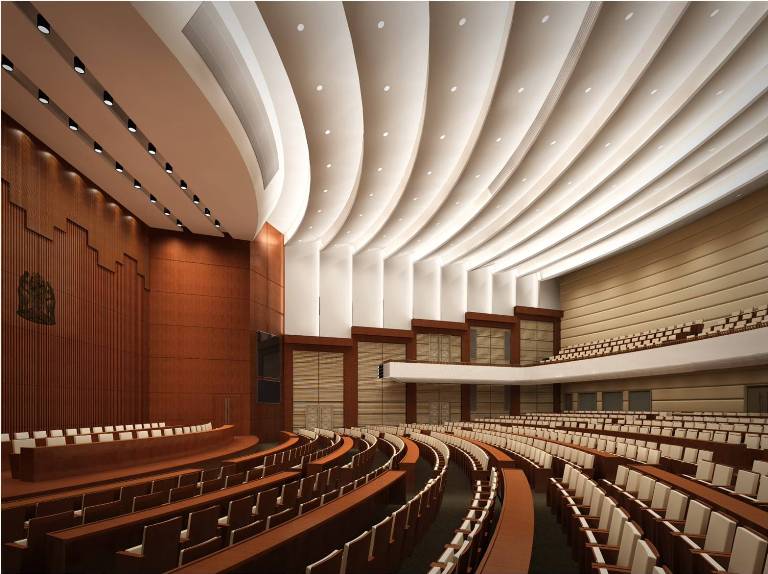
JNICC is a branch of the Arusha International Conference Center. It can accommodate up to 1003 delegates and has 12 conference rooms.Make a Virtual Visit
Dar es Salaam.
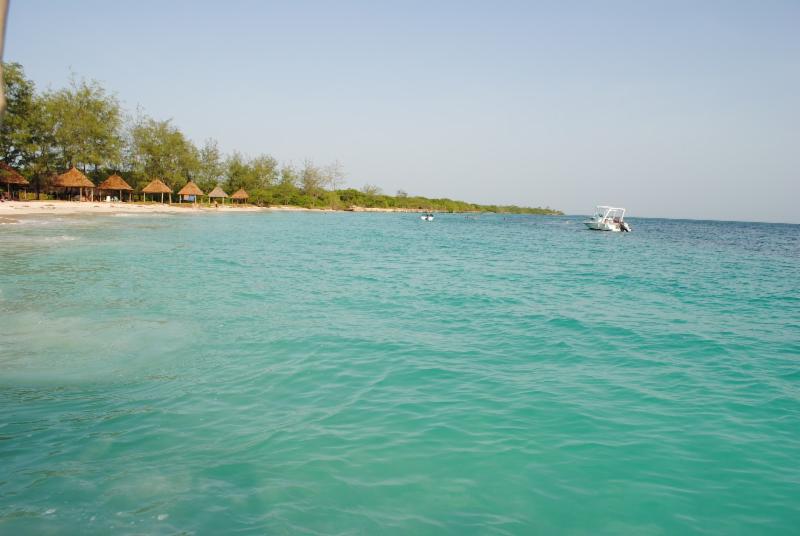
Mbudya Islands
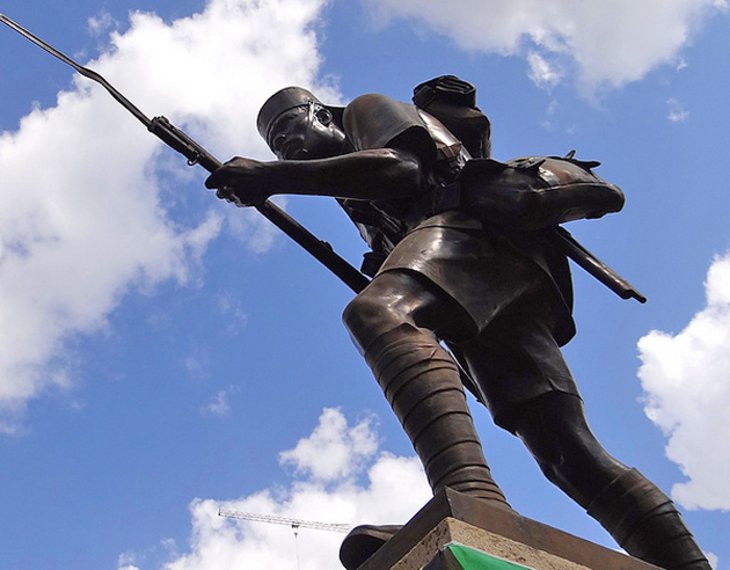
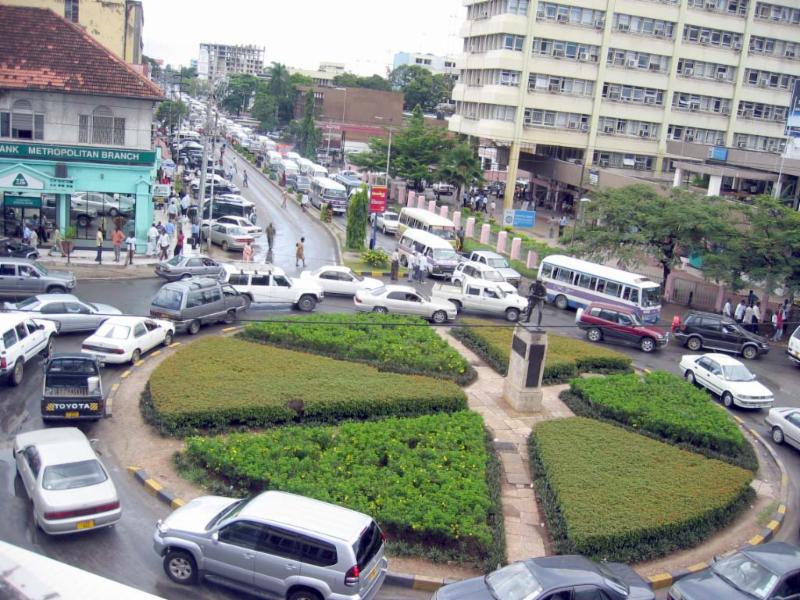
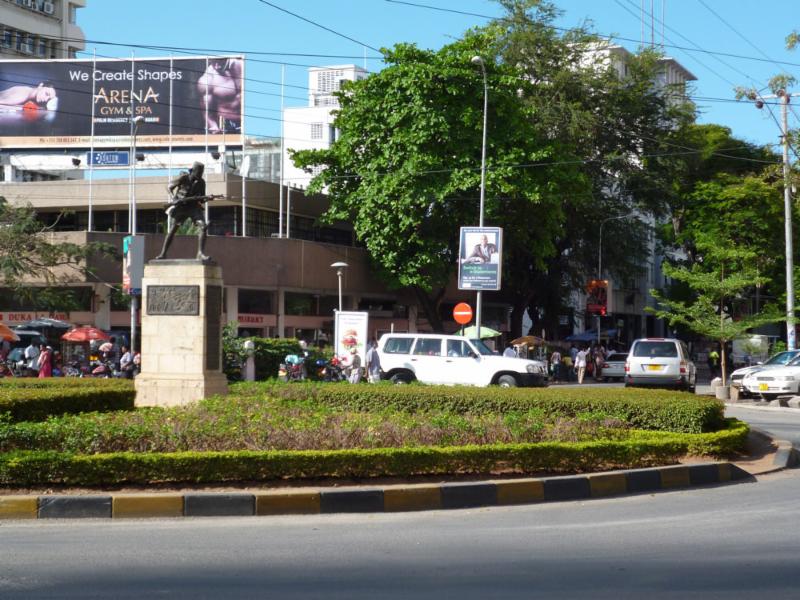
Cast in bronze, the Askari Monument depicts an Askari (soldier) in a World War I uniform, the bayonet of his rifle pointing towards the nearby harbor. The monument commemorates the African troops who fought as the Carrier Corps in World War I.
Msasani Peninsula
Both the geograpgical ward war the peninsula are named after the Msasani village, which used to be the only settlement in the area. The intense urbanization of the area in recent times notwithstanding, it is still essentially a
Swahili
fishermen's village.
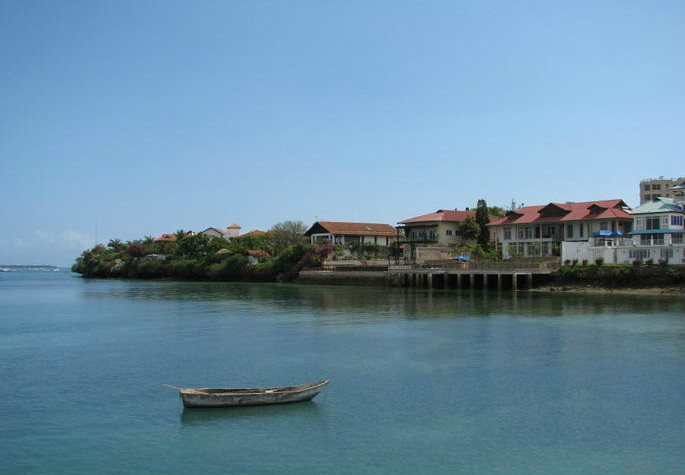
Bongoyo Island, a much-loved island getaway, lies off Msasani Peninsula, about four miles north of the city. On the northwest tip of the island, day-trippers can relax under the shade of thatched umbrellas on the white-sand beach or cool off in the clear waters. Angelfish, starfish, clownfish, and sea urchins, are just some of the marine species snorkelers might spot among the coral. Behind the beach, nature trails wind between baobab trees to the island's opposite shore. The open-air snack bar serves cold drinks and fresh barbecued seafood. Bongoyo is perhaps the most frequently visited of the four islands in the Dar es Salaam Marine Reserve.
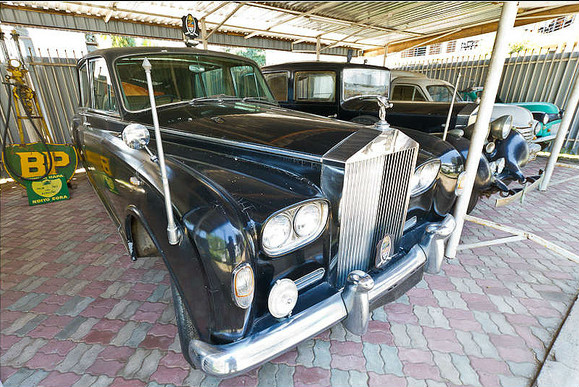
The National Museum provides a good understanding of the Tanzania's history and culture. The highlights of the collection are the famous fossils from Olduvai Gorge, but other exhibits detail the German and British colonial periods, the Kilwa Shirazi civilization and the Zanzibar slave trade. Vintage car lovers will be taken by the special collection of antique autos in the plaza that connects the two main buildings. On display are the British colonial government's Rolls Royce and the Mercedes Benz driven by Julius Nyerere. The back building contains a small collection of antique wooden bicycles.
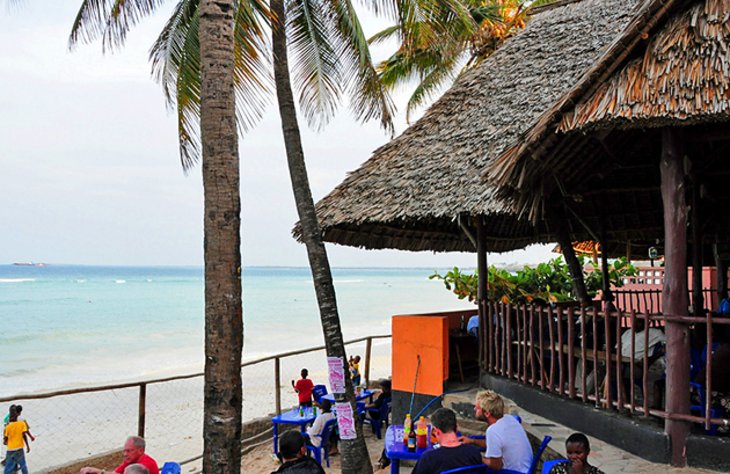
Also known as Coco Beach, this affluent expatriate enclave, about four miles north of the city on the Msasani Peninsula, is a popular weekend social spot. Locals and tourists alike come here to stroll the beach, savor street food, and listen to live music. The Tanzanian Tingatinga Art Gallery in Oyster Bay is also worth a visit
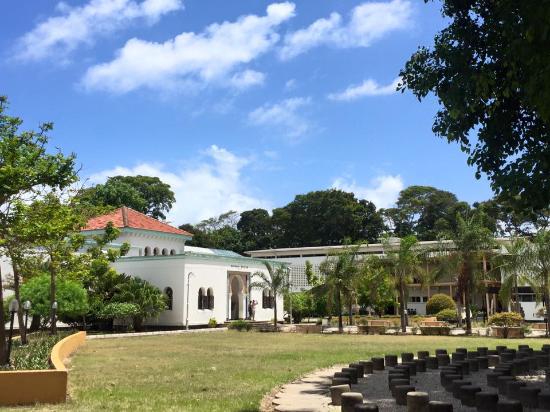
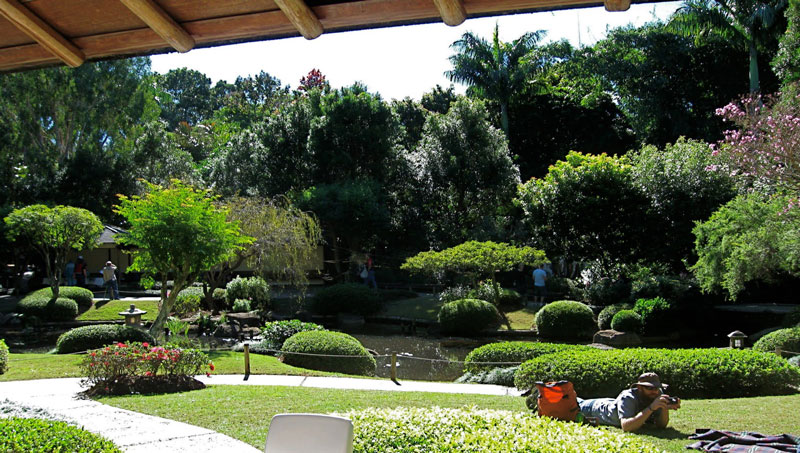
The National Botanical Gardens date back to the German colonial era and, although small, contain a stunning collection of native flora.
One of the best ways to experience the city is simply to spend an afternoon strolling. The Kivukoni Front is one of the most lovely places to soak in the spirit of Dar es Salaam. The waterfront area is lined with colonial government buildings, and colorful street-side vendors sell delicious treats like maize porridge, chapati bread, fried plantains and mandazi, a fluffy bread roll often coated with cinnamon sugar.
The overgrown Kunduchi ruins are also worth a visit. Visitors can explore the remains of a late 15th-century mosque and walk between Arabic graves dating from the 18th century. Guides can be hired from the city center, and they are recommended because most of the ruins are unmarked.
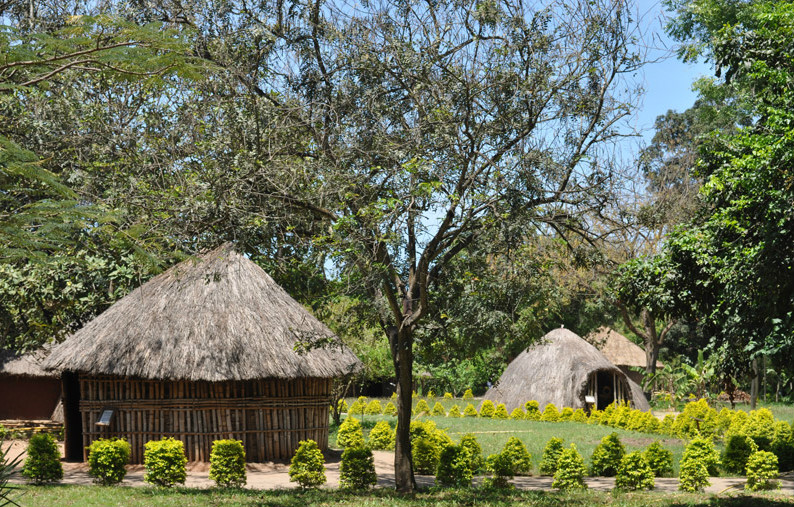
The open-air Village Museum is another must-see. The centerpiece of the sprawling museum is a collection of authentic dwellings that offer visitors a glimpse into traditional life around the country. Each weekend, drummers and dancers put on an electrifying show, and afternoon special programs showcase the unique dance traditions of individual tribes.
Other sights worth exploring in Dar es Salaam include the colonial Forodhani Hotel Training Institute Building, the domed Ocean Road Hospital, the stately Karimjee Hall, the White Fathers' Mission House, the imposing State House and the Askari Monument to the African soldiers killed during the Second World War.
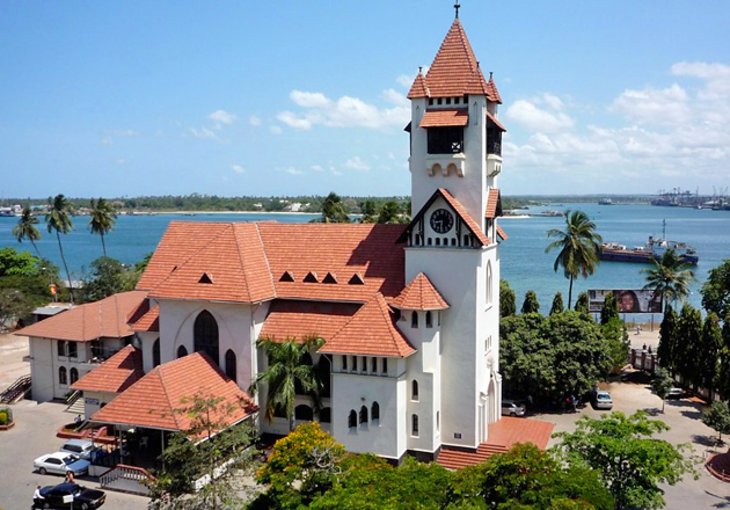
German missionaries built Azania Front Lutheran Church in 1898. The red-tile belfry rises above the surrounding rooftops, and the whitewashed building is still an iconic landmark in Dar es Salaam. Tiled canopies over the windows provide shade and the gardens are a welcome retreat for weary tourists. At one time Azania was the center of the original nineteenth century German mission; it is now the cathedral for the diocese.
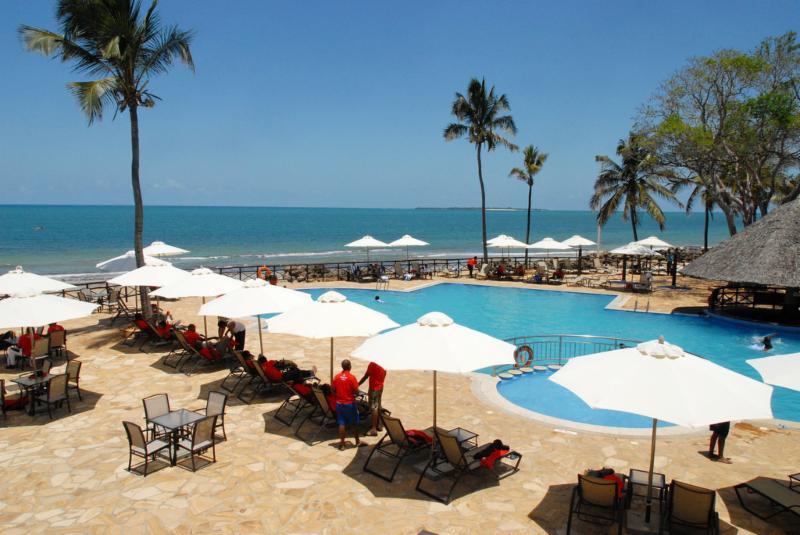
Kunduchi Hotel
Look forward to more from Dar es Salaam
|
 |
|



![Gabon's Constitutional Court declared Bongo winner of the election [Gerauds Wilfried Obangome/Reuters]](http://www.aljazeera.com/mritems/imagecache/mbdxxlarge/mritems/Images/2016/9/23/4171a23dc30f466ba37b62e37d7684a9_18.jpg)