|
Staying socially active is essential for seniors' well-being. Social connections help maintain mental sharpness, emotional stability, and a sense of purpose. In-home care services play a vital role in supporting seniors to stay engaged with the world around them.
In-home care services provide personalized assistance that allows older adults to remain in their homes while receiving the support they need. Caregivers offer companionship, help with daily tasks, and encourage participation in activities that foster social interaction.
This article explores creative ways in-home care services can enrich senior social lives. By understanding the impact of loneliness and offering practical solutions, families can ensure their loved ones enjoy a fulfilling and connected life.
Understanding the Impact of Loneliness on Seniors' Well-being
Loneliness can have a serious negative effect on the mental health of seniors. When older adults experience long periods of isolation, it can result in:
- An increased risk of depression and anxiety
- Higher levels of stress and blood pressure
- A weakened immune system
Social interaction is crucial for maintaining cognitive function in seniors. By engaging with others, older adults can:
- Stimulate their memory and keep their minds sharp
- Develop a sense of purpose and belonging
- Lower the chances of experiencing cognitive decline
Understanding these effects emphasizes the importance of ensuring that seniors remain socially connected for their overall well-being.
How In-Home Care Services Facilitate Social Engagement Among Seniors
In-home care services offer more than just physical assistance. They provide direct companionship and assist in fostering social connections among seniors. Caregivers become trusted friends who engage with older adults, helping them stay connected with the world around them.
Caregivers often plan customized companionship activities tailored to the individual interests of each senior. These activities might include:
Reading together: Sharing favorite books or newspapers to spark conversation.
Music sessions: Listening to beloved songs or playing musical instruments.
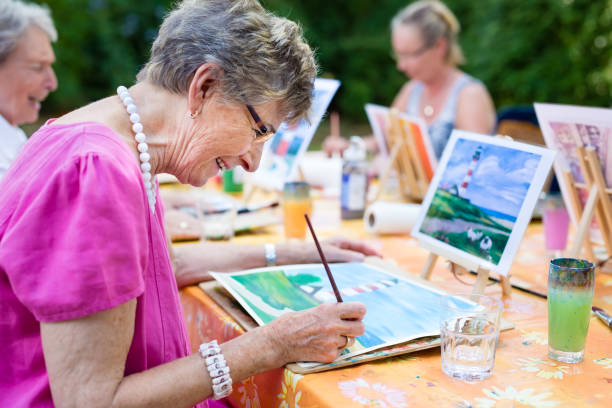
Craft projects: Engaging in creative endeavors like knitting, painting, or scrapbooking.
By focusing on personalized activities, caregivers encourage seniors to pursue their passions while interacting with others. This not only enhances their emotional well-being but also helps maintain cognitive function.
Caregivers also help seniors connect with peers through group activities such as:
Group puzzles: Working on jigsaw puzzles together fosters teamwork and communication.
Card games: Playing games like bridge or rummy provides both mental stimulation and social interaction.
These creative ways that in-home care services engage seniors can significantly improve their quality of life.
Engaging Seniors in Meaningful Hobbies and Games That Foster Interaction with Others
Identifying enjoyable hobbies and games can significantly enhance the social lives of seniors. Activities like group puzzles or card games encourage interaction and help build connections. These activities are not only fun but also offer cognitive benefits, keeping minds sharp and spirits high.
Here are some popular hobbies and games that promote socialization among older adults:
Group Puzzles: Working together on a large puzzle fosters teamwork and communication.
Card Games: Classics like bridge, rummy, or even simple games like Go Fish can be both entertaining and mentally stimulating.
Board Games: Games such as Scrabble, Monopoly, or chess encourage strategy and conversation.
Arts and Crafts: Group crafting sessions allow seniors to express creativity while engaging with others.
Caregivers play an important role in facilitating these activities. They can:
- Organize game nights or puzzle sessions during their visits.
- Encourage participation by joining in the activities themselves.
- Tailor activities to match the interests of the seniors they care for, making each session enjoyable and personalized.
By incorporating these hobbies and games into daily routines, caregivers help enrich the social lives of seniors, enhancing their overall well-being.
|