|
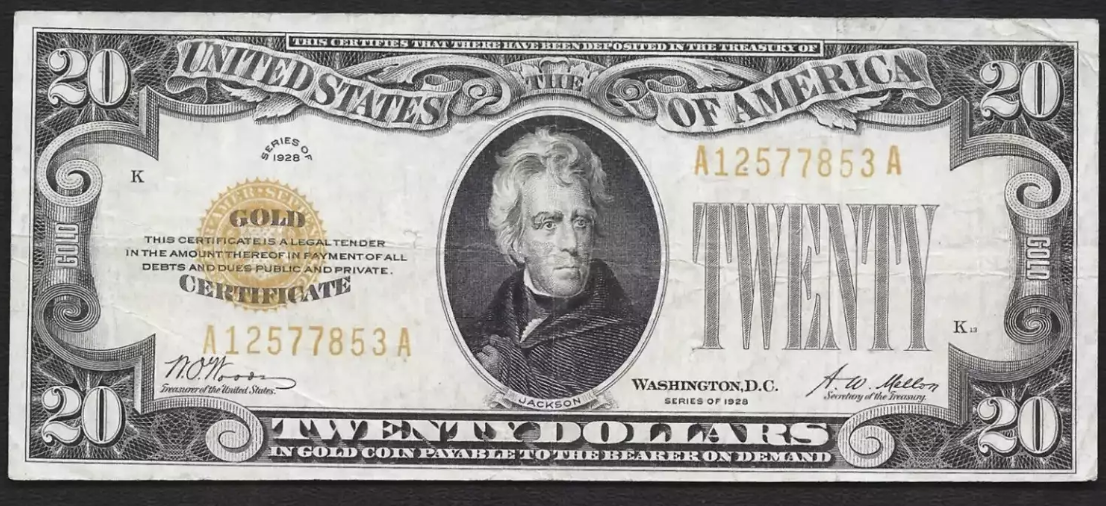
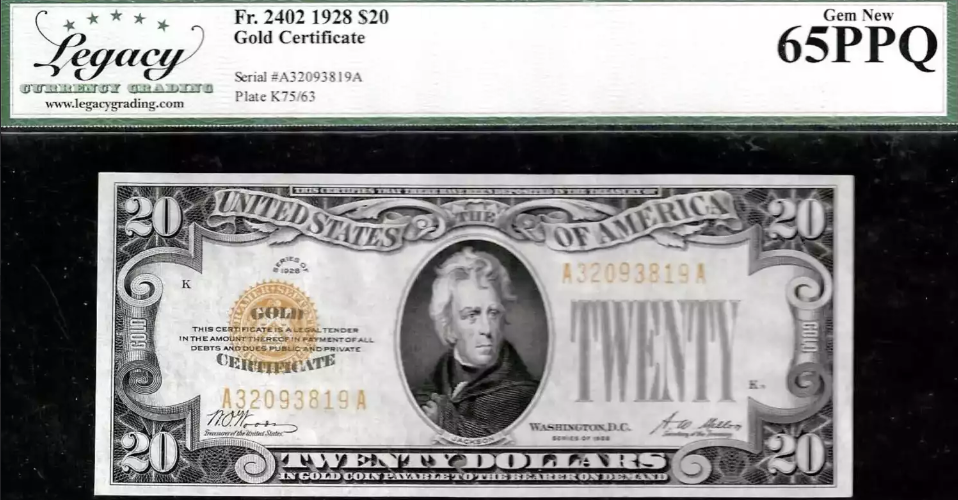
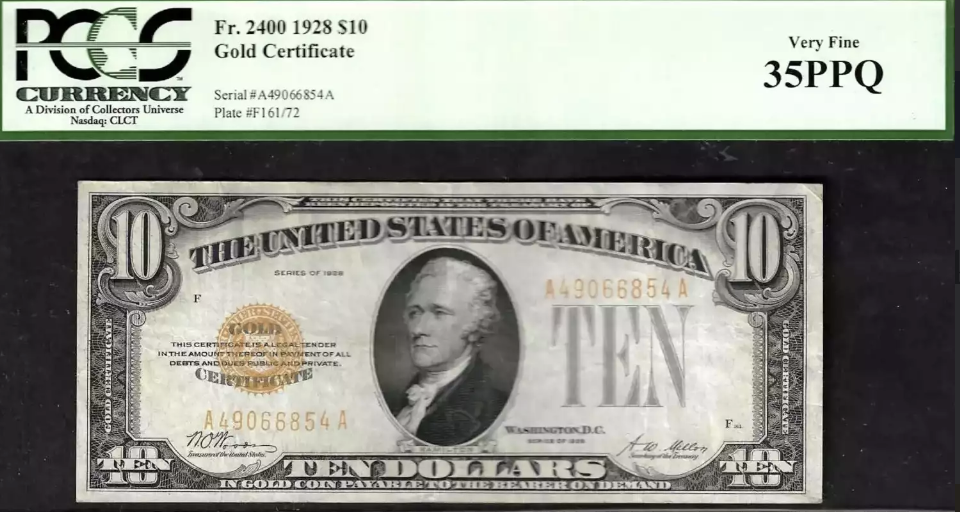
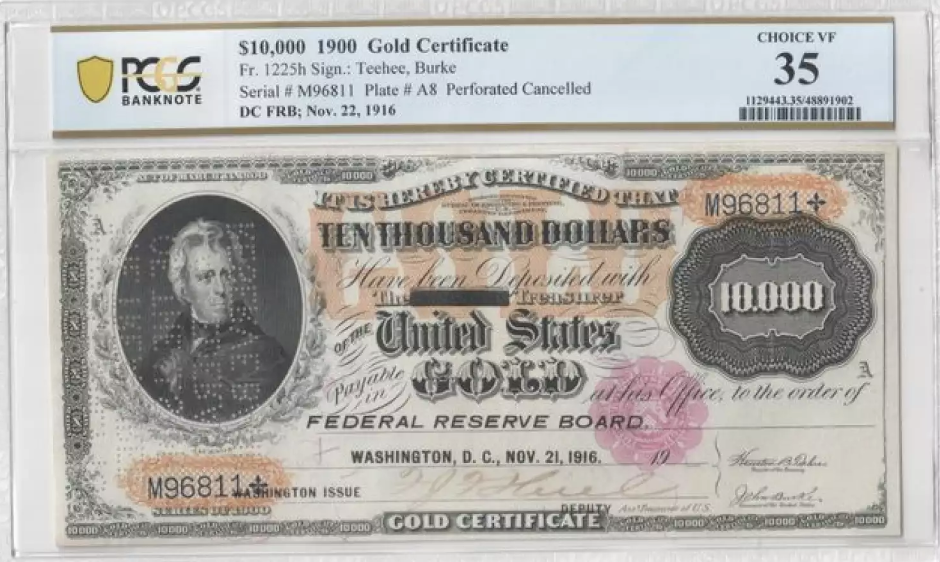
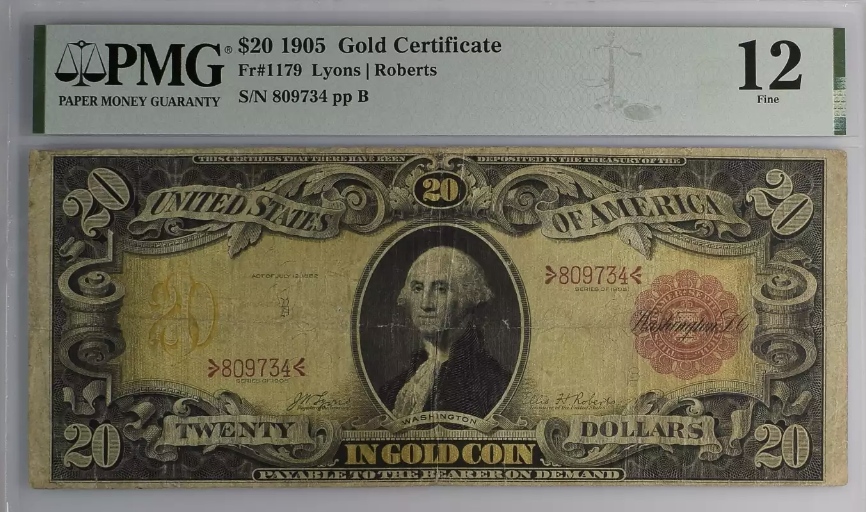
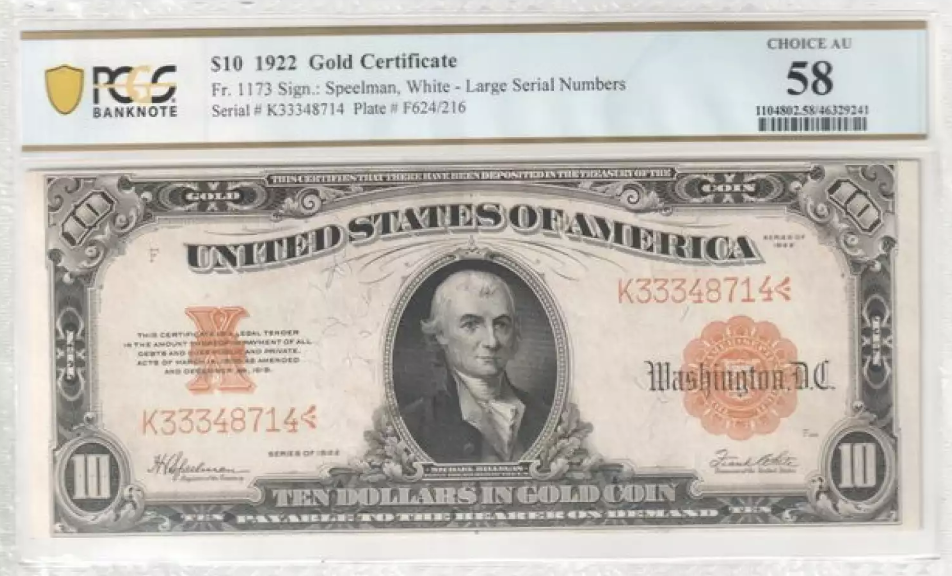
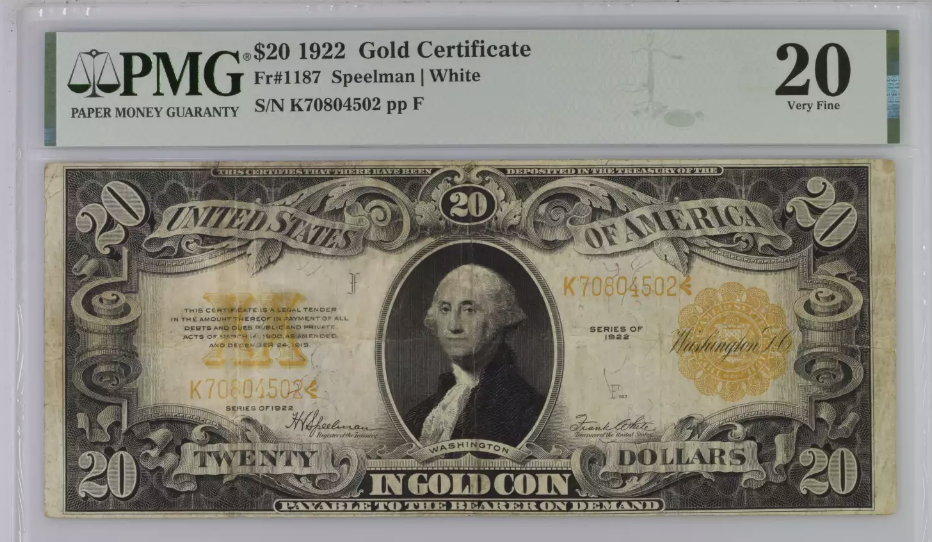
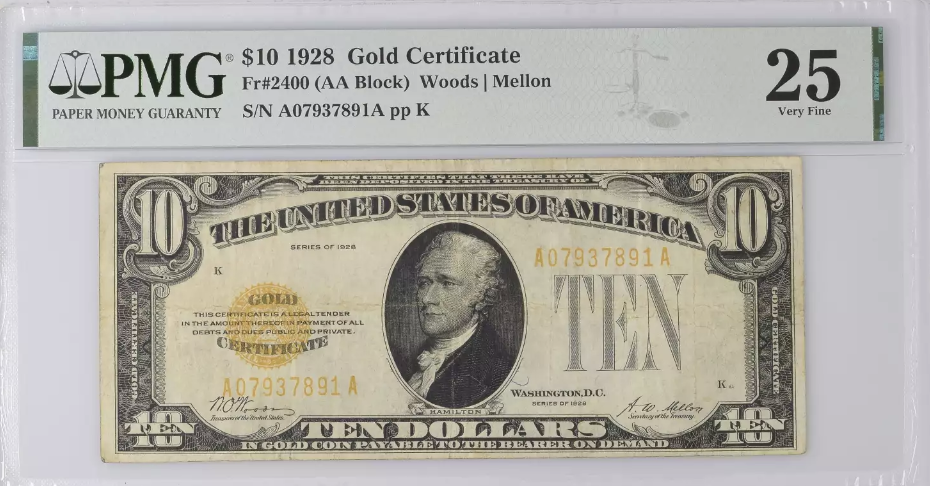
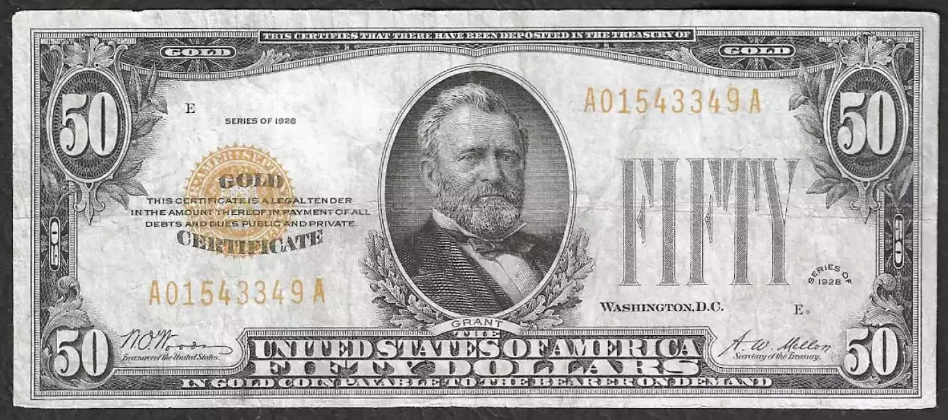
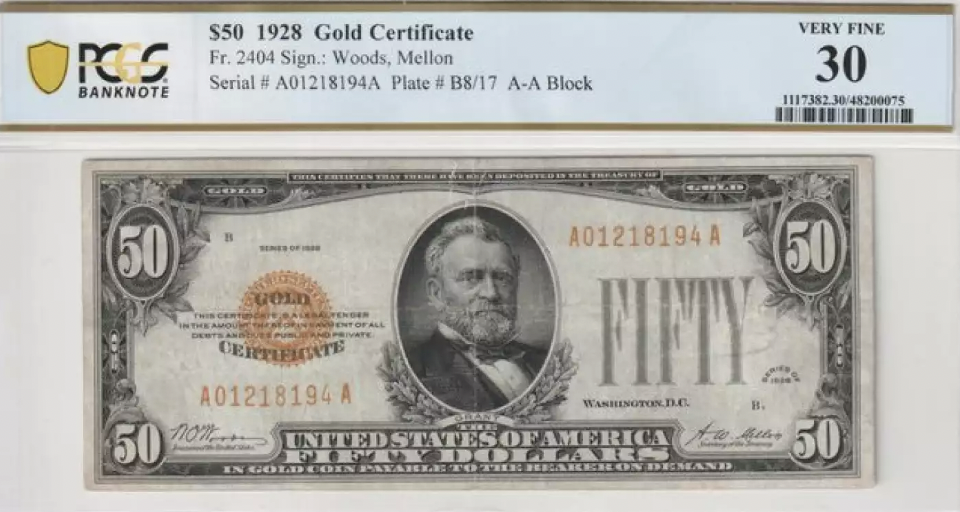
91 years ago today marked a significant event in the history of our nation's currency. Here's a tangible link to the days when our money was backed by the gold standard. Enrich your collection with a touch of history.
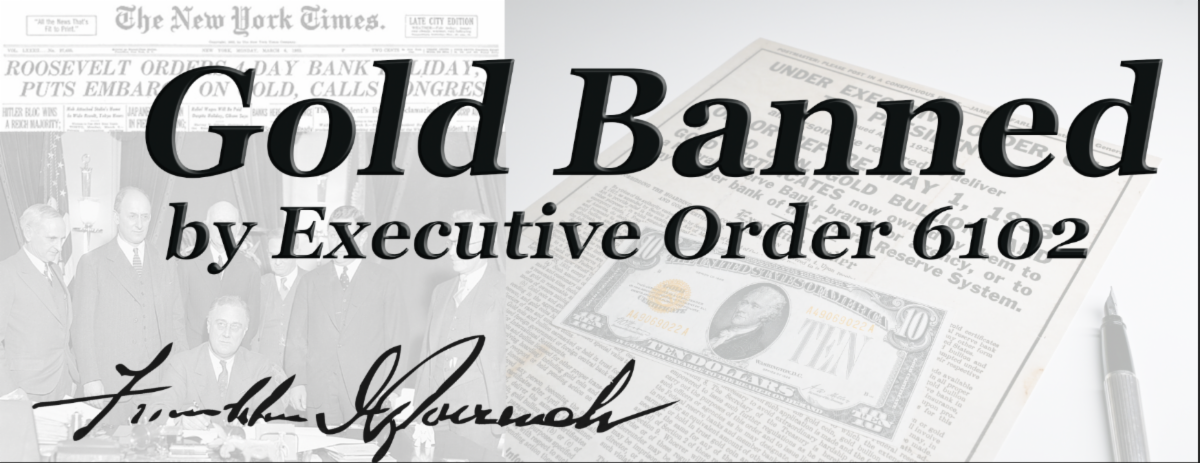
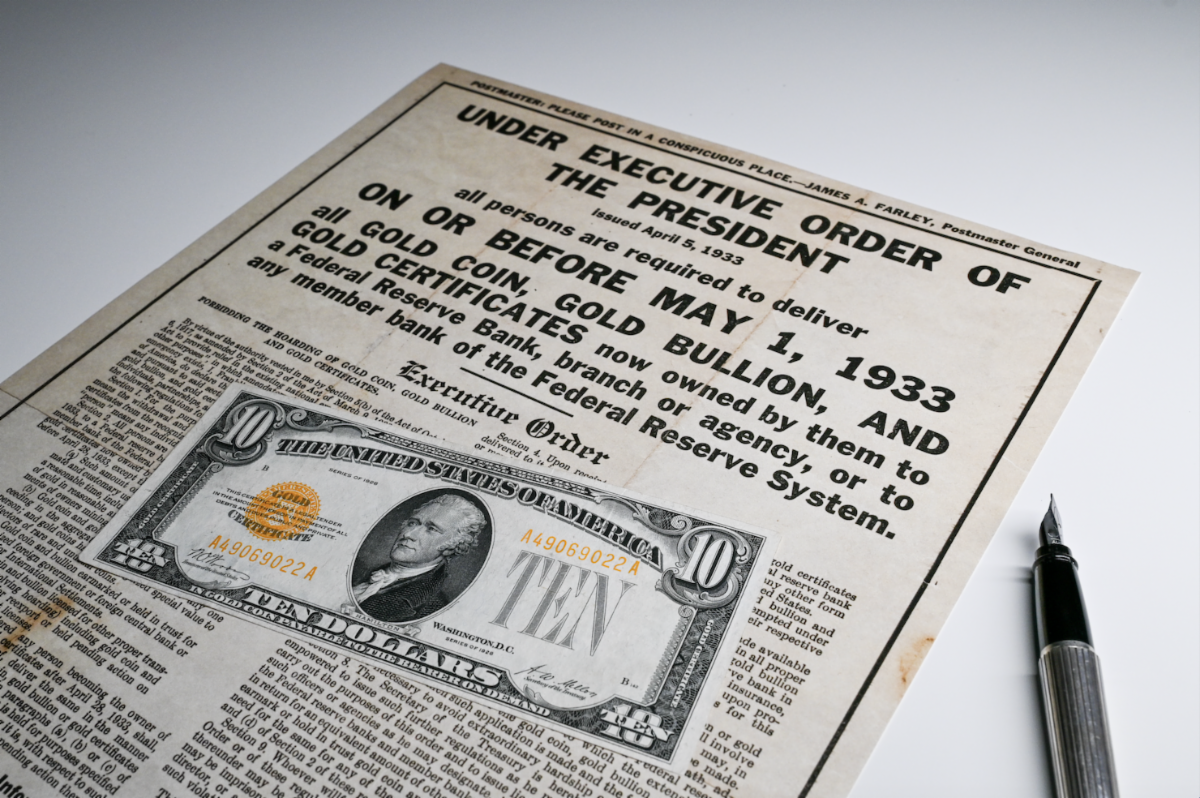
On April 5, 1933, President Franklin Delano Roosevelt issued Executive Order 6102, prohibiting the hoarding of gold coins, gold bullion, and gold certificates within the continental United States.
One month later, private gold possession was illegal.
Amidst the widespread economic turmoil following the 1929 stock market crash, families and businesses across America grappled with profound financial challenges. In response, FDR sought to invigorate the economy by ramping up federal spending. However, his efforts were constrained by the Federal Reserve Act of 1913, which required that each banknote be backed by 40% of gold reserves held by the federal government.
This meant that for every dollar printed, the government needed to possess gold equivalent to 40 cents. Yet, both domestic and foreign holders of U.S. currency were rapidly losing confidence in paper money, opting instead to redeem their dollars for gold at an alarming rate.
All Americans were required to turn in their gold on or before May 1, 1933, to the Federal Reserve in return for $20.67 of paper money per troy ounce. At the time of writing, gold is just shy of $2300 per troy ounce.
Violations of this order would be punishable by up to ten years in federal prison and a fine of twice the amount of gold that was not handed over to the feds.
|