🇮🇹La Newsletter Italiana
by Sandro 'Sandrino' Cuccia

For Students and Instructors
of the Italian Language
at the
Osher Lifelong Learning Institute
University of Delaware

Numero 55

16 aprile 2022

Curious Facts about

LA PASQUA [EASTER] that You

Probably Did Not Know!


Plus... Spaghetti alla Carbonara!!!

uova tricolore per pasqua.jpg

Buongiorno, buona primavera, e BUONA PASQUA ...

Benvenuti a questo nuovo numero della nostra bella rivista! 


It's Easter time, and this year in our 🇮🇹La Newsletter Italiana, I tell you a few things about LA PASQUA [Easter] in Italia. Things that perhaps you didn't know … even though ALL of my students of Italian are quite savvy when it comes to all-things-Italian!


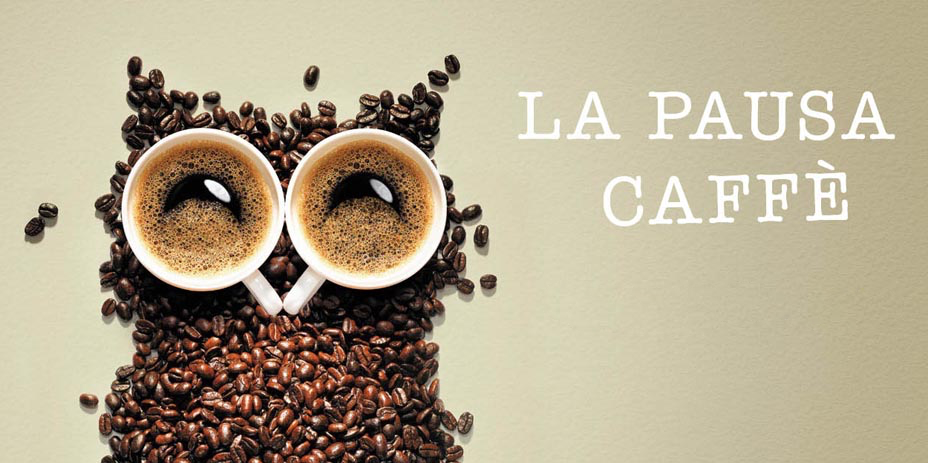
Additionally, during our Pausa Caffè, I present you with the authentic recipe for the one-and-only traditional

Spaghetti alla Carbonara!


Seven Curious Facts about LA PASQUA

that You Probably Did Not Know!

Numero Uno

Easter is the Most Important Religious Feast


La Pasqua [Easter] is a major holiday in Italia. Nearly 90% of the country self-identifies as Roman Catholic. In fact, within the Roman Catholic faith, Easter is considered to be the most important feast of the year – indeed, more so than Christmas. But Easter isn't celebrated the same way everywhere, and this beautifully shaped country has its own set of traditions around around this significant holiday.


Numero Due

Sorry... NO Easter Bunny ☹️


The Easter Bunny does not really exist in Italia, or have the importance that it does elsewhere.***


In Italia, it's all about (il uovo) [the egg], the symbol of rebirth and renewal.


An of course, there is il uovo di cioccolato [chocolate egg], which can range from tiny solid ones to beautifully wrapped hollow eggs which hide a gift within.


  • The word uovo is one of those irregular nouns, meaning that it doesn't follow the norms in one or more ways. In this case, while il uovo is masculine in gender and is singular, for the plural it becomes le uova, essentially transforming into a feminine gender, plural noun! How awesome is that!?


*** FUN FACT


There might not be an honest-to-goodness Easter Bunny in Italia, but back in the day, we kids would watch and read stories about a cartoon character known as...


'BUNNY' IL SUPER CONIGLIO

['Bunny' The Super Rabbit]


Known to the rest of the world as...


BUGS BUNNY!


bunny.jpg
55-natale-pasqua.png

Numero Tre

Italians Celebrating La Pasqua


As you know from reading 🇮🇹La Newsletter Italiana and/or taking my classes, colloquial expressions are una cosa grossa [a big deal] to Italians.


Il Natale [Christmas] and la Pasqua [Easter] are not immune to getting their special sets of sayings. One of the most beloved, and used, expressions is...


“Natale con i tuoi, Pasqua con chi vuoi!"


[“Spend Christmas with your family,

but Easter with whomever you want!”]


Look at that first part in Italian: 'Natale con i tuoi.' As you know, the word 'tuoi' means 'your' (in the plural), as in "Raccogli i tuoi giocattoli." ["Pick up your toys."]


It's interesting to note, however, that 'i tuoi' also refers colloquially to 'your parents' as you can see in the expression above. It's really a short way of saying, 'i tuoi genitori' [literally:'your parents'].


Likewise, 'i miei (genitori)' ['my parents'] can be used like this:


"Stasera vado a mangiare dai miei."

["This evening I will dine at my parents' home."]


Ciaramicola.jpg

Numero Quattro

The Ciaramicola of Umbria


La Ciaramicola, from Umbria, is this region’s classic Easter cake.


  • By the way, don't forget that the twenty Italian "regions" (regioni) are roughly equivalent to states in the U.S.


This is a pale red, spicy lemon cake, frosted with a fluffy white meringue and dusted with colorful sprinkles. The dessert matches the colors of the city of Perugia, Umbria's capoluogo di regione [region (state) capital].


200px-Flag_of_Brescia.svg.png

Facciamoci una bella pausa caffè ... 

possibilmente con una grande fetta di Ciaramicola!


[Let's take a nice coffee break ...

possibly with a large slice of Ciaramicola!]


Spaghetti alla Carbonara

The Recipe!


The real thing!


We just celebrated another one of those food-centric holidays named "International [insert dish name here] Day." This past April 6 was International Carbonara Day. This prompted me to talk a bit about this wonderful and tasty dish. (It made me very popular in my college dorm!)


Perhaps there’s no other pasta dish that is, at the same time, as beloved and controversial as Pasta alla Carbonara. This Roman dish is so famous and appreciated all over the world that we even have this day dedicated to its celebration.


It is interesting to note that for a dish that has pretty much only five elements to it - pasta, guanciale (or pancetta), Pecorino Romano cheese, eggs and black pepper - there are infinite variations. Some are legitimate, most are just plain goofy.


Beyond the off-the-wall variations found outside Italia, [the recent 'smoky-tomato carbonara' presented by The New York Times comes to mind] there are some serious points of contention.


For the traditional method of preparing Carbonara...


  1. Is the addition of cream acceptable?
  2. Pancetta [cured pork belly] or guanciale [cured pork cheek]?
  3. If you don’t have Pecorino Romano, will Parmigiano do?
  4. Only egg yolk, or can you also add egg whites?
  5. Better short or long pasta? 


Carbonara purists (like yours-truly) will vote as follows:

  1. NO! [NO!]
  2. Guanciale! (but pancetta is the only reasonable substitute.)
  3. Parmigiano is acceptable, but just barely.
  4. Egg yolks, baby!
  5. SPAGHETTI!... punto e basta! [period, end of story!]


LA RICETTA: Spaghetti alla Carbonara


Difficoltà ➜ FACILE [easy]

Preparazione15 minuti

Cottura [cooking time] ➜ 10 - 12 minuti

Dosi per [serves] ➜ 4 persone


GLI INGREDIENTI


16 ounces, high-quality Italian spaghetti (De Cecco or Barilla)

6 ounces, guanciale (cured pork-cheek)

[may be substituted with pancetta (cured pork-belly)]

[By the way, I found guanciale at Janssen's in Greenville, DE]

8 eggs, yolks only

3 ounces Pecorino Romano freshly grated cheese

freshly ground black pepper, to taste


LA PREPARAZIONE


Per preparare gli spaghetti alla carbonara cominciate mettendo sul fuoco una pentola con l’acqua salata per cuocere la pasta. 


[To prepare Spaghetti alla Carbonara, start by bringing a pot of 4 quarts of lightly-salted water to a boil.]


Nel frattempo eliminate la cotenna dal guanciale e tagliatelo prima a fette e poi a striscioline spesse circa 1cm. 


[In the meantime, cut off and discard any skin still present on the guanciale, then slice the guanciale into little strips - about ½ inch thick.]


Versate i pezzetti di guanciale in una padella antiaderente e rosolate per circa 10 minuti a fiamma medio-alta, fate attenzione a non bruciarlo altrimenti rilascerà un aroma troppo forte. 


[Place the guanciale pieces into a non-stick pan and brown them over medium-high heat for about 10 minutes. Be careful not to burn the guanciale otherwise it will end up having an overly-strong flavor.]


Nel frattempo tuffate gli spaghetti nell’acqua bollente e cuoceteli al dente. Intanto versate i tuorli in una ciotola.


[In the meantime, toss the spaghetti into the boiling water and cook until they’re al dente. Also, separate the egg yolks from the whites and combine the yolks into a bowl.]


Aggiungete il Pecorino e insaporite con il pepe nero. Amalgamate il tutto con una frusta a mano, sino ad ottenere una crema liscia. 


[Add the freshly grated Pecorino cheese and freshly ground black pepper (to taste). Beat the ingredients well with a whisk until the mixture is creamy smooth. Set aside.]


Intanto il guanciale sarà giunto a cottura; spegnete il fuoco e utilizzando un mestolo prelevatelo dalla padella, lasciando il fondo di cottura all'interno della padella stessa. Trasferite il guanciale in una ciotolina e tenetelo da parte.


[When the guanciale has completed cooking, TURN OFF the heat and, using a wooden spoon, remove the cooked pieces from the pan, leaving behind the rendered guanciale fat but don't discard it. Transfer the cooked guanciale pieces to a small bowl, and set aside.]


Versate una mestolata d’acqua della pasta in padella, insieme al grasso del guanciale.


[Carefully add a ladle-full of the pasta cooking water into the pan containing the rendered fat of the guanciale. You should also reserve some of the water in case it is needed in the final steps.] 


Scolate la pasta al dente direttamente nel tegame con il fondo di cottura. Saltatela brevemente per insaporirla. 


[Drain the al-dente spaghetti and pour it directly into the pan containing the rendered fat of the guanciale. Sauté briefly to fully coat the spaghetti.]


Togliete dal fuoco e versate il composto di uova e Pecorino nel tegame. Mescolate velocemente per amalgamare.


[When done sautéing, remove the pan from the heat, and pour in the egg and Pecorino mixture that was set aside. Mix vigorously to blend thoroughly all of the ingredients.]


Per renderla ben cremosa, al bisogno, potete aggiungere poca acqua di cottura della pasta. 


[If the pasta, egg and guanciale mixture needs to be creamier, you can blend in a little of the pasta cooking water that was set aside earlier.]


Aggiungete il guanciale, mescolate un'ultima volta e servite subito gli Spaghetti alla Carbonara aggiungendo ancora del pecorino in superficie e un pizzico di pepe nero.


[Add the guanciale pieces, mix all one last time, and serve the Spaghetti alla Carbonara IMMEDIATELY. as it will get tacky fairly soon. Sprinkle some additional grated Pecorino cheese and a pinch of ground black pepper over the plated spaghetti servings.]


BUON APPETITO!


Mamma mia, che fame mi è venuta!!!

[Holy cow, I'm starving now!!!]


La pausa caffè e terminata.

[Coffee break is over.]


È ora di lavare le stoviglie e tornare

a parlare della Pasqua in Italia!

[The time has come to do the dishes and

go back to talking about Easter in Italia!]


colomba.jpg

Numero Cinque

La Colomba Pasquale [the Easter Dove Cake]


While each regione in Italia will have it’s own version of torta di Pasqua [Easter cake], the traditional Italian Easter cake is called La Colomba Pasquale [Easter dove cake].


La Colomba is like a cousin of il Panettone natalizio (the traditional Panettone Christmas cake) in taste, and indeed it was first made at the beginning of the 1900’s in Milano by the Motta company, already one of the well established panettone makers.


The difference, however, is that the Colomba is in the form of a dove, which is a universal symbol of peace and rebirth, just as Easter eggs are.


As in il Panettone, the main ingredients of la Colomba are la farina [flour], lo zucchero [sugar], il burro [butter], le uova [eggs], il lievito [yeast] and small pieces of frutta candita [candied fruit (orange and lemon)], with the addition of mandorle [almonds] and codette di zucchero [hard sugar pieces] placed on top - all to form a crisp, nutty crust.


La Colomba is eaten most often on Easter Sunday after the typically substantial pranzo [lunch] at the close of fasting during the Lenten period.


pastiera-napoletana-1.jpg

Numero Sei

La Pastiera Napoletana


For Italian-Americans, this is probably the most well-known and beloved of all traditional Italian Easter desserts associated with specific regions of Italia. This one originates - as many delicacies do - from Napoli.


Yes, I am talking about the delicious (la) Pastiera ricotta pie (or pastry), popular throughout southern Italia. It’s a spectacular dessert with a pastry base and a lattice top. The delicious light-yellow filling is traditionally made with grano cotto [cooked wheat berries] , ricotta, orange and lemon zest, eggs, sugar, pastry cream and diced candied fruits.


Very popular here in the U.S. is the Pastiera variety from the Salerno area near Napoli, which is made with il riso [rice].


What’s interesting is that when preparing la Pastiera, it needs to rest for two days, so it's traditionally prepared on venerdì Santo [Good Friday], ready for Easter Sunday.


By the way, there is also a savory version of la Pastiera called la Pastiera Salata [salty] or la Pastiera Rustica. The recipe differs from that of the sweet Pastiera. For one, the dough is based on pre-cooked wheat, and the filling is obtained from the union of le salsicce [sausages] and i formaggi [cheeses]; the most typical being the Neapolitan salame and Caciocavallo cheese. However, other salumi [cold-cuts], as well as Parmigiano, Ricotta, Emmental, and Asiago cheeses can be substituted.


Carro.jpg

Numero Sette

Lo Scoppio del Carro


There are a number of unusual - but fun - rituals, fairs, festivals and parades throughout the Italian calendar year, but Lo Scoppio del Carro [the “Exploding of the Cart”] takes the cake - the Easter cake, that is!


This is definitely one of the oddest customs, and it happens in Firenze at Pasqua.


This carro is an enormous, decorated wagon filled with fuochi d'artificio [fireworks]. It’s towed to the Basilica di Santa Maria del Fiore, and parked in front of the church’s main entrance. At the end of la messa di Pasqua [the Easter Mass], a dove shaped rocket is “shot” out of the church (via a guide wire) and hits the cart to ignite the fireworks - all in the presence of la folla [the crowd] and i pompieri [firefighters]!


PER CONCLUDERE...

BUONA PASQUA!!


A tutti i miei lettori e studenti di italiano… Vi auguro di passare una splendida Pasqua in compagnia dei tuoi cari. 


[To all my readers and students of Italian... best wishes for the opportunity to spend meaningful time in the company of your loved ones this Easter.]


Pasqua significa ‘passaggio’ e ci auguriamo che questo sia un passaggio verso un periodo di serenità e rinascita per tutti noi.


[The word “Pasqua" comes from the word 'passaggio' [passage], and I sincerely hope that this is a passage towards a period of peace, tranquility and rebirth for us all.]


Allora... arrivederci al prossimo numero della nostra bellissima 🇮🇹Newsletter Italiana!

[So...we'll see each other again in the next issue of our beautiful 🇮🇹Newsletter Italiana!]

Per adesso, vi do un caloroso CIAO-CIAO!

Get BACK-ISSUES here!
Il Sito della 🇮🇹SCUOLA di ITALIANO  @OSHER
🇮🇹La Newsletter Italiana
is written and published by
Sandro "Sandrino" Cuccia
sandrino@hey.com
Pinterest