|
|
🇮🇹La Newsletter Italiana
by Sandro 'Sandrino' Cuccia
For Students and Instructors
of the Italian Language
at the
Osher Lifelong Learning Institute
University of Delaware
|
|
Numero 53
26 febbraio 2022
|
|
17 18 'Somewhat Odd' Things Italians Do
that Nobody Warns You About
|
|
Many of my students see me as a teacher of Italian. But, as I often explain, I'm just an IT guy, not a qualified teacher! However, I also happen to be a native Italian from Milano who emigrated to America as a child. Allora... as my degree is not in education or language studies, my goal is to facilitate and encourage the learning of Italian to all the wonderful folks who sign up for my Italian classes at Osher.
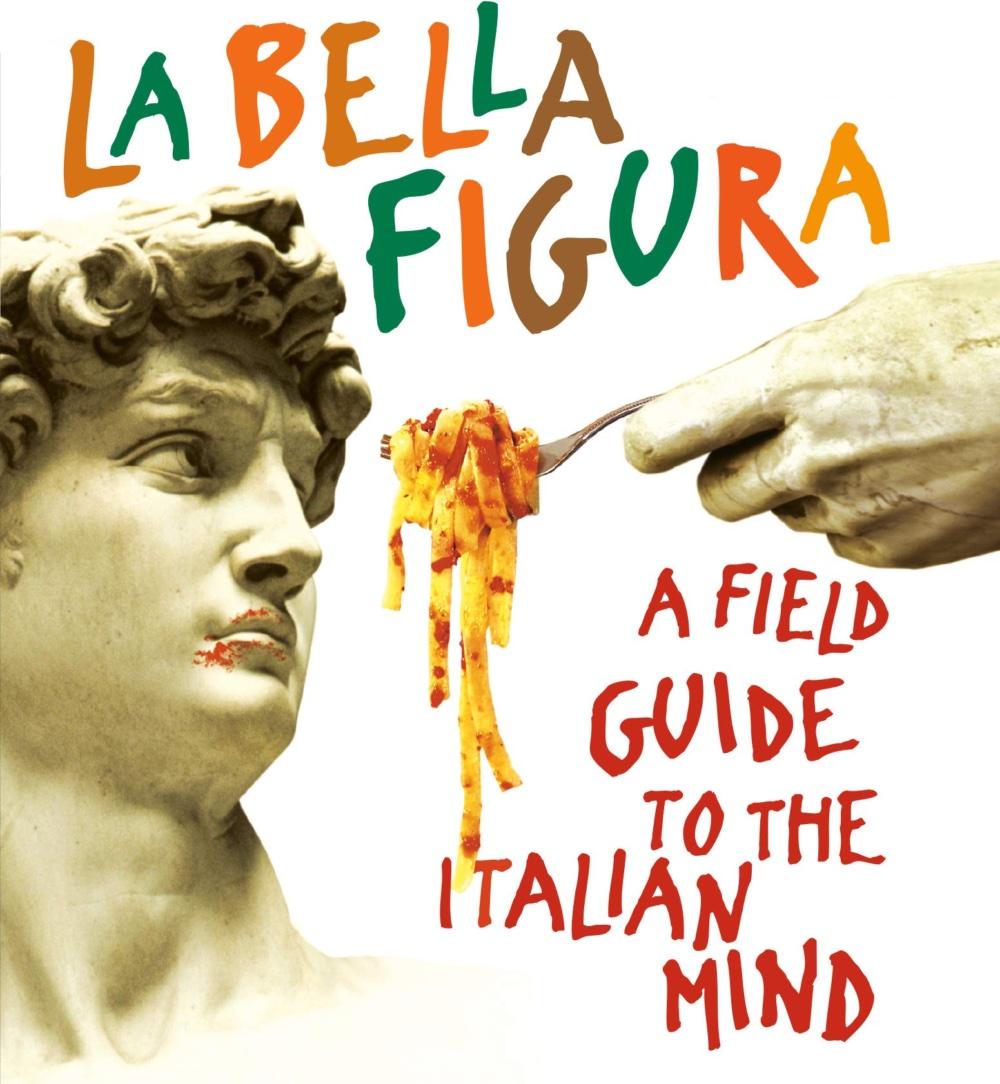
Many of my students are travelers and love visiting Italia. I therefore find myself on a quest to show them and talk to them about the social and cultural aspects of Italia as well as the habits and characteristics of the Italian people, while at the same time helping them learn the language. Hopefully, I also help them avoid embarrassment and awkward moments as a result of innocent misunderstandings due to the oddities of language - the 'false friends' issue that I have talked a lot about is just one example. Another is the importance of proper pronunciation to avoid further misunderstandings. I strive to help my students a non fare una brutta figura, a.k.a.“una figuraccia” [making a bad impression]!
Okay! Allora,in questo numero [so, in this issue]… I’ll continue sharing with you a few important things to be aware of about Italian culture before heading off on your next trip to Italia. Yet, some of these may seem un poco strani [a bit odd], but interesting to non-Italians.
Before beginning, consider that these are fun facts and observations that will give you an insight into the way Italians think and act in general. As with many things we have explored together, customs and behaviors may vary depending on the region or population generation. Take this as an opportunity to reflect on cultural differences, traditions, and yes… even stereotypes; all of which make Italia so unique – and so loved!
|
|
1. Italians NEVER go swimming after a meal |
|
Every Italian has this indelible childhood memory: a grown-up (in my case, la nonna) warning them to wait at least two hours after eating before going for a swim! Italians have traditionally believed that cold seawater can affect your digestion negatively. This belief is taken pretty seriously, and as for me, there was nothing I could say as a kid to convince nonna otherwise. (Let me tell you about her thoughts on drinking ice water sometime.)
Anyway, this is why many Italians spend the afternoon seduti in spiaggia [sitting on the beach], giocando a carte o a calcetto [playing cards or foosball] or even a bocce [a.k.a. ‘bocci-ball’ in America), facendo un pisolino [taking a nap], or facendo una passeggiata lungo mare [going for a walk along the shoreline] ...prima di tuffarsi in acqua [before diving into the water].
|
|
2. Italians generally do not like
to eat or drink anything "to go"
|
|
For the same reason that Italians prefer to aspettare due ore dopo un pasto [wait two hours after a meal] before swimming, many Italians don’t like to rush their meal (work-hours permitting) and shy away from eating or drinking anything da asporto [“to go”], as it can be 'bad for the digestion'.
Related is the fact that to Italians, meals are traditionally very important moments of la vita quotidiana [daily life]. While it’s not always possible to sedersi a tavola con la famiglia [sit at the dining table with the family] during the week, at the very least, taking one’s time to eat is an important habit for most Italians. They’d rather sit down and pause rather than eat or drink in fretta [in a rush].
|
|
3. When sick, Italians only drink
chamomile tea
|
|
By now, you've probably figured out that il tè [tea] is definitely not the most popular drink in Italia, though some Italians like to have it in the morning, or in the afternoon, accompagnato da una pasta* [accompanied by a pastry] especially during cold days. On warmer days, a hot cup of tea might be replaced with a more refreshing beverage such as un tè al limone [a cold lemon tea] or un tè alla pesca [a cold peach tea] – one of my favorites – con o senza ghiaccio [with or without ice].
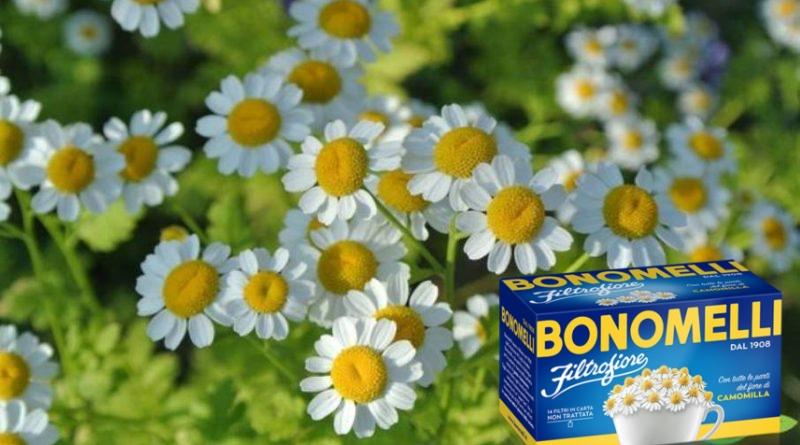
However, there is something that Italians only drink when feeling ill. That’s right … una camomilla calda [a hot chamomile tea]!! How’d you know?
Many Italians associate the smell of una camomilla calda with not feeling well, to the point that they refuse to drink it unless they have un mal di stomaco** [a stomach ache] or they’re feeling under the weather.
Normally, I don’t drink tea, but I am still in the habit of steeping some loose chamomile flower buds in hot water and adding a touch of miele [honey] when not feeling well.
* Notice the word pasta here. In this context it's NOT the 'pasta' we boil in water and typically love to eat with some kind of sauce. 'Una pasta' is a pastry. The plural is paste [pastries]. There is no plural for the first form of pasta. Fun times!
** You should know that un mal di stomaco [a stomach ache] can also be used as un mal di pancia [tummy ache] when talking to children.
|
|
4. Italians don’t sit with their back to the door for fear of getting “hit by air” |
|
When going out with your Italian friends to a bar-caffè or pizzeria during winter, you might notice that most of them don’t want to sit near the entrance. The reason, of course… they might get 'hit' by a draft, or as they would say: “prendo un colpo d’aria” [literally: “I will be hit by air”]!
The colpo d’aria normally affects an Italian’s collo [neck] or gola [throat] but also their back, with the result of being stuck a letto [in bed] for a couple of days, drinking una camomilla calda, or not being able to turn their head or to speak. That is why you’ll see many Italians wearing thick woolly, but stylish scarves in autumn and winter, i.e.; as soon as “la temperatura sta calando” [the temperature is dropping].
Yes, sometimes I feel this is also a “nonna thing”.
|
|
5. Italians never go outside with wet hair |
|
Getting un colpo d’aria is also responsible for many winter illnesses including the all-encompassing “la cervicale”. There is no real one-word equivalent in English, however, this is an ailment that causes un forte mal di testa [a strong headache] and afflicts your cervical vertebrae.
It is widely understood to mean that if you want to avoid la cervicale, you’d better "asciugati i capelli prima di uscire" ["dry your hair before going outside"]! I capelli bagnati [wet hair] plus that colpo d’aria is a dangerous combination you might want to stay away from!
Stay away from that nonna, while your at it!
|
|
6. Italians LOVE their bidet! |
|
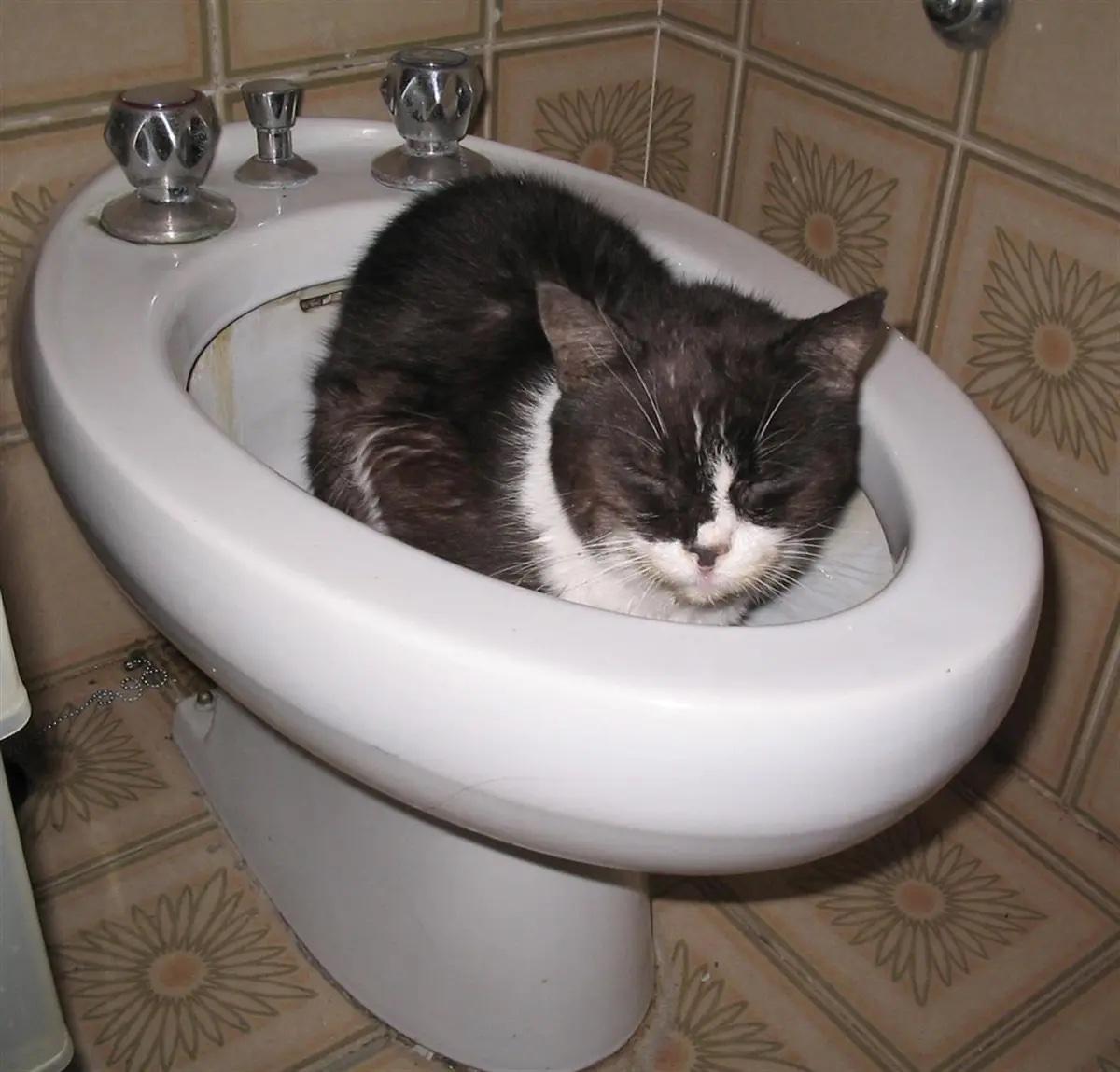
If you ever go to an Italian home and enter any of the bathrooms, you might notice a strange little sink growing out of the floor, usually next to the toilet. While it’s not common for every country to have one, almost every Italian house has a bidè [bidet] in all the bathrooms!
“Sandrino, dove sei?”
[“Where are you, Sandrino?“]
“Sono in bagno. Ho trovato un bidè!!”
[“I’m in the bathroom. I found a bidet!!”]
The bidè is not really for washing your feet and definitely not for cleaning your boots (as Crocodile Dundee would do). This multi-function porcelain-facility is a “must-have” for Italians. Italians are a very hygienic people, and the bidè is used to wash the intimate parts after using the toilet.
“Sandrino, cosa fai in bagno?”
[“What are you going in the bathroom, Sandrino?]
“Mi sto facendo un bel bidè! Lasciami stare, mamma!!”
[“I’m having a very pleasant time on the bidet! Leave me alone, mom!!”]
Additionally, una doccia o vasca da bagno [a shower or bath tub] may not be immediately available or convenient, making the bidè the perfect refresher!
Upon further reflection, you may realize that the use of a bidet is a much cleaner and more hygienic practice than the alternative for those of us who don’t take advantage of these health benefits and relaxation the bidet provides. That explains why you might hear some Italians complaining when they go abroad and don’t find a bidè in their hotel bathroom!
By the way, a bidet can indeed be purchased and installed in your home here in the States. I looked - it’s available at The Home Depot, but just about all of them are actually built-into a toilet!
A me questo fa senso!* [To me this sounds disgusting!]
*FARE SENSO and TO MAKE SENSE are what is known as, False Friends. These two DO NOT mean the same thing! Be careful; "Fare senso" means "to be disgusting".
In Italian, "AVERE SENSO" means "TO MAKE SENSE".
Dei esempi [Some examples]:
"Andare a letto presto prima della nostra partenza HA SENSO."
["Going to bed early before our departure makes sense."]
"Vedendo tutto questo sangue in macchina mi FA SENSO!"
["Seeing all this blood in the car is disgusting to me!]
Allora... state attenti! [So... be careful!]
|
|
7. Italians dress up whenever
they leave the house
|
|
Italians pay special attention to the way they look, especially whenever they leave the house... no matter the occasion. It’s not just about i vestiti [clothes], as shoes, bags, accessories are never left to chance and are carefully chosen to match the outfit.
Walking around on a nice domenica pomeriggio [Sunday afternoon] in an Italian city you might notice how everyone is surprisingly ben vestiti [well dressed], no matter if they’re going a una festa [to a party], visiting friends, going to church or
a fare 'shopping' [going shopping]. (☢️Anglicism Alert!)
Paying attention to their appearance is especially true for women and adults, a little less for teenagers and young adults who nowadays tend to conform to more international standards and don’t really mind walking around in their hoodies and yoga pants, sneakers or workout clothes.
After all, la moda [fashion] is one of the main reasons why Italia is famous all over the world! By the way, Milano is considered to be the Fashion Capital of the World!!
|
|
8. Italians don’t put cash in your hand |
|
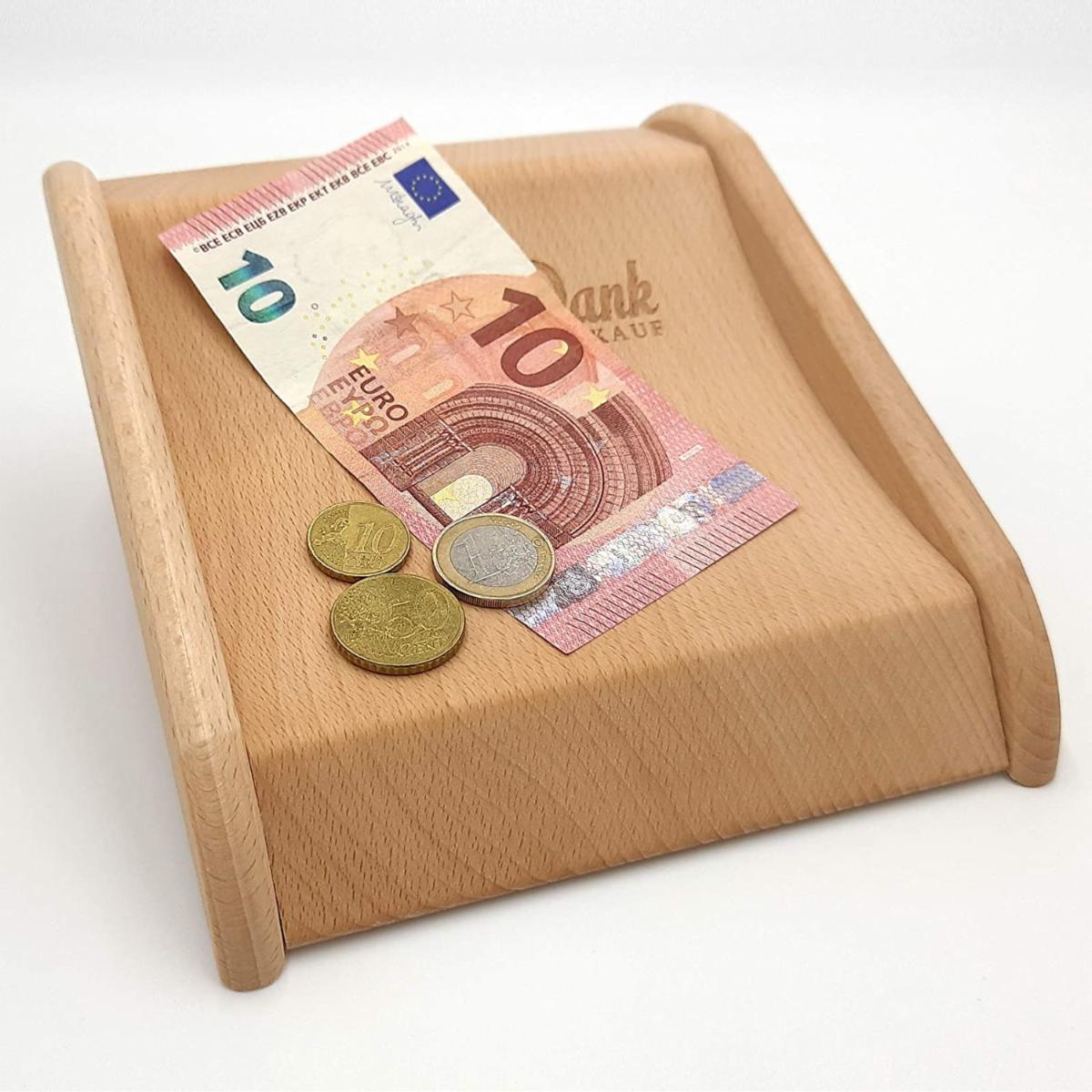
To Italians, it's considered rude to put i contanti [cash money] directly in someone’s hand, both for the cashier when giving change, and for il cliente [the customer] when paying. Instead, both parties should put the money down on that little tray next to la cassa [cash register]. I remember well when several times, as a youngster, I would extend my hand holding cash to a cashier in order to pay for my espresso macchiato and being told in no uncertain terms that I needed to put the money onto that tray!
Incidentally, we know in just about anywhere you go, the popularity of paying by credit or debit card is increasing; a big reason being for hygienic and health concerns. Nevertheless, I feel that in Italia, it is still quite common to pay in contanti. Not only that, but many places won’t accept cards if the sum is lower than a certain amount (generally 5 or 10 euro), so make sure you always have some cash with you!
|
|
9. It’s common for heterosexual Italian men
to kiss other men on the cheek
|
|
I've written about this in a previous issue of 🇮🇹La Newsletter Italiana.
Physical contact is a big part of Italian culture, at least for most people, but perhaps especially in the southern regions (Roma and south). It shows closeness, warmth and affection. Hugging friends and family members is one of the best ways to let them know how important they are. Yes, we Italians are huggy-feely!
When we return to the classroom I’ll make the abbraccio di gruppo [group-hug] a regular thing!
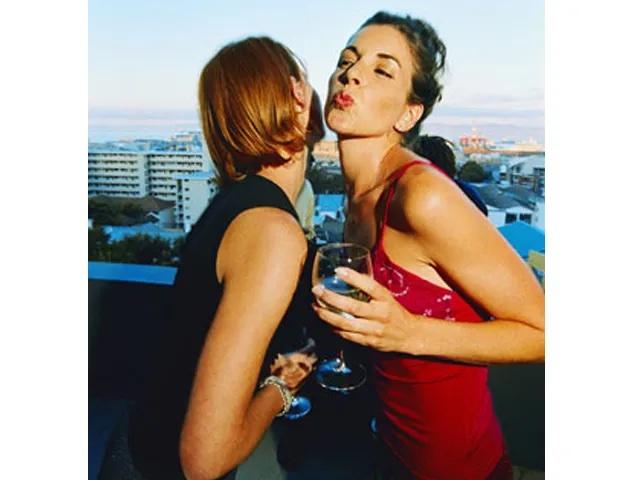
In any case, to many if not most Italians, it is totally normal to baciare [kiss] hello and goodbye. When you meet someone for the first time, the primary form of physical contact is usually una stretta di mano [a hand shake] or kisses on the cheeks, regardless of the gender of the persons involved.
The Rule of Italian Double-Kissing stipulates that your RIGHT cheek must first aim for other person’s RIGHT cheek, followed by the LEFT cheek to LEFT cheek. The other person (the kissee) will simultaneously initiate the process in kind, utilizing the same Double-Kiss rule. In effect the Kissee becomes the Kisser, and vice-versa.
So, yes, it’s not unusual even for men to kiss other men on the cheek when they meet. Whether you actually touch cheeks, make kissing sounds, or you just get close and pretend to kiss each other’s cheek (a.k.a. air-kissing)... it's all a personal preference.
Oh, and some light physical contact is permissible! Besides, it's a good way to rompere il ghiaccio [break the ice]! I find that Americans generally are too obsessed about their “personal space”- social distancing issues notwithstanding.
|
|
10. Odd store hours are kept in Italia |
|
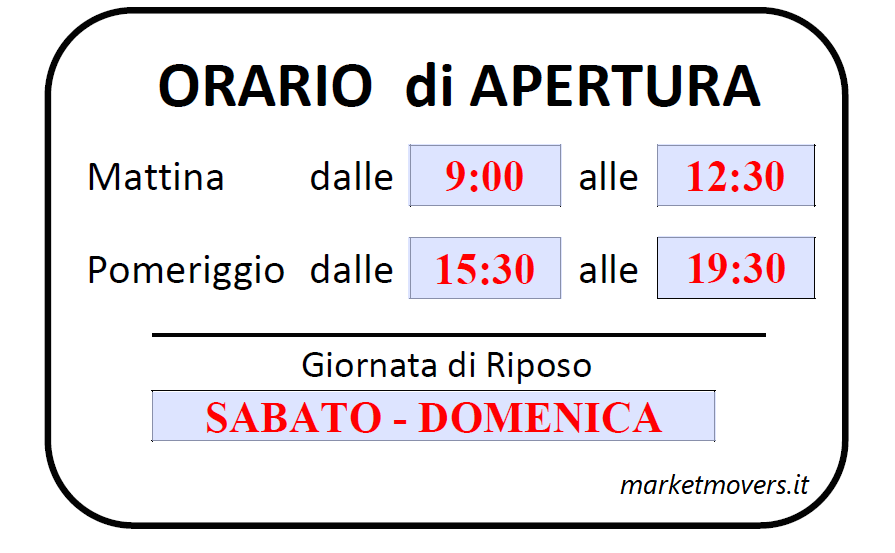
In large cities across Italia, you’ll very rarely find the Italian version of a 7-Eleven, let alone in small towns. While in some large shops and stores it has become more common to have an orario continuato [non-stop working hours], traditionally every Italian store or venue closes right after lunch (noon or 1 p.m.) to then reopens after 3 or 4 p.m. All this is very concerning - and confusing - to tourists new to the country.
Additionally, il lunedì [Mondays] is usually when many establishments close for their weekly rest. This includes mini-markets, restaurants, museums, hairdressers and beauty salons. However, many of the caffè-bar will stay open “di turno” - that is, they “take turns” keeping their doors open on Mondays. Italians gotta have their caffè fix, no matter what!
Even for those with office jobs, it’s quite common to take an afternoon pausa [break] from work. The reason for this is simple: until a few years ago, people used to work close to home. This meant that they could go home for lunch and then come back to the office or factory after una pausa di un'ora e mezza [a 1.5-hour break] - which most likely included time for the beloved pisolino [nap].
In our globalized world, working habits are being standardized almost everywhere, but these traditions are generally maintained in small towns and areas that don't particularly cater to tourists.
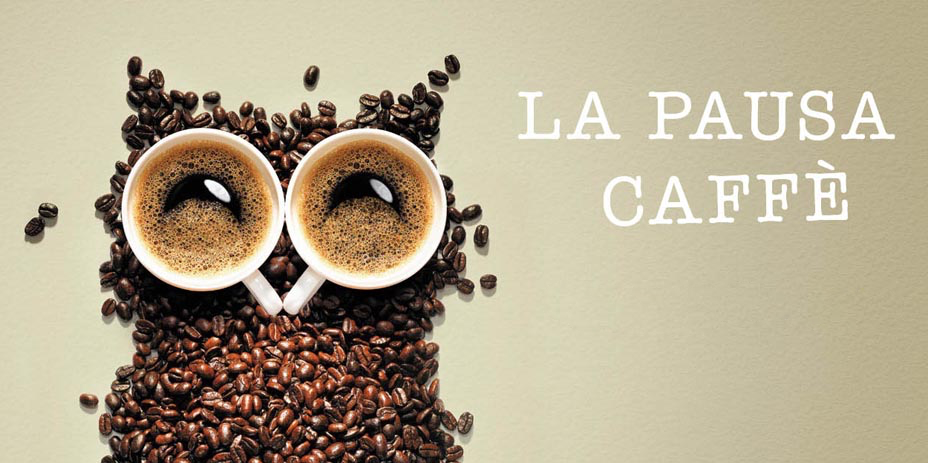
Parlando della pausa... [speaking of break]... è arrivato l'ora di farci una bella pausa caffè!
|
|
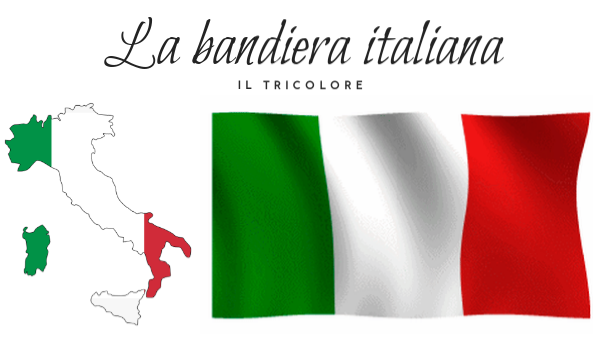
La Bandiera d'Italia - "Il Tricolore"
VERDE : BIANCO : ROSSO
The Italian Flag
A.K.A "Il Tricolore"
|
|
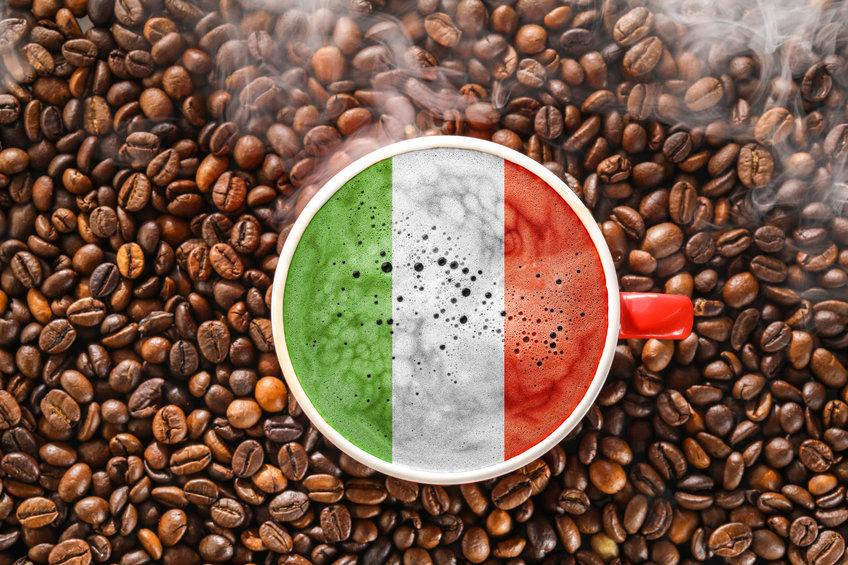
La bandiera nazionale d'Italia [The national flag of Italia] – often referred to in Italian as Il Tricolore – is a tricolor flag featuring three equally sized vertical areas of verde, bianco e rosso [green, white and red], (strictly displayed in that order) – the national colors of Italia.
La bandiera was inspired by the French flag (blue, white, and red). The colors represent hope, faith and charity. Green is speranza [hope], white denotes la fede [faith] and red is the color of carità [charity].
La Festa del Tricolore is Italia's Flag Day and is celebrated every 7th of January. In particular, it's celebrated in the region of Reggio Emilia, at the very spot where the flag was first adopted in 1797.
|
|
La pausa caffè e terminata ... ora finiamo l'articolo!
[Coffee break is over ... now, lets finish the article!]
|
|
11. Italians talk about their next meal
even while eating
|
|
As if it needed repeating, all Italians are “foodies.”
In Italia, cibo [food] - and everything associated with cibo - plays an essential role. Planning what you’re going to eat with your friends and family on the weekend, planning out the menu for Natale and Pasqua, deciding what food everyone will bring to the next riunione in famiglia [family gathering], talking about what you’re going to eat on your pausa pranzo [lunch break] even while having breakfast, as you can see… for Italians, cibo is the center of their lives.
Cibo provides an opportunity to start a conversation, to talk about personal preferences, tastes, and to bond while also talking about something everyone cares about. That’s why it’s not unusual for Italians to bring up this topic and talk about a meal, even during a meal itself!
|
|
12. Italians eat dinner late |
|
Staying on the subject of cibo, here’s another common habit that non-Italians find different about Italian culture...
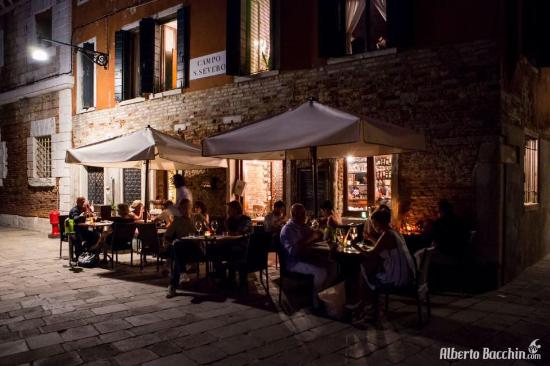
In Italia, la cena [dinner] is usually eaten late, especially if compared to northern European and Anglo-American countries. There may be regional differences, of course (especially - and more broadly - between “the north” and “the south” Italian regions), but in general, dinner on weekdays doesn't start until 7:30 to 8 p.m.
When going out to a restaurant on the weekend, most people won’t reserve a table until about 8:30 p.m. In southern Italy during summer, most people will sit down to eat at around 9 p.m. and even as late as 10 p.m. And in all cases, dinner meals are smaller than the ones consumed at lunch.
Having dinner late has to do with the fact that in the hottest months it is basically impossible to cenare all'aperto [dine outdoors] before a certain time, that is - usually before l'ora del tramonto [sunset]. Besides, the working day in Italy can be quite long or there can be a long lunch break and perhaps that pisolino in the early afternoon, as mentioned earlier.
|
|
13. You have to ASK for the check
at a restaurant
|
|
When you’re dining in Italia, you’ll most likely never get il conto [the check] ... unless you ask for it or go to la cassa [the cash register] to pay. This is because in many establishments, it’s considered bad manners for the wait staff to give you the check if you didn’t ask for it. This doesn't mean the servers are inattentive; they just don’t want to rudely rush you.
Recall that I mentioned that meals are sacred and calmly savored in Italian culture. When it comes to cibo and meal times with family and friends, don’t mess with Italians! It’s the most important part of their day!
|
|
14. Never break spaghetti |
|
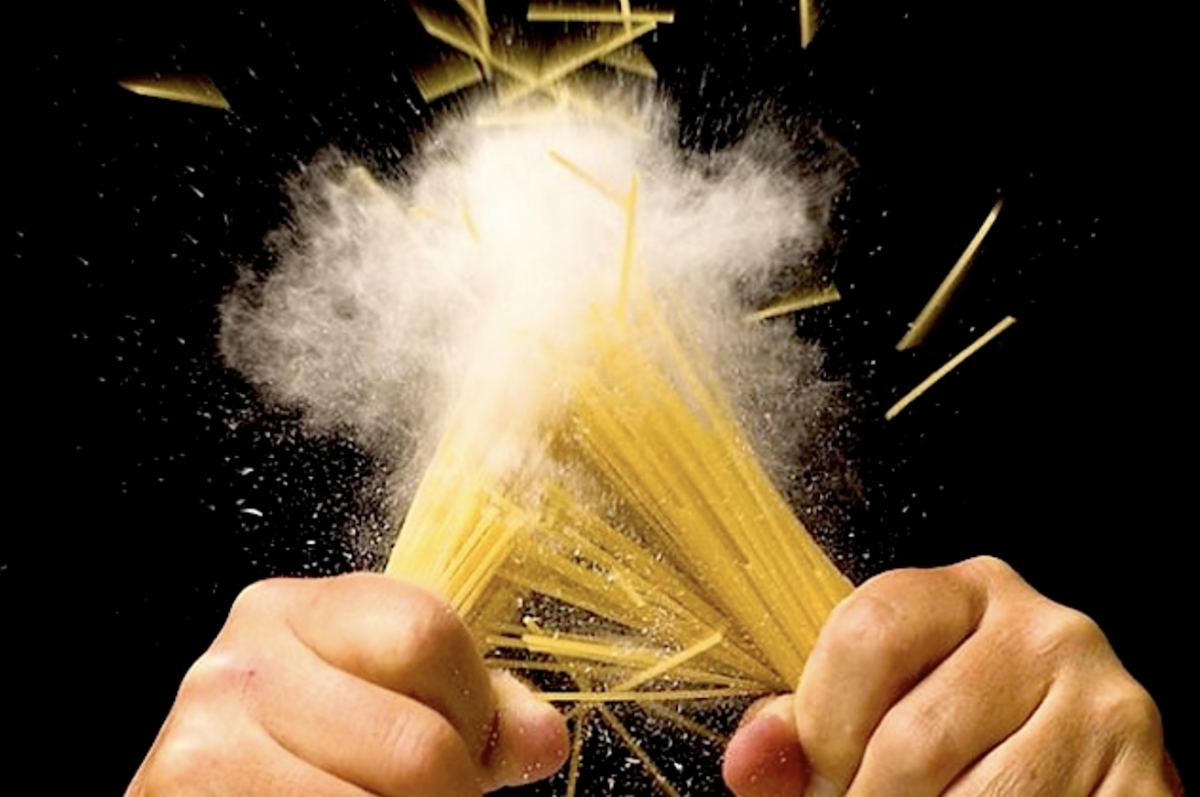
Back to the "wonderfully odd" things Italians do (or better, don’t do) involving eating... here’s an important one: nella cucina [in the kitchen] Italians will mai e poi mai [never, ever, NEVER] break spaghetti before putting it into boiling water! If you do, and you listen carefully… you might hear the heart of an Italian breaking somewhere in the distance!
With any long pasta, you drop it in whole (buttare la pasta), and just wait a few seconds until each piece softens a bit, and then push them into the acqua in ebollizione [boiling water] with the help of un mestolo [a wooden spoon]. And, NO OIL in the water!
Incidentally, this rule is superseded only by the one of not putting ketchup on your pasta, or pineapple on pizza! 😱 I mean, really... who does that?!
|
|
15. Italians peel the skin off
their fruits and vegetables
|
|
Here is another Italian oddity:
Even though growing up, we are all taught that the skin on fruits contains plenty of nutrients, for a good many Italians, it’s essential to pelare [peel] their apple or pear before taking un morso [a bite]! They won’t eat it unpeeled, even if it’s washed. Other people may instead make an exception if the fruit comes from organic agriculture - biologico [organic].
|
|
16. Italians take their coffee
not only seriously, but fast, too!
|
|
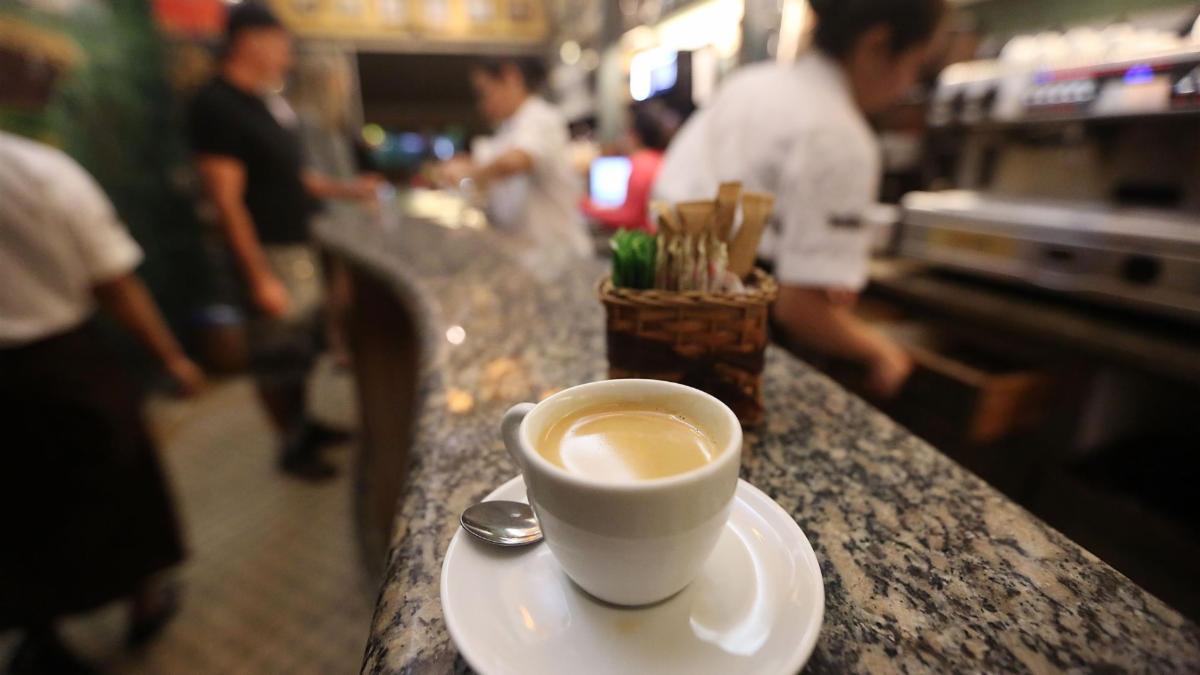
As I’ve talked about before, the most common type of caffè in Italia is the caffè espresso (a thick black "Italian Roast" coffee made by passing very hot steam through coffee grounds), but what you might not know is that drinking coffee plays such a huge part in Italian culture that it’s even integrated into the daily routines of many Italians – even when they are in fretta [in a hurry] with no time to lose.
Do you only have a few spare minutes before going back to whatever you were doing that’s so important? Non c'è problema! [No problem!] Just take a quick shot of espresso to get the energy you need.
To many Italians, drinking coffee is like a pit stop in their day. That is why many Italians like to have their coffee al banco (at the counter of the caffè-bar). They don’t even sit down and read the paper (or their smartphone); they are in and out in a few minutes.
But, guess what! The coffee is cheaper ‘al banco’!
|
|
17. Italians say they’re “ready” on the phone and ask for “permission” when entering a room |
|
In every language, there are some typical expressions that don’t make sense when translated literally and therefore can’t be translated in other languages. However, these become part of the manner in which we interact with others.
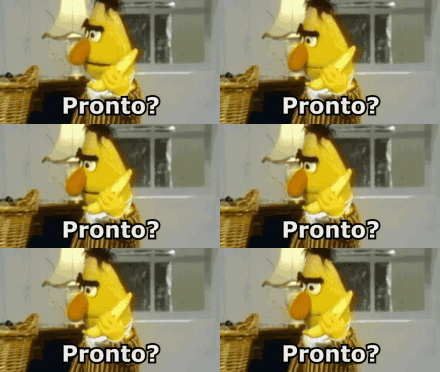
For example, as many of my students have learned in class, when Italians answer the phone, they say: “Pronto?” with a questioning or exclamatory tone. Pronto means ready, as in "ready take your call and to talk to you”.
The other example is that of “asking for permission to enter” when knocking and/or entering a room in the home or an office.
If a door is unlocked and you wish to enter, the sequence of events is as follows: prima si bussa leggermente [first one knocks gently], the door is cracked open and the visitor says “Permesso” (from the verb permettere, meaning to allow or to permit), as if they’re asking for permission to go in – like naval personnel do as they board their ship. Again, this is not meant literally and it’s more a form of common courtesy and respect. It’s the Italian equivalent of “May I come in?”
|
|
18. To Americans, the number 13 is an
UNLUCKY number. Which number
do you suppose Italians consider
to be a LUCKY number?
|
|
That’s right … TREDICI [THIRTEEN]!!
To Italians, the number 13 is highly regarded because it is considered to be un numero PORTAFORTUNA [a very lucky number]!
Go figure!
And… since DICIASSETTE [SEVENTEEN] is viewed as un numero PORTASFORTUNA [an UNLUCKY number] to Italians, well... I decided NOT to stop this article at numero diciassette!
|
|
I hope you have enjoyed my article and that you can put its message to good use! And, while there are so many more to talk about, the points elaborated above are intended to show you that, while some habits and aspects of Italian culture are considered a bit odd to an outsider, they are perfectly natural and common for Italians living in Italia!
Then again, are Italians the only populace that has different and perhaps questionable customs?
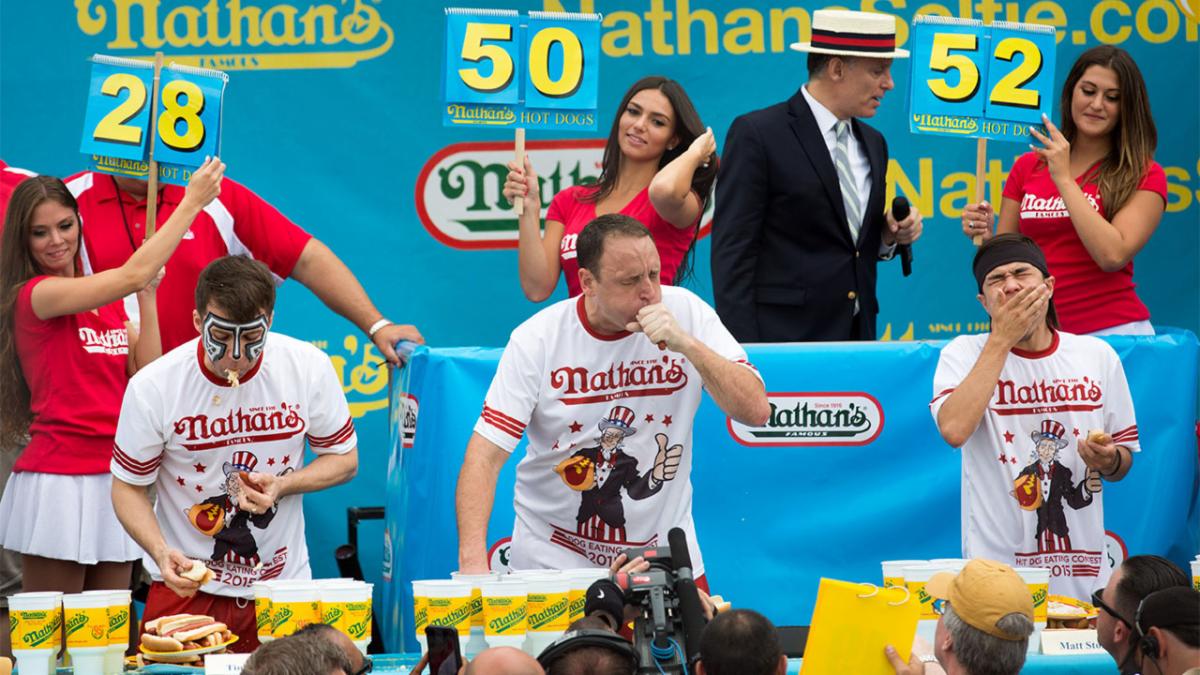
For example, from the perspective of Italians... they will NEVER participate in a hot-dog eating contest!
|
|
Finalmente! Siamo arrivati alla fine di un'altro piccolo articolo!
[Finally! We've arrived at the end of another tiny article!]
Abbiamo imparato che gli Italiani:
➜ preferiscono mangiare con calma;
➜ sono puliti;
➜ si preoccupano del loro sistema digestivo;
➜ si vestono bene;
➜ piacciono baciarsi;
➜ trovano sempre il tempo per prendere un caffè;
➜ amano il cibo e amano parlare di cibo;
➜ hanno sempre il desiderio di fare bella figura;
➜ chiedono permesso prima di entrare!
[We've learned that Italians:
➜ prefer eating slowly;
➜ are clean;
➜ worry about their digestive system;
➜ dress well;
➜ love to kiss each other;
➜ always find time for coffee;
➜ love food and love talking about food;
➜ constantly have a desire to make a good impression;
➜ ask for permission to enter a room or office!]
Ci sentiamo nuovamente nel prossimo numero della nostra
🇮🇹Newsletter Italiana!
[We'll see each other again in the next issue of our
🇮🇹Newsletter Italiana!]
Per adesso, vi mando un CIAO-CIAO!
|
|
🇮🇹La Newsletter Italiana
is written and published by
Sandro "Sandrino" Cuccia
sandrino@hey.com
|
|
|
|
|
|
|