|
30% OFF
your entire purchase
|
|
|
Be sure to enter code
DF5787BFO3D at checkout to save!
| | | | |
|
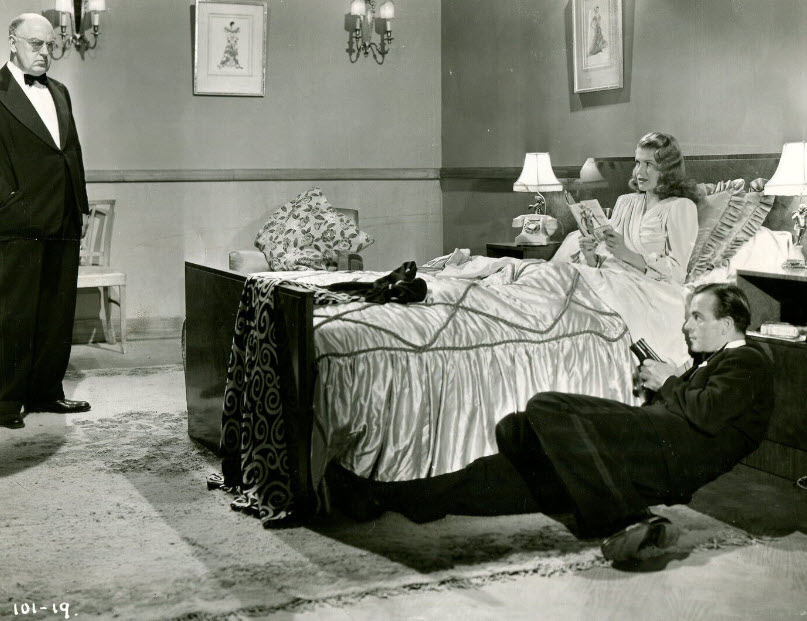
No Orchids For Miss Blandish (1948) | James Hadley Chase's 1939 bestseller reached the screen for the first time -- which a lot of critics of the book would have said was one time too many -- in 1948, in somewhat bowdlerized form, under the aegis of Renown Pictures and screenwriter St. John Legh Clowes, making his sole bow as director. Filmed in England but set in New York, No Orchids For Miss Blandish tells of a sheltered heiress (Linden Travers) who is abducted on her wedding night by a trio of cheap hoods, in what starts out as a jewel robbery and turns into a kidnapping/murder when one of them (Richard Nielson) kills the bridegroom. More mayhem ensues as the three kidnappers soon end up dead, and Miss Blandish falls into the hands of the Grisson mob, led by Slim Grisson (Jack LaRue), who are pros at what they do, throwing their weight around the underworld at will and not too afraid of the police, either. Slim Grisson isn't really better than any of those around him, but he's smart enough to restrain his worst impulses, which makes him start to look very good to Miss Blandish, who finds herself strangely attracted to him, as the first real man she's ever seen, and also a way out of the sheltered existence she's known all of her life. He's as amazed as anyone around him -- including his own mother (Lili Molnar), who runs the gang in tandem with him -- that he doesn't want to ransom Miss Blandish, or plan on killing her because she knows too much; or that she'll testify on his behalf, if necessary, that the one killing she did see by him was, in fact, a matter of self-defense. They plan to run off together, but neither Grisson's mother nor the rest of the gang can see parting with a potential million dollar ransom, or leaving a witness alive -- even if it means killing Slim Grisson to get to her. And when a nosy reporter named Fenner (Hugh McDermott) starts putting the police on the trail of the gang, Slim himself isn't above committing a few more murders to bury any witnesses. The movie was so violent and amoral, that it appalled critics and social observers on both sides of the Atlantic, whose agonizing over its content actually helped turn the picture into a bigger hit than it might otherwise have been. This was especially true in America, where the movie enjoyed a five week run in one of New York's bigger movie palaces to sell-out business, though it was edited considerably and re-cut twice for US release (the second time, a couple of years later, as Black Dice). Robert Aldrich filmed the same story as The Grissom Gang (1971), with Kim Darby, Scott Wilson, and Irene Dailey. | |
| |
|
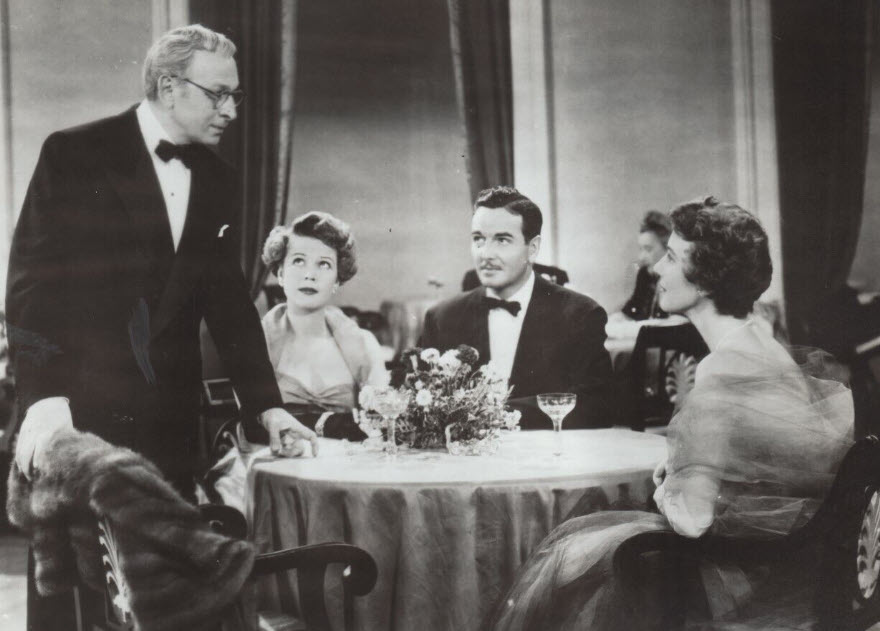
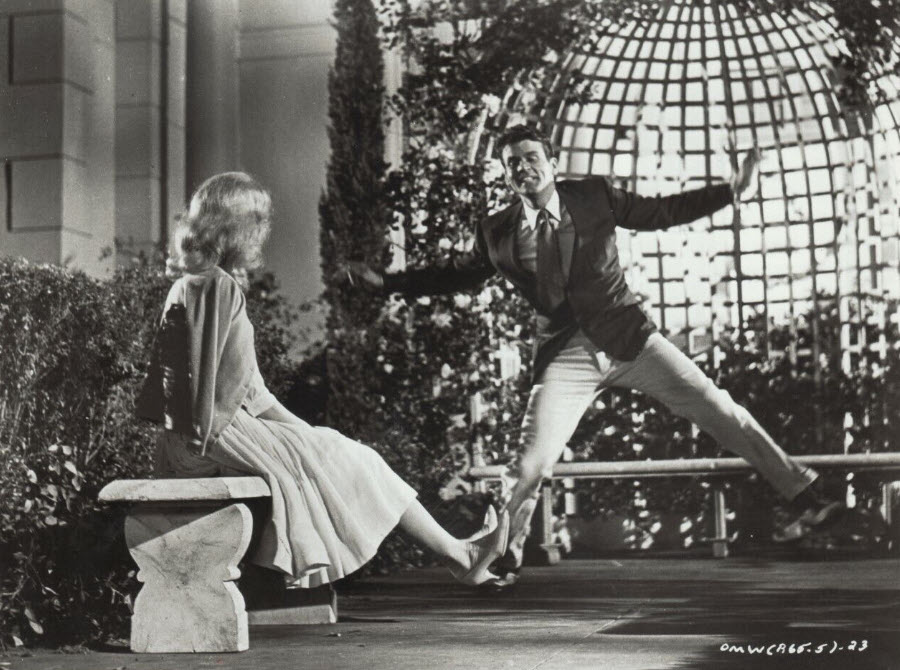
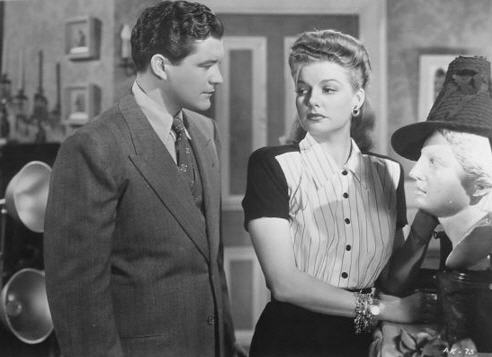
In the vein of Spellbound and Rebecca comes this 1951 film noir from director James V. Kern. Robert Young stars as Jeff Cohalan, a successful architect who is tormented by the fact that his fiancée was killed in a mysterious car accident on the night before their wedding. Blaming himself for her death, Colahan spends his time alone, lamenting in the cliff-top home he'd designed for his bride-to-be. To make matters worse, ever since the accident, Colahan seems to be followed by bad luck. His horse and dog turn up dead without explanation, leading him to wonder if he has been cursed. Enter Ellen Foster (Betsy Drake), an independent and intelligent insurance investigator who just might be able to help Colahan figure out who or what's behind all of his misfortune. | |
| |
|
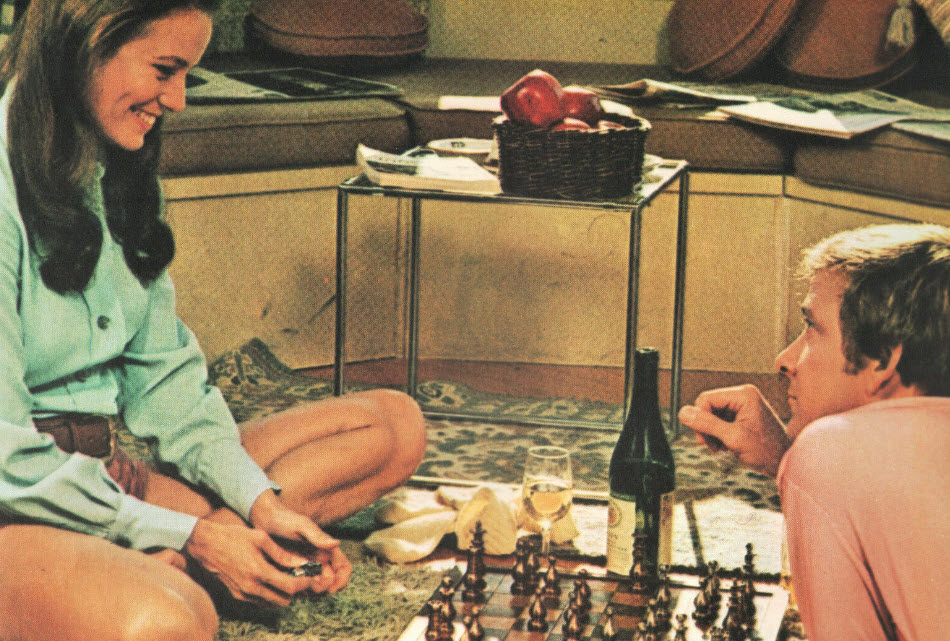
One Is A Lonely Number (1972) | A woman struggles to rebuild her life after her husband leaves her in this drama. Amy Brower (Trish VanDevere) is a 27-year-old woman who thinks that her marriage to James (Paul Jenkins), a college professor, is a happy one until he unexpectedly files for divorce after falling for one of his students. On her own for the first time in her life, Amy is introduced by her best friend Madge (Jane Elliot) to a support group for divorced women, but the bitterness of Gert (Janet Leigh), the group's leader, doesn't make her feel much better; her search for a career proves just as unsatisfying. Amy finds friendship and solace with Joseph Provo (Melvyn Douglas), an elderly man whose wife of 40 years recently passed on and is also dealing with loneliness, and she dips her toes back into dating when she meets Howard Carpenter (Monte Markham) at an art gallery, and he shows a keen interest in her, though he seems more interested in her body than her mind. Trish VanDevere's performance earned her a Best Actress nomination at the 1973 Golden Globe Awards. | |
| |
|
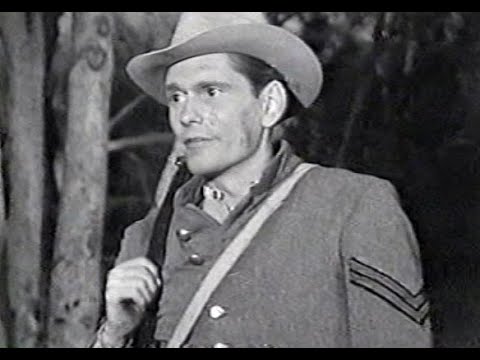
The Glorious Fourth (1960) | A depleted Confederate regi- ment is assigned a suicidal task. Dick York. | |
| |
|
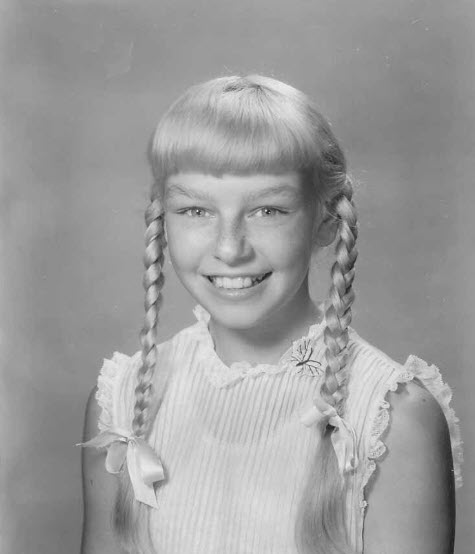
The Chain And The River (1958) | A farmer is bitten by a skunk that may have been rabid. While his wife seeks help, he remains at the farm with his young daughter and chains himself to a tree, should he become hydrophobic. Paul Douglas, Patty McCormack. | |
| |
|
The next time you walk down the shampoo aisle at your local super market and see the label on your favorite brand that announces an animal testing free product, think of Henry Spira. Spira, a devout animal rights activist for more than 20 years, is one of the major forces behind such labeling. Henry: One Man's Way documents Spira's efforts, philosophies, and reasons for his ceaseless work. A near loner in the movement, Spira blazed a trail of kindness through a terrible realm, helping to expose the baseness of the cosmetic industry and their cruel treatment of animals. | |
| |
|
A toy salesman has just had an unsuccessful meeting with a department store buyer. He finds a "nothing box" among his samples. Jack Carson. | |
| |
|
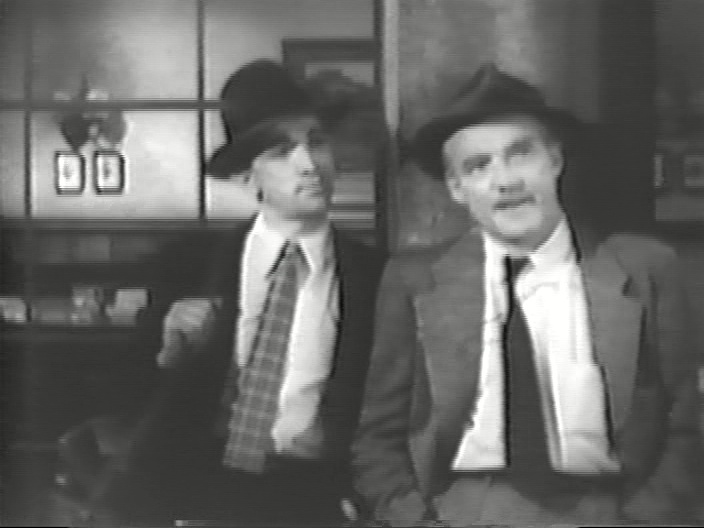
Albert Ingram, a down-on-his-luck newspaper reporter, gets a hot tip for a story that could propel him back into the big time. Acting on information that the socialite wife of a millionaire recluse is returning to New York City after 15 years separation from her husband, Ingram is determined get the story even though he caused the estrangement between husband and wife when he printed details of the businessman's tawdry past. Frank Albertson. | |
| |
|
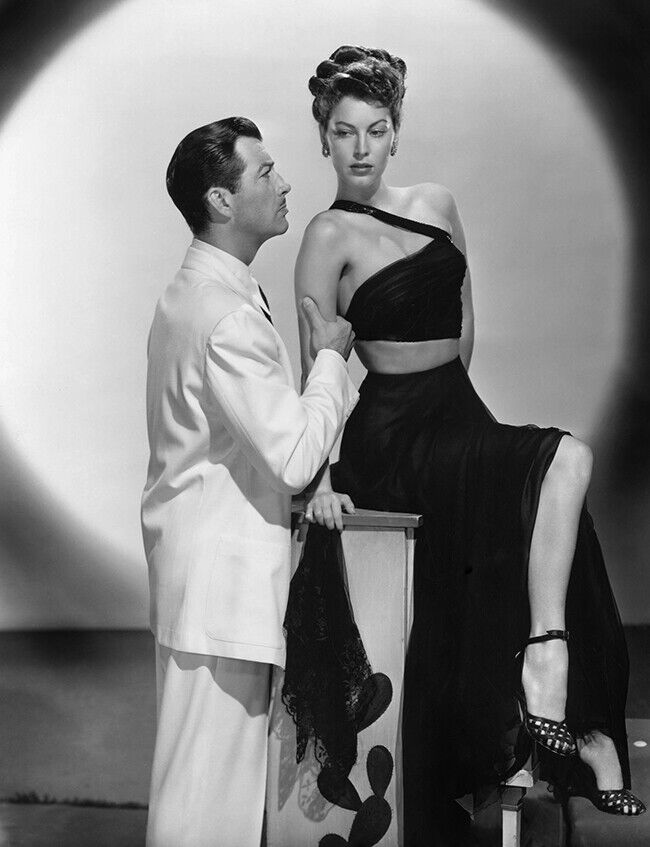
Federal agent Robert Taylor journeys to a mythical South American community, there to break up a war-surplus contraband racket. American playboy Vincent Price is the brains of the outfit, aided and abetted by the disreputable Charles Laughton and John Hodiak. Ava Gardner, Hodiak's wife, takes over for her husband when he's sidelined by a heart condition. Taylor tries to get to the gang boss by romancing Gardner; she eventually shifts loyalties, but Price tries to frame both Gardner and Taylor so that he can get off scot-free. Taylor finally manages to overcome Price during a oversized fireworks display at a local festival. Hampered by the old-fashioned direction of Robert Z. Leonard, The Bribe is slow going until its spectacular climax, which was later excerpted in toto and re-used in Steve Martin's detective spoof Dead Men Don't Wear Plaid (82). | |
| |
|
In this comedy, an adaptation of the play The Animal Kingdom, a liberal, social reformist photographer falls in love with a wealthy gadabout, and finds she abhors his decadent life even though she loves him. She then takes up with another whom she marries. Unfortunately, she still loves the playboy. This does not make her new hubby very happy especially when she and her ex-love meet again and begin carrying on. The husband ends up headed for a quickie divorce in Reno. | |
| |
|
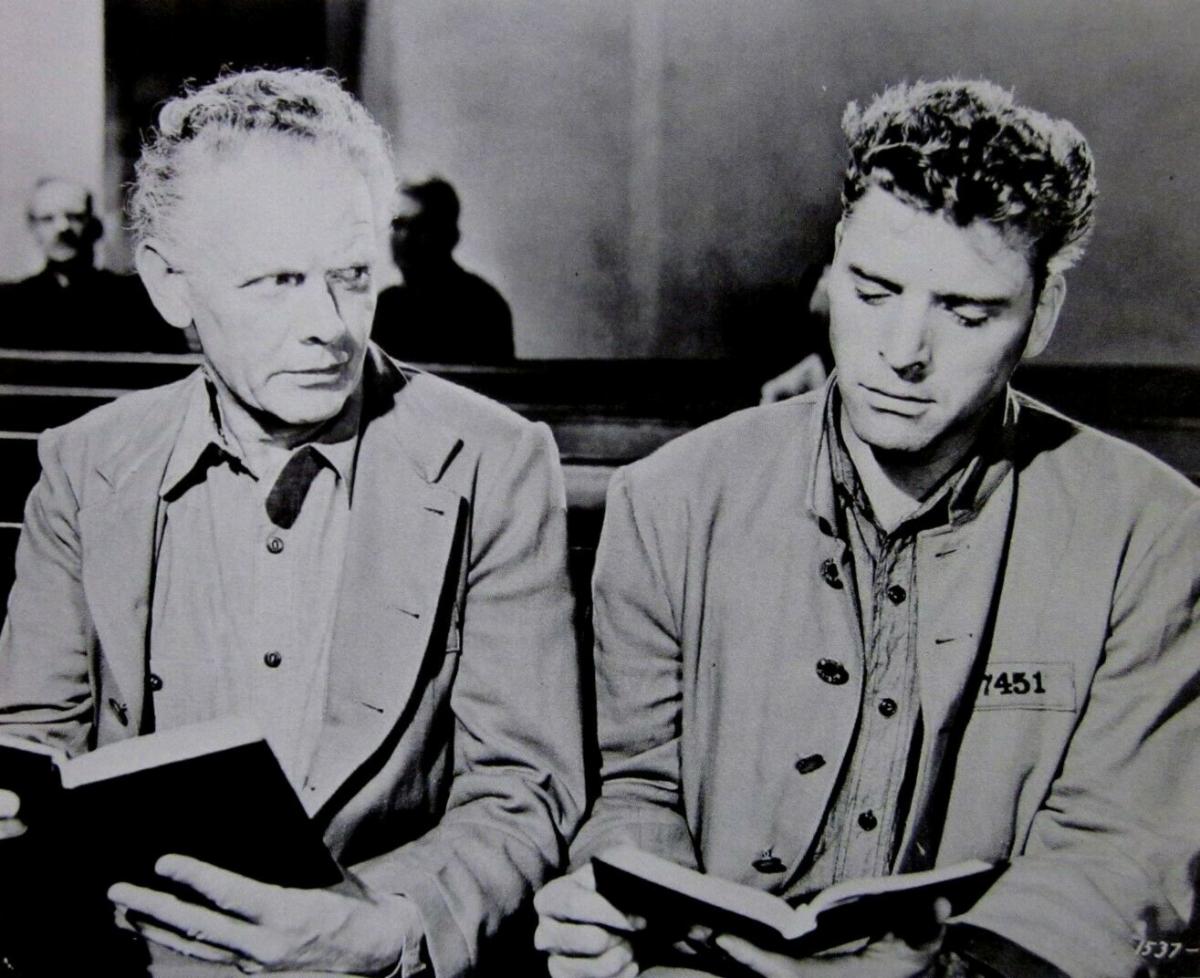
Burt Lancaster had one of his first starring roles in this hard-hitting prison drama. Capt. Munsey (Hume Cronyn) is a cruel, corrupt prison guard who has his own less-than-ethical ways of dealing with inmates, enough so that Joe Collins (Lancaster) -- the toughest inmate in the cell block -- has decided to break out. Collins tries to persuade Gallagher (Charles Bickford), the unofficial leader of the inmates and editor of the prison newspaper, to join him, but Gallagher thinks Collins' plan won't work. However, Collins does have the support of his cellmates, most of whom, like himself, wandered into a life of crime thanks to love and good intentions. Tom Lister (Whit Bissell) was an accountant who altered the books so he could buy his wife a mink coat. Soldier (Howard Duff) fell in love with an Italian girl during World War II and took the rap for her when she murdered her father. Collins pulled a bank job to raise money to pay for an operation that could possibly get his girl out of a wheelchair. And Spencer (John Hoyt) made the mistake of getting involved with a female con artist. After Munsey drives Tom to suicide and prevents Gallagher from obtaining parole, Gallagher joins up with Collins and his men in the escape attempt. Director Jules Dassin would next direct the influential noir drama The Naked City; six years later, he would move to Europe after political blacklisting prevented him from continuing to work in the United States. | |
| |
|
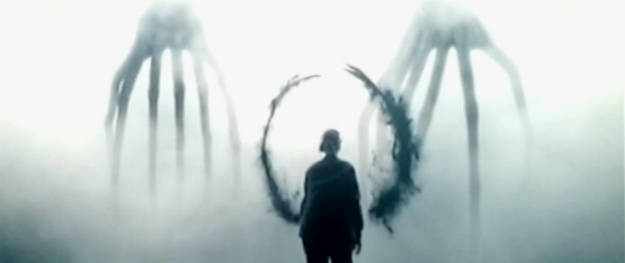
Denis Villeneuve directed this science-fiction suspense film about Earth's response to a possible alien invasion. After extraterrestrial spacecraft plant themselves at various locations around the globe, a linguist (Amy Adams) and a theoretical physicist (Jeremy Renner) must find a way to communicate with the mysterious visitors in order to learn what they want and whether they pose a threat to humanity. Forest Whitaker and Michael Stuhlbarg co-star. | |
| |
|
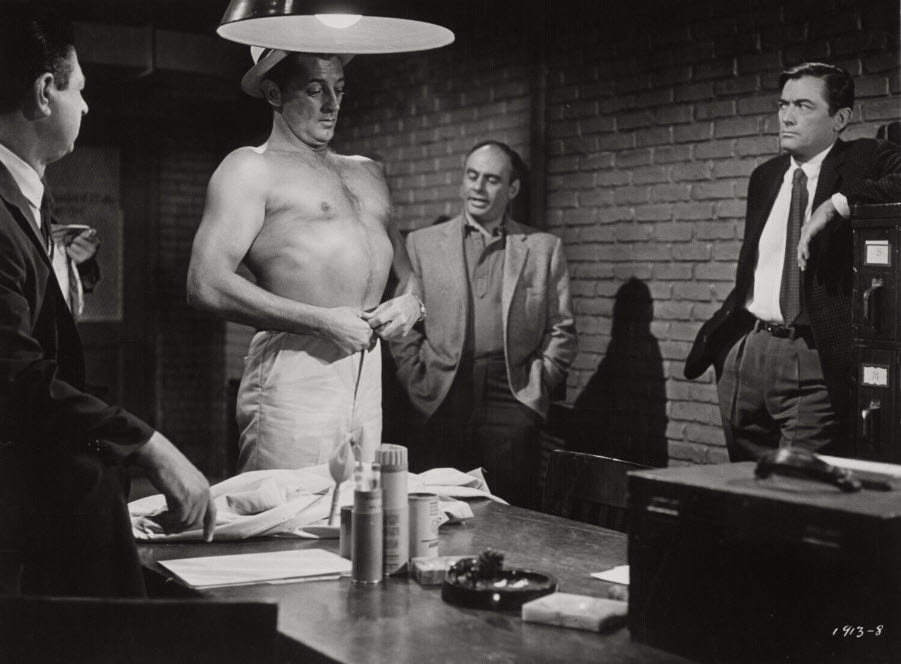
After an eight-year prison term for rape and assault, Max Cady (Robert Mitchum) is set free. Immediately making a beeline to Sam Bowden (Gregory Peck), the former prosecutor responsible for Cady's conviction, Cady laconically informs Sam that he intends to "pay back" the attorney for his years behind bars. Conducting a meticulous campaign of terror, Cady is careful to stay within the law. Sam, realizing that Cady intends to wreak vengeance by raping the attorney's wife (Polly Bergen) and daughter (Lori Martin), tries to put the ex-criminal behind bars, but has no grounds to do so. Chief Dutton (Martin Balsam) tries to help Sam with a few strong-arm tactics, but succeeds only in having the courts take Cady's side in the matter. Things come to a head when Sam moves his family to the "safety" of a remote houseboat on Cape Fear river. Cady shows up unannounced and is about to ravage Bowden's wife and daughter and when Sam turns the tables. | |
| |
|
While a man recuperates from a heart-attack, he obsesses with the thought that his wife and his doctor are having an affair, so decides to write a letter to the D.A. accusing the two of trying to kill him. After his wife mails the letter for him, he tells her of its contents which provokes his anger and he attacks her, dying on the spot from another heart attack. Though innocent, she is nevertheless desperate to somehow get the letter back. | |
| |
|
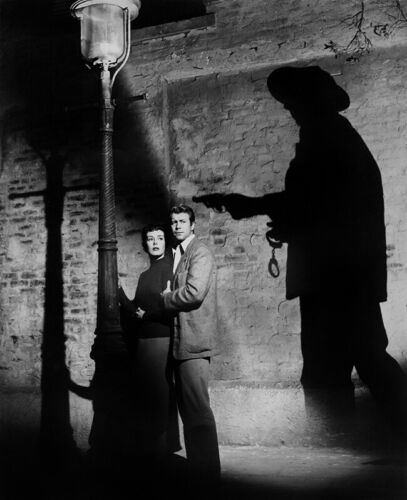
A car with two men visible in it pulls up to a Los Angeles service station at night, with a single attendant (Dub Taylor) working. As he starts to pump the gas, he doesn't see the third man come around the side until it's too late and he's knocked cold. The trio carries out their robbery but before they can finish, a motorcycle cop rolls up. A gun battle ensues, and one of the robbers is shot, as is the police officer. Now a manhunt is on for the trio, all escapees from San Quentin who were making their way south; the other two give the wounded man enough money to get to the apartment of a former cellmate of one of them, Steve Lacey (Gene Nelson). But Lacey is genuinely trying to go straight and live a clean, honest life with his wife, Ellen (Phyllis Kirk), and wants nothing to do with anyone he knew in prison, or with harboring an escaped prisoner. He's even more unhappy when Dr. Otto Hessler (Jay Novello), another ex-con and a veterinarian, arrives to treat the gunshot victim. But when the hood dies, matters get even more complicated -- Lacey's life becomes a nightmare as the police arrive, led by the hardboiled Det. Sgt. Sims (Sterling Hayden), who doesn't believe that any hood ever goes straight. Sims doesn't believe that Lacey's claim of knowing nothing of the escapees, and is ready to send him back to prison on a parole violation -- even though his parole officer (James Bell) believes him -- when he won't cooperate. And worse still, the other two escapees, Doc Penny (Ted de Corsia) and Ben Hastings (Charles Buchinsky, aka Charles Bronson), force their way into Lacey's home, insisting on hiding out there and threatening Ellen. And as they're now a man short, they want Steve's help on a major heist they're planning -- and will kill Ellen if he doesn't cooperate. Soon Lacey is up to his neck in a daylight bank robbery, timed to the minute, and his wife is at the mercy of a mentally deficient, sexually deviant confederate (Timothy Carey), while the police still seem to be following every trail but the right one. Steve realizes that he is the only one who is going to be able to save himself or his wife from this nightmare, and isn't convinced that he'll get out of it alive -- but by then, between being put on him by Sims and his unwanted companions, he's prepared to die in order to save Ellen. | |
| |
|
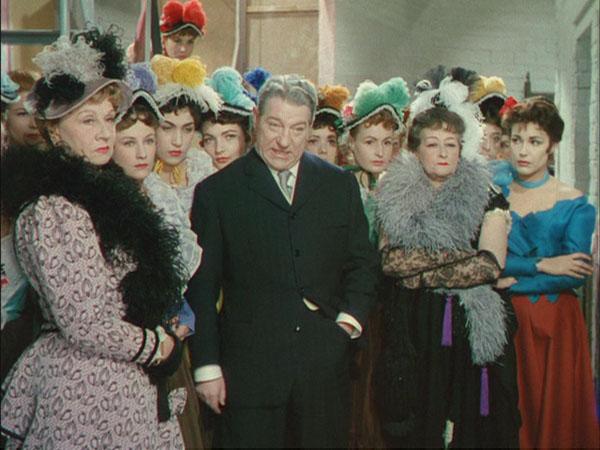
Only The French Can (1954) | Beautifully photographed, this comedy drama from Jean Renoir chronicles the revival of Paris' most notorious dance as it tells the story of a theater producer who turns a humble washerwoman into a star at the Moulin Rouge. | |
| |
|
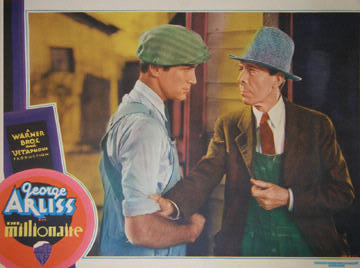
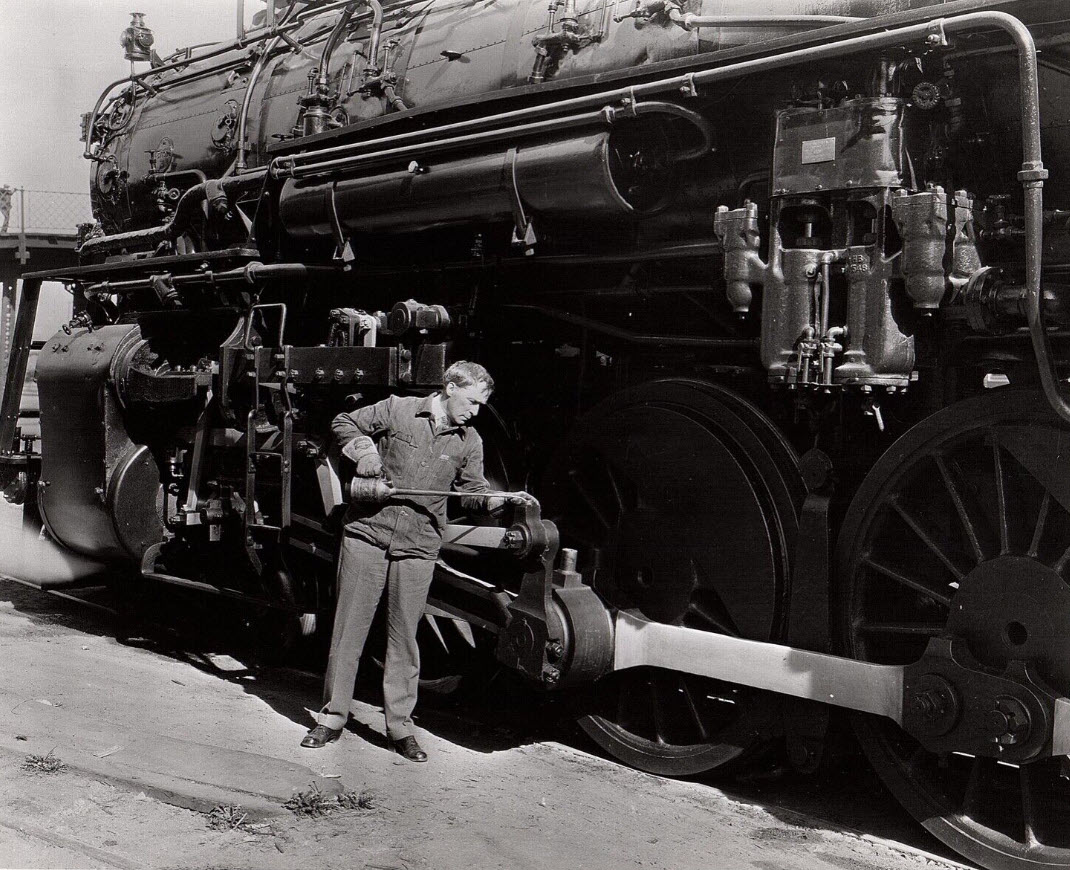
George Arliss is the millionaire of the title, a retired auto tycoon who's been ordered by his doctor to rest and avoid exercise. Arliss is shaken out of his sedentary existence by an insurance salesman who advises him to pick himself up and enjoy life. The old man heads to California, where he conceals his identity and goes to work for a service station. Given a new lease on life, the millionaire amuses himself by playing matchmaker with his own daughter (Evelyn Knapp) and the go-getting young service station manager (David Manners). Barely distinguishable from George Arliss' other non-historical vehicles, The Millionaire is given an added dimension by James Cagney, who shows up for three wonderful minutes as the friendly insurance agent. | |
| |
|
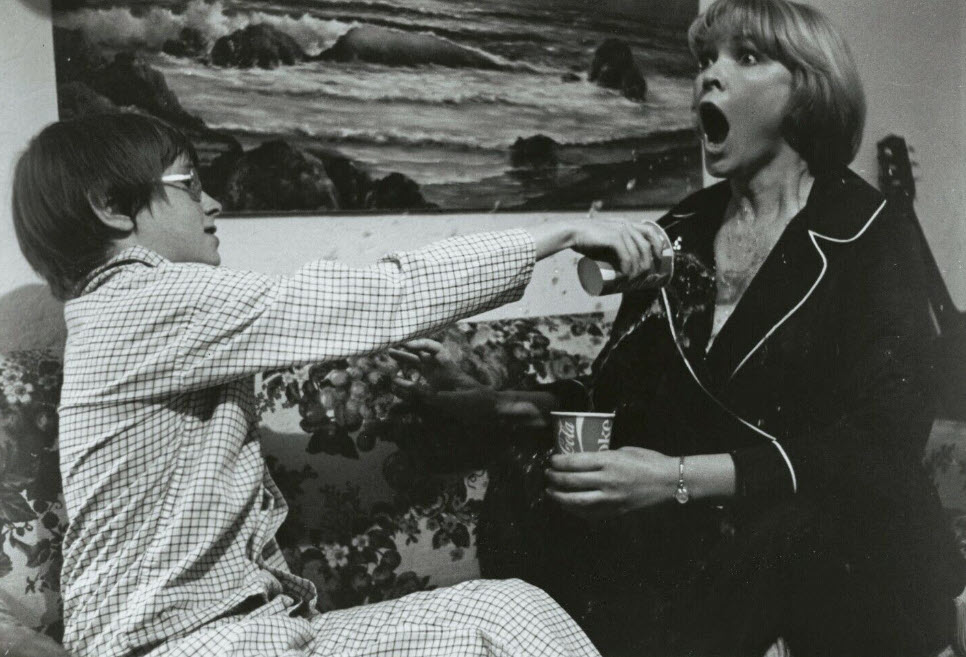
Alice Doesn't Live Here Anymore (1974) | Martin Scorsese's first Hollywood studio production also marked his first (and only) foray into a woman-centered story. Alice Hyatt (Ellen Burstyn), a resigned Southwest housewife, takes advantage of her trucker husband's sudden death to hit the road with her bratty son Tommy (Alfred Lutter) and pursue her childhood dream of a singing career. She finds a job as a lounge singer, but after a horrific encounter with an abusive new beau (Harvey Keitel), she flees and winds up taking a waitress job at Mel's Diner, run by gruff cook Mel (Vic Tayback). With her career on hold, Alice soon finds strength and self-worth through her friendship with the other waitresses, saucy Flo (Diane Ladd) and spacy Vera (Valerie Curtin). When sensitive rancher David (Kris Kristofferson) starts courting her, Alice wonders if she wants to abandon her goals for domesticity again. To contrast Alice's dream life with her reality, Scorsese created a stylized opening sequence of Alice as a child reminiscent of The Wizard of Oz, Duel in the Sun and Gone With the Wind, before shifting into the present-day atmospheric immediacy of location shooting and scenes built out of improvisations. That opening sequence alone cost over twice as much as Scorsese's debut feature, Who's That Knocking At My Door?. | |
| |
|
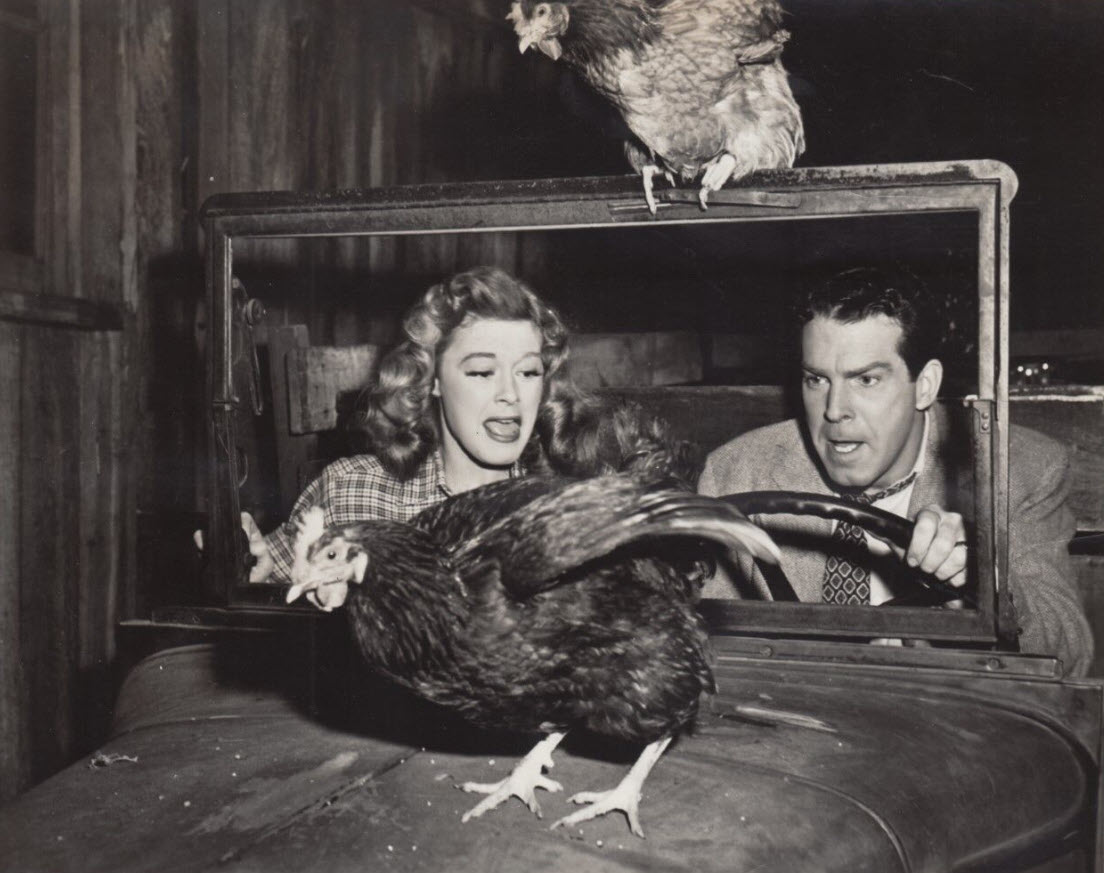
Though it comes on much too strong at times, Murder, He Says fully justifies its present "cult" status. Professional pollster Pete Marshall (Fred MacMurray) gets more than he bargained for when he heads to hillbilly country to investigate the disappearances of several of his colleagues. Poor Pete stumbles across the Fleagle family, who have a quaint habit of murdering anyone they consider to be a nuisance. Whip-wielding Mamie (Marjorie Main), her deceptively meek husband Mr. Johnson (Porter Hall) and her hulking, lamebrained twin sons (both played by Peter Whitney) are searching for $70,000 hidden by Bonnie Parker-like desperado Bonnie Fleagle, and they don't intend to be disturbed by any outsiders like Pete. Having previously poisoned their troublesome grandma (Mabel Paige) with a curious substance that causes its victims to glow in the dark, Mamie and her brood try to dispatch Pete in the same manner, leading to an uproarious slapstick setpiece involving an elaborate "Lazy Susan" table. Complicating matters is the arrival of two different women (Helen Walker, Barbara Pepper) claiming to be the long-lost Bonnie Fleagle. Jean Heather costars as Elany Fleegle, the only sympathetic (but no less crack-brained) member of the killer brood. Its comedy content aside, Murder, He Says would be memorable for its eye-popping split-screen photography, thoroughly convincing the audience that Peter Whitney is indeed two different people. | |
| |
|
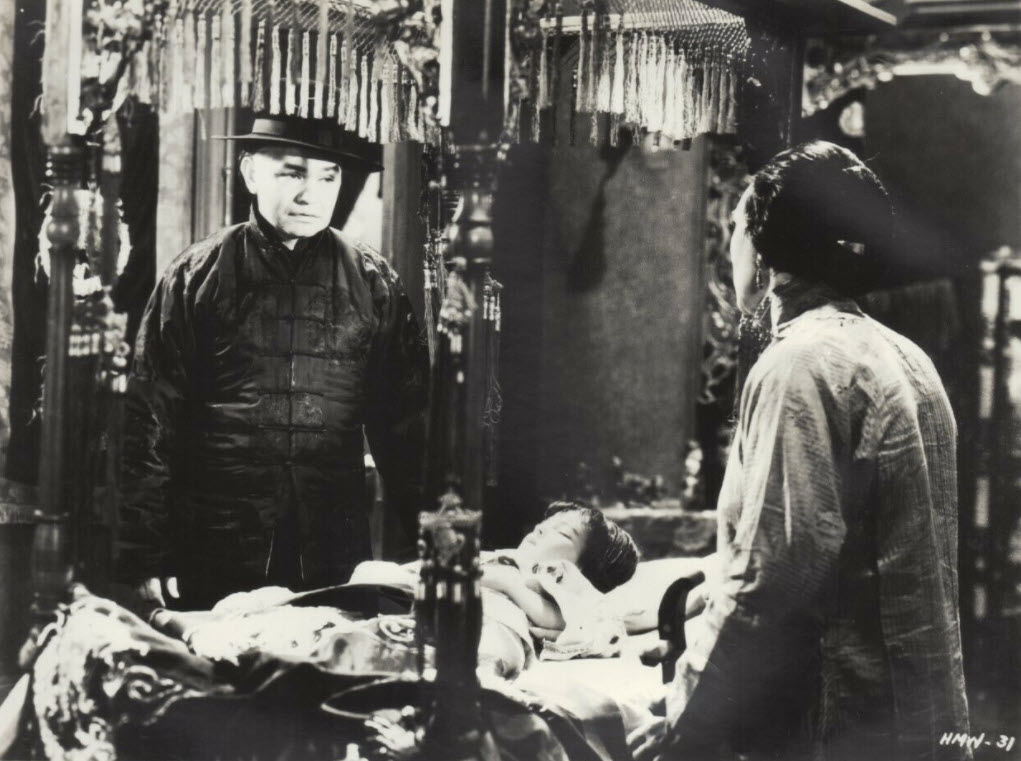
Hatchet Man is a dated but fascinating film set amidst the "tong wars" in San Francisco's Chinatown. Tong hatchet man Wong Low Get (Edward G. Robinson) is required to kill his boyhood friend Sun Yet Sen (J. Carroll Naish). Sen is resigned to his fate, but extracts a promise that Wong will look after Sen's daughter Toya San, and marry the girl when she grows up. Played as an adult by Loretta Young, Toya San weds Wong, now an influential Chinatown figure. But the girl is secretly in love with Harry En Hai (Leslie Fenton), a disreputable young half-caste. When Wong learns of the affair, he sends Toya and Harry packing, and is ostracized by the community for not fighting for his honor. Harry is deported to China for drug-dealing, taking Toya with him and ultimately deserting her. Wong trails the pair to China, where he finds that Toya has been sold into prostitution. He intends to use his hatchet to kill Harry, but is talked out of the murder by Toya. But before Wong and Toya leave for America, Harry En Hai accidentally receives his comeuppance from the one-time "hatchet man." Well acted and powerfully directed, Hatchet Man would hardly qualify as "politically correct" these days, since virtually every Asian character is portrayed by a Caucasian. | |
| |
|
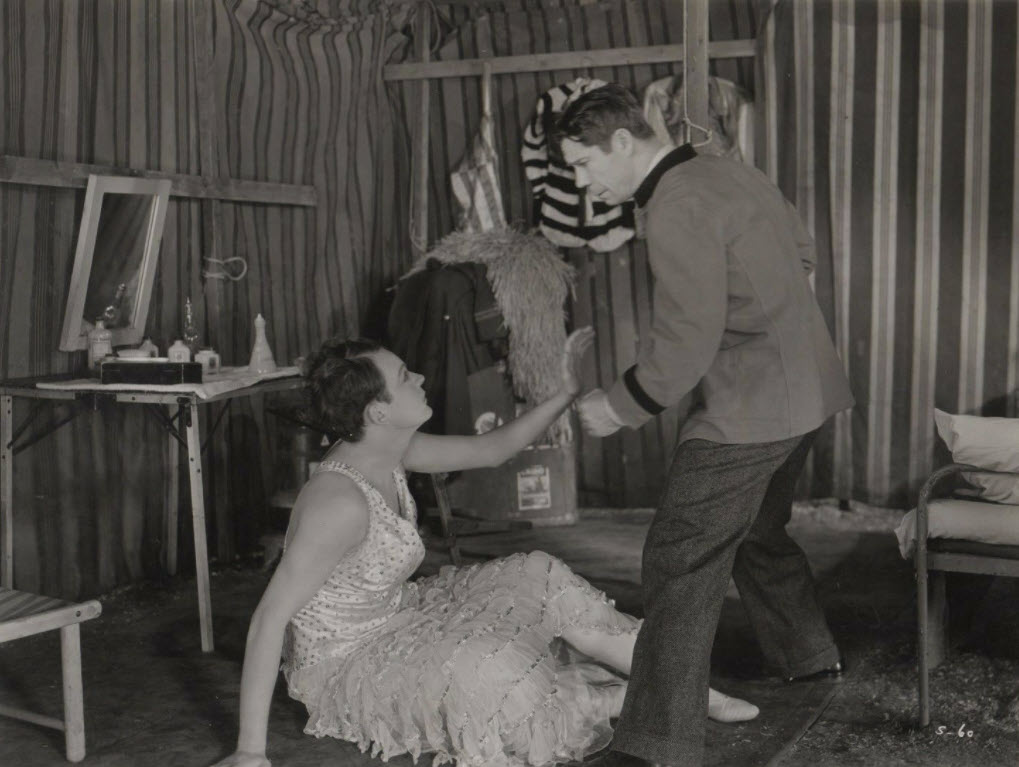
Joe E. Brown plays a dual role in Circus Clown, as would-be circus entertainer Happy Howard and his rustic old father. When dad, a former circus man himself, disapproves of Happy hitting the sawdust trail, the boy does so anyway, smitten by a beautiful female bareback rider. So naïve is our hero that he doesn't realize that the "girl" is actually female impersonator Jack (Don Dillaway), who strings Happy along just for laughs. Once this plotline is straightened out, Happy becomes the hero of the day by substituting for a drunken aerialist -- and there is no more proud or enthusiast spectator than Happy's happy dad. If Joe E. Brown looks genuinely frightened in his scene in the lion's cage, he should; the lion affectionately pawed Brown during one take, resulting in six stitches in the comedian's arm. More serious than most Brown vehicles, Circus Clown is distinguished by the star's spectacular acrobatics (the real thing -- no doubles), and by some excellent split-screen work during the "father/son" scenes. | |
| |
|
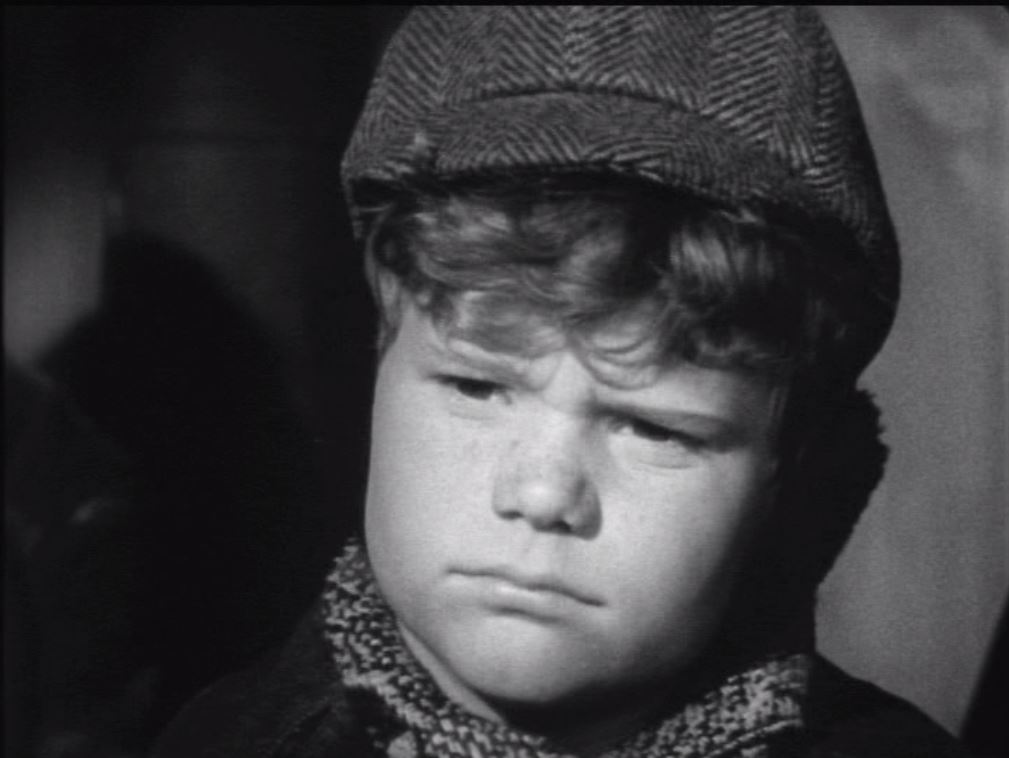
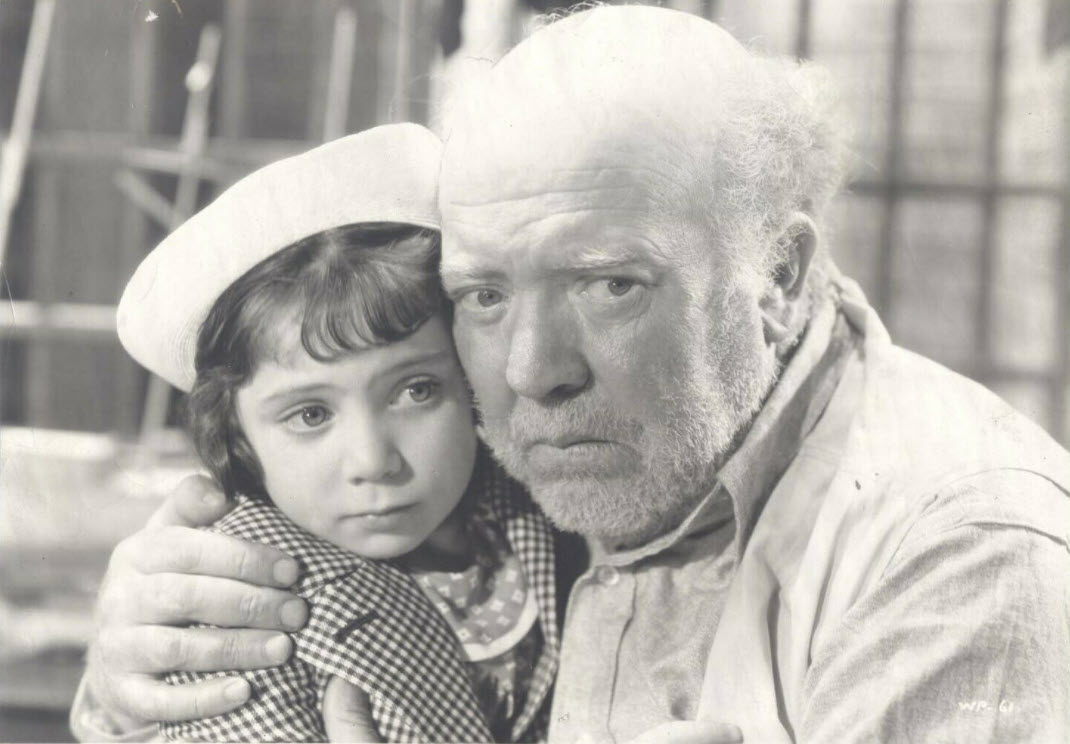
In this children's adventure, the children of a small town are enthralled by the tales of the town drunk. The story centers around the odd-ball boozer's friendship with one little girl who disobeys her spinster aunt's edict and goes to listen to the stories. The drunk's life changes after he discovers a buried treasure. He must kill a man in self-defense after the stranger attacks him for the goods. The poor little girl must testify against her friend. They are involved in a chase in which the girl careens around in her aunties Rolls Royce. After the chase everyone settles down and justice is served. The film contains two songs "I'm the Captain's Kid," and "Drifting Along." | |
| |
|
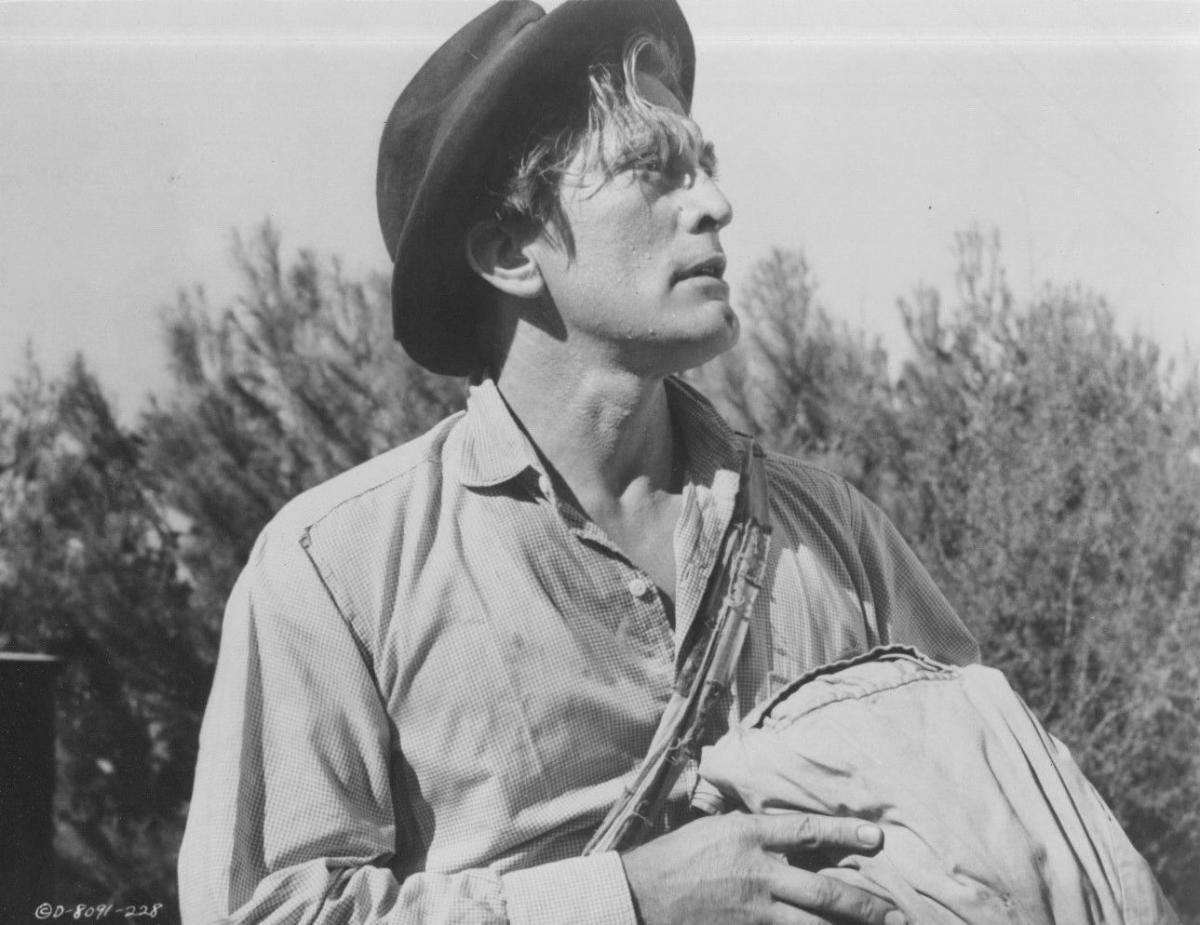
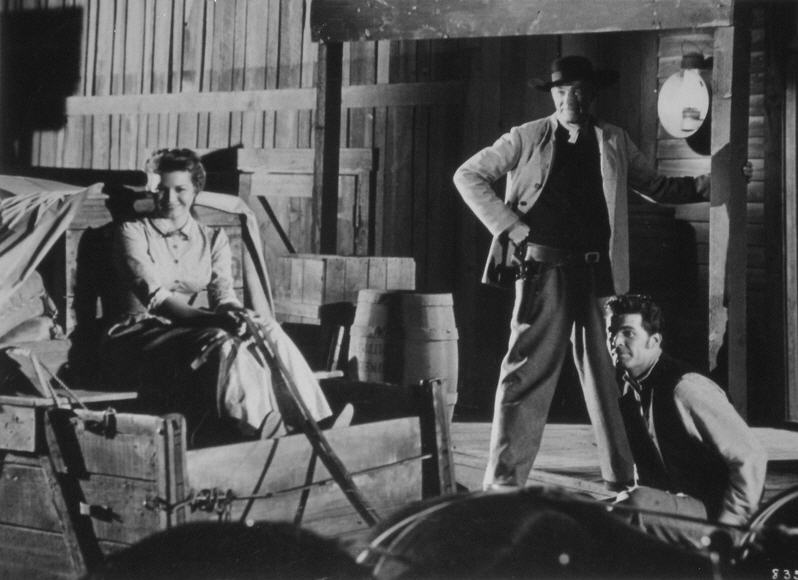
The Big Sky is based on a popular novel by A.B. Guthrie. Kirk Douglas and Dewey Martin play a pair of Kentucky frontiersmen who embark upon the first keelboat trip up the Missouri River way back in 1830. Joining Douglas and Martin are Martin's grizzled old uncle Arthur Hunnicutt and garrulous Frenchman Steven Geray. Running afoul of various Indian tribes, Douglas nonetheless romances Sioux princess Elizabeth Threatt (their off-screen relationship was on the kinky side, as an embarrassed Douglas reveals in his autobiography). Director Howard Hawks leavens the Boys' Own Adventure atmosphere of the film with a few isolated comic sequences, including a sidesplitting scene in which Douglas' gangrenous finger is cut off. Produced for RKO Radio by Hawks' own Winchester Pictures, | |
| |
|
Veteran star William S. Hart both produced and starred in this western about a railroad-station agent who loses his job because of a villain's machinations. The villain (G. Raymond Nye) is a major stockholder in the railroad company and covets Hart's girl (Mary Thurman). Working as a ranch hand, Hart discovers that his enemy is actually the leader of a gang of train robbers. According to its publicity, Sand was President Woodrow Wilson's favorite Hart western. | |
| |
|
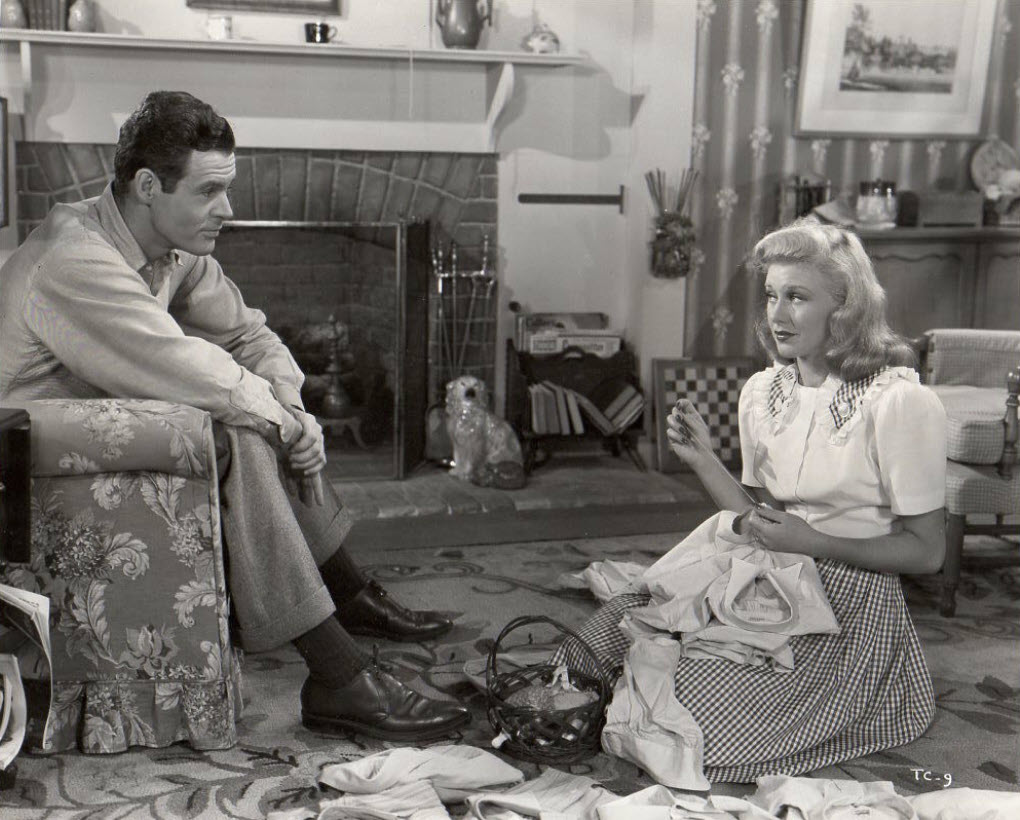
A bit treacly at times, Tender Comrade is nonetheless a fascinating distillation of the American mindset during WW2. Ginger Rogers is at her noblest and most self-sacrificial as Jo, whose husband Chris (Robert Ryan) is off fighting the war. Though pregnant, Jo finds a job at Douglas Aircraft, saving her money by living in a group home with several of her female co-workers. Delivering lines like "Share and share alike, that's democracy", Jo and her friends pool their salaries and divvy up responsibilities, as wait for news from the Front about their husbands and sweethearts. When news arrives that Chris has been killed, Jo delivers an impassioned cheer-up speech to her infant son, which will either leave the viewer in tears or in giggles, depending upon one's frame of mind. The "collectivism" implicit in Tender Comrade (not to mention its politically chancy title!) would later cause a lot of trouble for screenwriter Dalton Trumbo and director Edward Dmytrk during the HUAC "Communist witchhunt" era. In 1943, however, audiences didn't worry about such things, and the film posted a huge profit for RKO Radio. | |
| |
|
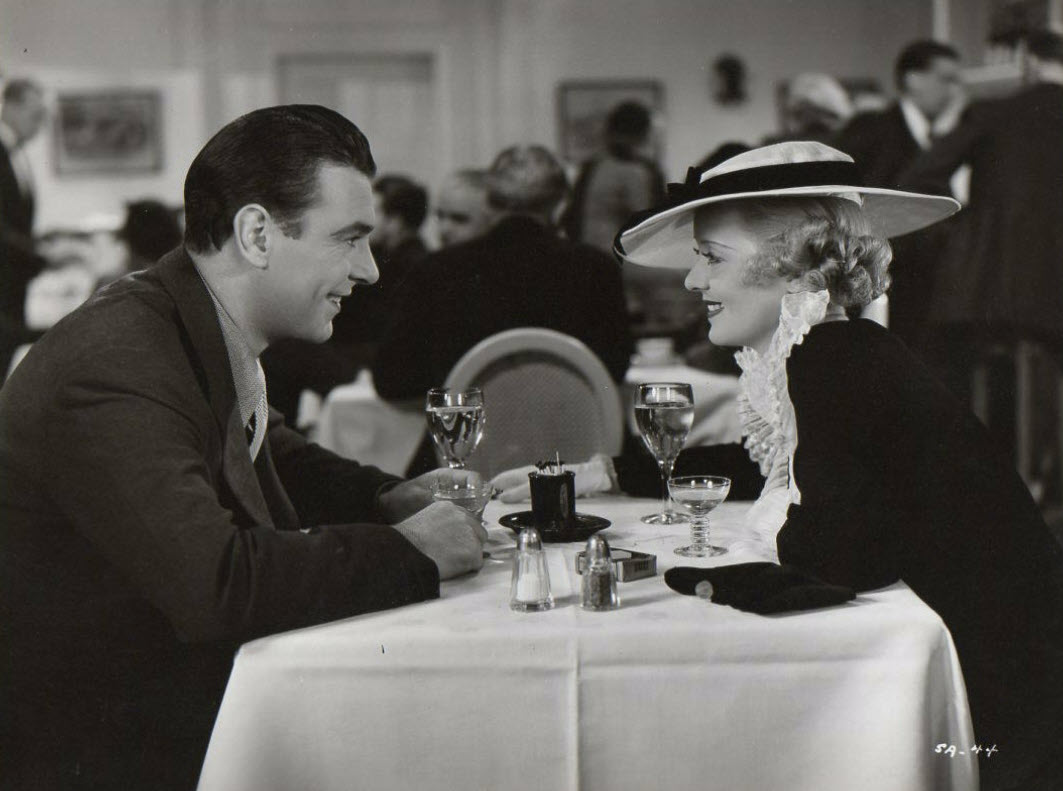
The agent of the title is George Brent, a journalist sent by the Government to get the goods on a crime syndicate. Brent befriends Bette Davis, bookkeeper for suspected crime boss Ricardo Cortez. Bette's cooperation nearly costs her life, but both she and Brent manage a tricky escape during a final shoot-out. The IRS busts Cortez' gang on income tax evasion: Can you say "Al Capone"? Special Agent was remade in 1940 as Gambling on the High Seas, with Wayne Morris and Jane Wyman in the leading roles. | |
| |
|
Sorority House is based on Mary Coyle Chase's short story Chi House. Anne Shirley plays a middle-class college student who is pledged to a snooty sorority. As Shirley struggles to qualify for membership, she becomes disillusioned by the prospect when she realizes the shallowness of her wealthy future sorority sisters. She finally declines the invitation, but since she's fallen for campus jock James Ellison, her social life won't be too bleak. A loose reworking of RKO's earlier Finishing School (34), Sorority House was scripted by Dalton Trumbo, who'd later get into hot water with the HUAC for another screenplay about a group of ladies living together, Tender Comrade (43). | |
| |
|
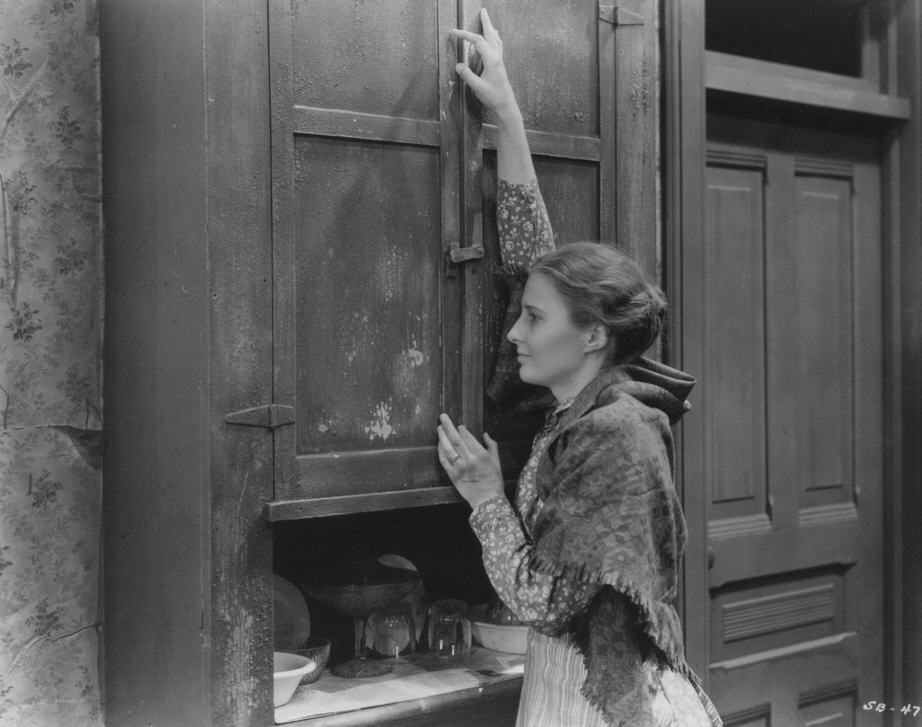
This second of three film versions of Edna Ferber's novel So Big stars Barbara Stanwyck as Ferber's resilient heroine Selena Dejong Peake. Widowed early in the proceedings, Chicago truck farmer Selena sacrifices everything for her son Dirk (Dickie Moore as a child, Hardie Albright as a grown-up), living for the day that the boy will become a successful architect. But the callow Dirk breaks his mom's heart by becoming a bond salesman. Selena vows that Rolf Pool (Dick Winslow as a boy, George Brent as an adult) will not prove a similar disappoint to his parents, taking it upon herself to encourage Rolf's dreams to become a sculptor. Bette Davis plays a supporting role as Dallas O'Mara, a young artist who hopes to convince Dirk to fulfill his mother's dreams. Previously filmed in 1925 with Colleen Moore, So Big was remade in 1953 with Jane Wyman. | |
| |
|
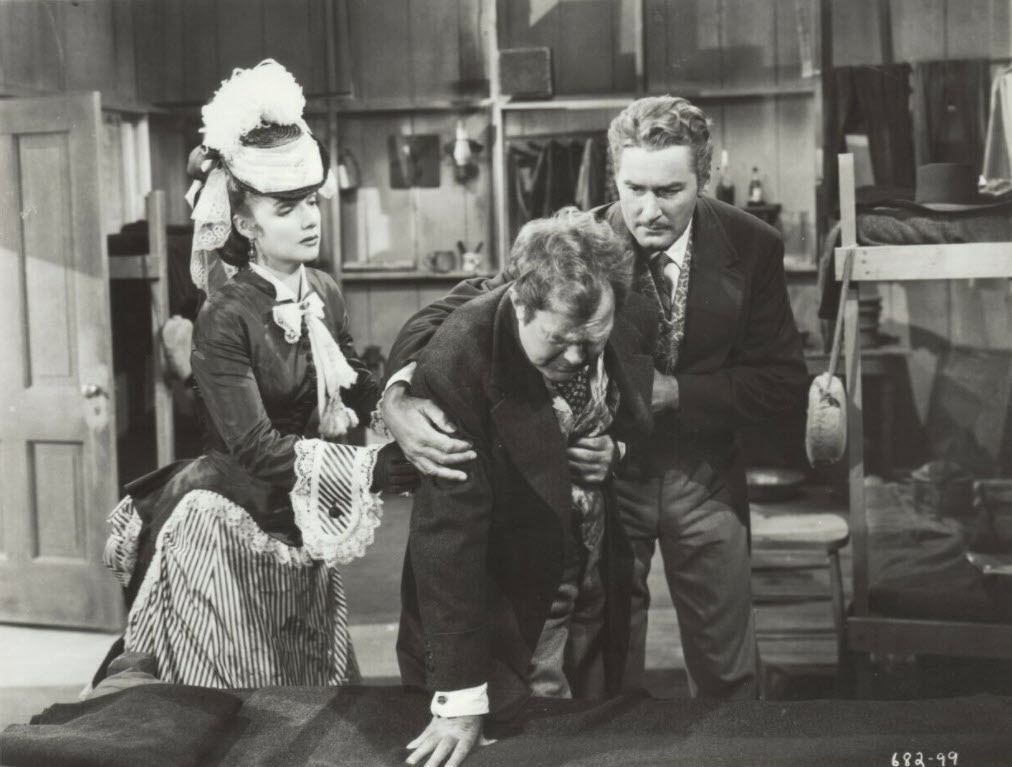
Love leads a man to his most evil deeds and forces him to change his ways in this Western. After being handed a dishonorable discharge during the Civil War, Mike McComb (Errol Flynn) becomes a professional gambler and follows a path of ruthless action to get what he wants. After moving out West and making a killing prospecting silver, McComb becomes a wealthy and powerful man, and he finds himself infatuated with beautiful Georgia Moore (Ann Sheridan). However, Georgia is married to Stanley Moore (Bruce Bennett), who works for McComb, so he arranges for Stanley to be given a dangerous assignment; Stanley is killed, and McComb sweeps the widowed Georgia off her feet. Georgia weds McComb, but in time she finds out the ugly truth about her second husband, leaving him behind. Devastated, McComb sets out to mend his ways and win Georgia back by serving more noble purposes. Silver River was the seventh Flynn vehicle directed by Raoul Walsh; it would also mark the last time they worked together. | |
| |
|
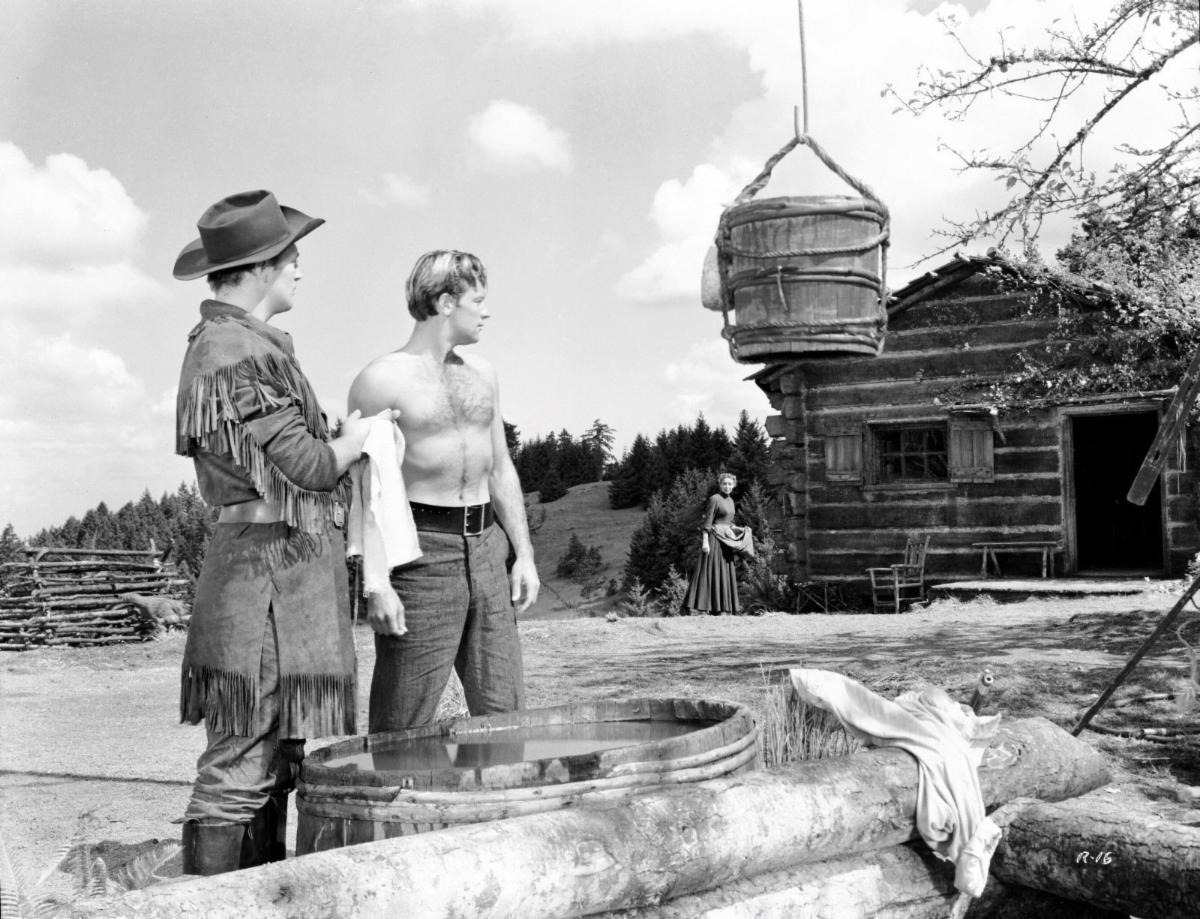
Shoot-Out At Medicine Bend (1957) | A bizarre western that at times veers dangerously close to outright burlesque, Shoot-Out at Medicine Bend concluded Randolph Scott's long-term contract with Warner Bros. and sat on the shelf for nearly two years before being dumped on the double-bill market in 1957. Scott and two fellow cavalry officers (Gordon Jones and a very young James Garner) have their clothes stolen while skinny-dipping. Offered new apparel by a group of Quakers (or are they Mormons? It is never made quite clear), the threesome go on to prevent James Craig from supplying the territory with faulty guns and ammo. Dani Crayne (the wife of actor David Janssen at the time) seductively warbles "Kiss Me Quick" and a young Angie Dickinson lends further femininity to the proceedings. Much of this is strangely watchable, but as a western Shoot-Out at Medicine Bend can never make up its mind whether to play it straight or for comedy. Not too surprisingly, director Richard L. Bare had gotten his start helming the studio's "Joe McDoakes" comedy shorts in the 1940s. A final paradox: There is nary a shoot-out in the entire film. | |
| |
|
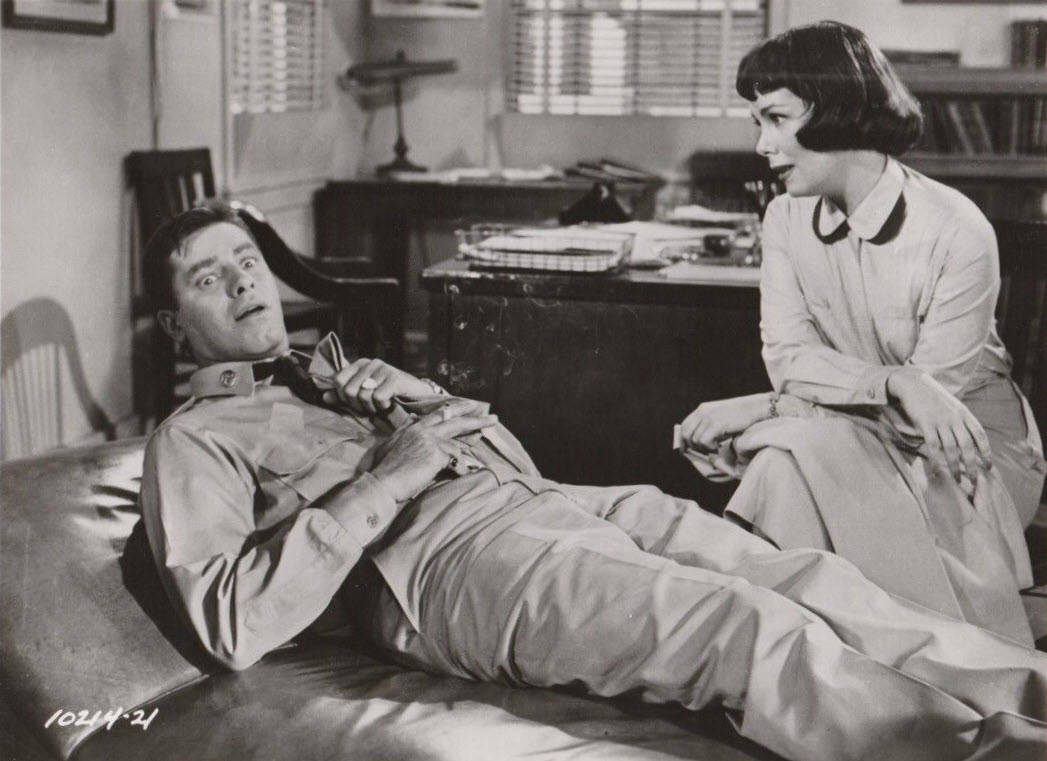
In his second solo starring film after breaking with Dean Martin, Jerry Lewis plays cartoonist George Baker's classic GI misfit The Sad Sack. Lewis' constitutional inability to do anything right brings him under the scrutiny of gorgeous Army psychiatrist Phyllis Kirk. She discovers that Lewis possesses a photographic memory, making him valuable enough to be transferred to a top secret assignment in Morocco. Assigned along with buddies David Wayne and Joe Mantell to guard a new weapon, Lewis deviates from his task when he falls in love with sexy nightclub performer Lilliane Montevecchi. She spurns him, so the heartbroken Lewis deserts the army and joins the Foreign Legion. When enemy spy Peter Lorre discovers that Lewis has memorized the assembly instructions for the secret weapon, he and his minions kidnap Lewis, Wayne and Mantell. With the help of Montevecchi, Lewis thwarts the baddies and becomes a hero--but within minutes, he's fouled up again, so it's back to permanent KP duty. Jerry Lewis still needed a straight-man foil at the time of The Sad Sack so Paramount provided him with David Wayne and Joe Mantell. By the time Geisha Boy rolled around in 1958, Lewis was finally able to carry a picture by himself. | |
| |
|
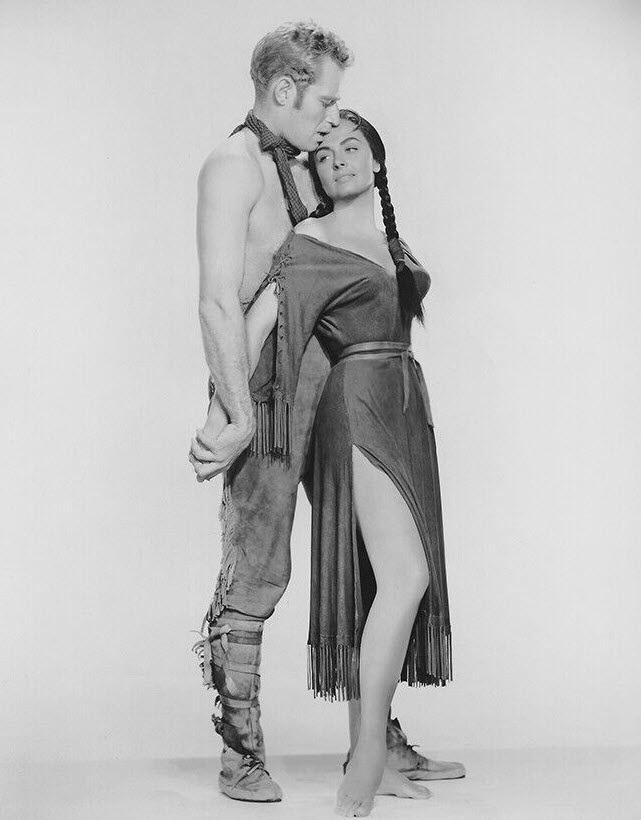
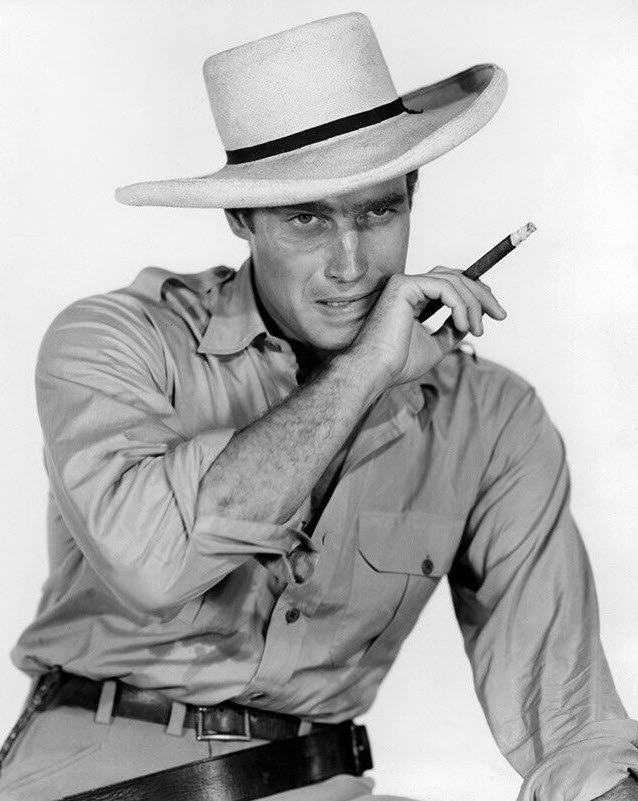
The Untamed West is the reissue title of the Pine-Thomas production The Far Horizons. This romanticized retelling of the Lewis and Clark expedition of 1803-06 stars Fred MacMurray as Meriwether Lewis and Charlton Heston as Bill Clark. The film doesn't delve much into the real-life animosity between the two, though it's clear that there's little love lost between the cerebral Lewis and the two-fisted Clark. Aiding the men in their expedition is Indian maiden Sacajawea, played with fist-in-the-air defiance by Donna Reed. Since interracial romances were still largely taboo in American films of the early 1950s, Sacajawea can only pine and sigh as Lewis and Clark square off over the affections of white-woman Julia Hancock (Barbara Hale). This Technicolor-and-Vistavision film works best as an outdoor adventure; its dramatic scenes tend to bog down in an excess of verbiage. The Far Horizons was based on Sacajawea of the Shoshones, a novel by Della Gould Edmonds. | |
| |
|
It doesn't take long for old-time-radio fans to figure out that The Naked Jungle is a film version of the classic Carl Stephenson nailbiter Leiningen Versus the Ants. Charlton Heston plays South American plantation owner Christopher Leiningen, who spends most of the film preparing for the hellish onslaught of deadly soldier ants. The original story concentrated solely on Leiningen; the film version hokes things up a bit by bestowing upon the hero a gorgeous mail-order bride, played by Eleanor Parker. No matter: the climactic insect invasion is well worth the wait, utilizing the Paramount Pictures optical-effects department to the nth degree. The Naked Jungle also offers excellent supporting work from Abraham Sofaer, Douglas Fowley, and William Conrad, who also acted in several of the radio adaptations of the Carl Stephenson yarn. | |
| |
|
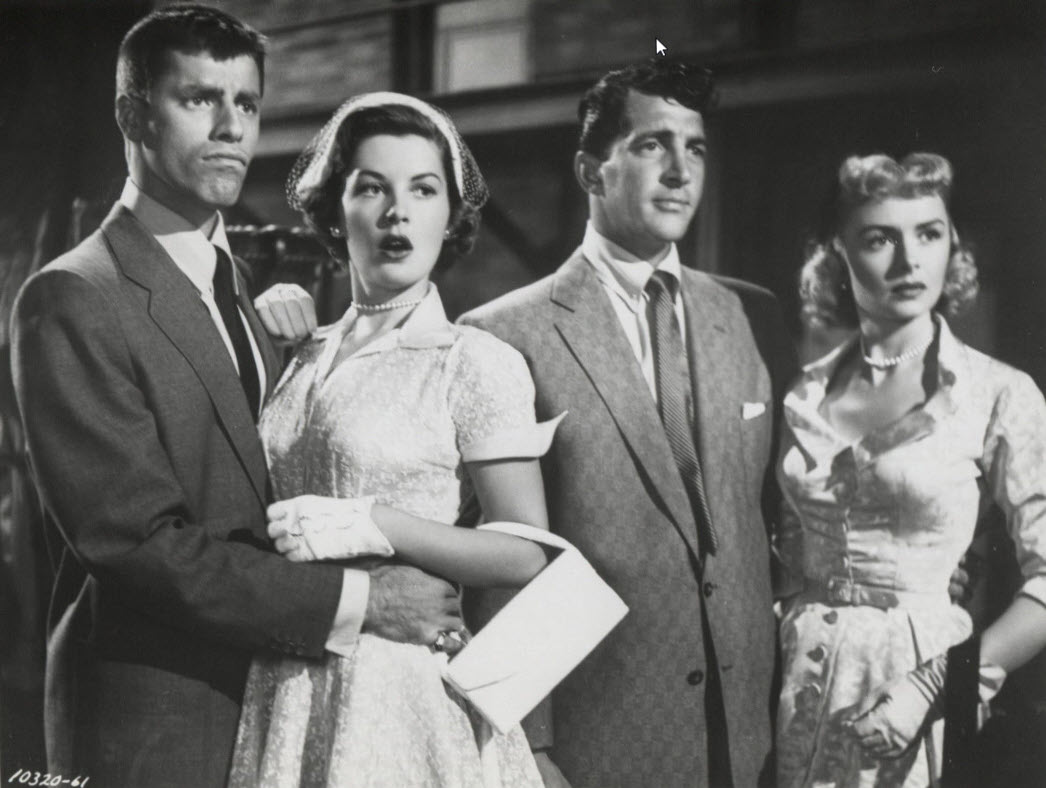
Frightening though the prospect may sound, Dean Martin and Jerry Lewis appear in Technicolor and 3-D in the musical comedy Money from Home. Cashing in on the success of Guys and Dolls, the script is based on a Damon Runyon story. Martin plays gambler Honey Talk Nelson, whose "markers" have been called in by gangster boss Jumbo Schneider (Sheldon Leonard). In need of money in a hurry, Honey Talk tries to honey-talk his gawky assistant-veterinarian cousin Virgil Yokum (Jerry Lewis) into "fixing" the outcome of an upcoming Maryland steeplechase competition. Along the way, Virgil is forced to impersonate British jockey Bertie Searles (Richard Haydn), and also gets mixed up with a visiting Arab potentate (Romo Vincent) and his harem. Pat Crowley and Marjie Millar fulfill the leading-lady obligations, while Dean Martin gets to sing three songs, one of them co-written by Guys and Dolls composer Frank Loesser. | |
| |
|
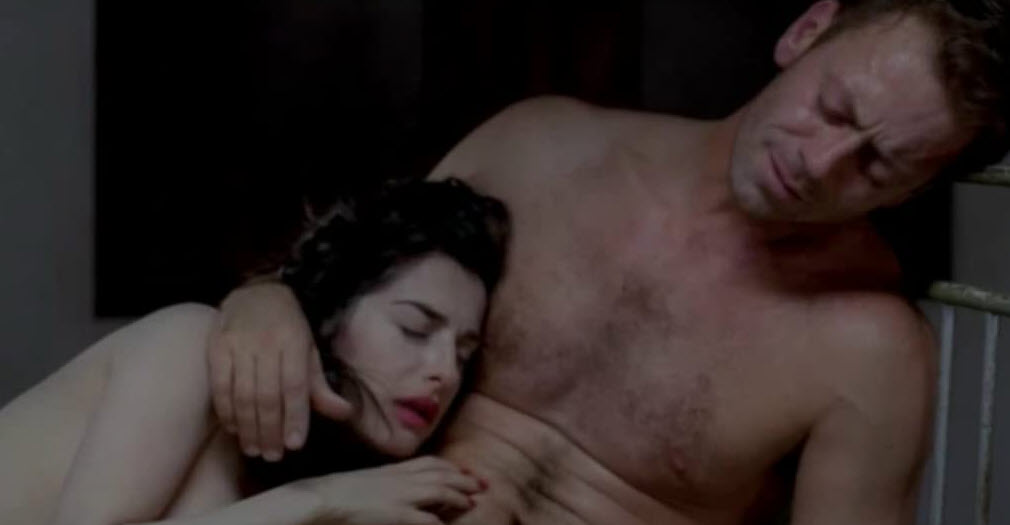
A lonely and dejected woman (Amira Casar) learns that only when all inhibitions are cast aside will she be able to truly understand the truth about how men see women in this erotically charged exploration of sexuality from controversial director Catherine Breillat. Teetering on the edge of overwhelming ennui, the woman pays a man (Rocco Siffredi) to join her for a daring, four-day exploration of sexuality in which both reject all convention and smash all boundaries while locked away from society in an isolated estate. Only when the man and woman confront the most unspeakable aspects of their sexuality will they have a pure understanding of how the sexes view one another. | |
| |
|
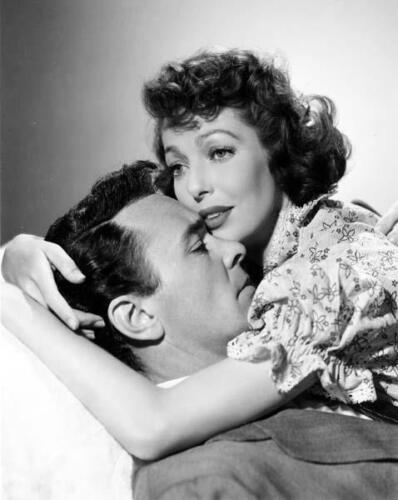
Rachel And The Stranger (1948) | This late-40s western features Robert Mitchum as an Indian scout who happens upon an unlikely family cabined up in the Great Northwest. They're unlikely because the widower settler (William Holden) has "purchased" a wife (Loretta Young as wife Rachel) to help raise his son and do the female chores around the farm. The son resents the surrogate mom and the whole bunch aren't too happy when Mitchum shows up and starts making eyes at the lady. Their mutual attraction makes Holden jealous and he starts finding his wife a lot more attractive. It takes a full-fledged Indian attack to force the action, resolving the issue as to who's the right fella for Rachel. | |
| |
|
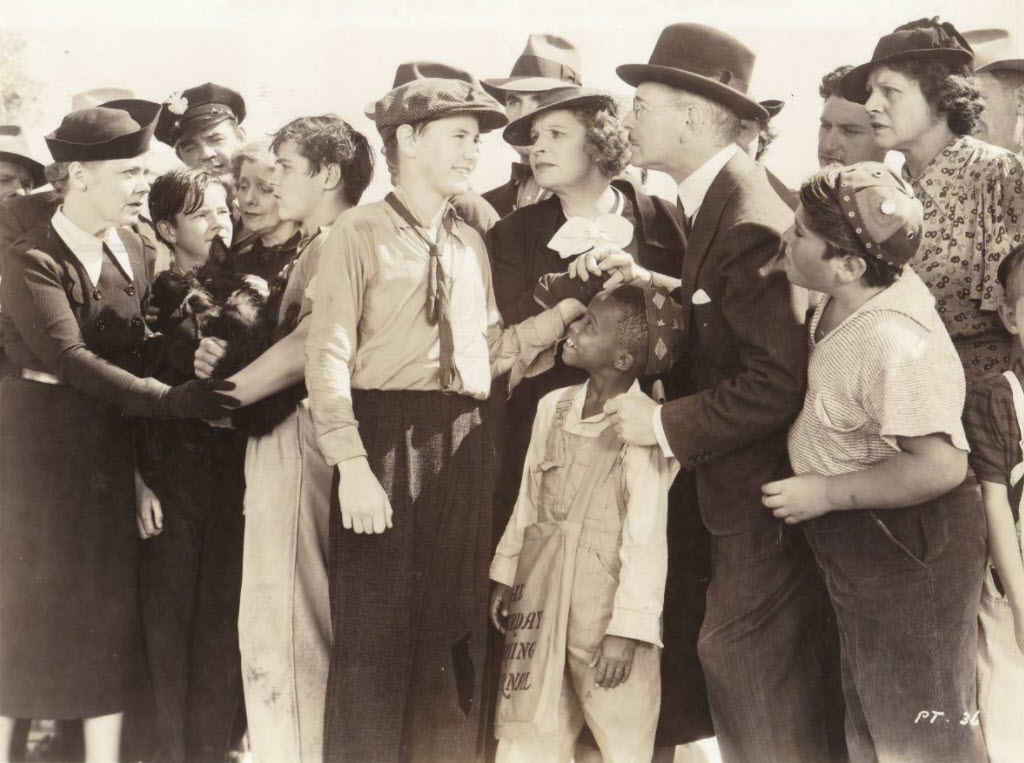
Penrod And His Twin Brother (1938) | Once they had twin child actors Billy and Bobby Mauch on their payroll after The Prince and the Pauper, Warner Bros. had to work overtime to come up with suitable vehicles. One of the Mauch twins' best efforts was Penrod and His Twin Brother, based loosely on the "Penrod" stories by Booth Tarkington. Actually, 14-year-old "All American boy" Penrod (Billy Mauch) isn't really the brother of tough kid Danny (Bobby Mauch), but they do look exactly alike, leading to trouble for Penrod when he gets blamed for Danny's misdeeds. Eventually, Pen and Danny team up to vanquish a common enemy: a gang of mobsters who've squirreled themselves away in a desolate hideout. Among the supporting players are two recent "Our Gang" graduates, Jerry Tucker and Philip Hurlic. Penrod and His Twin Brother did well enough to warrant a follow-up, Penrod's Double Trouble. | |
| | | |