|
27% OFF
your entire purchase
|
|
|
Be sure to enter code
N26LTL8YVVK at checkout to save!
| | | | |
|
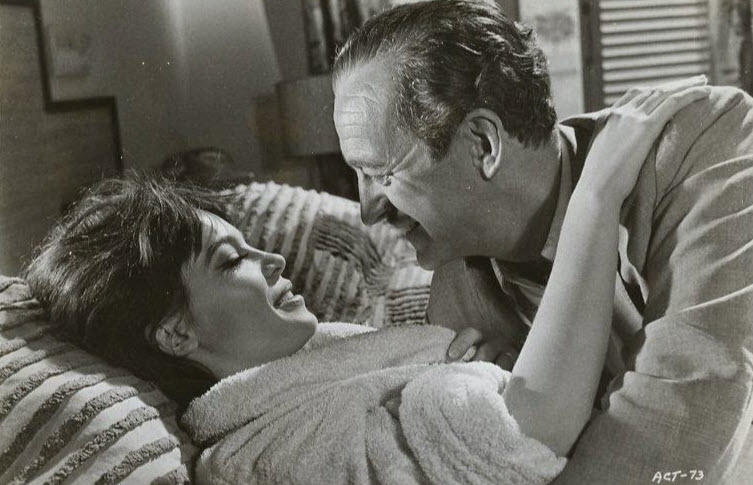
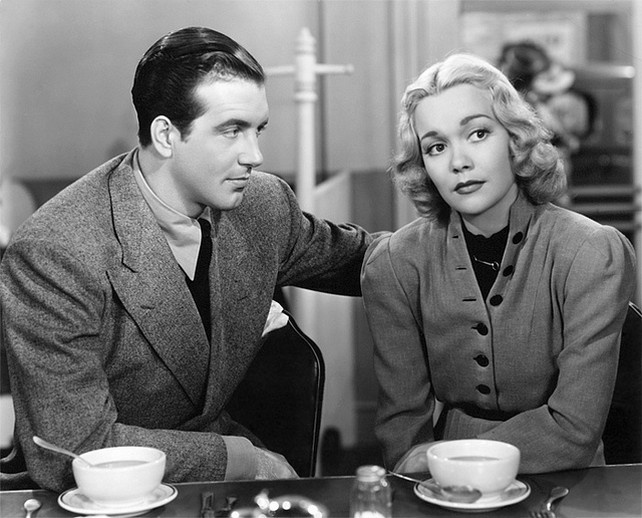
This drama by director Anthony Asquith, a noted lynchpin in British cinematic history, may wear too many hats to be identified as either an adventure, a treatise on non-violence, a psychological study, or whatever. It is all of these things as it starts out in the midst of a revolution in a fictional South American country. David Niven is Tom Jordan, the sometimes disagreeable manager of a British plantation. When it becomes apparent that the leader of the country will be forced to flee for his life, Tom and his wife Claire (Leslie Caron) end up chauffeuring the wounded President Rivera (David Opatoshu) out of there. Tom and Claire are in the midst of marital troubles -- which tend to pale when their car lands in quicksand in a river bed, or when she is unexpectedly threatened by a frightening band of young men while out exploring an abandoned village. And for the pacifist Tom, the worse is yet to come when he is forced to either kill or be killed. | |
| |
|
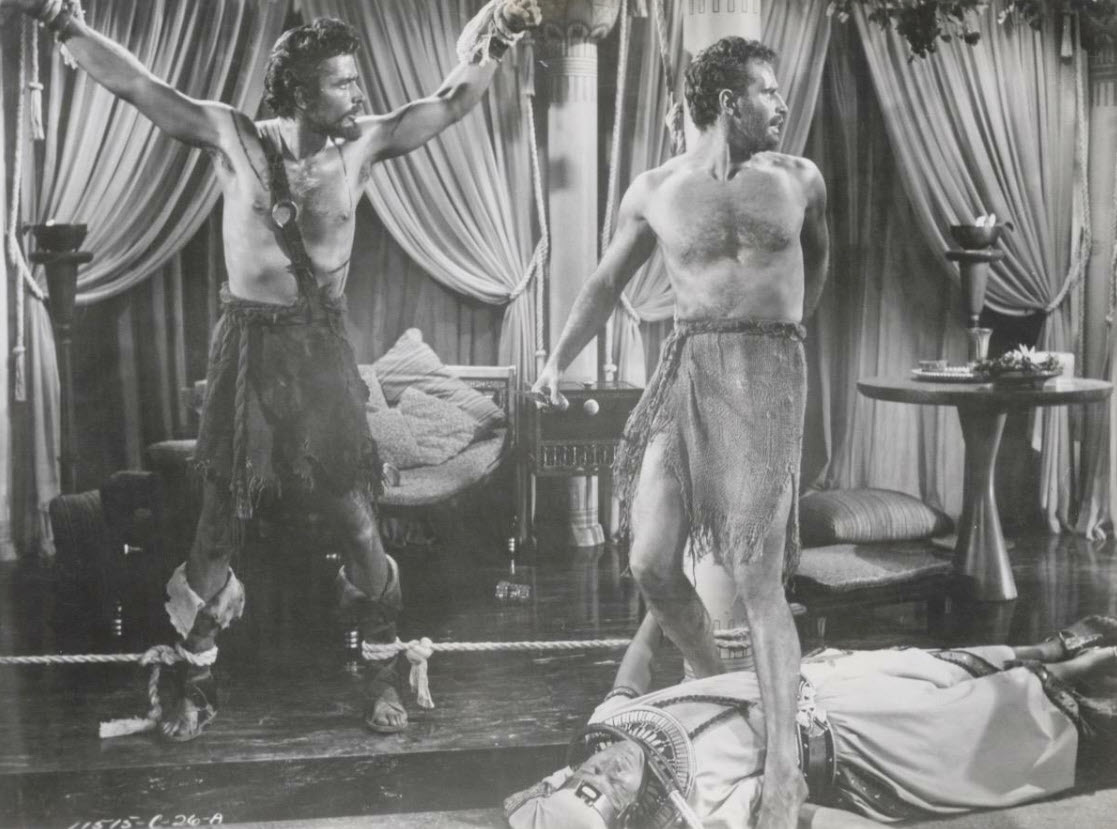
Samson And Delilah (1949) | Samson and Delilah is Cecil B. DeMille's characteristically expansive retelling of the events found in the Old Testament passages of Judges 13-16. Victor Mature plays Samson, the superstrong young Danite. Samson aspires to marry Philistine noblewoman Semadar (Angela Lansbury), but she is killed when her people attack Samson as a blood enemy. Seeking revenge, Semadar's younger sister Delilah (Hedy Lamarr) woos Samson in hopes of discovering the secret of his strength, thus enabling her to destroy him. When she learns that his source of his virility is his long hair, Delilah plies Samson with drink, then does gives him the Old Testament equivalent of a buzzcut while he snores away. She delivers the helpless Samson to the Philistines, ordering that he be put to work as a slave. Blinded and humiliated by his enemies, Samson is a sorry shell of his former self. Ultimately, Samson's hair grows back, thus setting the stage for the rousing climax wherein Samson literally brings down the house upon the wayward Philistines. Hedy Lamarr is pretty hopeless as Delilah, but Victor Mature is surprisingly good as Samson, even when mouthing such idiotic lines as "That's all right. It's only a young lion". Even better is George Sanders as The Saran of Gaza, who wisely opts to underplay his florid villainy. The spectacular climax to Samson and Delilah allows us to forget such dubious highlights as Samson's struggle with a distressing phony lion and the tedious cat-and-mouse romantic scenes. | |
| |
|
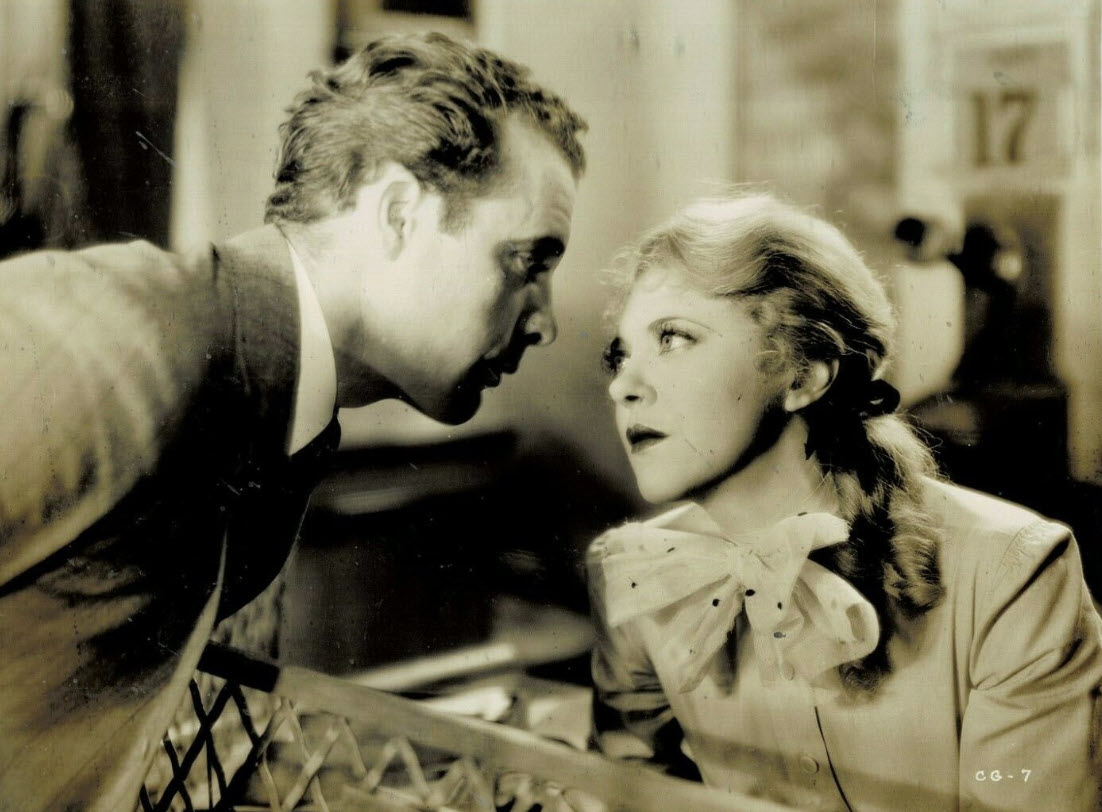
Jenny (Ruth Chatterton) becomes pregnant by a young man who is killed in the 1906 San Francisco earthquake. Bearing her child in secret, Jenny gives up custody to a wealthy couple. The years pass, and through the auspices of a crooked politician (Louis Calhern), Jenny becomes the number one "madame" of San Francisco, with interests in several other illicit activities. Crusading district attorney Dan Reynolds Donald Cook decides to rid the city of Jenny's operations -- little suspecting that the notorious woman is actually his own mother. | |
| |
|
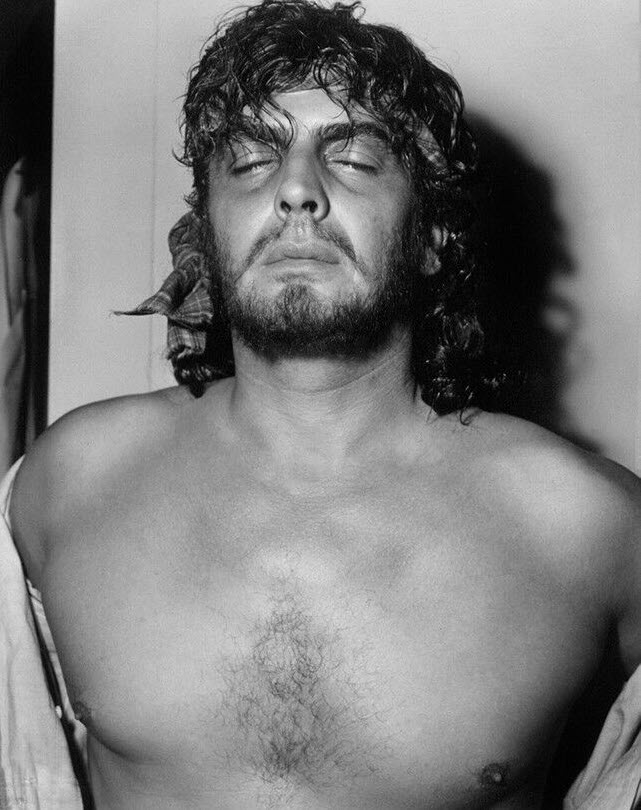
Frankenstein Must Be Destroyed (1969) | The key image of this film occurs early on, as a hideous monster removes its face, only to reveal itself as Baron Frankenstein in a mask. Hammer's fifth installment in the series sees the transformation of doctor into monster complete. Peter Cushing's portrayal of the Baron here is all insanity and hatred, rather than the misunderstood (if unethical) genius of previous entries. Frankenstein transplants the brain of an insane doctor into Freddie Jones' body, creating a pathetic, misshapen beast, while using blackmail and rape to control the people around him. This was director Terence Fisher's favorite film, and his pacing and composition have rarely been better. Jones (the nasty showman in The Elephant Man) is great at communicating the disorientation and helpless agony of his condition, and while Cushing's character is more one-dimensional than usual, he does his normal excellent job as the Baron. Hammer's next installment was the silly Horror of Frankenstein before Fisher returned to end the series with Frankenstein and the Monster from Hell. | |
| |
|
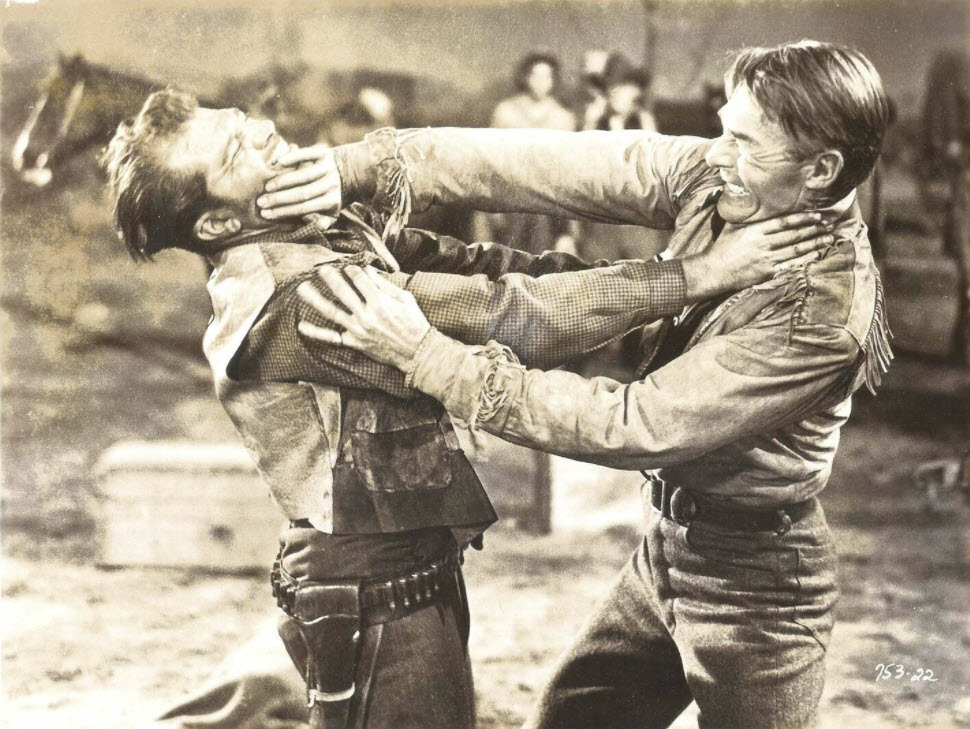
Fort Worth stars Randolph Scott as gunfighter-turned-newspaperman Ned Britt. Setting up shop in the eponymous Texas town, Britt tries to expose the crooked machinations of cattle baron Gabe Clevinger (Ray Teal). This brings him into conflict with his old friend Blair Lunsfold (David Brian), who has cast his lot with Clevinger. Further complicating matters is Lunsford's fiancee Flora Talbot (Phyllis Thaxter), who falls in love with Britt. As tensions threaten to erupt into all-out bloodshed--especially when Clevinger deploys brute force to prevent the arrival of the railroad--Ned Britt is forced to rethink his newfound philosophy that the pen is mightier than the sword. | |
| |
|
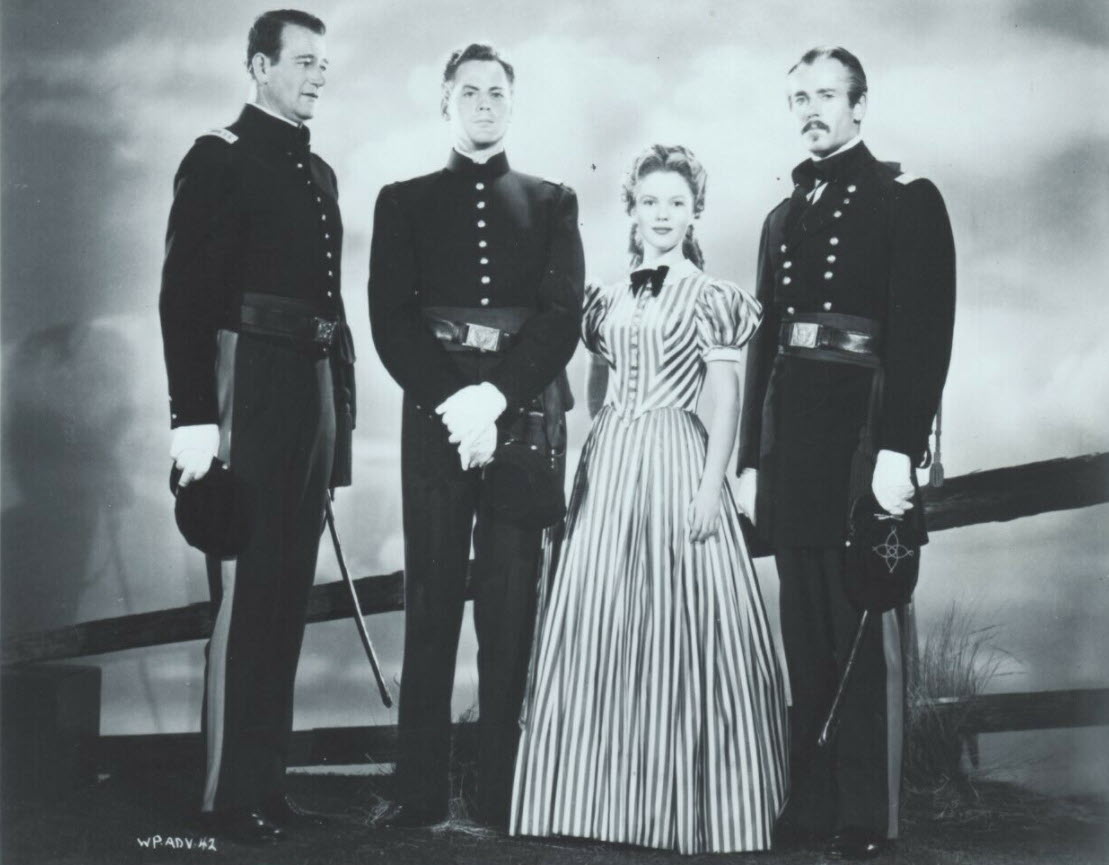
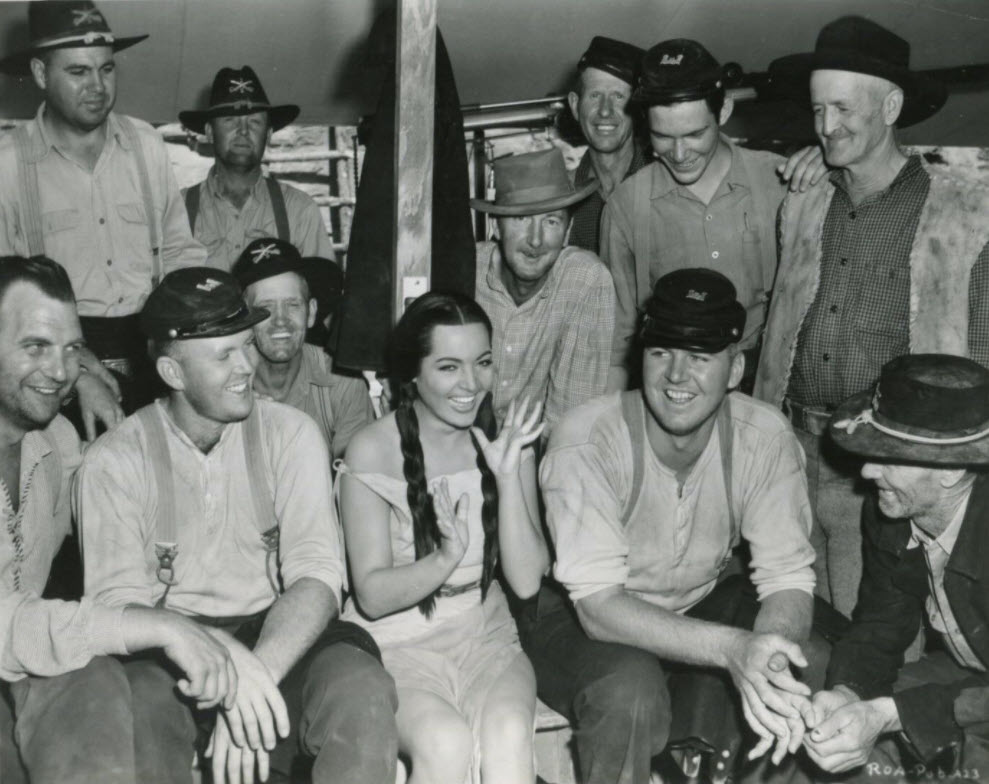
The first of John Ford's "Cavalry Trilogy", Fort Apache stars John Wayne as captain Kirby York and Henry Fonda as Custer clone Lt. Col. Owen Thursday. Resentful of his loss in rank and transfer to the West after serving gallantly in the Civil War, the vainglorious Thursday insists upon imposing rigid authority on rough-and-tumble Fort Apache. He is particularly anxious to do battle with the local Indians, despite York's admonitions that the trouble around the fort is being fomented not by the so-called savages but by corrupt white Indian agents. Thursday nonetheless ends up in a climactic set-to with Indian chief Cochise. He and his men are needlessly slaughtered, but the Eastern press builds "Thursday's Charge" into an incident of conspicuous valor--and York, ever loyal to the cavalry, is not about to tell the whole truth. The bare bones of Fort Apache's plotline are fleshed out with several subplots, including the romance between Thursday's daughter Philadelphia (Shirley Temple) and Lt. Mickey O'Rourke (John Agar), the son of Fort Apache veteran Sgt. Michael O'Rourke (Ward Bond). There's also plenty of time for the expected drunken-brawl humor of Victor McLaglen. Not in the least politically correct, Fort Apache is a classic of its kind, and together with Rio Grande (1950) the best of the John Ford/John Wayne Cavalry films. | |
| |
|
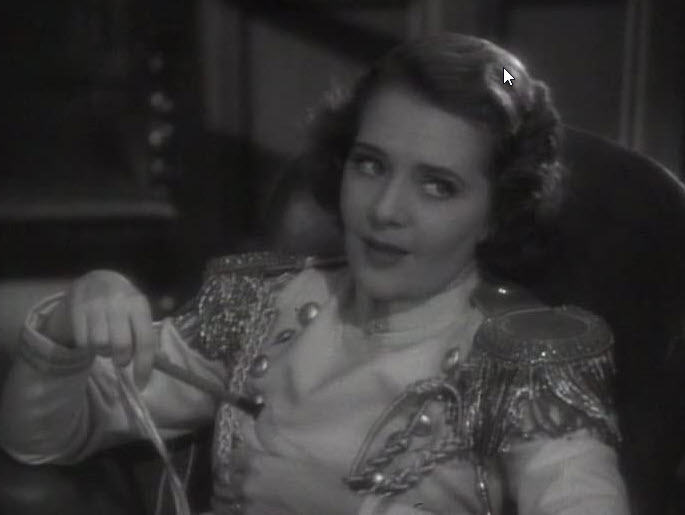
Dick Powell and Ruby Keeler reunite once again for this musical salute to the West Point Military Academy, including many scenes shot at West Point with "the full cooperation of the United States Army." Powell is Canary Dorcey, a private at a Hawaiian army post where he meets the perky Kitt Fits (Ruby Keeler), and she proceeds to flirt with him. Unable to handle the love games, Canary escapes Hawaii by getting an appointment at West Point, where he diligently pursues his studies and tries to forget about dames. But four years later, Kit shows up at West Point with her father, General Jack Fitts (Henry O'Neill), who has accepted the position of the new West Point commander. After some sparring and hedging, a visit to the Kissing Rock along the Flirtation Walk turns the two little lovebirds around, and soon enough they are appearing in the annual West Point musical revue, all forgiven. | |
| |
|
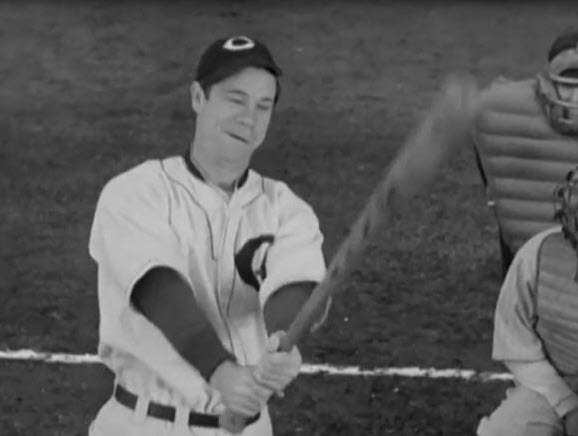
Joe E. Brown plays Elmer Kane, a rookie ballplayer with the Chicago Cubs whose ego is matched only by his appetite. Because he is not only vain but naive, Elmer's teammates take great delight in pulling practical jokes on him. Still, he is so valuable a player that the Cubs management hides the letters from his hometown sweetheart Nellie (Patricia Ellis), so that Elmer won't bolt the team and head for home. When Nellie comes to visit Elmer, she finds him in an innocent but compromising situation with a glamorous actress (Claire Dodd). She turns her back on him, and disconsolate Elmer tries to forget his troubles at a crooked gambling house. Elmer incurs an enormous gambling debt, which the casino's owner is willing to forget if Elmer will only throw the deciding World Series game. Elmer brawls with the gambler and lands in jail, where he learns of a particularly cruel practical joke that had previously been played on him. Out of spite, he refuses to play in the Big Game, and thanks to a jailhouse visit by the gamblers, it looks as though Elmer has taken a bribe. But when he shows up to play (after patching things up with Nellie), Elmer proves that he's been true-blue all along. Based on the Broadway play by Ring Lardner and George M. Cohan, Elmer the Great betrays its stage origins in its static early scenes, but builds confidently to a terrific climax during a rain-soaked ball game. This enjoyable film was the second in Joe E. Brown's "baseball trilogy" (see also Fireman Save My Child and Alibi Ike). Elmer the Great was remade in 1939 as Cowboy Quarterback, with Bert Wheeler in Joe E. Brown's part and with football substituting for baseball. | |
| |
|
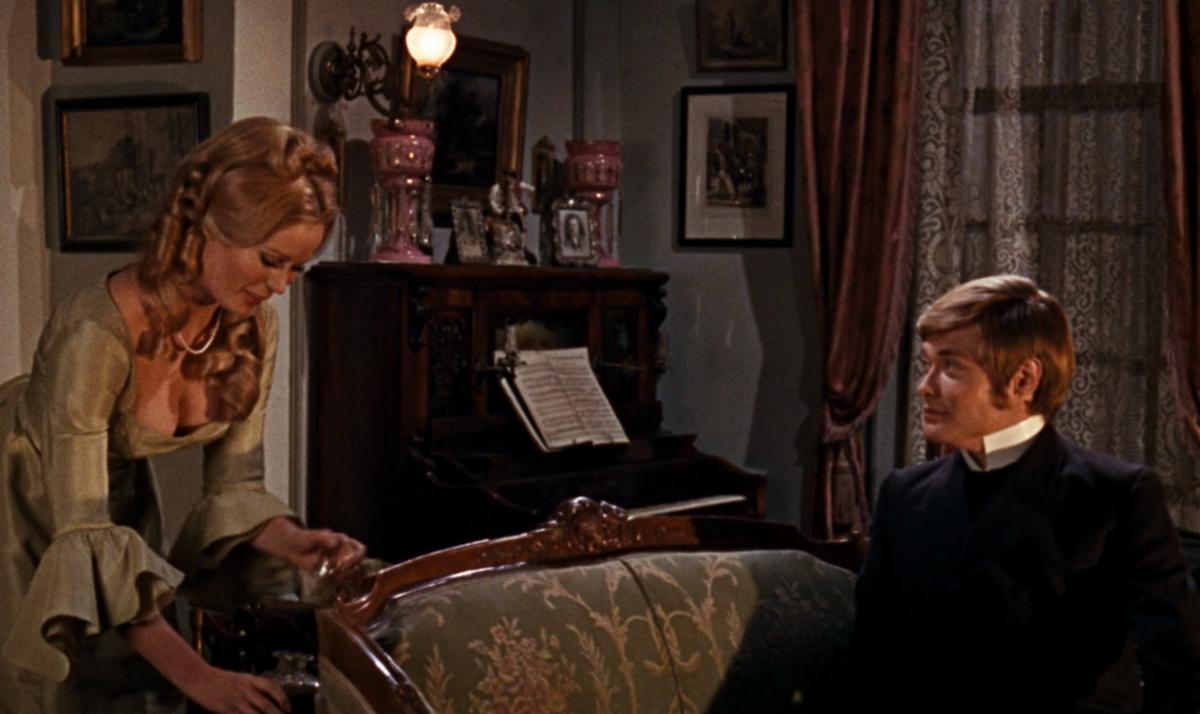
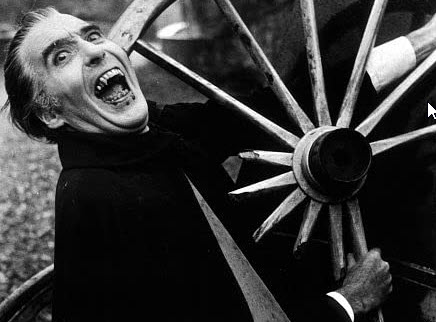
Hammer Studios attempted to inject new blood into their Dracula series by setting their next installment in ultra-mod '70s London, where the Count is revived after 100 years by a gang of devil-worshipping swingers led by the not-so-cleverly-named Johnny Alucard (Christopher Neame), and later joined by Jessica (Stephanie Beacham), granddaughter of the legendary vampire hunter Dr. Van Helsing (Peter Cushing, returning to the role after more than a decade). After the group manages to resurrect the Count, he sets about the task of destroying the house of Van Helsing once and forever, leading to a battle in a de-sanctified cathedral. Despite some well-staged scenes, a thrilling prologue (involving a tense battle between Lee and Cushing aboard a runaway coach) and the presence of the stunning Caroline Munro, this is definitely one of the weaker entries in the series, and the script gives Lee very little to do with the hissing, red-eyed villain. Lee may have been bored with reprising the role altogether, as he would only return for one more sequel, The Satanic Rites of Dracula. | |
| |
|
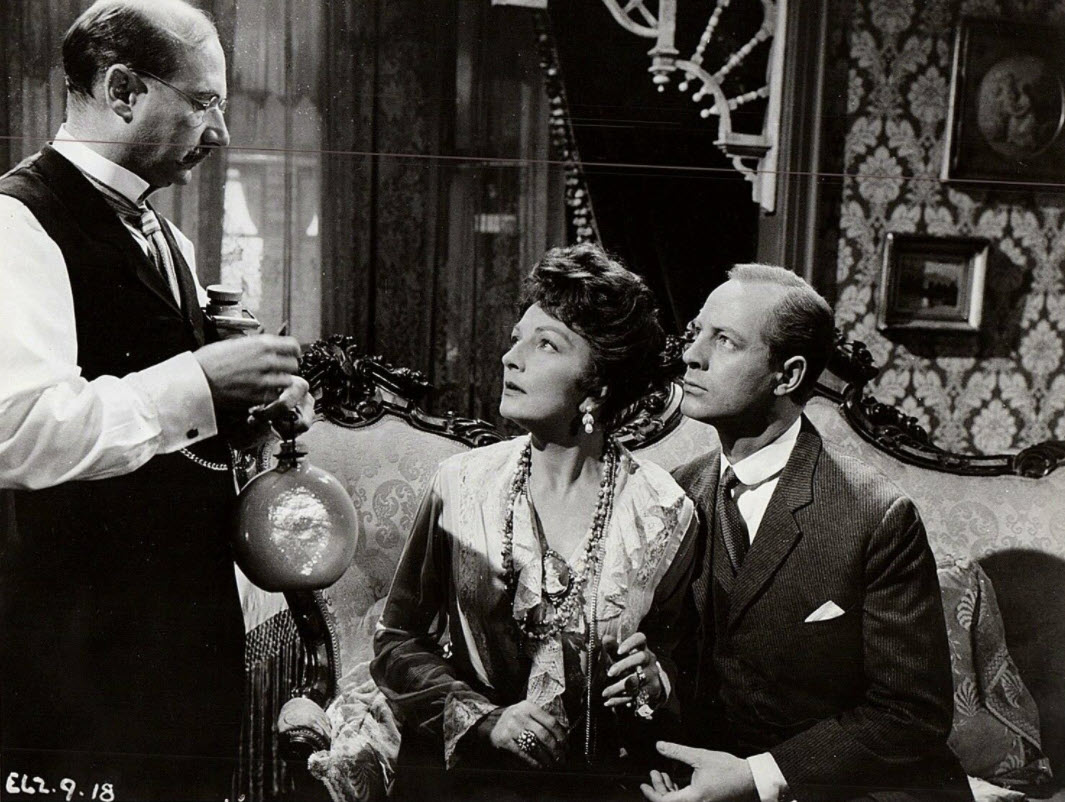
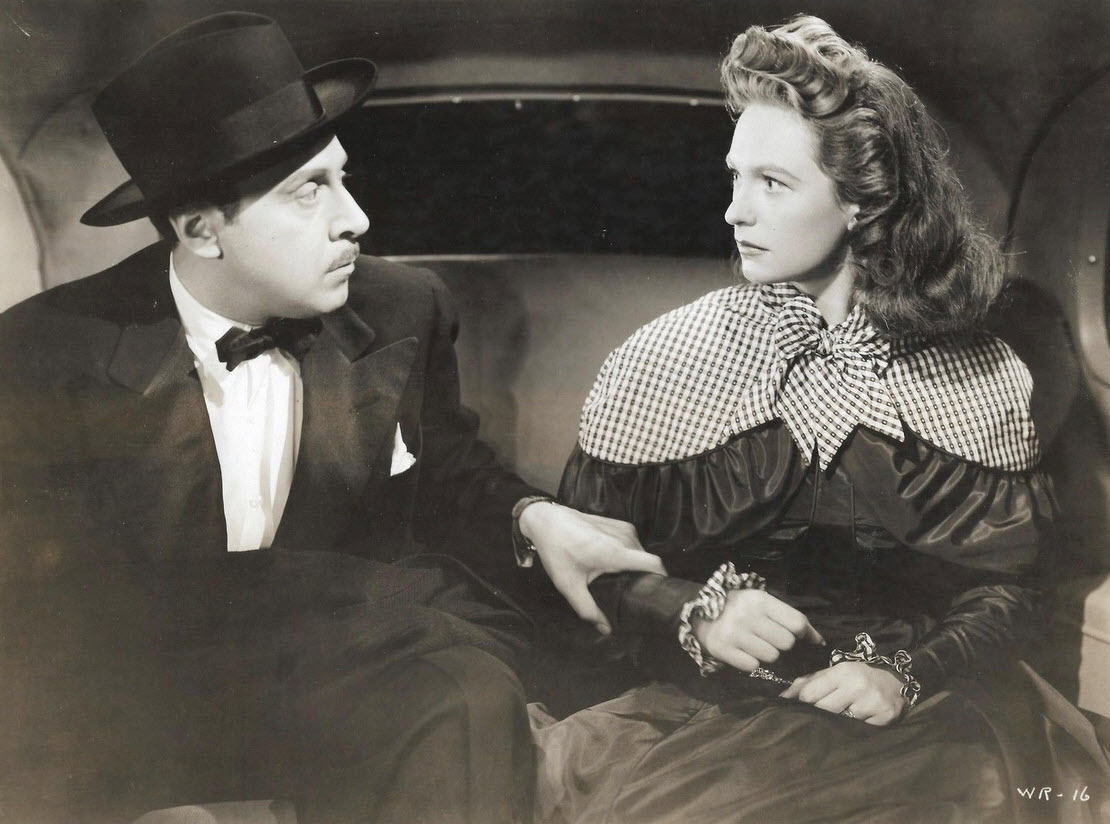
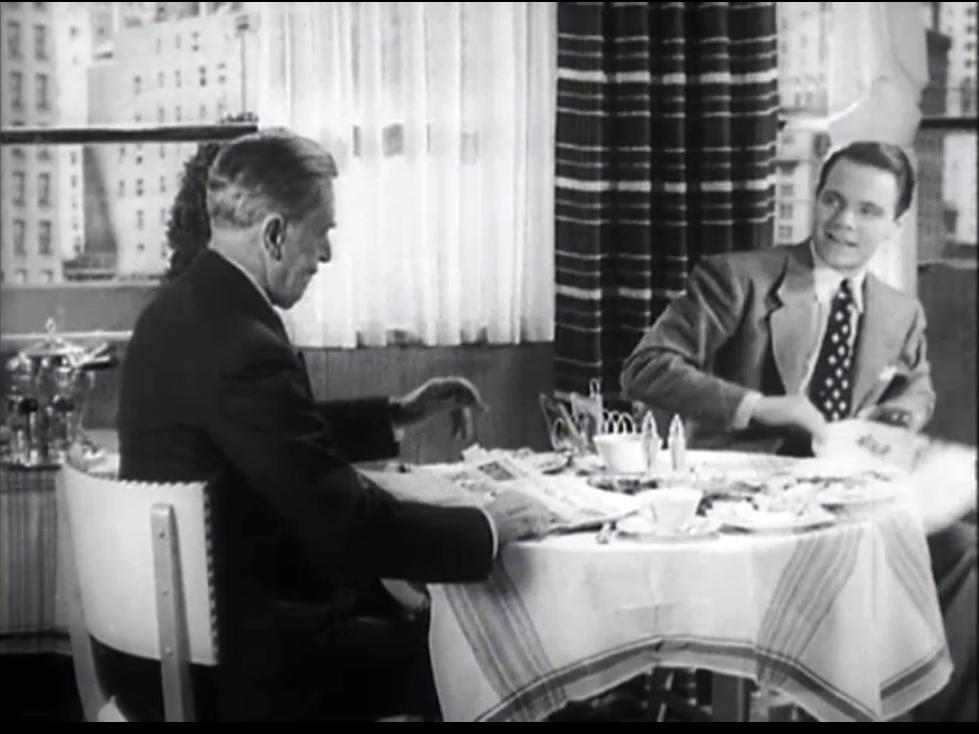
This crime drama is set in 1910, and tells the tale of a doctor accused of murdering his wife. He swore that he didn't do it. The evidence speaks otherwise. The doctor staunchly claimed the overdose of tranquilizers found in her tea got there by accident and that he and his beautiful mistress had absolutely nothing to do with it. Never mind that after his wife's "accidental" death, he and his lover just happened to choose that moment for a Canadian vacation. Despite their absence, the London police continue investigating until they find the poor wife's body buried in the doctor's cellar. Even after his subsequent capture, extradition and guilty sentence, Dr. Crippen swears his innocence. It's unbelievable, but the story is true. | |
| |
|
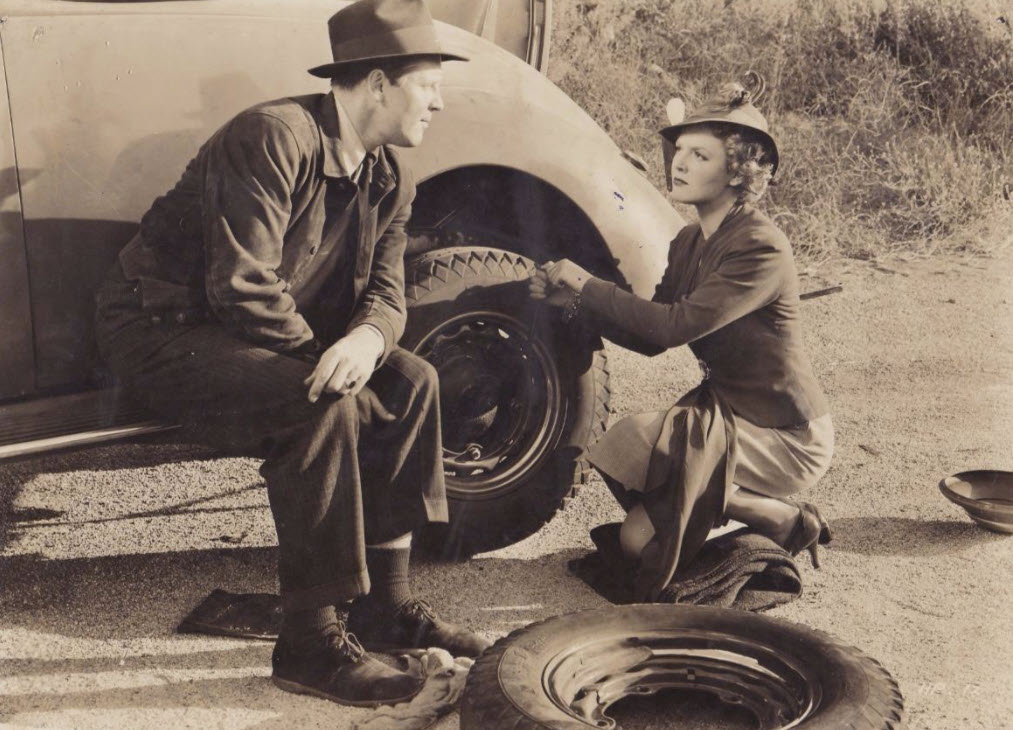
The Daredevil Drivers (1938) | Who better to direct Warner Bros.' Daredevil Drivers than B. Reeves "Breezy" Eason, the fast-action specialist who staged the chariot race sequence in 1925's Ben-Hur? Dick Purcell stars as suspended racecar driver Bill Foster who lands a job with a disreputable bus company. This puts him on the outs with his girlfriend Jerry Neeley (Beverly Roberts), the owner of a rival (and honest) bus firm. Bill gets back into Jerry's good graces when he exposes the criminal element running the company for which he works. As proof that everything's "relative" in Hollywood, Daredevil Drivers features Gloria Blondell, the sister of Warners contractee Joan Blondell, in a supporting role, while Charley Foy, the brother of the studio's B-movie unit supervisor Bryan Foy, provides comic relief. | |
| |
|
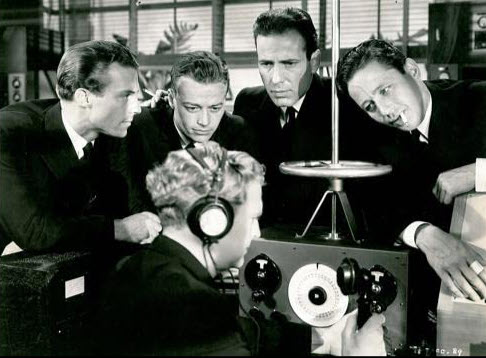
Based on the true story of Pan American Airlines, China Clipper was released only a year after the first transpacific flight in history. Pat O'Brien stars as Dave Logan, a man completely obsessed with starting the first commerical airline across the Pacific ocean. Engineer Dad Brunn (Henry B. Walthall) designs the airplane, while Dave teams up with business partner Tom Collins (Ross Alexander) to start up his company. Dave's wife, Jean (Beverley Roberts) has her doubts about the airline business, but loves her husband. Dave hires Hap Stuart (Humphrey Bogart) as the pilot to make his first flight to the Caribbean, where he ends up helping out the local people during a hurricane. Things start to go really wrong for Dave when Jean wants to leave him, his Dad gets ill, and his planes are subject to all kinds of tests. This was the last film appearance of Birth of a Nation star Henry B. Walthall, who had reportedly collapsed on the set right during production. | |
| |
|
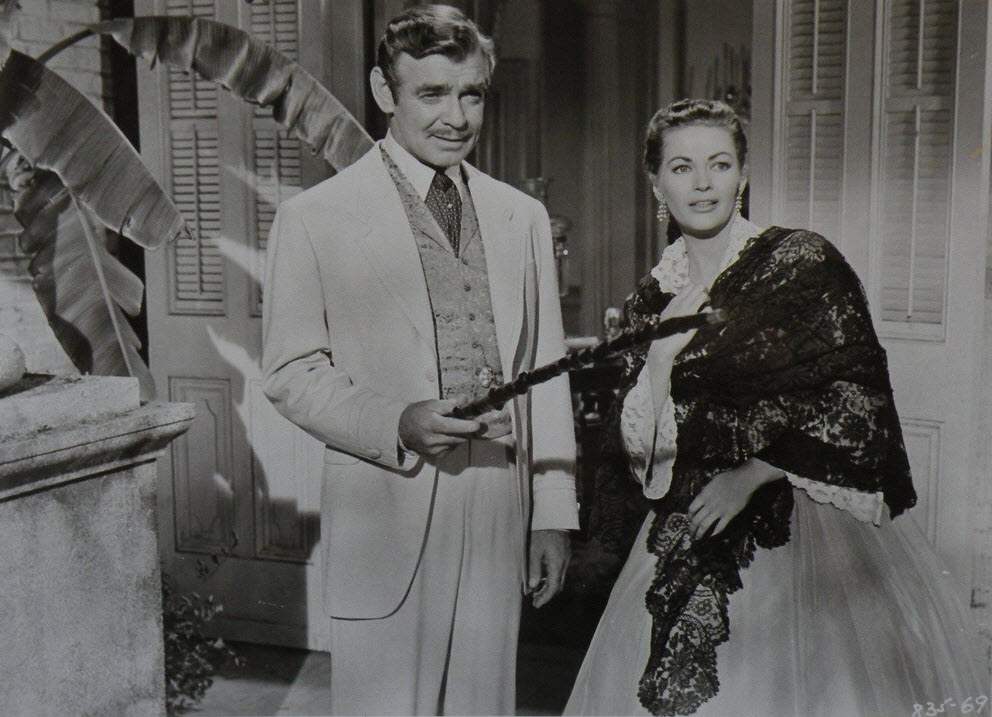
Based on a novel by Robert Penn Warren, this Southern potboiler stars Yvonne DeCarlo as Amantha Starr, the daughter of a wealthy Louisiana plantation owner. When her father unexpectedly dies, Amantha discovers that her father was deep in debt and the family is penniless, and she is forced to drop out of the exclusive girls' school she was attending. What's more, it is discovered that Amantha has a small amount of African-American blood, and under the laws she is to be sold into slavery in New Orleans. Amantha is purchased by Hamish Bond (Clark Gable), a dashing, wealthy, but mysterious landowner. While Amantha is at first terrified by her new situation, in time she grows fond of Hamish and becomes romantically involved with him. However, the outbreak of the Civil War leads to Union forces taking New Orleans; RauRu (Sidney Poitier), Hamish's trusted overseer, joins the Northern forces as the Rebels go down in defeat. RauRu hates Amantha for literally sleeping with the enemy, and Hamish for the corrupt system he represents, but his last remaining threads of loyalty prevent him from taking them prisoner. With his crops destroyed, Hamish must rebuild his empire from the ground up, and, as he joins forces with his former associate Capt. Canavan (Torin Thatcher), he must reveal a shameful secret to Amantha: he once earned his living as a slave trader. | |
| |
|
Watch On The Rhine (1943) | An expansion of, and improvement upon, Lillian Hellman's stage play of the same name, Watch on the Rhine stars Paul Lukas, recreating his Broadway role of tireless anti-fascist crusader Kurt Muller. As the clouds of war gather in Europe in the late 1930s, Muller arrives in Washington DC, accompanied by his American wife Sara (top-billed Bette Davis) and their children Joshua (Donald Buka), Bodo (Eric Roberts) and Babette (Janis Wilson). The Mullers stay at the home of Sarah's wealthy mother Fanny Fannelly (Lucille Watson), who lives in her own world of society get-togethers and can't be bothered with politics. Also staying with Fanny is Rumanian aristocrat Teck de Branovis (George Coulouris) and his American wife Marthe (Geraldine Fitzgerald). To protect his family, Muller keeps his "underground" activities a secret from Fanny and her guests, but de Branovis is suspicious of the mild-mannered visitor. It turns out that de Branovis is actually a Nazi sympathizer, willing to betray Muller for a price. Using blackmail as one of his weapons, de Branovis threatens to destroy all that Muller has been fighting for. To prevent this, Muller kills de Branovis in cold blood. Now technically a murderer, Muller bids his family a reluctant goodbye, heading back to Europe to continue his vital work. If ever there was a justifiable homicide in a motion picture, it was the killing of the odious de Branovis in Watch on the Rhine. Still, the Hollywood production code dictated that a murderer must always pay for his crimes, thus a coda is added, alluding to Muller's death-providing a golden opportunity for a nifty smiling-through-the-tears curtain speech by Bette Davis. Scripted by Lillian Hellman's lover Dashiel Hammett, Watch on the Rhine earned several Academy Award nominations, as well as a "best actor" Oscar for Paul Lukas. | |
| |
|
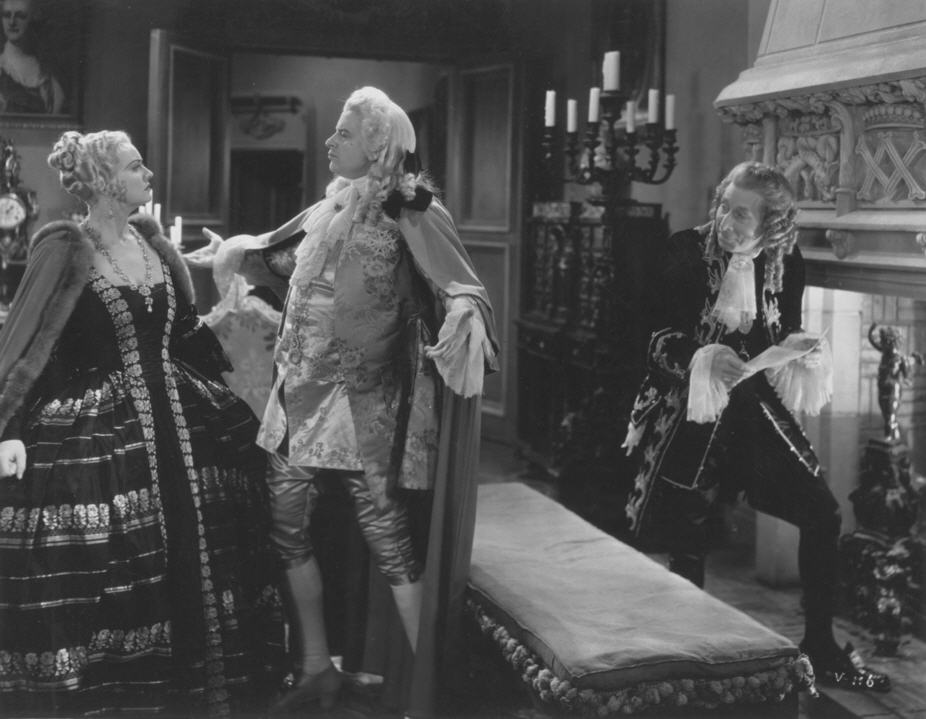
The life and times of one of France's most influential authors and philosophers receives the romantic treatment from director John G. Adolphi. | |
| |
|
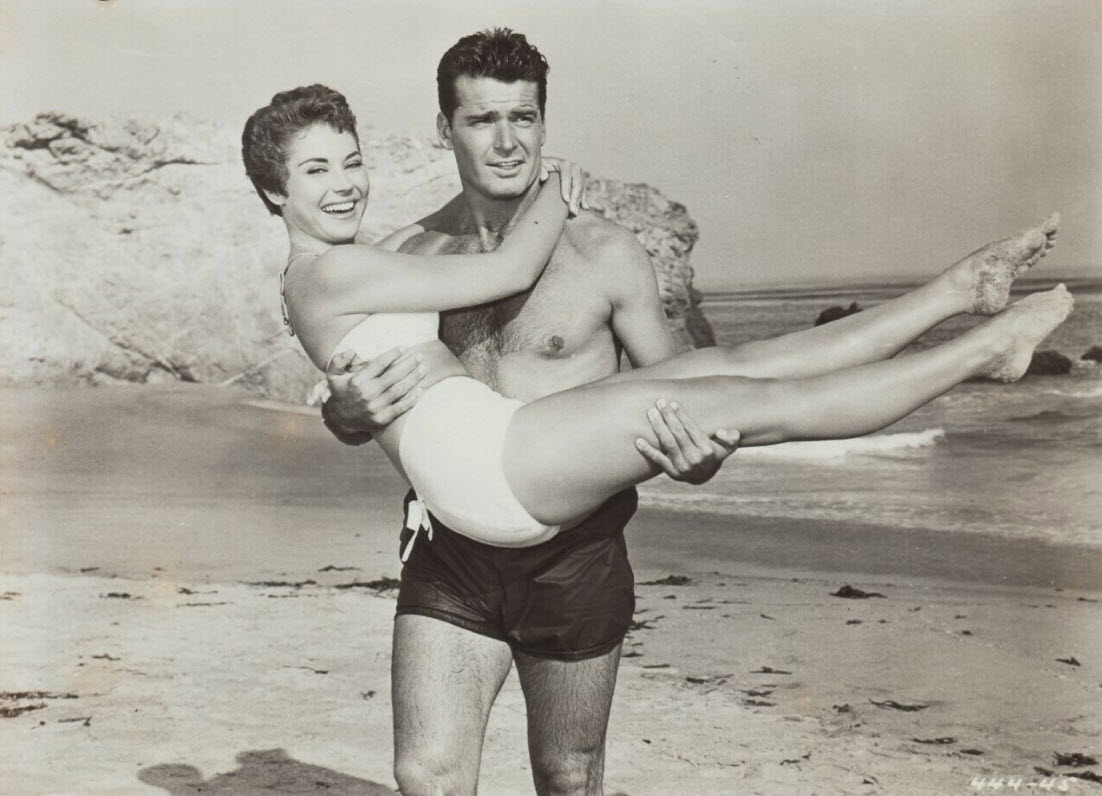
Lt. (jg) Ken Braden (James Garner) is a US Navy frogman and underwater demolitions expert who is assigned to a vital mission, and to a submarine captained by Commander Stevenson Edmond O'Brien. But Stevenson is a CO who may have seen too many men die -- the two immediately come into conflict over Braden's presence on the boat and his mission, a top secret foray into Japanese waters that jeopardizes the boat. The captain, in his strict adherence to regulations, makes it as difficult as possible for Braden to carry out his assignment, and Braden doesn't make matters easier between them by speaking his mind. And the crew's low morale only makes matters worse as the voyage progresses and the dangers around them mount. | |
| |
|
The Saint In New York (1938) | The Saint, Leslie Charteris' charming but deadly criminal-turned-sleuth, made his first film appearance in RKO Radio's The Saint of New York. Faithful to Charteris' original concept, this first movie Saint is a cold-blooded murderer, redeemed by the fact that all of his victims are notorious gangsters who'd otherwise elude the clutches of the law. Hired by a coterie of businessmen, Simon Templar (Louis Hayward), aka the Saint, methodically rids New York of its worst criminals, though "The Big Fellow", aka Hutch Rellin (Sig Rumann), continues to elude him. He is aided by Rellin's enigmatic mistress Fay Edwards (Kay Sutton), who pays for her actions with her life. The film's most memorable moment finds Templar disguising himself as a nun to dispose of a particularly nasty villain. The success of The Saint of New York prompted RKO to negotiate with Charteris for a series of "Saint" films, with George Sanders and Hugh Sinclair taking over from Louis Hayward as the title character. | |
| |
|
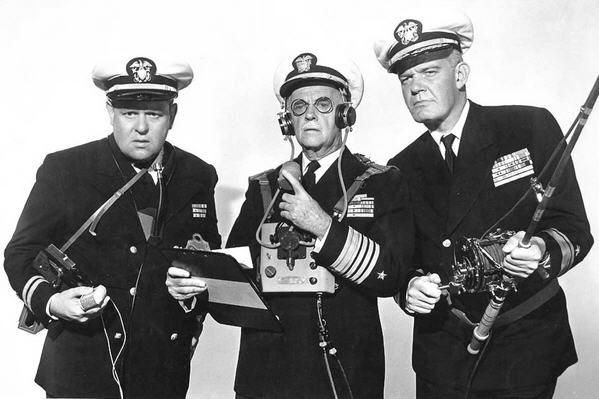
The Incredible Mr. Limpet (1964) | In this amusing fantasy, a combination of live-action and animated effects, Don Knotts plays scrawny bookkeeper Henry Limpet, who longs to help the U.S. after the outbreak of World War II. He becomes depressed after being turned down by the Navy, particularly after his pal George (Jack Weston) is accepted. When Henry takes a walk on the Coney Island pier with his wife Bessie (Carole Cook), he falls into the water and is transformed into a fish, complete with his reading spectacles. Henry finally gets to help the war effort by helping to track down Nazi U boats for the Navy. Andrew Duggan and Larry Keating play the admirals who spearhead the secret mission involving the transformed Henry. Longtime Disney production associate John Rose was the producer of this film, and the influence of the animation is evident. | |
| |
|
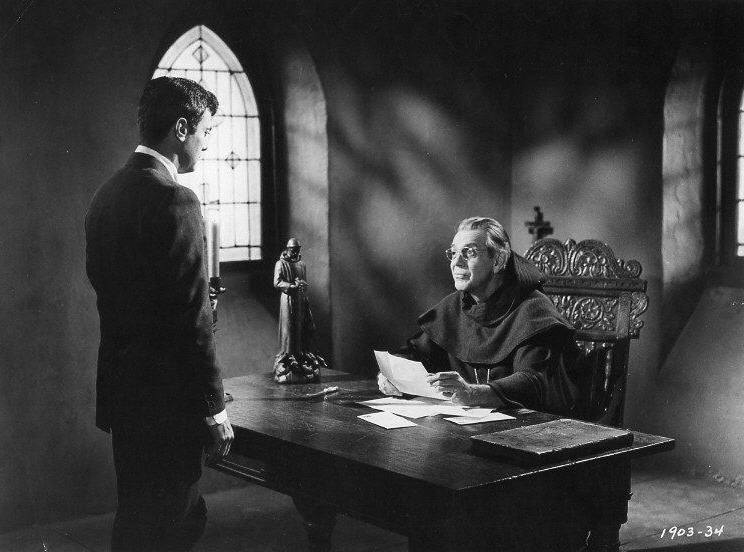
The Great Impostor (1960) | The Great Impostor is the true story of chameleonlike Canadian Ferdinand Waldo DeMara Jr., well-played by Tony Curtis. Unable to decide what he wants to do with his life, DeMara goes about pretending to be other people, hoping to eventually "find himself." He poses as a Harvard professor, a Trappist monk, a prison warden, and a navy physician, and manages each time to get away with the artifice. The film wavers uncertainly between tense drama and frothy comedy, with comedy finally winning out. Karl Malden co-stars as Father Devlin, the young DeMara's spiritual advisor, while Joan Blackman is the nominal (and hardly visible) heroine. The real Ferdinand DeMara (if indeed there was a real Ferdinand DeMara) can be seen in a supporting role in the 1960 melodrama The Hypnotic Eye. | |
| |
|
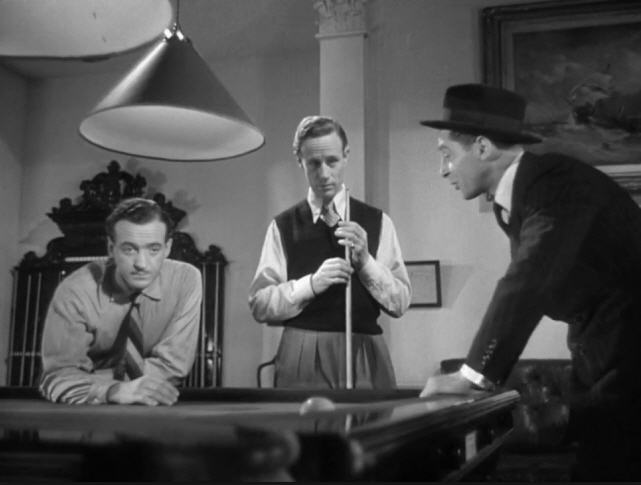
The First Of The Few (1942) | The First of the Few is a dramatization of the life of R.J. Mitchell, the aeronautical engineer who designed the Spitfire fighter plane, which saved England in the Battle of Britain. Produced, directed by, and starring Leslie Howard, with David Niven as a pilot friend of the engineer, the movie starts with the 1940 Battle of Britain and flashes back, as wing commander Geoffrey Crisp (Niven) recounts his friendship with Mitchell and the years from 1918 to 1937, across which he helped move aviation into the modern age -- starting with racing competitions after the First World War, Mitchell is depicted as a design visionary, perceiving both the possibility and then the desperate need for faster and better aircraft. The latter becomes a matter of national survival, and he sacrifices the last years of his life to perfecting the plane that makes him a legend. As with most biographical films of this era, the picture does take some liberties with fact -- Mitchell did not spend time watching and talking dreamily of birds in flight, and comparing them to the box-like bi-planes of the early 1920s; and he never visited Germany in the early Hitler years and, thus, never heard first-hand hints (or threats) about glider clubs masquerading as training units for military pilots, an event depicted here as his motivation for designing the Spitfire; and the man's own son felt that Robert Donat, rather than Leslie Howard, would have been a more accurate portrayal of Mitchell. But in the main the movie -- which was made with the approval of Mitchell's widow and son, who were present for much of the shooting -- gets the essentials correct, and is surprisingly suspenseful for a bio-pic of this type. As a result of the presence of David Niven in the cast, The First of the Few was picked up for distribution in the US by Samuel Goldwyn, who had Niven under contract, and distributed by RKO in an edited 88 minute version under the title Spitfire, by which it is best known in the United States. | |
| |
|
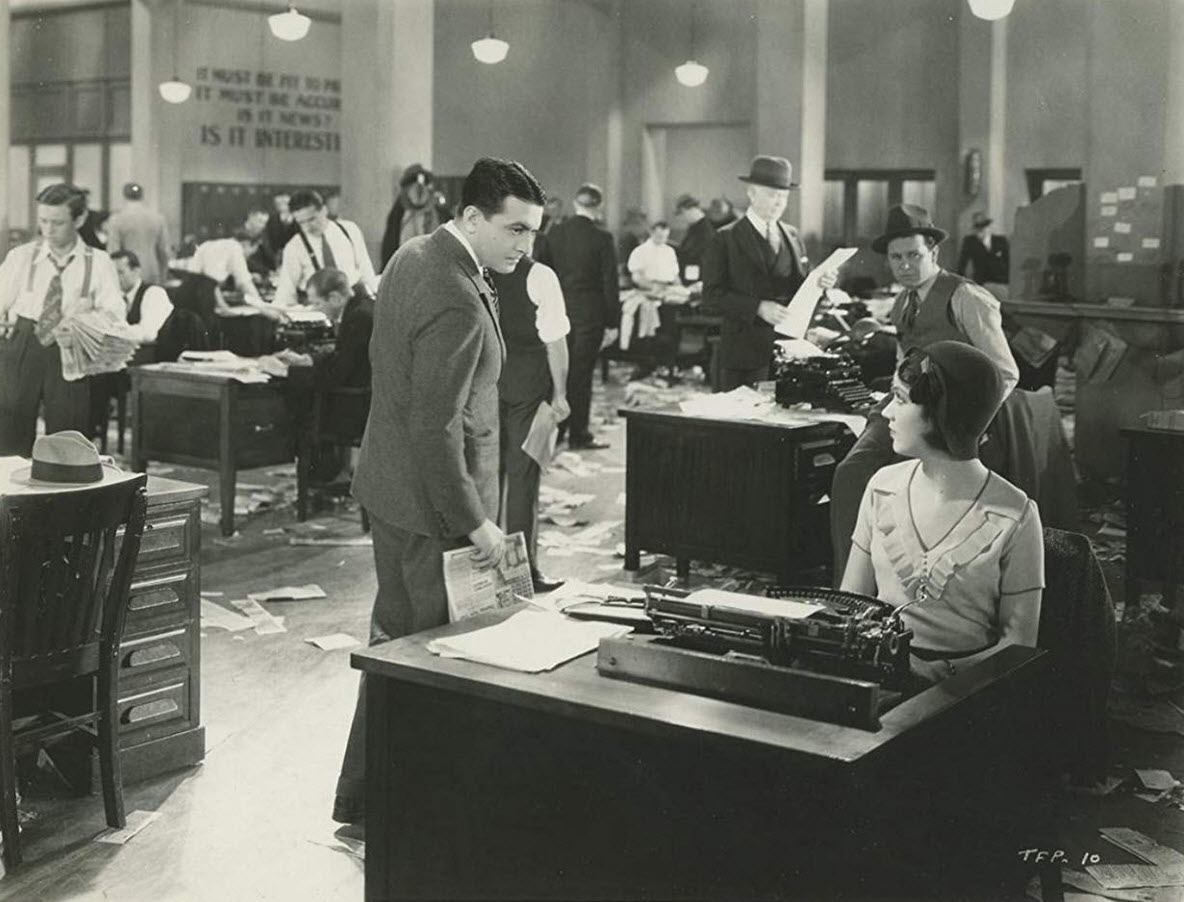
The names have all been changed, but this hard-hitting gangster tale is based on an actual newspaper headline story involving the brutal slaying of corrupt crime reporter Alfred "Jake" Lingle, who had been suspected of betraying his boss Al Capone. Naive Southern boy Breckinridge Lee comes to the big city for fame and fortune. He starts out honest, but is unable to the resist hefty payoffs offered by crime lord Louis Blanco to suppress certain stories. Time passes and Lee does a great job for Blanco. Lee's girl friend tries to get him to go straight, but he has become too accustomed to the money and besides is too deeply mired in corruption to ever escape. In the end, he loses his life when a story about Blanco's latest shenanigans escapes his watchful eye and gets printed. Believing Lee was behind the double-cross, Blanco orders him executed and tragedy ensues. | |
| |
|
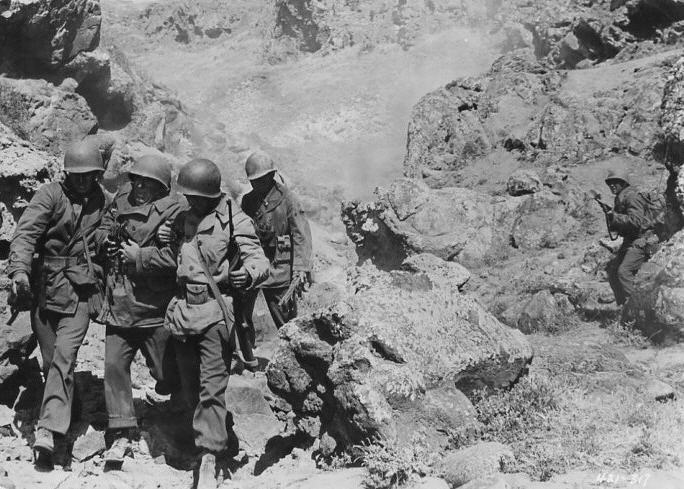
The conflict between duty and conscience is explored in the WWII drama The Deep Six. Alan Ladd stars as Naval gunnery officer Alec Austin, a Quaker whose sincere pacifist sentiments do not sit well with his crew members. When he refuses to fire upon an unidentified plane, the word spreads that Austin cannot be relied upon in battle (never mind that the plane turns out to be one of ours). To prove that he's worthy of command, Austin volunteers for a dangerous mission: the rescue of a group of US pilots on a Japanese-held island. The ubiquitous William Bendix costars as Frenchy Shapiro (!), Austin's Jewish petty officer and severest critic. If the film has a villain, it is Keenan Wynn as ambitious Lt. Commander Edge, who seems to despise anyone who isn't a mainline WASP.The Deep Six was based on a novel by Martin Dibner. | |
| |
|
Ostensibly a vehicle for RKO Radio's new comedy duo Wally Brown and Alan Carney, Seven Days Ashore actually casts Brown & Carney in subordinate roles. The plotline is carried by furloughed sailor Dan Arland (Gordon Oliver), who while docked in San Francisco gets mixed up with three amorous females. Hoping to avoid breach-of-promise suits from two of the girls, Arland palms them off to his pals Monty (Brown) and Orville (Carney), while he devotes his time to debutante Annabelle (played by future news journalist Elaine Shepard). One of the "castaway" girls is portrayed by Virginia Mayo, on the verge of stardom. Musical relief is provided by Dooley Wilson ("Sam" in Casablanca), Freddie Slack and His Orchestra, and the zany "corn aggregation" led by Freddie "Schnickelfritz" Fisher. | |
| |
|
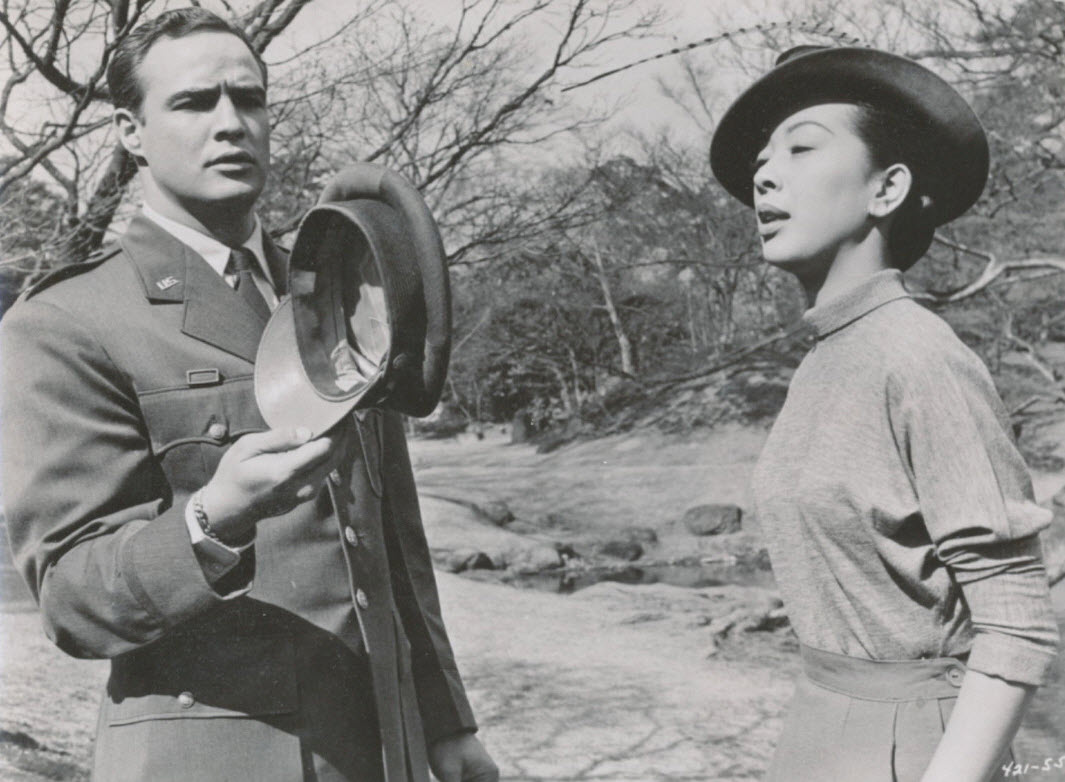
Sayonara takes its own sweet time to unfold; in so doing, it permits us to make intimate acquaintance with its characters, so as to better understand their multitextured motivations. The film is set in Japan during the Korean War. While on leave, pugnacious American soldier Red Buttons falls in love with Japanese maiden Miyoshi Umeki. Given the army's official policy against interracial marriage, Buttons is courting a court-martial. His best friend, major Marlon Brando, tries to talk Buttons out of "ruining" his life. Brando himself is about to marry Patricia Owens, the daughter of general Kent Smith. Fighting back his own prejudices, Brando agrees to be Buttons' best man at the latter's wedding to Umeki. Later, Brando himself falls for Miiko Taka, a beautiful Kabuki dancer. This sparks an all-out onslaught of racial bigotry from the Army brass, and an official edict sending American soldiers back to the states without their Japanese wives. Buttons cannot bear being parted with Umeki; as a result, the two commit suicide. The tragedy compels the army to soften its attitudes towards miscegenation. Brando is reunited with Taka, who in a parallel situation has had to ward off the inbred prejudices of her people. Nominated for ten Academy Awards, Sayonara won five, including "Best Supporting Actor" (Red Buttons, whose moribund career was revitalized herein) and "Best Supporting Actress" (Miyoshi Umeki). And yes, that is Ricardo Montalban in Japanese makeup as a Kabuki actor. | |
| |
|
Several film historians, notably the late William K. Everson, have noted the striking resemblances between Run of the Arrow and the 1990 Oscar-winner Dances with Wolves. Rod Steiger stars as O'Meara, an Irish-brogued Confederate soldier with an intense dislike for Yankees. Unable to accept the South's defeat, O'Meara heads westward after the Civil War, to start life anew amongst the Sioux Indians. Surving a ritual rite of passage called the Run of the Arrow, O'Meara is accepted into the tribe, and shortly afterward marries Sioux woman Yellow Moccasin (played by Spanish actress Sarita Montiel, whose voice was dubbed by Angie Dickinson). The true test of O'Meara's fidelity to the Sioux comes when his adopted people come into conflict with a Cavalry troop, headed by Northerner Captain Clark (Brian Keith). The cast includes such western "regulars" as Charles Bronson, Olive Carey (the widow of Harry Carey) and Colonel Tom McCoy (a recognized Indian-lore expert). Produced by RKO Radio, Run of the Arrow was released by Universal-International. | |
| |
|
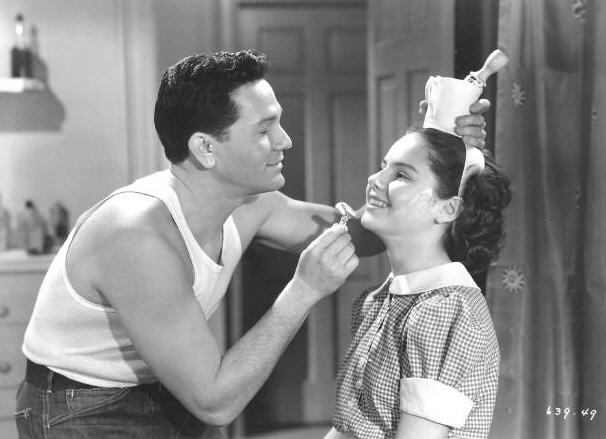
Pride Of The Marines (1945) | John Garfield stars as Al Schmid, a true-life marine who served in World War II. Schmid becomes a hero at Guadalcanal, defending a machine gun post and killing 200 Japanese before he is permanently blinded by a grenade. Despite being awarded the Navy Cross, Schmid returns home embittered by his disability. After a long and grueling convalescence, he is shaken back to life by his girl friend Ruth (Eleanor Parker) and his best pal (Dane Clark), neither of whom allow Al to wallow in self-pity. The pride in Pride of the Marines comes from Al Schmid's ultimate realization that his sacrifice was worthwhile, and that his sightlessness need not prevent him from leading a full and rewarding life. | |
| |
|
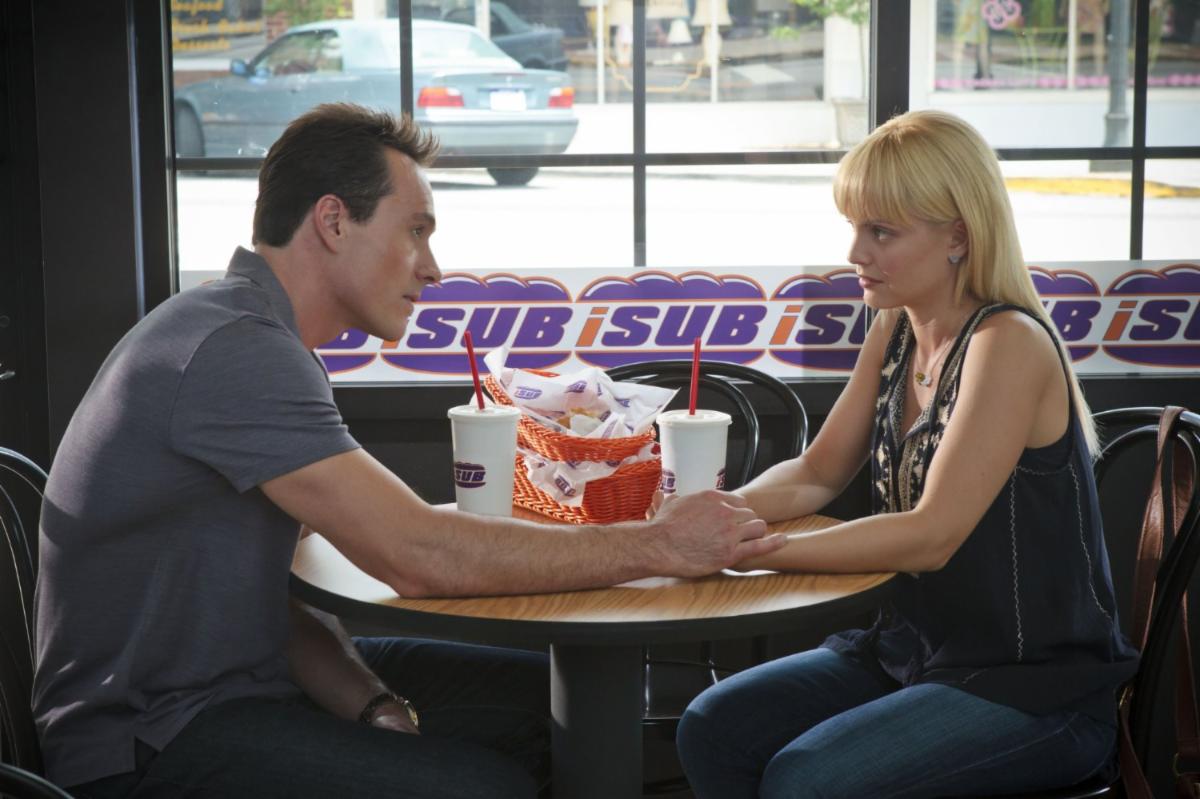
The American Pie series comes full circle as the characters from the 1999 comedy classic return to East Great Falls for their ten-year high-school reunion and experience a weekend they will never forget. While some couples, like Jim (Jason Biggs) and Michelle (Alyson Hannigan), got serious and tied the knot, others, like Oz (Chris Klein) and Heather (Mena Suvari), went their separate ways. Meanwhile, Finch (Eddie Kaye Thomas) still looks back with lust at that perfect evening he spent with Stifler's mom. Seann William Scott, Tara Reid, Thomas Ian Nicholas, Shannon Elizabeth, Eugene Levy, and Natasha Lyonne co-star. | |
| |
|
American Breakdown (2007) | The weight of the world bearing down on their shoulders, 10 strangers struggle to take their destinies into their own hands while living in a society that has lost all kindness and compassion. Steve Carrell, James Gandolfini, Paul Walker, Josh Hartnett, and Paris Hilton star. | |
| |
|
Five Filipino-American friends living in New York City deal with love, sex, friendship, careers, and cultural identity in this romantic comedy-drama directed by veteran Philippine actress Laurice Guillen. Tere Sanchez (Cherry Pie Picache) is an accountant who is in her early forties, single, and not especially happy about it. Tere is an excellent cook, and often throws dinner parties for her friends, and the arrival of her old friend Lorna (Sol Oca) from Manila is all the reason she needs to invite her friends over for a feast. Mike (Christopher De Leon) is a former political journalist who is now enjoying the fruits of a lucrative career as a newspaper editor, but he wonders if he left his principles behind along the way; he's also feeling unfulfilled in his marriage to Gigi (Susan Valdez-LeGoff). Gerry (Ricky Davao) is a advertising copywriter who is afraid to tell his friends and family that he's gay, though circumstances may well drive him out of the closet. Raul (Paolo Montalban) is a good-looking ladies' man who prefers to date Caucasians, and lacks a certain amount of emotional maturity. And Marissa (Dina Bonnevie) is on the surface a well-to-do social butterfly; however, deep inside she's woefully insecure, and is afraid to confront her boyfriend Sam (Randy Becker) about his constant infidelity. Meanwhile, Lorna confesses that while she's married to a wealthy man in Manila, she's terribly unhappy, and is considering staying in America as an illegal alien. American Adobo was the first American-Philippine co-production to open in three major American cities at once (New York, Los Angeles, and San Francisco); incidentally, adobo is a spicy chicken or pork dish popular in the Philippines. | |
| |
|
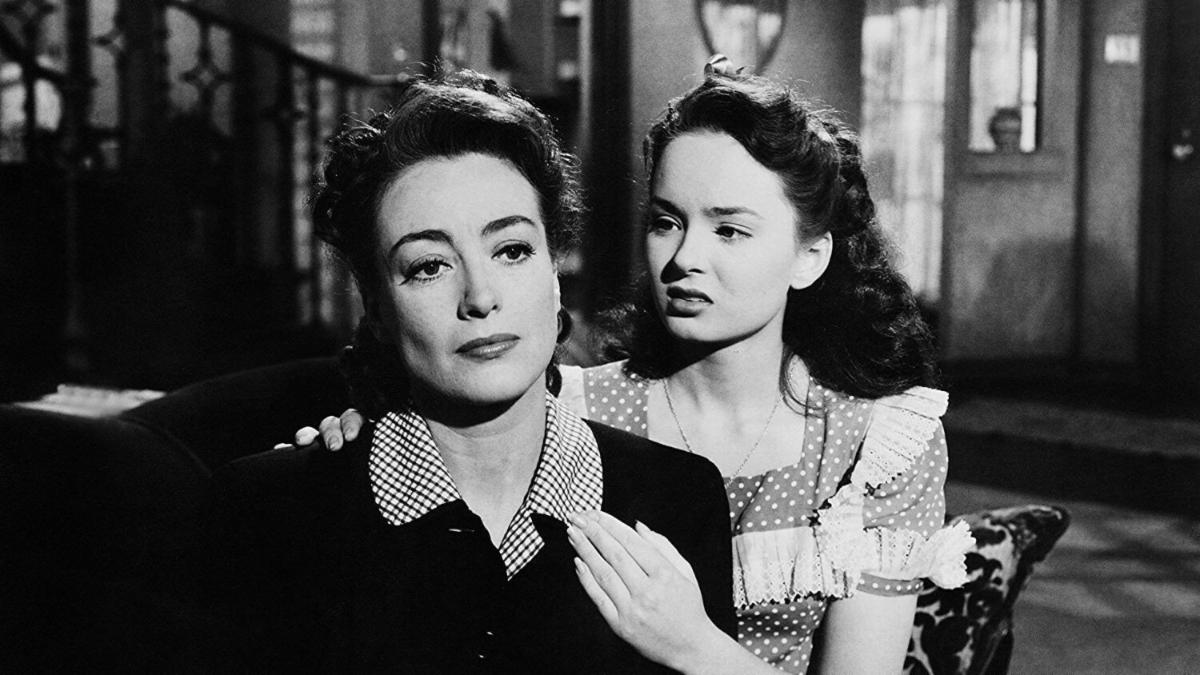
Joan Crawford won an Academy Award for her bravura portrayal of the titular heroine in Mildred Pierce. The original James M. Cain novel concerns a wife and mother who works her way to financial security to provide a rosy future for her beloved daughter, but encounters difficulties and tragedies along the way. Ranald McDougall's screenplay tones down the sexual content, enhancing its film noir value by adding a sordid murder. The film opens with oily lounge lizard Monte Beragon (Zachary Scott) being pumped full of bullets. Croaking out the name "Mildred", he collapses and dies. Both the police and the audience are led to believe that the murderer is chain-restaurant entrepreneur Mildred Pierce (Crawford), who takes the time to relate some of her sordid history. As the flashback begins, we see Mildred unhappily married to philandering Bert Pierce (Bruce Bennett). She divorces him, keeping custody of her two beloved daughters, Veda (Ann Blyth) and Kay (Jo Anne Marlowe). To keep oldest daughter Veda in comparative luxury, Mildred ends up taking a waitressing position at a local restaurant. With the help of slimy real estate agent Wally Fay (Jack Carson), she eventually buys her own establishment, which grows into a chain of restaurants throughout Southern California. Meanwhile, Mildred smothers Veda in affection and creature comforts. She goes so far as to enter into a loveless marriage with the wealthy Monty Beragon in order to improve her social standing; Beragon repays the favor by living the life of a layabout playboy, much to Mildred's dismay -- and possible financial ruin. | |
| |
|
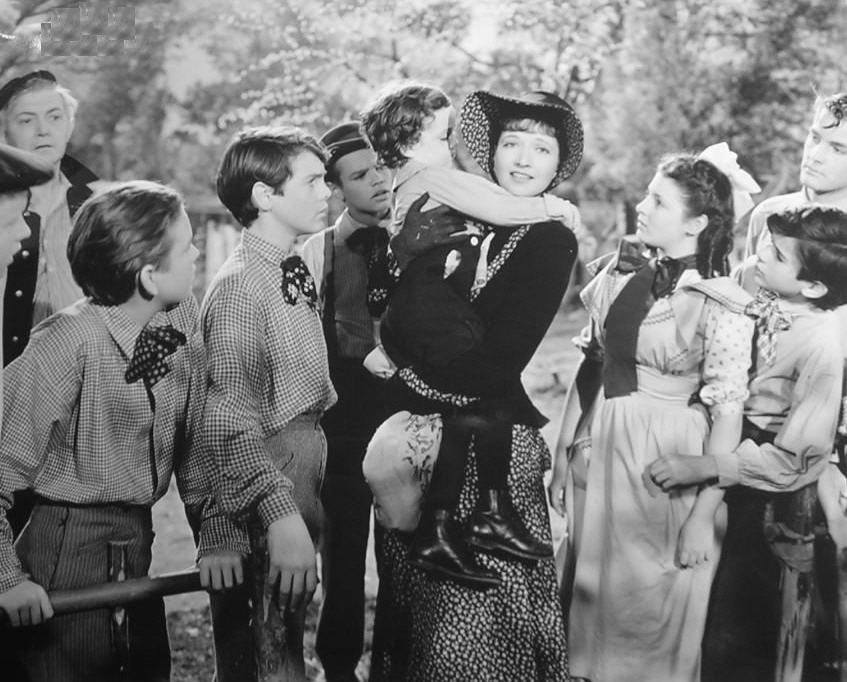
Little Men, Louisa May Alcott's followup to her successful novel Little Women, has never truly adapted well to the screen, though this 1940 version is better than most. Kay Francis stars as the all-grown-up Jo March, now in charge of a private school for young boys. Her most contentious charge is rebellious Dan (Jimmy Conlin), who finally learns the rudiments of gentlemanly behavior from the firm-but-gentle Jo. Despite its huge and talented cast, the film is handily (and appropriately) stolen by Jack Oakie as an affable con artist named Willie the Thief. Also on hand is the original Elsie the Cow (but where's Elmer and his glue?) A loser at the box office, Little Men is currently in wider circulation than ever before thanks to its Public Domain status (also available in the P.D. market is the 1933 version of Little Men, produced by Monogram). | |
| |
|
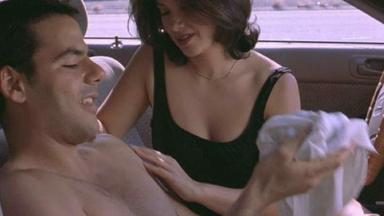
The Amazing Transplant (1970) | Perhaps the most outrageous of cult director Doris Wishman's many forays into the sexploitation genre, this film begins with a nude woman playing a zither and just gets more bizarre from there. The woman's boyfriend, Arthur (Juan Fernandez) tries to have sex with her, but his fury at his own impotence drives him to strangle her to death. Arthur eventually receives a transplant of a dying playboy's estimable penis, but that doesn't stop his killing spree. Rape, murder, and lesbianism are the featured attractions in this horrific low-budget roughie, which features an early softcore appearance by porn legend Kim Pope. Wishman returned with The Immoral Three (1970). | |
| |
|
A singing waiter with a wonderful operatic voice finds himself in the squared circle facing heavyweight boxers after he gets involved with crooked fight promoters who want him to both win the world heavyweight championship and attract more female fans with his post bout crooning. The promoters gull the waiter into his bizarre gig with the bogus promise that boxing will improve his singing. | |
| |
|
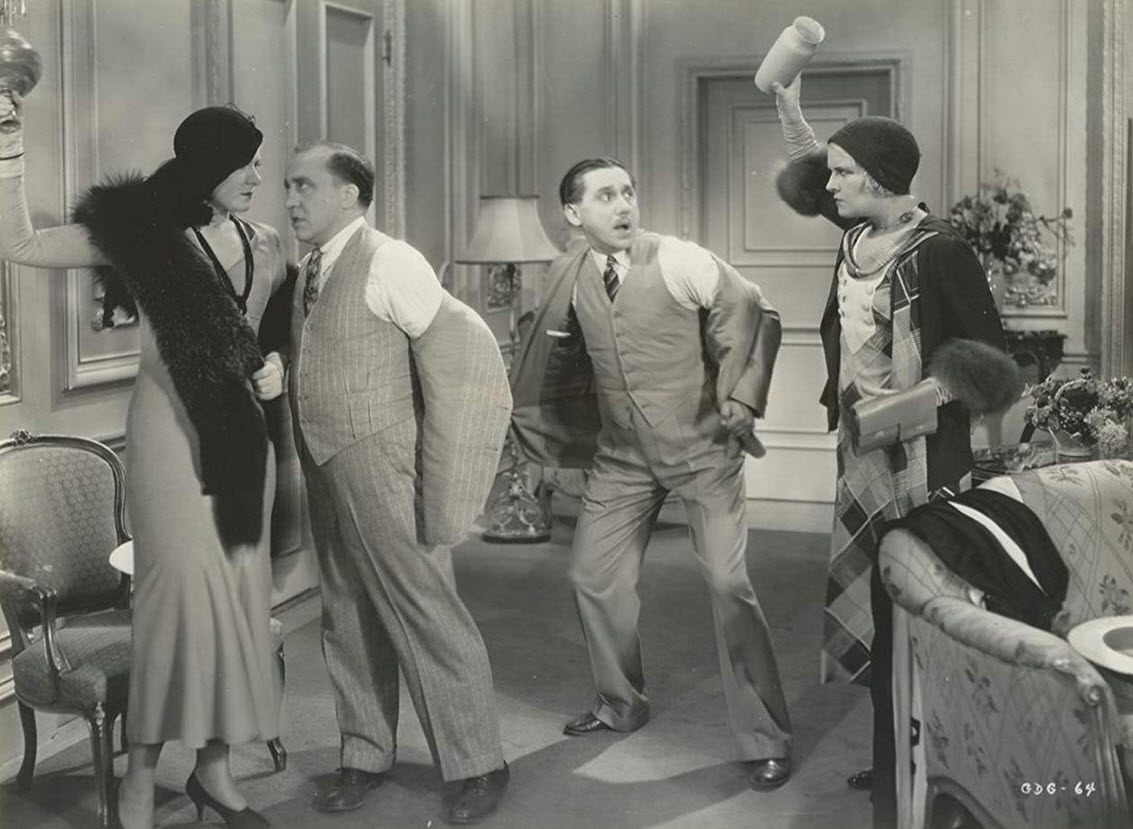
Ole Olsen and Chic Johnson's final film for Warner Bros. is as much a vehicle for comedienne Winnie Lightner as it is for the venerable vaudeville team. The premise: Gertie (Lightner) marries Harlan (Johnson), then divorces him to marry Guthrie (Olsen), Harlan's partner in a bathing-suit manufacturing business. After Gertie dumps Guthrie, he weds Lucille (Vivian Oakland), while Harlan ties the knot with Lucille's sister Mabel (Dorothy Christy). Several years pass before Gertie re-enters Harlan and Guthrie's lives, demanding back alimony. Since the partners have never informed their henpecking wives that they've been married before, the fur really begins to fly when Lucille and Mabel spot Gertie in a variety of compromising situations with their spouses. The laughs multiply when Gertie pursues her two ex-hubbies on an ocean liner, then descends upon them at a Florida swimsuit convention. Olsen and Johnson seem uncomfortable doing what is essentially Laurel and Hardy material (Ole Olsen even sports a mustache, a la Hardy), but they invest their roles with their usual manic enthusiasm. Gold Dust Gertie winds up with a slapstick speedboat chase, consisting mainly of stock footage from the recently completed Joe E. Brown comedy Top Speed. | |
| |
|
The Ten Commandments (1956) | Based on the Holy Scriptures, with additional dialogue by several other hands, The Ten Commandments was the last film directed by Cecil B. DeMille. The story relates the life of Moses, from the time he was discovered in the bullrushes as an infant by the pharoah's daughter, to his long, hard struggle to free the Hebrews from their slavery at the hands of the Egyptians. Moses (Charlton Heston) starts out "in solid" as Pharoah's adopted son (and a whiz at designing pyramids, dispensing such construction-site advice as "Blood makes poor mortar"), but when he discovers his true Hebrew heritage, he attempts to make life easier for his people. Banished by his jealous half-brother Rameses (Yul Brynner), Moses returns fully bearded to Pharoah's court, warning that he's had a message from God and that the Egyptians had better free the Hebrews post-haste if they know what's good for them. Only after the Deadly Plagues have decimated Egypt does Rameses give in. As the Hebrews reach the Red Sea, they discover that Rameses has gone back on his word and plans to have them all killed. But Moses rescues his people with a little Divine legerdemain by parting the Seas. Later, Moses is again confronted by God on Mt. Sinai, who delivers unto him the Ten Commandments. Meanwhile, the Hebrews, led by the duplicitous Dathan (Edward G. Robinson), are forgetting their religion and behaving like libertines. "Where's your Moses now?" brays Dathan in the manner of a Lower East Side gangster. He soon finds out. DeMille's The Ten Commandments may not be the most subtle and sophisticated entertainment ever concocted, but it tells its story with a clarity and vitality that few Biblical scholars have ever been able to duplicate. It is very likely the most eventful 219 minutes ever recorded to film--and who's to say that Nefertiri (Anne Baxter) didn't make speeches like, "Oh, Moses, Moses, you splendid, stubborn, adorable fool"? | |
| |
|
Pristine waters, exotic ports of call and unique, once-in-a-lifetime activities await you on Dream Cruises. Sail away with us on state of the art vessels fit for adventure on the seas. | |
| | | |